
REVIEW · SPAIN
2-Dive Guided Scuba Diving For Qualified Divers
Tenerife’s underwater world is shaped by volcanoes, and that is the main attraction here. You can explore Atlantic waters around volcanic rock formations, search for marine life, and reach some sites by a 7.5-meter sports RIB or from shore. The small ratio of no more than six divers per guide is a real plus, especially when conditions or experience levels vary.
I like the flexible site planning and the fact that your guide will not push a newer certified diver into strong currents. I also like the useful six-hour format: two 2.5-hour water sessions with a one-hour break between them. The main consideration is that the $97 price does not include equipment rental or dive accident insurance, so your final cost can be higher.
Key points to know before booking
- Up to 30 sites: Your guide can select from a broad range of locations around Tenerife.
- Boat or shore access: Use the 7.5-meter RIB or choose a shore entry, depending on the day’s plan.
- Small groups: Each guide works with a maximum of six divers.
- Plans match your certification: Newer qualified divers avoid strong currents, while experienced divers can request more advanced sites.
- Two substantial water sessions: Each lasts about 2.5 hours, with a one-hour rest period between them.
- Bring your paperwork: You need your certification, logbook, and completed medical declaration.
Why Tenerife’s volcanic seabed makes this outing interesting
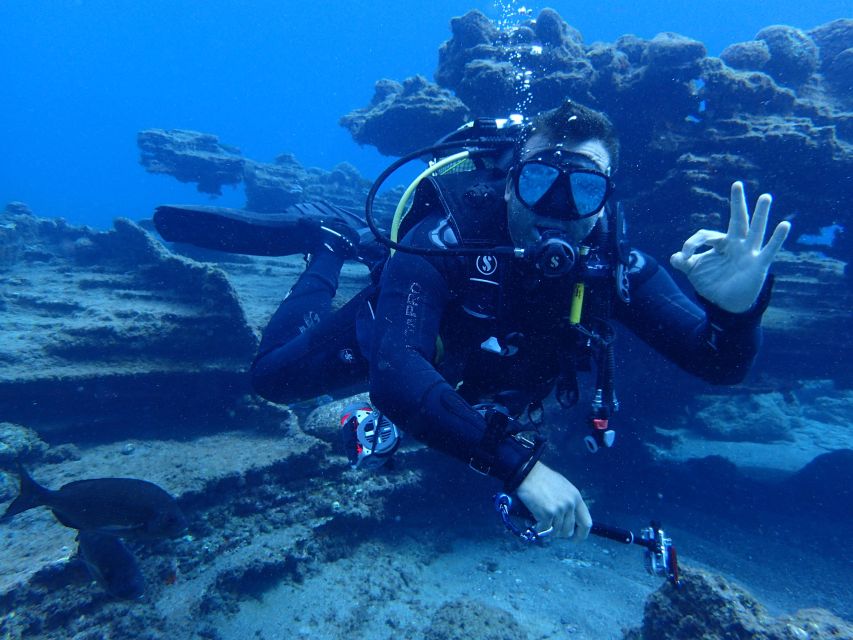
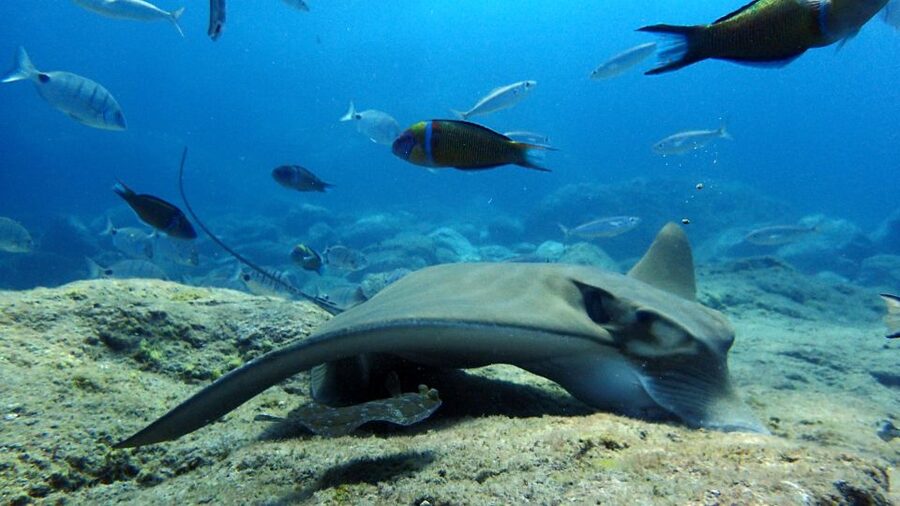
Tenerife was formed by volcanic activity, and the same forces that shaped the island continue below the Atlantic. Here, the underwater scenery is not a flat sandy floor. Your guide may take you along volcanic rock formations, around contours, and through areas selected for their marine life.
The description of the sites is intentionally broad, and that is sensible. Underwater conditions change from day to day, so the best place for you may depend on visibility, current, certification level, and what you hope to see. You might find that one person’s ideal session is a calm look at marine life, while another wants a more demanding route through rock formations.
I appreciate that the program does not promise one fixed site. With more than 30 locations available, the guide can make a better choice on the day rather than sending every group to the same place. You should still understand that the exact scenery and wildlife are not guaranteed.
The Atlantic water is described as crystal-clear, but visibility can never be treated as a sure thing. The appeal is the chance to explore a volcanic underwater setting with a professional who knows the local sites, not a promise of a particular animal or formation.
A few more dives around Spain worth comparing
- guided Scuba Diving on Tenerife (for certified divers)
★ 5.0 · 135 reviews - Guided Boat Dives for Certified Divers
★ 5.0 · 119 reviews - Puerto del Carmen: Guided Scuba Dive (certified only)
★ 4.8 · 6 reviews
Meet at Paradise Divers in Callao Salvaje
Your starting point is Paradise Divers, a PADI 5 Star Instructor Development Centre in Callao Salvaje. You meet there before heading to the selected entry point. Pickup can be arranged if you ask for it, but do not assume transport from your accommodation is included.
The location matters because the day is built around preparation, not simply arriving at the water and jumping in. You will meet the guide, complete the safety and equipment checks, and discuss the plan. Bring your certification and logbook, since the guide needs to match the outing to your qualifications and experience.
The activity is wheelchair accessible, but the practical details of getting into the RIB or entering from shore can vary. If access is important to you, contact the provider before booking so the specific plan can be discussed.
The guide languages are English, Dutch, Spanish, and French. That is useful for a technical activity where clear instructions matter. PADI professionals lead the sessions, and the small group limit keeps the briefing and underwater supervision more personal than a large boat operation.
How the six-hour schedule works
The day includes two water sessions, each listed as 2.5 hours, with a one-hour break between them. Allow six hours in total from leaving Paradise Divers to returning there.
The first session is your chance to settle into the day. After the briefing, you will head to the selected site by boat or shore. The exact route depends on your experience, interests, and the conditions that day. If you are newly qualified, the guide will avoid a site with strong currents. If you have more experience and want a more advanced setting, the guide can plan accordingly.
The 2.5-hour block does not necessarily mean you will spend every minute underwater. It includes the practical parts of the session, such as reaching the entry point and returning afterward. Still, it gives you a substantial morning or afternoon on the water rather than a rushed single descent.
After the first session, you get a one-hour break. Bring water and a snack, since food and drinks are not included. This pause is also useful for changing tanks, warming up, discussing what you saw, and adjusting the plan for the second session.
The second 2.5-hour block gives the day its value. Two separate sessions let you visit different types of sites or return to the water with a better sense of what suits you. The exact arrangement is decided by the guide, so do not expect a fixed sequence of named locations.
At the end, you return to Paradise Divers. You should bring dry clothes because wet clothing is not permitted in the vans. It is a small rule, but an important one if you are using transport between the centre and a shore site.
Boat or shore entry: which option suits you?
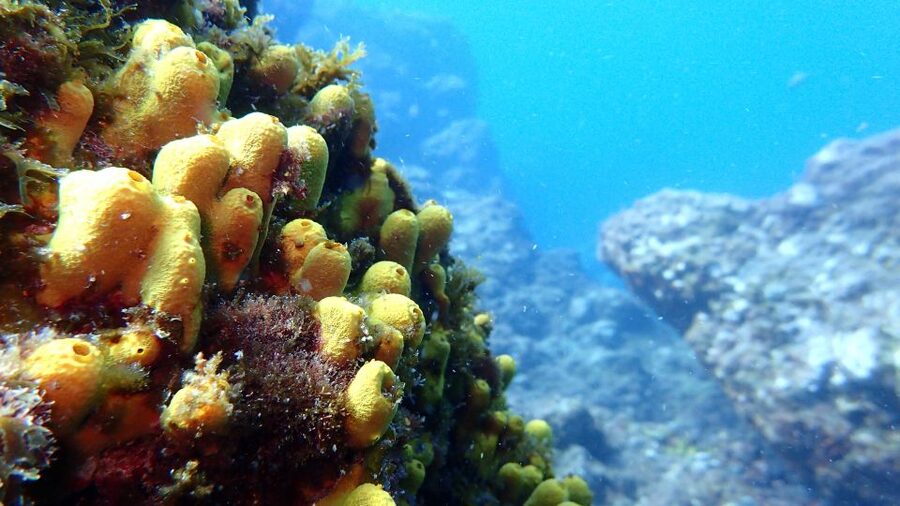
The 7.5-meter sports RIB gives the outing a straightforward way to reach offshore locations. It may be the better choice if the guide selects a site that is easier or more interesting to reach by boat. You will spend less time making a long shore approach and may have access to locations unavailable from land.
A RIB is also an open, active boat rather than a large enclosed vessel. If you prefer a calmer, more spacious boat setting, you should ask for details before booking. The supplied information confirms the boat type, but not the specific ride time or facilities on board.
Shore sessions offer a different rhythm. They can be practical for sites close to land and may reduce the need for a boat transfer. They also mean that the entry and exit conditions matter more, so your guide’s choice should reflect your certification and comfort.
You do not need to choose one option without guidance. Boat or shore access is included, and the plan is tailored to the site and your level. That flexibility is more useful than a forced choice made months ahead.
Same water, a completely different day underwater:
- Tenerife: Your First Scuba Diving Experience in Turtle Area
★ 4.7 · 1,679 reviews - Barcelona: PADI Discover Scuba Diving
★ 4.7 · 1,016 reviews - Mallorca: Discover Scuba Diving for Beginners
★ 4.7 · 805 reviews - Lanzarote Introductory Scuba Diving Experience
★ 5.0 · 766 reviews
A small group that keeps the focus on you
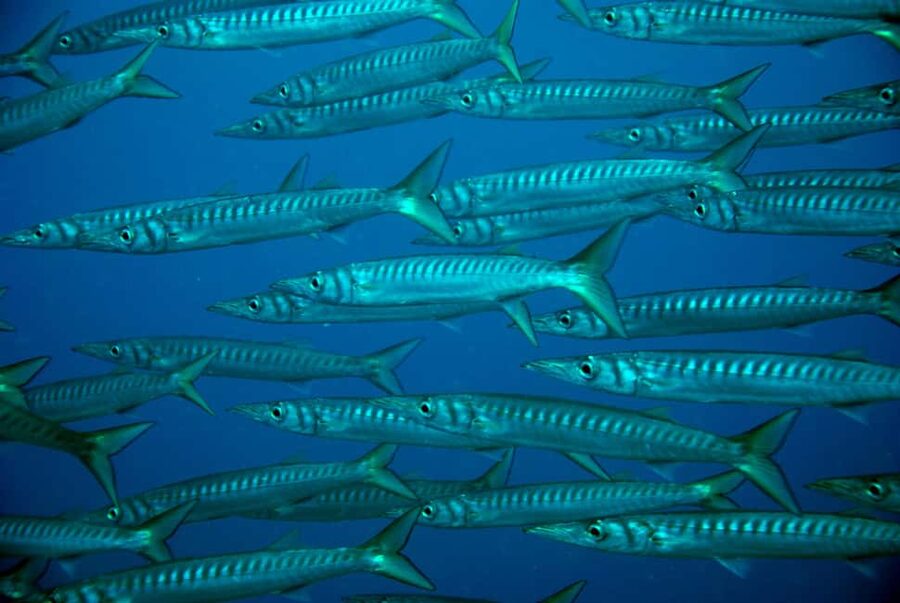
The maximum of six participants per guide is one of the strongest features of this outing. Underwater, a smaller group can make it easier for the guide to keep track of everyone, communicate clearly, and adjust the pace.
That does not mean you receive a private session. Six divers is still a group, and the guide must balance different interests. However, it is a sensible size for a guided experience, especially when one person wants marine life and another wants volcanic formations.
The group limit also supports better judgment. The guide is instructed not to take you beyond your certification limits. That matters more than ambitious promises. A qualified beginner should be able to enjoy a suitable site without feeling pressured to prove anything.
Experienced participants can request advanced sites. The important point is that the request remains subject to daily planning and the guide’s assessment. Your certification and logbook help establish what is appropriate, but the guide still has to consider current conditions.
What you may see beneath the surface
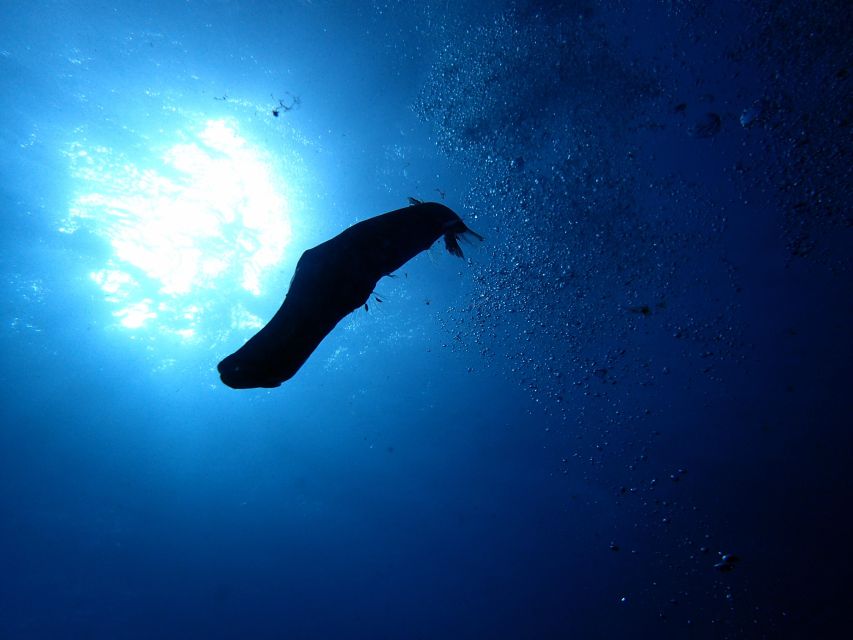
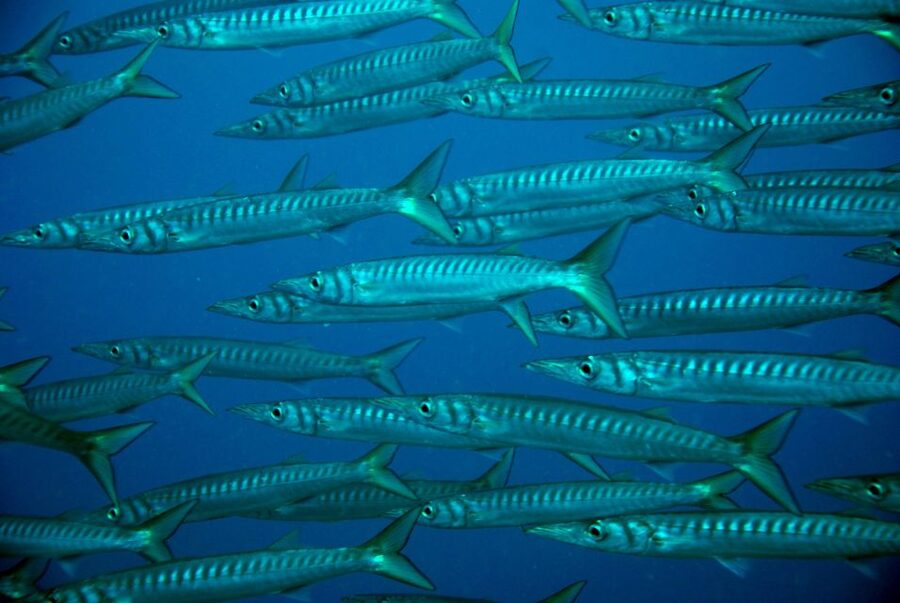
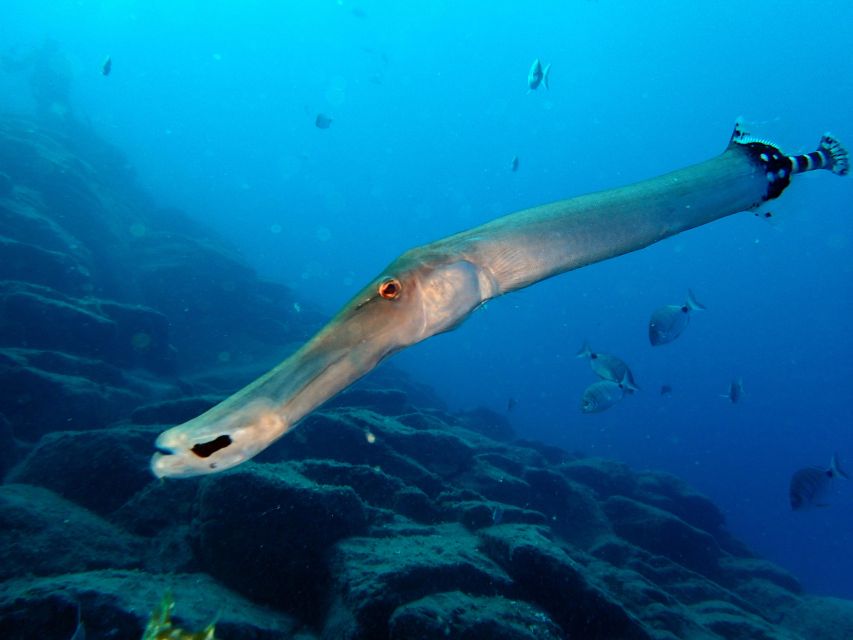
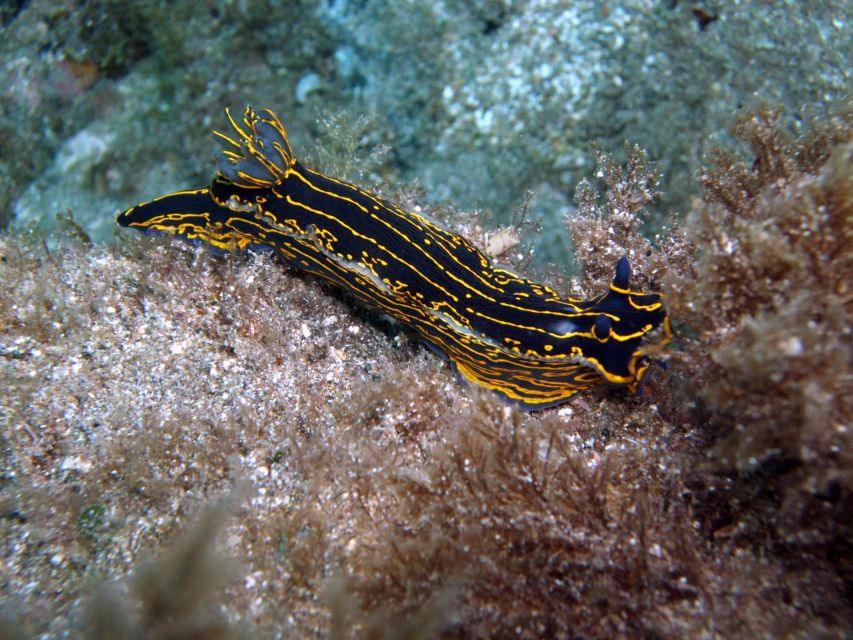
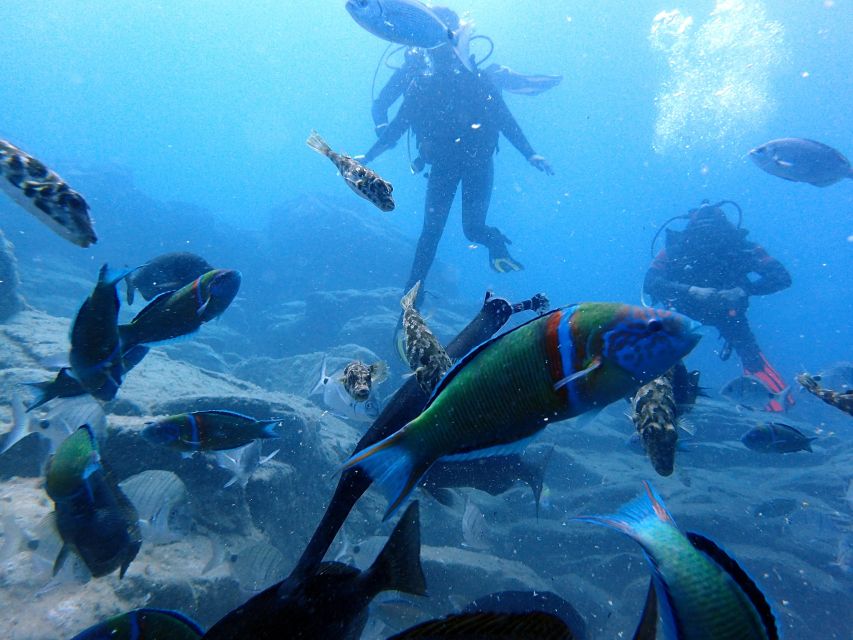
The main choices are marine life and volcanic rock formations. The guide has explored the local sites and can select locations based on what you want to see. You might spend more time around rock features, or the plan may favor places known for underwater animals.
No specific species are promised, so book this for the setting and guided exploration rather than for a guaranteed encounter. Do not feed animals or touch marine life. That protects the animals and keeps your interaction with the environment responsible.
The clear Atlantic water can make the rock formations easier to appreciate, but conditions vary. The guide’s local experience is valuable because a site that works well one day may not be the right choice the next. The flexible plan is designed around that fact.
I also like that the experience allows you to state your interests. You are not simply placed on a standard route with no discussion. Tell the guide what kind of underwater setting you prefer, then listen to the recommendation. A good plan should respect both your wishes and your certification.
The real cost of the $97 price
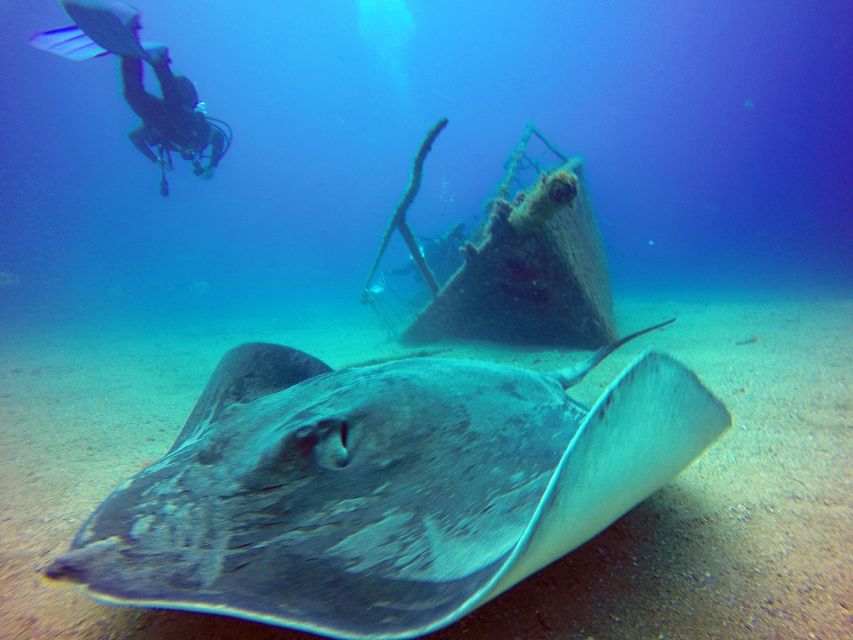
At $97 per person, the outing offers six hours of organized time, two guided sessions, a safety briefing, and access to either boat or shore sites. For a qualified diver who wants local guidance rather than arranging individual entries, that is a reasonable package.
The headline price needs a closer look. Equipment rental costs €15 per day if you need it, and dive accident insurance costs €8 per day. Meals and drinks are not included. A diver bringing personal equipment and already covered by suitable insurance will be closer to the advertised price, while a visitor renting gear and purchasing the insurance will pay more.
The value is strongest for someone who does not know Tenerife’s sites. You are paying for local site selection, professional supervision, and a small group, not just access to the water. If you already have equipment, certification, insurance, and strong knowledge of the area, you may value the guidance less.
The flexible site plan also helps justify the cost. Instead of paying for a fixed location that may not suit the day’s conditions, you receive a plan adjusted to your ability and interests. That is a practical advantage, though you should still ask about the exact equipment available and any extra charges before you arrive.
Who should book this Tenerife experience?
This outing suits certified divers who want a guided introduction to Tenerife’s underwater sites. It is especially useful if you are newly qualified and want a professional to avoid strong currents, or if you are experienced and want help locating more advanced sites.
The small group size also works well if you prefer direct contact with your guide. You will have more chance to explain your comfort level, ask questions, and discuss the plan than you would in a large group.
It is not suitable for non-swimmers or people without certification. You must be medically fit to participate, complete a self-declaration medical questionnaire, and provide a doctor’s certificate for any medical condition that requires one.
You should also be comfortable spending a full six-hour block on the activity. This is not a quick introductory session. The two water periods are substantial, and the day includes travel between the centre and the selected sites.
What to bring and what to sort out first
Pack swimwear, a towel, sunscreen, and a full set of dry clothes. Comfortable swimwear matters because you may spend a long period moving between the centre, transport, and the water. Bring drinking water and a snack because meals and drinks are not provided.
Bring your certification and logbook. The guide needs this information to plan within your qualification limits. Do not leave the paperwork at your accommodation and expect the day to proceed without it.
You must also complete the medical declaration. If you have a medical condition, a doctor’s certificate may be required. Sort this out before the activity rather than hoping it can be handled at the last minute.
Avoid alcohol before the session and stay hydrated. These are basic precautions, but they matter during any activity that requires concentration, controlled breathing, and physical effort.
The provider allows free cancellation up to 24 hours before the start for a full refund, and you can reserve now and pay later. Starting times depend on availability, so check the schedule before making plans around the outing.
My verdict: a strong choice for qualified divers
I would book this if I wanted a guided look at Tenerife’s volcanic seabed and valued a small group over a fixed, large-boat itinerary. The best reasons are the six-person maximum, the choice of boat or shore entry, and the guide’s ability to match the site to your certification and interests.
I would pause if I expected equipment, insurance, food, and drinks to be included in the $97 price. Add the €15 equipment rental and €8 accident insurance when calculating your actual cost, and bring your own refreshments.
The published rating is 5 out of 5, but only one short rating is provided, so there is not enough written feedback to judge every part of the operation. The facts of the program are clear, though: two long sessions, PADI-led supervision, more than 30 possible sites, and a firm limit on group size.
Book it if you are already certified, medically fit, and ready for a full day around the Atlantic. Skip it if you are a non-swimmer, uncertified, or looking for a casual beach activity with no paperwork.
FAQ
How long does the scuba experience last?
The activity lasts six hours in total. It includes two 2.5-hour scuba sessions and a one-hour break between them.
Where do I meet the guide?
You meet at Paradise Divers, the PADI 5 Star Instructor Development Centre in Callao Salvaje. Pickup can be requested, but it is not stated as a standard inclusion.
Are the sessions from a boat or from shore?
You may use the 7.5-meter sports RIB or take part in shore sessions. The guide selects the arrangement according to the site, conditions, experience level, and interests.
How many people are in each group?
Each guide works with a maximum of six divers. The activity is designed as a small-group experience.
Do I need scuba certification?
Yes. You must be a certified diver and bring your certification and logbook. The activity is not suitable for non-swimmers or people without certification.
Is scuba equipment included?
No. Equipment rental is available on request for €15 per day. Dive accident insurance is also not included and costs €8 per day.
What languages are available?
The guides speak English, Dutch, Spanish, and French.
Just added around Spain
- Puerto del Carmen: Try Scuba Diving for Beginners★ 4.9 · 83 reviews
- Puerto del Carmen: Snorkeling Trip with Dive Instructor★ 4.9 · 93 reviews
- Museo Atlantico: Diving Class for Non-Certified Divers★ 4.8 · 21 reviews
- Puerto del Carmen: Guided Scuba Dive (certified only)★ 4.8 · 6 reviews
- Puerto del Carmen: 2 Guided Scuba Dives (certified only)★ 5.0 · 3 reviews
- Puerto del Carmen: Try Scuba Diving from the beach★ 5.0 · 3 reviews
- Private Try Dive for 2 with our experienced Instructor★ 5.0 · 12 reviews
- Tossa de Mar: PADI Scuba Diver Certification Course★ 5.0 · 2 reviews
Guided, compared.
Alanya: 2 Guided Scuba Dives with Lunch and Hotel Transfers
Read our review →
Full day diving with private guide, lunch drinks transportation
Read our review →
4hr Fun Guide Tour For Cruisers or Hotels Guests with Divers Show
Read our review →
guided Scuba Diving on Tenerife (for certified divers)
Read our review →
Guided Shore Dive for Certified Divers with Scubaçao (2 tank)
Read our review →
Guided Shallow 2 Tank Dive Trip for CERTIFIED SCUBA DIVERS ONLY!
Read our review →
Lists this dive appears in