
REVIEW · AUSTRALIA
Sunshine Coast: Scuba Dive the Ex-HMAS Brisbane Ship Wreck
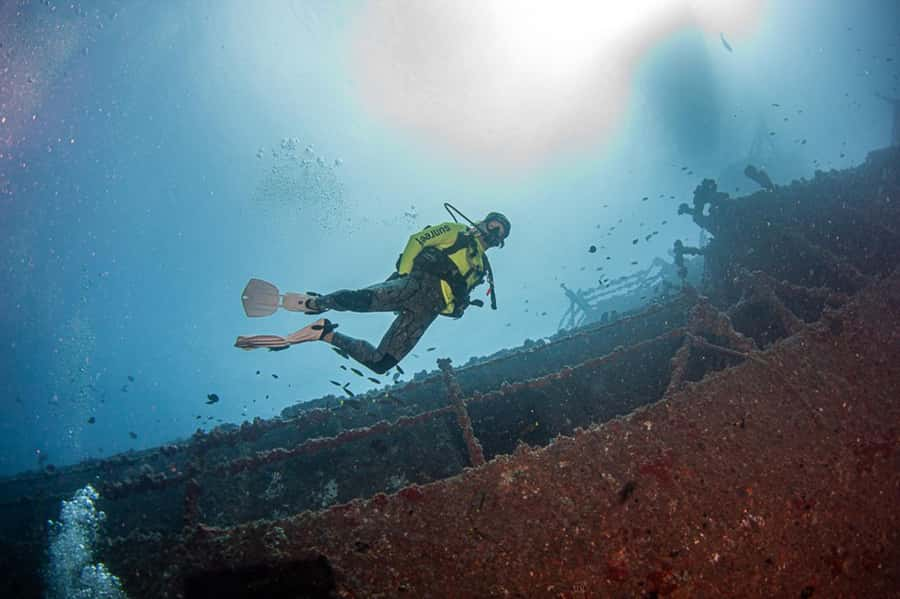
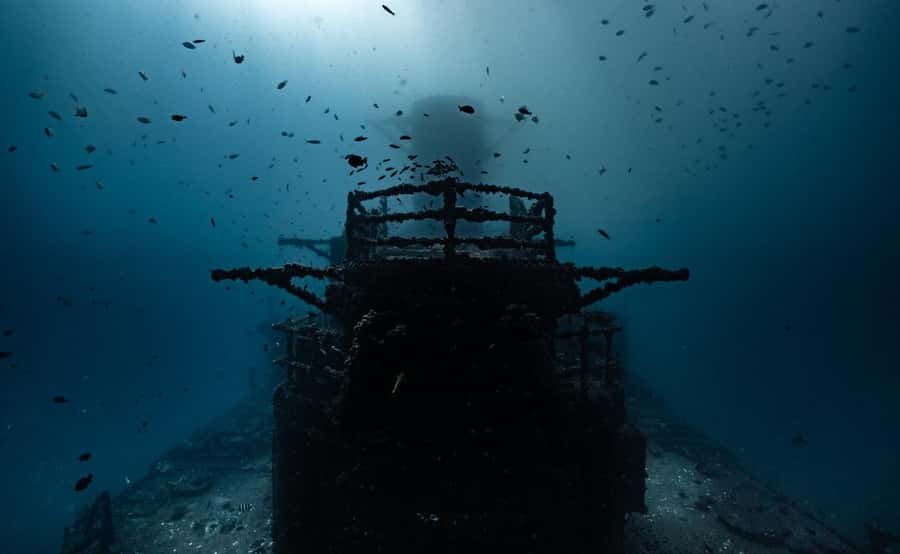
The Ex-HMAS Brisbane is not a small wreck you circle once and call it done. This 133-metre guided missile destroyer sits upright offshore, with 15 metres of water over the forward decks and 18 metres over the stern. Two leisurely descents give you time to appreciate its size, spot marine life, and, if trained and properly equipped, enter parts of the ship.
I like the short run from Mooloolaba and the use of two midship moorings, which helps you cover more of the wreck without rushing. I also like the reliable visibility, often around 15 metres, and the chance of seeing turtles, eagle rays, kingfish, rays, soft corals, and an octopus in its deck home. The main catch is cost: the $133 price does not include equipment, cameras, or torches. Cold water can also be a real issue, so check your wetsuit and fins before leaving shore.
Key points about the Ex-HMAS Brisbane trip
- The wreck sits upright in accessible depths: Forward decks are about 15 metres down, while the stern reaches 18 metres.
- Two water sessions allow a proper look: Sunreef uses two midship moorings for a calmer, less hurried visit.
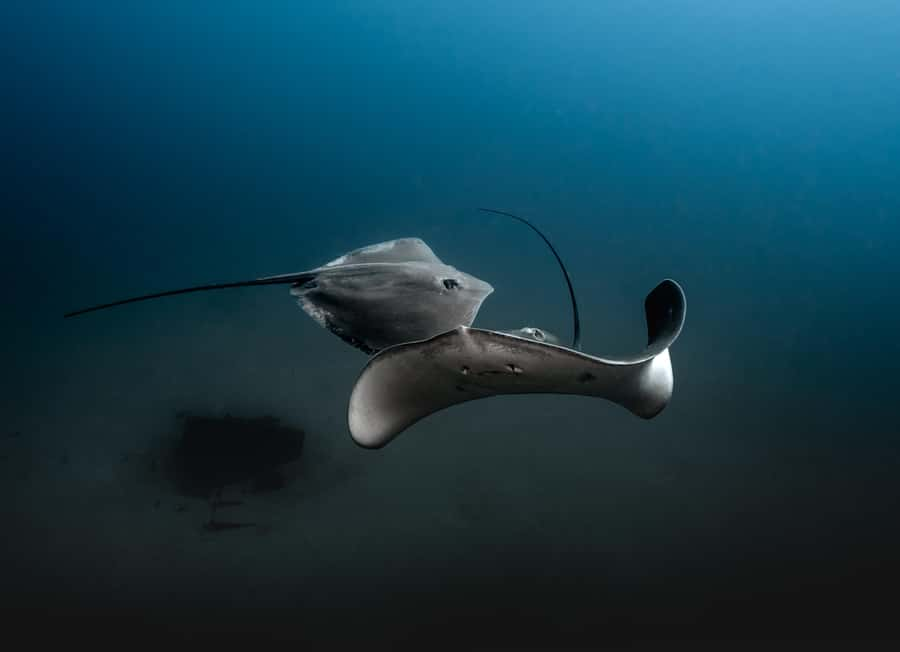
- Marine life has claimed the ship: Expect the possibility of turtles, eagle rays, bull rays, kingfish, groupers, nudibranchs, squid, and soft corals.
- Interior access requires care: The engine room and control room are available to suitably trained divers, with a torch required for penetration.
- Water conditions are generally favorable: Visibility averages about 15 metres, and swell is usually limited.
- Your certification matters: You need a current certification, or an open-water qualification with recent scuba experience within the past two years.
Why this old destroyer is worth seeing
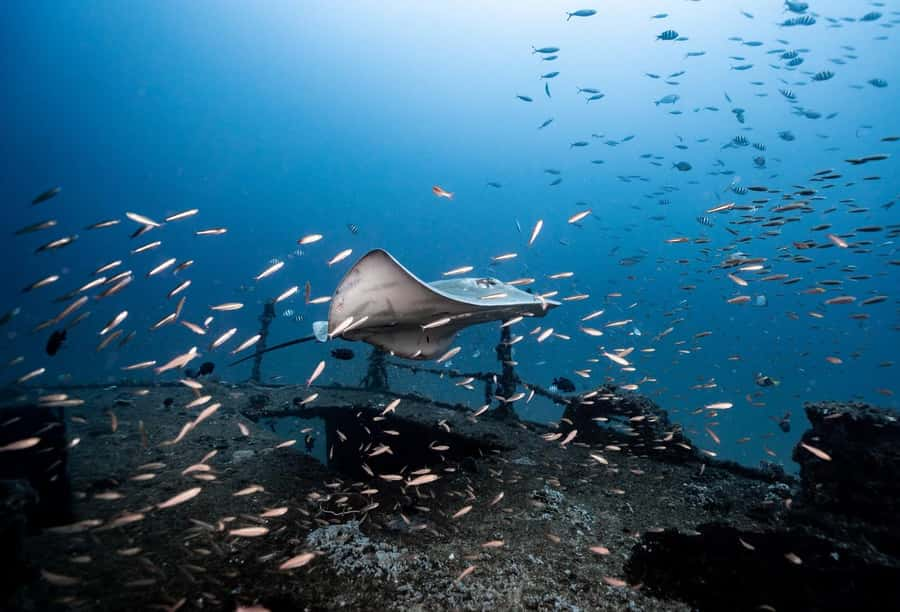
The Ex-HMAS Brisbane began life as a working naval destroyer and now serves as an artificial reef off the Sunshine Coast. That change gives you two experiences at once. You are looking at a large piece of military history, but you are also visiting a living marine habitat.
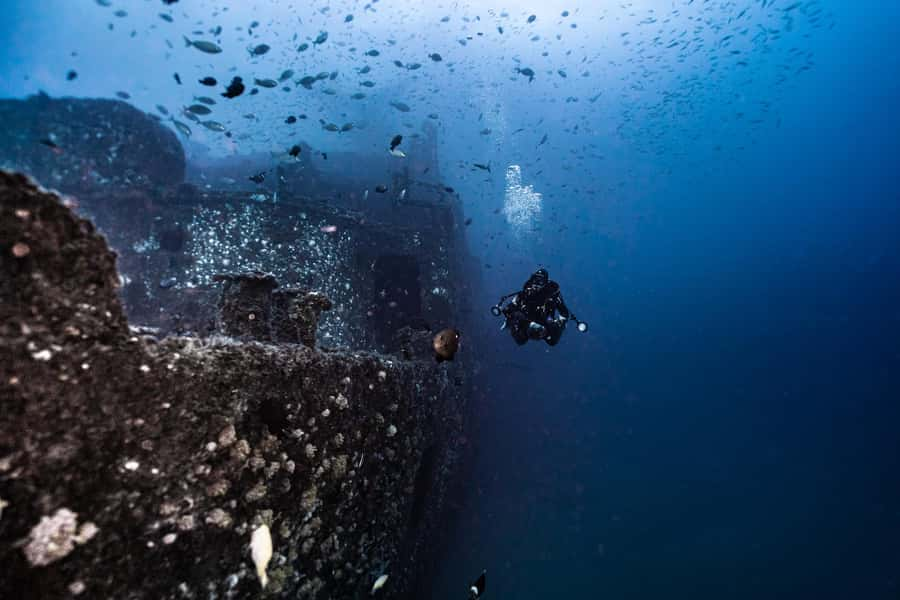
From outside, the ship’s scale does much of the work. You can cruise past the hull, superstructure, funnels, decks, and fittings while fish move through spaces that once had a very different purpose. The vessel sits bolt upright, so its shape remains easy to read underwater. That is a real advantage for a wreck visit, especially if you prefer a clear sense of where you are.
The ship is only 2.9 nautical miles offshore. You spend about 30 minutes on the boat each way, rather than losing most of the day to a long crossing. The short ride also helps if you are prone to seasickness, although no offshore boat trip is completely free from movement.
Sunreef has permission from the Queensland Government’s Environment Protection Agency to run trips to the wreck. The site has also been studied by scientists from the University of the Sunshine Coast and Queensland Museum. Those studies confirm that the wreck supports a wide range of sea life, not just a few stray fish.
More wreck dives near Australia:
- Scuba Dive the S.S. Yongala Wreck on the Great Barrier Reef.
★ 4.0 · 35 reviews - Ex- HMAS Swan Wreck Double Boat Dive
★ 5.0 · 20 reviews - Townsville or Magnetic Island: Yongala Wreck Dive Day Trip
★ 3.3 · 7 reviews
From Sunreef Mooloolaba to the mooring lines
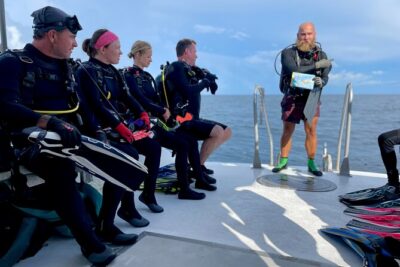
Your morning or afternoon begins at Sunreef Mooloolaba. Before departure, allow about 15 minutes for the safety briefing. This is when you should make sure your certification card or digital card is ready, confirm your equipment, and tell the crew about any concerns.
The boat ride to the wreck takes around 30 minutes. That is long enough to settle into the trip, but short enough to keep the focus on the site. Return transport by boat is included, as are light snacks and marine park permits.
The crew includes qualified PADI instructors or Divemasters. Holly is associated with the operation as an IDC professional, and the staff can guide certified divers at the wreck. English is the operating language.
You will need to bring swimwear, a towel, biodegradable sunscreen, your certification, and your dive log. Hotel pickup is not included, so plan your own way to Mooloolaba. The timing can vary, and the full experience lasts about five hours, including the boat rides, briefing, and time in the water.
Two relaxed sessions instead of one rushed look
Sunreef uses the two midship moorings for the wreck visit. This setup matters because a large ship can feel confusing if you are constantly swimming against a line or trying to cover too much ground in one session.
The planned water time is about three hours. That does not mean three continuous hours underwater. Your actual bottom time depends on certification, air consumption, depth, conditions, and the plan set by the crew. Still, two sessions give you a chance to see the ship from outside and then focus on selected interior areas or marine life.
On the first descent, you might spend time getting your bearings around the hull and forward decks. The ship’s size becomes clear when you move along its exterior. On the second, you may visit another section, look more closely at the funnels and fittings, or explore approved interior areas if your training and equipment allow it.
The pace sounds gentle, but you still need to manage air, depth, and navigation. This is not a beginner lesson. It is a wreck outing for certified people who can look after themselves in open water.
What you can see around the hull
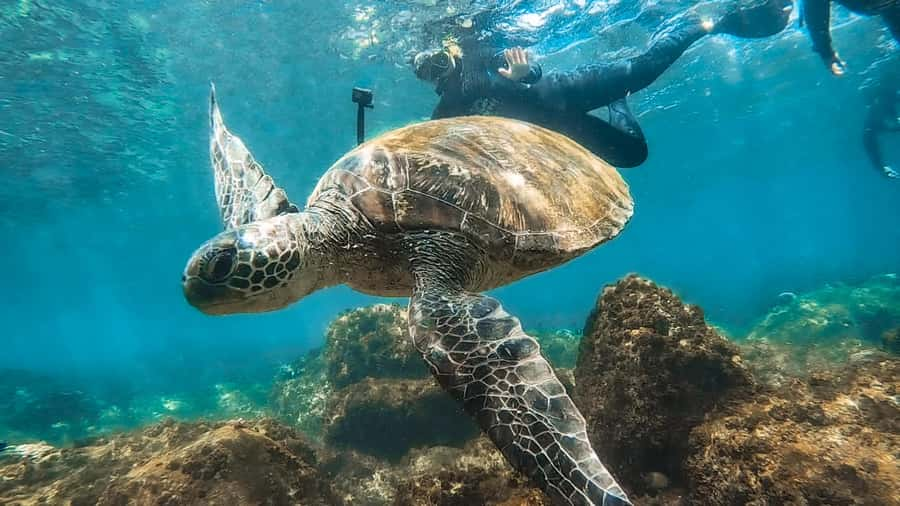
The outside of the Brisbane has become the main attraction for good reason. Soft corals cover sections of the structure, while hard corals are becoming established. Fish use the wreck for shelter, feeding, and movement between the surrounding water and the ship.
Possible sightings include large bull rays, eagle rays, shovel-nose rays, lionfish, blennies, nudibranchs, sea hares, squid, greasy cod, and schools of juvenile red emperor and snapper. A school of yellow-tailed kingfish is also known to patrol the bait fish around the wreck.
You might see a turtle resting on the aft funnel, while eagle rays pass between the two funnels. Up to ten giant Queensland groupers have been seen near the bow at one time. Those larger animals are never guaranteed, but the variety gives you plenty to search for when the big sighting does not appear.
An octopus has made a home in a pyrotechnic tube on the deck. That is the sort of detail I like about this site. The wreck is not just a large object on the seabed. Its pipes, openings, recesses, and equipment have become homes for smaller creatures.
Bring patience. The best moments may come from looking closely at a fitting or shadow rather than waiting for one dramatic animal to swim past.
A few more dives around Australia worth comparing
- Great Barrier Reef Snorkeling and Diving Cruise from Cairns
★ 4.5 · 3,714 reviews - Ocean Freedom Great Barrier Reef Luxury Snorkel and Dive Cruise
★ 5.0 · 1,895 reviews - Cairns: Premium Snorkelling and Diving Reef Day Trip
★ 4.7 · 1,528 reviews - Cairns: Outer and Coral Cay Snorkel and Dive Cruise
★ 4.8 · 1,467 reviews
Entering the engine room and control room
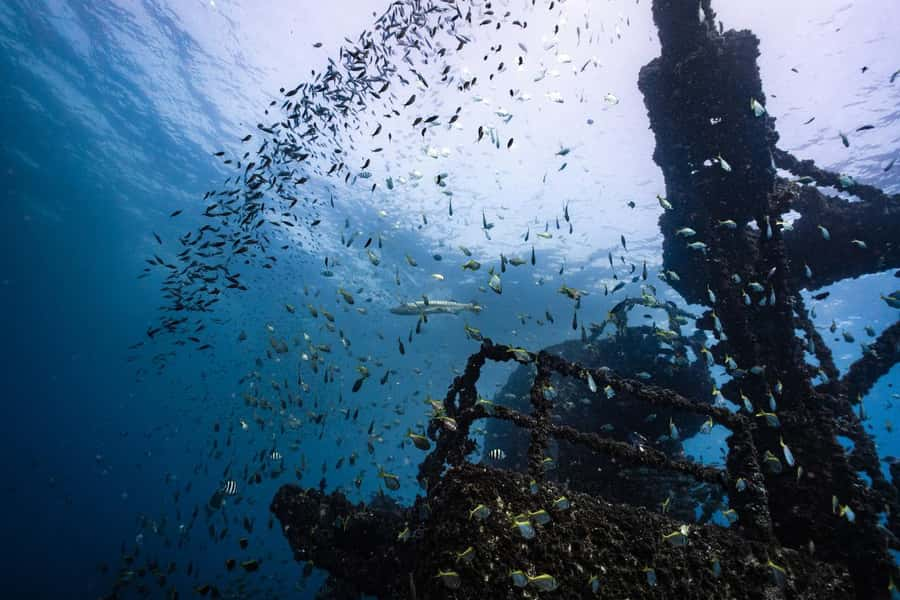
The description of this trip includes access to the depths of the hull, the engine room, and the control room. You may also see the ship’s original kill switches. These spaces give the visit a stronger sense of the Brisbane as a former working vessel.
Interior access is not the same as swimming through every part of the ship. You need suitable training, good buoyancy control, a clear plan, and the right equipment. A torch is required for all penetration work and costs extra if you need to hire one.
If you are only certified for basic open-water activity, stay with the exterior unless your guide confirms that a particular area is appropriate. Do not treat a wreck opening like a normal doorway. Tight spaces, silt, overhead structure, and limited visibility can change the nature of the outing quickly.
Ask the crew before the boat leaves what interior areas are planned for your group. That simple question helps you understand how much of the trip will be outside and whether you need a torch or other specialist gear.
Water temperature and equipment deserve attention
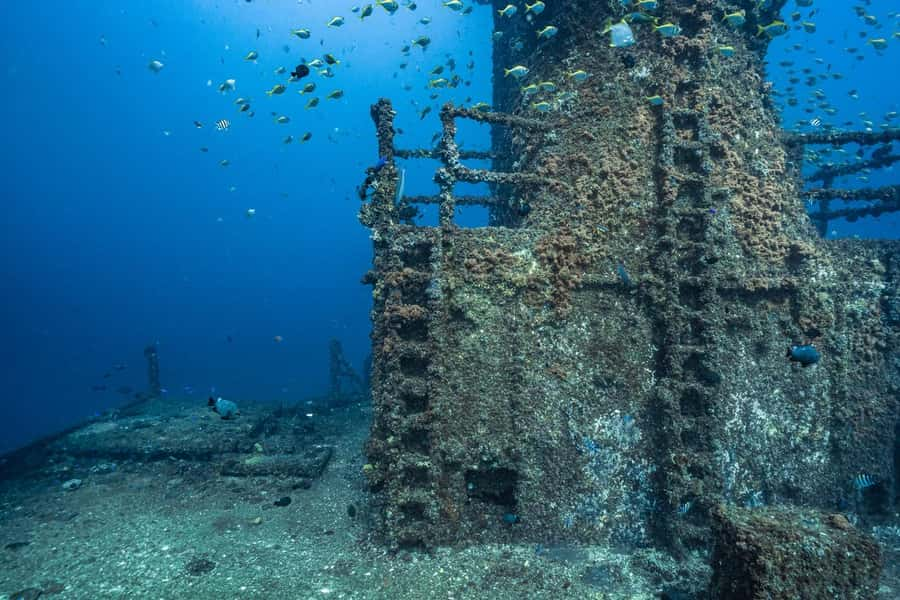
Water temperatures range from about 17°C in winter to 27°C in summer. That is a broad range, and your comfort will vary with the season, your exposure time, and the suit provided.
One participant found even a 5mm wetsuit too cold in October and was grateful for hot soup afterward. Another found 5mm equipment inadequate at 22°C and had trouble with open fins that caused blisters and skin damage. These details are worth taking seriously.
Equipment is not included in the $133 price, though it can be hired on the day for an extra charge. If you need a full setup, ask in advance what is available and check the fit before boarding. Pay special attention to boots, gloves, hood, fins, and exposure protection. A badly fitting fin can turn a good day into a painful one.
The boat has provided hot soup after a cold session, along with snacks and coffee. Water was not available in one account, so bring your own drinking water unless Sunreef confirms otherwise. A towel and warm clothing for the boat ride back are sensible additions, even in summer.
Visibility, swell, and the practical value of the site
Visibility averages around 15 metres, with 20 metres or more possible. That is enough to appreciate the ship’s shape and spot marine life without needing perfect conditions. Visibility still changes with weather, current, and local conditions, so treat those figures as typical rather than promised.
Minimal swell is another advantage. A calmer site makes it easier to descend, hold position near the ship, and inspect details without being pushed around. It also helps when you are entering or leaving the water from the boat.
The wreck is available throughout the year. Winter brings cooler water, while summer offers warmer conditions. If you are sensitive to cold, summer is the obvious choice, but ask about the actual suit and rental options before booking rather than relying on the season alone.
Is $133 good value?
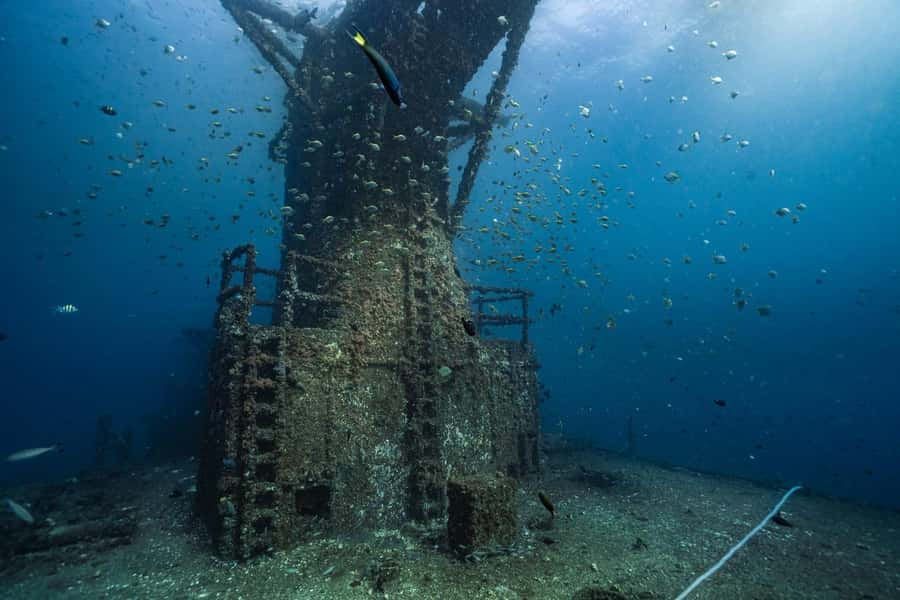
At $133 per person, the basic price covers the return boat ride, marine park permits, light snacks, and professional guidance. For a certified diver who already owns equipment, that is a fair package for a five-hour wreck outing to a major artificial reef.
The value drops if you need to hire everything. Scuba equipment, a camera, and a torch all cost extra. The advertised price is therefore best understood as the starting cost, not necessarily the final amount.
I would compare the total with other local wreck trips, then ask exactly what the rental package includes. The most important question is exposure protection. A cheap trip becomes poor value if you spend the water time shivering or dealing with uncomfortable fins.
The experience is strongest for someone who already has gear, enjoys wrecks, and wants two substantial sessions rather than a short introductory swim. It is less attractive for a newly certified person who expects a guided lesson or a full equipment package included.
Who should book this wreck outing?
I would recommend it to certified open-water divers who have been in the water within the past two years and feel comfortable in an offshore setting. It is especially suitable if you enjoy large structures, marine life, and the chance to inspect a former naval ship from the outside and inside.
Experienced wreck divers have more options around the ship, but newer certified divers can still appreciate the exterior with sensible guidance. Your comfort with depth, buoyancy, and open water matters more than collecting an advanced-sounding qualification.
Do not book if you are not certified. You must bring proof of certification and sign a diver statement before taking part. Pregnant women cannot participate.
The cancellation rule is useful if weather or plans change: you can cancel up to three days ahead for a full refund. Starting times vary, so check availability when you choose your date.
My booking advice
Book this trip if the Ex-HMAS Brisbane itself is your reason for visiting the Sunshine Coast. The ship offers scale, marine life, and enough sections to make two sessions worthwhile. Its upright position, moderate depth, and generally good visibility give you a clear way into serious wreck exploration.
Before paying, confirm the full equipment cost, especially the wetsuit, boots, hood, gloves, and fins. Bring your certification card, dive log, towel, water, and warm clothes. If you want to enter the engine room or control room, arrange a torch and confirm that your training fits the plan.
I would skip it if you have not been in the water for two years, dislike cold water, or want a simple sightseeing cruise with no equipment decisions. For a prepared certified diver, though, this is a substantial Sunshine Coast outing with real character, not just a quick look at a sunken object.
FAQ
How long does the Ex-HMAS Brisbane experience last?
The full experience lasts about five hours. It includes a 15-minute safety briefing, a 30-minute boat ride each way, and approximately three hours allocated to scuba activity.
Where does the trip start?
The trip starts and ends at Sunreef Mooloolaba. Hotel pickup is not included.
Do I need a scuba certification?
Yes. You must hold a current scuba certification, or at least an open-water qualification and recent scuba experience within the past two years. Bring your physical or digital certification card.
Is scuba equipment included in the price?
No. The $133 price does not include scuba equipment. Equipment can be hired for an additional charge on the day. Cameras and diving torches also cost extra if needed.
How cold is the water?
Water temperatures range from about 17°C in winter to 27°C in summer. Visibility averages around 15 metres, with 20 metres or more possible.
Can I enter the engine room and control room?
Interior areas such as the engine room and control room may be visited by suitably trained divers. A torch is required for all penetration activity, and you should confirm the plan and equipment needs with the crew before entering.
Just added around Australia
- Scuba Dive the S.S. Yongala Wreck on the Great Barrier Reef.★ 4.0 · 35 reviews
- Scuba Dive With Grey Nurse Sharks in Bushrangers Bay★ 5.0 · 7 reviews
- Half-Day Private Discover Dive at Australia’s Iconic Beach★ 5.0 · 4 reviews
- Wave Break Island Scuba Diving on the Gold Coast★ 4.5 · 81 reviews
- Great Keppel Island PADI Discover Scuba Dive with Keppel Dive★ 5.0 · 25 reviews
- Premium Guided Dive Trip – Outer Great Barrier Reef★ 5.0 · 63 reviews
- Quicksilver Dive 4 Day PADI Learn to Dive Course★ 5.0 · 35 reviews
- Try Scuba Diving at Cook Island – Guided Ocean Dive with Turtles★ 4.5 · 6 reviews
Wreck Diving, compared.
Wreck and Bridge Span Dive for Certified Divers
Read our review →
Certified Diver: 2-Tank Deep Wreck and Shallow Reef Dive Off Oahu
Read our review →
Waikiki 2 Tank World Class Wreck SCUBA Diving – Certified Only
Read our review →
Private First-Time Dive on Aruba’s Reef and Wreck Site
Read our review →
Bali Diving Day Trip-Manta Point/Tulamben Shipwreck-Fun Dive
Read our review →
USS Liberty Shipwreck Scuba Diving at Tulamben Bali
Read our review →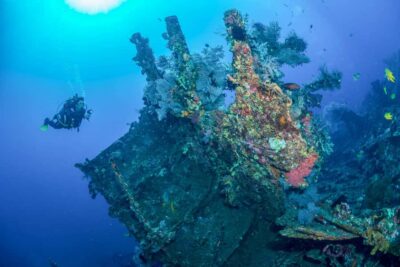
Bali: Tulamben Bay and the USAT Liberty Wreck Dive
Read our review →Lists this dive appears in