
REVIEW · SPAIN
Discover PADI Diving in Barcelona
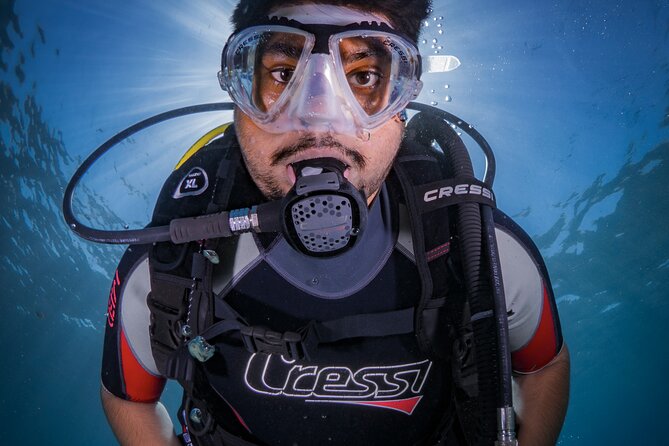
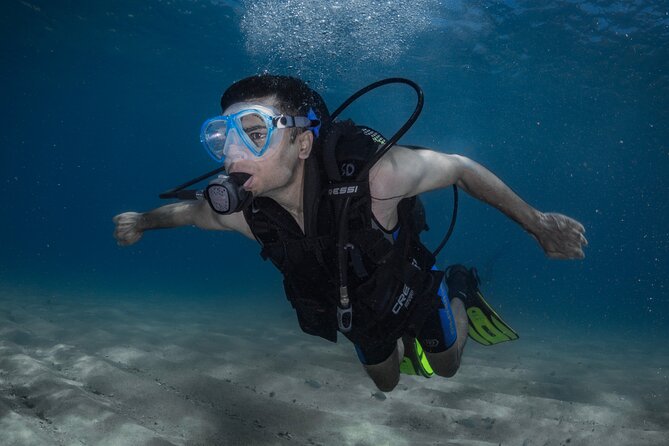
Barcelona offers a surprising way to get below the surface: a beginner scuba session in a protected sea area beside Bogatell Beach. You spend the first hour learning the gear and underwater hand signals, then about 30 to 40 minutes underwater with an instructor close by. It is a gentle first taste, not a full certification course.
I like the maximum group size of six, which gives the instructors room to work patiently with nervous beginners. I also like the practical souvenir videos, so you can focus on breathing and looking around instead of trying to operate a waterproof camera.
The main thing to understand is the setting. This is a sheltered, beginner-friendly area rather than an offshore trip to a dramatic reef. Marine life and visibility vary, and some people may find the route short or the underwater scenery modest.
Key points before you book
- A true first-time session: The first hour covers equipment, breathing, safety, and hand signals before you enter the water.
- A protected area near Bogatell Beach: The site is connected to the sea but enclosed from boat traffic, with the activity reaching about three meters in places.
- Small groups of up to six: You receive close supervision, which matters when you are learning to breathe through a regulator.
- Patient instructors: Pau, Julia, Alex, Hugo, Lucas, David, Christian, and others are praised for calm explanations and steady support.
- Underwater videos are included: They give you a memento, though the quality and availability can depend on conditions and equipment.
- Plan around your flight: You cannot fly for 12 hours after the session.
What this Barcelona scuba session really is
This is an introduction to scuba, designed for someone who has never tried it before. You are not signing up for a certification course, a long boat trip, or a demanding open-water expedition. You are learning how it feels to breathe underwater while an instructor guides you through the basics.
That distinction matters. If you want a simple, low-commitment way to test scuba during a Barcelona visit, the format makes sense. If you already hold a certification and expect a remote site, deep water, or a long swim across open sea, the experience may feel limited.
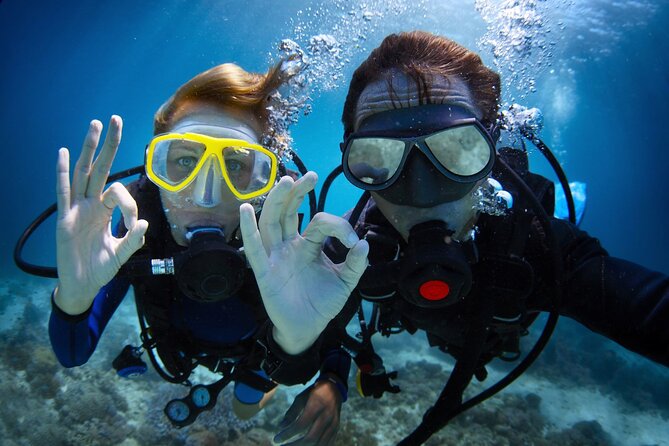
The overall session lasts about two hours. The first hour is devoted to explanation. You learn how the mask, regulator, buoyancy vest, and other equipment work. You also practice the hand signals used below the surface, since talking is not possible once your regulator is in place.
The remaining time includes getting suited up, entering the water, and spending roughly 30 or 40 minutes below the surface. The exact amount of time underwater can depend on how comfortable you are, the conditions, and the instructor’s safety judgment.
More dive courses in Spain:
- Barcelona: PADI Discover Scuba Diving
★ 4.7 · 1,016 reviews - Tossa de Mar: PADI Discovery Scuba Diving in Costa Brava
★ 4.7 · 392 reviews - Try Dive – PADI Discover Scuba Diving in Tenerife
★ 5.0 · 214 reviews
Arriving at the Bogatell Beach meeting point
The meeting point is on Passeig Marítim del Bogatell, 3574, in the Sant Martí district. The activity ends at the same place, and the location is near public transportation.
Give yourself extra time to find the entrance. The school uses a gate by the beach, and you may need to wait for staff to open it. You must arrive 15 minutes before the scheduled start. If you arrive after the start time, you will not be admitted, and there is no refund or rescheduling for lateness.
That strict rule is easy to avoid. Treat the start time as the time you should already be at the gate, not the time you begin walking from a nearby station. You will also have paperwork to complete, including a form confirming that you are fit to take part.
The beach setting keeps the logistics simple. You do not need to travel to a marina or board a boat. There is changing space, and the equipment is supplied. Bring swimwear and a towel, since you will need to change and dry off afterward. One useful detail from the practical experience: the shower water is cool.
The first hour: equipment, signals, and confidence
The classroom portion is not filler. For a nervous beginner, it is the part that makes the underwater session possible.
Your instructor explains how to breathe through the regulator and how the equipment helps you stay comfortable below the surface. You learn how to communicate with hand signals, including how to show that everything is fine, how to signal a problem, and how to ask to ascend.
Expect the instructors to repeat instructions and check that you understand. That patience has been one of the strongest features of the school. Pau is praised for explaining the gear clearly, while Alex is described as calm and patient. Hugo is noted for giving beginners time to get oriented in the water and checking in often. Julia is recognized for helping people feel comfortable and supported.
The teaching style is especially helpful if you are anxious about the regulator or worried that you will not know what to do. You do not need to arrive with scuba experience. The whole point is to learn the basic routine before you enter the water.
Still, you need to listen closely. The instructor may hold your arm or buoyancy vest to keep you in position. That is not an invitation for an underwater high five. It is part of keeping you stable and safe while you are learning.
Entering the protected sea area
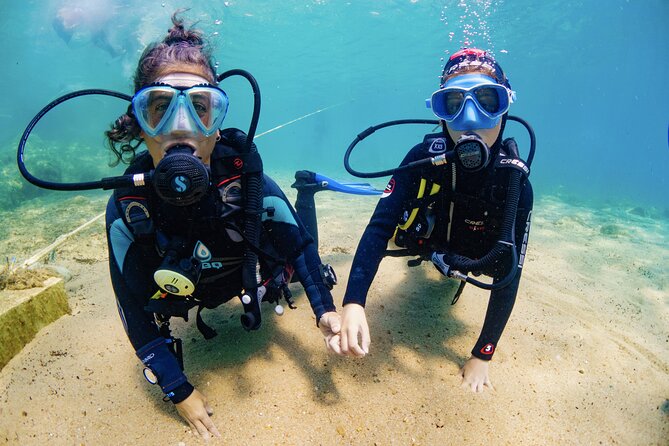
The underwater section takes place in a private, protected area open to the sea. It is connected to the Mediterranean, but it is not an excursion far offshore. The protection keeps boat traffic away and makes it easier for an instructor to manage a first-time group.
The water is shallow, reaching about three meters at the point described by the school. That makes sense for beginners. You can focus on breathing, clearing your head, moving slowly, and communicating rather than dealing with depth or strong currents.
The setting has caused some disappointment for people expecting a wide open seascape. You may swim in a fairly contained route that can feel more like a large enclosed area than a wilderness sea outing. For a first session, I see the tradeoff clearly: less drama, but more control.
The protected site also gives you a practical safety advantage. If you need to surface, the instructors can manage the ascent without dealing with boat traffic. Surface staff watch the activity, and instructors remain near the group underwater.
A few more dives around Spain worth comparing
- Tenerife: Your First Scuba Diving Experience in Turtle Area
★ 4.7 · 1,679 reviews - Mallorca: Discover Scuba Diving for Beginners
★ 4.7 · 805 reviews - Lanzarote Introductory Scuba Diving Experience
★ 5.0 · 766 reviews - Tenerife: Beginner’s Dive at a Spot with Turtle Sightings
★ 4.7 · 627 reviews
What you might see below the surface
Marine life is not guaranteed, and visibility changes with weather and water conditions. Rain or rough conditions can reduce clarity. On a good day, you might see schools of small fish, sea cucumbers, whelks, shells, vegetation, or even an octopus close to you.
Several people have had the pleasure of seeing fish swim right up to their masks. Others have found the water murky or seen little. Both outcomes fit the nature of a shallow coastal site. The animals move, and the conditions change.
This is why I would book the activity for the sensation of breathing underwater, not for a guaranteed wildlife checklist. If you happen to see an octopus or a group of fish, it is a fine bonus. If your priority is clear water and abundant marine life, this may not meet your hopes.
Season and weather can make a difference. One participant found the water and fish particularly good in mid-October, while another session had poor visibility after rain. The school cannot control those conditions, so keep your expectations flexible.
How the instructors handle nervous beginners
Scuba asks you to do something that feels unnatural at first: breathe calmly while your face is underwater. The instructor’s manner can make or break the session.
The strongest pattern here is patience. Instructors such as Alex, Hugo, Pau, Julia, and Lucas are repeatedly praised for clear explanations, humor, and close attention. Solo participants have also been able to take part without needing their own companion.
You may be guided by the hand, held briefly in place, or asked to slow down. That can feel firm, especially if you want to rise quickly. The purpose is controlled movement and safety, not to make you uncomfortable.
At the same time, communication matters. If you feel frightened, cold, uncomfortable, or unable to breathe normally, use the signals you learned and make your need clear. The instructor has the final say on whether the session continues.
One important caution comes from a difficult family experience. A child became very cold because the wetsuit did not fit well, and the instructor ended the session early. The school’s response emphasized that children can become cold quickly and that safety comes first. If a child is joining you, pay close attention to fit and comfort before entering the water.
Souvenir videos and the limits of the camera
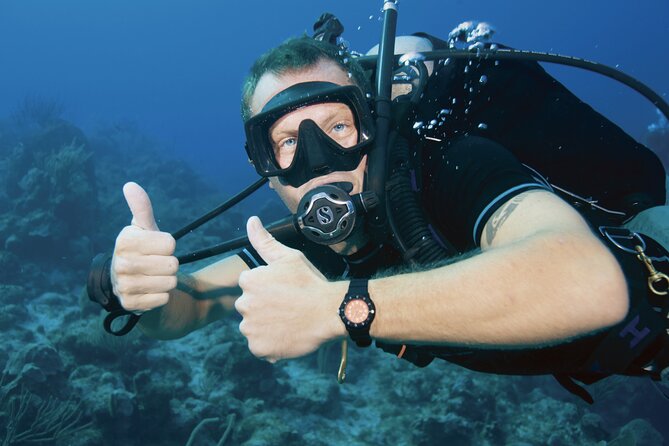
Underwater video is included, which is a useful touch. You can concentrate on your breathing and surroundings rather than carrying a camera or trying to take pictures while learning.
The footage is not guaranteed to be perfect. One camera failed to produce useful material, and another person did not receive the expected photos. Visibility also affects the result. In a shallow, sometimes cloudy site, the clips may be more of a personal memento than polished travel footage.
Think of the videos as a welcome extra, not the main reason to pay. If they work well, you will have a fun record of your first underwater session. But the value of the activity should come from the instruction and the experience itself.
Is $83.27 a fair price?
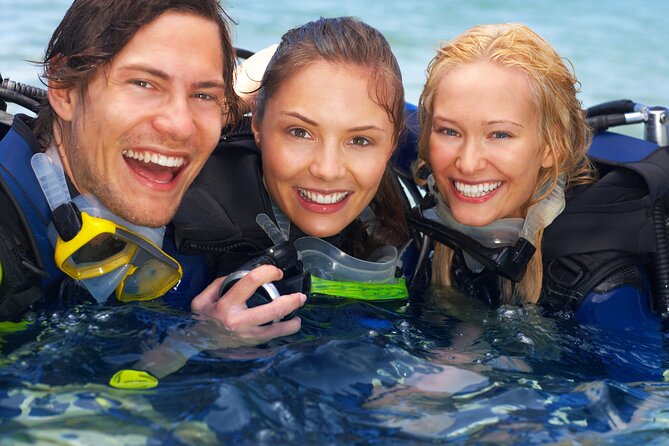
At $83.27 per person, the price is reasonable for a two-hour, equipment-provided introduction with instruction, a small group, and underwater video. You are paying for staff time and supervision as much as for the minutes spent below the surface.
The maximum of six is important. A cheaper, larger group could leave you waiting or feeling lost. Here, instructors can watch your breathing, buoyancy, and comfort more closely. That matters far more than a fancy location when you are trying scuba for the first time.
The value drops if you expect a full coastal expedition. There is no promise of deep water, a boat ride, clear visibility, or abundant sea life. You are buying a controlled introduction near the city, not an advanced marine adventure.
The activity is booked on average nine days ahead, so reserve before your Barcelona dates are full. Free cancellation is available until 24 hours before the start time. Changes or cancellations inside that window are not refunded.
Health rules and flight planning
The school does not recommend this activity for people with respiratory or ear diseases, or for people taking prescription medicines. If either point applies to you, check your suitability before booking rather than assuming a short session is automatically safe.
You also cannot fly until 12 hours after the activity. This rule can affect a tight Barcelona itinerary. Do not schedule the session on the same day as a flight unless the timing leaves the required gap.
The activity is mobile-ticketed and offered in English. The school has staff who may speak multiple languages, according to the practical experiences shared, but English is the listed language for the booking.
Who should book this experience?
I would choose this for a first-time scuba session, a solo visit, or a couple looking for something different from Barcelona’s museums and city walks. It also suits you if you want an instructor close by and prefer a protected area to open water.
It is a good fit for someone who wants to test scuba before pursuing certification. The session gives you a taste of the equipment, breathing, hand signals, and underwater movement without asking you to commit to a longer course.
Families should read the health and age information carefully before booking. The activity has delighted children, but the supplied details do not state a minimum age. A child who becomes cold or frightened may have the session shortened, as safety should require.
I would hesitate if your main goal is dramatic scenery, a large variety of fish, or a long swim in open sea. The site is intentionally controlled, and some people find it too much like a protected pool. That is a fair criticism if you already have scuba experience.
Should you book the Barcelona scuba session?
Book it if you want a safe first taste of scuba in a small group, close to the city, with patient instructors and equipment included. The strongest value lies in the teaching, supervision, and chance to discover whether underwater breathing suits you.
Skip it if you are an experienced diver seeking depth or a remote site. Also skip it if your schedule includes a flight within 12 hours, or if the medical guidance raises concerns for you.
For most beginners, the sensible attitude is simple: expect a well-managed introduction, not a grand expedition. Arrive early, bring swimwear and a towel, listen carefully, and treat the videos and marine life as bonuses. With those expectations, this can be one of the more unusual and memorable activities you add to a Barcelona stay.
FAQ
How long does the Barcelona scuba activity last?
The activity lasts approximately two hours. The first hour covers equipment, safety, and underwater communication, followed by about 30 to 40 minutes underwater.
Is this activity suitable for complete beginners?
Yes. It is specifically designed for people who have never tried scuba and want to experience being underwater.
How large is the group?
The maximum group size is six participants.
Where does the activity start and finish?
It starts at Passeig Marítim del Bogatell, 3574, Sant Martí, Barcelona, and finishes back at the same meeting point.
Are videos included?
Underwater videos are included as a souvenir of the activity. The usefulness of the footage can depend on camera operation and water visibility.
Can I fly after the activity?
You should not fly until 12 hours after the activity. The activity is also not recommended for people with respiratory or ear diseases, or for those taking prescription medicines.
Just added around Spain
- Your first introductory dive in Lanzarote with FREE photos.★ 4.7 · 16 reviews
- Tenerife: 2 Diving Sessions for Certified Divers★ 4.2 · 7 reviews
- TRY SCUBA – Experience for beginners★ 5.0 · 2 reviews
- Lanzarote: Beginner Scuba Diving from the Beach★ 5.0 · 2 reviews
- Beginner Scuba Dive with Scubapoint Tenerife in Turtle Area★ 4.7 · 8 reviews
- Scuba Experience in Tenerife with Guide★ 5.0 · 30 reviews
- Try Scuba Diving in a turtle area (boat)★ 5.0 · 93 reviews
- Try Dive in Abades Bay with a private instructor★ 4.0 · 4 reviews
Scuba Diving Courses, compared.
Open Water Course – Become certified diver in 3 days
Read our review →
Heraklion: Beginner Scuba Diving Lesson with PADI Instructor
Read our review →
Discover Scuba Diving with No Certification in St Thomas
Read our review →
Try Dive – PADI Discover Scuba Diving in Tenerife
Read our review →
Lists this dive appears in