
REVIEW · THAILAND
Rescue Diver and EFR (Starts from Ko Kut)
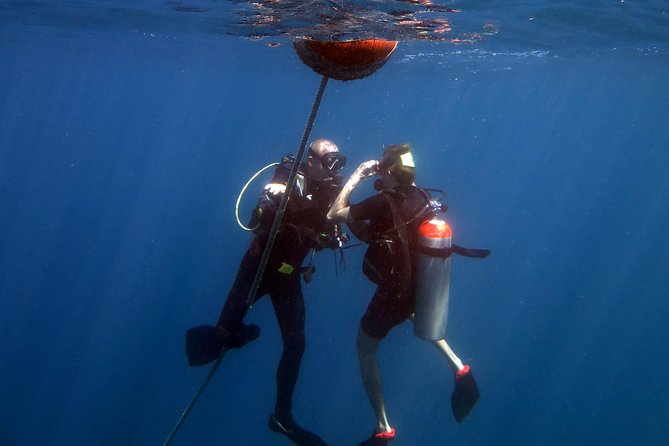
The serious work begins on land. This four-day course teaches you how to prevent underwater problems, respond when a diver needs help, and handle first-aid emergencies with CPR mannequins and a defibrillator trainer. It is designed for divers who want to become safer, more useful buddies.
I like the maximum group size of three, which gives the instructors room to watch your technique closely. I also like that the price includes hotel transport, meals, drinks, equipment, boat trips, and instruction, rather than leaving you to assemble the course piece by piece. The main consideration is the extra 400-baht Koh Rang National Park fee, which is not included.
Key points to know before booking
- Four days of practical training: Expect classroom theory, video instruction, shallow-water exercises, sea-based rescue work, and emergency first-aid practice.
- Manu and Barry lead the course: Manu is described as welcoming and encouraging, while Barry is noted for his professional, demanding teaching style.
- Very small groups: The course accepts no more than three participants, useful when you need individual correction during rescue drills.
- Meals and transport are covered: Hotel pickup and drop-off, lunch, snacks, drinks, equipment, and boat trips are included.
- EFR adds useful land skills: The first-aid portion covers CPR, emergency response, mannequins, and a defibrillator trainer, with a separate half-day option for babies and children.
- Weather can change the plan: Poor conditions may lead to an alternative date, so keep some flexibility in your Ko Kut schedule.
Why this Ko Kut course is more than another qualification
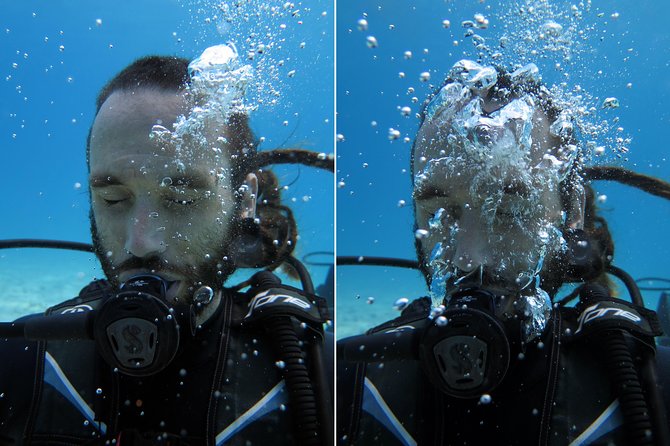
A standard recreational scuba course teaches you to manage yourself underwater. Rescue training asks a harder question: what will you do when another person is frightened, tired, disoriented, or unable to help themselves?
That shift is what makes this experience worthwhile. You are not simply collecting another card for your wallet. You are learning how to spot trouble earlier, prevent small problems from becoming serious ones, and assist a buddy in distress. The course is aimed at building a calmer, more capable diver.
The Emergency First Response, or EFR, portion adds skills that are useful well beyond a boat trip. CPR and basic first aid matter at a hotel, on a beach, during a road journey, or at home. The use of official CPR mannequins and a defibrillator trainer gives the practice a more hands-on feel than a lecture-only first-aid class.
The setting also matters. Ko Kut gives the course access to both shallow-water training and sea sessions. You are able to work through techniques in a controlled place before applying them in open water. That progression is important because rescue work is not just about remembering steps. It is about carrying them out while managing your own breathing, movement, and judgment.
More dive courses in Thailand:
- Open Water Course – Become certified diver in 3 days
★ 5.0 · 1,137 reviews - Full-Day Beginner Scuba Course with Private Tuition, Racha Yai
★ 5.0 · 368 reviews - La Bombona Diving Koh Tao Open Water Course
★ 5.0 · 172 reviews
Day one: theory, video, and the hard questions
The first day focuses on theory, video, and explanation. This may sound less exciting than getting on a boat, but it is where the course gives structure to the practical work ahead.
You can expect to review how accidents happen, how to avoid trouble underwater, and how to recognize a diver who may need help. Rescue training works best when you understand the reason behind each action. A strong rescuer does not rush blindly toward a problem. You first need to assess what is happening and avoid becoming a second person in difficulty.
The classroom portion also gives you a chance to ask questions before the physical work begins. That is especially useful if you have not practiced rescue scenarios before. The course is described as demanding, so this opening day helps you understand the standard expected during the next sessions.
I would use this day to clarify the exact timetable for EFR and water training. The course lasts about four days, while the advertised rescue schedule describes one theory day followed by two days of shallow-water and sea training. Since EFR includes its own theory and practical exercises, your instructor can explain how the first-aid work fits into the four-day program.
Shallow water: where technique becomes practical
The next stage moves into shallow water. This is a smart place to begin rescue practice because it lets you concentrate on the steps without immediately dealing with the full demands of a deeper sea session.
Here you work on assisting a diver in trouble and managing common rescue situations. The supplied description does not list every individual exercise, so you should ask for the precise skill sequence before the course begins. What is clear is that the training is practical, physical, and designed to make you a more confident and capable buddy.
This is also where the small group becomes especially useful. With a maximum of three participants, you should have more opportunity to perform each task and receive direct correction. Rescue skills can look simple when demonstrated once, but small errors in positioning, communication, or timing matter. A close instructor-to-student ratio gives you more chances to repeat a technique until it feels natural.
The course is not presented as a gentle sightseeing program. The description says the staff will work you hard. That is worth taking seriously. You may finish tired, especially after combining physical rescue exercises with classroom learning. The benefit is that you are practicing under pressure rather than merely discussing emergency response.
Sea training and boat trips around Ko Kut
After shallow-water work, the course continues with rescue training in the sea. This is the point where the lessons have to function in a less controlled setting, with boat travel and open-water conditions part of the day.
The sea sessions help you see how much more demanding rescue work can be outside a classroom. You must pay attention to the person in trouble while also managing yourself, your equipment, and the surrounding conditions. The instruction is intended to help you become stronger and more confident, but you should still approach it with patience.
Boat trips are included in the price, along with the equipment and professional instruction. Hotel pickup and drop-off are also provided, which simplifies the daily routine on Ko Kut. You do not need to arrange separate transport to the meeting point at BB Divers, located at 141 Moo 2 in Klong Chao, Ko Kut.
The advertised start time is 8:00 a.m. The activity ends back at the meeting point. Since weather affects sea work, keep your schedule flexible. If conditions are poor, the course may be moved to an alternative date. Do not place this training immediately before a flight or an important onward connection unless you have plenty of spare time.
A few more dives around Thailand worth comparing
- Ko Tao: Try Scuba Diving 1-Day Experience
★ 4.8 · 452 reviews - Phuket: Scuba Diving Maithon Or Racha Islands For All Levels
★ 4.8 · 245 reviews - Scuba Dive in Koh Lanta, Thailand
★ 5.0 · 212 reviews - Basic Diver ( One Day Experience)
★ 5.0 · 205 reviews
EFR: useful emergency skills on dry land
EFR does not involve water training. Instead, it combines theory with practical exercises in CPR and first aid. You work with official CPR mannequins and a defibrillator trainer, giving you a chance to practice rather than simply listen.
That makes EFR a good match for a rescue course. Underwater rescue is only part of helping someone after an accident. Once a person is out of the water, basic emergency care may be just as important. The course gives you a recognized first-aid qualification that can be useful for divers and non-divers alike.
There is also a specialized half-day EFR option focused on babies and children. It includes CPR and first-aid training for infants and children. The supplied information does not say that this child-focused session is automatically part of the four-day Rescue Diver course, so ask the operator if you want to add it or take it instead.
I like this land-based part because it broadens the value of the course. You are not learning a narrow set of underwater procedures that may sit unused between holidays. You are also building emergency skills that may prove useful during ordinary travel.
What the $734.85 price covers
At $734.85 per person, this is a major holiday expense. The price makes more sense when you look at what is bundled into the four-day program.
Included are hotel pickup and drop-off, lunch, snacks, bottled water, coffee or tea, light refreshments, and unlimited non-alcoholic drinks. You also receive the course activities, professional instruction, dive equipment, and boat trips. That reduces the number of extra costs you need to calculate.
Alcoholic drinks are not included. They can be purchased at the restaurant, but not on board. The 400-baht entrance fee for Koh Rang National Park is also separate. Treat that fee as part of the real budget, especially if the sea training visits the park.
For someone already planning to take both Rescue Diver and EFR, the bundled format offers practical value. Transport and meals remove some daily planning, and the small group may be worth paying for if you want close supervision. If you only want a casual day on the water, this is not the right product. It is a serious multi-day qualification course.
The teaching style: Manu’s welcome and Barry’s standards
The course is associated with Manu and Barry. Manu is described as welcoming, positive, and generous with information. That matters during demanding training, because a friendly atmosphere can help you ask questions and admit when a technique needs more work.
Barry is described as an excellent teacher who is professional, demanding, and able to put students at ease. Those qualities work well together. Rescue training should not feel careless or overly relaxed, but it also should not leave you too nervous to perform.
Expect a balance of encouragement and correction. The strongest part of the experience appears to be its serious approach without losing its friendly tone. You should still remember that the course is limited to two reviews in the supplied material, so the available feedback is positive but small in scope. Use it as a useful signal, not as a guarantee that every course day will feel the same for every person.
Who should book, and who should think twice
This course suits you if you already enjoy scuba and want to take more responsibility for the people around you. It is also a strong choice if you are working toward professional or further instructor-level training, since rescue skills are a basic step toward becoming a more capable dive leader.
It suits independent-minded learners who prefer practice to passive instruction. You should be ready for early starts, physical exercises, classroom theory, boat travel, and repeated attempts at rescue techniques.
The course may not suit you if your main goal is a relaxed holiday activity. Four days is a large portion of a short stay on Ko Kut, and the staff openly describe the training as hard work. You should also consider the weather risk. Sea sessions depend on favorable conditions, and a date change could affect the rest of your plans.
Most participants can take part, and service animals are allowed. The activity is near public transportation, although hotel transfers are offered. If you have particular medical, physical, or certification concerns, confirm them with BB Divers before booking rather than assuming the general participation guidance covers your situation.
Practical details for your Ko Kut stay
The course begins at 8:00 a.m. at BB Divers Koh Kood in Klong Chao. Pickup from hotels is offered, so give the operator accurate accommodation details when arranging the booking.
Bring a flexible attitude toward the timetable. The water portion depends on weather, and poor conditions can result in an alternative date. Since the activity returns to the meeting point, plan your evening from there rather than assuming you will finish at a different location.
The booking confirmation is issued at the time of reservation. Free cancellation is available if you cancel at least 24 hours before the local start time. Cancellations or changes made inside that 24-hour window are not accepted for a refund.
Keep the National Park charge in cash or confirm the preferred payment method before departure. The published fee is 400 baht per diver and is not included in the course price.
Should you book this Rescue Diver and EFR course?
Book it if you want a serious four-day training block that combines underwater rescue with practical first aid. The small group, included transport, meals, equipment, boat trips, and access to both shallow-water and sea training make the $734.85 price easier to justify for a committed diver.
I would be especially inclined to choose it if Manu or Barry is available for your dates and you value close instruction. Ask how the EFR sessions fit into the four-day schedule, confirm the National Park fee, and leave room in your itinerary in case weather causes a change.
Skip it if you are looking for a simple recreational outing or have only one free day on Ko Kut. This is best for someone ready to work, practice, and leave with skills that can help another person when a holiday suddenly becomes an emergency.
FAQ
How long does the Rescue Diver and EFR course take?
The course takes approximately four days. The advertised rescue schedule includes one day of theory followed by two days of shallow-water and sea training, while EFR includes separate theory and practical exercises.
What time does the activity start?
The activity starts at 8:00 a.m.
Where does the course begin?
It begins at BB Divers Koh Kood, 141 Moo 2, Klong Chao, Ko Kut, Trat 23000, Thailand.
Does the activity provide hotel pickup?
Yes. Hotel pickup and drop-off are included.
Is lunch included?
Yes. Lunch, snacks, bottled water, coffee or tea, light refreshments, and unlimited non-alcoholic drinks are included.
Is dive equipment provided?
Yes. Dive equipment and instruction are included in the price.
Is the Koh Rang National Park fee included?
No. The entrance fee is 400 baht per diver and must be paid separately.
Does EFR include water training?
No. EFR consists of theory and practical first-aid exercises. The training uses official CPR mannequins and a defibrillator trainer.
What happens if the weather is poor?
The course is subject to favorable weather conditions. If it is canceled because of poor weather, you will be offered an alternative date.
Just added around Thailand
- Discover Scuba Diving in Koh Lanta, Thailand★ 5.0 · 72 reviews
- Try Scuba Diving★ 5.0 · 11 reviews
- Phuket: PADI Discover Scuba Diving 1 beach dive★ 5.0 · 2 reviews
- Premium Guided Scuba Diving Day Trip for Certified Divers★ 5.0 · 32 reviews
- Racha Noi and Racha Yai Dive Trip from Phuket★ 4.5 · 5 reviews
- Scuba Diving Daytrip to Racha Yai★ 4.5 · 43 reviews
- SCUBA Diving tour Racha and Coral islands full day tour★ 4.0 · 4 reviews
- Try Scuba Diving in Racha Yai and Noi for Non-Certified★ 5.0 · 15 reviews
Scuba Diving Courses, compared.
Open Water Course – Become certified diver in 3 days
Read our review →
Heraklion: Beginner Scuba Diving Lesson with PADI Instructor
Read our review →
Discover Scuba Diving with No Certification in St Thomas
Read our review →
Try Dive – PADI Discover Scuba Diving in Tenerife
Read our review →
Lists this dive appears in