
REVIEW · KAUAI
Scuba Dive at Ni’ihau (Forbidden island)
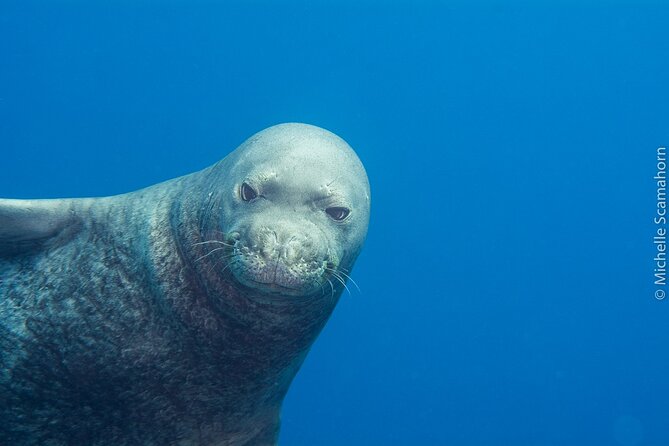
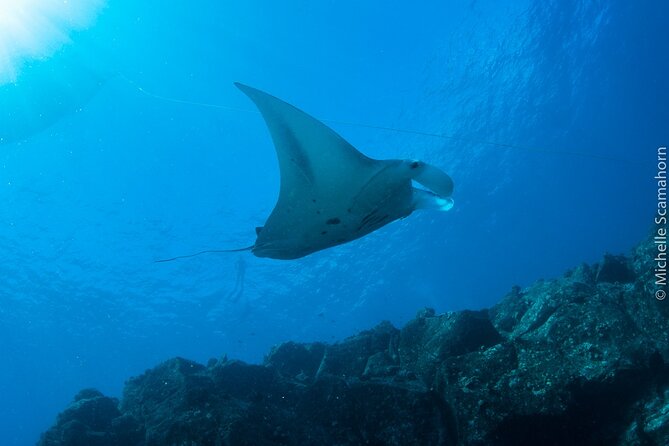
Niʻihau is the place to go when you want Kauaʻi’s underwater world at full strength. This remote, privately owned island is known for clear water, dramatic volcanic formations, Hawaiian monk seals, sandbar sharks, manta rays, dolphins, and big schools of fish. The ocean crossing takes about an hour, not two or three, so you spend less of your day bouncing across the channel and more time below the surface.
I like the six-customer limit, which keeps the boat from feeling crowded and lets Nick and Jessie give close attention to the group. I also like the practical setup: scuba equipment, lunch, snacks, and water are included, and the crew fits your gear before leaving the harbor. You can focus on the experience rather than packing half a dive shop.
The catch is the sea. This is for certified, experienced scuba participants, and conditions can change the plan. From October through April, Niʻihau trips are harder to run. If the boat cannot reach the island, the outing moves to Kauaʻi waters and the price is reduced by 45 percent.
Key points to know before booking
- Fast one-hour crossing: Kikiaola Small Boat Harbor is the closest departure point, and the boat can reach Niʻihau in roughly an hour.
- Six customers maximum: A small group means more room on the boat and closer guidance in the water.
- Two underwater sites: The crew chooses locations based on conditions, wildlife, and requests from the group.
- Large marine life: Hawaiian monk seals, sandbar sharks, manta rays, eagle rays, dolphins, tuna, and predatory fish are all possible sightings.
- Experienced participants only: You must be scuba certified, and at least 15 previous scuba outings are recommended.
- Lehua crater surface stop: Between underwater sessions, you tour the extinct volcanic crater while eating lunch.
Why Niʻihau feels different from Kauaʻi
Kauaʻi offers pleasant shore and boat-based scuba, with turtles, lava formations, and familiar reef fish. Niʻihau offers a wilder setting. The waters are described as crystal clear, with visibility reported at roughly 100 feet or more on especially good days. That clarity matters when you are looking for animals in open water or trying to take in a large volcanic wall.
The island itself is not a normal sightseeing destination. Niʻihau is privately owned and often called the Forbidden Island, so this trip gives you an uncommon view of its surrounding sea without pretending you are visiting an ordinary beach community. The focus stays offshore, where the water, seabirds, and volcanic formations do the talking.
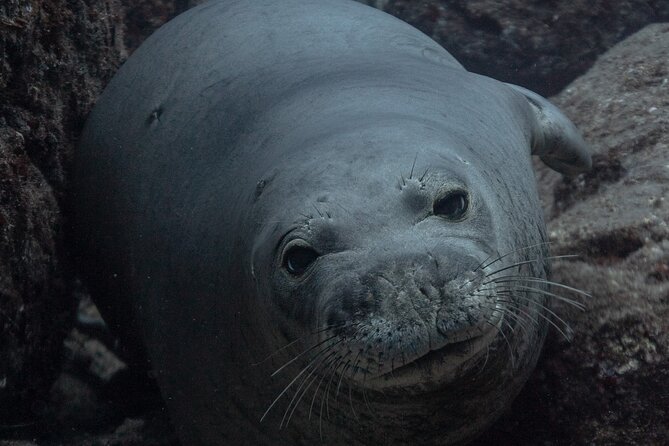
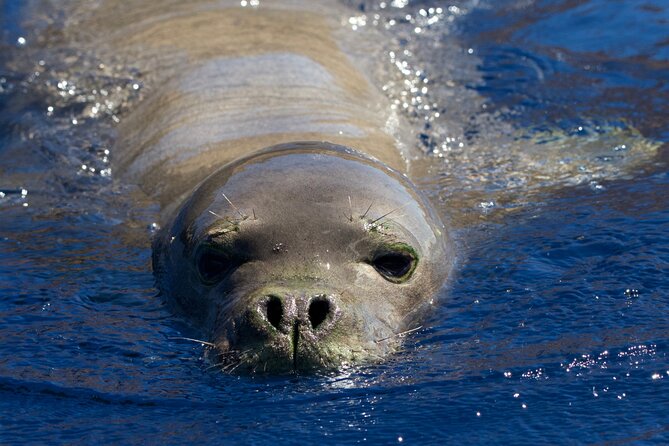
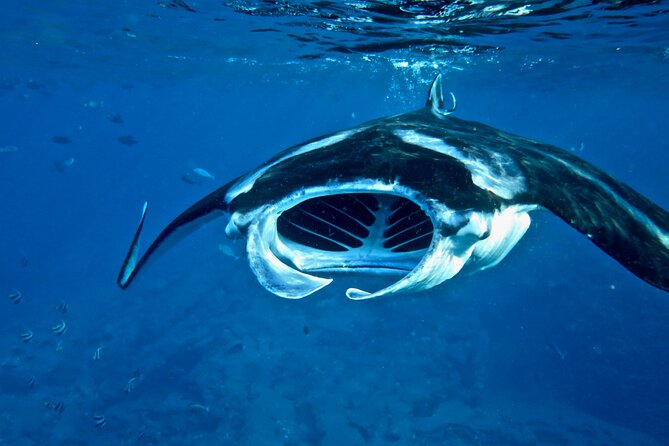
The marine life is the main reason to pay for this trip. Monk seals may appear on the seabed or swim near the group. Sandbar sharks, manta rays, eagle rays, tuna, trumpet fish, ghost shrimp, turtles, and endemic Hawaiian fish have all been seen on this route. Dolphins may appear during the crossing, too. On one especially active outing, three types were seen from the boat: spinner, bottlenose, and rough-toothed dolphins.
None of this is guaranteed. Wildlife is wild, and ocean conditions determine how long you can stay at each site. Still, Niʻihau gives you a stronger chance at large animals than a standard reef outing close to shore.
More Scuba Diving in Kauai
- Kauai’s Ultimate South Shore 2 Tank Dive (Certified Divers Only)
★ 5.0 · 190 reviews - Kauai’s Ultimate Discover Scuba Dive – OCEAN EXPERIENCE (1 Tank Dive)
★ 5.0 · 186 reviews - Kauai’s Ultimate Dive Boat Adventure (for CERTIFIED Divers Only)
★ 5.0 · 84 reviews
The 6:30 a.m. start at Kikiaola Harbor
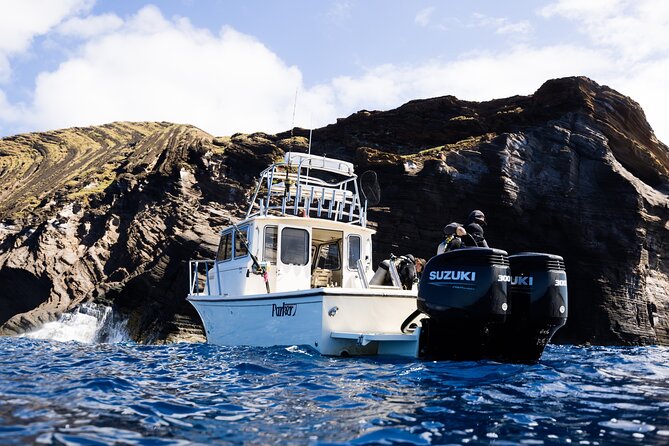
Your day begins at 6:30 a.m. at Kikiaola Small Boat Harbor in Kekaha, on the west side of Kauaʻi. This early start is practical rather than glamorous. It allows the crew to use the best part of the day and gives you enough time for the crossing, two underwater sessions, the Lehua stop, and the return trip.
Nick and Jessie are both captains and underwater leaders. Before leaving, you try on the equipment at the dock. That small step is useful. A boat is not the place to discover that your mask does not seal or your suit feels wrong. Getting sorted at the harbor also helps the group leave promptly.
The boat carries no more than six customers. That is a meaningful limit for a full-day ocean trip. You are not waiting for a large crowd to board, and the crew can keep track of everyone more easily. It also gives solo participants a better chance to feel part of the group instead of being lost among a boatload of strangers.
You should arrive ready for a physically active day. The tour calls for a moderate fitness level, and you need to be comfortable with a fast boat, open-ocean conditions, and two scuba sessions. The crew recommends at least 15 previous scuba outings before joining.
A fast crossing, with the ocean as part of the show
The crossing usually takes about an hour, though reports from calm conditions have been as quick as 48 to 55 minutes. The return can take 60 to 90 minutes, depending on the sea. The speed is one of the strongest practical reasons to choose this operator and harbor.
A shorter crossing does not mean a perfectly smooth ride. Winter conditions can be choppy, and even a fast boat can feel lively in the channel. Nick’s experience as captain is important here, but you should still be prepared for motion. If you are prone to seasickness, plan carefully and ask the operator what they recommend before departure. That advice is not supplied as part of the tour, so do not assume the sea will be calm.
The trip itself may reward you before reaching Niʻihau. Dolphins have been seen beside the boat, and the crew may slow down to spend a little time with them when conditions and timing allow. The crossing can also include views of the island and open Pacific water, but keep your expectations flexible. This is primarily an underwater excursion, not a dedicated whale or dolphin-watching trip.
Snacks and water are provided, and lunch is served between the two sessions. One particularly well-liked detail is the homemade feel of the food, including substantial sandwiches and, on some outings, blueberry bread. The exact menu is not specified, so bring any special food you require.
Two underwater sites chosen for the day
At Niʻihau, you visit two separate sites. The crew chooses them according to sea conditions, wildlife activity, and the group’s requests. That flexibility is a good thing. A fixed plan can look tidy on paper but become poor practice when wind, current, or visibility changes.
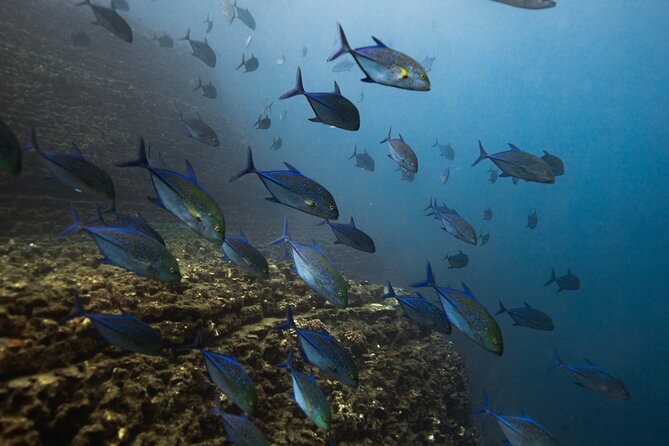
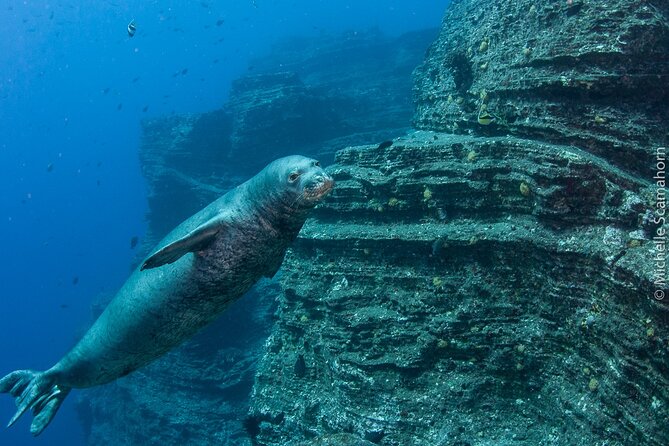
Expect volcanic underwater formations rather than a flat, uniform reef. The bottom can include walls, ledges, and unusual formations that make the scenery as interesting as the animals. In clear water, you may see a monk seal resting below before it notices the group. You might also find sharks cruising at a comfortable distance, rays passing over the bottom, or schools of tropical fish moving through the rock.
Jessie uses an underwater writing board to share information during the session. That is useful when the group spots something unusual and cannot stop for a long explanation. It also helps you understand the animals you are seeing without needing to surface after every sighting.
The crew’s approach combines safety with a relaxed mood. That matters on a day when the sea may be rough above and calm below. The group size allows Jessie to guide participants and keep communication clear, while Nick handles the boat and navigation.
The water has been reported at about 82 degrees on good days, though you should not treat that as a promise for every departure. Visibility can be exceptional, with some outings reaching 100 feet or more. Conditions below the surface may be far better than they look from the boat, but they can also vary from site to site.
A few more dives around Kauai worth comparing
- Kauai’s Exclusive Morning Scuba Charter for Experienced Divers
★ 5.0 · 47 reviews - Kauai Scuba Diving for Beginners
★ 5.0 · 36 reviews - 1 Tank Discover Scuba at Koloa Landing with No Experience needed
★ 5.0 · 31 reviews - Kauai’s Ultimate Scooter Adventure 2 Tank Dive (Advance Certified Divers Only)
★ 5.0 · 26 reviews
Lehua crater and the surface interval
Between underwater sessions, the boat tours Lehua crater while lunch is served. Lehua is an extinct volcano and a seabird sanctuary. This is a welcome change of pace after the first session, giving you time to eat, talk with the crew, and take in the volcanic setting without rushing straight back into the water.
The stop is not a land visit. You remain on the boat, and the length of the tour depends on the day’s schedule and conditions. Still, it adds context to the trip. Niʻihau is not only a place with clear water and large animals. The nearby volcanic formations and seabird habitat show how much of this area remains shaped by natural forces rather than development.
Keep your lunch expectations sensible. Food is included, which adds value, but this is a working boat trip, not a catered cruise. The useful part is having a proper meal and snacks available without needing to pack everything yourself.
What the $655 price really covers
At $655 per person, this is a costly day on the water. I would not choose it casually if your main goal is a basic introduction to scuba. Kauaʻi offers less expensive ways to get comfortable underwater, and Niʻihau requires certification and previous experience.
The price makes more sense when you count what is included and what the shorter crossing buys you. You receive the boat trip, equipment, two underwater sessions, crew leadership, lunch, snacks, and water. You also get access to a remote location that is not part of a normal beach holiday.
The six-person limit is another part of the value. Large boats can reduce the price, but they also create more waiting, less personal attention, and a busier entry and exit process. Here, the small group supports a calmer day and makes it easier for the crew to notice when someone needs help.
I would call the price worthwhile for an experienced scuba participant who specifically wants Niʻihau, large marine life, and a small boat. I would call it poor value for someone who is newly certified, uncertain in open water, or mainly interested in seeing turtles close to Kauaʻi. You are paying for the location, the access, the speed, and the chance to encounter animals that are less common on ordinary reef trips.
Weather, rerouting, and the 45 percent adjustment
Weather is the key uncertainty. From October through April, reaching Niʻihau becomes more difficult. If conditions prevent the crossing, the crew may switch to south-side Kauaʻi sites, and a 45 percent refund is applied.
That is a fair point to consider before you book. A Kauaʻi outing may still offer turtles, lava formations, and tropical fish, but it is not the same experience as reaching Niʻihau. The reduced price recognizes that difference.
The operator also states that poor weather can lead to cancellation, in which case you are offered another date or a full refund. If the minimum number of four participants is not met, the same choice applies. The trip can carry up to six customers, so the final group may be small without being private.
For a winter visit, keep your schedule flexible. Do not place this trip on the last morning before a flight if you need a backup date. The tour returns to Kikiaola Harbor, but the ride home can take up to 90 minutes depending on conditions.
Who should book this Niʻihau scuba trip
This outing suits you if you:
- Hold a current scuba certification.
- Have at least 15 previous scuba outings.
- Are comfortable in open ocean conditions.
- Want large animals and clear water more than a gentle beginner lesson.
- Prefer a small boat and personal attention.
- Can accept a weather-based change of plan.
It is especially appealing if you have already explored Kauaʻi’s more familiar underwater sites and want something more remote. The excursion also works for a solo participant. With only six customers and an involved crew, you are unlikely to feel overlooked.
I would not book it for a first underwater experience, for anyone who is uneasy with fast boats, or for someone who needs a guaranteed list of animals. The crew can improve your chances, but no operator can order a monk seal, shark, manta ray, or dolphin to appear.
Booking details worth knowing
Confirmation is sent at booking. You need to provide your arrival and departure dates, which helps the operator understand your schedule. The meeting point is Kikiaola Small Boat Harbor, 8932 Kekaha Road, Kekaha, and the activity ends at that same harbor.
You can cancel for a full refund up to 24 hours before the start time. Cancellations or changes made inside that window are not refunded or accepted. Since the trip depends on weather and a minimum of four participants, leave room in your Kauaʻi plans if this is a priority.
Should you book it?
Book this trip if Niʻihau is a major goal, you already have solid scuba experience, and you value a small crew over a low price. The short crossing, two carefully chosen sites, included equipment, and strong chance of seeing large marine life make the $655 cost easier to justify.
Skip it if you are newly certified, want a guaranteed calm sea, or would be disappointed by a Kauaʻi reroute. For the right participant, this is one of Kauaʻi’s most ambitious ocean days: early, expensive, physically active, and potentially unforgettable for all the right reasons.
FAQ
Where does the Niʻihau scuba trip begin?
It begins at Kikiaola Small Boat Harbor, 8932 Kekaha Road, Kekaha, Hawaii.
What time should I meet the crew?
The meeting time is 6:30 a.m.
How long does the experience last?
The full activity lasts approximately eight hours.
Does the boat return to the starting point?
Yes. The activity ends back at Kikiaola Small Boat Harbor.
Do I need scuba certification?
Yes. You must be certified to scuba at Niʻihau.
How much scuba experience is recommended?
At least 15 previous scuba outings are recommended before joining.
How many customers can join?
The maximum is six customers, and at least four participants are needed for the trip to operate.
What is included?
Scuba equipment, lunch, snacks, and water are included.
What happens if the boat cannot reach Niʻihau?
The trip may be rerouted to south-side Kauaʻi sites, and a 45 percent refund is applied.
Can I cancel for a full refund?
Yes. You can cancel at least 24 hours before the start time for a full refund. If bad weather cancels the trip, you are offered a different date or a full refund.
Just added around Kauai
- 2 Tanks Scuba Dive Kaua’i from a Boat★ 5.0 · 16 reviews
- Kauai Scuba Diving for Beginners★ 5.0 · 36 reviews
- Private Niihau Scuba Charter with 2 or 3 Tank Dive Option★ 5.0 · 3 reviews
- Kauai’s Ultimate Scooter Adventure 2 Tank Dive (Advance Certified Divers Only)★ 5.0 · 26 reviews
- Premium Afternoon Scuba Charter for All Certified Diver Levels★ 5.0 · 24 reviews
- Try Scuba Diving on Kaua’i with Sea Turtles★ 5.0 · 3 reviews
- Try Scuba Diving in Kauai From a Boat: No Experience Necessary★ 5.0 · 24 reviews
- Shore Dive with Sea Turtles @ Koloa Landing for Certified Divers★ 5.0 · 10 reviews
Scuba Diving in Kauai, compared.
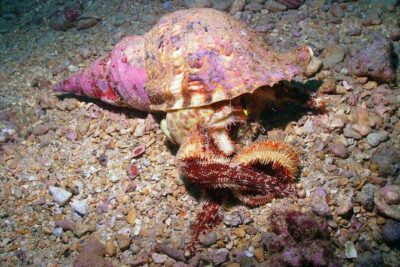
Kauai’s Ultimate South Shore 2 Tank Dive (Certified Divers Only)
Read our review →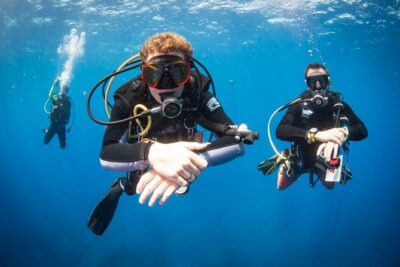
Kauai’s Ultimate Discover Scuba Dive – OCEAN EXPERIENCE (1 Tank Dive)
Read our review →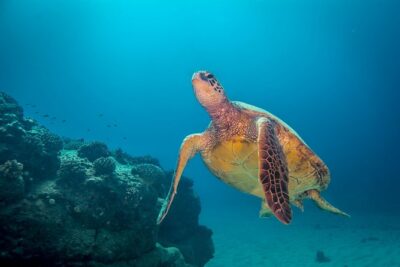
Kauai’s Ultimate Dive Boat Adventure (for CERTIFIED Divers Only)
Read our review →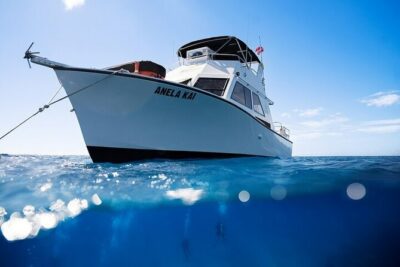
Kauai’s Exclusive Morning Scuba Charter for Experienced Divers
Read our review →
1 Tank Discover Scuba at Koloa Landing with No Experience needed
Read our review →
Kauai’s Ultimate Scooter Adventure 2 Tank Dive (Advance Certified Divers Only)
Read our review →
Try Scuba Diving in Kauai From a Boat: No Experience Necessary
Read our review →Lists this dive appears in