
REVIEW · THAILAND
Padi Advanced open Water Diver Courses (Start at Koh Chang)
The most useful feature here is the five-session format. You do not simply spend two days repeating basic skills. You work on a deeper descent, underwater navigation, and three specialties chosen with your instructor, such as wreck exploration, night work, photography, or buoyancy control.
I like the very small group limit of three, which can mean more personal coaching and less time waiting for someone else. I also like the practical package: hotel pickup from Koh Chang’s west coast, a buffet lunch, drinks, snacks, and a professional instructor are included.
The main thing to check before booking is your location and travel schedule. Pickup is limited to west-coast hotels, Koh Rang National Park fees cost extra, and you should not fly within 18 hours after your final session.
Key points to know before booking
- Two required skill sessions: You complete deep-water and navigation work as part of the qualification.
- Three specialties are your choice: Options include wrecks, night work, digital photography, naturalist study, multilevel planning, buoyancy, and search and recovery.
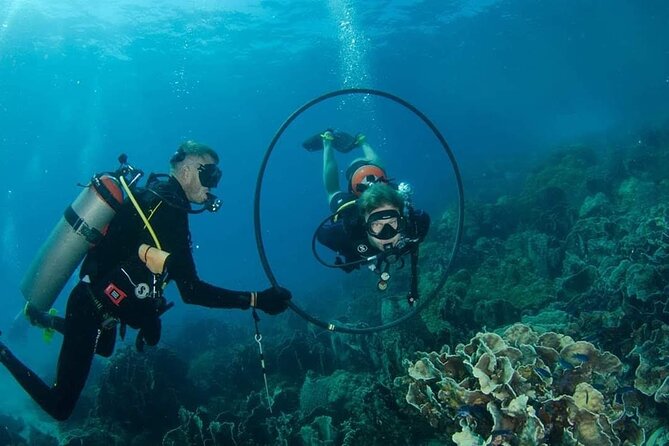
- Maximum of three people: The small group can provide close instruction and a calmer learning pace.
- Named instructors praised for their teaching: Previous course participants specifically highlighted Chang, Pierre, Adam, Charles, Julia, Markus, Quentin, Karim, and Seb.
- Boat day comforts are covered: Lunch, drinks, coffee or tea, snacks, light refreshments, and transfers are included.
- Plan around flight restrictions: Avoid flying for at least 18 hours after scuba activity.
What the two-day PADI course is really about
This is a progression course for certified Open Water participants who want better control, greater confidence, and permission to work at greater depths under the PADI system. It is not presented as a long classroom program. The emphasis is on five practical sessions in the water, supported by instruction from your guide.
Two sessions are fixed. The first is the deep specialty, which gives you practice managing a deeper descent and the changes that come with it. The second is navigation, where you work on heading, distance, and finding your way underwater rather than simply following an instructor.
The other three sessions are selected with your instructor after the course begins. That matters because your best choices depend on your interests and current ability. If you want to visit a wreck, choose the wreck option. If your buoyancy needs work, peak performance buoyancy may be more useful than photography.
You can also choose digital photography, naturalist work, multilevel planning, search and recovery, or a night session. The course therefore has a flexible feel, but you should not assume every option will be available in every condition. Discuss your choices early, especially if one specialty is the main reason you booked.
More dive courses in Thailand:
- Open Water Course – Become certified diver in 3 days
★ 5.0 · 1,137 reviews - Full-Day Beginner Scuba Course with Private Tuition, Racha Yai
★ 5.0 · 368 reviews - La Bombona Diving Koh Tao Open Water Course
★ 5.0 · 172 reviews
Day one: getting ready for five focused sessions
The day begins at about 8:00 am from the meeting point in Ko Chang. Hotel pickup is offered, but only for hotels on the west coast of the island, so confirm this before paying. If your accommodation is elsewhere, you may need to reach the starting point yourself.
The first priority is getting organized with your instructor. You will complete a health questionnaire before entering the water. Medical conditions such as asthma or heart problems may affect your ability to participate, so speak with a doctor in advance if you have any concerns.
Your instructor will discuss the five specialty choices and explain how the course will run. Names associated with previous sessions include Chang, Pierre, Adam, Charles, Julia, Markus, Quentin, Karim, and Seb. The important point is not to request a particular person unless the operator confirms availability. Instructor language may also matter: one participant specifically arranged a French-speaking instructor, so it is sensible to ask ahead if language support is important to you.
The day’s sessions combine skills with real underwater practice. The deep session is not simply a sightseeing descent. It is designed to help you understand how to manage yourself at greater depth and keep better control of your equipment, breathing, and position.
The navigation session has a different purpose. You work on orientation instead of relying entirely on the guide. That is a valuable change for anyone who tends to lose direction once the reef or seabed looks unfamiliar.
A small group helps here. With no more than three participants, your instructor has a better chance of seeing how you move, where you struggle, and how quickly you are ready for the next task. The course is still active and demanding, but it should not feel like a crowded school session.
Day two: choosing specialties that fit your goals
The second day continues with the three elective sessions. This is where you can shape the course around the kind of scuba experience you want after Koh Chang.
A wreck session suits you if you are curious about artificial structures and want to learn how to approach them with care. It is not simply a chance to swim around a wreck. You are learning how to plan and observe in a more structured setting.
Peak performance buoyancy is a strong choice if you use too much energy moving up and down, touch the bottom, or find it hard to remain still. Better buoyancy makes almost every future session more comfortable. It also helps protect the seabed and keeps your hands free for observation.
Digital photography is useful if you already enjoy taking pictures or want to understand how to position yourself without damaging the surroundings. The course does not promise a personal photo package, although one account praised underwater and above-water images taken by Hannah during a course. Treat photography as a skill option, not as an included souvenir service.
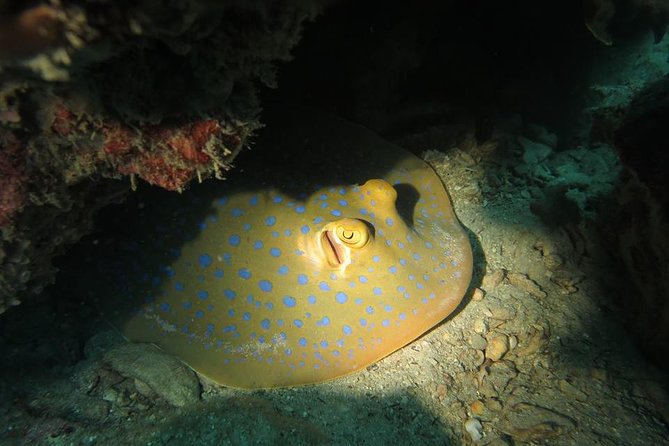
The naturalist option focuses your attention on what you are seeing. Instead of rushing from one feature to the next, you learn to observe marine life and its surroundings more carefully.
Multilevel planning is aimed at people who want more practice managing a session at different depths. Search and recovery adds a practical problem-solving element. A night session offers a very different way to observe the underwater world, but it may not suit every schedule or comfort level.
Ask your instructor which three choices make sense together. A mix of navigation, buoyancy, and naturalist work may be more useful for a newer certified scuba participant than choosing three options simply because they sound exciting.
The boat, food, and daily comfort
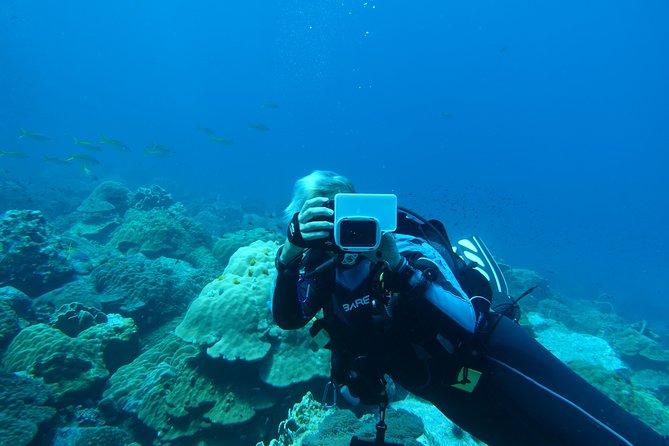
The price is $550.30 per person. That is a serious amount for a two-day course, but it includes more than the instructional sessions alone. Hotel pickup and return, all activities, professional guidance, lunch, beverages, coffee or tea, snacks, and light refreshments are covered.
The boat has received positive attention for being clean and organized. That matters during a full day on the water, when poor organization can make equipment changes and surface breaks tiring. The food has also been described as a strong part of the day, with a buffet lunch included.
Do not expect every cost to disappear. Entrance fees for Koh Rang National Park are not included. This is the clearest extra charge listed, so bring room in your budget for it.
The return is to the original meeting point. The activity does not finish at another island or hotel, and the stated start time is 8:00 am. Because the course takes place over two days, leave enough room in your Koh Chang stay for weather or scheduling changes. The operator confirms bookings within 48 hours, subject to availability.
A few more dives around Thailand worth comparing
- Ko Tao: Try Scuba Diving 1-Day Experience
★ 4.8 · 452 reviews - Phuket: Scuba Diving Maithon Or Racha Islands For All Levels
★ 4.8 · 245 reviews - Scuba Dive in Koh Lanta, Thailand
★ 5.0 · 212 reviews - Basic Diver ( One Day Experience)
★ 5.0 · 205 reviews
The instructors and teaching style
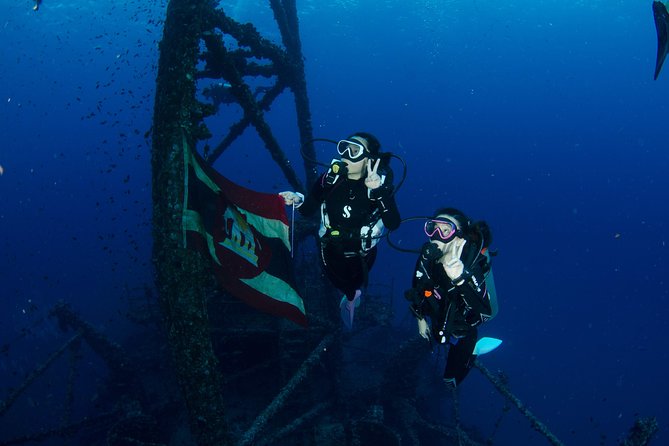
The strongest pattern in the feedback is the quality of individual instruction. Chang was praised for patience, support, humor, and one-to-one attention. Pierre was described as respectful and professional, while Adam was noted for empathy and clear teaching.
Charles and Julia were both singled out after an advanced course. Markus, Quentin, Karim, and Seb were also connected with positive course experiences. Several accounts point to instructors who kept the sessions serious without making them stiff or intimidating.
That mix is important. Advanced training should not feel like a joyless exam, but safety and control still need to come first. The best sign here is the repeated emphasis on calm instruction, clear explanations, and confidence in the water.
Instructor assignment is not guaranteed in the supplied details. If you need a particular language, have concerns about your confidence, or want a specific specialty, contact bbdivers before booking rather than assuming the request will be possible.
How much personal attention will you get?
The maximum group size is three people. For a skills-based course, that is one of the most valuable details in the entire package.
You have more opportunity to ask questions, repeat a task, and receive corrections that match your own habits. A larger group can mean waiting while another person completes an exercise. Here, the limited size should reduce that problem.
The benefit depends on the final number of participants. A group of one gives you the closest possible coaching, and one course participant described receiving one-to-one attention. Still, you should book this for the teaching structure, not on the assumption that you will always have a private instructor.
Most people can participate, but everyone must complete the health questionnaire. Service animals are allowed, and the starting area is near public transportation. The supplied information does not give detailed mobility guidance, so ask the operator directly if you have access needs beyond those points.
Timing your flights and island plans
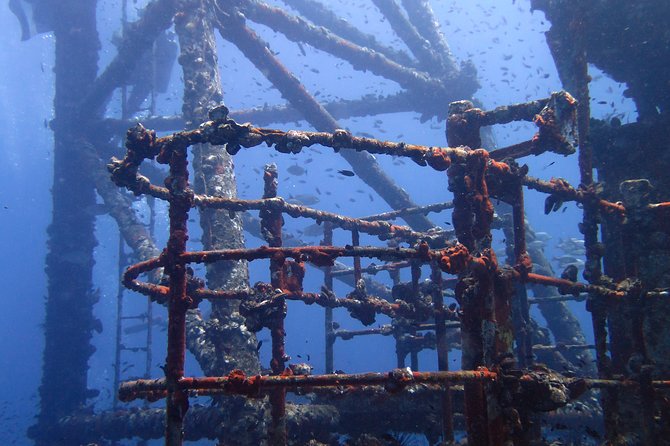
The 18-hour no-fly guidance is essential. You should not plan a flight soon after the course, even if you feel perfectly well. Build that buffer into your Koh Chang itinerary before you book transport elsewhere.
The same planning applies to ferries and onward travel. The course returns to its meeting point, but the exact finish time is not provided. Avoid scheduling a tight connection immediately afterward.
A two-day course works best when it has room around it. Arrive on Koh Chang before the first morning, complete both sessions without rushing, and leave the island only after the recommended waiting period has passed.
Who will get the most from this course?
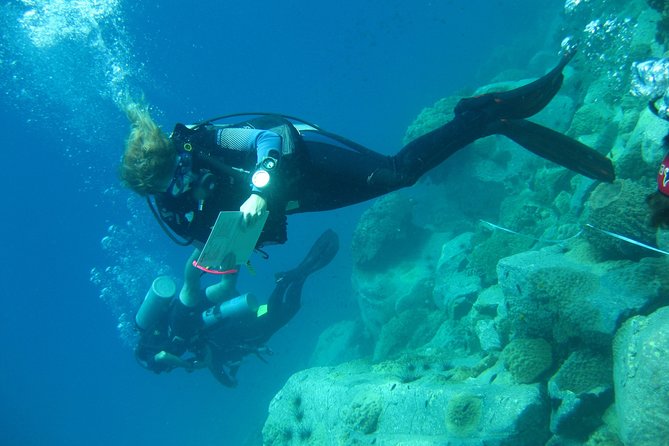
This suits you if you already hold the required Open Water qualification and want structured practice rather than casual sightseeing. It is especially useful if you feel uncertain about navigation, buoyancy, or working at greater depth.
It is also a good fit if you want to test a specialty before committing to later training. Wreck work, photography, naturalist observation, night work, multilevel planning, and search and recovery each offer a different direction.
The course may be less suitable if you want a relaxed one-day outing, have not completed basic certification, or need pickup outside Koh Chang’s west coast. You should also reconsider the timing if you have a flight within 18 hours or a medical condition that has not been cleared by a doctor.
Is $550.30 good value?
The price makes more sense when you count the full package. You receive five specialty sessions, instruction, transport from eligible hotels, meals, drinks, snacks, and the use of the operator’s boat and activity setup.
The small group size also adds value. Personal correction is harder to provide in a crowded class, and the course is designed around improving control rather than merely ticking off a qualification.
Still, the price is not all-inclusive. The Koh Rang National Park entrance fee is extra, and pickup does not cover every part of the island. You should compare the total cost, not just the advertised course price.
For someone who wants a recognized next step after Open Water training, this is a fair package. For someone seeking a cheap introduction to scuba, it is the wrong product.
Should you book the Koh Chang advanced course?
I would book it if you want five purposeful sessions, close instruction, and the freedom to choose specialties that match your interests. The strongest reasons are the three-person limit, the practical navigation and depth work, and the repeated praise for instructors such as Chang, Pierre, Adam, Charles, Julia, Markus, Quentin, Karim, and Seb.
Before booking, confirm three things: your hotel is on the west coast, your health allows participation, and your schedule leaves at least 18 hours before flying. If those points work, this course offers a focused way to become calmer, more capable, and more independent underwater without losing the pleasure of being out on Koh Chang’s water.
FAQ
How long does the PADI Advanced Open Water course take?
The course lasts approximately two days.
What time does the course start?
The stated start time is 8:00 am.
Where does the course begin?
It begins in Ko Chang, Ko Chang, Trat Province, and returns to the same meeting point.
Is hotel pickup included?
Yes, hotel pickup and drop-off are included for hotels on Koh Chang’s west coast only.
How many people can join the course?
The maximum group size is three participants.
Which sessions are required?
The deep session and the navigation session are required parts of the course.
Which specialty sessions can I choose?
The three additional options can include wreck work, digital photography, naturalist study, multilevel planning, peak performance buoyancy, search and recovery, and night work.
Is lunch included?
Yes. The package includes buffet lunch, beverages, coffee or tea, snacks, and light refreshments.
Can I fly after the course?
Flying within 18 hours of scuba activity is not recommended. Plan your onward flight accordingly.
Just added around Thailand
- Discover Scuba Diving in Koh Lanta, Thailand★ 5.0 · 72 reviews
- Phuket: PADI Discover Scuba Diving 1 beach dive★ 5.0 · 2 reviews
- Premium Guided Scuba Diving Day Trip for Certified Divers★ 5.0 · 32 reviews
- Try Scuba Diving★ 5.0 · 11 reviews
- Racha Noi and Racha Yai Dive Trip from Phuket★ 4.5 · 5 reviews
- Scuba Diving Daytrip to Racha Yai★ 4.5 · 43 reviews
- SCUBA Diving tour Racha and Coral islands full day tour★ 4.0 · 4 reviews
- Try Scuba Diving in Racha Yai and Noi for Non-Certified★ 5.0 · 15 reviews
Scuba Diving Courses, compared.
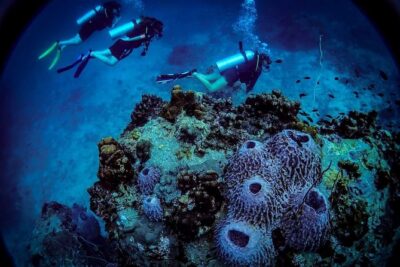
Open Water Course – Become certified diver in 3 days
Read our review →
Heraklion: Beginner Scuba Diving Lesson with PADI Instructor
Read our review →
Discover Scuba Diving with No Certification in St Thomas
Read our review →
Try Dive – PADI Discover Scuba Diving in Tenerife
Read our review →
Lists this dive appears in