
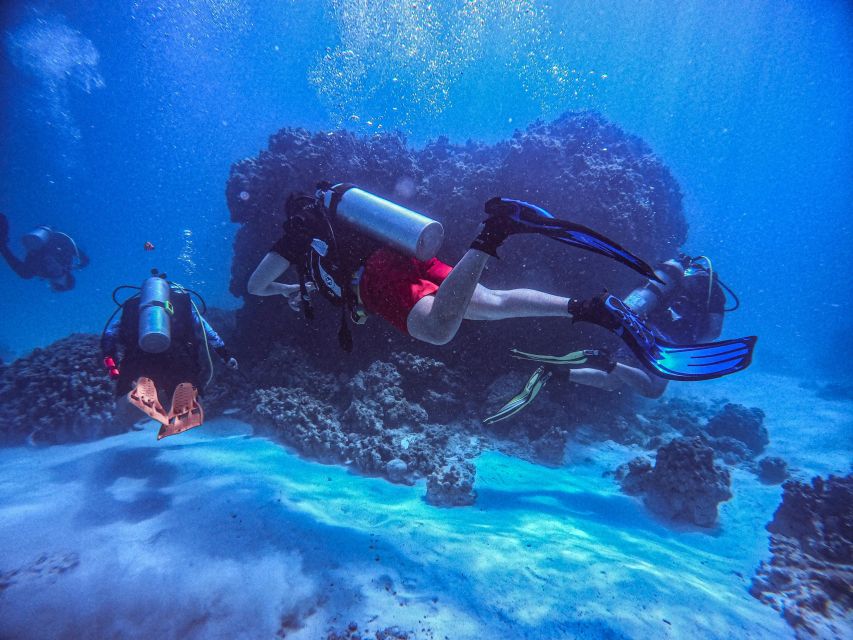
REVIEW · GREECE
Chania:Try Scuba Diving 2shore dives(Receive Certification)
The best part of this five-hour Crete experience is that you get two proper shore descents, not just a quick taste in shallow water. You learn the basics, practice with an instructor, and reach a supervised maximum of 12 meters. That gives you time to settle your breathing and see how you really feel underwater.
I like the small group limit of six people, which should leave more room for patient instruction. I also like that the $200 price includes equipment, insurance, transfers, snacks, underwater photos and a short video, plus an SSI Basic Diver card. The main drawback is that you spend only about two hours at the beach, so this is an introduction rather than a full Open Water course.
Key points to know before you book
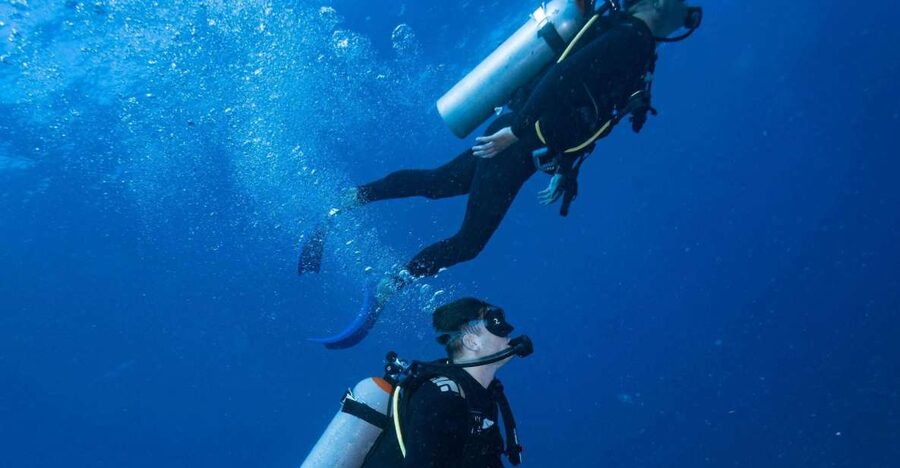
- Two shore descents reach up to 12 meters, giving beginners a real underwater session rather than a brief pool-style trial.
- Ioanna, Younis, and George are named instructors, and the strongest praise focuses on patience, clear guidance, and calm support.
- The group is limited to six people, a useful feature if you are nervous or want close supervision.
- The $200 rate covers a lot, including equipment, insurance, transfers, food and water, media, and SSI certification.
- You can upgrade to Open Water within six months, making this a sensible test before paying for a longer course.
- Pickup covers much of the Chania region, but shared vans can arrive a little early or late.
What the Salty Descents experience is really offering
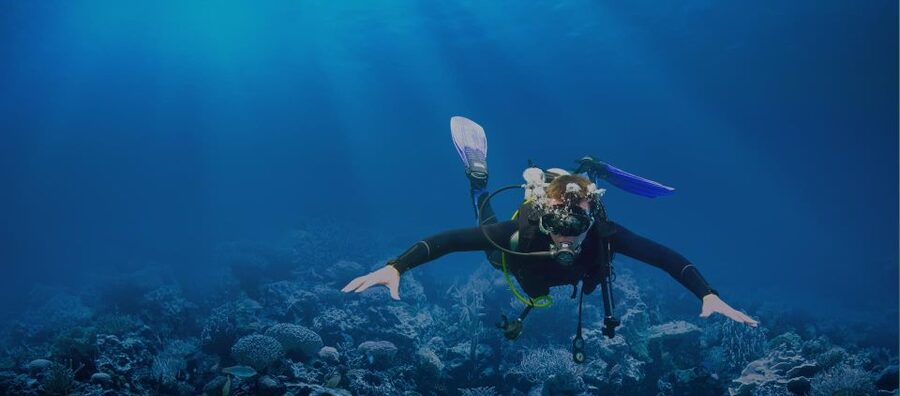
This is a beginner scuba program built around two shore sessions near Kalyves, on Crete’s north coast. You do not need previous scuba experience, but you do need to be comfortable in the water, able to swim, and willing to follow instructions.
The session combines a short class with practical work and two descents. The first is a chance to get used to breathing through the regulator, wearing the equipment, and moving underwater. After a break and a cylinder change, you return for a second session, reaching no more than 12 meters.
That second attempt matters. Many beginners spend the first few minutes simply getting comfortable. Having another chance means you are less likely to spend the whole experience wondering how to breathe or clear your ears. By the later part of the morning, you can pay more attention to fish, rocks, and the quiet feel of the sea.
The program ends with an SSI Basic Diver Certification and a digital card. This does not replace an Open Water qualification, but it gives you a useful record of your training. If you decide you want more, the provider says you can upgrade to Open Water within six months.
More first-time dives in Greece:
- Try a DIVE, discover scuba diving in Mykonos
★ 5.0 · 216 reviews - Athens East Coast: Discover Scuba Diving in Nea Makri
★ 4.9 · 124 reviews - Discover Scuba Diving in the Caldera of the Volcano in Santorini
★ 5.0 · 105 reviews
Getting to Kalyves from Chania and nearby towns
You can choose shared pickup from Chania, Souda, Platanias, Georgioupoli, or Kalyves. Pickup may also be available from places such as Vamos, depending on the arrangement. The drive can take around an hour, with the exact timing shaped by your starting point and the other people in the van.
The transport is practical rather than luxurious. You will ride in a shared minivan, and the driver can be identified by a Salty Descents shirt and minivan. Since the vehicle serves several pickup points, do not plan a tight appointment immediately after the activity.
Pickup details arrive after booking, and it is worth checking your spam folder if the message does not appear. Shared transport may arrive slightly before or after the stated time, and drivers wait no more than 10 minutes after the scheduled pickup time. Keep your phone handy and be ready at the agreed spot.
If you have your own car, meeting at Salty Descents in Kalyves may be simpler. You can also use your own transport for the return. The return choices include Chania, Souda, Platanias, Georgioupoli, and Kalyves.
The one-hour class and safety briefing
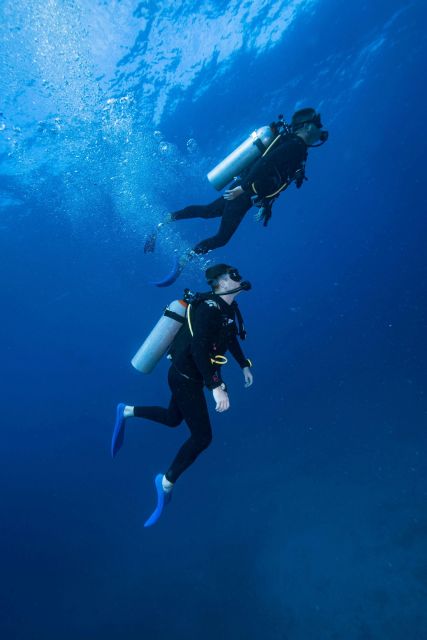
At Kalyves, you begin with about an hour of theory and preparation. This covers the basic ideas behind safe scuba use, how the equipment works, and the habits that help you stay calm underwater.
The class is not a long academic course. That is good news if you are on holiday and want to get into the water, but it also means you should listen closely. Pay attention to breathing, hand signals, clearing your ears, and what to do if something feels wrong. The staff will guide you through the essential skills before you head to the beach.
Your instructor helps you choose and fit the equipment. The included kit covers the main gear, so you do not need to arrive with a personal mask, suit, cylinder, or other scuba equipment. Bring your own swimwear and towel, though. Those are not included.
The strongest part of the instruction is the human side. Ioanna is especially associated with patient explanations, a friendly manner, and small facts about Crete and Greece during the session. Younis helped one first-time participant feel at ease, while George was praised for being well prepared and professional.
That kind of support is important. A first scuba session can feel strange at the start, even if you are a confident swimmer. You need an instructor who notices when you are tense and gives you time to settle instead of rushing you.
Preparing for the first shore descent
After the class, you head to the beach, assemble the equipment, and prepare for the first session. The setup and first session take about 45 minutes, according to the program details.
The shore format has a practical advantage. You avoid a long boat ride and can focus on learning the equipment and your breathing. It may also feel less dramatic than jumping from a boat, but that is often helpful for a beginner. You can take your first underwater steps at a steadier pace.
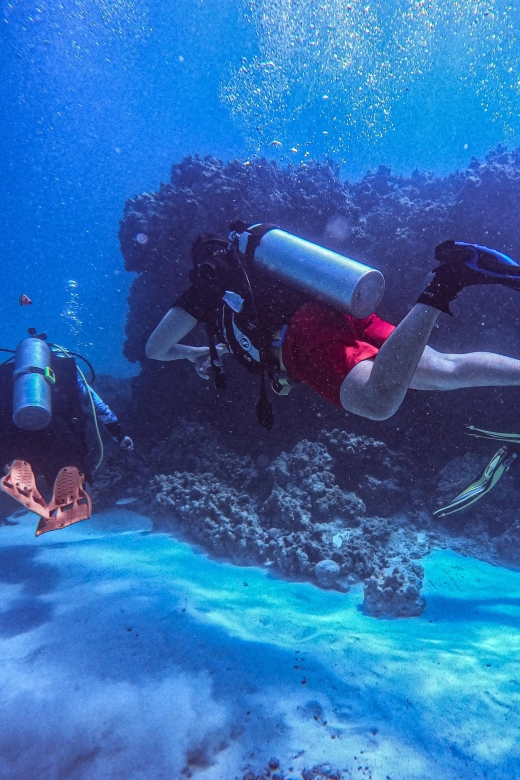
The first descent is not simply about looking at fish. It is your working session. You practice the basic skills from the class while staying under direct supervision. Your instructor will help you adjust to the mask, regulator, buoyancy, and pressure changes.
Crete’s coast can offer plenty to notice. One participant saw an octopus, and fish were a regular part of the experience described by the supplied feedback. Still, marine life is never guaranteed, and you should book this for the learning experience as much as for wildlife.
The group limit of six is useful here. It should make it easier for the instructor to watch each person and respond to individual nerves. If you are traveling with a partner or family member, you can also share the experience while still receiving close guidance.
More dive courses in Greece:
- Heraklion: Beginner Scuba Diving Lesson with PADI Instructor
★ 4.9 · 355 reviews - PADI Scuba Diving Program for Beginners in Peloponesse
★ 5.0 · 3 reviews - Open Water Course – Become certified diver in 3 days
★ 5.0 · 1,137 reviews - Barcelona: PADI Discover Scuba Diving
★ 4.7 · 1,016 reviews
The break, cylinder change, and second descent
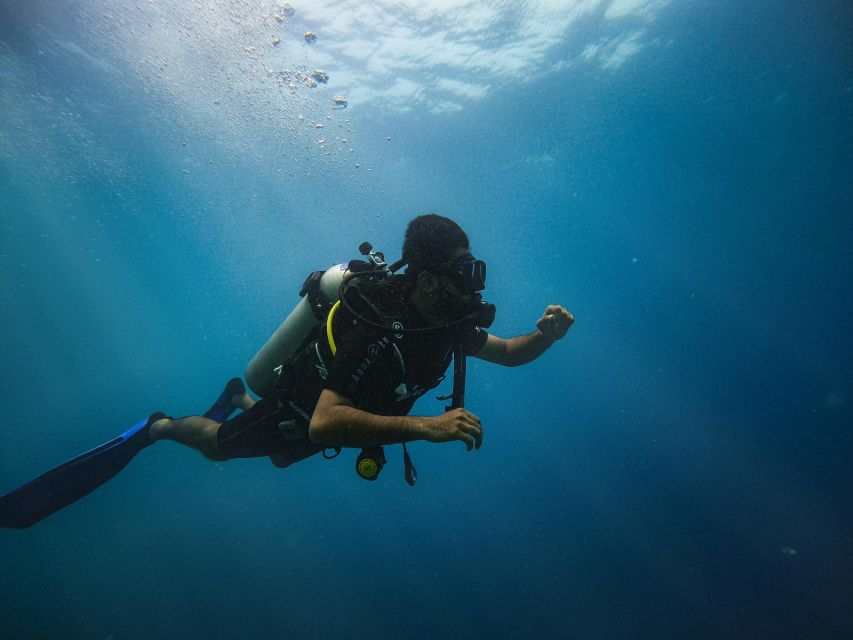
After the first session, you get a short refreshment break. A light snack, fruit, and bottled water are included, but lunch and other drinks are not. If you need a larger meal, plan it for before or after the program.
The cylinders are changed before the second session. This gives you a natural pause to warm up, discuss how the first attempt felt, and prepare for the next one. You may find the second session much easier because the unfamiliar parts of the equipment are no longer completely new.
The second shore descent reaches a maximum of 12 meters. That is enough depth to feel like a genuine scuba experience, but it remains within a tightly supervised beginner program. The staff will control the pace, and you should not treat the maximum depth as a target you must reach.
Some people will settle quickly. Others may need more time with breathing, ear pressure, or body position. Tell your instructor how you feel. The program is designed for beginners, and the patient approach associated with Ioanna, Younis, and George is one of its strongest advantages.
Two sessions also help you judge your next step. You may decide that a full Open Water course is exactly what you want. Or you may discover that one supervised experience is enough. Either answer is useful, and the Basic Diver card lets you keep a record of what you completed.
What is included for $200
At $200 per person, the price is not just paying for time in the sea. It bundles transport, teaching, equipment, insurance, certification, and media into one half-day outing.
Included are:
- Shared transfer from and back to your accommodation, where pickup is available
- Full scuba equipment
- Theory and practical instruction
- Two shore sessions
- Diving insurance
- Light snack, fruit, and bottled water
- Photos and a short video
- SSI Basic Diver Certification
- Digital certification card
- The option to upgrade to Open Water within six months
That package gives the price reasonable value, especially if you would otherwise need to rent equipment, arrange transport, and pay separately for an instructor. The photos and short video are a nice extra because you can remember the experience without trying to manage a camera underwater.
The price makes less sense if you already hold scuba qualifications or want several days of underwater time. This is clearly aimed at first-timers and curious swimmers, not experienced people seeking advanced sites.
There are also costs to remember. Lunch and extra beverages are not included, and you need to bring swimwear and a towel. Those are minor expenses, but the long transfer window and shared van may matter more if your holiday schedule is tight.
Who should choose this beginner program
I would point this toward an adult or older child who is comfortable swimming, curious about scuba, and unsure about committing to a full certification course. The program is a good bridge between a beach swim and a longer training program.
It also suits couples and small groups who want a shared activity. One parent reported taking a son who had never tried scuba before, and the format worked well as a first experience. The minimum age is 10, so younger children cannot join.
You should be in generally good health. The activity is not suitable for pregnant women, people with heart problems, people with other pre-existing medical conditions, people with mobility impairments, or anyone over 70. Alcohol and drugs are not allowed.
If you are nervous, do not assume that makes you a poor candidate. The instructors have been praised for being calm, patient, and clear. You do, however, need to tell the staff about any health concern before you enter the water and follow their advice.
Who may want a different Crete water activity
This is not the best match if you want a relaxed beach day with no instruction. The class takes about an hour, equipment setup takes time, and the activity has a firm safety structure. You are paying for training as well as recreation.
It may also disappoint experienced scuba users. The maximum depth is 12 meters, the group is beginner-focused, and the program lasts only five hours including transport and preparation. There is no promise of a particular fish, reef, or underwater site.
The shore entry may be a consideration if you have mobility difficulties, which is one reason the experience excludes people with mobility impairments. You should also be ready for a wet, active morning rather than a passive sightseeing trip.
On the other hand, the limited depth and short format are precisely what make this approachable. You can test your comfort before spending more money on an Open Water course. The six-month upgrade option gives you a clear path if you enjoy it.
Booking details that affect your day
The advertised duration is five hours, but pickup and return timing can vary by location. A Chania pickup may involve a longer shared transfer than a meeting at Kalyves. Ask yourself how much of the day you want to give to the activity before booking.
Cancellation is free up to 24 hours before the start time, and you can reserve now and pay later. That is useful if your Crete plans depend on weather or changing schedules, though you should still confirm the final pickup information after booking.
The teaching languages are English and Greek. The group remains small, with up to six participants. Transport has received a high score from the people who used it, but shared transportation still means you should allow spare time around the activity.
The company provides photos and a short video, but do not assume every moment will be recorded. The main value is the instruction and supervised time in the water, with the media as a welcome extra.
Should you book the Salty Descents experience?
Book it if you want a carefully supervised first step into scuba without committing to a full course. The combination of two shore sessions, patient instructors, included equipment, insurance, media, and an SSI Basic Diver card makes the $200 cost fairly easy to justify.
I would be especially comfortable recommending it to a nervous beginner who can swim and wants close support. Ioanna, Younis, and George have each been singled out for the traits that matter most here: calm instruction, preparation, and patience.
Skip it if you already have scuba experience, need a very flexible schedule, or want a full Open Water qualification in one day. For everyone else, this is a sensible way to test the water, see Crete from below the surface, and decide what you want to learn next.
FAQ
Where does the scuba experience take place?
The class and shore sessions take place in Kalyves, on Crete. You can meet at the Salty Descents center there or use pickup from selected locations in the Chania region.
How deep will the second session go?
The second shore session reaches a maximum depth of 12 meters under supervision.
Is previous scuba experience required?
No. The program includes theory, practical instruction, equipment guidance, and supervised sessions for beginners.
What certification will I receive?
You will receive an SSI Basic Diver Certification and a digital certification card. The program also includes an option to upgrade to Open Water within six months.
What should I bring?
Bring swimwear and a towel. Lunch and beverages beyond the included light snack, fruit, and bottled water are not provided.
Is transport included?
Yes. Shared transfer from and back to your accommodation is included for available pickup areas, including Chania, Souda, Platanias, Georgioupoli, and Kalyves.
Who cannot take part?
The activity is not suitable for children under 10, pregnant women, people with mobility impairments, people with heart problems, people with pre-existing medical conditions, or people over 70. Alcohol and drugs are not allowed.
Just added around Greece
- Mykonos: Scuba Diving Mini Program for Beginners★ 4.9 · 46 reviews
- PADI Scuba Diving Program for Beginners in Peloponesse★ 5.0 · 3 reviews
- Oia: 2 Guided Scuba Dives off Santorini for Certified Divers★ 4.8 · 33 reviews
- Naxos: Discover Scuba Diving – Your first experience diving★ 5.0 · 27 reviews
- Naxos: Discover Scuba Dive with Nima Dive Center★ 5.0 · 3 reviews
- Kos: Try Scuba Diving with a diving boat★ 4.9 · 98 reviews
- Kos: Beginner Scuba Diving from the Beach with Pickup★ 4.1 · 8 reviews
- Kefalonia: Beginner Scuba Diving at Agia Efimia Village★ 4.6 · 7 reviews
Scuba Diving Courses, compared.
Open Water Course – Become certified diver in 3 days
Read our review →
Heraklion: Beginner Scuba Diving Lesson with PADI Instructor
Read our review →
Discover Scuba Diving with No Certification in St Thomas
Read our review →
Try Dive – PADI Discover Scuba Diving in Tenerife
Read our review →
Lists this dive appears in