
REVIEW · OAHU
Shark Cage Diving on Oahu’s North Shore
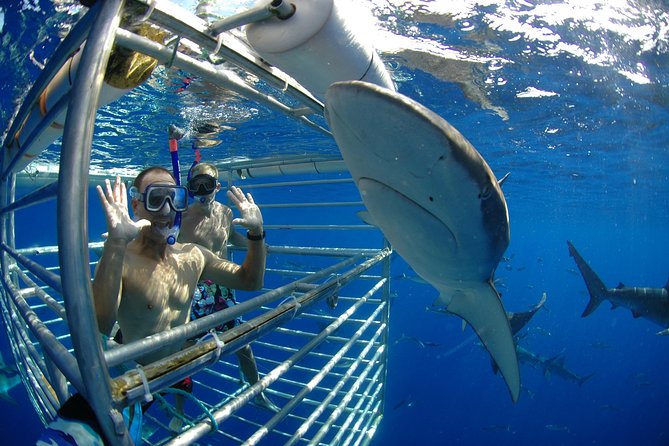
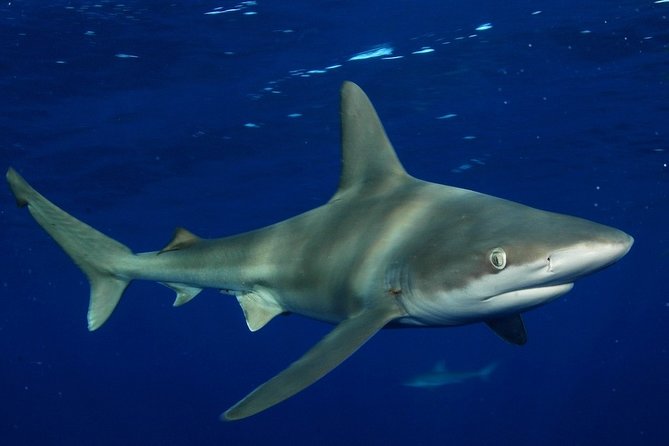
Seeing a shark glide within a few feet of a floating cage is the main event here, and it happens in the open ocean, not behind aquarium glass. From Haleʻiwa Boat Harbor, the boat heads roughly 15 minutes, or about three miles, offshore to a known shark area. Galapagos and Sandbar sharks are the usual stars, though tiger sharks and whales sometimes appear.
I like two things right away: the small boat and maximum group of 12, which make the outing feel more personal, and the calm, practical way the crew handles first-timers. Caleb, Dave, Efraim, Jax, and the other crew members are praised for answering questions, explaining shark behavior, and helping nervous swimmers. The main drawback is the ocean itself. Waves can be rough, and the cage may rock more than the boat, so motion sickness is a real concern.
Key Points Before You Book
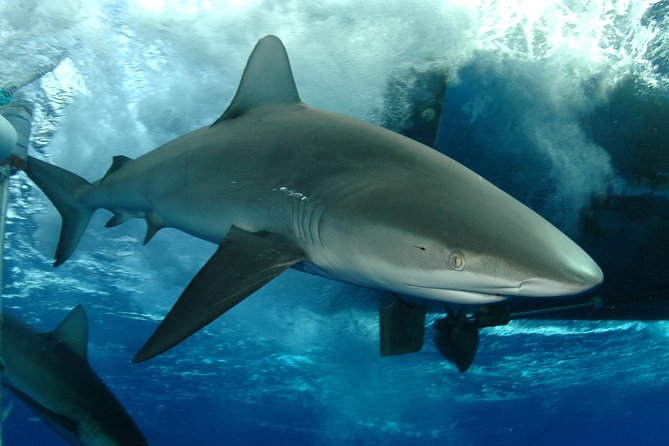
- Wild sharks, not a staged aquarium encounter: You watch Galapagos and Sandbar sharks in their natural offshore habitat.
- A short ride from Haleʻiwa: The shark site is about 15 minutes away, or roughly three miles offshore.
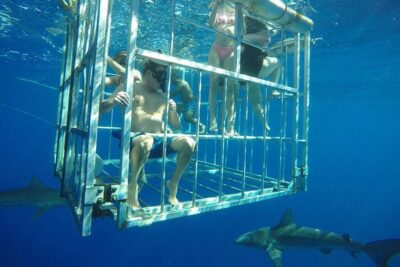
- Floating cage with clear viewing panels: You stay near the surface and look through polyglass windows, with bars on the remaining sides.
- Small-group setup: The boat holds no more than 12 people, a useful advantage for families and nervous first-timers.
- No scuba certification needed: Masks, snorkels, and other snorkeling equipment are supplied.
- Early departures can be easier on your stomach: The ocean may be calmer earlier in the day, though conditions always vary.
Haleʻiwa Harbor Starts the Adventure
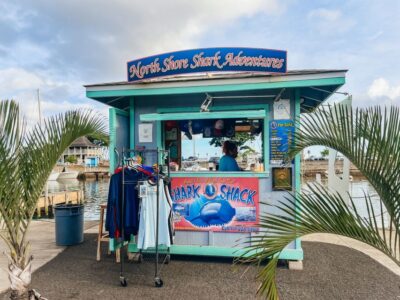
You meet the crew at Haleʻiwa Boat Harbor on Oahu’s North Shore. This is a straightforward meeting-point tour, so you arrange your own way there and return to the same harbor afterward. Hotel pickup, food, drinks, towels, swimwear, and suntan lotion are not included.
The harbor location works well if you are already spending time on the North Shore. You can pair the outing with Haleʻiwa’s shops and food spots, though I would avoid planning anything too rigid immediately afterward. The trip lasts about two hours, but ocean conditions can affect the pace, and you may want time to dry off and settle your stomach before driving on.
The boat is relatively small, which is part of the appeal. A maximum of 12 people is a manageable number for a hands-on activity. You are not lost in a large crowd, and the crew can give more direct help as people enter and leave the cage.
The first part of the ride gives you a chance to get comfortable with the crew and the sea. The trip to the shark area is short, but the water can still be choppy. Some people have handled rough conditions without trouble, while others have felt seasick once the cage began rocking. If you know you are prone to motion sickness, plan ahead with advice from your doctor or pharmacist.
More Scuba Diving in Oahu
- Oahu Shark Dive
★ 5.0 · 2,903 reviews - Oahu: Shark Cage Dive on the North Shore
★ 4.8 · 1,485 reviews - Beginner Scuba Diving Experience with Video Package in Honolulu
★ 5.0 · 877 reviews
The 15-Minute Ride to the Shark Site
The boat heads into open water, with the North Shore behind you and the broad Pacific ahead. The shark area is about three miles offshore. That distance matters because this is not a shallow-water snorkel near the beach. You are going to a marine habitat where large sharks move freely.
The crew uses the ride to explain what you will do and to share facts about shark biology and behavior. Their approach is especially useful if your idea of sharks comes mostly from movies. The activity gives you a controlled way to see these animals as wild predators moving through their normal environment, not as creatures performing on command.
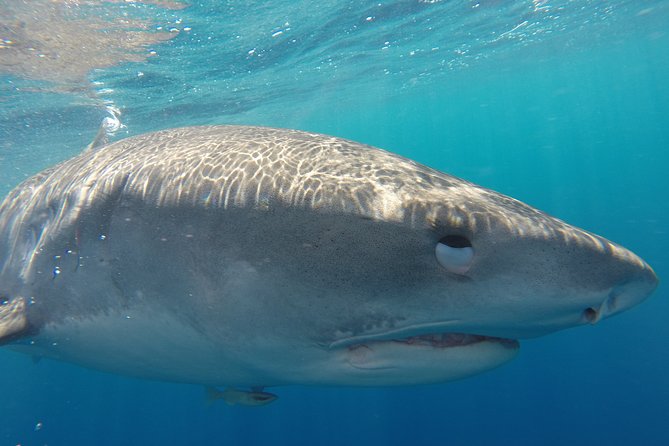
Wildlife sightings are never fully predictable. Galapagos and Sandbar sharks are the main expectation, and the amount of activity can change with conditions. Some outings have produced views of six, ten, twelve, or even thirteen sharks around the cage. Other sightings have included tiger sharks, such as a reported ten-foot tiger shark named Kahlea, as well as humpback whales during the boat ride.
Those extras are luck, not a promise. The crew works to find sharks, but it cannot control the ocean. That is worth keeping in mind when you compare this with a conventional attraction that guarantees a particular animal at a set time.
Entering the Floating Cage
Once the boat reaches the site, the cage is lowered or positioned at the water’s surface. You enter wearing the provided mask and snorkel, then look through the viewing panels as sharks pass nearby.
You do not need scuba training or certification. This is a surface-level encounter, making it approachable for people who are comfortable in the water but have no technical experience. The crew gives instructions and helps you get in and out. Non-swimmers can receive guidance with the snorkeling process, but you should still be honest about your comfort in the water.
The cage has large polyglass windows on two sides, according to one detailed account, while the other sides use bars. That setup gives you a close view and keeps the experience open to the surrounding water. It also means this is not a sealed submarine-style compartment. You remain in direct contact with the ocean, with the cage serving as the safety barrier.
The cage can rock more than the boat. This is an important practical detail that is easy to miss when you focus only on the shark photos. If you are sensitive to movement, stay aware of how you feel and use the cage structure for support as instructed. One outing allowed about 20 minutes in the water, and the available time is generally enough to watch the sharks without feeling hurried.
The sharks may pass very close to the cage. That proximity is what makes the encounter memorable, but it can also feel intense during the first few minutes. The crew remains nearby, gives directions, and helps keep the session orderly.
What You May See Through the Panels
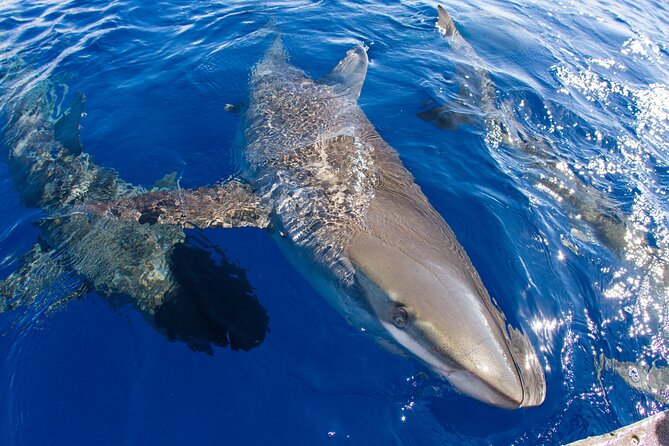
Galapagos sharks are a frequent sight in this area, along with Sandbar sharks. They can circle the cage, glide past at eye level, or disappear into the blue before returning. The best views depend on water clarity, light, waves, and the animals’ behavior that day.
You might see one shark at a time or several moving around the cage. Reports from different outings have included groups of five, seven, ten, twelve, and thirteen sharks. These numbers show the range of possible activity, not a fixed guarantee.
A tiger shark is a less common possibility. The same goes for whales. Humpbacks have been seen on the ride back, and passengers have sometimes heard or spotted them. Flying fish and ʻiwa birds have also added interest to the boat ride. Keep your eyes open, but treat these sightings as fortunate additions rather than part of the promised itinerary.
The natural setting is the strongest reason to choose this trip. You are not watching a shark feed in a tank or following a scripted show. The animals move at their own pace. Sometimes that means a busy cage session. Sometimes it means waiting and watching the open water.
More shark dives out of Oahu:
- Safe and Educational Shark Dive from Haleiwa: Sharks Guaranteed
★ 5.0 · 553 reviews - Dive with Sharks in Hawaii: Shark Tour from Haleiwa
★ 5.0 · 468 reviews - Shark-Dive Tour on Oahu’s North Shore
★ 5.0 · 240 reviews - Shark Cage Diving On “The World Famous North Shore of Oahu”, Hawaii
★ 5.0 · 222 reviews
Crew Style and Safety Guidance
A good crew matters here more than on a simple sightseeing cruise. You are entering a cage in open water, and some people arrive excited while others are visibly nervous. The crew members most often singled out by name are Caleb, Dave, Efraim, and Jax. Their roles may vary by departure, but the operation emphasizes instructions, shark facts, patience, and a relaxed tone.
The crew also uses humor, quizzes, music, and informal conversation to keep the boat atmosphere easy. That can help families and first-timers settle down before entering the water. At the same time, you should not mistake a casual personality for a casual operation. Listen closely to the instructions, follow the cage rules, and tell the crew if you feel unwell.
The cage is designed to keep you separated from the sharks while giving you a close view. That is why the activity can work for people who are curious about sharks but do not want a full scuba program. Still, no ocean activity is risk-free. Waves, cold water, seasickness, and anxiety are more realistic concerns than a dramatic shark attack.
The minimum age is five. Children should be comfortable following directions and being around open water. Parents may prefer to stay in the cage with their children, while an observer ticket allows someone to ride along without entering the water. The observer option does not include cage access or snorkeling equipment.
Group Size, Comfort, and the Observer Option
A maximum of 12 people keeps the trip smaller than many boat-based attractions. The cage itself is not enormous, but a family group can fit comfortably. One family of five found it easy to use, while another group of six shared the boat with four other people without the outing feeling crowded.
If you want to spend the session with your own group, booking together is sensible. Otherwise, you may share the cage with other participants. That is normal for this type of excursion and can be part of the fun, but people who want a private experience should note that this is not a private tour.
The observer ticket is useful for a parent, partner, or friend who wants to come along without getting wet. It is not a lower-priced way to try the snorkeling equipment. Observers stay out of the cage and do not receive the included mask and snorkel.
This arrangement also helps mixed groups. The confident swimmers can enter the cage while someone who is uneasy in the water can remain on the boat. Just remember that the boat ride itself can still be bumpy for an observer.
What to Bring and What Costs Extra
The $100 price includes the cage session, snorkeling equipment, local taxes, and the expert crew. For a roughly two-hour outing with a small group and direct instruction, I consider that a fair price, especially if you value close wildlife viewing rather than a long boat cruise.
The price does not include transportation to Haleʻiwa, food, drinks, towels, swimwear, or suntan lotion. Pack the basic items before you leave your hotel. A towel is particularly useful after the cage session, and several people have wished they had one ready.
The water may feel comfortable to some people and cool to others. February outings can be on the cooler side, so a bodysuit may be worth considering if you chill easily. The provided equipment covers the essential snorkeling needs, but you can rent a GoPro on the boat if you do not have an underwater camera.
Bring a waterproof camera or phone pouch only if it is secure and approved by the crew. The sharks can come close, and you will probably want photos, but taking pictures should not distract you from watching the animals. Tips are not included. You can bring cash or use Venmo if you want to thank the crew.
Timing, Weather, and the Best Departure
Early morning departures are often recommended because the ocean may be smoother and the cage session more comfortable. That is not a guarantee, but it is a sensible choice if you have flexibility or are concerned about seasickness.
The tour requires good weather. If conditions force a cancellation, you are offered another date or a full refund. Ocean conditions can change quickly, so keep your schedule somewhat flexible.
The activity is popular and is booked, on average, 22 days ahead. That does not mean every date fills that far out, but it is a useful planning signal for a North Shore trip. If this is one of your main Oahu plans, booking ahead is wise.
You receive confirmation when you book, and mobile tickets are supported. Cancellation is free up to 24 hours before the start time. Within 24 hours, refunds are not provided, and changes are not accepted. A cancellation caused by poor weather or an unmet minimum group size is handled with a new date, another experience, or a full refund.
Who Will Enjoy This Most
I would recommend this experience to you if you want a close wildlife encounter but do not want scuba training. It suits families with children age five and older, couples looking for an unusual North Shore activity, solo visitors, and anyone trying to replace fear with a better understanding of sharks.
It is also a good fit for mixed groups because observers can stay on the boat. The small-group format helps, especially if you appreciate direct help instead of a large operation where instructions are easy to miss.
I would think twice if you are highly prone to seasickness, uncomfortable in choppy water, or hoping for a guaranteed tiger shark sighting. The boat and cage can move, and wild animals do not follow a schedule. An early departure and appropriate motion-sickness planning may improve your odds of enjoying the outing, but neither removes the ocean’s unpredictability.
The experience is less about checking off a specific species and more about seeing sharks in a setting where they behave naturally. That distinction makes the activity more meaningful, but it also requires realistic expectations.
Should You Book This Haleʻiwa Shark Cage Experience?
Yes, if you want one of Oahu’s more unusual water activities and are comfortable with open-ocean conditions. The small group, direct crew support, and close shark views give this outing strong value at $100 per person.
Book it if you are curious, willing to get wet, and able to accept that the sea sets the terms. Choose the observer option for someone who wants to accompany the group without entering the cage. For the best chance at a smooth ride, choose an early departure, bring a towel, prepare for cool water, and leave room in your schedule for conditions to change.
FAQ
Where does the shark cage experience begin?
It begins at Haleʻiwa Boat Harbor in Haleiwa, Hawaii. The activity also ends back at the same meeting point.
How long does the experience last?
The full activity lasts approximately two hours, including the boat ride, cage session, and return to the harbor.
How far offshore is the shark site?
The shark area is about three miles offshore, with a boat ride of roughly 15 minutes.
What kinds of sharks might I see?
The main species are Galapagos and Sandbar sharks. Tiger sharks may also appear, but sightings are not guaranteed.
Do I need scuba experience or certification?
No. Scuba experience and certification are not required. You use a mask and snorkel while viewing the sharks from the floating cage.
Is snorkeling equipment included?
Yes. Snorkeling equipment is included with the cage experience. An observer ticket does not include use of snorkeling equipment or entry into the cage.
What is the minimum age?
The minimum age is five years old.
Can I cancel for a refund?
You can cancel at least 24 hours before the start time for a full refund. Cancellations or changes made within 24 hours are not refunded. If poor weather or an unmet minimum group size cancels the activity, you are offered another date or a full refund.
Just added around Oahu
- Oahu: Wreck & Reef Scuba Dive for Certified Divers★ 4.8 · 17 reviews
- Oahu: Shallow Reef Scuba Dive for Certified Divers★ 5.0 · 11 reviews
- Oahu Night Dive: Adventure for Certified Divers★ 3.6 · 6 reviews
- Oahu: Cageless Shark Dive Adventure★ 4.9 · 60 reviews
- Waikiki: Honolulu Beginner Scuba Diving with Videos★ 4.7 · 94 reviews
- Certified Diver: 2-Tank Night Dive★ 5.0 · 61 reviews
- Oahu Open Water Shark Diving Experience★ 5.0 · 128 reviews
- Open Water Shark Dive★ 5.0 · 185 reviews
Shark Diving, compared.
Swim with Whale Sharks in the Ningaloo Reef: 3 Island Shark Dive
Read our review →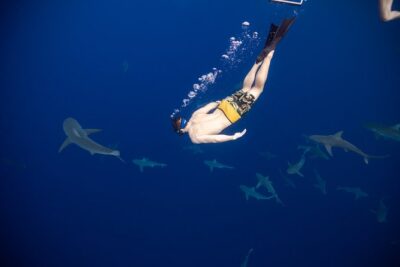
Safe and Educational Shark Dive from Haleiwa: Sharks Guaranteed
Read our review →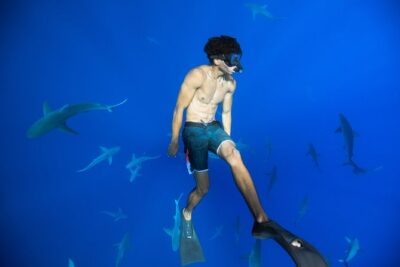
Dive with Sharks in Hawaii: Shark Tour from Haleiwa
Read our review →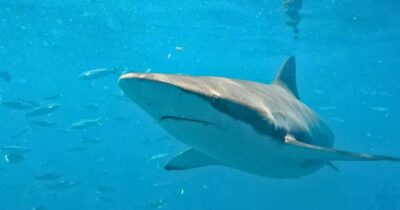
Cape Town: Gansbaai Eco-Friendly Shark Cage Diving Cruise
Read our review →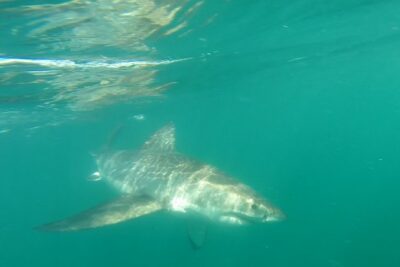
Half-Day White Shark Cage Diving from Gansbaai
Read our review →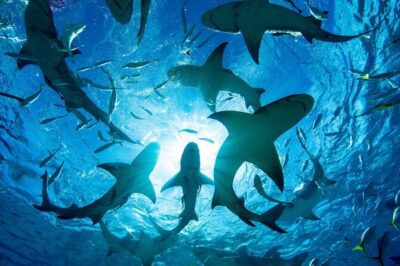
Lists this dive appears in