
REVIEW · MEXICO
Costa Maya: Discover Scuba Diving Reef Experience
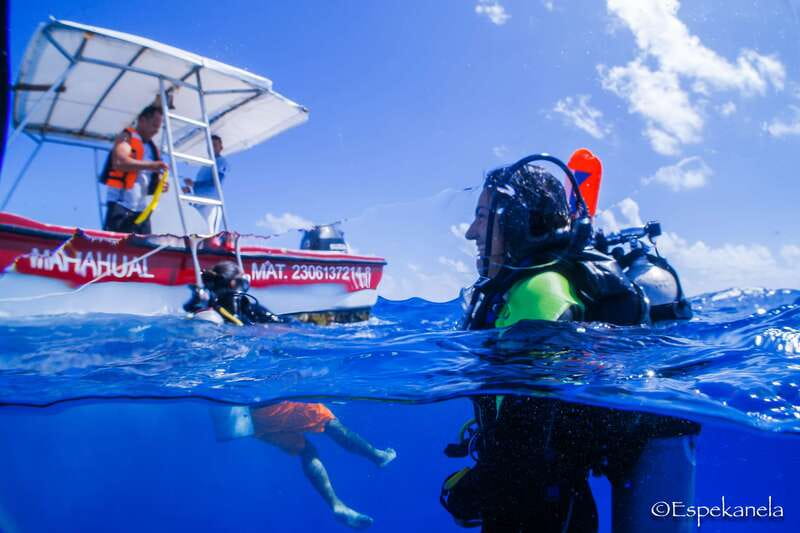
Costa Maya’s best underwater introduction begins before you reach the reef. At Mar Adentro Diving, you first learn how the gear works, practice in shallow water, and only then head out by boat for about 45 minutes on the reef. That careful order matters if breathing through a regulator feels strange at first.
I like the small groups of up to six and the instructors’ patient approach. Sebastian receives special praise for explaining each step clearly, while another guest singled out Sea Bass as a fine instructor. The main consideration is that this is an introductory session, not a certification course, and the $105 price does not include the $5 Mexican Caribbean park fee or your taxi from the cruise terminal.
Key points to know before booking
- Shallow-water practice comes first: You learn regulator breathing, basic movement, and key safety skills in a reef lagoon before heading offshore.
- The reef is only five minutes away by boat: You spend little time in transit and more time in the water.
- Groups are limited to six people: That gives your instructor room to watch beginners closely.
- The open-water portion lasts about 45 to 50 minutes: The total outing takes about 211 minutes, including instruction and transport.
- The staff work well with first-timers: Sebastian and Sea Bass are named by participants as particularly helpful instructors.
- Plan for extra costs and post-session rules: Add the $5 park fee, a short taxi ride, and at least 12 hours before any flight.
Starting at Mar Adentro Diving in Mahahual
The meeting point is outside the cruise terminal gates, not inside the port. From there, take a taxi to Mar Adentro Diving at Blue Kay Ecocabañas in Mahahual. The ride takes about five minutes and costs roughly $4 per person, paid separately.
Ask the driver to take you to the Blue Kay parking area, in front of reception. Walk toward the sea, then look for the dive center on the right, close to the restaurant. It is about 90 feet from reception. This is a simple transfer, but cruise visitors should allow time to leave the port, find a taxi, and locate the center without rushing.
The setting gives you a quick change of scene from the cruise terminal. You move from a busy arrival point to a smaller seaside operation where the focus is on instruction and water time. Bring swimwear and arrive ready to complete a medical questionnaire before training begins.
You can request the questionnaire ahead of time. Do this if you have any health concerns, since several medical conditions can prevent participation. The form is not a minor formality. Scuba puts different demands on your ears, lungs, heart, and general fitness, so answer it honestly.
More reef dives around Mexico:
- Discover Scuba Diving in Cozumel Paradise Reef
★ 5.0 · 686 reviews - Scuba Diving Under Water Museum and Reef for beginners
★ 5.0 · 189 reviews - Two reef discovery dives with professional instructor (no experience necessary)
★ 5.0 · 103 reviews
The first 105 minutes: learning before entering the sea
The class lasts about 105 minutes. You begin with a video and a discussion of the physiology of scuba. In plain terms, the instructor explains what happens to your body as you go underwater and why safe procedures matter.
That classroom time may sound less exciting than the reef, but it is where a beginner gains useful confidence. You learn why you must equalize pressure, how to use the regulator, and what to do if something feels uncomfortable. The goal is not to turn you into a certified scuba diver in one afternoon. It is to give you enough understanding to follow instructions and stay calm.
Next comes the equipment. You go over the mask, regulator, tank, and other gear before using it in the water. This is valuable for anyone who has only seen scuba equipment in photographs. The gear can look technical on a dock, yet the instructor shows you how each part works and how to move with it.
The teaching style is a real strength here. Sebastian is specifically praised for explaining everything well, and one participant described starting out unsure before becoming comfortable after the shallow-water introduction. That is exactly the kind of progress you want from a first attempt: not bravado, just a better sense of what to expect.
The instruction is available in English and Spanish. The group limit of six also matters. A large class can leave a nervous beginner waiting for help, while a small group gives the instructor more opportunity to notice poor breathing, awkward movement, or trouble clearing the ears.
Shallow reef lagoon practice builds confidence
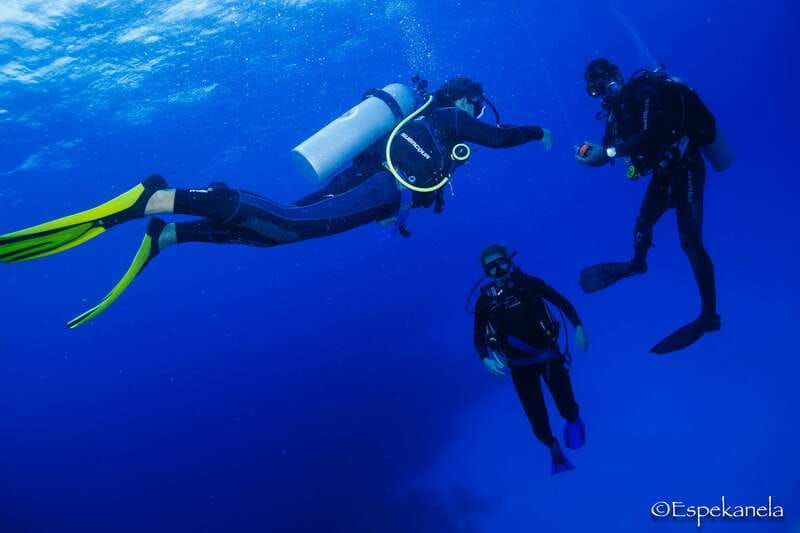
Before the boat trip, you enter a shallow reef lagoon for confined-water practice. This is the most important part for many beginners. You can concentrate on breathing and movement without immediately facing deeper open water.
You practice breathing through the regulator and swimming efficiently with the equipment. The instructors also cover several critical safety skills. The exact skills are not listed, so you should listen closely during this portion and ask questions before leaving the lagoon.
The lagoon works as a safety check for both you and the instructor. You find out how the mask and regulator feel. The instructor can see how you respond to the equipment. If you need more time, this is the place to take it.
I like that the program does not treat the boat trip as the starting point. The shallow-water session gives you a chance to settle your breathing and body position first. Beginners often need a few minutes to stop kicking too hard or lifting their heads to seek air. Practicing those basics in shallow water makes the later reef visit more manageable.
You should also be honest about your comfort level. If your ears do not equalize, you feel short of breath, or the equipment does not fit well, tell the instructor immediately. A calm conversation on shore is far better than trying to hide a problem offshore.
A five-minute speedboat ride to the reef
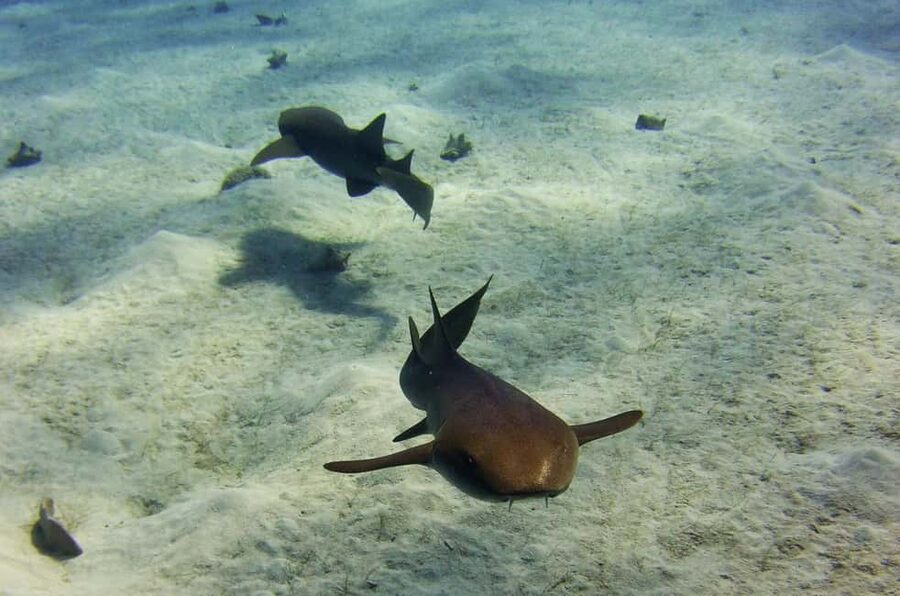
Once you are ready, the speedboat takes about five minutes to reach a beautiful section of reef. The short ride is a practical advantage. You are not spending a long stretch bouncing across open water before even getting started.
The outing includes boat-based scuba rather than a shore entry. That gives you access to a reef section reached directly from the water, with the instructor beside you throughout the underwater portion.
The schedule allows about 50 minutes for the scuba session, while the experience description gives an average open-water time of 45 minutes. Plan on roughly 45 minutes underwater, with the exact length depending on the group, conditions, and your air supply. That is a generous first session for someone who has never used scuba gear.
The instructor remains with you during the reef visit. You are not expected to navigate alone or remember a complicated route. Your job is to follow directions, breathe steadily, control your movement, and pay attention to the surroundings.
More first-time dives in Mexico:
- Discover Scuba Diving & Beach Club with Transportation In Riviera Maya
★ 5.0 · 239 reviews - Discover Scuba Diving
★ 5.0 · 139 reviews - Discover Scuba Diving in Tulum
★ 5.0 · 111 reviews - Discovery Scuba Dive.
★ 5.0 · 103 reviews
What you may see on the coral reef
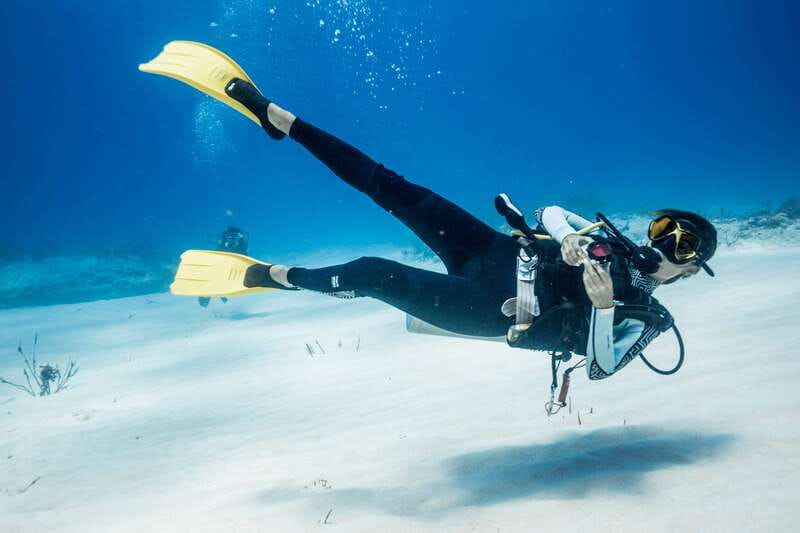
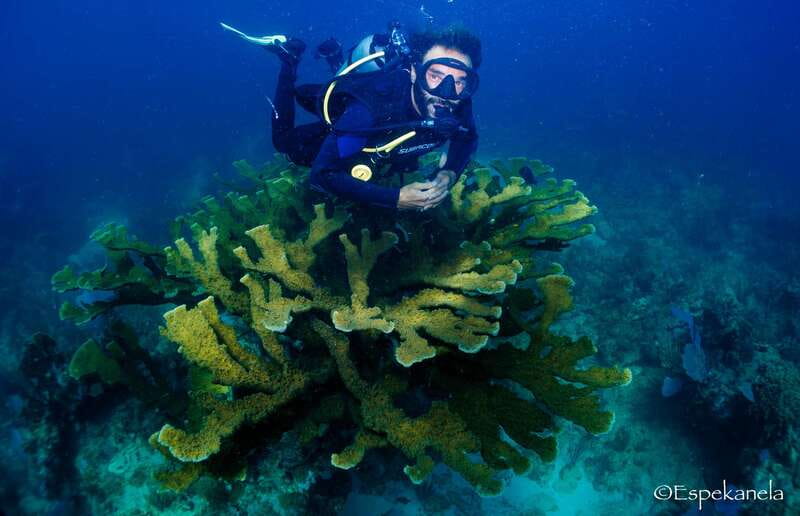
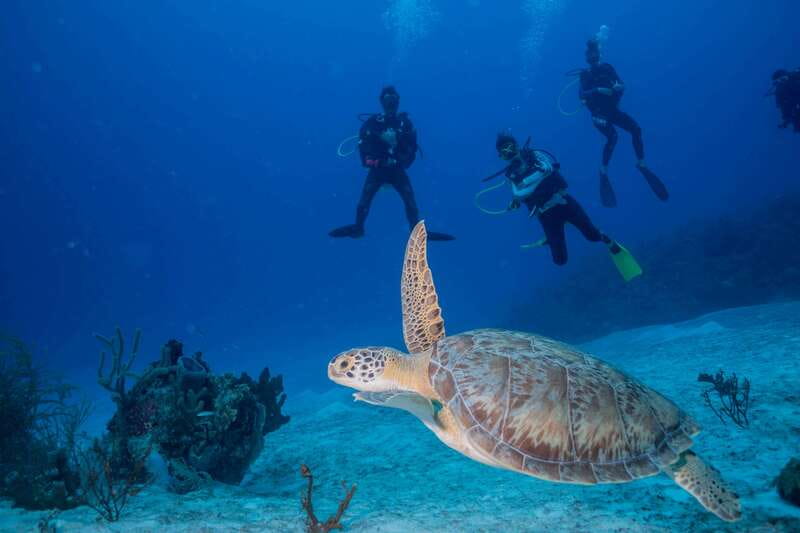
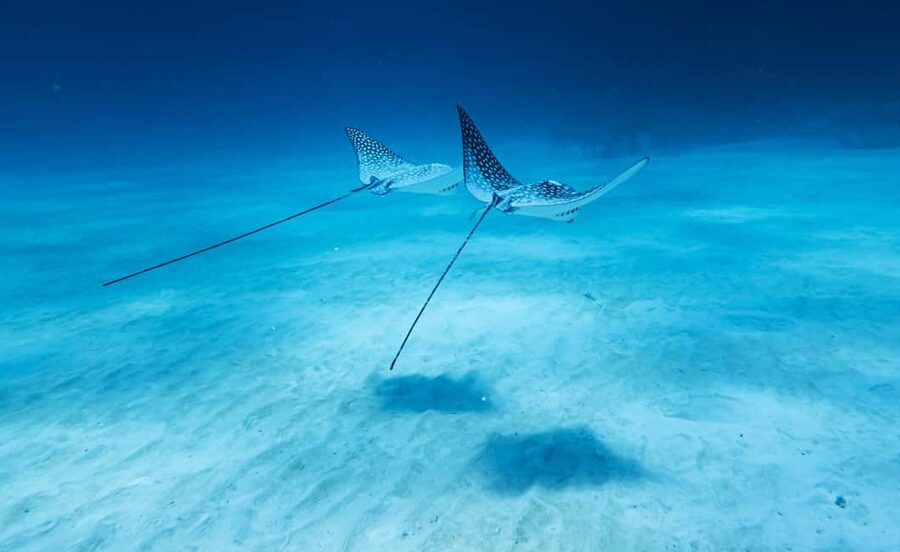
The reef is described as full of marine life, including sea bass. You can expect a close look at a living coral environment rather than a simple swim over bare sand. The supplied information does not promise particular fish, turtles, rays, or other animals, so do not book this expecting a guaranteed sighting.
The reward is the chance to move and breathe underwater while looking at the reef from a new angle. For many first-timers, that sensation is the main event. Snorkeling lets you observe from the surface. Scuba lets you stay below the water and look around at a slower pace.
You will probably spend part of the session managing your own technique. That is normal. Your first outing is less about covering a large area and more about learning to stay relaxed in the equipment. The instructor’s support makes the reef feel approachable, especially after the lagoon practice.
A separate snorkeling group is also connected with the operation, and one participant praised those guides as well. That may be useful if someone in your party does not want to try scuba. However, this particular experience is designed for the person taking the introductory scuba session, so confirm arrangements for anyone joining only as a snorkeler.
Is $105 a fair price?
The cost is $105 per person. That includes the full equipment setup, qualified instructors, learning materials, confined-water practice, boat transport to the reef, the open-water session, fruit, and water.
For a first-time participant, I consider that a reasonable package if you want proper instruction rather than a quick equipment handout. The value comes from the class and supervised practice, not just the time underwater. A cheaper option that skips careful preparation would not necessarily be a better deal.
You need to budget for two extras. The Mexican Caribbean park entry fee is $5, and transportation from the cruise terminal or hotel is not included. From the terminal, the listed taxi price is about $4 per person each way, though the provided information gives the quoted amount without explaining whether it is charged per person for one direction or another arrangement. Confirm the fare before setting off.
Fruit and water are provided, which is useful after the class and boat ride. You still need to bring swimwear. The operator says not to bring or use sunscreen for this activity, so follow that instruction rather than applying your usual beach lotion before arrival.
Who will enjoy this first scuba session
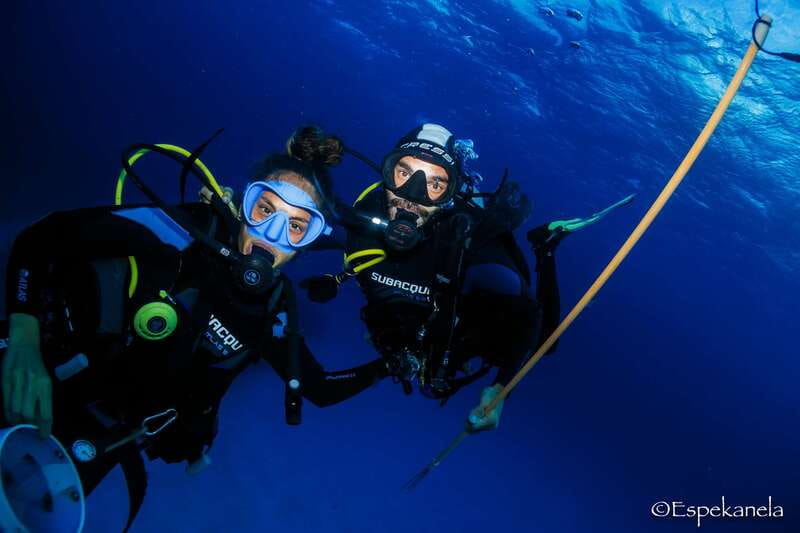
This outing suits adults and children aged 10 or older who are curious about scuba but are not ready to commit to certification training. It is also a good choice for cruise visitors with a half-day port stop, since the reef is close to Mahahual and the total session is about 211 minutes.
The small group is helpful if you are nervous, easily distracted, or want to ask questions. The patient instruction also makes this a better fit for a cautious beginner than for someone seeking an advanced underwater excursion.
It is not suitable for children under 10, pregnant women, or people with back, heart, respiratory, or blood-pressure problems. The restrictions also include epilepsy, recent surgery, and other pre-existing medical conditions. Ask for the medical questionnaire in advance if you are unsure.
This is not the right product if your goal is certification. You receive basic training and a supervised introductory session, but the experience is clearly an entry point, not a replacement for a full scuba course.
Timing, flights, and practical planning
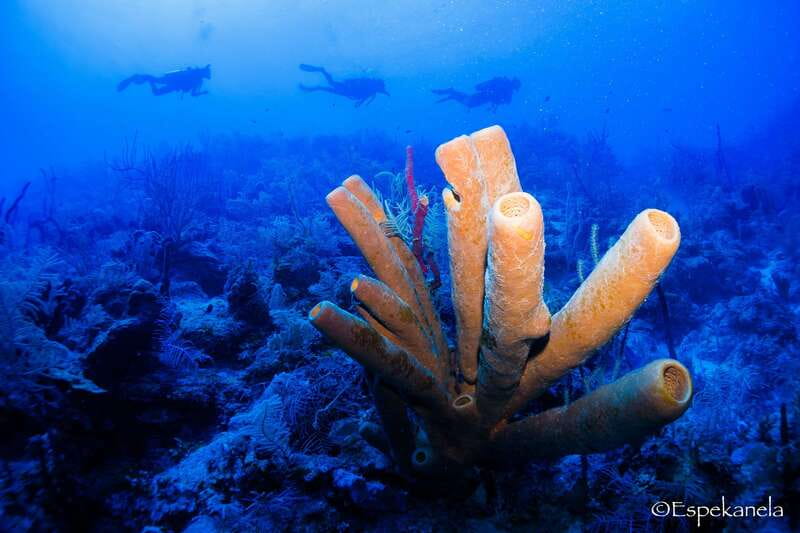
The published duration is 211 minutes. The listed schedule includes about 105 minutes of class time, a 10-minute speedboat segment, and about 50 minutes in the water, with the remaining time covering preparation and transitions.
If you are visiting from a cruise ship, check your all-aboard time carefully. The activity takes place outside the terminal, so include the taxi in both directions and allow a cushion for returning through the port gates.
Do not schedule a flight within 12 hours after the scuba session. This rule is especially important for visitors ending a longer Mexico trip. If you fly home the same day, leave enough time between the water activity and the flight. A cruise passenger should also think about the ship’s itinerary and any later port transfer before booking.
Free cancellation is available up to 24 hours before the activity for a full refund. You can also reserve now and pay later, which helps if you are still sorting out your shore plans.
What the instructor support is really worth
The strongest pattern in the feedback is not a particular fish sighting or boat feature. It is the human side of the lesson. Participants describe instructors who explain carefully, listen to beginners, and help people move from uncertainty to comfort.
That matters more here than it would on a standard sightseeing trip. Underwater breathing can feel unnatural at first, and a rushed instructor can turn a promising outing into an anxious one. A patient instructor gives you time to try, stop, ask, and try again.
Sebastian is named for clear explanations, and Sea Bass is praised as a strong instructor. The information does not identify which instructor you will receive, so treat those names as useful examples of the teaching style rather than a guaranteed assignment.
The crew also receives credit for being friendly, and the snorkeling guides are described as excellent. I would book this for the calm supervision and learning structure first, with the reef scenery as the reward that follows.
Should you book the Costa Maya reef experience?
Book it if you want a well-supported first taste of scuba in Costa Maya, especially if the idea of a full certification course feels like too much. The shallow lagoon practice, five-minute boat ride, small group, and close instructor supervision create a sensible progression from shore to reef.
Skip it if you have a medical condition listed in the restrictions, need to fly within 12 hours, or want a certified scuba course. Also think twice if your port schedule is tight, since the 211-minute duration does not include every minute of getting to and from the terminal.
At $105, plus the park fee and taxi, this is a fair choice for a carefully managed introduction. You get full equipment, instruction, water, a snack, and about 45 minutes on the reef. For a beginner who values patience and safety over speed, Mar Adentro Diving offers a practical way to find out if scuba is for you.
FAQ
Where does the activity meet?
Meet at Mar Adentro Diving inside Blue Kay Ecocabañas in Mahahual. From outside the cruise terminal gates, take a taxi to the Blue Kay parking area, then walk toward the seafront. The center is on the right, near the restaurant, about 90 feet from reception.
How long does the experience last?
The stated duration is 211 minutes. The schedule includes about 105 minutes of instruction, a 10-minute speedboat segment, and about 50 minutes for the underwater session. The average open-water time is about 45 minutes.
Is this a certification course?
No. It is a Discover Scuba Diving or Try Scuba introduction. You receive basic training, equipment instruction, shallow-water practice, and a supervised open-water session, but not a full scuba certification.
What languages are available?
Instruction is available in English and Spanish.
What is included in the price?
The $105 price includes full scuba equipment, qualified instructors, learning materials, boat transport to the reef, fruit, and water. The $5 Mexican Caribbean park entry fee and transportation from the cruise terminal or hotel are not included.
Can I fly after the activity?
Do not take a flight 12 hours or earlier after the scuba session. Plan your travel schedule around this restriction.
Just added around Mexico
- Puerto Morelos: Scuba Diving for Beginners – 2 Dives★ 5.0 · 5 reviews
- Playa del Carmen: Guided Reef Diving for Certified Divers★ 4.6 · 7 reviews
- Playa del Carmen: Cenote Diving for Certified Divers★ 5.0 · 2 reviews
- Playa del Carmen: Discovery Scuba Diving – Non Certified★ 5.0 · 2 reviews
- Los Cabos 3-Hour Certified Scuba Diving Tour★ 4.8 · 6 reviews
- Isla Mujeres: MUSA and the Manchones Reef: 2 Tank Dive Tour★ 5.0 · 3 reviews
- From Cozumel: Double Tank Scuba Diving for Certified Divers★ 5.0 · 6 reviews
- From Cozumel: Chankanaab Cozumel Scuba Diving★ 4.9 · 20 reviews
Reef Diving, compared.
Great Barrier Reef Snorkeling and Diving Cruise from Cairns
Read our review →
Ocean Freedom Great Barrier Reef Luxury Snorkel and Dive Cruise
Read our review →
Cairns: Premium Snorkelling and Diving Reef Day Trip
Read our review →
Swim with Whale Sharks in the Ningaloo Reef: 3 Island Shark Dive
Read our review →
Snorkel & Dive the Reef: Sustainable, Scientific & Cultural Tour
Read our review →
Port Douglas: Outer Barrier Reef Snorkel and Dive Options
Read our review →
Silverswift Dive and Snorkel Great Barrier Reef Cruise
Read our review →Lists this dive appears in