
REVIEW · PUNTA CANA
Open Water Diver – Bávaro
The main appeal here is clear: in about three days, you work from online lessons to pool practice and then four open-sea sessions, finishing with an international PADI or SSI certification. The course is capped at eight people, which should give you more room for questions than a large resort class.
I like the simple progression from theory to pool to open water, and I like that instructors such as Pedro Marin and Alejandro are named in the feedback. Pedro is praised for explaining the theory well and helping one student finish in two and a half days. The price includes a full beginner course rather than a short introductory session.
The caution is that the experience has uneven feedback. One serious complaint describes confusion and money problems, while another account describes severe seasickness on the boat. I would confirm the schedule, instructor, certification agency, pickup, and refund terms before paying.
Key points to know before booking
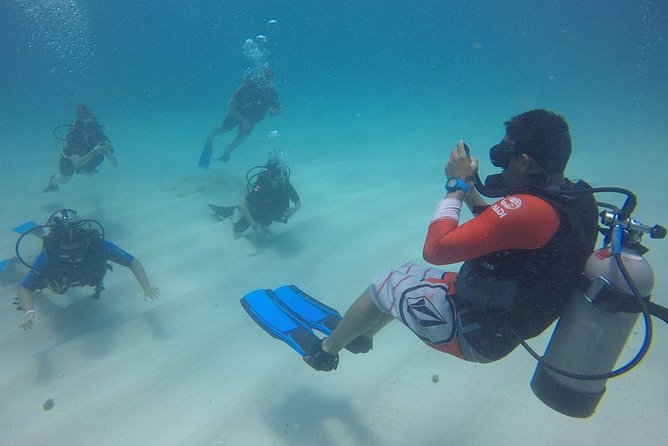
- Three-part training plan: You complete five online theory chapters, five pool sessions, and four open-sea sessions.
- 18-meter limit: The resulting certification allows you to descend to a maximum depth of 18 meters.
- PADI or SSI choice: The course offers an international certification through either agency, valid for life according to the supplied details.
- Small maximum group: No more than eight people are scheduled for the activity.
- Instructor names matter: Pedro Marin is praised for clear explanations, while Alejandro has helped a student practice with a tank in the pool.
- Allow about three days: A motivated student completed the process in two and a half days, but the advertised duration is approximately three days.
What the Bávaro course actually gives you
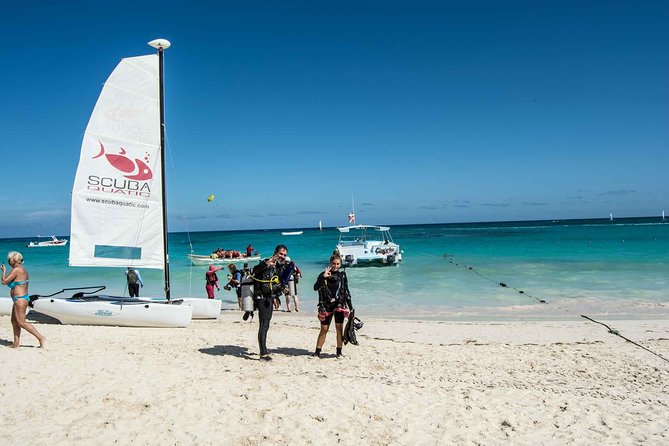
This is a full beginner certification course, not simply a resort lesson or a single guided trip beneath the surface. You are paying for a sequence that begins with five online theory chapters, continues with five pool sessions, and ends with four open-sea sessions.
That structure matters. Online study gives you the basic rules and concepts before you handle equipment. Pool work lets you practice in a controlled setting. The sea sessions then ask you to use those skills in a real environment, with changing water conditions and the added demands of boat travel.
I like that the course does not rush straight from a short briefing into open water. Five pool sessions provide repeated practice, which is useful if you are nervous, unfamiliar with breathing through a regulator, or slow to feel comfortable in the water.
The certification is offered through PADI or SSI, two internationally recognized training systems. The advertised maximum depth is 18 meters. That is a useful entry-level qualification, but it is not permission for every kind of underwater activity. The course is designed for beginners and the stated limit should guide your expectations.
More Scuba Diving in Punta Cana
- Scuba Doo Diving Experience in Punta Cana
★ 4.0 · 422 reviews - Scuba Doo – Diving Scooters in Punta Cana
★ 4.2 · 283 reviews - 3 ADVENTURES: Sailing Catamaran Cruise – Hooka Diving – Snorkeling
★ 5.0 · 162 reviews
The online chapters build the first layer of confidence
Your first work comes online, with five theory chapters. This portion can be convenient because you can study before or around the in-person schedule rather than spending every minute of the three days in a classroom.
The theory is not just a formality. You need to understand basic equipment use, underwater communication, safe ascent practices, and how to respond to common problems before you enter the sea. The supplied information does not state how long each chapter takes or whether an instructor is available online, so ask how questions are handled before booking.
A short course can feel intense when theory, pool sessions, and sea sessions are packed together. If you are trying to finish quickly, complete as much of the online work as possible before the first in-person meeting. That may make the schedule easier to manage, though the provider should confirm exactly what must be completed in advance.
Pedro Marin received specific praise for explaining the theory clearly. That detail matters because good instruction is not only about putting on equipment. You want someone who can explain why a procedure matters, then watch you perform it correctly.
Five pool sessions before the open sea
The pool stage is where this course earns much of its value. Five sessions allow you to repeat skills instead of learning them once and hoping they stay fresh.
One account describes Alejandro letting a student enter the pool with a tank for practice before the practical portion. That suggests the pool stage may be used to help beginners settle in before the more demanding sea work. Still, the exact skills and timing are not specified, so you should ask for the daily plan.
For you, the pool is the place to discover how comfortable you are with the mask, regulator, tank, and buoyancy control. It is also the right place to ask basic questions without the pressure of waves or a boat schedule.
The maximum group size of eight is a positive feature here. It does not guarantee individual attention, but it gives the instructor a manageable number of people to watch. If you are anxious, new to swimming with equipment, or unsure about the practical assessment, ask whether the group is divided during pool work.
Do not treat the pool sessions as something to hurry through. The course price is better justified when the instructor takes time to correct small problems before open-water practice. If the schedule feels compressed, your best question is simple: Can a student repeat a skill before moving on?
Four open-sea sessions complete the training
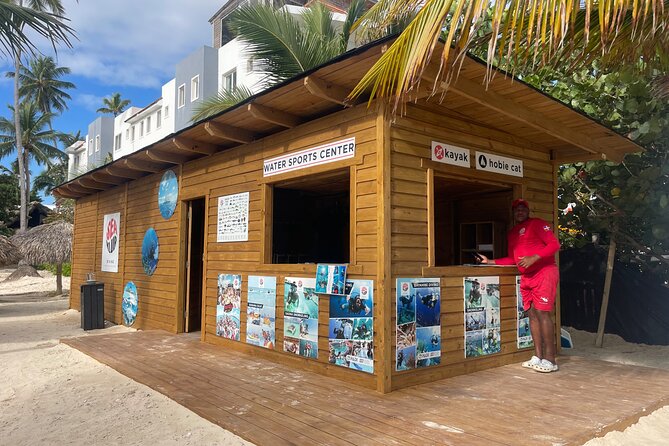
The final stage includes four open-sea sessions. This is where you apply the theory and pool practice in the actual marine setting around Bávaro.
The sea portion is the part many people picture when they book, but it is also the part most affected by weather, boat movement, and personal comfort. One person had a difficult day after becoming seriously seasick soon after boarding. That does not mean you will have the same experience, but it is a practical warning to think about motion sickness before departure.
Ask the provider what happens if weather interrupts one of the four sessions. The stated policy says poor weather can lead to a different date or a full refund if the activity is canceled. That is useful protection, though it is not the same as protection from feeling ill on a day when the trip still operates.
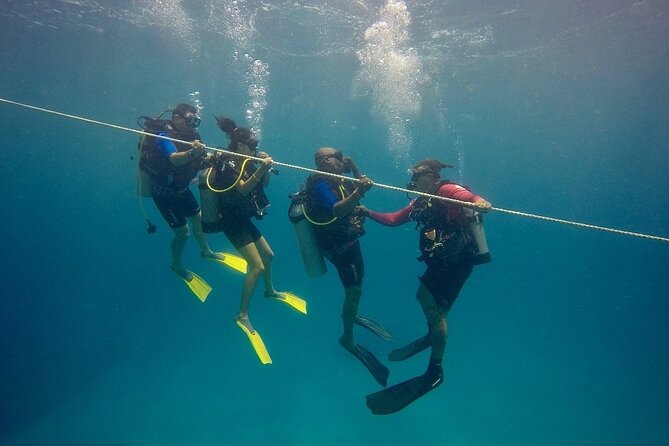
The four sessions give you more than one chance to apply the skills. You can become familiar with the rhythm of entering the water, checking equipment, communicating underwater, and returning to the boat or shore. The exact sites, marine life, boat type, and time spent underwater are not provided, so do not book this expecting a named reef or a particular animal encounter.
That lack of specific site information is not automatically a flaw. Conditions can shape the day, and a training course should focus first on safe instruction and certification. Still, if underwater scenery is your main goal, ask where the sea sessions usually take place and how much time is devoted to training versus sightseeing.
More dive courses in Punta Cana:
- 3 Days Open Water Diving Course in Punta Cana
★ 5.0 · 4 reviews - Open Water Course – Become certified diver in 3 days
★ 5.0 · 1,137 reviews - Barcelona: PADI Discover Scuba Diving
★ 4.7 · 1,016 reviews - PADI Open Water Diver Course
★ 5.0 · 626 reviews
PADI or SSI: what the lifetime certification means
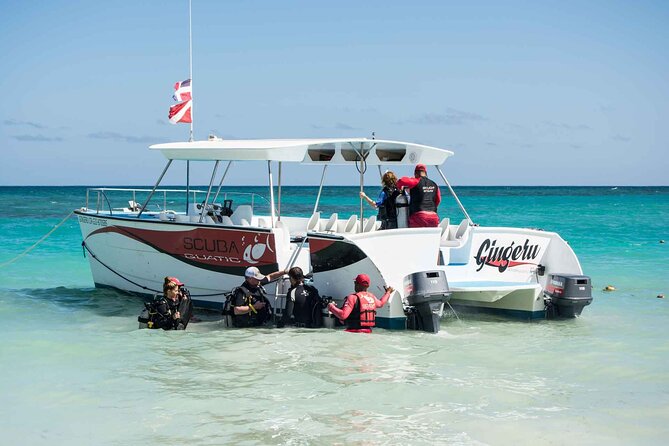
You receive an international certification through PADI or SSI, with a stated maximum depth of 18 meters. The information describes the certification as valid for life.
That is a strong reason to consider the course if you plan to continue the sport after Punta Cana. Instead of paying for a one-time introductory session, you are working toward a qualification you can use for future bookings, subject to the rules of the operator you choose later.
The course does not state whether you select PADI or SSI at booking, during training, or according to instructor availability. Confirm that point. You may also want to ask whether the price is identical for both agencies and what documents you receive at the end.
A lifetime certification does not mean you should stop practicing after the course. If you go a long time without using your skills, you may want a refresher before your next outing. That is general good judgment, especially if your next trip is far from the calm practice environment of a pool.
The instructors can shape the whole experience
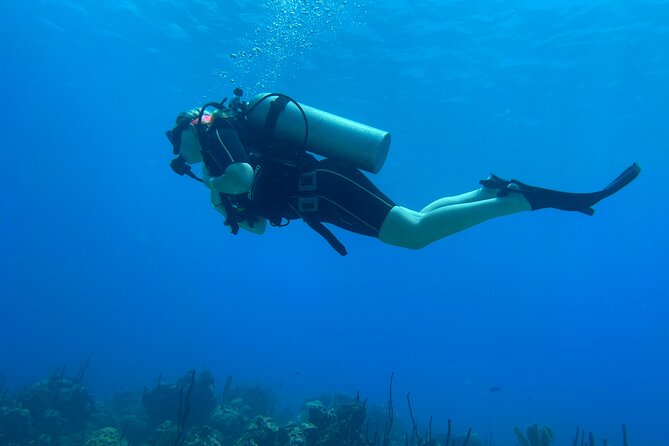
The strongest positive detail in the feedback is the teaching. Pedro Marin is singled out for helping a student complete the certification in two and a half days, explaining the theory clearly, and leading four enjoyable sea sessions.
Alejandro is also named in a positive account, particularly for allowing extra pool practice with a tank before the practical portion. For a beginner, that kind of early contact with the equipment can make the course feel less intimidating.
At the same time, the provider is SeaKlub, and the experience is connected with resort operations in Bávaro. One serious complaint describes disorganization and an alleged loss of money. Because that account is sharply negative, I would not ignore it simply because other feedback is favorable.
The sensible approach is to request written confirmation of the meeting point, start time, instructor, certification agency, included sessions, and total price. If you are staying at a resort, ask whether pickup is from your hotel or whether you must walk to a resort-based center. Pickup is offered, but the exact coverage is not stated.
Is $460 a fair price?
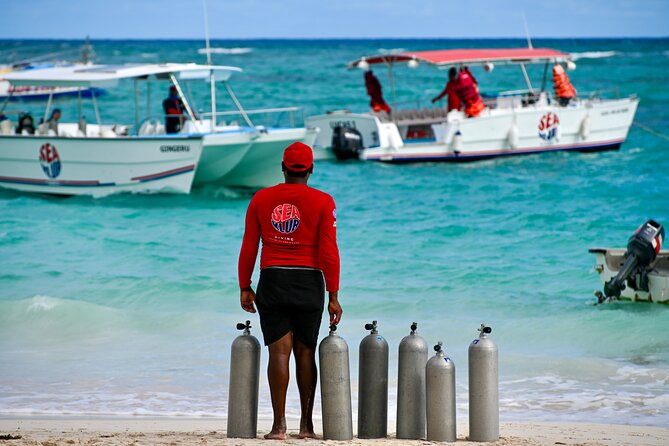
At $460 per person, this is not a cheap half-day activity. The price makes more sense if you want the full qualification, rather than a quick taste of underwater recreation.
You are receiving five online chapters, five pool sessions, four open-sea sessions, and an international PADI or SSI certification. That is a substantial training package. The small maximum group of eight also adds value, at least on paper, because teaching and equipment checks should be easier with fewer people.
The value drops if you are only curious about trying the activity once. In that case, a shorter introductory session may fit better, though this particular offering is built around certification rather than a casual trial.
The best value comes when you complete the full process and plan to use the qualification again. If the course is rushed, if sessions are missed, or if the certification arrangements are unclear, the price becomes harder to justify. Get those details in writing before you commit.
Timing, pickup, and cancellation details
The stated start time is 9:00 am, and the overall duration is approximately three days. One student completed the work in two and a half days, but you should plan around the full three-day estimate rather than assuming a fast finish.
Pickup is offered, and the activity provides a mobile ticket. The exact pickup area is not listed, so confirm it with SeaKlub, especially if you are staying outside the main Bávaro resort area.
You can cancel for a full refund up to 24 hours before the start time. Cancellations or changes made less than 24 hours before the start are not accepted for a refund. The cut-off follows local time.
Weather can change the plan. If poor conditions cause the activity to be canceled, you are offered another date or a full refund. That policy is helpful, but ask what happens if only one portion of the three-day program is affected.
Who should book this course?
I would consider this course if you are a beginner who wants a real qualification and can reserve roughly three days in Punta Cana. It suits someone who prefers a structured path, with online study followed by repeated pool practice and four sea sessions.
It may also suit you if you want an instructor who will explain the material rather than rush through it. The positive accounts connected with Pedro and Alejandro make it reasonable to request one of them, though the supplied details do not promise a particular instructor.
I would be more cautious if you have very little time, are uncertain about being on a boat, or only want a short recreational outing. The course requires commitment, and seasickness is a real consideration. If you know you are prone to motion sickness, ask what preparation is permitted and whether the schedule can accommodate you.
Most participants can take part, according to the supplied information. Still, the course is physically active and takes place in a pool and open sea. If you have personal health concerns, ask the provider before booking rather than relying on a general participation statement.
Should you book the Open Water Diver course in Bávaro?
I would book it if the certification is your main goal, you can spare three days, and SeaKlub confirms the practical details before payment. The training plan is substantial, the group limit is reasonable, and the specific praise for Pedro Marin and Alejandro points to potentially strong instruction.
I would not book without clarifying the agency, instructor, pickup point, schedule, and what happens if a session is missed. The mixed feedback, including a serious complaint about disorder and a separate report of severe seasickness, calls for a little extra care.
Ask for those answers in writing, then decide. For a first qualification at a resort destination, $460 can be fair value when all four sea sessions and the lifetime international certification are delivered as promised.
FAQ
How much does the Open Water Diver course cost?
The course costs $460 per person.
How long does the course take?
The advertised duration is approximately three days. One student completed the process in two and a half days, but you should plan for the full estimated duration.
What does the course include?
It includes five online theory chapters, five pool sessions, and four open-sea sessions.
What certification will I receive?
You will receive an international PADI or SSI certification for a maximum depth of 18 meters. The supplied information states that the certification is valid for life.
What time does the course start?
The stated start time is 9:00 am.
Is pickup available?
Yes. Pickup is offered, but the exact pickup area should be confirmed with SeaKlub.
How many people can join the course?
The activity has a maximum of eight participants.
What is the cancellation policy?
You can cancel at least 24 hours before the start time for a full refund. Cancellations or changes made less than 24 hours before the start are not accepted for a refund. If poor weather causes the activity to be canceled, you will be offered another date or a full refund.
Just added around Punta Cana
- Scuba Diving on Catalina Island | 2 tanks, 2 spots★ 4.0 · 5 reviews
- Scuba Doo Diving Scooters in Punta Cana★ 3.5 · 7 reviews
- Scuba Doo Underwater Scooter in Punta Cana (Half Day)★ 4.0 · 84 reviews
- Scuba Diving at Catalina Island – 2 tank | 2 spots★ 3.5 · 19 reviews
- Scuba Diving at Catalina Island – 2 tank – for Certified Divers★ 3.0 · 6 reviews
- Saona Diving★ 5.0 · 4 reviews
- 3 Days Open Water Diving Course in Punta Cana★ 5.0 · 4 reviews
- Full-Day Catalina Island Scuba Diving Tour from Punta Cana★ 3.5 · 37 reviews
Scuba Diving Courses, compared.
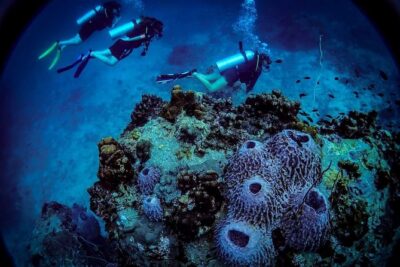
Open Water Course – Become certified diver in 3 days
Read our review →
Heraklion: Beginner Scuba Diving Lesson with PADI Instructor
Read our review →
Discover Scuba Diving with No Certification in St Thomas
Read our review →
Try Dive – PADI Discover Scuba Diving in Tenerife
Read our review →
Lists this dive appears in