
REVIEW · AUSTRALIA
Gold Coast: 3-Day PADI Open Water Course
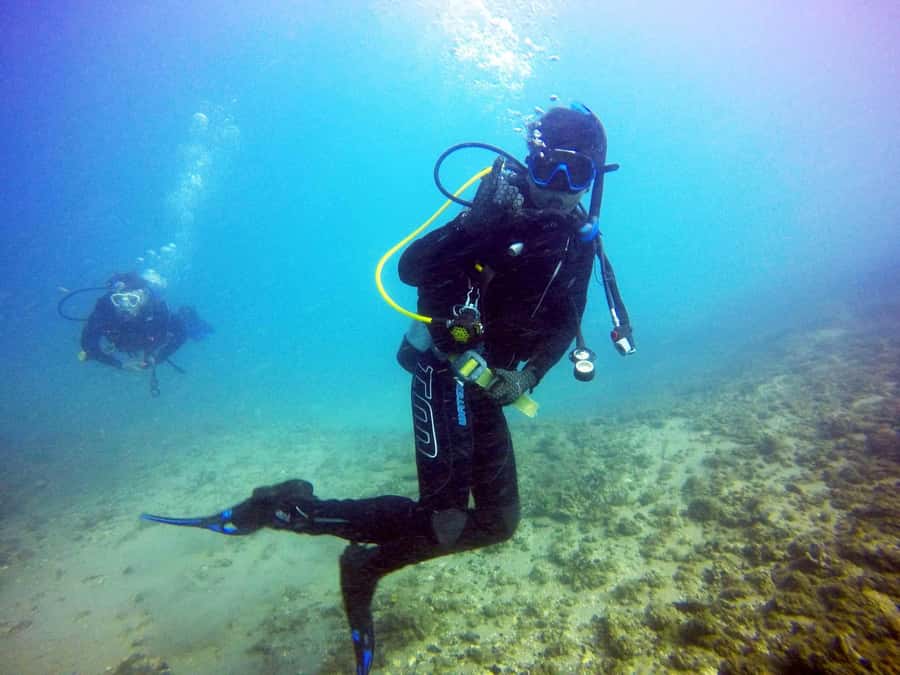
The most useful thing about this three-day PADI course is that it takes you from basic safety theory to supervised underwater training, rather than dropping you straight into the sea. You’ll learn with an instructor, practise core skills in confined water, then show what you can do in open water along Queensland’s Gold Coast.
I like the lifetime certification, which lets you scuba dive to 18 metres and hire equipment around the world. I also like the calm teaching style praised in feedback about Ryan, Rhan, and Josh, especially for first-timers. The main consideration is cost: the advertised $315 does not include the $99 AUD PADI e-book, registration, and certification eCard.
Key points to know
- Three stages of training: Study the basics, practise in confined water, then complete open-water training.
- Certification for life: The PADI Open Water card is valid worldwide for scuba activity to a maximum depth of 18 metres.
- Boat transport and gear included: You do not need to arrange the boat or bring your own scuba equipment.
- Meet in Surfers Paradise: Make your own way to the dive store at 19 Karloo Street.
- Patient instruction: Ryan, Rhan, and Josh are named in especially positive feedback for clear, calm teaching.
- Extra cost to budget: Add $99 AUD for the PADI e-book, registration, and certification eCard.
What this Gold Coast course actually teaches you
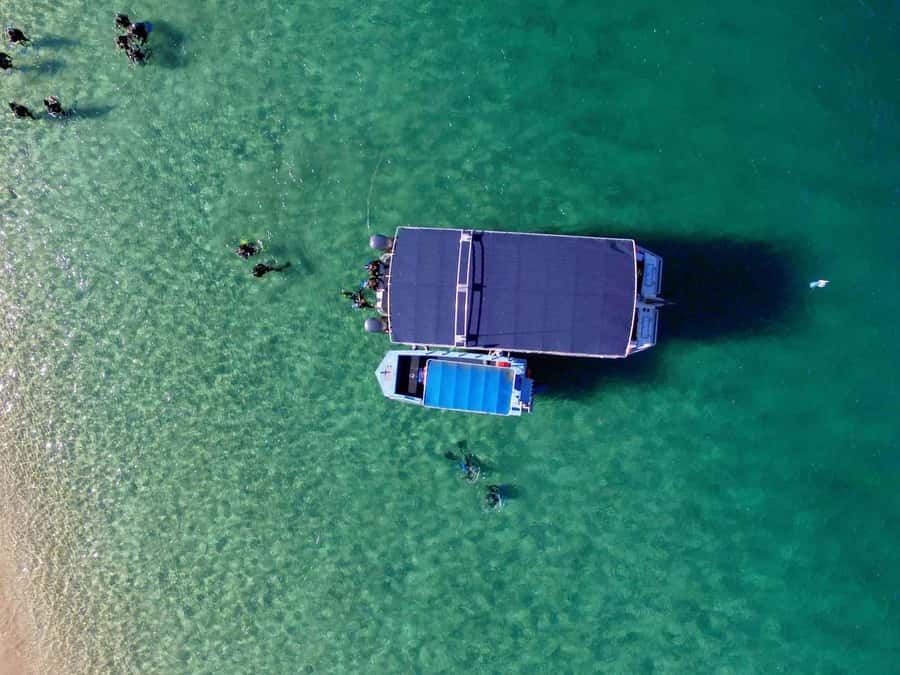
A PADI Open Water course is not simply a sightseeing trip with a mask and tank. It is a beginner qualification built around safe habits, equipment use, and staying comfortable underwater.
Across three days, you’ll cover academic training first. This gives you the basic principles behind safe and enjoyable scuba activity. You’ll learn why divers need to manage their equipment, understand underwater procedures, and follow the limits of their certification.
The course then moves into confined-water training. This is where you practise the basic skills before facing a typical open-water setting. That progression matters. If you are nervous about breathing underwater, putting on unfamiliar equipment, or managing yourself below the surface, the confined-water stage gives you time to get your bearings.
The final stage takes place in open water. You’ll demonstrate your new skills in a real underwater environment with an instructor nearby. The exact sites and daily schedule are not specified, so check the available starting times and ask the operator how the three days are arranged before booking.
More dive courses in Australia:
- Cairns: 4-Day PADI Open Water Course
★ 4.8 · 44 reviews - Great Keppel Island: PADI Discover SCUBA Diving
★ 5.0 · 2 reviews - Open Water Course – Become certified diver in 3 days
★ 5.0 · 1,137 reviews
From classroom basics to open water
The academic part may be the least glamorous section, but it is the part that gives the rest of the course structure. You are not merely learning how to swim around with equipment. You are learning the rules that help make underwater activity predictable and safe.
Expect the instructor to explain the basic principles of scuba activity and the practical decisions that come with it. The supplied information does not list each lesson, so you should treat this as a broad introduction rather than a detailed schedule.
The instructors speak English, Japanese, and Spanish. That is useful if you prefer to learn safety instructions in one of those languages. The strongest personal feedback points to calm, patient teaching, with Ryan described as especially reassuring for beginners and Rhan and Josh praised for being approachable and clear.
That style matters. New scuba students often need simple explanations and a steady pace more than flashy commentary. An instructor who explains a skill again without making you feel rushed can make the difference between an enjoyable course and an uncomfortable one.
Confined-water practice before the sea
The confined-water section is the bridge between theory and the open ocean. Here, you’ll work through the basic skills of scuba activity in a more controlled setting before demonstrating them in a typical underwater environment.
This is where you can focus on the equipment and your breathing without also trying to take in a new sea setting. The activity information does not identify the exact confined-water location, so do not assume it will be a particular pool or beach.
I see this stage as a strong point for anyone who has never used scuba equipment. It gives you a chance to make mistakes under supervision, ask questions, and repeat skills until they feel more natural. You should still expect to concentrate. This is a certification course, not a casual swim.
The course includes diving gear, so you do not need to arrange your own tank, mask, or related equipment. You should bring swimwear and a towel. The operator does not list personal items beyond those basics, so avoid assuming that every comfort item or camera accessory is supplied.
The open-water training along the Gold Coast
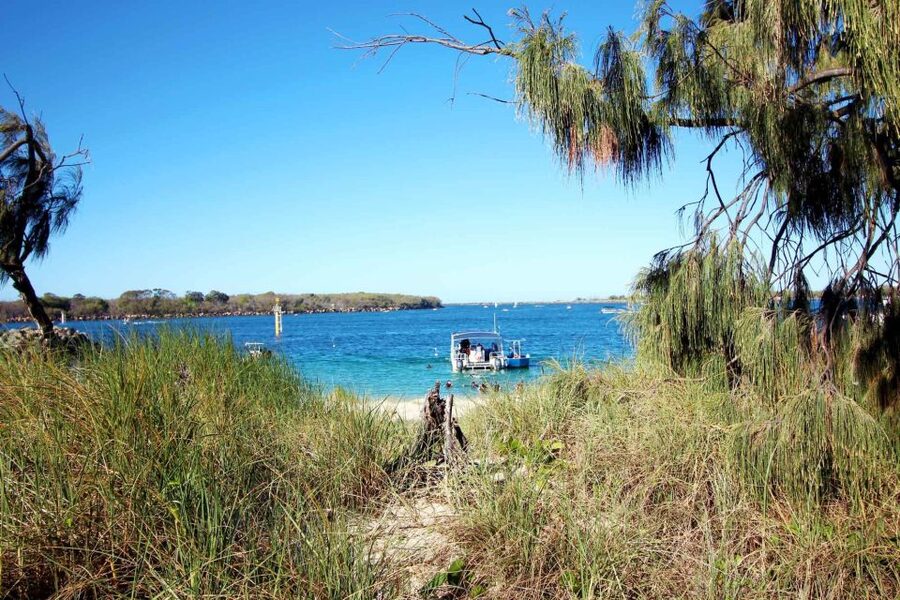
Once you have worked through the basic skills, you’ll move into open-water training. This is the moment when the course starts to feel like the activity most people picture when they think about scuba on the Gold Coast.
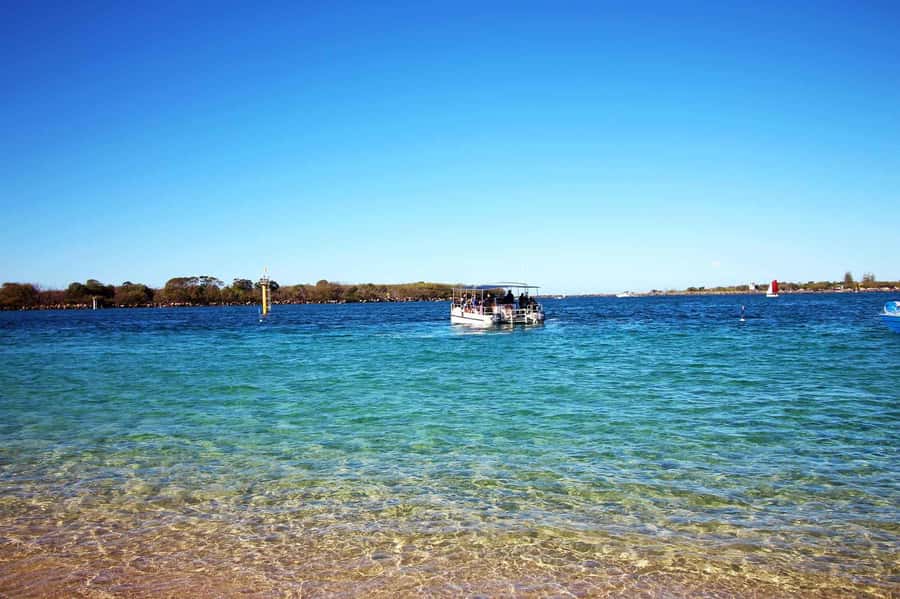
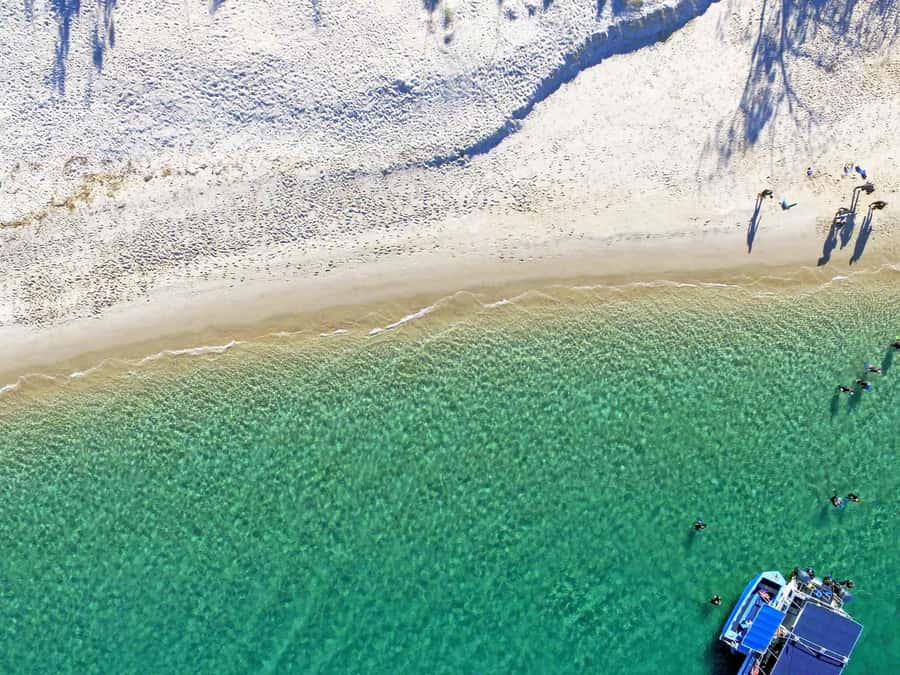
You’ll use the skills you practised earlier in a real underwater setting, with an instructor supervising your progress. The course includes transportation by boat, which is a practical benefit because the operator handles the trip to the training area rather than leaving you to arrange marine transport yourself.
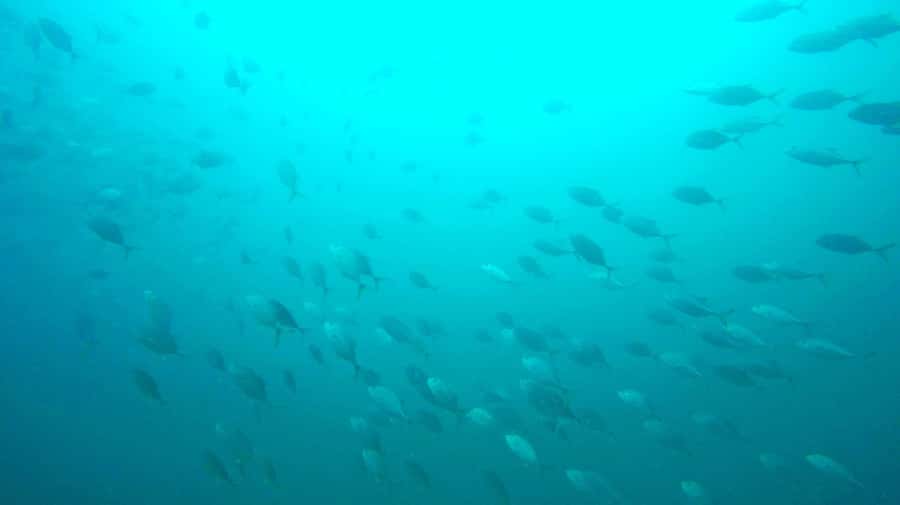
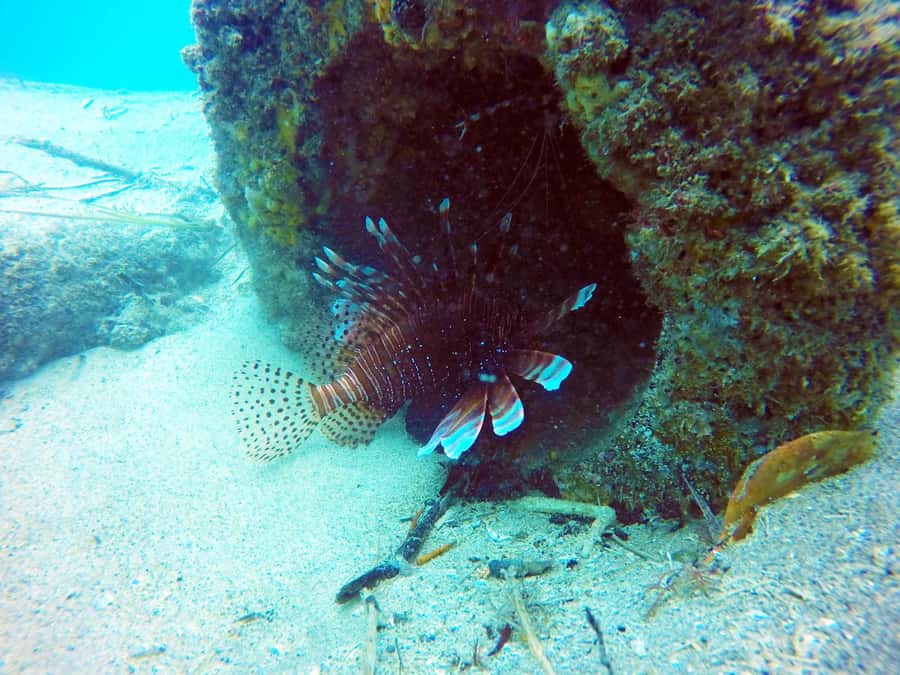
The information does not name the reef, wreck, beach, or marine species you might see. That means you should not book this expecting a specific wildlife encounter. The emphasis is on completing the training and demonstrating the required skills.
One listed highlight mentions using a boogie board while watching sea life swim by. That sounds like a lighter surface interval or observation moment, but the schedule does not explain exactly where it fits. I would treat it as a pleasant possibility rather than the main reason to book.
The open-water section is valuable because it tests how you use your new skills in a normal sea setting. Conditions can feel different from confined water, and that is precisely why supervised practice matters. You are learning to apply the basics outside the classroom.
A few more dives around Australia worth comparing
- Cairns: Pro Dive Great Barrier Reef 3 Day/2 Night Dive Trip
★ 4.5 · 12 reviews - 3-Day PADI Open Water Diving Course in Dubai
★ 5.0 · 173 reviews - Padi open water diver course, become a diver in 3 days
★ 5.0 · 113 reviews - Become certified diver in 3 days – PADI Open Water Diver course on Koh Tao
★ 5.0 · 104 reviews
What the lifetime PADI card lets you do
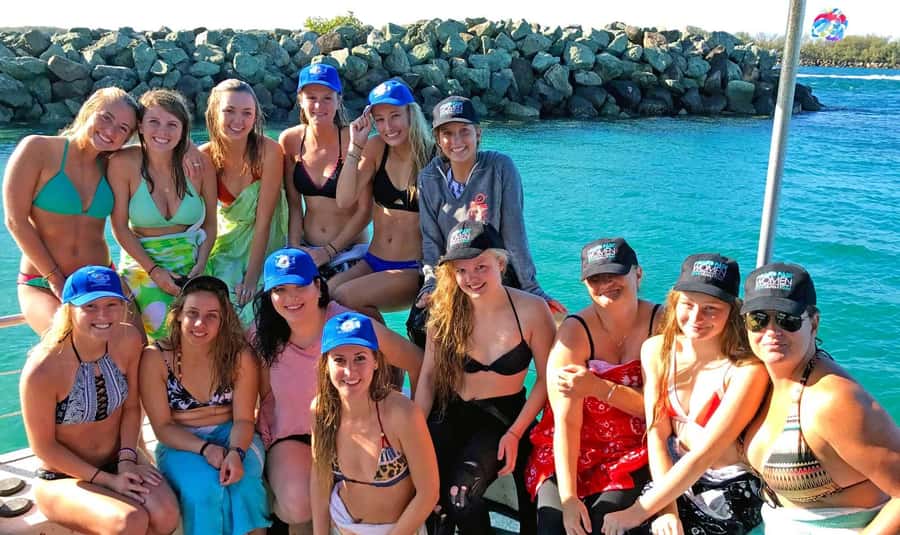
After you successfully complete the course, you receive a PADI Open Water certification card. The eCard is valid for life and can be used worldwide.
The qualification allows scuba activity to a maximum depth of 18 metres. That limit is important. It tells you what level of training you are booking and helps you choose future activities that match your certification.
The card also entitles you to hire equipment from dive stores. That can make future trips easier, since you will not need to own a full set of equipment to participate elsewhere.
The $99 AUD extra charge covers the PADI e-book, registration, and certification eCard. Since those items are required for the qualification but are not part of the $315 advertised price, your practical total is $414 AUD per person.
At $315, the base price includes the instructor, boat transport, and scuba gear. Once the required $99 is added, the course is a more substantial purchase than the headline price suggests. Still, you are paying for a formal qualification rather than a one-off introductory session. If you plan to scuba again, that long-term use can make the cost easier to justify.
Timing, meeting point, and the six-hour listing
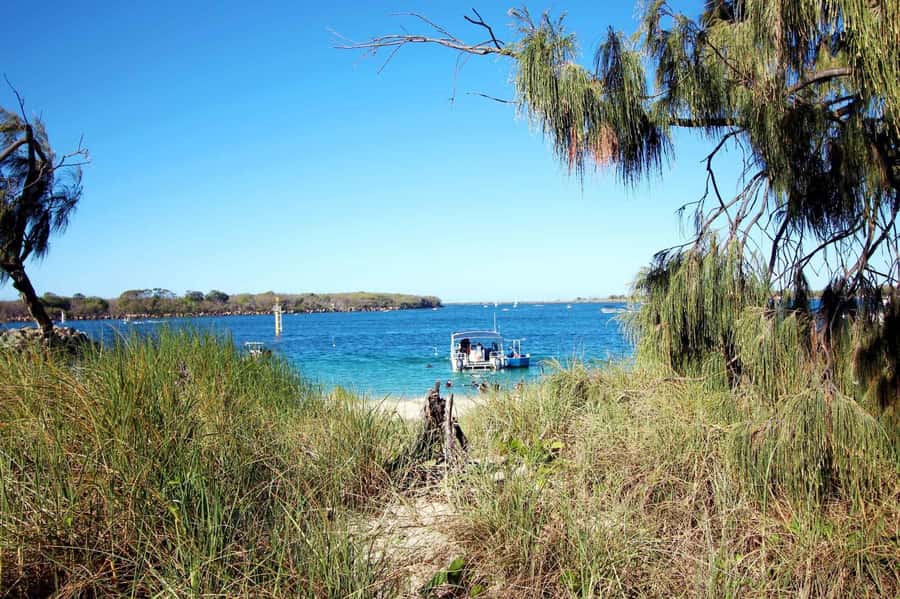
The course is described as lasting three days, while the activity details list a duration of six hours. That wording needs clarification before you pay. Six hours may refer to a particular activity block or the scheduled duration shown for a booking date, while the full course is presented as a three-day program.
Check the available starting times and ask the provider how the hours are divided between academic work, confined-water training, and open-water sessions. This is especially important if you are fitting the course around accommodation, airport transfers, or other Gold Coast plans.
You must make your own way to the dive store at:
19 Karloo Street
Surfers Paradise 4217
Transportation by boat is included once the course is underway, but transport to the shop is not. Give yourself enough time to reach the meeting point, since the course begins with preparation and instruction rather than an immediate trip to the water.
The activity offers reserve now and pay later booking, which helps if your Gold Coast schedule is still changing. Free cancellation is available up to 24 hours in advance for a full refund. Those terms are useful, but they do not remove the need to check the course schedule carefully.
Who should book this course
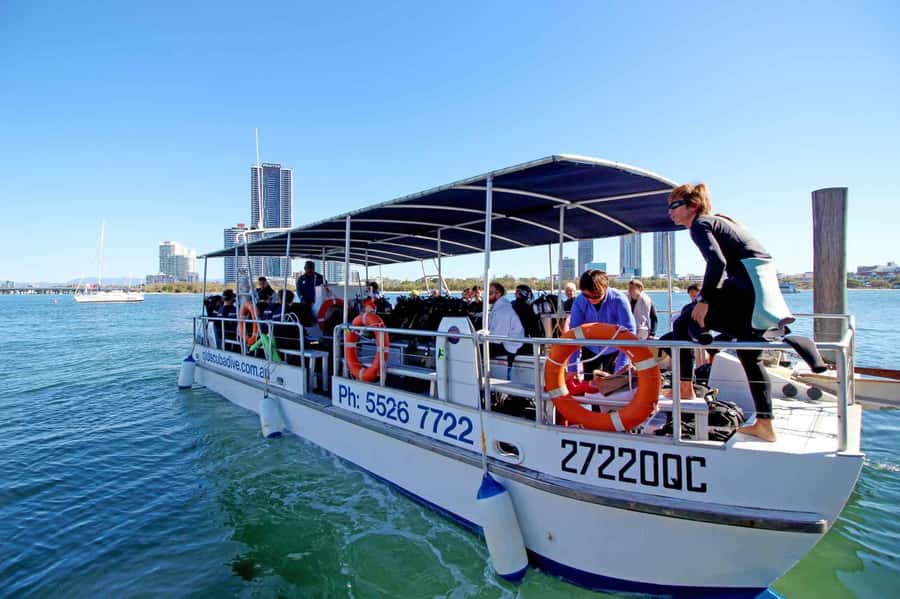
This course suits an adult or older child who wants a recognized entry-level scuba qualification, not just a brief underwater sampler. Children under 10 are not accepted, and the activity is not suitable for pregnant women or people with respiratory issues.
It is also not recommended for people prone to seasickness. That warning matters because the course includes boat transportation and open-water training. If motion on the sea regularly causes problems for you, ask the provider about the expected boat time and whether the course is a sensible fit.
You do not need to arrive with scuba experience. The structure is designed to teach the basic principles and skills from the beginning. The strongest reason to choose it is your intention to use the certification later, perhaps on another trip where you want to hire equipment and join certified scuba activities.
If you only want a quick look beneath the surface, three days of study and skills training may feel like too much commitment. A short introductory session would be a better match, though that is not what this activity provides.
Practical advice before you book
Bring swimwear and a towel. You should also be ready for a course that requires attention, practice, and communication with your instructor.
Ask these questions before confirming:
- Does the six-hour duration describe one day or the full scheduled activity?
- Which parts of the course take place on each of the three days?
- What open-water location will you use?
- Is the boogie board wildlife viewing included in every course schedule?
- When and how is the $99 AUD certification charge paid?
The available feedback gives useful clues about the teaching style. Ryan is singled out as calm with beginners, while Rhan and Josh are described as approachable, patient, and clear. You cannot choose a particular instructor unless the provider confirms it, but those names suggest the company has staff used to helping first-time students.
The rating is 4.8 from 28 reviews, which supports the course’s strong reputation, but the details still matter more than a number. Calm instruction, clear explanations, and enough time to practise are the features I would value most here.
Should you book the Gold Coast PADI course?
Book it if you want a proper entry-level qualification and expect to use it again. The combination of instruction, confined-water practice, open-water training, boat transport, equipment, and a lifetime PADI card gives the course lasting value.
Think twice if you are looking only for a casual ocean outing, dislike boats, or have a tight schedule that cannot handle a three-day course. Also budget the full $414 AUD, not just the $315 headline price.
For a first scuba qualification on the Gold Coast, this is a sensible choice for a beginner who values patient instruction and a certificate recognized around the world. Confirm the six-hour timing and daily schedule first, then book if the course fits your plans.
FAQ
How long is the PADI Open Water course?
The course is described as a three-day program. The activity details also list a duration of six hours, so ask the provider how those hours are divided before booking.
What is included in the price?
The price includes an instructor, transportation by boat, and diving gear.
What extra cost should I expect?
The PADI e-book, registration, and certification eCard cost an additional $99 AUD.
Where do I meet the instructor?
You must make your own way to the dive store at 19 Karloo Street, Surfers Paradise 4217.
How deep can I scuba dive after certification?
The PADI Open Water certification allows you to scuba dive to a maximum depth of 18 metres.
Who is not suited to this course?
The course is not suitable for children under 10, pregnant women, people with respiratory issues, or people prone to seasickness.
Just added around Australia
- Port Douglas: Premium Outer Reef Dive Trip★ 5.0 · 2 reviews
- Port Douglas: Poseidon Outer Barrier Reef Dive and Snorkel★ 4.8 · 19 reviews
- Perth: Rottnest Island Scuba Diving Day Trip-Certified Diver★ 4.8 · 9 reviews
- Great Keppel Island: PADI Discover SCUBA Diving★ 5.0 · 2 reviews
- Moreton Island Day-Trip to Scuba Dive and More★ 4.1 · 59 reviews
- Townsville or Magnetic Island: Yongala Wreck Dive Day Trip★ 3.3 · 7 reviews
- Gold Coast: Cook Island Marine Reserve Scuba Experience Dive★ 4.5 · 3 reviews
- Gold Coast: Introductory SCUBA Diving Experience★ 4.4 · 34 reviews
Scuba Diving Courses, compared.
Open Water Course – Become certified diver in 3 days
Read our review →
Heraklion: Beginner Scuba Diving Lesson with PADI Instructor
Read our review →
Discover Scuba Diving with No Certification in St Thomas
Read our review →
Try Dive – PADI Discover Scuba Diving in Tenerife
Read our review →
Lists this dive appears in