
REVIEW · OAHU
Waikiki: Honolulu Beginner Scuba Diving with Videos
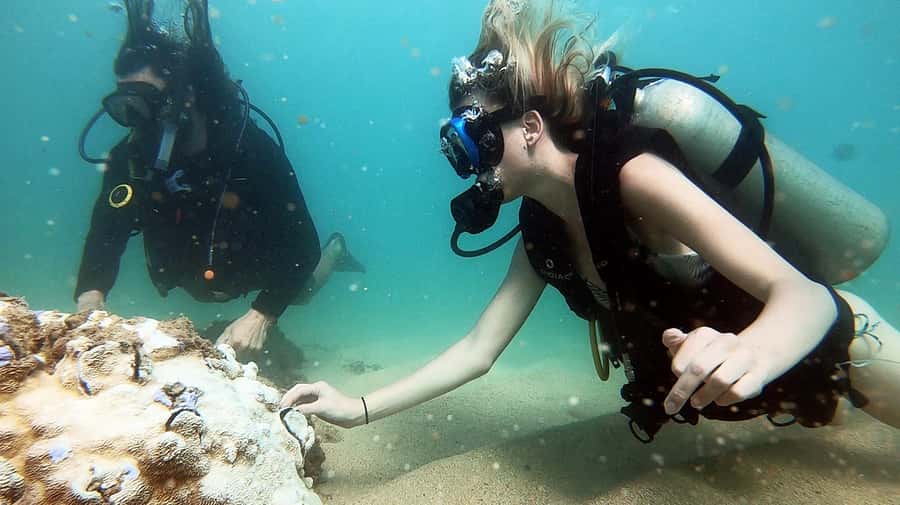
At Magic Island Lagoon, you can breathe underwater in the Pacific without prior scuba or swimming experience. The lesson begins in about three feet of water, giving you time to get used to the mask, regulator, and strange but thrilling act of breathing below the surface.
I like the patient, personal instruction, especially for a first attempt, and I like that GoPro videos are included rather than sold as an extra. The price is also modest for a one-tank ocean experience. The main caution is visibility: one participant saw very few fish when the water was cloudy, so the sea does not always deliver a perfect underwater show.
I also like the short format. At 1.25 to 1.5 hours, this fits neatly into a Waikiki morning or afternoon. Still, you should arrive ready to spend most of that time in the water, and you will need to handle the initial nerves that come with breathing through scuba equipment.
Key Points at a Glance
- Start in waist-deep water: You learn basic skills in about three feet of water before heading farther out.
- No prior experience required: Adults and children age 10 and older can take part, and swimming experience is not required.
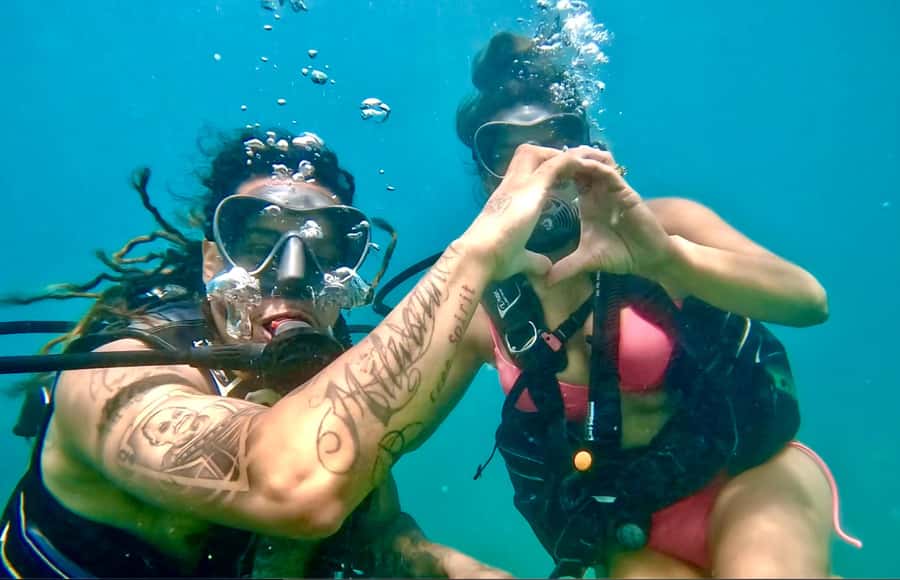
- Patient instructors matter: Alex, Ryan, Nick, Faith, and Scott have all helped first-timers feel comfortable and calm.
- Magic Island Lagoon setting: The tour stays in the ocean, with a chance to see fish and other marine life.
- Free GoPro videos: You receive video footage of the experience, a useful extra for a first underwater outing.
- Short, fairly priced outing: At $79 per person, the 1.5-hour session works well as a low-cost introduction to scuba.
What This Waikiki Scuba Session Is Really Like
This is not a certification course, and it is not an advanced reef expedition. It is a carefully managed first taste of scuba, designed to help you decide if breathing underwater feels exciting or simply odd.
You meet near lifeguard tower 1G at Magic Island Lagoon. Arrive 30 minutes before your scheduled start, since the check-in and equipment setup take part of your available time. There is no hotel pickup, so you need to make your own way to the meeting point.
The setting keeps things simple. You are at the shoreline, not boarding a boat or spending extra time getting to an offshore site. That helps keep the cost down and makes the experience easier for families and visitors with a tight Waikiki schedule.
The tour usually lasts 1.25 to 1.5 hours. The exact length depends on group size and how comfortable everyone feels in the water. Think of it as a one-tank session, with a short lesson followed by supervised time below the surface.
More Scuba Diving in Oahu
- Oahu Shark Dive
★ 5.0 · 2,903 reviews - Oahu: Shark Cage Dive on the North Shore
★ 4.8 · 1,485 reviews - Shark Cage Diving on Oahu’s North Shore
★ 5.0 · 1,391 reviews
The First 10 to 15 Minutes: Learning the Basics
Your instructor begins with a briefing that usually takes 10 to 15 minutes. You learn the essential scuba information and basic skills before entering the water.
That briefing is more important than it sounds. First-time scuba participants often need to understand how to clear their mask, use the regulator, and stay calm if something feels unfamiliar. The instructors focus on making the equipment understandable rather than rushing you toward the water.
The human side of the lesson has earned especially strong praise. Alex helped one first-time participant feel comfortable, while Ryan was singled out for explaining things clearly and calming people who became nervous. Nick, Faith, and Scott have also been praised for creating a safe-feeling introduction.
You should listen carefully and ask questions. The equipment is supplied, but it is still your responsibility to tell the instructor if a mask feels wrong, a mouthpiece is uncomfortable, or you need more time before moving on.
Getting Comfortable in Three Feet of Water
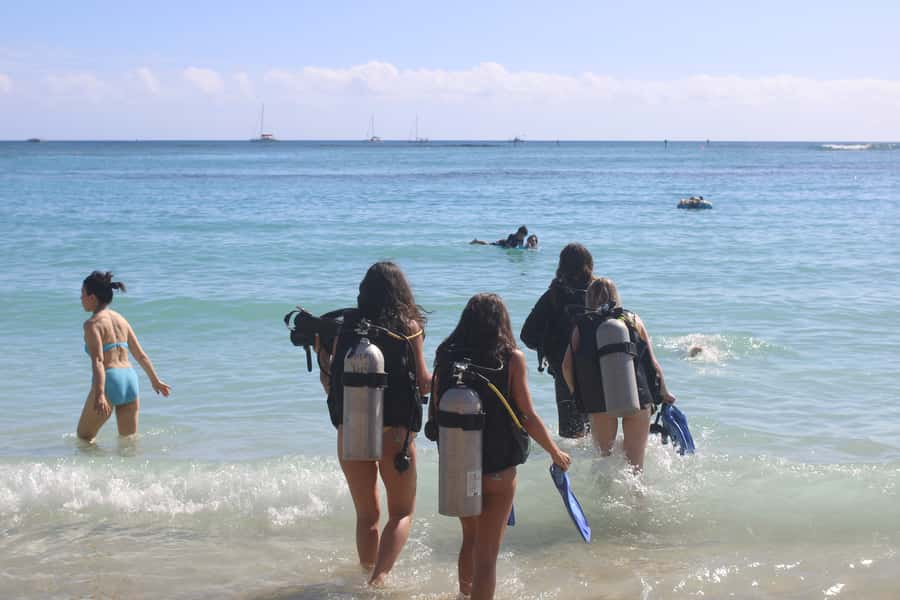
The first water session takes place in waist-deep water, about three feet. This is where you try breathing through the regulator and practice the basic skills under close instruction.
I think this gradual start is the strongest part of the experience. You are not expected to walk into deep water and instantly behave like a seasoned scuba user. The shallow area gives you a chance to settle your breathing and learn how the equipment responds.
No swimming experience is required, according to the tour information. Even so, being honest about your comfort level is wise. You can tell the instructor if you feel anxious, and the pace can depend on your individual comfort as well as the size of the group.
One participant wished there had been more weights available to help with sinking. That is a useful point for people who have trouble getting below the surface. If you feel you are floating too high, mention it early rather than struggling quietly. Your instructor needs to know how the equipment is working for you.
This part may feel less glamorous than the final underwater outing, but it is where the real value lies. A calm beginning gives you a better chance of enjoying the marine life later.
The Guided Underwater Portion at Magic Island Lagoon
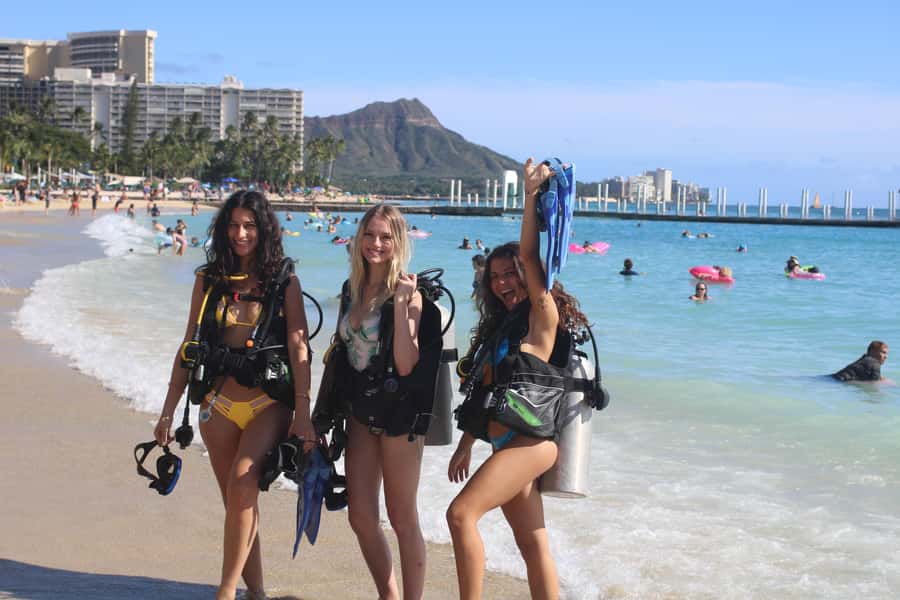
Once you feel comfortable and the instructor is satisfied with your basic skills, you move into the guided scuba portion. You explore the underwater area around Magic Island Lagoon with the instructor nearby.
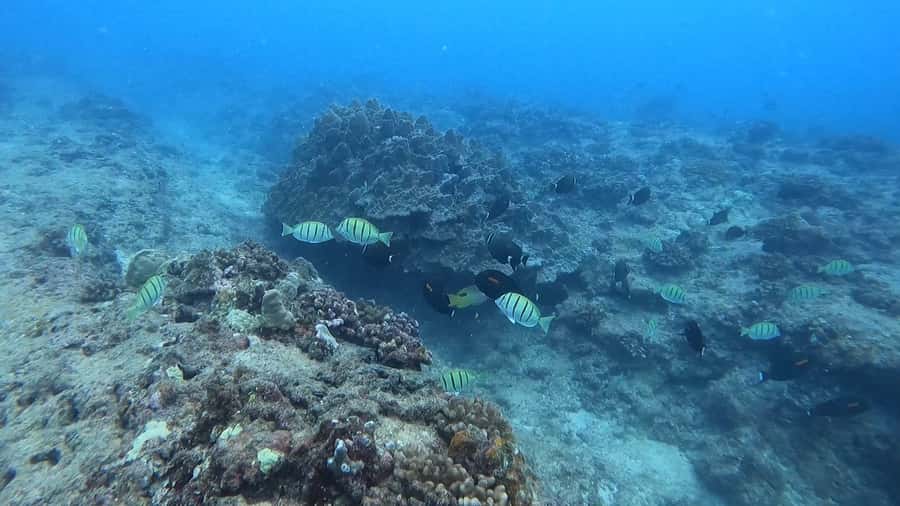
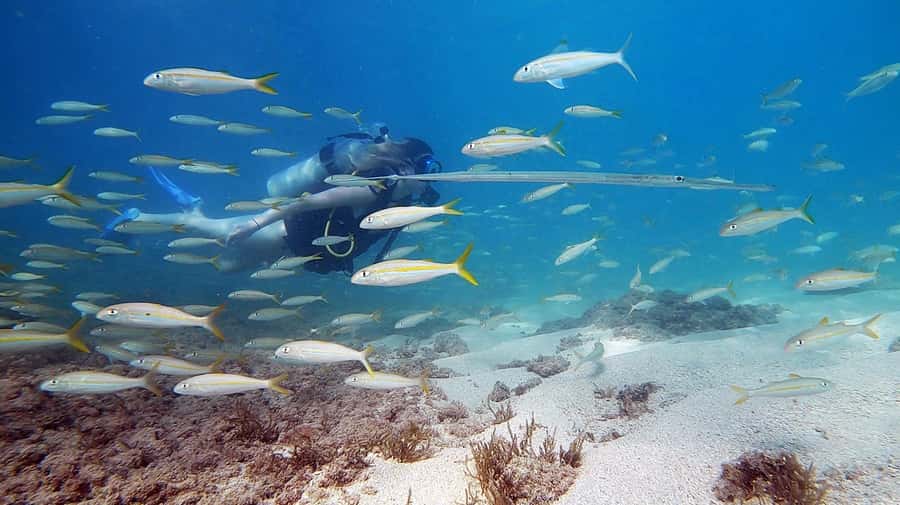
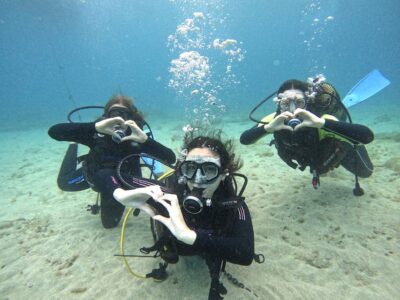
The appeal is straightforward: you get to see what it feels like to breathe underwater while looking for fish and other marine creatures in the Pacific. The tour promises marine life sightings, and the supplied information describes the area as home to diverse sea life.
Keep your expectations sensible. The ocean is not a controlled aquarium. Water clarity can change, and one participant reported seeing few fish because conditions were not very clear that day. Another described the reef as beautiful, but a cloudy day can limit what you see.
That does not make the experience a poor choice. It simply means the main value is learning and trying scuba in an ocean setting, not guaranteeing a specific animal encounter. If seeing large numbers of fish is your only goal, conditions may leave you disappointed.
For a first attempt, the lagoon setting has an advantage. You are not being asked to manage a long boat ride, difficult conditions, or advanced equipment. The emphasis remains on getting comfortable and enjoying the underwater environment at a beginner’s pace.
More beginner dives in Oahu:
- Beginner Scuba Diving Experience with Video Package in Honolulu
★ 5.0 · 877 reviews - First-Time Scuba Diving in Honolulu + Free Videos
★ 5.0 · 3,123 reviews - Beginner Scuba Diving with Turtles and Videos, San Juan
★ 5.0 · 1,743 reviews - Intro Diving 2 Stops For Beginners with Pick-up and Lunch – Hurghada
★ 5.0 · 1,146 reviews
What the Guides Add to the Experience
The instructors are central to this activity. The equipment can be good, and the location can be beautiful, but a nervous beginner needs a calm person nearby.
The strongest pattern in the available feedback is praise for patience, clear explanations, and reassurance. Jason found the lesson easy to follow and described the guide as happy to help. Andrea said the instructors helped her get through her fears. Abdelhamid specifically appreciated Ryan’s ability to calm people when they panicked.
Those details matter more than technical language. For your first scuba session, you need an instructor who notices when you are uncomfortable and gives you time to adjust. You also need someone who can explain a small correction without making you feel foolish.
The tour offers instruction in English and Spanish. That can be helpful if you are more comfortable receiving safety directions in Spanish, though the supplied information does not identify which individual guides speak which language.
Names associated with especially positive experiences include Alex, Ryan, Nick, Faith, and Scott. Guide assignments can change, so do not book solely to meet one particular person. Instead, expect the same general format: a briefing, shallow-water practice, and guided underwater time.
GoPro Videos: A Useful Extra at No Added Cost
The free GoPro video is one of the best practical extras. You do not have to worry about operating a camera while learning to breathe underwater, and you leave with something you can share later.
For a first scuba experience, video also helps you see what the activity looked like from the outside. Your memories may focus on the unusual sensation of the regulator or the effort of staying calm. Footage gives you a record of the underwater portion and may help you decide if you want to pursue more scuba training.
Do not treat the video as a promise of a polished film. The supplied details only confirm that videos are included. Image quality and the amount of footage are not specified, and visibility can affect what the camera captures.
Still, at a $79 price, included video adds real value. Many water activities charge extra for pictures or footage. Here, you get the chance to remember the experience without bringing your own camera or risking an expensive device in salt water.
Is $79 a Fair Price?
At $79 per person, this is an accessible way to try scuba in Honolulu. The price includes the scuba equipment, an instructor, and video footage. You are paying for a guided one-tank ocean session, not a full certification course.
I consider the price fair for someone who wants a compact introduction. Equipment rental alone would not give you the instruction or supervision that makes a first attempt possible. The video is a useful bonus, and the short duration keeps this from taking over your entire day.
The value is strongest if you are curious but not ready to commit to a longer course. It also works well for families with children age 10 and older, couples who want to try something different, or visitors who have already spent several days enjoying Waikiki from the beach.
The value is weaker if you expect a long underwater session, guaranteed clear water, or a major reef excursion. This is an introductory experience, and the total time includes the briefing and shallow-water practice.
You may reserve now and pay later, which helps if you are arranging several Honolulu activities. Free cancellation is available up to 24 hours in advance for a full refund. The tour operates rain or shine, so check the forecast and your own comfort before booking.
What to Bring to Magic Island Lagoon
Bring swimwear, a towel, and biodegradable sunscreen. Food and drinks are not included, so plan those separately if you need something before or after the session.
You also need a passport or identification card. A copy is accepted. The tour provides the scuba equipment, so you do not need to bring your own mask, tank, or other gear.
Arriving 30 minutes early is important. The meeting point is near lifeguard tower 1G, and a late arrival could cut into the briefing and setup. Give yourself time to find the tower and get ready without hurrying.
Use biodegradable sunscreen, and apply it before the activity rather than waiting until you are standing at the water. You will also want a towel for afterward, since the tour does not provide one.
Who Should Book This Experience?
This is a good choice if you want a gentle introduction to scuba and prefer a shore-based activity. You do not need previous scuba experience or swimming experience, and the shallow start gives you time to adjust.
It suits adults and children age 10 and older. Parents should still consider each child’s comfort with water, equipment, and close instruction. The minimum age does not guarantee that every child will enjoy the sensation of breathing through a regulator.
I would also recommend it to anyone who feels nervous but curious. The repeated praise for patient instruction suggests that the guides understand first-time fear. You are not expected to arrive confident.
It is not suitable for children under 10, pregnant women, or people with back or heart problems. If any health concern applies to you, treat that restriction seriously rather than assuming a short session will make it unimportant.
This is less suitable for experienced scuba users. You may find the briefing and shallow-water practice slow, since the entire format is built around beginners. It is also not the right choice if you want a certification, a long offshore outing, or a specialized marine-life trip.
Small Drawbacks to Consider Before Booking
The biggest uncertainty is water clarity. The tour promises marine life sightings, but the amount you see can vary. One participant had a good first experience but saw few fish because the water was cloudy.
You may also need patience with the equipment. One person found that more weights would have helped with sinking. That does not mean the setup is unsuitable, but it shows why speaking up during the shallow-water practice matters.
The short duration is another tradeoff. You get a manageable introduction, but not a full day at sea. Some people will appreciate the compact schedule, while others may wish the underwater portion lasted longer.
Finally, the tour takes place rain or shine. Weather does not automatically cancel the session, so bring the right attitude and understand that ocean conditions can affect visibility and comfort.
My Take: A Friendly First Step Into Scuba
I would book this if I wanted to try scuba in Honolulu without spending a large amount of money or committing to a full course. The shallow-water lesson, close instructor support, and included video make the experience feel approachable.
The strongest reason to choose it is the staff’s patience. First-time scuba is as much about confidence as equipment, and names such as Alex, Ryan, Nick, Faith, and Scott are linked with clear teaching and calm support.
Go in expecting a short introduction, not a dramatic expedition. The marine life can be rewarding, but cloudy water may limit what you see. If you accept that the ocean controls the conditions, this is a practical, family-friendly way to find out if scuba belongs on your future Hawaii plans.
FAQ
Do I need previous scuba experience?
No. The activity is designed for beginners, and no prior scuba experience is required.
Do I need to know how to swim?
No swimming experience is required according to the tour information. You still begin in shallow water and should tell your instructor about any concerns.
What is the minimum age?
Children must be at least 10 years old. The activity is also suitable for adults.
Where does the tour meet?
Check in near lifeguard tower 1G at Magic Island Lagoon. You should arrive 30 minutes before the scheduled start.
How long does the experience last?
The session usually lasts 1.25 to 1.5 hours, depending on group size and individual comfort in the water.
What does the price include?
The $79 price includes scuba equipment, an instructor, and videos.
Are the videos free?
Yes. GoPro videos are included at no additional cost.
What should I bring?
Bring swimwear, a towel, biodegradable sunscreen, and a passport or identification card. A copy of your identification is accepted.
Who should not take part?
The activity is not suitable for children under 10, pregnant women, or people with back or heart problems.
Just added around Oahu
- Oahu: Wreck & Reef Scuba Dive for Certified Divers★ 4.8 · 17 reviews
- Oahu: Shallow Reef Scuba Dive for Certified Divers★ 5.0 · 11 reviews
- Oahu Night Dive: Adventure for Certified Divers★ 3.6 · 6 reviews
- Oahu: Cageless Shark Dive Adventure★ 4.9 · 60 reviews
- Certified Diver: 2-Tank Night Dive★ 5.0 · 61 reviews
- Oahu Open Water Shark Diving Experience★ 5.0 · 128 reviews
- Open Water Shark Dive★ 5.0 · 185 reviews
- DISCOVER Scuba Diving Experience in Honolulu★ 5.0 · 202 reviews
Scuba Diving for Beginners, compared.
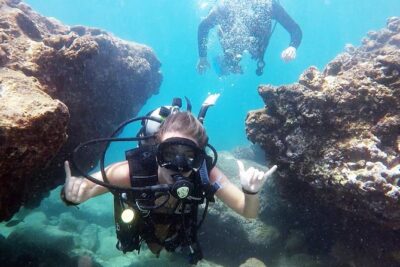
First-Time Scuba Diving in Honolulu + Free Videos
Read our review →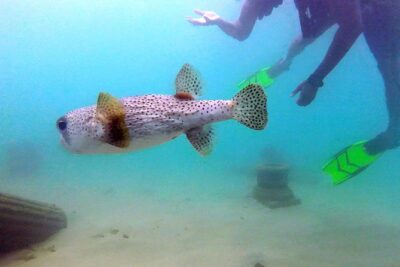
Beginner Scuba Diving with Turtles and Videos, San Juan
Read our review →
Intro Diving 2 Stops For Beginners with Pick-up and Lunch – Hurghada
Read our review →
Beginner Scuba Diving Experience with Video Package in Honolulu
Read our review →
Tenerife: Beginner’s Dive at a Spot with Turtle Sightings
Read our review →
Santorini: Scuba Diving Experience in Caldera for Beginners
Read our review →Lists this dive appears in