
REVIEW · MALLORCA
Mallorca: Discover Scuba Diving for Beginners
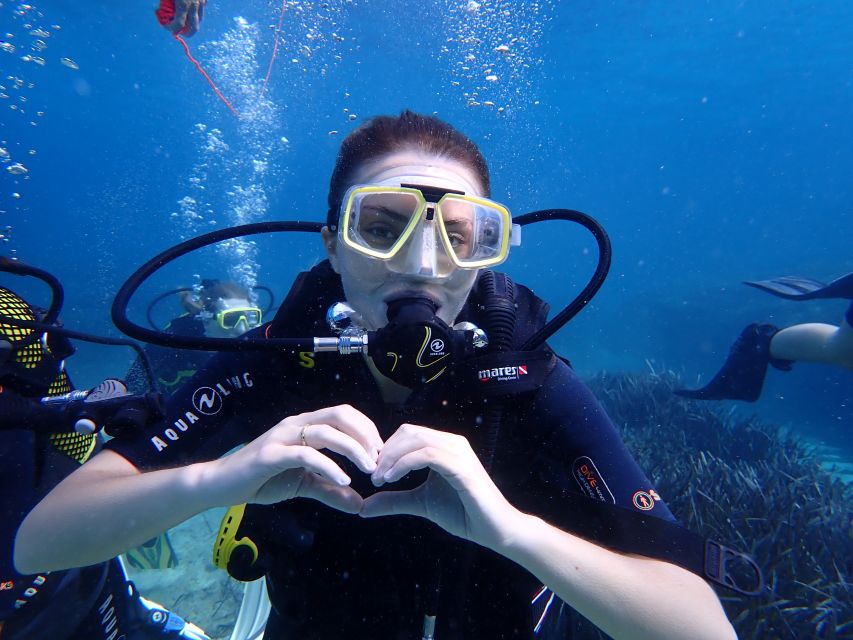
Mallorca’s best introduction to scuba happens in calm, shallow water rather than with a dramatic jump from a boat. You learn the basics first, then make a guided descent of up to 6 meters in a protected marine reserve, where clear water and a shore entry keep the first attempt manageable.
I especially like the small six-person limit and the presence of two PADI instructors in the water. That setup gives nervous beginners room to ask questions and lets the instructors keep a close eye on each person. The protected reserve, full equipment, transport, insurance, and certificate also make the $176 price easier to justify.
The main drawback is that you may spend only about 30 to 45 minutes below the surface, depending on the session and your comfort level. Walking with the equipment can also be awkward, and a few people found the route to the water tiring.
Key points at a glance
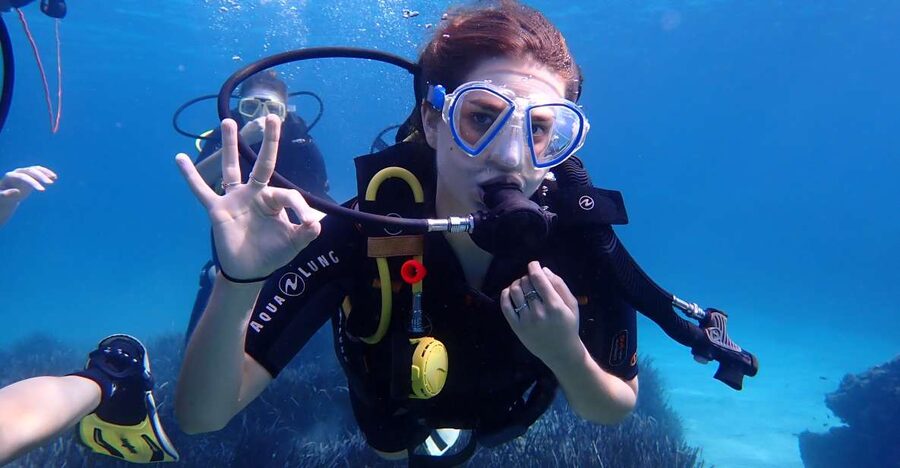
- Maximum depth of 6 meters: A shallow, controlled first scuba experience rather than an advanced underwater trip.
- Two PADI instructors for up to six people: You get close supervision and individual help with breathing, ear pressure, and mask clearing.
- Shore entry by steps: You do not need to leap from a boat, and you can get used to the equipment at the water’s edge.
- Protected marine reserve: The setting may offer fish, caves, and clear water, though marine life and color can vary.
- Certificate included: The PADI Discover Scuba Diving certificate can help if you later take the PADI Open Water Diver course.
- Transport and insurance included: Air-conditioned minivan transport and activity insurance are part of the package, not extra charges.
A gentle first look beneath Mallorca’s coast
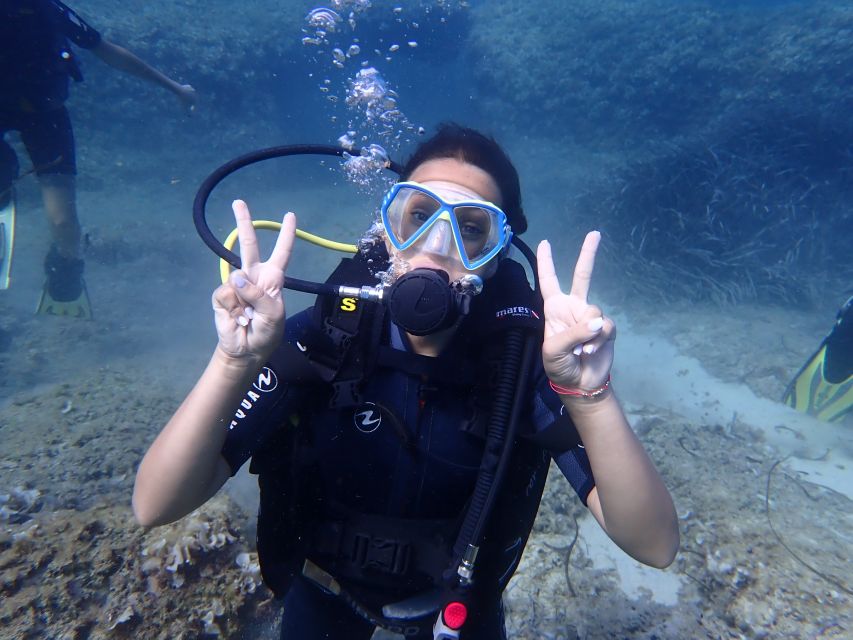
This experience is built for someone who has never used scuba gear. You do not need prior certification, and several sessions have included people who could not swim confidently. You must, however, feel comfortable in the water and complete the required PADI medical questionnaire.
The setting matters. Instead of beginning in open water with waves, a boat ladder, and a group of certified divers waiting nearby, you start in a calm, shallow area. That gives you time to notice how the mask feels, how the regulator supplies air, and how your body responds to the equipment.
I like this approach because the hardest part of a first scuba attempt is often not the underwater scenery. It is learning to breathe normally while your face is covered, equalizing your ears, and trusting the equipment. The instructors take these tasks one at a time.
The session lasts 3.5 hours, including preparation, transport, equipment handling, shallow-water practice, and the guided underwater portion. It is not a full certification course. Think of it as a structured test of scuba, with enough instruction to let you decide if you want to continue.
More Scuba Diving in Mallorca
- Santa Ponsa: Try Scuba Diving in a Marine Reserve
★ 4.9 · 172 reviews - Private Beginner Scuba experience in Mallorca
★ 5.0 · 117 reviews - Mallorca: Discover Scuba Diving from the boat
★ 5.0 · 95 reviews
The briefing: learning the basics before getting wet
Before entering the water, the instructors explain how the equipment works and how to communicate underwater. You learn to use hand signals, control your breathing, and respond to common situations such as a mask that needs clearing.
This part can feel slow if you are eager to get into the sea, but I would not want it rushed. A clear briefing is especially valuable when you are nervous, traveling with children, or trying scuba while on a tight vacation schedule.
The instruction is available in Spanish, English, French, and German. That helps, but you should still pay close attention to the demonstrations and ask questions before entering the water. Instructors named in past sessions include Robert, Bruno, Raul, and Kristofer, though the person leading your group may vary.
The tone appears to be friendly rather than stiff. Instructors have used humor while still explaining safety in detail, a useful combination when a first attempt feels intimidating. You should expect direct instructions, repeated checks, and plenty of encouragement rather than a lecture aimed at experienced scuba users.
Shallow-water practice builds confidence
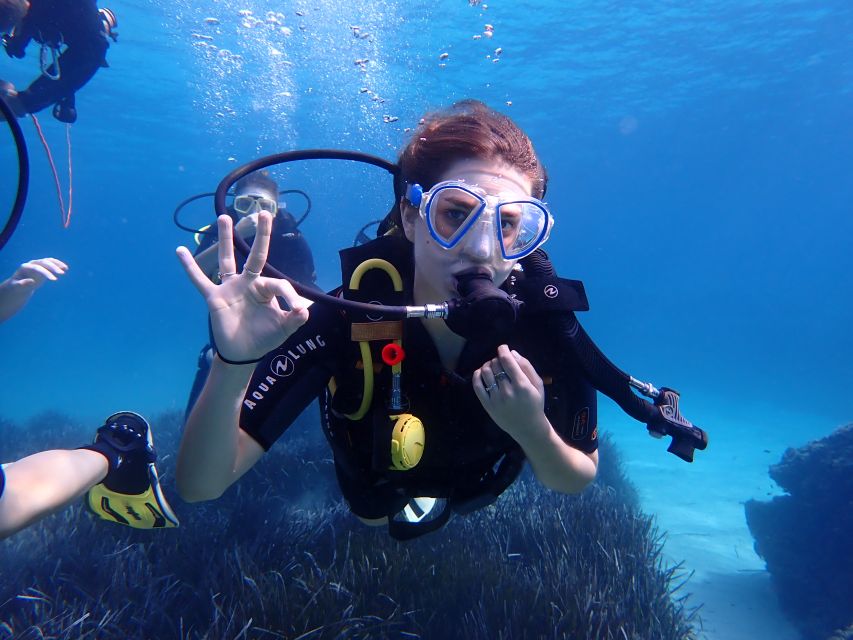
The next stage takes place in calm, shallow water. You practice breathing through the regulator, equalizing your ears, clearing your mask, and using hand signals.
These are not throwaway exercises. They are the skills that determine whether you can relax below the surface. If breathing feels strange or your ears do not equalize, this is the moment to pause and tell the instructor. The session is supposed to move at your pace.
The instructors work with participants individually, so one person may spend longer practicing while another gets ready to move on. That is one of the strongest reasons to choose this experience instead of a large introductory group.
You will also feel the weight of the equipment before you become buoyant in the water. Several people found walking in the gear to be the least comfortable part of the outing. Take slow steps, use the handrails where available, and do not mistake awkward movement on land for a problem with scuba itself.
Once you are in the water, the equipment feels different. The weight is supported by the water, and the instructors remain close while you get used to breathing and moving.
A shore entry instead of a boat jump
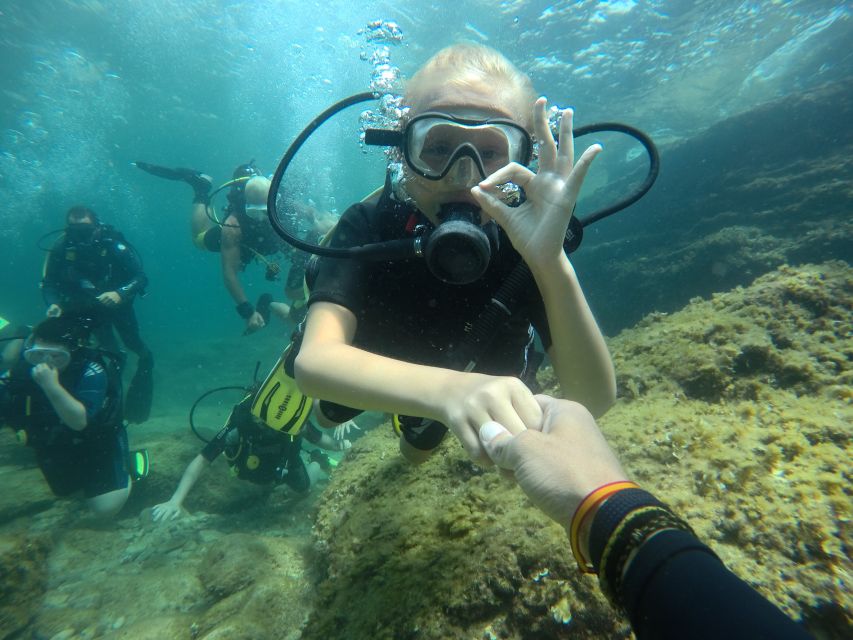
The entry is from shore using comfortable steps. This is a real advantage for a first attempt. You can pause at the edge, check your mask and regulator, and get accustomed to the water without dealing with a boat ladder or a jump into open sea.
One family particularly appreciated having time to hold onto the rocks and practice breathing before moving farther out. That small pause can make a major difference if you are nervous. I would choose this setup over a boat-based introduction if you want a slower start.
There is a practical catch. Carrying the equipment to the water can take effort, and one person described the walk along the beach as difficult with the gear. The location is intended to be accessible for beginners, but it is not a completely effortless stroll.
The activity is not suitable for people with mobility impairments. If you have any concern about the entry, contact the provider before booking rather than assuming the steps will work for you.
More first-time dives in Spain:
- Barcelona: PADI Discover Scuba Diving
★ 4.7 · 1,016 reviews - Gran Canaria: Try Scuba Diving for Beginners
★ 4.9 · 403 reviews - Tossa de Mar: PADI Discovery Scuba Diving in Costa Brava
★ 4.7 · 392 reviews - Fuerteventura: Introduction to Scuba Diving
★ 4.9 · 298 reviews
The guided underwater session at 6 meters
After the practice period, you make your first guided underwater trip in the reserve. The maximum depth is 6 meters, keeping the experience within a controlled range for beginners.
At this depth, you are there to experience the feeling of weightlessness, watch marine life, and learn how it feels to move underwater. You are not covering a large area or visiting a series of far-off sites. The value is in making a safe, closely supervised first attempt.
Conditions and marine life vary. Some sessions have included plenty of fish, caves, and clear water. Others have offered fewer fish and less color than expected. That is worth knowing before you pay $176. A marine reserve improves the setting, but it cannot guarantee a particular number of animals or a dramatic display on every visit.
The water has been described as calm, with little or no current during some sessions. That makes the site well suited to beginners, but you should still expect to concentrate on breathing and following instructions. Your first underwater experience may feel more like learning a new physical skill than sightseeing.
The actual time underwater can vary. Past participants have described around 25 minutes of proper scuba, roughly 30 to 45 minutes total below the surface, and some wishing they had stayed in longer. The 3.5-hour duration includes the full activity, not three and a half hours underwater.
How the instructors shape the experience
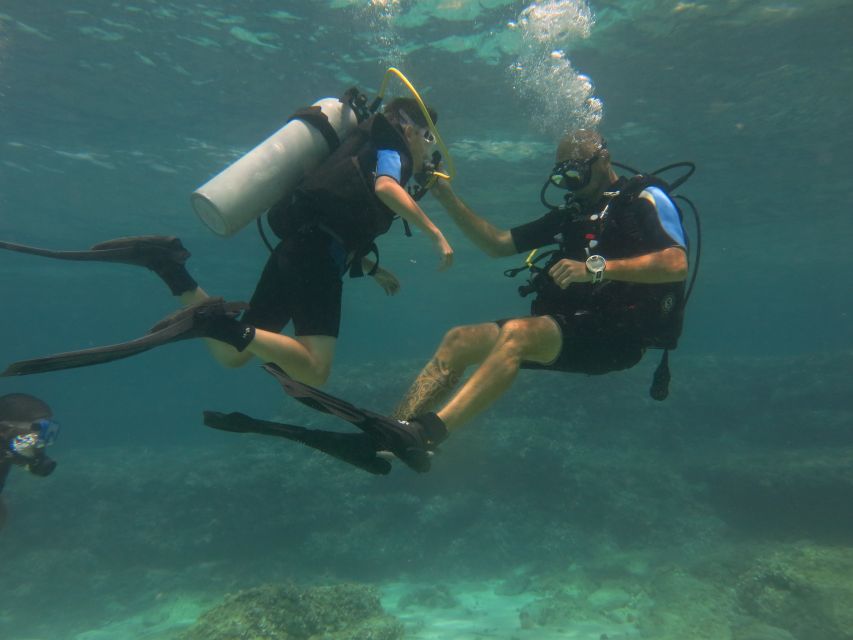
The strongest feature here is the attention from the staff. With a maximum of six participants and two certified PADI instructors, the ratio allows close monitoring in the water.
That matters if you struggle with breathing, feel pressure in your ears, or simply need reassurance. The instructors repeatedly check that everyone is comfortable and help with small problems before they become frightening. Several people who began nervous, including non-swimmers, felt able to continue because the staff stayed close.
You should still be honest about your comfort level. Do not nod along if you have not understood a hand signal or if your mask is leaking. The session is designed to proceed only when you are ready, and the staff can respond much better when you explain what you are feeling.
The multilingual instruction is another practical plus for mixed-language groups. You can ask questions in Spanish, English, French, or German. For safety instruction, being able to understand the explanation clearly is more important than having a polished holiday photograph.
What $176 includes, and what it does not
At $176 per person, this is not a cheap beach activity. It is closer to the price of a major half-day excursion, so you should decide if the experience itself is worth more to you than the number of underwater minutes.
The price includes full scuba equipment, two PADI instructors, small-group instruction, transport in an air-conditioned minivan, entry to the protected marine reserve, diving insurance during the activity, and the official PADI Discover Scuba Diving certificate.
That package reduces the need to arrange separate transport or rent gear. It also gives you a recognized first-step certificate if you decide to continue with PADI training. The certificate does not turn you into a certified independent scuba diver, but it may be credited toward a PADI Open Water Diver course.
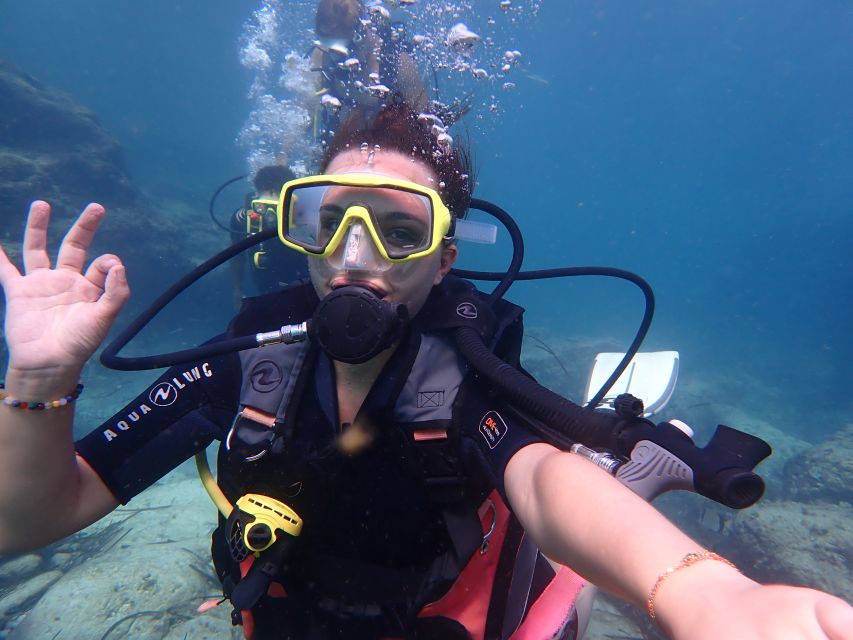
Photos are not included. Some past sessions offered photo packages for about 10 euros, but that price should be confirmed before you go because add-on costs can change. If you want pictures, ask about them at the center rather than assuming they come with the booking.
For someone who wants a quick tryout, the cost is substantial. For someone who values close supervision, reserved equipment, transport, insurance, and a protected location, the package offers a fairer comparison with other organized water activities.
Meeting points and the small timing trap
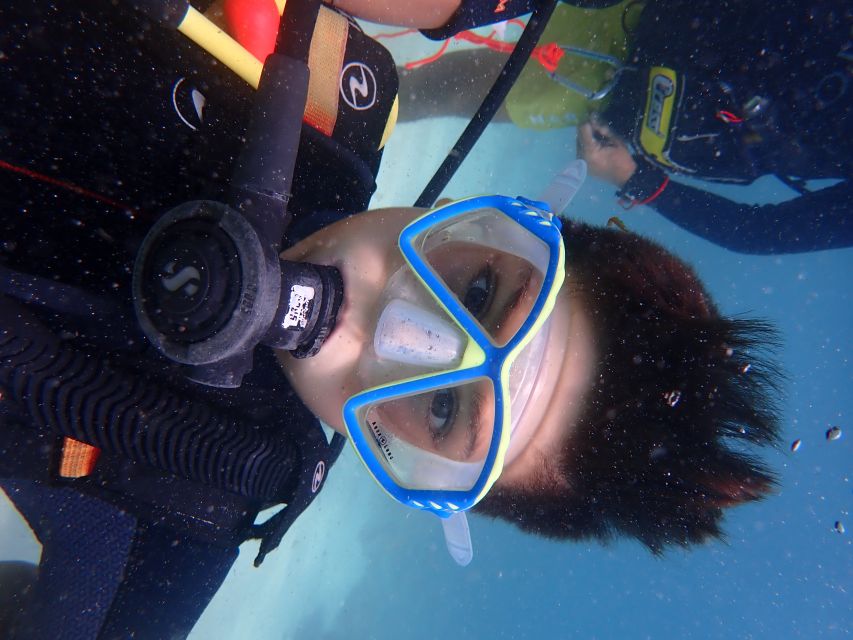
The meeting instructions deserve careful attention. If you are staying in the Playa de Palma area and walking to the meeting point, go to the ticket shop on Carretera de l’Arenal 48 in Platja de Palma, El Arenal, 30 minutes before the activity begins.
The minivan leaves promptly and cannot wait. I would arrive early, especially if you are carrying swim gear or unfamiliar with the area.
If you are driving, go directly to the dive center at Ctra. Cabo Blanco, Km 11, Cabo Regana. The center is on the right after the barrier, and parking is outside the barrier. This is the recommended option for drivers because parking is better there.
The drive to the site can take roughly 30 to 45 minutes based on past experiences, so do not plan a tightly timed lunch or airport transfer afterward. You should have a swimsuit, towel, dry clothes, passport or ID, and something to drink.
Who should book this Mallorca scuba experience?
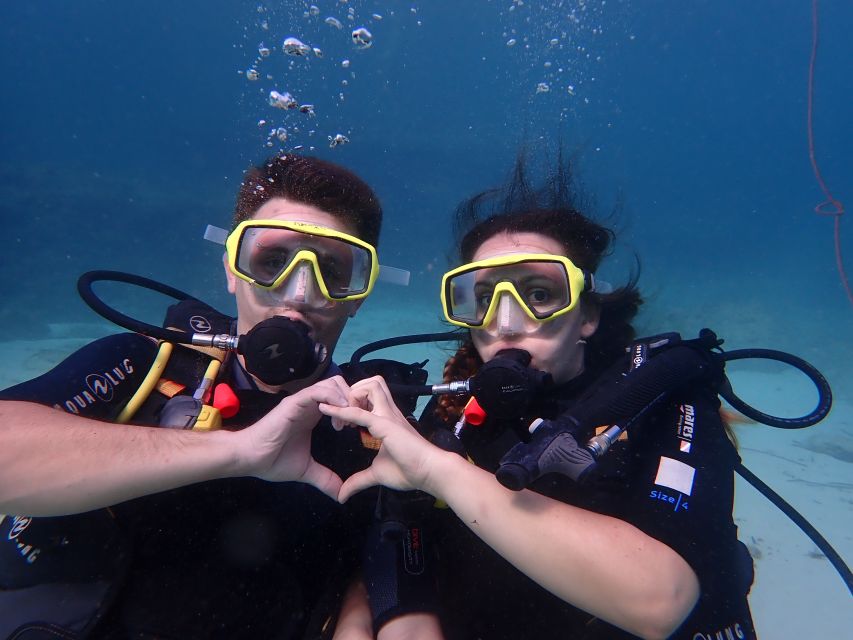
I would recommend it most strongly to first-timers who want careful instruction and a shallow, supervised setting. It also suits families with older children, couples trying a new activity, and adults who have always been curious but nervous about breathing underwater.
The minimum age is 10. Anyone under 14 must scuba with an adult, and participants under 18 need a legal guardian’s signature. The activity does not suit pregnant people or those with heart or respiratory problems.
A PADI medical questionnaire is mandatory. Depending on your answers, you may need medical clearance from a doctor before the activity. Bring that clearance if it is required. If you cannot show it on the day, you may be unable to participate without a refund.
You must leave at least 12 hours between scuba and your flight. That makes this a poor choice for your final morning in Mallorca. Schedule it earlier in your trip, leaving room for the flight restriction and for the possibility that you will want a quiet afternoon afterward.
Alcohol and drugs are not allowed. That is basic safety, but it matters especially when you are handling equipment and learning unfamiliar skills.
Practical ways to make the session easier
- Arrive early at the correct meeting point, especially if you need the minivan pickup.
- Wear a swimsuit under clothes that are easy to change out of.
- Bring a towel, dry clothing, your passport or ID, and drinking water.
- Tell the instructor immediately if your ears hurt or your breathing feels wrong.
- Expect the equipment to feel heavy while walking, but lighter once you are supported by the water.
- Do not book the activity within 12 hours of a flight.
- Ask about photos before the underwater session if you want a keepsake.
- Keep your schedule open after the activity rather than rushing to another major plan.
Should you book it?
Book this experience if you want a well-supervised first taste of scuba in Mallorca, especially if you are nervous about boats, deep water, or learning in a large group. The protected reserve, shallow maximum depth, two-instructor setup, and patient skill practice give beginners a sensible starting point.
Think twice if you expect a long underwater expedition, guaranteed fish, or a bright tropical reef. Marine life can be limited on a given day, and the underwater portion may feel short for the price.
For me, the strongest reason to choose it is the careful instruction. You get time to practice, close support in the water, transport, equipment, insurance, and a certificate that may help with further PADI training. If you arrive prepared, understand the medical rules, and see this as an introduction rather than a full scuba course, $176 can buy a memorable first step beneath Mallorca’s coast.
FAQ
Do I need previous scuba experience?
No. The activity is designed for complete beginners, and the instructors teach equipment use, breathing, safety, ear equalizing, mask clearing, and underwater hand signals before the guided scuba session.
How deep will I go?
The maximum depth is 6 meters. The experience takes place in a protected area suited to beginners.
How long will I be underwater?
The full activity lasts 3.5 hours, including preparation and transport. The underwater portion can vary, with past sessions ranging from about 30 to 45 minutes below the surface.
What age do I need to be?
The minimum age is 10. Anyone under 14 must scuba with an adult, and participants under 18 need a legal guardian’s signature.
What should I bring?
Bring your passport or ID, swimwear, a towel, a change of clothes, and something to drink. Full scuba equipment is provided.
Can I scuba if I am pregnant or have a medical condition?
Pregnant people cannot participate. People with heart or respiratory problems are not suitable for this activity. Everyone must complete the official PADI medical questionnaire, and some answers may require medical clearance from a doctor before the session.
More Beginner Dives in Spain
- Tenerife: Beginner’s Dive at a Spot with Turtle Sightings
★ 4.7 · 627 reviews - Scuba Diving Experience for Beginners in Gran Canaria
★ 5.0 · 561 reviews - Tenerife First Time Scuba Dive – Turtle Habitat, Small Groups
★ 4.5 · 456 reviews - Beginners Scuba Diving Experience in Gran Canaria
★ 5.0 · 254 reviews
Just added around Spain
- Puerto del Carmen: Try Scuba Diving for Beginners★ 4.9 · 83 reviews
- Puerto del Carmen: Snorkeling Trip with Dive Instructor★ 4.9 · 93 reviews
- Museo Atlantico: Diving Class for Non-Certified Divers★ 4.8 · 21 reviews
- Puerto del Carmen: Guided Scuba Dive (certified only)★ 4.8 · 6 reviews
- Puerto del Carmen: 2 Guided Scuba Dives (certified only)★ 5.0 · 3 reviews
- Puerto del Carmen: Try Scuba Diving from the beach★ 5.0 · 3 reviews
- Private Try Dive for 2 with our experienced Instructor★ 5.0 · 12 reviews
- Tossa de Mar: PADI Scuba Diver Certification Course★ 5.0 · 2 reviews
Discover Scuba Diving, compared.
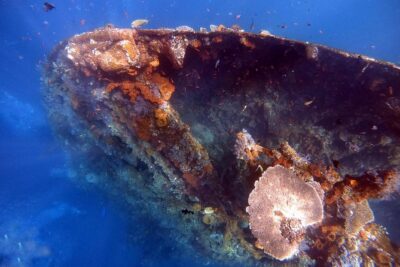
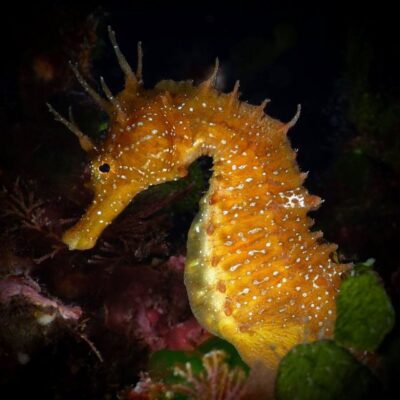
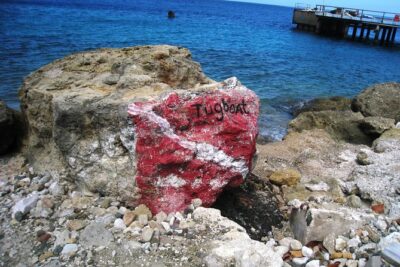
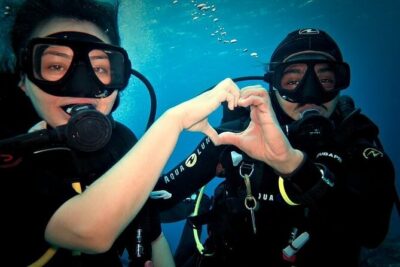
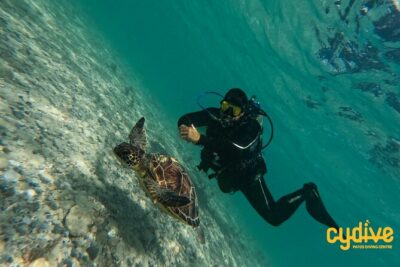
Half-Day Scuba Diving Tour – Discover Scuba Diving!
Read our review →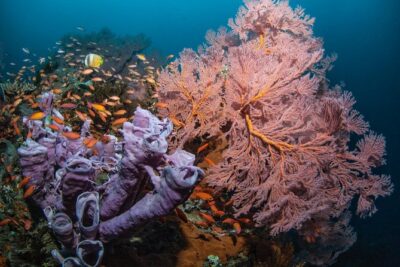
2 Days Discover Scuba Diving in Nusa Lembongan – Scuba Initiation
Read our review →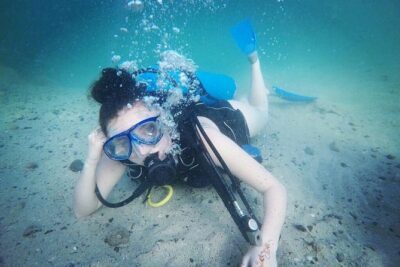
Lists this dive appears in