
REVIEW · MALLORCA
Mallorca: Discover Scuba Diving from the beach
Mallorca’s easiest introduction to scuba starts right on the beach. You’ll learn the basics in shallow water, then head just 2 to 3 meters below the surface with an instructor beside you. That gentle setup is a real plus for first-timers.
I like the private-group format, which lets the instructor focus on your comfort, and I like that full equipment, insurance, and basic training are included. The main drawback is time: two hours goes quickly, and the underwater portion is short, so this is a first taste rather than a full marine expedition.
Key points
- Beach access keeps the first step simple: Walk down the stairs and meet the team by the boat pier.
- Shallow water comes first: You practice basic skills before heading to 2 to 3 meters.
- Private guidance helps nervous beginners: A certified instructor stays with you throughout the session.
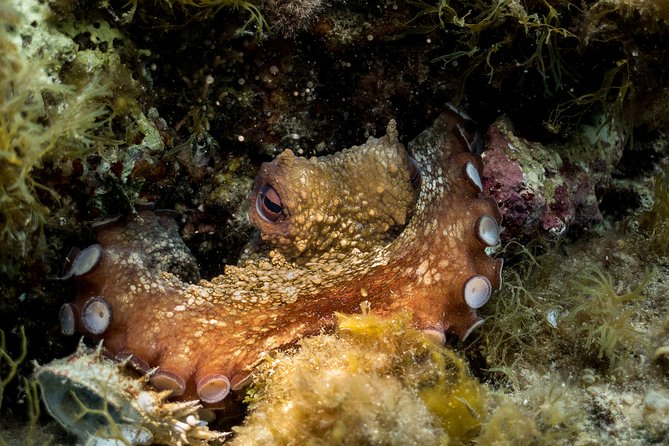
- You may see fish and octopus: The underwater setting brings you close to local marine life.
- It is not a certification course: You leave with an experience, not a scuba qualification.
- Plan around your flight: You must wait at least 24 hours after the session before flying.
A gentle first step into Mallorca’s underwater world
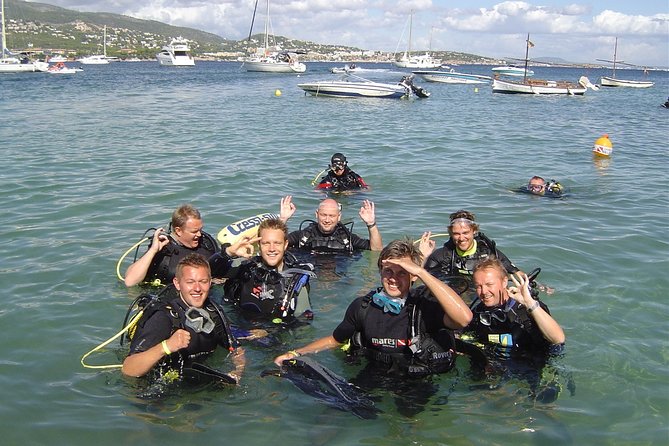
This experience is built for people who want to try scuba without committing to a full course. You do not need previous experience, but you do need general swimming ability and good health.
The session begins on the shore, not from a boat. That matters. You avoid a long equipment briefing on a moving vessel, a boat ride, and the extra pressure of entering open water away from land. Instead, you can take your first steps at the beach, where the bottom is close and the instructor can work at your pace.
The advertised price is $130 per person. That is not a small beach activity fee, but it includes the full rental kit, instruction, practical training, and diving insurance. For someone who wants to test scuba before paying for a multi-day certification course, the price can make sense.
Keep your expectations in check. The maximum depth is only 2 to 3 meters, and the entire session lasts two hours. You are getting a carefully supervised introduction, not a long underwater tour around Mallorca.
More Scuba Diving in Mallorca
- Mallorca: Discover Scuba Diving for Beginners
★ 4.7 · 805 reviews - Santa Ponsa: Try Scuba Diving in a Marine Reserve
★ 4.9 · 172 reviews - Private Beginner Scuba experience in Mallorca
★ 5.0 · 117 reviews
Meeting the instructor by the boat pier
The meeting point is straightforward. Walk down the stairs to the beach, then look for the dive centre directly at the boat pier.
This is useful if you are carrying a towel, sunscreen, and beachwear rather than a full day’s luggage. The activity starts and ends at the beach, so you do not need to arrange a separate boat transfer or travel to a distant marina.
The instructor team can work in English, German, Italian, French, and Spanish. That language range is especially helpful during equipment checks and safety instructions, where a clear explanation matters more than a cheerful hello.
One instructor named Tim receives particularly warm praise for staying friendly, kind, and attentive to comfort during the session. A French-speaking instructor also guided a young participant, making the activity easier for a French-speaking family. Since individual staff assignments can change, book with the language you need in mind and confirm it when arranging your time.
The short theory lesson before entering the water
The first part is a brief explanation of how scuba equipment works and how to behave underwater. You will learn the basic use of the mask, breathing equipment, and other parts of the kit before going into deeper water.
Do not expect a classroom course. The theory is meant to give you the few rules you need for a safe first attempt. The instructor will also explain how to communicate underwater, since talking normally is not possible once you are breathing through the regulator.
This short lesson is valuable even if you are a strong swimmer. Swimming and scuba are different activities. With scuba, you must stay calm while breathing through equipment, clear your ears as you change depth, and follow the instructor’s signals.
A light meal before the activity is recommended. Avoid arriving hungry, but do not treat this as a good time for a heavy lunch either. Bring sunscreen, a towel, and beachwear, since much of the session takes place at the shore.
Practicing in shallow water first
After the briefing, you will put on the complete scuba kit and work through basic exercises in shallow water. This is the most important part for a nervous beginner, because it gives you time to adjust before heading farther from shore.
Your instructor can check your mask, breathing, buoyancy, and comfort at close range. You can also get used to the sensation of breathing underwater while your feet are still near the bottom.
That gradual pace is one of the strongest reasons to choose this activity instead of a boat-based first session. If the equipment feels strange, or you need another explanation, you are not immediately committed to a long swim away from land.
The private-group arrangement should also help here. You are not simply following a large line of beginners. The instructor can give attention to the small group and respond to individual concerns. The supplied information does not state the maximum group size, so do not assume it means one instructor per person, but it is clearly sold as a private group rather than a large public outing.
More first-time dives in Spain:
- Barcelona: PADI Discover Scuba Diving
★ 4.7 · 1,016 reviews - Gran Canaria: Try Scuba Diving for Beginners
★ 4.9 · 403 reviews - Tossa de Mar: PADI Discovery Scuba Diving in Costa Brava
★ 4.7 · 392 reviews - Fuerteventura: Introduction to Scuba Diving
★ 4.9 · 298 reviews
The 2 to 3 meter underwater session
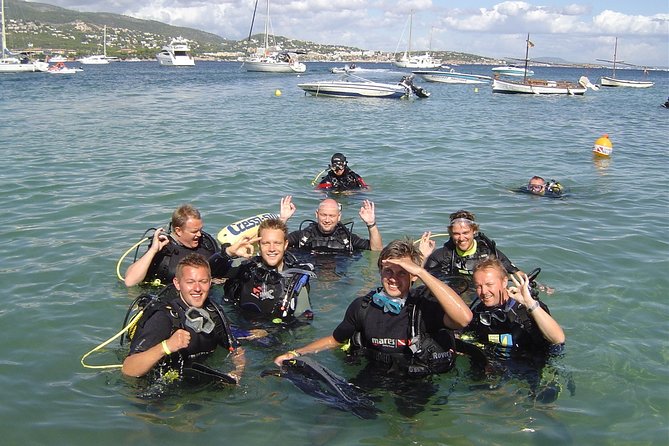
Once you are ready, you will move out from the beach for the main underwater portion. The stated depth is 2 to 3 meters, which is shallow enough to feel approachable while still giving you the sensation of being below the surface.
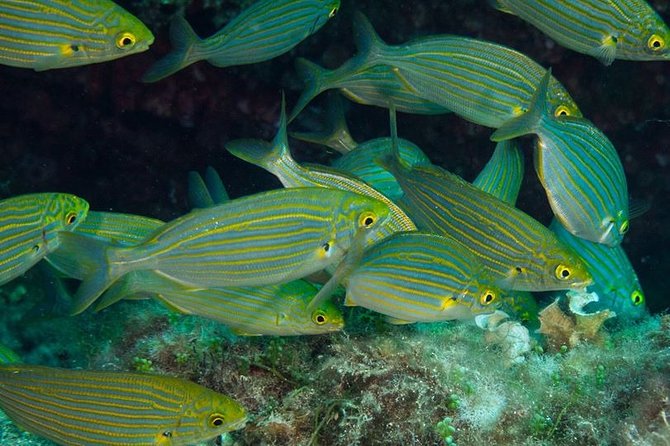
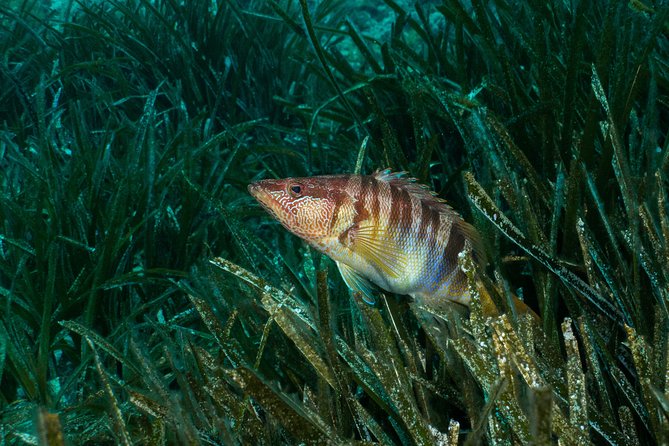
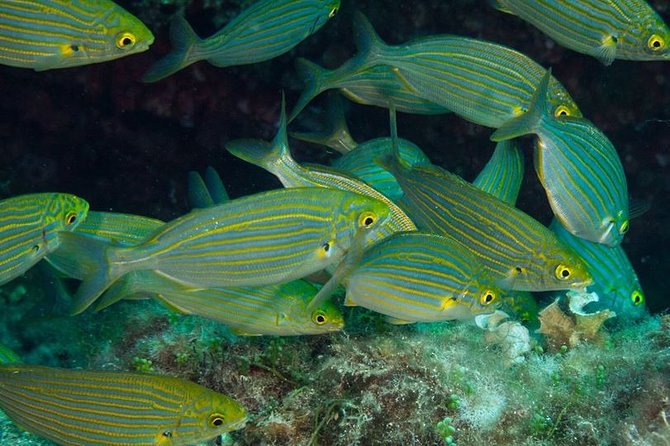
At this depth, the appeal is close-up observation rather than distance or dramatic scenery. You may see fish moving through the water, and one participant specifically described seeing both fish and an octopus. Marine life is never guaranteed, but the shallow coastal setting gives you a real chance to notice small creatures at close range.
The first underwater minutes can feel busy. You are managing your breathing, watching your instructor, adjusting your body position, and trying to look around at the same time. Expect the instructor to guide you closely rather than leave you to explore independently.
This is also where the two-hour limit becomes noticeable. The session includes theory, equipment preparation, shallow-water practice, and the final underwater experience. You will not spend two full hours below the surface.
One useful expectation: the water experience is more about confidence than technical achievement. If you finish able to breathe calmly, follow basic signals, and enjoy the sight of fish, the session has done its job.
What the reviews reveal about the instruction
The strongest pattern in the feedback is a sense of safety and personal attention. First-time participants describe the instructions as clear and the instructors as helpful, friendly, and reassuring.
That matters because fear is often the main barrier to a first scuba experience. A good instructor does not simply explain the equipment once and send you forward. The instructor needs to watch your breathing, notice when you are uncomfortable, and keep the pace manageable.
Tim is singled out by name for checking that a beginner was comfortable throughout the session. That kind of steady support is more useful than a flashy presentation. You want someone who pays attention to your signals, especially when you cannot speak underwater.
The feedback also includes one practical criticism: more time to take photographs in the scuba equipment before entering the water would have been welcome. If taking pictures matters to you, arrive ready and ask early. Underwater cameras are not included, and the activity does not promise a dedicated photo session.
You should also know that some participants wished the experience lasted longer. That is understandable, but it reflects the product’s purpose. This is a short introduction for beginners, not a long coastal outing.
Who should choose this beach-based session
This activity suits you if you are curious about scuba but do not want to begin with a formal certification course. It also works well for a holiday couple, a small family group, or a person who wants a controlled first attempt with an instructor nearby.
The minimum age is 10. Parents must provide authorization and sign for minors. Children still need general swimming skills and the ability to understand and follow instructions.
It is not suitable for non-swimmers, pregnant women, wheelchair users, or people with claustrophobia, vertigo, heart problems, high blood pressure, a cold, or other existing medical conditions listed by the operator. People over 65 are excluded from the standard suitability rules, while those over 60 or with medical restrictions must present a valid diving medical certificate.
The weight limit is 331 pounds, or 150 kilograms. These are not minor technical rules. Scuba puts unusual demands on breathing, movement, and comfort in the water, so be honest about your health before booking.
If you are unsure about a medical condition, get professional medical advice before reserving. The operator can ask for a valid medical certificate in some cases.
What the $130 price really covers
At $130 per person, the value comes from the equipment and supervision rather than the length of the underwater portion. You are paying for a certified instructor, rental equipment, insurance, a theory briefing, shallow-water practice, and the final beach session.
That can be a fair deal if you would otherwise need to rent a mask, regulator, buoyancy equipment, and other gear separately. It is also useful if you want to test how you feel underwater before paying for a multi-day qualification.
The value is weaker if you expect a long sightseeing trip or professional underwater photographs. Meals, accommodation, and underwater cameras are not included. The activity is short, and marine life sightings depend on conditions.
The private-group setup adds value for people who are anxious or need explanations in a particular language. It may be less important to confident swimmers who already know they want to take a certification course.
Free cancellation is available up to 24 hours before the start time, and you can reserve now and pay later. Bad weather may cause the session to be postponed. Check the available start times carefully, since the total duration is two hours but the exact schedule can vary.
Practical preparation for a smoother session
Wear beachwear and bring a towel. You should also bring strong sunscreen, since the beach portion includes time in the sun before and after the underwater session.
Eat a light meal in advance. A completely empty stomach is not ideal, but a large meal immediately before wearing scuba equipment can leave you uncomfortable.
Arrive prepared to listen rather than rush. The short theory and shallow-water exercises are not filler. They help you manage the equipment and stay calm once your feet leave the bottom.
Ask about photos before the session begins if you want a picture in the equipment. Underwater cameras are not provided, and the schedule may not leave much spare time for posing.
Plan your travel afterward with care. You must not fly for at least 24 hours after scuba activity because of health risks related to pressure changes. That rule can affect a same-day or next-day flight from Mallorca, so schedule this experience early enough in your trip.
What this experience does not provide
This session does not lead to a diving certificate. You will not finish with a qualification that allows you to rent equipment or join certified scuba outings on your own.
It also does not promise a particular marine animal, underwater camera package, meal, or accommodation. The main wildlife possibilities are fish and, if conditions cooperate, creatures such as octopus.
The shallow depth is both its strength and its limit. It makes the first attempt less intimidating, but it will not satisfy you if you already have scuba experience and want deeper water or a longer route.
Weather can also affect the schedule. In poor conditions, the operator may postpone the activity. That is sensible for a shore-based session, but it means you should avoid placing it immediately before an important departure.
Should you book the Mallorca beach scuba experience?
Book it if you want a calm first taste of scuba, value close instructor support, and are happy with a short session in shallow water. The beach entry, multilingual staff, complete equipment, and private-group format make it a practical choice for beginners.
I would especially recommend it to a confident swimmer who has always wondered what breathing underwater feels like. It is also a good fit for families with children aged 10 and up, provided the children meet the swimming and health requirements.
Skip it if you want certification, a long underwater route, guaranteed photography, or a full day on the water. Also skip it if your flight leaves within 24 hours, or if any of the health restrictions apply.
For the right person, $130 buys more than a quick swim. It buys a supervised first step into a new skill, with enough shallow-water practice to help you stay calm and enough marine life to make the experience memorable.
FAQ
How long does the Mallorca scuba experience last?
The activity lasts two hours, including the theory introduction, shallow-water practice, and the final underwater session from the beach.
How deep will I go?
The underwater session reaches a depth of approximately 2 to 3 meters.
Do I need previous scuba experience?
No. Previous experience is not required, but you must be in good health and have general swimming skills.
Is this a certification course?
No. This is an introductory experience and does not lead to a scuba certificate.
What is the minimum age?
You must be at least 10 years old. Minors need authorization and a parent’s signature.
What languages are available?
Instruction is available in English, German, Italian, French, and Spanish.
What should I bring?
Bring a towel, sunscreen, and beachwear. A light meal before the activity is recommended.
Can I fly after the session?
You must wait at least 24 hours after the scuba experience before flying.
Just added around Spain
- Puerto del Carmen: Try Scuba Diving for Beginners★ 4.9 · 83 reviews
- Puerto del Carmen: Snorkeling Trip with Dive Instructor★ 4.9 · 93 reviews
- Museo Atlantico: Diving Class for Non-Certified Divers★ 4.8 · 21 reviews
- Puerto del Carmen: Guided Scuba Dive (certified only)★ 4.8 · 6 reviews
- Puerto del Carmen: 2 Guided Scuba Dives (certified only)★ 5.0 · 3 reviews
- Puerto del Carmen: Try Scuba Diving from the beach★ 5.0 · 3 reviews
- Private Try Dive for 2 with our experienced Instructor★ 5.0 · 12 reviews
- Tossa de Mar: PADI Scuba Diver Certification Course★ 5.0 · 2 reviews
Discover Scuba Diving, compared.
Half-Day Scuba Diving Tour – Discover Scuba Diving!
Read our review →
2 Days Discover Scuba Diving in Nusa Lembongan – Scuba Initiation
Read our review →Lists this dive appears in