
REVIEW · SPAIN
Barcelona: PADI Scuba Diver Course Certification Training
Barcelona offers a quick route into PADI Scuba Diver certification: one full day, a morning theory class, and three practical sessions with an instructor. The course is designed for beginners, so you are not expected to arrive with underwater experience or your own equipment.
I like the small group of no more than six people, which gives the instructor room to repeat a skill or slow the pace. I also like the calm teaching style reported from instructors such as Pau and Alex, especially for anyone who feels nervous about breathing underwater.
The main drawback is the local water itself. Visibility can be poor, and there may not be much marine life to see at the training site. This is best viewed as a certification day first and a scenic underwater outing second.
Key points to know before booking
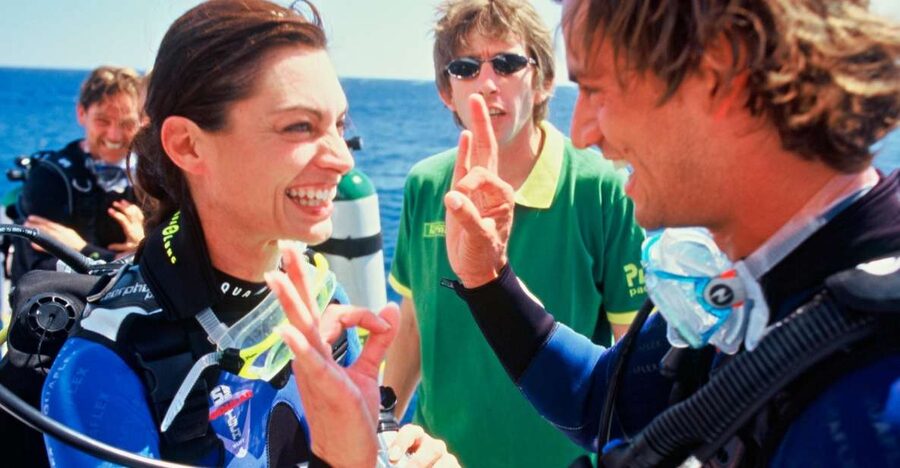
- Three practical sessions in one day: You practise the skills from class under the watch of a PADI instructor.
- Patient instruction matters: Pau has been praised for clear English explanations and for never rushing people.
- Small groups help beginners: The maximum group size is six participants.
- Equipment is included: You do not need to bring your own scuba gear.
- Plan around your flight: You must wait 24 hours after the course before flying.
- Bring your own food: Lunch, drinks, photos, and video are not included.
A full day that turns classroom lessons into underwater practice
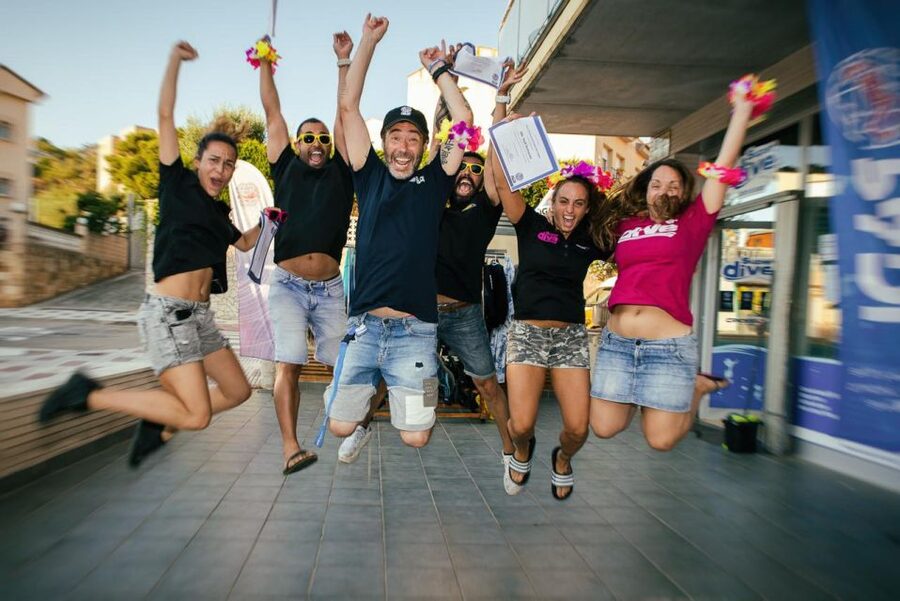
The course begins at 9:00am at the iDive BCN office on Avinguda Diagonal, 72. You should arrive 15 minutes early. That early arrival is not a minor suggestion: anyone who arrives after the start time cannot participate, and late arrival does not qualify for a refund or a new appointment.
The morning starts with theory. You learn how the equipment works, how to communicate underwater, and how to behave safely in a controlled setting. This part may feel less exciting than getting into the water, but it is the section that gives the rest of the day structure.
For a first-time participant, the equipment lesson is especially useful. Underwater communication is different from ordinary conversation, so learning the basic signals before entering the water helps you feel less lost. You also get a chance to understand the gear before you are asked to use it.
The instructors speak Spanish, English, and Italian. That language range can make a real difference when safety instructions need to be understood exactly. Pau, in particular, has been praised for explaining material clearly in English and for repeating points without making anyone feel hurried.
After the theory, you travel to the water point for three separate practical sessions. The supplied information does not give a detailed list of the exact skills in each session, so you should expect practice based on the morning lesson rather than a sightseeing cruise with a fixed list of underwater stops.
The useful feature here is repetition. You hear the safety rules, then practise them under supervision. If something does not feel natural at first, the instructor can explain it again and give you another chance to try.
The day finishes around 7:00pm. That makes this a serious full-day commitment, not a casual two-hour activity you can squeeze between visits to the Sagrada Família and the beach. You will need enough energy for a long day and should avoid packing another demanding tour afterward.
More dive courses in Spain:
- Barcelona: PADI Discover Scuba Diving
★ 4.7 · 1,016 reviews - Tossa de Mar: PADI Discovery Scuba Diving in Costa Brava
★ 4.7 · 392 reviews - Try Dive – PADI Discover Scuba Diving in Tenerife
★ 5.0 · 214 reviews
What the three sessions are really for
The three underwater sessions are the heart of the course. You are not simply taken into the water for a quick look around. The purpose is to apply the safety and equipment lessons from class while a PADI instructor supervises you.
That format suits people who learn by doing. I often find technical instruction easier to remember once my hands and body are involved, and scuba training depends on that kind of practice. The instructor can see where you need help and can adjust the explanation to your pace.
A small group is important here. With up to six participants, the instructor still has to divide attention, but the setting is less crowded than a large introductory class. Alex, another instructor praised for creating a safe and comfortable atmosphere, was also flexible about planning around weather and individual needs.
You should keep your expectations realistic. The course material refers to three sessions, but it does not promise a particular reef, a set number of fish, or crystal-clear water. One participant found the visibility poor and the site lacking in things to see, while still finding the staff friendly and the overall experience worthwhile.
That is a useful distinction. You are paying for instruction and certification, not for a guaranteed wildlife encounter. The water conditions may change, and the company cannot fully control visibility. If your main goal is colourful marine scenery, this may not satisfy you. If your goal is to learn the basics in Barcelona, the conditions are less important than the quality of the teaching and supervision.
Certification value at $312
The price is $312 per person. At first glance, that is a sizable amount for one day, but the package includes the diving equipment and PADI certification. It also includes a full morning of instruction and three supervised practical sessions.
I would judge the value by comparing it with what you actually want from the day. If you want to leave Barcelona with a formal PADI qualification and the confidence to continue underwater activities elsewhere, the price covers the two items that would otherwise be easy to overlook: gear and certification.
The value is weaker if you mainly want a brief introduction to the sea. You spend from 9:00am until about 7:00pm on the course, and lunch and drinks are not included. Add the cost of food, local transport to the water point if needed, and the time taken from your Barcelona itinerary.
Photos and video are also extra. That matters because many first-time participants like to have a record of the experience. You should not assume an instructor or staff member will provide underwater images as part of the package.
The best reason to book is the qualification itself. The course lets you complete the required training in a compact format, with the practical work handled in one day. The best reason to hesitate is the setting: underwater visibility may be disappointing, and the day is long for an activity that may not offer much scenery.
The instructors can make or break the day
The strongest part of this course is the teaching approach. Pau has been described as kind, patient, and very clear in English. The important detail is not just that he speaks English, but that he takes time to check understanding and repeats explanations without adding pressure.
That style is exactly what a beginner needs. Underwater equipment can feel unfamiliar, and nervousness can make a simple instruction hard to remember. A patient instructor lets you build confidence instead of treating uncertainty as a problem.
Alex has also been praised for keeping participants comfortable and safe while staying flexible about timing and weather. You cannot guarantee which instructor will lead your session, but the named examples give you a useful picture of the school’s approach.
The group limit of six supports that personal feel. It does not mean you receive private instruction, and you still share the day with other participants. It does mean the group is small enough for the instructor to notice when someone needs another explanation.
Language is another practical advantage. Spanish, English, and Italian are available. If safety information is clearest in one of those languages for you, that can remove one layer of stress from an already unfamiliar activity.
A few more dives around Spain worth comparing
- Tenerife: Your First Scuba Diving Experience in Turtle Area
★ 4.7 · 1,679 reviews - Mallorca: Discover Scuba Diving for Beginners
★ 4.7 · 805 reviews - Lanzarote Introductory Scuba Diving Experience
★ 5.0 · 766 reviews - Tenerife: Beginner’s Dive at a Spot with Turtle Sightings
★ 4.7 · 627 reviews
The water conditions need an honest warning
Barcelona is a convenient place to begin a scuba course, but convenience does not promise outstanding underwater scenery. The practical site used for training may have weak visibility, and there may not be much to see.
I would not book this experience expecting a wildlife spectacle. The water point is mainly a classroom without walls. Its value comes from giving you a controlled place to apply what you learned, not from delivering a dramatic marine setting.
Poor visibility can also affect your personal enjoyment. You may spend much of the session concentrating on equipment, signals, breathing, and instructor directions rather than looking around. For a beginner, that concentration is normal, but it means the experience may feel more like skills training than sightseeing.
The upside is that limited visibility can keep attention on the course itself. You are less likely to treat the session as a casual swim and more likely to focus on safe movement and communication. Still, the company would do well to set clear expectations about the site, and you should ask about current conditions if scenery matters to you.
Medical rules are strict for good reason
When you arrive, you complete a medical questionnaire. If your answers show that you need medical permission, you will not be allowed to take part.
The course requires you to be in good health and not taking medication prescribed by a doctor. The listed restrictions include children under 12, pregnant women, people over 70, and people with heart, respiratory, back, mobility, or diabetes-related issues. It also excludes people with pre-existing medical conditions or recent surgery.
These rules are not the place for guesswork. If any item applies to you, contact the provider before booking and ask for clarification. If you are refused on health grounds after arrival, the money is not returned and another appointment is not arranged.
Alcohol and drugs are not allowed. You should also plan carefully around air travel. You must wait at least 24 hours after the course before flying, so do not schedule this activity on the final day before a flight.
That flight restriction is easy to miss when planning a short Barcelona break. Put the course early enough in your trip to leave a full 24-hour gap afterward.
What to pack for a long training day
Bring swimwear, a towel, and beachwear. The course provides the diving equipment, so you do not need to carry your own mask, tank, or related gear.
You should also bring food and water or plan to buy them before the day begins. Lunch, food, and drinks are not included, and the activity lasts about ten hours. A hungry beginner is not an ideal candidate for patient, careful equipment work.
Leave room in your schedule for changing, transport to the water point, and the possibility that the day feels tiring. The information supplied does not specify the exact travel method from the office to the water, so you should confirm that practical detail when booking.
You may also want to bring a dry change of clothes, although only swimwear, a towel, and beachwear are specifically required. Photos and video are not included, so bring your own camera only if it is suitable for the setting and permitted by the staff.
Who will get the most from this course
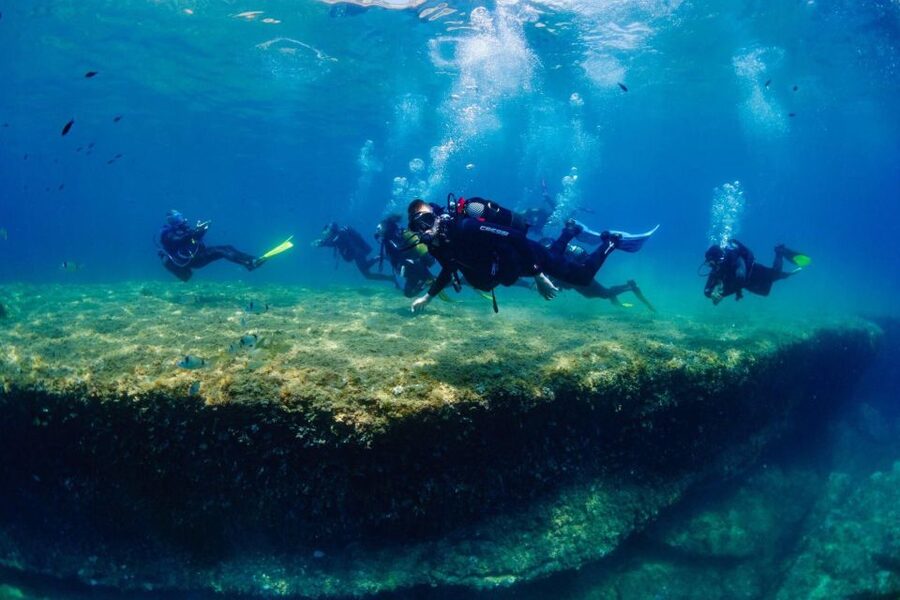
This course suits an adult beginner who wants a PADI certification in a single, structured day. It also suits someone who values patient instruction more than a polished sightseeing experience.
The small group helps if you are cautious, need explanations repeated, or feel uncertain about the equipment. The availability of Spanish, English, and Italian is useful for international participants who want safety instructions in a familiar language.
I would be more cautious if you have a packed Barcelona itinerary. The course takes the whole day, ends around 7:00pm, and may leave you too tired for evening plans. It is also a poor match if you want an underwater photo session, a guaranteed marine-life encounter, or a scenic water excursion.
Families should note the age limit. Children under 12 cannot take part, and the health restrictions are broad. Do not wait until arrival to disclose a concern, since a medical issue can lead to refusal without a refund.
The flexible cancellation policy is helpful if your plans are uncertain: you can cancel up to 24 hours before the activity for a full refund. You can also reserve and pay later, which protects your cash while you settle your Barcelona schedule.
Should you book the Barcelona PADI course?
Book it if you want a qualification, a small group, and a full day of supervised training with instructors who focus on calm communication. The equipment is included, and the three practical sessions give you a proper chance to practise rather than simply watch a demonstration.
Do not book it for the scenery alone. Visibility may be poor, and the training site may offer little marine life. You should also allow for food costs, skip flying for 24 hours afterward, and confirm that you meet the medical requirements before paying.
For the right person, $312 is a fair price for a compact certification day in Barcelona. Go in expecting focused instruction, not a glossy underwater spectacle, and the experience should make much more sense.
FAQ
Where does the course begin?
You meet at the iDive BCN offices at Avinguda Diagonal, 72, in Barcelona.
What time does the activity start and finish?
The course starts at 9:00am and finishes around 7:00pm. You should arrive 15 minutes before the start time.
How many underwater sessions are included?
The course includes three practical sessions with a PADI-certified instructor after the morning theory lesson.
Is diving equipment included?
Yes. Diving equipment and the PADI certification are included in the price. Photos, videos, food, and drinks are not included.
Can I fly after completing the course?
You must wait 24 hours after the course before flying.
Who cannot take part?
The activity is not suitable for children under 12, pregnant women, people over 70, wheelchair users, or people with back, mobility, heart, respiratory, diabetes, pre-existing medical, or recent surgery concerns. Anyone who needs medical permission based on the questionnaire cannot participate.
Just added around Spain
- Puerto del Carmen: Try Scuba Diving for Beginners★ 4.9 · 83 reviews
- Puerto del Carmen: Snorkeling Trip with Dive Instructor★ 4.9 · 93 reviews
- Museo Atlantico: Diving Class for Non-Certified Divers★ 4.8 · 21 reviews
- Puerto del Carmen: Guided Scuba Dive (certified only)★ 4.8 · 6 reviews
- Puerto del Carmen: 2 Guided Scuba Dives (certified only)★ 5.0 · 3 reviews
- Puerto del Carmen: Try Scuba Diving from the beach★ 5.0 · 3 reviews
- Private Try Dive for 2 with our experienced Instructor★ 5.0 · 12 reviews
- Tossa de Mar: PADI Scuba Diver Certification Course★ 5.0 · 2 reviews
Scuba Diving Courses, compared.
Open Water Course – Become certified diver in 3 days
Read our review →
Heraklion: Beginner Scuba Diving Lesson with PADI Instructor
Read our review →
Discover Scuba Diving with No Certification in St Thomas
Read our review →
Try Dive – PADI Discover Scuba Diving in Tenerife
Read our review →
Lists this dive appears in