
REVIEW · FRANCE
Beyond Bouillabaisse: Diving into Marseille’s Multicultural Stew
Marseille’s best food story is not limited to bouillabaisse. This five-and-a-half-hour walking tour follows the city’s migration routes through Algerian food, Provençal biscuits, spice stalls, market bites, tea, and a classic apéro at the Old Port. You get a useful introduction to the city through its kitchens, cafés, shops, and streets.
I like the small maximum group of seven, which makes conversation with guides such as Coco, Séverine, Chloé, and Alexis easy. I also like the generous food plan: two full meals, plus snacks and drinks, so you should arrive hungry. The main caution is focus. This is a tour of Marseille’s multicultural food culture, not a traditional French tasting menu, and some portions may be bread-based, vegetarian, or simple working-class fare.
Key points at a glance
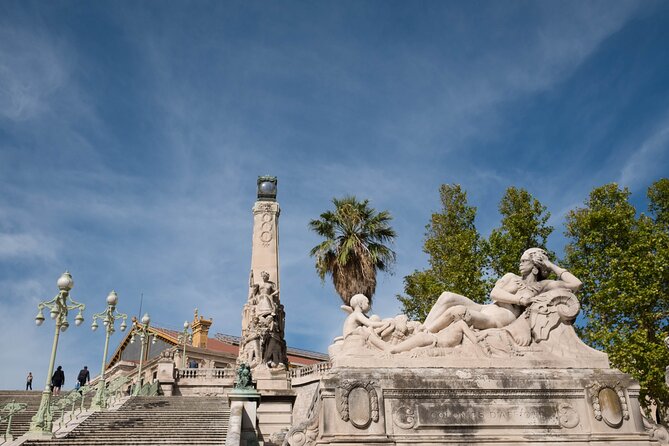
- Start with Marseille’s migrant story: The tour begins at Saint-Charles station with an Algerian delicacy and context about the people who shaped the city.
- Eat your way through Noailles: The market quarter brings spices, produce, tea, and food traditions from several parts of the world.
- Expect a full day of food: Two meals are included, along with pastries, coffee, biscuits, tastings, and an apéro.
- Small groups matter: With no more than seven people, your guide can answer questions and adjust the pace or food choices.
- End at the Old Port: The walk finishes at Marseille’s harbor, not back at the station.
- Book early: The experience is often reserved about 51 days ahead, and it requires a minimum number of participants.
Marseille on a plate, from Saint-Charles to the harbor
This is a food walk, but it is also a practical orientation to central Marseille. You begin at Place des Marseillaises beside Gare de Marseille Saint-Charles and finish at the Vieux-Port. Along the way, the route connects the station, Saint-Vincent de Paul church, La Canebière, Noailles, and the harbor.
That route gives the day a clear shape. You start with arrival and migration, move into cafés and markets, then finish with the city’s maritime identity. The food provides the thread, while the guide explains how different communities have affected Marseille’s shops, streets, and eating habits.
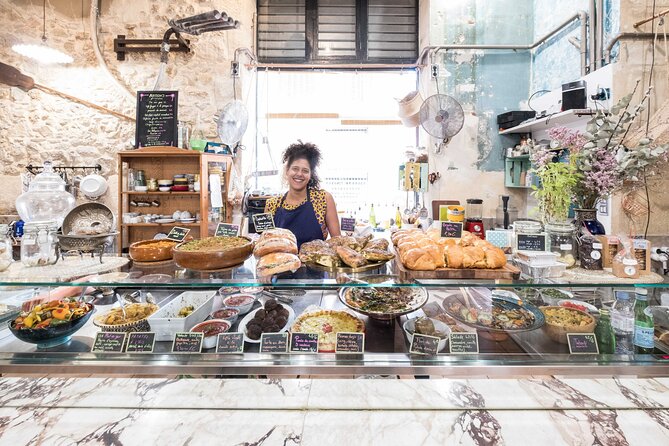
You should not expect a polished restaurant crawl in which every stop feels designed for tourists. The appeal is the opposite. You visit places that are easy to pass without understanding, including small food shops, cafés, bakeries, spice sellers, and neighborhood bars. Your guide’s relationships with local owners are part of the experience.
The group limit of seven is important here. In a crowded market or narrow shop, a large group would slow everything down. With a small party, you can ask about an unfamiliar ingredient, linger over tea, or discuss where to eat later in your stay.
A few more dives around the world worth comparing
- Great Barrier Reef Snorkeling and Diving Cruise from Cairns
★ 4.5 · 3,714 reviews - First-Time Scuba Diving in Honolulu + Free Videos
★ 5.0 · 3,123 reviews - Oahu Shark Dive
★ 5.0 · 2,903 reviews
Saint-Charles station and the first taste of Marseille
The meeting point at Place des Marseillaises is convenient if you arrive by train or are staying near the station. The first hour introduces Marseille as a port city shaped by movement, trade, and immigration. Food is used to make that story concrete, beginning with an Algerian specialty.
This opening helps set expectations. The tour is not built around classic French dishes alone. It presents Marseille as a city where North African, Provençal, Mediterranean, and other food customs meet in everyday life.
If you arrive by cruise ship, allow extra time for transport. One cruise passenger had a poor taxi experience and was dropped far from the meeting point, then needed another taxi. The tour itself worked out well, but the lesson is simple: confirm the exact meeting address and do not rely on vague directions from the port.
You may also get coffee and pastries early in the walk. Several people found the food so plentiful that skipping breakfast made sense. That is useful advice, since this is not a tasting tour built around a few tiny samples.
Saint-Vincent de Paul and the Provençal café stop
The second stop brings you to Église Saint-Vincent de Paul, a large Gothic church near the station and La Canebière. The visit lasts about 30 minutes and adds architecture and local history to the food route.
After the church, you stop at a classic café for Provençal biscuits. This is a pleasant change of pace after the first tasting and gives you time to sit, drink coffee or tea, and talk with your guide and the rest of the group.
That breathing room is one of the tour’s strengths. You are not marched from one counter to the next. The day includes walking, sitting, eating, and conversation. Guides have been praised for making the experience feel relaxed and personal, especially Coco and Séverine.
Keep in mind that the food can be substantial even at this early stage. Coffee, croissants, pastries, biscuits, and other tastings add up quickly. If you have a small appetite, tell your guide early so you can pace yourself.
La Canebière, spices, and the everyday city
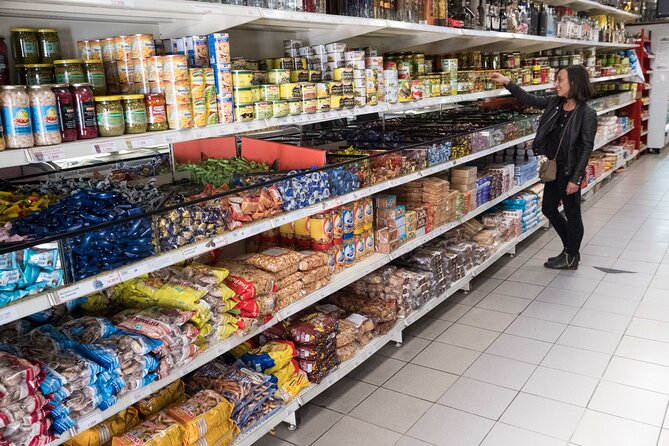
La Canebière is Marseille’s famous boulevard, and the tour uses it as a route into the city’s food trade. You visit a colorful spice shop and a market, with time to examine products that may be unfamiliar if your usual French food experience centers on cheese, wine, and pastries.
The spice stop is more than a shopping opportunity. It shows how ordinary shops reflect Marseille’s connections with North Africa and the wider Mediterranean. You may see ingredients, seasonings, and food customs that explain why the city’s cuisine cannot be reduced to one regional tradition.
The market portion also gives you a useful look at daily shopping. You might find fresh produce, dried goods, sweets, herbs, or items linked to immigrant communities. The exact tastings can vary, so you should think of this as a guided exploration rather than a fixed menu.
Some of the food is simple. One person found the meal more working-class than refined, while still enjoying the social side of the experience. That is a fair description. The point is local character and cultural connection, not Michelin-style presentation.
Same water, a completely different day underwater:
- Silfra: Diving Between Tectonic Plates – Meet on Location
★ 5.0 · 2,139 reviews - Ocean Freedom Great Barrier Reef Luxury Snorkel and Dive Cruise
★ 5.0 · 1,895 reviews - Beginner Scuba Diving with Turtles and Videos, San Juan
★ 5.0 · 1,743 reviews - Tenerife: Your First Scuba Diving Experience in Turtle Area
★ 4.7 · 1,679 reviews
Noailles, the belly of Marseille
The one-hour walk through Marché de Noailles is likely the heart of the tour. This neighborhood is often called the belly of Marseille, and the name fits its dense mix of food stalls, grocers, cafés, and small shops.
Here you can expect strong aromas, bright displays, and products from several food traditions. The tour may include fruits, flowers, tea, spices, breads, sweets, and savory bites. One especially memorable stop for some visitors has been mint tea in a side shop, a small experience that captures the pleasure of letting a local guide lead you somewhere you might not choose alone.
Noailles also provides the clearest explanation of Marseille’s multicultural identity. Your guide can connect food to migration, neighborhood change, festivals, and the arrival of new cooks and shopkeepers. Chloé has been especially praised for explaining how the city’s communities shaped its character, while Coco has shared information about food events and celebrations.
Do not expect a long formal restaurant meal at every stop. Most of the day is spent moving through shops and casual places. One negative experience centered on too many breads and vegetarian items, not enough seafood or meat, and too little sit-down dining. If you want a seafood-heavy tour or a sequence of table-service restaurants, this may not be the right match.
The Old Port and Marseille’s essential apéro
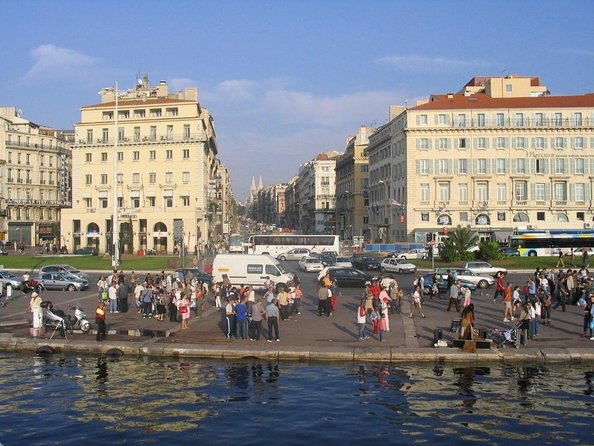
The final stop is the Vieux-Port, where the tour ends after about an hour. Your guide explains the history of the harbor and then takes you for an apéro in a former sailors’ bar.
An apéro is more than a drink before dinner. It is a social pause, and it gives the day a natural ending. After hours of walking and tasting, sitting with a drink helps you sort through the flavors, neighborhoods, and stories you have encountered.
The Old Port finish is convenient for the rest of your day. You can continue along the waterfront, find dinner nearby, or return to a cruise ship by taxi. The tour does not return to the Saint-Charles meeting point, so plan around the final location.
For cruise passengers, the ending can work well, but leave time for the trip back to the ship. One couple used taxis at both ends and paid about 50 euros total. That figure came from their particular day, so treat it as an example rather than a fixed transport cost.
How much food do you actually get?
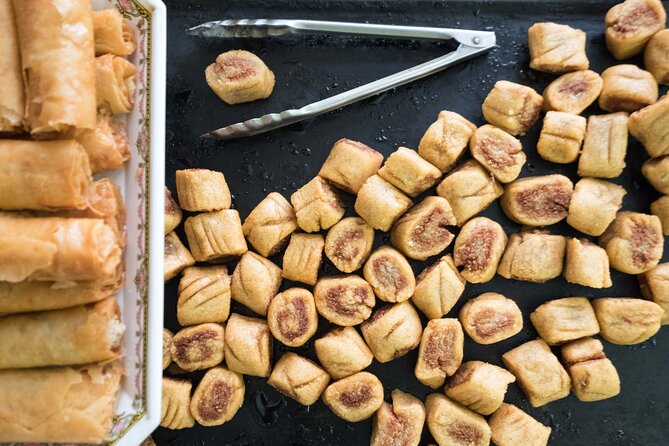
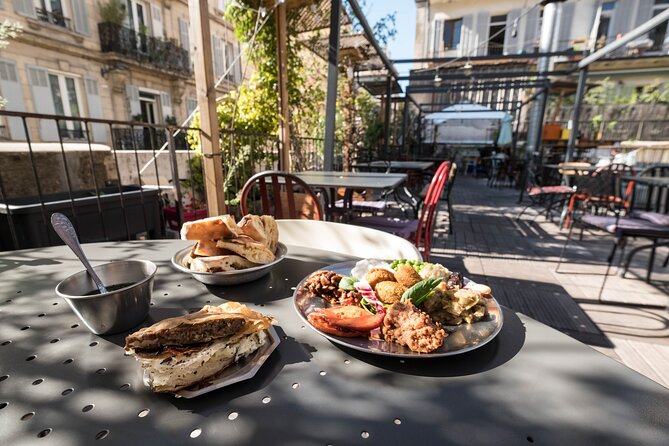
The advertised plan includes two full meals. In practice, you should expect far more than two stops with food. Coffee and pastries may come early, followed by biscuits, market tastes, shop samples, tea, savory items, and the final apéro.
This is why the advice to skip breakfast comes up repeatedly. You are likely to leave with a full stomach, and the amount of walking helps balance the day. Still, people with dietary limits or strong preferences should explain them when booking or at the start.
The food selection appears to favor variety over luxury. You may try fish, wine, cheese, fruits, flowers, breads, sweets, spices, and dishes connected to several immigrant communities. Traditional French food is present, but it shares the stage with Algerian, North African, Mediterranean, and other influences.
That mix is the tour’s main idea. It also explains the occasional mismatch in expectations. If you booked this hoping for bouillabaisse, oysters, and classic Provençal dishes from start to finish, you may find the route less traditional than expected. If you want to understand what people actually eat across Marseille’s neighborhoods, the range makes more sense.
The guides shape the day
The tour uses several guides, including Coco, Séverine, Chloé, and Alexis. The strongest experiences have centered on guides who combine food knowledge with stories about buildings, neighborhoods, migration, and daily life.
Coco is described as warm and easy to spend a day with. She explains both the city and its food, and she has been especially helpful with restaurant ideas for later in a visit. Séverine brings strong personal connections with the places on the route and has adjusted the experience to suit the group.
Chloé is a good fit if you want more explanation of Marseille’s social and cultural changes. Alexis has also been praised for making the food and non-food parts of the day work together. You cannot normally choose your guide, but the small group allows each guide to shape the conversation.
The social side matters, too. With only a few people, you may end up sharing a table or walking with the same group for most of the day. Several people found the atmosphere friendly, and one family felt the group became a circle of friends by the end.
Price, pace, and practical value
At $160 per person, this is not a cheap snack walk. The price makes more sense if you count the five-and-a-half-hour duration, two full meals, drinks, tastings, and the value of a local guide who knows where to go.
You are also paying for access to places you might not find through a standard sightseeing route. The tour gives you a ready-made introduction to Noailles, La Canebière, and food businesses that could be difficult to identify on your own. It also saves you from guessing which unfamiliar shops are worth entering.
The value is weaker if you mainly want expensive ingredients, formal dining, or large portions of seafood. One critical experience judged the food value poorly and felt the group received basic items rather than enough restaurant dining. That view is worth taking seriously, even though the overall rating is 5 out of 5 from 193 reviews and 98 percent of people recommend the experience.
The pace is active but broken up by food and sitting stops. Wear comfortable shoes. The route covers several central neighborhoods, and one person specifically advised visitors to prepare for a lot of walking. Rain may affect the experience, although Séverine has been praised for adjusting the route when the weather turned wet.
Who should book this Marseille food walk?
I would recommend it to first-time visitors who want to understand Marseille quickly. It works especially well on your first day because your guide can suggest restaurants, cafés, markets, and neighborhoods for the rest of your stay.
It also suits cruise passengers with a full day in port, provided you allow time for taxis and do not assume the ship is close to the meeting point. Families with adult children, couples, solo visitors, and small groups can all fit the format.
You should think twice if you want a traditional French food tour, a seafood-focused menu, or a polished restaurant experience. The food can be casual, generous, and sometimes bread-heavy. The reward is cultural range, local contact, and a better understanding of Marseille beyond its postcard sights.
The tour is offered in English, uses a mobile ticket, and most people can participate. Service animals are allowed, and the route is near public transportation. You receive confirmation within 48 hours, subject to availability. Free cancellation is available up to 24 hours before the start, while poor weather or an unmet minimum group size can lead to a new date or a full refund.
Should you book Beyond Bouillabaisse?
Book it if you want Marseille explained through food rather than simply shown from a bus or viewpoint. The small group, generous tastings, strong guides, and finish at the Old Port make it a useful first look at the city.
Go in expecting multicultural, casual food, not a greatest-hits tour of French cuisine. Arrive hungry, wear good shoes, confirm the meeting point, and save room for an apéro. If that sounds like your kind of day, $160 buys more than lunch. It buys context, local contacts, and a practical map of where Marseille eats.
FAQ
Where does the tour start?
It starts at Place des Marseillaises, beside Gare de Marseille Saint-Charles in Marseille.
Where does the tour end?
It ends at the Old Port of Marseille, also called the Vieux-Port. It does not return to the original meeting point.
How long does the experience last?
The tour lasts approximately 5 hours and 30 minutes.
How large is the group?
The maximum group size is seven people.
Is food included?
Yes. The experience includes two full meals along with several additional tastings and drinks during the walk.
What happens if the weather is poor?
The experience requires good weather. If it is canceled because of poor weather, you will be offered another date or a full refund.
Just added around the world
- Punta Cana: Reef Diving Adventure Explore Underwater Wonders★ 5.0 · 5 reviews
- Phuket: Try SCUBA DIVING Full Day Experience 2 Dives★ 5.0 · 9 reviews
- Punta Cana: Scubadoo Ocean Exploration Diving Adventure★ 4.1 · 70 reviews
- Punta Cana: Guided Power Dive Adventure★ 4.8 · 3 reviews
- Punta Cana: Scuba Doo Underwater Scooter Adventure★ 5.0 · 2 reviews
- Punta Cana: Discover Scuba Diving Experience for Beginners★ 4.4 · 2 reviews
- Puerto Morelos: Scuba Diving for Beginners – 2 Dives★ 5.0 · 5 reviews
- Punta Cana: Dive the Coral Paradise of Catalina Island★ 4.2 · 5 reviews
Scuba Diving in France, compared.

Calvi: Introduction to Diving Dive with an Instructor
Read our review →
Fréjus: Diving Experience in Port-Fréjus with an Instructor
Read our review →
Porto-Vecchio: beginner diving in the Cerbicale Islands in the reserve
Read our review →
First Scuba Diving Experience in Calvi (From 8 yo)
Read our review →
Nice : VIP sea tour with snorkeling & discover scuba
Read our review →
Calvi/Lumio : Introductory scuba dive with an instructor
Read our review →
Lists this dive appears in