
REVIEW · CAPE TOWN
Cape Town: Shark Science SCUBA Diving Experience
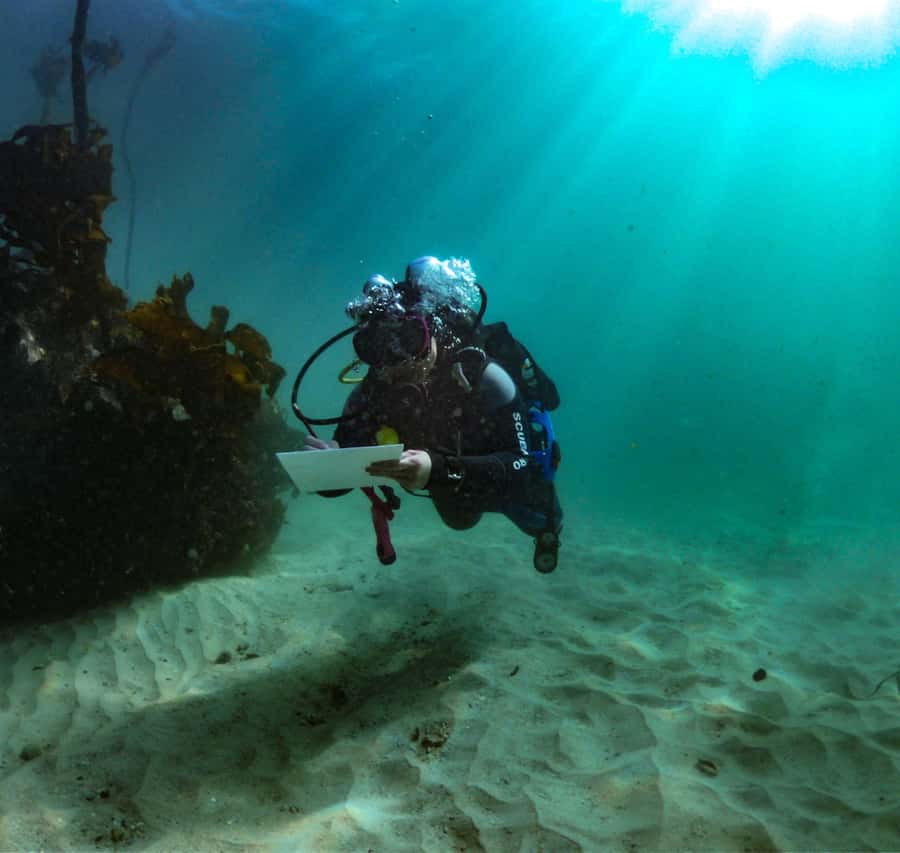
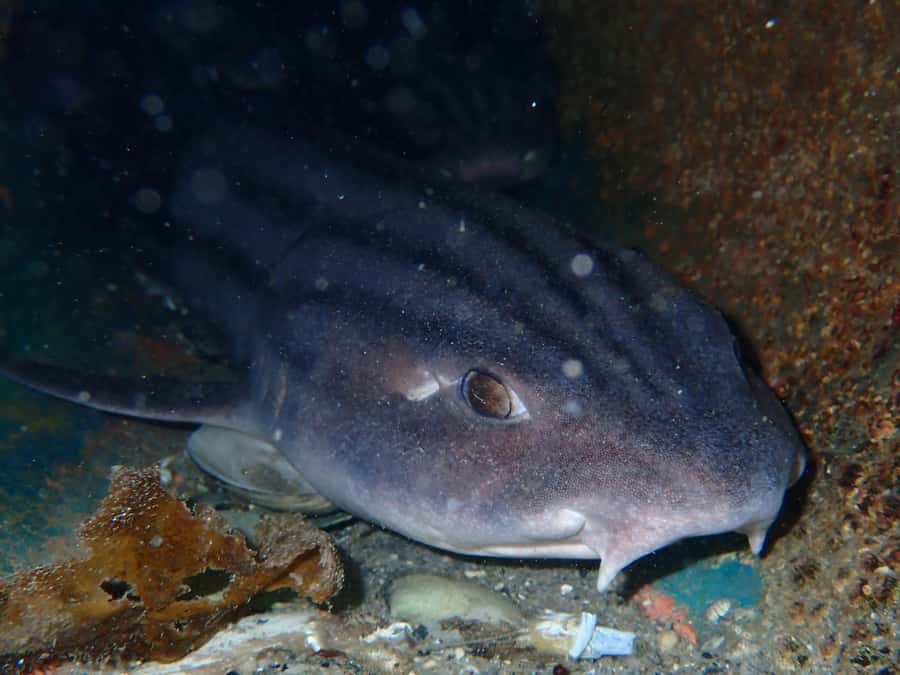
The most unusual part of this SCUBA experience is that you are not simply looking at marine life. You help record it. In Simon’s Town, Cape RADD takes you into False Bay’s kelp forests to search for puffadder sharks, pyjama sharks, rays, fish, and octopus while collecting information for conservation.
I like the direct contact with marine biologists, and I like the chance to photograph shark patterns for Fin Spotter. The small group, limited to 10 people, should also give you useful attention before entering the water. The main caution is that the experience depends on what the sea chooses to show you, and one past participant felt rushed afterward and never received promised photos.
Key points to know before booking
- Citizen science, not just sightseeing: You may photograph shark markings or record fish numbers on an underwater slate.
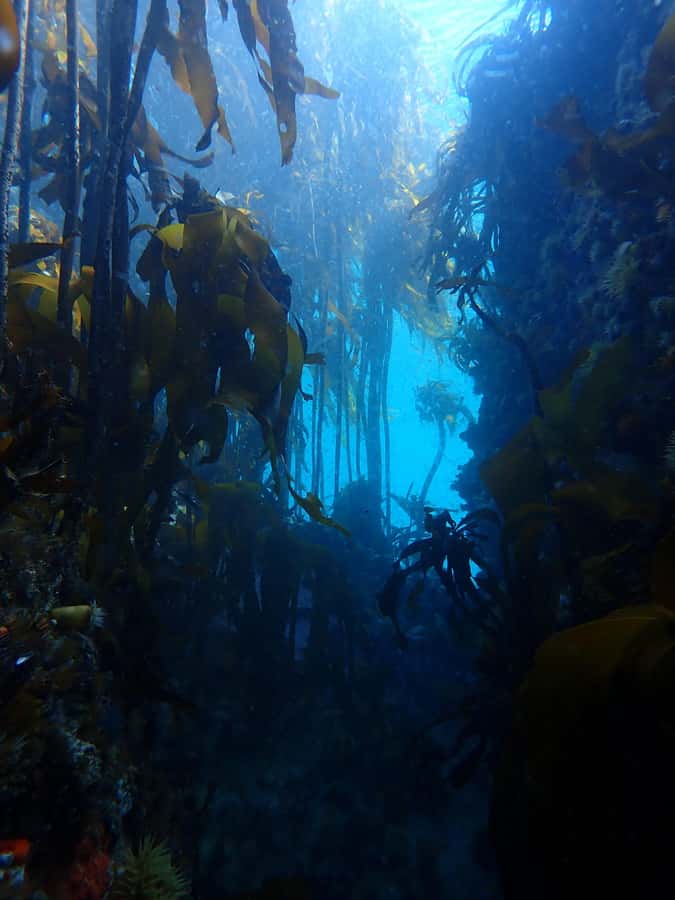
- Simon’s Town kelp forests: Most of the time is spent among South Africa’s sea bamboo kelp in False Bay.
- Small groups: A maximum of 10 participants allows more personal help with equipment and questions.
- Certified swimmers only: You must already hold an open-water SCUBA qualification and be comfortable in the sea.
- A short morning outing: The activity begins around 9:30 a.m. and usually finishes between 12:30 and 1 p.m.
- Wildlife is never guaranteed: Penguins, sea otters, sharks, rays, and octopus are possible sightings, not promises.
What makes this Simon’s Town outing different
Most marine wildlife trips ask you to watch. This one asks you to pay attention in a more useful way. Under the guidance of Cape RADD’s marine biologists, you may help gather information on False Bay’s marine life. That can mean photographing the individual pattern of a shark or recording fish abundance on an underwater slate.
The setting is the Great African Sea Forest, a name used for the kelp ecosystems along South Africa’s coast. The kelp is not just scenery. It provides shelter and feeding areas for many species, and it gives the outing its particular character. You may find yourself moving through swaying sea bamboo, looking carefully into darker spaces rather than scanning an open blue-water scene.
I like this approach because it gives your time underwater a clear purpose. You are still there for the excitement of seeing a shark or ray, but you are also learning how marine scientists build a picture of animal populations and movement. The work is simple enough for a visiting SCUBA diver to understand, yet meaningful enough to make the outing feel different from a standard sightseeing session.
More Scuba Diving in Cape Town
- Shark Cage Diving and Viewing with transport from Cape Town
★ 4.5 · 576 reviews - Cape Town: Gansbaai Eco-Friendly Shark Cage Diving Cruise
★ 4.6 · 326 reviews - From Hermanus: Cruise with Shark Cage Dive and Lunch
★ 4.4 · 184 reviews
Meeting Cape RADD at the False Bay Yacht Club
The meeting point is in the parking area of the False Bay Yacht Club, under the Seven Seas Club building. The supplied address is 117 St George’s Street, so I would confirm the exact meeting instructions before setting out. Cape RADD uses your email address or phone number to send updates, and this is important because the meeting details or timing can change.
Plan to arrive for about 9:30 a.m. You will want enough time to find the parking area, change into swimwear, and get settled without hurrying. Transport to the meeting point is not included, so you need to make your own way there.
The group size is limited to 10. That is a useful number for an activity involving equipment, safety checks, and marine observations. It is not a private outing, but it should feel more manageable than a large boat-based group. One participant had a solo session and appreciated the one-to-one attention. That is not something you should count on, but it shows that the group may sometimes be smaller than the stated limit.
The 20-minute briefing: kelp, sharks, and safety
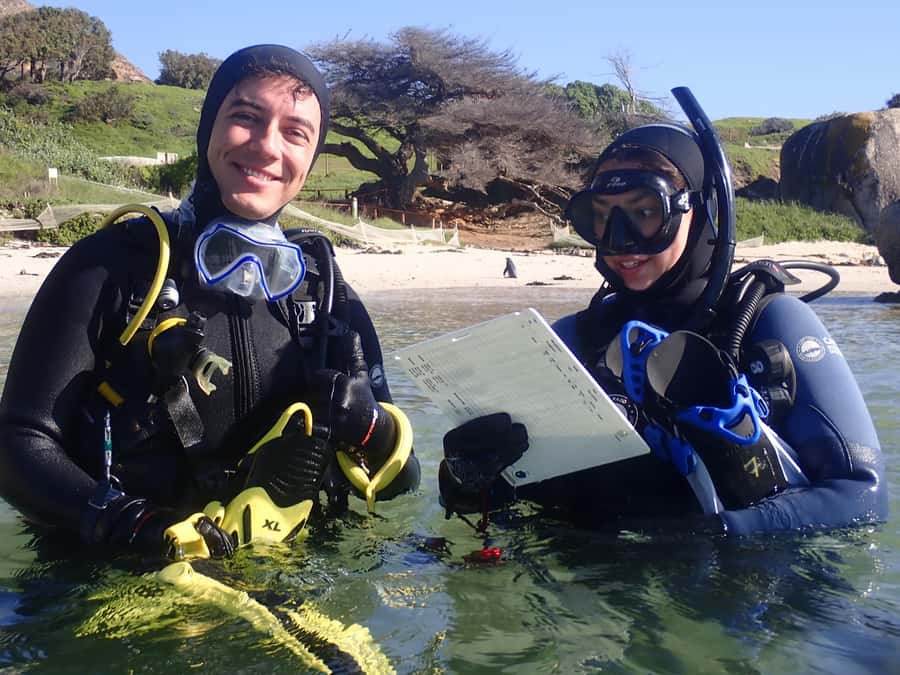
The morning begins with a short briefing and complimentary tea or coffee. This is where you learn about False Bay’s ecosystem and the purpose of the day’s work. The staff also explain the specific objective for the underwater session, which may focus on shark photographs or fish abundance data.
The safety portion matters. You are not being handed equipment and sent straight into the water. One participant specifically praised guide Mark for checking the equipment carefully and making sure the buddy check was completed. That is exactly the kind of practical care you want before a shore entry.
The briefing is also your chance to ask how the data collection will work. If you are assigned shark photography, ask how the images should be framed and submitted to Fin Spotter. If the focus is fish counts, ask how the slate is organized and what species or numbers you should record. A few clear questions here can make the underwater work much easier.
The listed schedule calls this portion a 20-minute safety briefing. The wider description also refers to an ecosystem talk and a discussion of shark science, so expect a compact introduction rather than a classroom lecture. Tea and coffee are provided, but bring water and a snack for afterward.
Entering the kelp forests near Simon’s Town
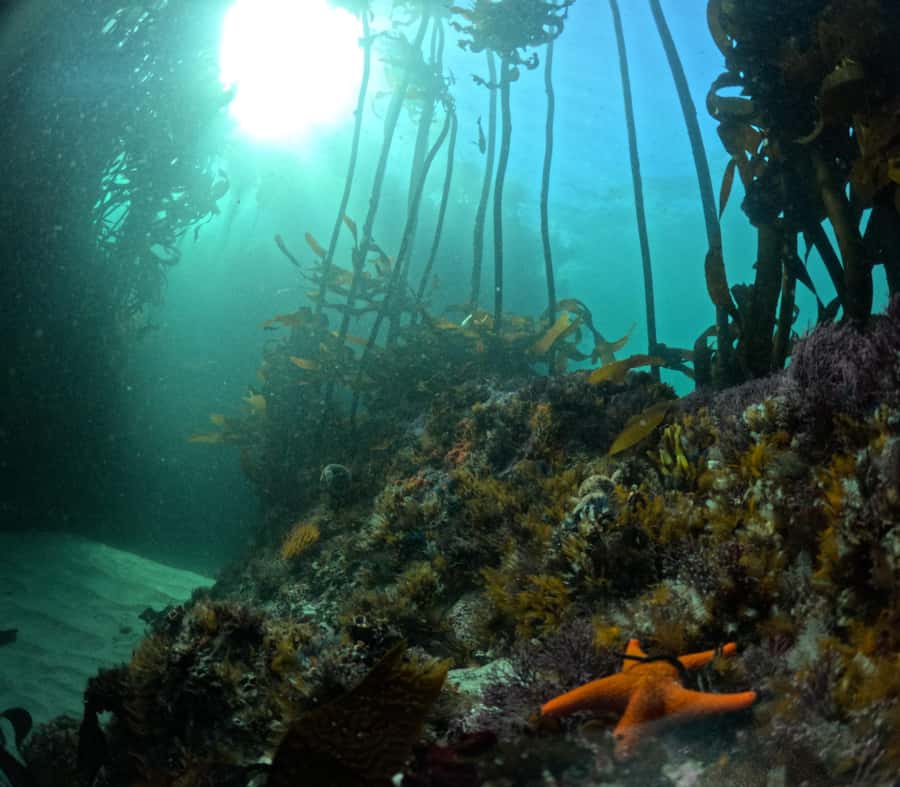
The main activity takes place at predetermined sites near Simon’s Town. The description identifies this as a guided shore-entry SCUBA outing, while the schedule also refers to one hour of snorkeling. That wording is worth clarifying when you book, particularly if you are expecting a fully tank-based session from start to finish.
The water is the main event. Instead of an open seafloor, you will be looking through and around kelp forests. The sea bamboo moves with the water, and the plants can make the setting feel busy and three-dimensional. You need to stay aware of your buddy, your guide, and the assigned task while also watching for animals.
Possible sightings include puffadder sharks, pyjama sharks, stingrays, sea breams, octopus, penguins, and sea otters. These are wild animals, so sightings are never guaranteed. The experience is best suited to someone who enjoys patient searching. You may spend time studying the kelp and rocky spaces before anything catches your eye.
The rules are simple but important: do not touch marine life or plants. That protects the animals and keeps you from damaging the kelp. It also reinforces the point of the outing. You are entering an active ecosystem as an observer and data collector, not as someone looking for a hands-on encounter.
More shark dives out of Cape Town:
- CapeTown: Shark Cage Diving Experience with Scuba
★ 4.5 · 146 reviews - Shark Cage Diving Cape Town
★ 4.5 · 114 reviews - Cape Town: Shark Cage Dive
★ 4.7 · 46 reviews - Cape Town: Shark Cage Diving with Snacks and Soft Drinks
★ 5.0 · 21 reviews
Turning shark photographs into useful data
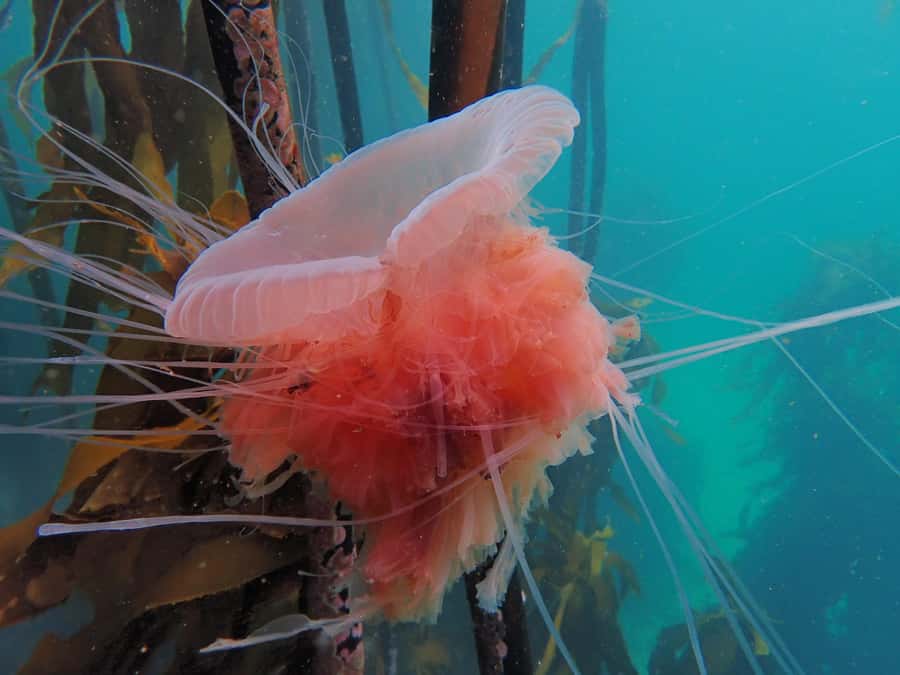
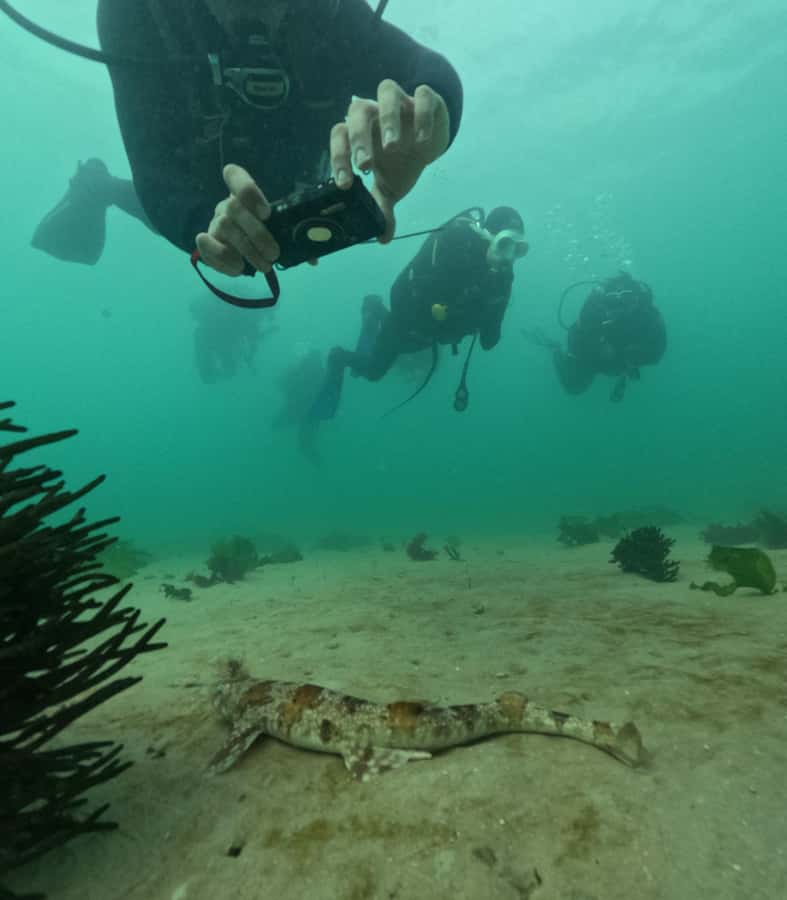
If sharks appear, your guide may ask you to photograph their patterns and submit the images to Fin Spotter. Individual markings can help researchers estimate population size and follow movement patterns. You do not need to be a professional photographer, but you do need to follow the instructions carefully.
This is one of the strongest reasons to choose this outing instead of a standard wildlife session. A photograph becomes more than a souvenir. It can help distinguish one animal from another and add to a wider record of shark sightings.
Still, keep your expectations sensible. The provided information does not promise that you will photograph a shark, and underwater conditions may make images difficult. If you want the best chance of producing useful pictures, listen closely to the briefing and ask what the guide wants included in the frame.
You should also manage expectations about receiving photographs afterward. One participant was told that photos would be emailed but did not receive them despite follow-up messages. I would treat your own camera or phone housing as the reliable way to keep personal images, and I would not book this solely on the hope of receiving a finished photo set later.
Recording fish abundance on an underwater slate
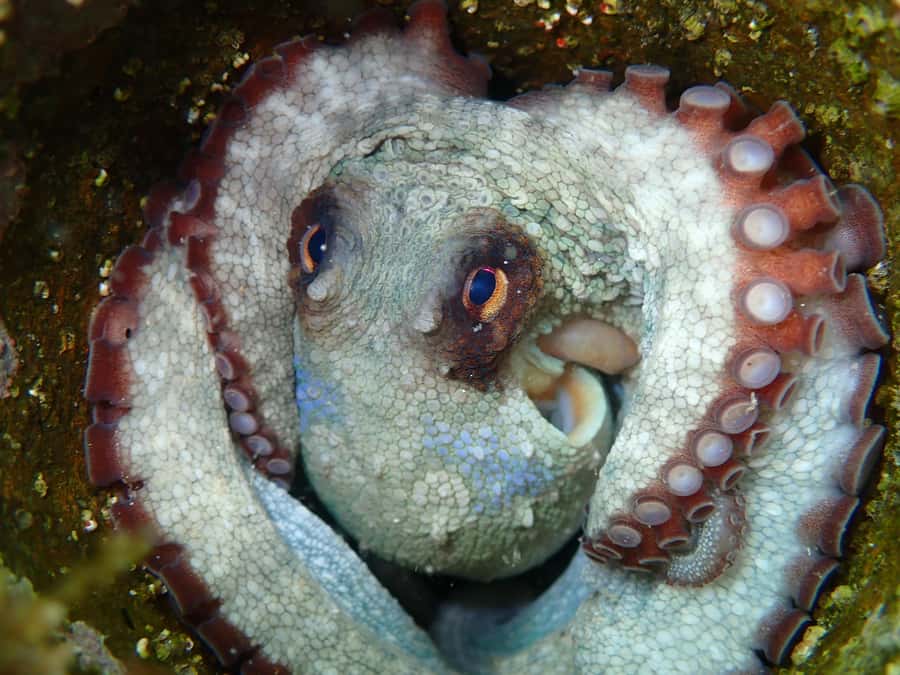
The other possible task is recording fish abundance. You may use an underwater data slate to note the fish you see and how many appear in the selected area. This is less immediately dramatic than spotting a shark, but it can be a good way to notice species that you might otherwise swim past.
The data also gives your time underwater a useful structure. Rather than rushing from one sighting to the next, you look carefully, identify what is present, and record it. That suits people who enjoy natural history and observation.
You will not know in advance which task you receive. The guide sets the objective based on the day’s plan and conditions. If you are more interested in shark photography than fish counts, say so, but be prepared to take part in the work assigned to your group.
A warm drink, equipment rinse, and data entry
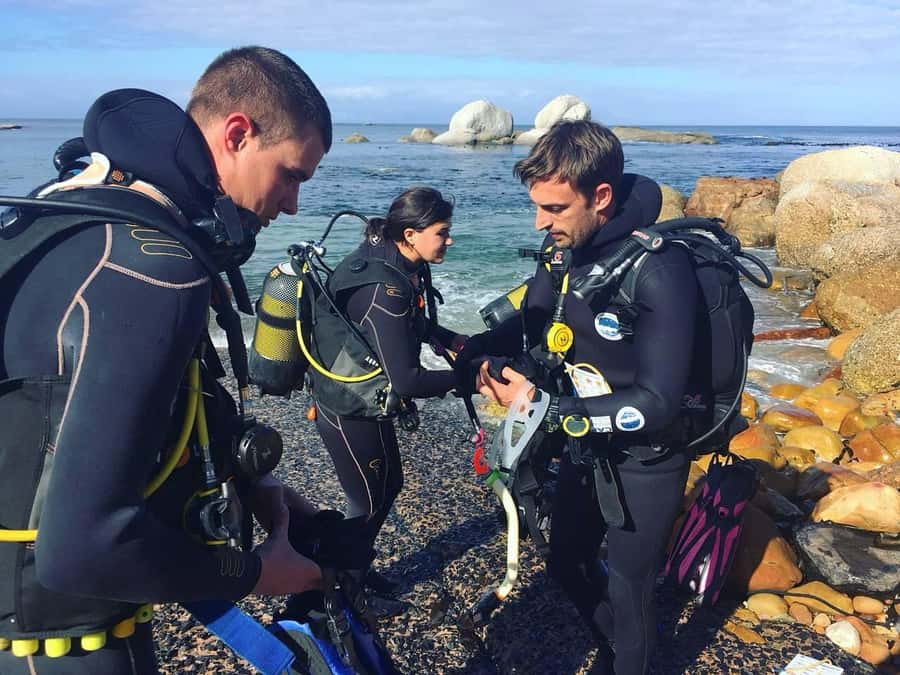
After returning to Cape RADD headquarters, you can rinse off in a heated outdoor shower. A warm beverage gives you a chance to get comfortable before discussing what you saw and recording the results.
The data is then entered into the database. This closing step is easy to overlook, but it completes the citizen science side of the activity. You are not simply collecting information and walking away. The goal is to place the observations into a system where they can contribute to future conservation work.
The schedule allows about 15 minutes for coffee and places the finish around 12:30 to 1 p.m. That timing works well if you want lunch afterward or plan to combine this with another Simon’s Town activity. The morning is compact, though, so do not expect a full-day expedition.
What the $178 price includes
At $178 per person, this is not a cheap casual swim. The value depends on what you want from a marine outing. You are paying for a guided SCUBA session, all diving equipment, a marine ecosystem briefing, access to Cape RADD’s staff, and the chance to contribute data rather than simply view wildlife.
The price makes more sense if you already care about sharks, kelp forests, and conservation. The scientific purpose gives the activity more substance than a basic underwater sightseeing trip. It also saves you from arranging equipment separately.
The value is weaker if you mainly want a guaranteed shark encounter, a long session in the water, or a package of professional photographs. Wildlife is uncertain, the outing lasts only about three to three and a half hours, and personal photos are not something I would assume will arrive later.
Lunch and transport are not included. You also need your own open-water SCUBA certification. Those costs and requirements should be part of your calculation before booking.
Who will enjoy this most
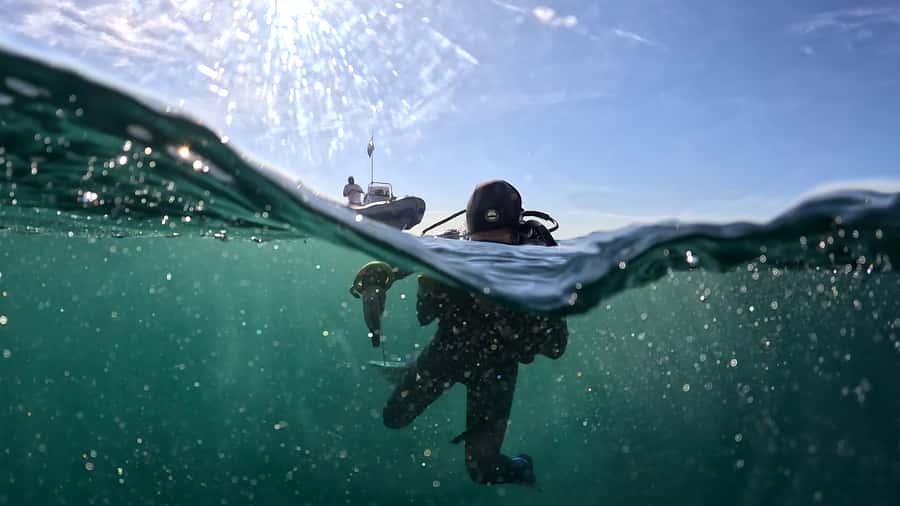
I would choose this for a certified SCUBA participant who likes marine life and does not mind a little work during a wildlife outing. It suits people who want to understand the kelp ecosystem, learn from marine biologists, and leave with the feeling that their observations had a purpose.
It is also a good fit for photographers who already know how to handle a camera underwater. The Fin Spotter project gives your shark images a clear use, provided you have the right equipment and follow the guide’s instructions.
This is not suitable for non-swimmers or people without certification. It is also not recommended for children under 10, wheelchair users, or people with back or heart problems. The provider specifically says not to touch animals or plants, so anyone seeking a hands-on wildlife encounter should choose something else.
English is the stated language. The activity is physically demanding enough that you should be comfortable with a shore entry, SCUBA equipment, and time in the sea.
Practical preparation for the morning
Bring swimwear, a towel, sunscreen, a hat, water, and snacks. I would also arrive with your certification details available and a charged camera if you want to photograph marine life.
Wear enough sun protection for time around the water, even if the session itself takes place below the surface. The supplied information does not list lunch, so plan to eat after the activity or bring something small for afterward.
Ask about the exact water activity during the briefing because the schedule uses the word snorkeling while the main description focuses on SCUBA. Also ask about the photo process if shark images are collected. These two questions can prevent confusion and help you understand what you are actually being asked to do.
The provider allows free cancellation up to 24 hours before the start and offers reserve-now, pay-later booking. Those policies are useful if your Cape Town plans are still shifting, but they do not change the need to confirm the meeting point and physical requirements.
Should you book the Cape RADD experience?
Book it if you want a small-group marine outing with a conservation purpose and you already hold an open-water SCUBA qualification. The best parts are the kelp forest setting, the chance to work with marine biologists, the careful equipment checks praised by one participant, and the option to submit shark pattern photographs or fish data.
Think twice if you need guaranteed sharks, a long underwater session, or dependable follow-up photos. The marine life is wild, the schedule is short, and one participant had problems receiving promised images and felt hurried at the end.
For the right person, the $178 price buys more than a look at False Bay. It gives you a practical introduction to the Great African Sea Forest and a chance to help document what lives there. Go with realistic expectations, ask clear questions at the start, and you will get the most from this unusual Simon’s Town morning.
FAQ
Do I need a SCUBA certification?
Yes. You must be a qualified open-water SCUBA diver. The activity is not suitable for non-swimmers or people without certification.
Where does the activity meet?
Meet at the parking lot of the False Bay Yacht Club, under the Seven Seas Club building. The supplied address is 117 St George’s Street, so confirm the exact meeting instructions before arrival.
How long does the experience last?
The activity lasts about three to three and a half hours. It begins at about 9:30 a.m. and usually finishes between 12:30 and 1 p.m.
What animals might I see?
Possible sightings include puffadder sharks, pyjama sharks, stingrays, sea breams, octopus, penguins, and sea otters. Sightings are not guaranteed.
Is diving equipment included?
Yes. All diving gear and a guided SCUBA session with marine biologists are included. Your SCUBA certification, transport, and lunch are not included.
What should I bring?
Bring a hat, swimwear, towel, snacks, sunscreen, and water. You should also bring a camera if you want to photograph sharks, but the information does not guarantee that photos will be sent to you afterward.
Just added around Cape Town
- From Cape Town: 2-Day Garden Route Safari with Shark Diving★ 5.0 · 2 reviews
- From Cape Town: Shark Cage Diving and Penguin Tour★ 3.9 · 15 reviews
- From Cape Town: Gans Bay Shark Cage Diving★ 5.0 · 2 reviews
- Cape Town: Shark Cage Diving with Snacks and Soft Drinks★ 5.0 · 21 reviews
- Cape Town: Shark Cage Diving Tour (with Breakfast & Lunch)★ 4.8 · 5 reviews
- Exhilarating Shark Cage Diving Experience in Cape Town★ 4.3 · 2 reviews
- Cape Town: Shark Cage Dive★ 4.7 · 46 reviews
- Cape Town: Discover Scuba Diving – 1 day experience★ 5.0 · 5 reviews
Shark Diving, compared.
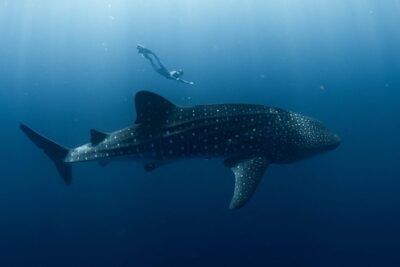
Swim with Whale Sharks in the Ningaloo Reef: 3 Island Shark Dive
Read our review →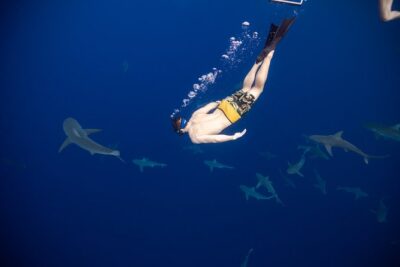
Safe and Educational Shark Dive from Haleiwa: Sharks Guaranteed
Read our review →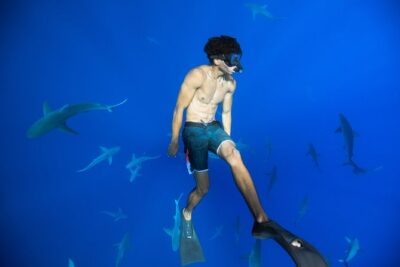
Dive with Sharks in Hawaii: Shark Tour from Haleiwa
Read our review →
Cape Town: Gansbaai Eco-Friendly Shark Cage Diving Cruise
Read our review →
Half-Day White Shark Cage Diving from Gansbaai
Read our review →Lists this dive appears in