
REVIEW · SPAIN
La Palma: Basic Diver Certification with 2 Atlantic Dives
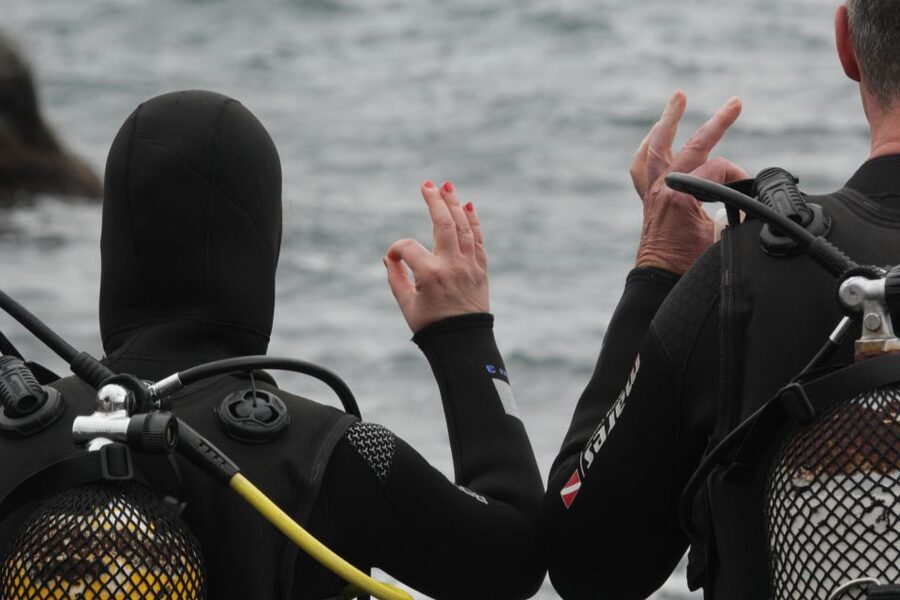
La Palma’s Playa Malpique gives you a gentle first look at the Atlantic below the surface, with shallow practice, calm instruction, and a second descent reaching up to 12 meters. You learn at a sensible pace rather than being rushed into the deep end.
I like the three-person maximum, which gives your instructor room to watch every new swimmer closely. I also like that the session leads to an SSI Basic Diver certification that can count toward Open Water training. The main consideration is that you must be comfortable in the water and medically fit for scuba, and the certification is not the same as a full Open Water license.
Key points at a glance
- Two Atlantic descents at Playa Malpique: Begin in very shallow water, then continue to a maximum of 12 meters if you feel ready.
- A real first certification: The SSI Basic Diver card permits additional descents to 12 meters for six months and may count toward Open Water Diver training.
- Patient, multilingual instruction: Teaching is available in English, Spanish, and German, with instructors such as Diana, Daniel, Veronika, and Sebastian.
- Tiny groups: With only three participants, you get close supervision while learning to breathe and manage scuba equipment.
- A useful surface break: Water and cookies are provided between descents, giving you time to rest and hear the next briefing.
- A six-hour commitment: This is a substantial half-day activity, not a quick tryout squeezed between beach plans.
A careful first step into Atlantic scuba
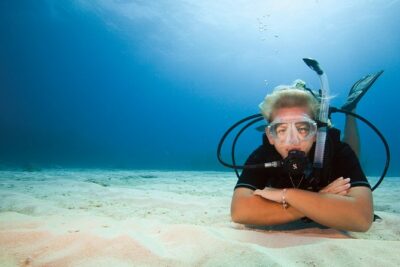
This experience is built for someone who wants more than a short underwater introduction but is not yet ready for a full Open Water course. Over about six hours, you learn the essential equipment and safety skills, practice close to shore, and complete two descents in the Atlantic.
The location is Playa Malpique, described as one of La Palma’s most emblematic spots for this activity. The exact marine life can change with conditions, but the area may offer sightings of fish, moray eels, starfish, and other underwater life. The point is not simply to get wet. You are learning the basic habits that make future scuba outings safer and more comfortable.
I see the format as a good middle ground. A brief tryout can leave you curious but unqualified. A full Open Water course takes longer and demands a bigger commitment. This session gives you a proper taste of the sport and a recognized first step, without pretending that one day makes you fully independent underwater.
More dive courses in Spain:
- Barcelona: PADI Discover Scuba Diving
★ 4.7 · 1,016 reviews - Tossa de Mar: PADI Discovery Scuba Diving in Costa Brava
★ 4.7 · 392 reviews - Try Dive – PADI Discover Scuba Diving in Tenerife
★ 5.0 · 214 reviews
Your first session: equipment, breathing, and shallow practice
The day begins with an introduction to the scuba equipment. You learn what each part does and how to handle it before heading into deeper water. That early explanation matters, since unfamiliar equipment can feel awkward even for a confident swimmer.
The first entry stays very shallow. This is where you get used to breathing through the regulator and to the unusual feeling of being below the surface. Your instructor demonstrates basic skills and gives you time to practice them rather than expecting instant confidence.
That pace is one of the strongest features of the experience. First-time scuba participants often need a few minutes to settle their breathing and body position. Here, you can work on handling the gear in shallow water before going on a longer underwater tour.
The instructor then guides you around the shallow area. You still get a full underwater outing, but without the pressure of reaching the maximum depth. If you are nervous, this first stage lets you find your rhythm. If you are comfortable, it prepares you for the next stage.
Diana has received especially strong praise for explaining each step clearly and helping new participants feel safe. Daniel is also described as patient. Veronika and Sebastian have been noted for their calm teaching style, including with young participants aged 11 and 16. Those details matter because the instructor can shape the whole day, especially when this is your first time breathing underwater.
The surface break makes the six-hour schedule manageable
After the first descent, you return to shore for a break. Water and cookies are provided at the site, and the instructor explains what comes next. This is a small but useful touch. You can catch your breath, ask questions, and think through any skill that felt difficult.
The break also prevents the activity from feeling like one long block of instruction. Six hours is a fair amount of time for a beginner session, but it includes equipment preparation, teaching, two descents, and rest. Plan to keep most of your day open rather than treating this as a quick morning appointment.
A fresh tank is prepared for the second outing. Before entering the water again, you practice more skills and review the next part of the session. You are not simply repeating the first route. The second stage asks you to use what you have learned with greater confidence.
Bring beachwear. The provided equipment covers the scuba gear, and insurance is included, but the practical clothing you need to arrive in is not listed as supplied. You may also want to keep the rest of your day light, since new scuba participants can feel tired after several hours of concentration and physical activity.
The second descent reaches 12 meters, but you choose your comfort level
The second Atlantic outing is the point at which you can reach a maximum of 12 meters. That is deep enough to give you a real sense of recreational scuba, yet the instructor does not require you to go all the way down. You may remain shallower if that feels better.
This flexibility is important. Beginners do not all adjust at the same speed. Some will be ready to continue after the first practice session. Others may need to stay closer to the surface. A useful first lesson is learning to recognize your own comfort level, not forcing yourself to match somebody else.
At Playa Malpique, you might see fish, moray eels, starfish, and other Atlantic life. One account describes seeing all of these during two outings, even when the weather was not perfect. That gives you a realistic expectation: the marine life can be rewarding, but conditions remain part of the experience.
Do not book this expecting a guaranteed wildlife show. The strongest part of the session is the chance to learn in the sea while looking for marine life, not a promise of a particular animal. The Atlantic can be changeable, and underwater visibility or weather may affect what you see.
A few more dives around Spain worth comparing
- Tenerife: Your First Scuba Diving Experience in Turtle Area
★ 4.7 · 1,679 reviews - Mallorca: Discover Scuba Diving for Beginners
★ 4.7 · 805 reviews - Lanzarote Introductory Scuba Diving Experience
★ 5.0 · 766 reviews - Tenerife: Beginner’s Dive at a Spot with Turtle Sightings
★ 4.7 · 627 reviews
What the SSI Basic Diver card really gives you
After completing both outings and the required skills, you receive the SSI Basic Diver certification. This allows you to take more scuba outings to a maximum of 12 meters during the following six months.
That is useful if you plan to continue with the sport during your stay in La Palma or on another trip soon. You will not be starting from zero when you take the next course or arrange another supervised outing.
The certification can also count toward an Open Water Diver qualification. Read that carefully. It is a first step toward Open Water, not a replacement for the full Open Water course. You will still need further training before holding the broader qualification that lets you scuba more independently under the relevant rules.
I like this arrangement for curious beginners who want progress from a single day. You get a record of what you have learned, along with a reason to keep practicing. If you only want one casual underwater experience and have no interest in returning to scuba, the certification may be less valuable to you than the experience itself.
Why the three-person group matters
A group limit of three is a major advantage for a first session. Learning to breathe underwater, clear equipment, and respond to instructions is easier when the instructor can watch each person closely.
Small groups also reduce the chance that you will feel hurried. If you need another explanation or a little more shallow-water practice, the instructor has a better chance of giving you that attention. This is especially helpful for people who are excited but slightly uneasy about the first entry.
The tradeoff is simple: small groups can sell out, and the schedule may offer fewer choices than a large operation. The activity asks you to check available starting times, so flexibility helps. If you are traveling with more than three people, expect the group arrangement to matter when booking.
Instruction is available in German, Spanish, and English. That is useful for technical safety information, where understanding every instruction matters. The named instructors associated with the session include Diana, Daniel, Veronika, and Sebastian, though your assigned instructor depends on the day.
Who should book this La Palma experience?
This is best for a confident swimmer aged 10 or older who wants a first structured introduction to scuba. It suits couples, friends, or a parent with an older child, provided everyone meets the medical and swimming requirements.
The activity is not suitable for non-swimmers, children under 10, wheelchair users, or people with mobility impairments. It is also not suitable for people with heart problems, respiratory issues, epilepsy, a cold, or recent surgery.
On arrival, you must sign a medical clearance. If you are unsure about your fitness for scuba, ask your doctor before booking. This is not a box-ticking detail. Pressure, breathing equipment, and physical effort can make ordinary health concerns important underwater.
The session also requires you to listen, practice, and follow instructions. You do not need prior scuba experience, but you do need to be willing to learn the equipment and remain calm enough to communicate with your instructor.
Is $152 a fair price?
At $152 per person, the price is not the cheapest way to spend time near the sea. But you are paying for more than two short swims. The cost includes full scuba equipment, insurance, instruction, two Atlantic outings, water, cookies, and the SSI Basic Diver certification.
The small group changes the value calculation. With no more than three participants, the instruction should feel more personal than a large introductory class. That can be worth paying for when you are learning a skill where calm, clear supervision matters.
The certification also adds practical value if you intend to continue. It can count toward Open Water training and permits more outings to 12 meters for six months. If you will never scuba again, the certification has less financial importance, though you still receive a full instructional session and two sea experiences.
I would compare this price with the cost of a short tryout only if you are undecided about scuba. If you already know you want to continue, this format gives you a more useful start than a single shallow-water lesson.
Meeting point and simple preparation
The meeting point is behind the main road, at the location marked on Google Maps. Take a moment to check the map before the day, since the wording suggests that the site is not directly on the main road.
Bring beachwear and allow the full six hours. The exact start time depends on availability. Booking with a flexible schedule is sensible, especially if you are coordinating the session with weather or other plans on La Palma.
Free cancellation is available up to 24 hours before the activity for a full refund. You can also reserve now and pay later, which helps if you are building an itinerary before every detail is fixed.
The activity includes insurance, but that does not remove the need to answer the medical clearance honestly. If you have questions about a condition, sort them out with your doctor before arriving.
My call: a strong choice for a serious first attempt
I would book this if you want your first Atlantic scuba experience to include real instruction, a tiny group, and a certification that can lead toward Open Water. The shallow start, patient teaching, and option to remain above 12 meters make it friendly to beginners who want control over the pace.
I would skip it if you are not a swimmer, have a listed medical concern, dislike spending six hours on one activity, or only want a quick look beneath the surface. The price makes more sense when you value the certification and expect to continue scuba within six months.
For the right person, this is a sensible first step: calm instruction, two carefully managed outings, and a chance to see Playa Malpique’s fish, moray eels, and starfish without being pushed beyond your comfort level.
FAQ
How long does the La Palma scuba session last?
The experience lasts six hours, including instruction, equipment practice, two Atlantic outings, and the surface break between them.
How deep will I go?
The maximum depth is 12 meters. You do not have to go that deep if you prefer to remain shallower.
Do I need previous scuba experience?
No previous scuba experience is stated as necessary. The session begins with an equipment introduction, basic instruction, and shallow-water practice.
What certification will I receive?
You will receive the SSI Basic Diver certification. It allows additional outings to a maximum of 12 meters for six months and can count toward an Open Water Diver qualification.
What languages are available?
Instruction is available in German, Spanish, and English.
Is this activity suitable for children?
Children under 10 are not permitted. The information describes the activity as suitable for older children, including ages 11 and 16, when they meet the swimming and health requirements.
Just added around Spain
- Puerto del Carmen: Try Scuba Diving for Beginners★ 4.9 · 83 reviews
- Puerto del Carmen: Snorkeling Trip with Dive Instructor★ 4.9 · 93 reviews
- Museo Atlantico: Diving Class for Non-Certified Divers★ 4.8 · 21 reviews
- Puerto del Carmen: Guided Scuba Dive (certified only)★ 4.8 · 6 reviews
- Puerto del Carmen: 2 Guided Scuba Dives (certified only)★ 5.0 · 3 reviews
- Puerto del Carmen: Try Scuba Diving from the beach★ 5.0 · 3 reviews
- Private Try Dive for 2 with our experienced Instructor★ 5.0 · 12 reviews
- Tossa de Mar: PADI Scuba Diver Certification Course★ 5.0 · 2 reviews
Scuba Diving Courses, compared.
Open Water Course – Become certified diver in 3 days
Read our review →
Heraklion: Beginner Scuba Diving Lesson with PADI Instructor
Read our review →
Discover Scuba Diving with No Certification in St Thomas
Read our review →
Try Dive – PADI Discover Scuba Diving in Tenerife
Read our review →
Lists this dive appears in