
REVIEW · SPAIN
La Palma: SSI Try Scuba Program
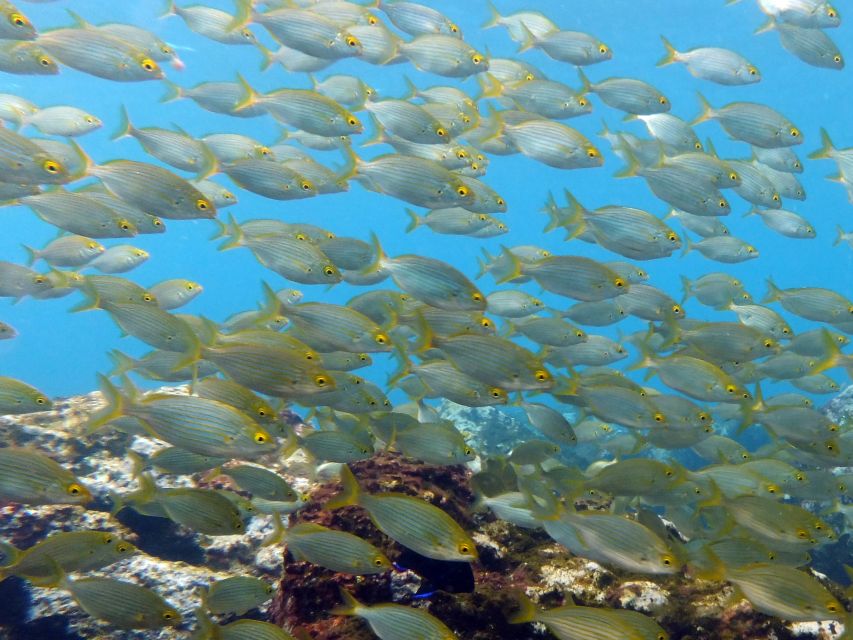
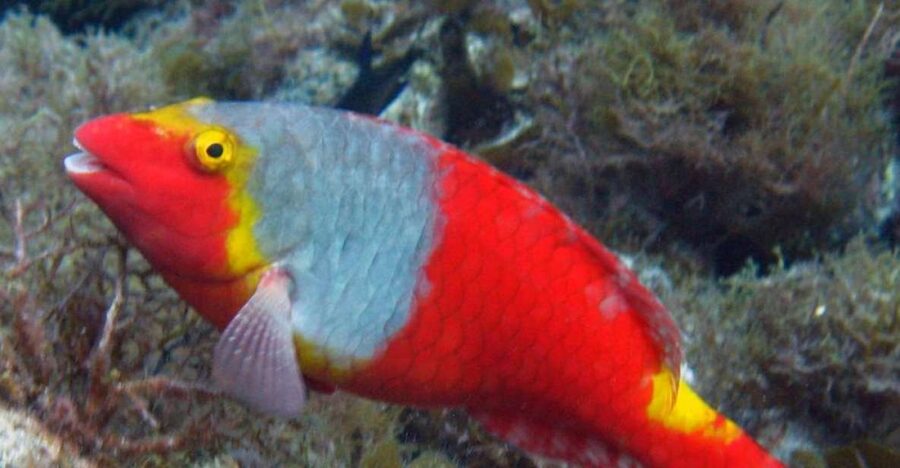
La Palma’s underwater world is the real star here. After a clear land-based lesson, you enter a protected bay, get comfortable breathing underwater, and watch for parrotfish, wrasse, octopi, morays, starfish, and trumpet fish. It is a gentle first step into scuba, not a rushed thrill ride.
I like the maximum group size of four, since a nervous beginner gets more room and attention. I also like the calm start in shallow, protected water, with simple exercises before you head farther out. The main consideration is firm: you must be a swimmer, at least 10, and medically fit to take part.
Key points to know before booking
- Three hours from lesson to sea: You learn how the equipment works on land before entering the water.
- Protected-bay setting: The first part takes place in calm water, giving you time to adjust to breathing underwater.
- Small groups of four: The instructor can keep a close eye on each participant.
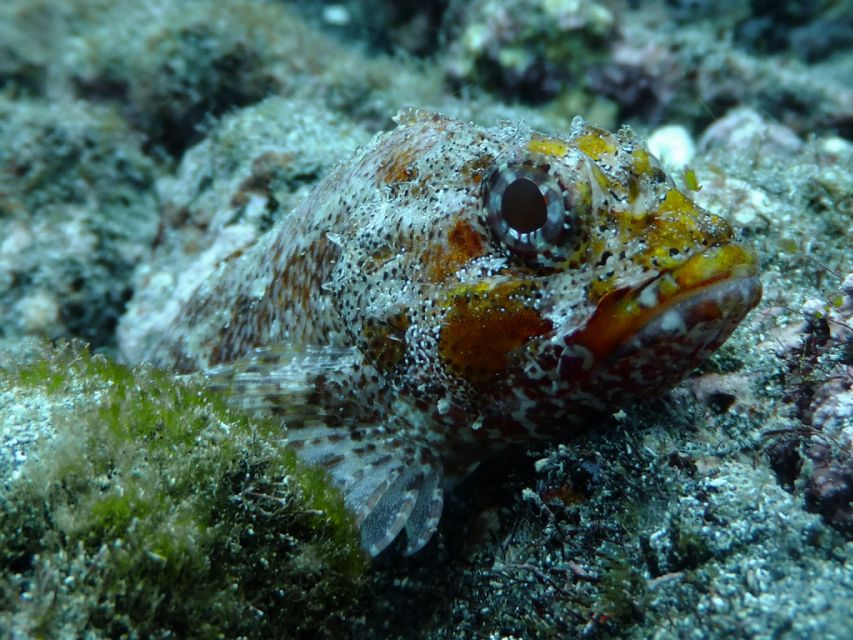
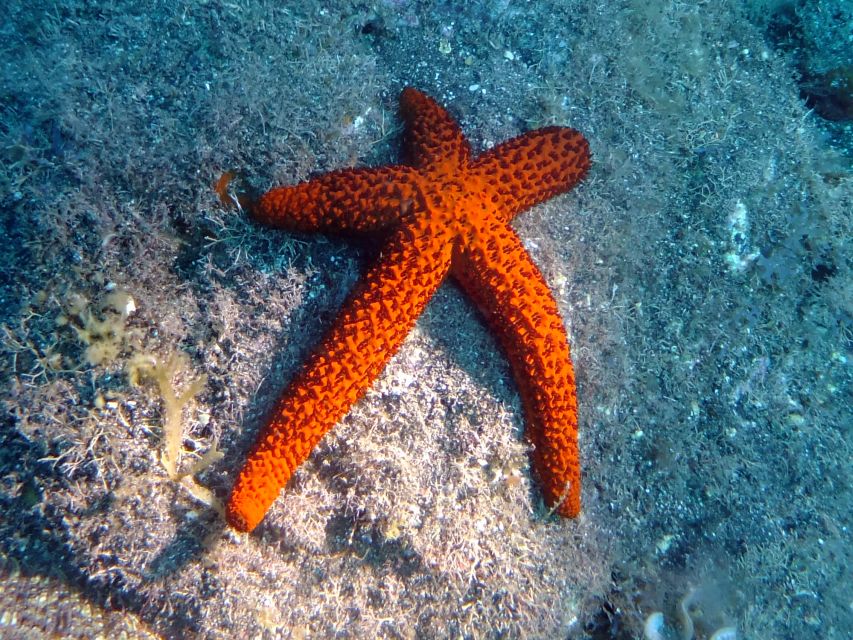
- Marine life to watch for: Parrotfish, wrasse, scorpion fish, starfish, trumpet fish, octopi, and morays may appear.
- Two meeting arrangements: The 10:00 session begins at the dive center, while the 13:00 session meets at the beach.
- Beginner-friendly, not swimmer-friendly: No previous scuba knowledge is needed, but non-swimmers cannot join.
Your first steps with scuba equipment
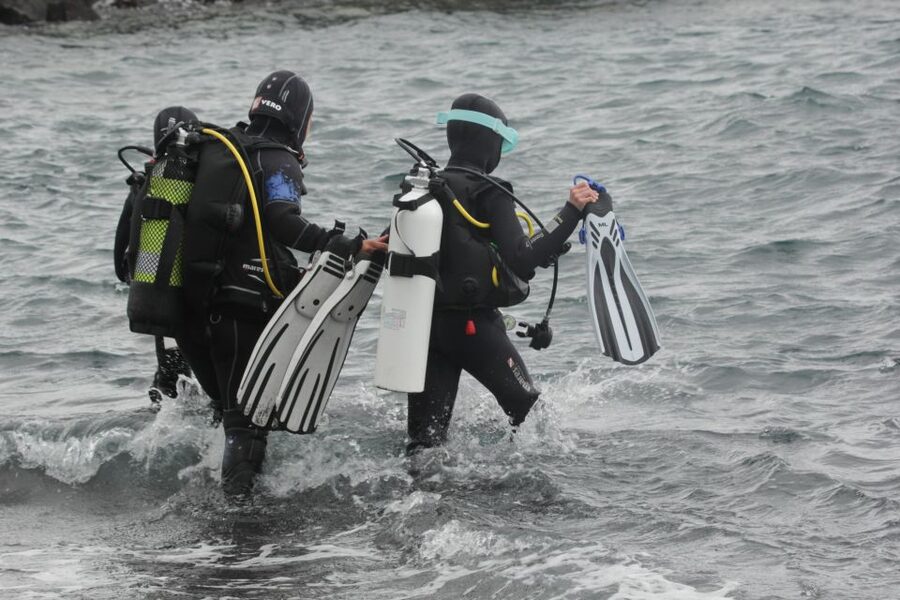
This experience begins with an introduction rather than a sudden plunge into the sea. At the dive center, you learn what each piece of equipment does and how it helps you breathe and move underwater. You then try the gear on dry land, where questions and small adjustments are much easier to handle.
That preparation matters. New scuba equipment can feel strange at first, especially the regulator used for breathing and the mask that changes how you see. A calm explanation on land gives you a chance to understand the basic routine before water adds another layer of excitement.
The instructors speak German, English, and Spanish. That language choice is useful for families or mixed-language groups, since the safety instructions and breathing exercises need to be clear. Ask questions before leaving land, particularly if you feel unsure about the equipment or the medical form.
The session lasts three hours, but that does not mean three hours underwater. Part of the time goes to instruction, gearing up, water practice, and getting comfortable. That is a sensible use of your booking, since the first goal is control and confidence, not maximum time beneath the surface.
More first-time dives in Spain:
- Barcelona: PADI Discover Scuba Diving
★ 4.7 · 1,016 reviews - Mallorca: Discover Scuba Diving for Beginners
★ 4.7 · 805 reviews - Gran Canaria: Try Scuba Diving for Beginners
★ 4.9 · 403 reviews
Getting comfortable in La Palma’s protected bay
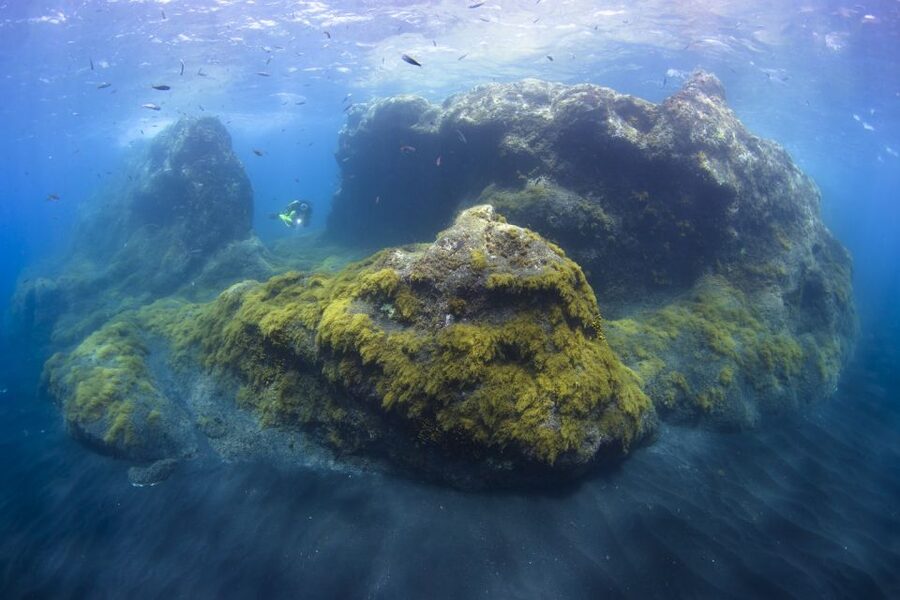
The sea portion begins in calm water at a protected bay. You practice the basics and complete a couple of exercises before moving on. These drills are not filler. They help you learn how to breathe, clear your mind, and respond if you need a moment to adjust.
For a first-time participant, this gradual start is one of the strongest parts of the experience. You can focus on breathing and body position without immediately trying to keep up with a group in open water. If you need to come back up for air or reassurance, the instructor can respond calmly and give you time, a detail that matters greatly to anyone making a first attempt.
You will not be expected to arrive with scuba knowledge. The program is designed as an introduction, so the instructor takes you through the essential skills before you explore. Still, you should be comfortable in the water. This is not a swimming lesson, and non-swimmers are excluded for good reason.
The protected setting also makes this a reasonable family activity for older children. The minimum age is 10, and every participant must complete a self-evaluation of their medical condition before entering the water. If a concern appears, you may need a fitness certificate from your doctor.
Watching La Palma’s sea life at close range
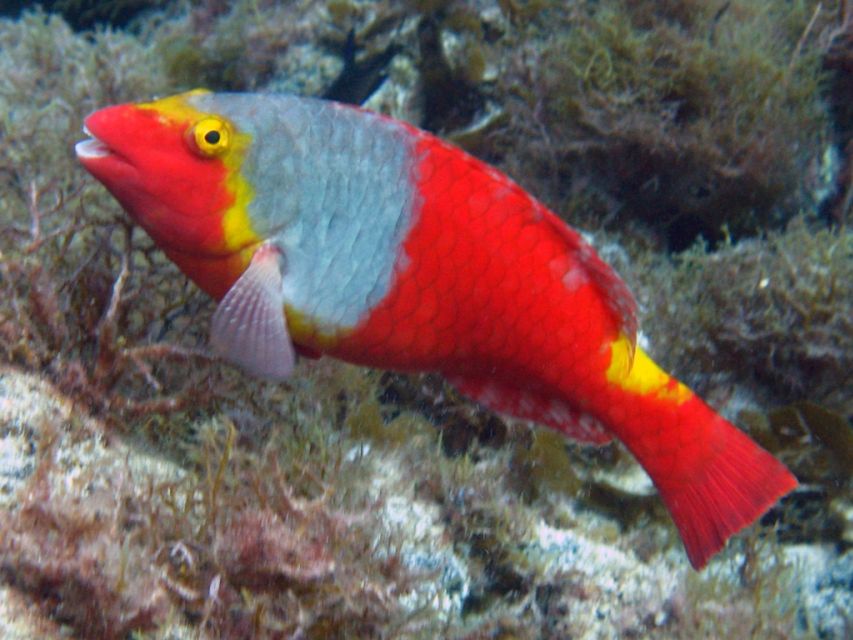
Once you are settled, the experience shifts from learning to looking. You move beside the fish rather than simply viewing the sea from a boat or shoreline. The appeal is the quiet change in perspective: instead of watching the water, you become part of the underwater scene for a while.
The listed sea life includes parrotfish, wrasse, scorpion fish, starfish, trumpet fish, octopi, and morays. You might also notice smaller details that are easy to miss from above, such as the way a fish holds its position or how a starfish clings to the seafloor.
An octopus is a particularly rewarding sight, and morays add a little drama to the visit. Scorpion fish can blend into their surroundings, so careful observation is useful. The instructor can point out animals and guide you toward suitable places to look, while you concentrate on staying relaxed and moving steadily.
The quality of this part depends on conditions and wildlife, so no responsible operator can promise a particular animal. The experience does, however, give you a better chance to notice marine life than a hurried swim near shore. A small group also helps. Four participants create less crowding and allow the instructor to keep the pace manageable.
One useful detail comes from the way the program handles returning participants. Someone with previous sessions may be ready to manage more of the movement independently, while the guide still leads the group toward good viewing areas. A complete beginner receives more direct support, while a returning participant can gain a little freedom as confidence improves.
Why the group size matters
A limit of four people is a major advantage for a first scuba session. The instructor can see each participant, respond to hesitation, and adjust the pace without trying to manage a large crowd.
That personal attention is especially helpful during the first underwater exercises. One person may settle quickly, while another may need to pause and return to the surface. In a group of four, those different comfort levels are easier to handle than in a large class.
The small group also keeps the sea-life viewing more pleasant. You have a better chance of seeing what the instructor is pointing out without several people crowding the same area. It does not guarantee a private session, since other groups may be nearby, but the booked group itself remains limited.
This arrangement is valuable for families, couples, and friends who want to try scuba together. It also suits a solo participant who would rather not be lost in a large beginner class. If you are hoping for a fast, independent underwater trip, remember that this is still an instructor-led introduction.
More dive courses in Spain:
- Tossa de Mar: PADI Discovery Scuba Diving in Costa Brava
★ 4.7 · 392 reviews - Try Dive – PADI Discover Scuba Diving in Tenerife
★ 5.0 · 214 reviews - Tossa de Mar Scuba Diving PADI
★ 5.0 · 175 reviews - Ibiza: PADI Discover Scuba Diving & Snorkeling Boat Trip
★ 4.6 · 154 reviews
What the $88 price includes
At $88 per person, the cost covers the complete scuba equipment, the introduction, and the sea session with an instructor. That makes the price easier to judge than a bare equipment rental, because you are paying for instruction, supervision, and the chance to try a new activity without already owning specialist gear.
For a first attempt, the package offers useful value. You do not need to buy or arrange your own mask, breathing equipment, or other scuba gear. You also receive a structured lesson rather than being left to figure out unfamiliar equipment on your own.
The price does not include transfers to or from the center, food, or drinks. Plan your route to the meeting point and bring swimwear. If you are joining the 10:00 session, you meet at the dive center. For the 13:00 session, the meeting point is the beach, so check your booking details carefully before setting out.
The best value comes if you want a proper first introduction rather than a quick supervised splash. You receive time to learn, practice, and explore. If you already hold scuba certification and want a longer or more advanced sea session, this beginner program may feel limited.
Choosing between the 10:00 and 13:00 sessions
The available arrangements are simple but important. The 10:00 tour meets at the dive center, while the 13:00 tour meets at the beach. The difference may affect how you plan your morning, what you carry, and how much time you need to reach the meeting place.
The morning session gives you a clear starting point at the center, where the introduction and equipment process begin. The afternoon option places the meeting at the beach, which may be convenient if you are already spending time near the coast.
The total duration is three hours. Allow the full block rather than trying to fit a tight lunch reservation or another timed activity immediately afterward. You will want enough breathing room for the lesson, preparation, sea practice, and return of the equipment.
Transfers are not included, so you handle your own way to the relevant meeting point. Food and drinks are also your responsibility. Bring swimwear and plan the rest of your day around the session rather than treating it as a short add-on.
Who should book this first scuba session
I would choose this for a confident swimmer who has always wanted to try scuba but has not wanted to commit to a full certification course. The structure is gentle, the group is small, and the protected bay gives you room to learn.
It also works for families with children aged 10 or older, provided everyone meets the swimming and medical requirements. Adults who feel nervous about breathing underwater may appreciate the gradual practice and the instructor’s close support.
This is less suitable for non-swimmers, anyone with a medical condition that has not been cleared, or anyone looking for a long, advanced underwater outing. You should also think twice if you dislike guided activities or prefer complete independence.
The program is available in German, English, and Spanish. That is useful when you want safety explanations in a language you understand well. Clear communication is not a luxury here. It is part of making the session comfortable and safe.
Weather, medical checks, and practical preparation
Before the session, every participant fills out a self-evaluation of their medical condition. If the answers raise a concern, a doctor’s certificate of fitness may be required. Do not treat this as a formality. Breathing underwater places demands on your body, and honest answers help the instructor decide if the activity is suitable.
Bring swimwear and arrive prepared to spend several hours around the sea. Food and drinks are not included, and transfers are not included, so arrange those parts yourself.
Weather can affect the sea session. If conditions are unsuitable, the local operator will contact you to rearrange the experience. This is one reason to avoid booking the activity on the last possible day of your holiday, especially if scuba is a main reason for choosing the experience.
Cancellation is flexible up to 24 hours before the scheduled time for a full refund. You can also reserve and pay later, which helps if your La Palma plans are still shifting.
Should you book Punkfish Diving La Palma?
Book it if you want a careful first taste of scuba in a small group, with equipment included and an instructor beside you. The protected bay, gradual exercises, and chance to see octopi, morays, and other sea life make this more than a basic swim.
The $88 price is fair for a three-hour introduction with full equipment and supervision. Just remember what it is: a beginner session, not a certification course or an advanced underwater expedition.
Choose it with confidence if you are at least 10, medically fit, and comfortable swimming. Skip it if you are a non-swimmer, need a longer independent session, or cannot build weather flexibility into your schedule.
FAQ
How long does the SSI Try Scuba program last?
The experience lasts three hours, including the introduction, equipment preparation, practice, and sea session.
What time does the tour start?
A 10:00 tour meets at the dive center. A 13:00 tour meets at the beach. Availability should be checked when booking.
Where does the sea session take place?
The sea session begins in a protected bay with calm water, giving you time to adjust before exploring farther.
Do I need previous scuba experience?
No. Previous scuba knowledge is not required.
Do I need to know how to swim?
Yes. The activity is not suitable for non-swimmers.
What is the minimum age?
The minimum age is 10 years.
What languages does the instructor speak?
Instruction is available in German, English, and Spanish.
What is included in the price?
The price includes complete scuba equipment, an introduction, and a sea session supported by a scuba instructor.
What should I bring?
Bring swimwear. Food, drinks, and transfers are not included.
What happens if the weather is unsuitable?
The local operator will contact you to rearrange the experience if bad weather prevents the planned session.
Just added around Spain
- Puerto del Carmen: Try Scuba Diving for Beginners★ 4.9 · 83 reviews
- Puerto del Carmen: Snorkeling Trip with Dive Instructor★ 4.9 · 93 reviews
- Museo Atlantico: Diving Class for Non-Certified Divers★ 4.8 · 21 reviews
- Puerto del Carmen: Guided Scuba Dive (certified only)★ 4.8 · 6 reviews
- Puerto del Carmen: 2 Guided Scuba Dives (certified only)★ 5.0 · 3 reviews
- Puerto del Carmen: Try Scuba Diving from the beach★ 5.0 · 3 reviews
- Private Try Dive for 2 with our experienced Instructor★ 5.0 · 12 reviews
- Tossa de Mar: PADI Scuba Diver Certification Course★ 5.0 · 2 reviews
Scuba Diving Courses, compared.
Open Water Course – Become certified diver in 3 days
Read our review →
Heraklion: Beginner Scuba Diving Lesson with PADI Instructor
Read our review →
Discover Scuba Diving with No Certification in St Thomas
Read our review →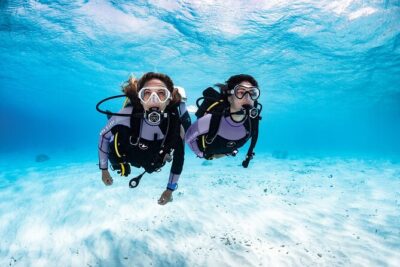
Try Dive – PADI Discover Scuba Diving in Tenerife
Read our review →
Lists this dive appears in