
REVIEW · KEY LARGO
Learn to Scuba Dive with a Professional Instructor in Key Largo – All Inclusive
Key Largo’s best introduction to scuba starts in a pool, not the open sea. At Amoray Dive Center, you learn the basics, practice with your equipment, and then head by boat to the Florida Keys reefs for two underwater outings. Small groups of four or fewer give your instructor room to watch your technique closely.
I like the mix of a calm training session and a proper reef trip, rather than a quick dip from shore. I also like that the package includes the mask, fins, snorkel, BCD, regulator, and boat ride, so you do not need to rent gear piece by piece. The main consideration is time: this is a full-day commitment, and the included snacks should not be treated as a full lunch.
Key things to know before you book
- Pool practice comes first: Expect a one-hour briefing followed by about two hours in the bay-side pool.
- Two reef outings follow: The afternoon boat trip lasts about four hours and visits separate underwater sites.
- You need water confidence: No previous scuba experience is required, but you must be comfortable in the water.
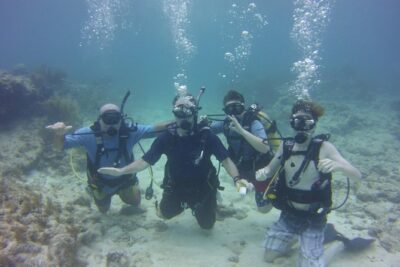
- Classes stay small: The maximum group size is four people, allowing close help with breathing, equipment, and basic skills.
- The marine life can be excellent: Possible sights include sea turtles, colorful fish, lobster, hogfish, anemones, and an underwater Jesus statue.
- Plan for a long morning and afternoon: The meeting time is 8 a.m. at Amoray Dive Resort, and the activity returns there at the end.
Starting at Amoray Dive Center at 8 a.m.
Your day begins at Amoray Dive Resort, 104250 Overseas Highway in Key Largo. The meeting time is 8 a.m., so this is not a sleep-in excursion. You will complete the required paperwork, receive an introductory lesson, and get familiar with the equipment before entering the pool.
The first hour is devoted to the SCUBA briefing. This is where you learn how the mask, fins, BCD, regulator, and air supply work together. The early instruction matters because breathing through a regulator and managing buoyancy can feel strange at first, even if you are a strong swimmer.
You should expect staff to explain basic procedures clearly and repeat them as needed. Kalen has been praised for patient instruction with both older beginners and people returning to scuba after many years. Murphy has also led first-time students through the pool and reef portions, while instructors such as Grace and Aaron have been singled out for helping people notice marine life as well as handle the equipment.
After the briefing comes the pool session, listed at about two hours. This gives you a controlled place to practice before the boat leaves. You can focus on breathing, clearing your mask, using the regulator, and responding to basic hand signals without waves or open-water pressure complicating the lesson.
The small class limit is a real advantage here. With no more than four people, your instructor has a better chance of seeing when you are nervous or need another explanation. That personal attention was especially useful for people who had not used scuba gear in decades, as well as for first-timers taking their first underwater steps.
More Scuba Diving in Key Largo
- Try Scuba Diving with Professional Scuba Instructor
★ 4.5 · 170 reviews - Half Day Scuba Diving Trip in the Florida Keys
★ 5.0 · 157 reviews - Key Largo Scuba Trip, 2 Location – 65 Min Per Site
★ 5.0 · 151 reviews
Why the pool session matters
The pool is not filler before the interesting part. It is where you decide if the equipment feels manageable. If you are uneasy in the shallow water, it is much better to work through that with an instructor beside you than to discover the problem at a reef site.
You do not need certification or previous experience for this program. You do need moderate physical fitness and a reasonable comfort level in the water. The minimum age is not recommended below 10, so families with younger children should make other plans.
The session can also help a certified person who has not used scuba gear for years. One returning diver appreciated having a refresher before going into open water, and the structure makes sense for anyone who wants to rebuild confidence without committing immediately to a full certification course.
Some people will find the morning demanding. It includes paperwork, instruction, equipment fitting, and a lengthy pool session before the boat even leaves. That is the tradeoff for a safer, more relaxed experience later.
The midday break and what to eat
After the pool work, you have a break before the boat portion. One family described having time to change out of wet clothes and get lunch before returning for the boat, with departure around midday. The exact rhythm can depend on the day, but you should plan for a gap between the morning training and afternoon reef trip.
Snacks are included, and water and simple food are available on the boat. The package is not designed as a full meal, though. One disappointed participant expected more substantial provisions and found a communal container of pretzels instead. The resort does not have its own restaurant, but a food truck operates on site and serves a variety of food.
My practical advice is simple: eat a proper breakfast, bring or arrange lunch if permitted by the operator, and do not count on snacks to carry you through eight hours. You will be more comfortable underwater if you are fed and hydrated, but avoid arriving overly full.
Alcohol is not included. Since this is a physically active day involving scuba equipment and underwater activity, alcoholic drinks are not part of the package.
Taking the boat to the Florida Keys reefs
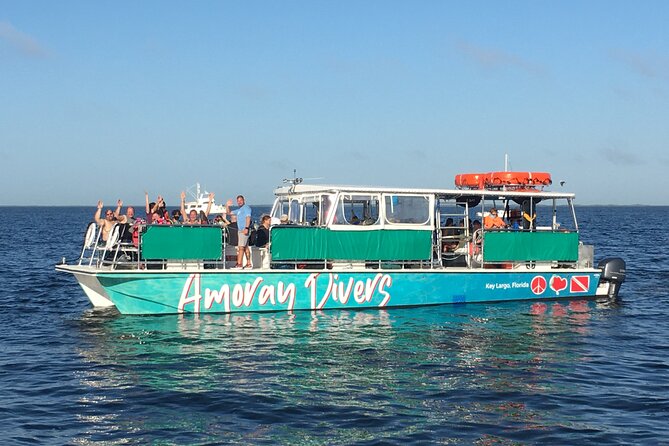
The boat trip lasts about four hours and includes two underwater outings at separate locations. The ride itself is part of the appeal. You leave the resort, cross the Keys water, and reach sites within the Florida Keys National Marine Sanctuary.
The boat is described as spacious and stable, with plenty of seating. That matters because a cramped ride can make a long day feel much longer, especially when you are carrying equipment or waiting between outings. The boat may also include people who are snorkeling, so companions who do not want to use scuba gear can still have a way to enjoy the water.
The crew handles the practical side of getting ready. In one account, the first mate helped a participant with a weak back remove equipment before boarding. Another beginner received calm help from the captain and first mate after losing a mask and regulator at the surface. These details matter more than a polished sales pitch: first-time scuba can produce a moment of panic, and a steady crew can keep that moment from ending the day.
Conditions can vary. One account described rough water at the surface but much clearer and calmer conditions below. You should be prepared for a boat ride and entry that may feel more active than the pool session. If you are prone to motion sickness, ask the operator about suitable precautions before departure.
A few more dives around the USA worth comparing
- First-Time Scuba Diving in Honolulu + Free Videos
★ 5.0 · 3,123 reviews - Oahu Shark Dive
★ 5.0 · 2,903 reviews - Oahu: Shark Cage Dive on the North Shore
★ 4.8 · 1,485 reviews - Shark Cage Diving on Oahu’s North Shore
★ 5.0 · 1,391 reviews
John Pennekamp Coral Reef State Park
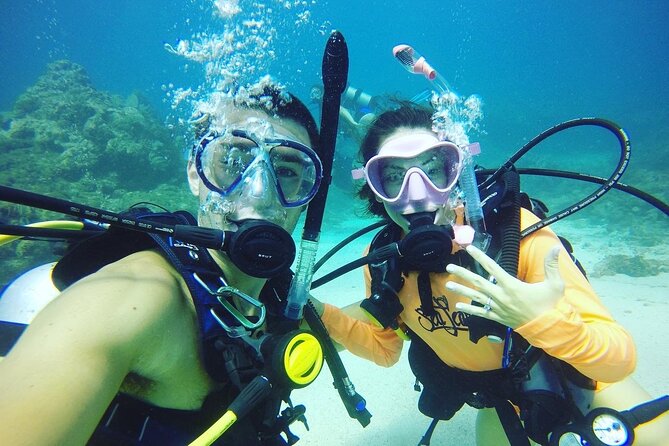
John Pennekamp Coral Reef State Park is included in the route description and places you in one of the best-known protected marine areas around Key Largo. The important point for you is not simply the park name. It signals that the day is centered on the reef environment rather than a short swim near the resort.
Your instructor manages the group underwater and points out what is worth seeing. At this stage, your job is to stay calm, follow instructions, and watch the reef. You may find colorful fish moving close by, along with larger animals if conditions and luck cooperate.
The park setting also gives the experience a sense of place. You are not practicing in a generic training pool and then visiting an unrelated aquarium. The pool builds your skills, then the boat takes you into the marine environment that makes Key Largo famous.
Florida Keys National Marine Sanctuary
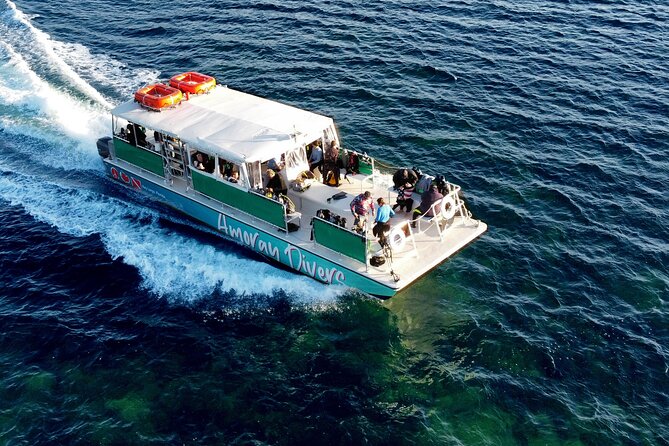
The sanctuary protects a broad marine area around the Keys, and the boat portion uses separate sites so you get more than one look at the reef. The second location can be useful for beginners because the first underwater outing is often spent thinking about breathing, body position, and hand signals.
By the second outing, the mechanics may feel less demanding. One returning participant said the second session allowed more attention for the fish and reef instead of the equipment. That is a good reason to value the two-site format rather than treating it as one long session.
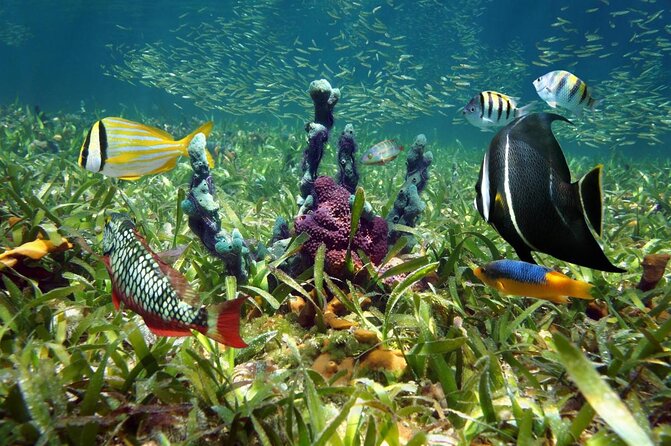
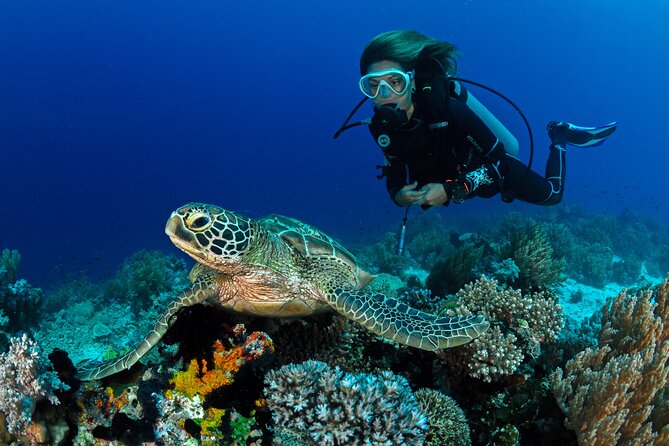
Possible sightings from the day include sea turtles, a manta ray, hogfish, lobster, and schools of small colorful fish. You might also see an anemone with clownfish, a shipwreck, or the underwater statue of Jesus. None of these sightings can be promised, but they show the range of scenery available when visibility and conditions cooperate.
The instructor can make a real difference here. Grace has been praised for pointing out wildlife, while Aaron was noted for directing attention to things participants wanted to see. A good guide helps you notice details you might miss while concentrating on your breathing.
What the two underwater outings feel like
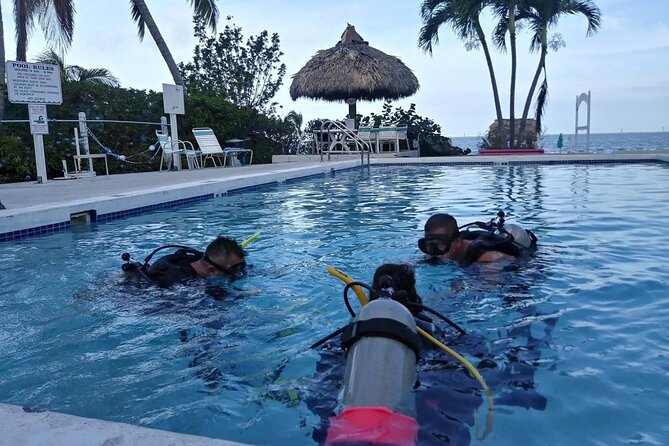
Your first entry into open water may be the hardest part. You are wearing unfamiliar equipment, the boat is moving, and the surface may be choppy. The crew’s job is to help you enter safely and settle down before you move along with the instructor.
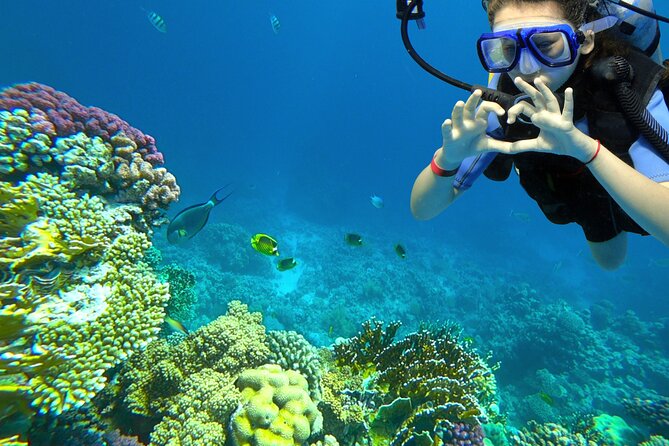
Once below the surface, the experience can change quickly. The sound of the world is reduced to your breathing, and fish may pass close to you. The reef, fish, and possible turtles become the focus, but you still need to watch your air supply, position, and the instructor’s signals.
This is an introductory program, not an independent expedition. You remain with the instructor and follow the planned route. That makes it suitable for someone testing the waters, but less suitable if you want the freedom or depth range of a certified scuba outing.
The second underwater session gives you another chance to practice. If your first entry includes nerves, misplaced equipment, or difficulty controlling your breathing, you have time to settle in rather than ending after one attempt. The crew has received strong praise for staying calm during such moments, but you should still take the program seriously and tell the instructor about concerns immediately.
Equipment, comfort, and physical demands
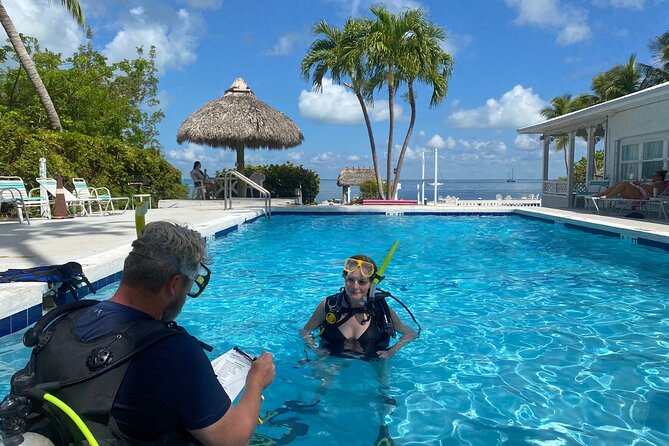
All standard scuba equipment is included: mask, fins, snorkel, BCD, and regulator. You mainly need to bring a swimsuit and arrive ready for a wet, active day. Equipment fitting can take time, especially if you have unusual shoe or fin sizes, so speak up early rather than trying to tolerate a poor fit.
One older participant with very large feet needed different fins and received a personal pair from a staff member. Another needed help with a wetsuit and equipment because of physical limitations. These examples show why it is useful to tell the staff about back, foot, or mobility concerns before the boat leaves.
The activity calls for moderate physical fitness. You will handle gear, spend time in the pool, board a boat, enter the water, and get back aboard after each session. It is not a passive sightseeing cruise.
You should also be comfortable following instructions in the water. The program is designed for beginners, but no experience does not mean no responsibility. If you feel panicked, signal your instructor and stop. Clear communication is more important than trying to look confident.
What the $299 price includes
At $299 per person, this is not the cheapest way to see the Keys from the water. The price makes more sense when you consider what is bundled: a full briefing, a substantial pool session, an instructor, all core scuba equipment, a boat ride, two reef outings, and snacks.
A separate equipment rental, boat trip, and private lesson could add up quickly. The group limit of four also gives the package more value than a large class where an instructor must divide attention among many beginners.
Still, the value depends on your goal. If you only want a quick look beneath the surface, a snorkeling trip costs less and involves less preparation. If you already know you want certification, this program can serve as a useful first step, but it does not replace a full certification course.
The package also has limits. Lunch is not clearly included as a proper meal, and the day can stretch from 8 a.m. into the afternoon. You are paying for instruction and access to reef sites, not luxury catering or a private boat.
Staff style and the small-group advantage
The most consistently praised part of the experience is the staff’s personal attention. Names that come up in the day’s accounts include Murphy, Kalen, Grace, Aaron, Amy, Lauren, Erin, and the boat crew members Trevor, Travis, and Mike. Staff assignments can change, but the pattern is clear: instruction and safety are central to the program.
Kalen has worked patiently with a 65-year-old beginner who had not used scuba gear for more than 30 years. Murphy has helped first-timers through the pool and reef sessions. Erin assisted a participant with a weak back, and other crew members helped people handle equipment and nerves.
The maximum of four people is especially useful for families and couples with different levels of confidence. It also reduces the chance that you will be left waiting while a large class cycles through basic exercises. One participant did experience delays because two companions were taking more extensive certification training, so ask how groups are combined on your date.
Booking details and cancellation
You receive confirmation when you book, and the activity is offered in English. It begins and ends at Amoray Dive Resort in Key Largo. The experience is often reserved well ahead of time, with an average booking window of about 23 days, so reserve early if your schedule is fixed.
You can cancel for a full refund up to 24 hours before the 8 a.m. start time. Cancellations or changes inside that window are not refunded or accepted. Poor weather or failure to meet the minimum number of participants can cancel the activity, in which case you are offered another date or a full refund.
Who should book this Key Largo scuba experience?
I would choose this for a first-timer who wants more than a resort pool lesson. It suits families with children aged 10 or older, couples, solo visitors, and anyone curious about certification but not ready to commit to the full course.
It is also a sensible refresher for a certified person who has not been underwater in years, though the program is built around beginners. The small class size makes it a better fit for cautious participants than a large boat operation.
I would think twice if you dislike boats, struggle with moderate physical activity, or want a short morning outing. I would also plan food carefully, since snacks are included but a full lunch is not guaranteed.
Should you book it?
Book this experience if you want a structured introduction to Key Largo’s reefs, value close instructor help, and can give the entire day to the program. The pool training, two separate reef locations, included equipment, and small class size create a solid first taste of scuba.
Skip it if you want a cheaper, simpler water outing. Snorkeling will be easier and less demanding. But if your goal is to see reef life from below and find out if scuba suits you, Amoray offers a practical route from nervous beginner to underwater explorer, with the staff support that matters when the first entry feels intimidating.
FAQ
Is previous scuba experience required?
No. This is a PADI Discover SCUBA program for beginners, although you must be comfortable in the water.
What time does the activity start?
The activity begins at 8 a.m. at Amoray Dive Resort, 104250 Overseas Highway, Key Largo.
How long does the experience last?
It lasts approximately one day. The schedule includes a one-hour SCUBA briefing, about two hours in the pool, and a four-hour boat trip with two underwater outings.
What equipment is included?
The package includes a mask, fins, snorkel, BCD, regulator, and other required scuba equipment. Snacks are also included.
How many people are in each group?
The maximum group size is four participants.
What happens if bad weather cancels the activity?
If poor weather causes cancellation, you are offered another date or a full refund. The same options apply if the minimum number of participants is not reached.
Just added around the USA
- SCUBA Dive Key Largo Reef (min 6 divers)★ 4.5 · 3 reviews
- Private SCUBA Dive the reefs of Key Largo for up to 8 certified divers★ 5.0 · 18 reviews
- 2 Dive Scuba Diving Reef Excursion to Key Largo Marine Sanctuary★ 4.5 · 7 reviews
- Key Largo 2 Tank Dive trip★ 5.0 · 88 reviews
- Scuba Dive at Ni’ihau (Forbidden island)★ 5.0 · 36 reviews
- 2 Tanks Scuba Dive Kaua’i from a Boat★ 5.0 · 16 reviews
- Kauai Scuba Diving for Beginners★ 5.0 · 36 reviews
- Kauai’s Ultimate Scooter Adventure 2 Tank Dive (Advance Certified Divers Only)★ 5.0 · 26 reviews
Scuba Diving in Key Largo, compared.
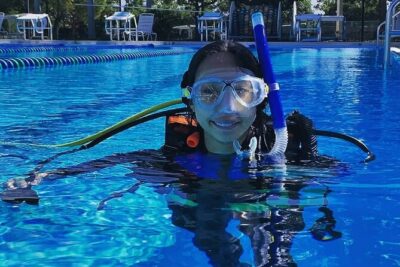
Try Scuba Diving with Professional Scuba Instructor
Read our review →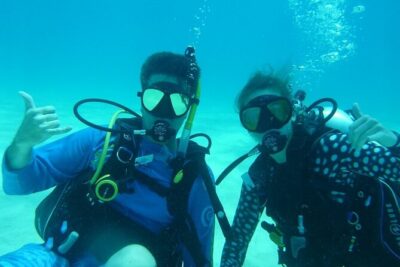
Half Day Scuba Diving Trip in the Florida Keys
Read our review →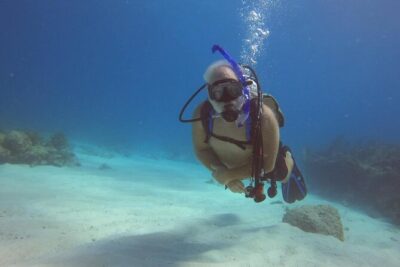
Key Largo Scuba Trip, 2 Location – 65 Min Per Site
Read our review →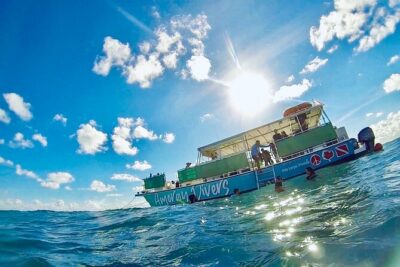
Half-Day Small-Group 2-Tank Scuba Dive in Key Largo (CERTIFIED DIVERS ONLY)
Read our review →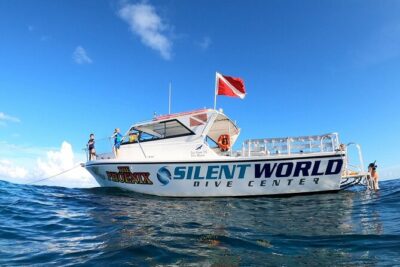
Guided Shallow 2 Tank Dive Trip for CERTIFIED SCUBA DIVERS ONLY!
Read our review →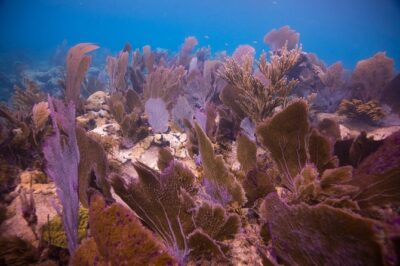
Private SCUBA Dive the reefs of Key Largo for up to 8 certified divers
Read our review →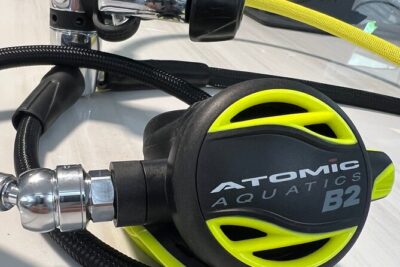
2 Dive Scuba Diving Reef Excursion to Key Largo Marine Sanctuary
Read our review →Lists this dive appears in