
REVIEW · MALTA
Malta: First Experience Scuba Diving Lesson
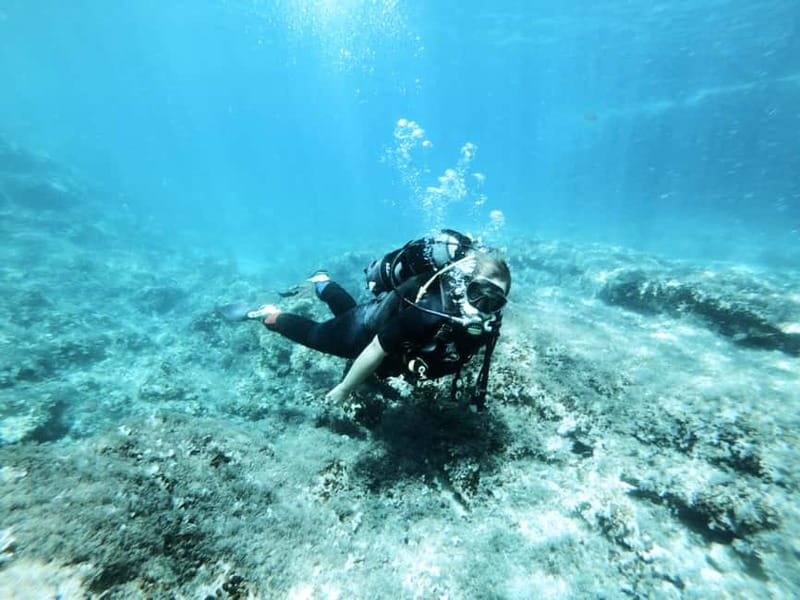
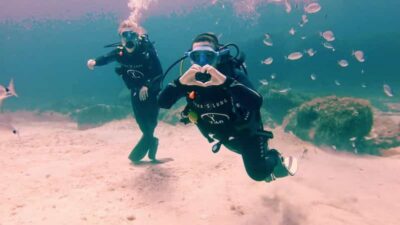
Malta’s clear Mediterranean water makes a fine place to try scuba for the first time. This half-day lesson starts with basic training, then moves into shallow water before a second shore session at a maximum depth of 5 meters. I like the small groups of up to four and the gentle pace, especially for anyone who feels nervous about breathing underwater.
I also like that you complete the theory before arriving, so your time in Malta is spent practicing rather than sitting through a long classroom lecture. Instructors such as Emma, Marco, Vinny, Francesca, and Marcel are repeatedly praised for staying calm and patient. The main catch is simple: this is an introduction, not a certification course, and you need to be comfortable swimming.
Key points to know before booking
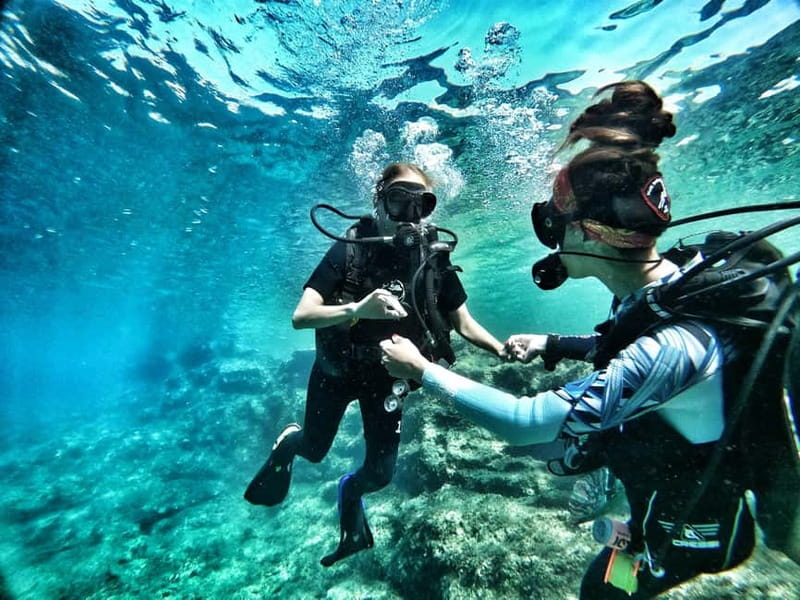
- Two underwater sessions: Use the first for basic skills, then spend the second practicing and exploring at up to 5 meters.
- Very small groups: A maximum of four participants allows the instructor to watch each person closely.
- Good for nervous beginners: The lesson starts in shallow water where you can stand, then moves deeper at your pace.
- Online preparation is required: Complete the theory material in your chosen language before the activity.
- No scuba qualification included: Choose a Basic Diver Course or Scuba Diver Course if you want a licence.
- Health rules matter: Some medical conditions require written approval from a doctor, and ignoring the rules can mean no refund.
What this Malta scuba lesson really offers
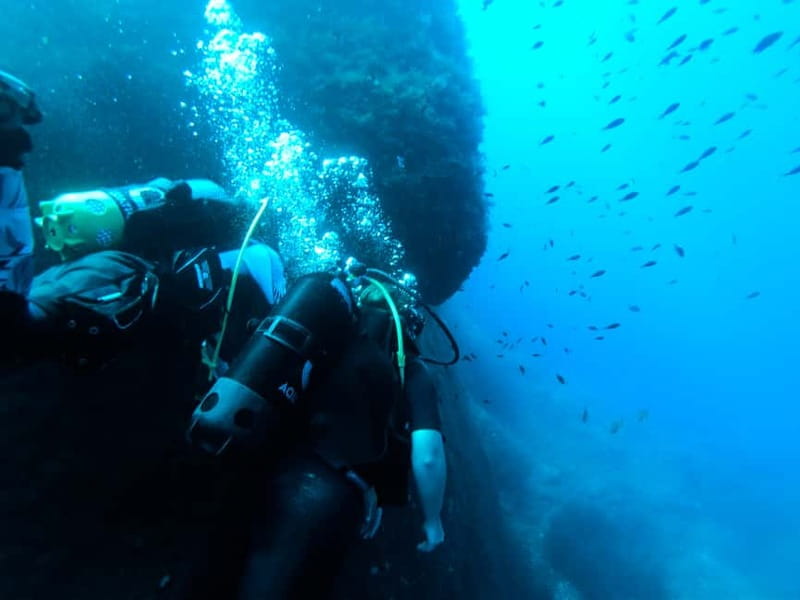
This is a short first taste of scuba, not a full training programme. You learn how the equipment works, how to breathe through the regulator, and how to manage basic underwater skills before entering the sea with an instructor.
The maximum depth is 5 meters. That is shallow by scuba standards, but it is exactly what makes this suitable for a first attempt. You can focus on breathing, body position, equalizing your ears, and staying calm instead of worrying about a demanding descent.
The price is $94 per person, and the session lasts about 2.5 to 3.5 hours. For that cost, you receive online theory, a safety briefing, a full equipment kit, two shore sessions, and transport to and from the site if needed. Hotel pickup and drop-off are not included, and the exact meeting point can change with the option you book.
I see this as a reasonable price if you want a guided introduction without committing to a multi-day course. It becomes less attractive if your goal is a recognised qualification, since you will need to book a separate course afterward.
A few more dives around the world worth comparing
- Cyprus: Introductory Scuba Lesson and Dive with Transfer
★ 4.9 · 682 reviews - Heraklion: Beginner Scuba Diving Lesson with PADI Instructor
★ 4.9 · 355 reviews - Waikiki 2 Tank World Class Wreck SCUBA Diving – Certified Only
★ 4.5 · 205 reviews
Before you arrive, complete the online theory
The online material is an important part of the lesson, not optional homework. It gives you an early look at scuba equipment, safety, and the basic ideas you will use in the water.
You can complete it in your language, but you still need English skills for the activity itself. The instructors are listed as speaking English, Italian, German, and Spanish. If you are not comfortable understanding safety instructions in one of those languages, this may not be the right excursion for you.
Completing the material ahead of time also helps with nerves. You will already recognise terms and equipment when the instructor explains them in person. I would do it well before the morning of the session, rather than trying to rush through it on a phone while packing your swimwear.
Meeting the instructor and getting ready
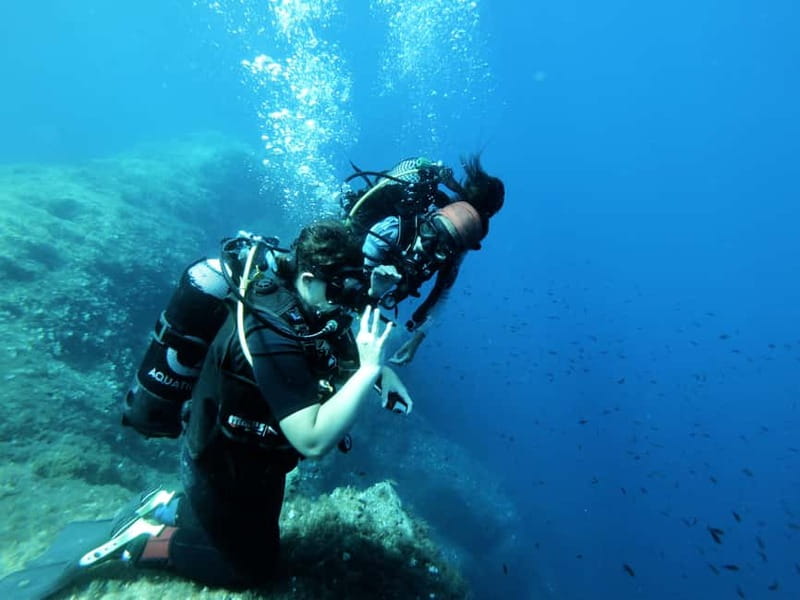
At the meeting point, the instructor explains the equipment, safety rules, and basic skills. You receive the full scuba kit, so you do not need to bring your own equipment.
The strongest feature of this part is the instructor attention. With only four people in a group, the guide can watch how each person handles the equipment and adjust the pace. That matters because first-time scuba is rarely a matter of simply putting on a mask and swimming away. Breathing through a regulator can feel strange, and some people need several minutes to settle.
The teaching style appears to be calm and practical. Emma is repeatedly described as reassuring and funny, while instructors including Vinny, Marco, Marcel, Francesca, Matteo, and Lee are praised for clear explanations and close supervision. That does not mean every person will have the same instructor, but it gives you a useful sense of the centre’s approach.
Bring swimwear and a towel. Alcohol and drugs are not allowed, and cameras are not permitted. The camera rule may disappoint anyone hoping for underwater pictures, but it keeps the focus on safety and makes it easier for the instructor to monitor the group.
Starting in shallow water at up to 5 meters
The first session is for practice. One useful feature is the gradual start in shallow water where you can stand. That lets you test the regulator, get used to breathing, and practice the basic actions before moving farther from shore.
This is where the small group pays off. One person may need help controlling the cylinder, another may need to slow down and settle, and someone else may struggle to clear their ears. The instructor can respond to those different needs rather than pushing everybody along at the same speed.
A first-time participant described having trouble controlling the cylinder because of its weight. The instructor stayed close and offered a hand to prevent panic. Another person had ear pain after failing to equalize often enough, and the instructor kept the session shallow. These are useful reminders that you should never force an uncomfortable descent.
Equalizing is especially important. You need to clear the pressure in your ears as you go down, and you should tell the instructor immediately if it hurts. Pain is not something to push through. A patient instructor can stop, return to shallower water, or end the session if needed.
The training session is not a test. You are there to learn the basics under supervision. If you cannot complete a skill at once, take the time to understand it and try again.
Same water, a completely different day underwater:
- Great Barrier Reef Snorkeling and Diving Cruise from Cairns
★ 4.5 · 3,714 reviews - First-Time Scuba Diving in Honolulu + Free Videos
★ 5.0 · 3,123 reviews - Oahu Shark Dive
★ 5.0 · 2,903 reviews - Silfra: Diving Between Tectonic Plates – Meet on Location
★ 5.0 · 2,139 reviews
The second shore session is for exploring
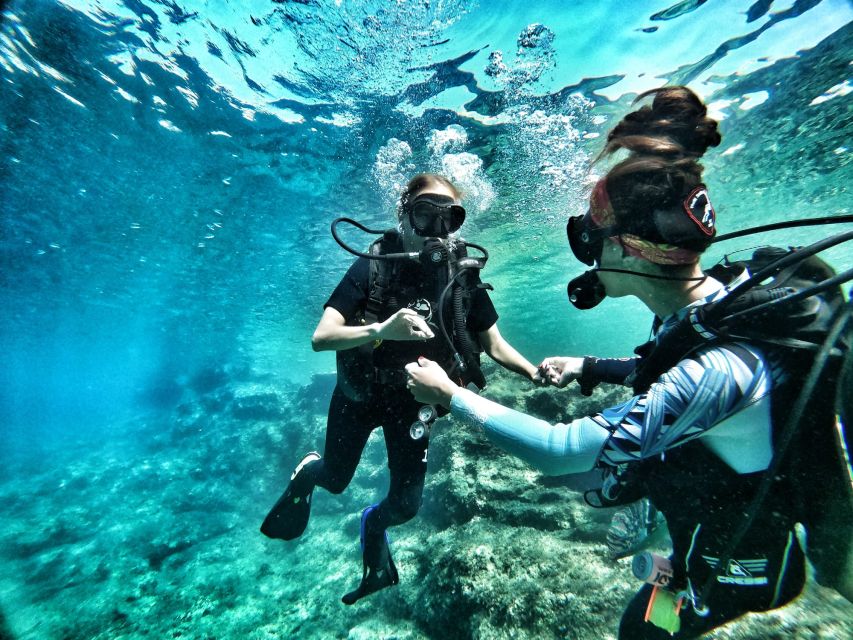
Once you have practiced the basics, the second session gives you time to enjoy the underwater setting. The maximum depth remains 5 meters, so this is a close-to-shore introduction rather than an expedition into deep water.
The exact marine life and scenery can vary with the chosen site and conditions. You might see fish and enjoy the clear Mediterranean water, but the experience should not be booked with the expectation of a particular animal or reef. Its strongest appeal is the feeling of moving underwater in a controlled, calm setting.
The two-part format works well. The first session gives you something to concentrate on, while the second allows you to relax more and look around. You may still be thinking about your breathing and equipment, but the basic actions should feel less unfamiliar by then.
Keep your expectations realistic. This is not enough time to become an independent scuba diver. It is enough time to decide if you enjoy the sensation and want to take a proper course later.
Why instructor patience matters so much
Most first-time scuba problems are not about courage. They are about unfamiliar sensations. The mask, regulator, cylinder, pressure changes, and restricted movement can feel like a lot at once.
The strongest praise for this experience focuses on instructors who reduce that pressure. Emma is described as calm, patient, and good at making people laugh. Vinny is praised for watching participants throughout the session. Marco, Francesca, Marcel, Matteo, Lee, and other instructors are also singled out for clear teaching and supportive attitudes.
That personal attention is valuable for a beginner. One participant arrived with a fear of the ocean and needed time to adjust. Starting in shallow water and moving down gradually helped make the experience manageable. Another person initially panicked underwater but completed the session after the instructor helped them relax.
You should still take responsibility for your own comfort. Tell the instructor if you are frightened, cold, uncomfortable, or having trouble with your ears. A good lesson is not one where you pretend everything is fine. It is one where you communicate early and let the instructor adapt the session.
Is $94 good value?
At $94, this is not the cheapest way to spend a few hours in Malta, but it includes more than equipment rental. You get advance theory, an in-person safety briefing, an instructor, a full kit, and two guided shore sessions.
The four-person limit makes the price easier to justify. A larger group might offer a lower rate, but it would likely give the instructor less time to help each beginner. Here, the value is in supervision and confidence, particularly if you are unsure about breathing underwater.
Transportation to and from the site is included if needed, but do not assume this means hotel pickup. Hotel pickup and drop-off are not included, and the meeting point varies by the option you choose. Check those details before booking, especially if you are planning the activity around another appointment.
The free cancellation policy allows you to cancel up to 24 hours in advance for a full refund. You can also reserve now and pay later. Those terms help if your Malta plans are still changing, but they do not remove the need to check the health restrictions before reserving.
Who should book this experience?
This lesson suits adults and children aged 10 or older who can swim, follow instructions in English or another offered language, and want to try scuba without taking a full qualification course.
It is also a good choice for families with older children. One family described it as a relaxed way to introduce children to scuba, while another parent found the instructor patient with two daughters. A written consent form is required if a minor joins without a parent or tutor.
You should skip this activity if you are a non-swimmer, pregnant, or have back, heart, respiratory, or neurological problems. It is also unsuitable for people with epilepsy, recent surgery, or other listed medical conditions.
The health questionnaire is detailed for good reason. Conditions involving the lungs, breathing, heart, blood pressure, ears, sinuses, eyes, nervous system, stomach, or back can affect scuba safety. The rules also cover panic attacks, loss of consciousness, migraines, seizures, diabetes, hernia, ulcers, some prescription medicines, and recent operations.
If any condition applies to you, written approval from your doctor is required before the session. If staff discover that a restriction was ignored within 24 hours of the activity, you may not receive a refund. If scuba is not medically suitable, the provider suggests considering its snorkelling option instead.
Practical timing and travel advice
Allow the full 2.5 to 3.5 hours, not just the time spent underwater. You need time for the briefing, equipment, changing, practice, and movement to the shore site.
Do not schedule a flight immediately afterward. You must wait at least 12 hours after a scuba session before flying. This makes the activity better suited to the middle of a Malta stay than to the final morning before your departure.
The meeting point may vary, so read the specific option details carefully. Bring only the essentials: swimwear and a towel. Since cameras are not allowed, leave your underwater photography plans for another activity.
The exact time can be checked when booking. Given Malta’s warm-season appeal, a morning or afternoon slot may suit different itineraries, but the supplied information does not guarantee a particular water condition or marine sighting.
What this introduction does not teach you
This activity does not provide a scuba certification. You will not finish with a licence that lets you independently plan and conduct future scuba sessions.
That limitation is not a flaw if you want a first experience. In fact, it keeps the lesson focused. You learn how the equipment feels, how your body reacts underwater, and whether you enjoy the activity before paying for a longer course.
If you leave wanting more, the provider offers a Basic Diver Course and a Scuba Diver Course. Those are the options to investigate if your goal is a qualification rather than a one-day introduction.
Should you book the Malta first-time scuba lesson?
I would book it if you are a swimmer, meet the health requirements, and want a carefully supervised first taste of scuba in clear Mediterranean water. The four-person limit, shallow maximum depth, and repeated attention to nervous beginners make this a sensible starting point.
I would not book it if you want dramatic deep-water scenery, underwater photography, or an official qualification. I would also avoid squeezing it into the day before a flight, and I would not ignore any medical restriction.
For most suitable beginners, the experience offers a good balance: enough training to feel prepared, enough underwater time to discover the appeal, and a patient instructor nearby when the equipment or the sea feels unfamiliar.
FAQ
How deep will I go during the activity?
The maximum depth is 5 meters. The first session is used to practice skills, and the second is for exploring and relaxing underwater.
Is scuba certification included?
No. This is a first experience lesson and does not provide a scuba certification. The provider offers separate Basic Diver and Scuba Diver courses for people seeking a qualification.
How long does the activity last?
The session lasts about 2.5 to 3.5 hours, including the briefing, equipment preparation, practice, and underwater sessions.
How many people are in each group?
Groups are limited to four participants. This allows the instructor to give close attention to each beginner.
What languages are available?
Instructors are available in English, Italian, German, and Spanish. You need English skills for the activity.
What should I bring?
Bring swimwear and a towel. Cameras, alcohol, and drugs are not allowed.
Can I fly after the scuba session?
You must wait at least 12 hours before flying after a scuba session. Plan the activity accordingly.
Just added around the world
- Punta Cana: Reef Diving Adventure Explore Underwater Wonders★ 5.0 · 5 reviews
- Phuket: Try SCUBA DIVING Full Day Experience 2 Dives★ 5.0 · 9 reviews
- Punta Cana: Scubadoo Ocean Exploration Diving Adventure★ 4.1 · 70 reviews
- Punta Cana: Guided Power Dive Adventure★ 4.8 · 3 reviews
- Punta Cana: Scuba Doo Underwater Scooter Adventure★ 5.0 · 2 reviews
- Punta Cana: Discover Scuba Diving Experience for Beginners★ 4.4 · 2 reviews
- Puerto Morelos: Scuba Diving for Beginners – 2 Dives★ 5.0 · 5 reviews
- Punta Cana: Dive the Coral Paradise of Catalina Island★ 4.2 · 5 reviews
Scuba Diving in Malta, compared.
First scuba diving experience with instructor – Malta
Read our review →
Gozo: Discover Scuba Diving Experience for Beginners
Read our review →
Malta: Discover Scuba Diving in crystal clear waters
Read our review →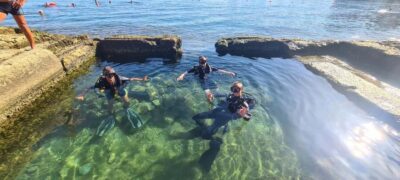
Malta St Pauls Bay: PADI Discover Scuba Diving Experience
Read our review →Lists this dive appears in