
REVIEW · MAUI
Maui: Eco-Friendly Conservation Scuba Dive Certified Divers
Maui’s reefs become more interesting when you know what you’re seeing and how your behavior affects them. This three-hour conservation scuba session combines underwater exploration with practical lessons on coral, turtles, fish, sharks, and buoyancy, in groups capped at four divers per instructor.
I like the personal format, especially the chance to choose your own workshop topic. I also like the focus on useful habits, not just pretty scenery: better buoyancy, careful reef awareness, and simple ways to help ocean research. The main consideration is that you must hold an Open Water Certification, and you cannot fly within 24 hours afterward.
Key points
- Small groups of four divers per instructor allow for personal guidance and easier questions underwater.
- Choose your focus from coral ecology, reef cleanup, sea turtle education, shark education, fish identification, and buoyancy.
- Mala Pier and Kahekili Beach are named dive locations, with Mala Pier offering the chance to see turtles, white-tip sharks, eels, trumpet fish, and other tropical species.
- Instructors Ashley and Gabby have led sessions praised for patience, clear teaching, and strong interest in reef behavior.
- The three-hour format includes an introduction, workshop-style instruction, the water session, and a post-session discussion.
- The $199 price makes the most sense for certified divers who want education and personal guidance, not simply a quick look at the reef.
A conservation lesson before you enter Maui’s water
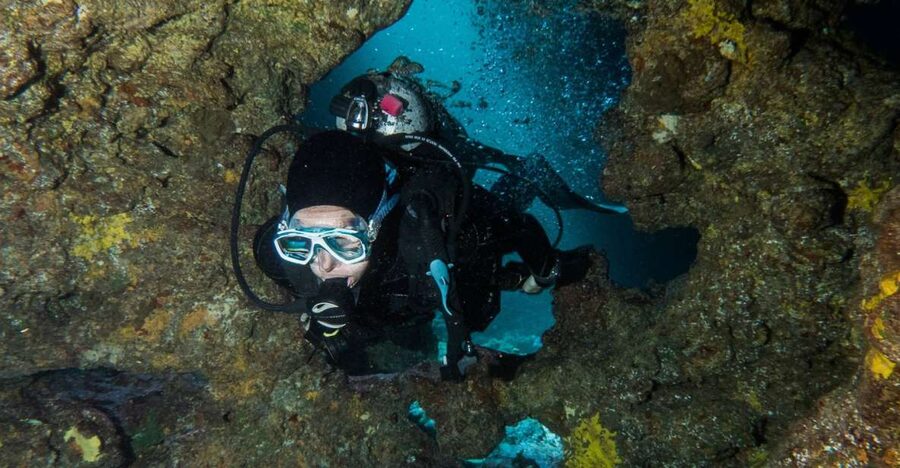
This experience begins at the dive shop, where you meet your English-speaking instructor and discuss the focus of your session. Rather than giving every diver the same talk, the instructor can shape the time around one or more subjects.
You might choose coral reef ecology if you want to understand how reefs function. You could focus on sea turtle education, shark education, or fish identification if marine life is your main interest. A reef cleanup topic connects your time in the water to direct conservation work, while the buoyancy workshop is especially useful if you want to improve your control and avoid accidental contact with coral.
That choice matters. A standard sightseeing trip can show you beautiful fish, but it may not help you understand what you are looking at. Here, the lesson gives the wildlife and reef structure more meaning. A fish becomes part of a habitat. A turtle becomes more than a photo opportunity. Your movement through the water becomes part of the conservation story.
I also appreciate that the session is aimed at certified divers, rather than trying to teach basic scuba skills at the same time. You arrive with an Open Water Certification, then use the instructor’s attention to refine your awareness and underwater habits.
More Scuba Diving in Maui
- 2 Tank Lanai Cathedral Scuba Dive Via Boat for Certified Divers
★ 5.0 · 548 reviews - Intro/Refresher Dive Swim Ability Required
★ 5.0 · 248 reviews - Beginner Scuba Dive in Lahaina: Swimming Required
★ 5.0 · 219 reviews
Small groups make the instruction personal
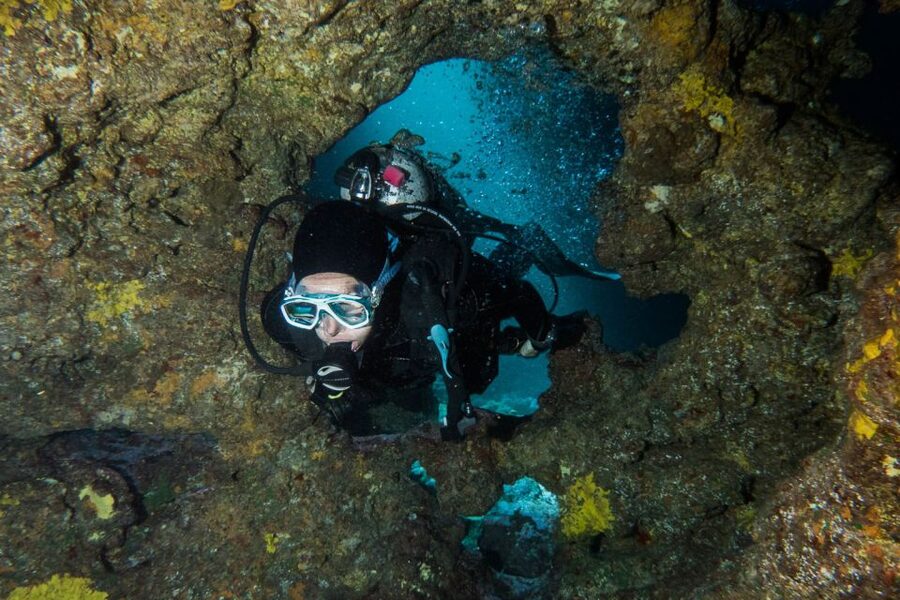
The ratio is limited to four divers per instructor. That is one of the strongest features of the experience, especially for anyone who has not been in the water recently or wants more than a guide pointing out wildlife from a distance.
A small group gives you more room to ask questions and receive direct advice. Your instructor can pay closer attention to buoyancy, positioning, and the way you move near the reef. If you choose fish identification, the guide has a better chance of helping you connect what you see with the lesson instead of rushing past it.
The limited group size also suits divers with different levels of confidence. Gabby, one of the instructors associated with the experience, was praised for patience with a diver who had not been underwater for some time. That detail is worth noting. You still need certification, but you do not need to feel like an expert to benefit from the session.
Ashley has also led these outings, including sessions at Kahekili Beach and Mala Pier. Her teaching centers on animal behavior and reef systems, which is the kind of guidance that can turn a pleasant morning into a more thoughtful one.
The group size does not guarantee a private session. Four divers and one instructor still means you share attention. But it is a much more manageable setting than a large boat group, especially when your goal is learning.
Choosing your workshop topic
You can select one subject or combine several, depending on your interests and the time available. The options cover both natural history and practical scuba skills.
Coral reef ecology helps you understand why coral matters and how many marine animals depend on reef structure. This is useful if you want to look beyond individual creatures and see how the whole system works.
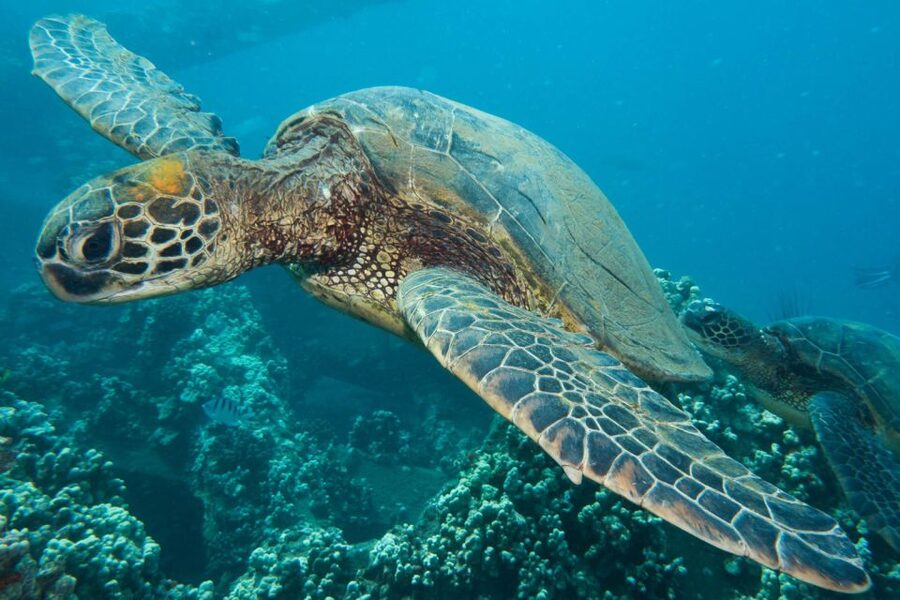
Sea turtle education gives the session a clear connection to one of Maui’s best-known marine animals. You learn about turtles in the context of their habitat, behavior, and the need to protect their surroundings. The goal is not simply to find a turtle and take a picture, but to observe with more care.
Shark education can put these animals into better perspective. The experience may include opportunities to see white-tip sharks, as happened at Mala Pier, but sightings are not guaranteed. The educational topic remains worthwhile even if the animals stay out of view.
Interactive fish identification is a good pick if you want to make sense of the many tropical fish around the reef. Instead of watching a stream of colorful shapes, you can begin to identify what you are seeing and understand how different species fit into the reef community.
Reef cleanup links the session to direct care for the marine environment. The information provided does not promise a specific amount or type of cleanup work, so you should think of this as a conservation-focused topic rather than assume a large removal project.
Buoyancy training may be the most practical choice for many certified divers. Better control helps you move with less effort, reduces accidental contact with coral, and can make the underwater experience calmer. It is also useful if you want to improve your habits for future scuba outings.
From the shop to the Lahaina reef
After the introduction and topic selection, you prepare your equipment and head to the chosen water location. The exact meeting point and guide’s name are provided the day before, so you need to contact the operator to confirm the location and start time.
That late confirmation is a small planning issue. It means you should not build a tightly packed morning around an unconfirmed meeting spot. The tradeoff is that the session can be matched to current conditions and the day’s arrangements.
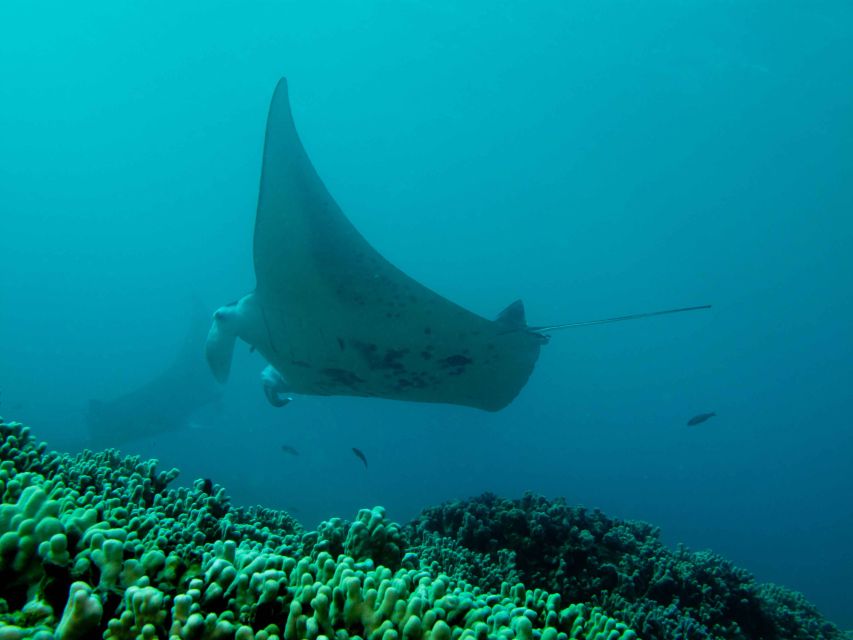
The named locations include Kahekili Beach and Mala Pier, both near Lahaina. The experience description refers broadly to Maui’s clear blue water and Lahaina’s coral reefs, while the specific site can vary.
Mala Pier appears to be the more wildlife-focused option when conditions and location line up. A session there included white-tip sharks, eels, trumpet fish, a family of fluke, and plenty of sea turtles, along with other tropical fish. That is an unusually varied list for one morning, though you should treat it as a possible encounter rather than a promise.
Kahekili Beach provides another setting for exploring Maui’s reef environment. The important point is that the value does not rest entirely on one animal or one site. If you choose the conservation and identification topics, the instructor gives you ways to engage with the reef even when a particular species is not present.
More dives for certified divers in the USA:
- Wreck and Bridge Span Dive for Certified Divers
★ 5.0 · 521 reviews - Certified Diver: 2-Tank Deep Wreck and Shallow Reef Dive Off Oahu
★ 5.0 · 331 reviews - Certified Diver: 2-Tank Shallow Reef Dives off Oahu
★ 5.0 · 278 reviews - Small-Group Shark and Turtle Dive for Certified Divers
★ 5.0 · 219 reviews
What you may see beneath the surface
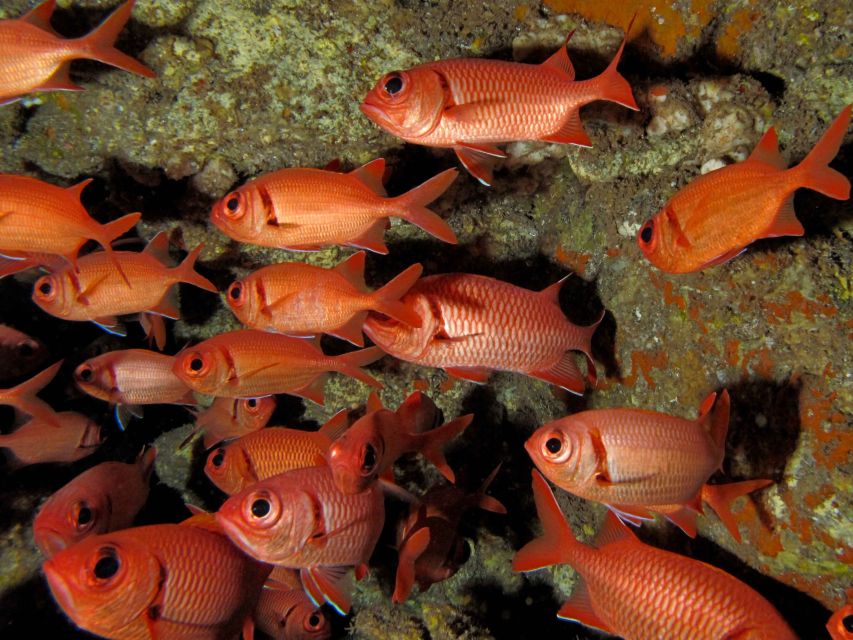
Maui’s tropical fish are central to the experience. Fish identification gives you a reason to slow down and observe shape, color, movement, and behavior. With an instructor nearby, you can ask questions and connect those details to the larger reef community.
Sea turtles are another major draw. They are frequently associated with Maui’s nearshore waters, and the experience specifically includes turtle education. Still, marine wildlife is not scheduled entertainment. Your instructor can explain habitat and behavior, but cannot promise that a turtle, shark, eel, or trumpet fish will appear.
The same applies to the white-tip sharks seen at Mala Pier during one outing. Shark education can make an encounter more meaningful, but you should book this for the teaching and conservation focus rather than for a guaranteed shark sighting.
Coral reefs are the constant subject beneath those individual sightings. You learn to look at the reef as living habitat, not as a backdrop. That perspective is valuable because careless fin movement, poor buoyancy, or touching coral can cause harm even when the diver has good intentions.
The water is described as crystal clear and blue, but visibility and marine activity can change. I would keep your expectations flexible and judge the experience by the quality of the instruction as well as the number of animals you see.
Becoming a citizen scientist
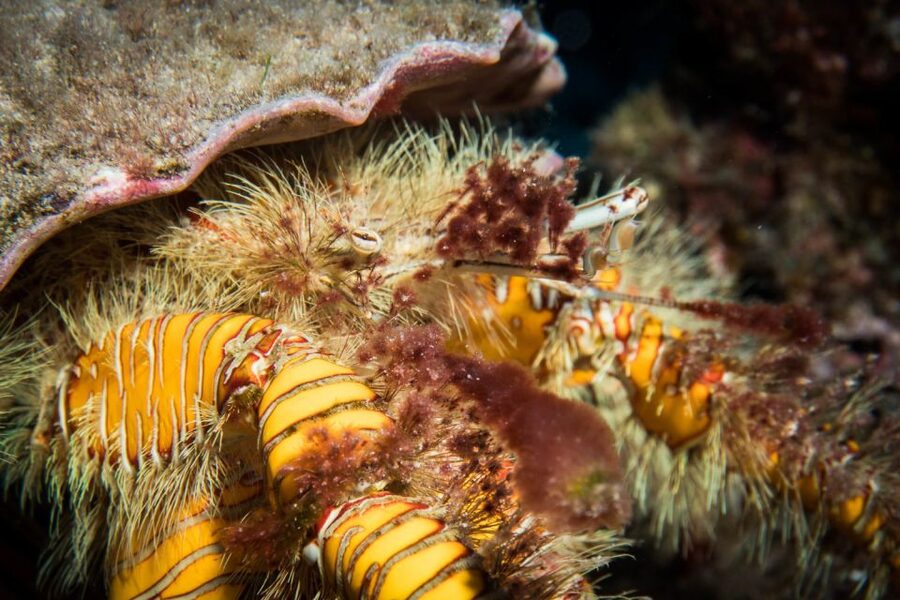
One of the more unusual elements is the introduction to citizen science. The instructor explains how divers can contribute to research that supports ocean protection and healthier marine ecosystems.
The supplied information does not specify a named research program, app, survey, or data sheet. You should therefore expect general guidance about observation and responsible participation, not assume that you will complete a formal scientific survey during the session.
Even so, the idea has real value. Certified divers spend time in places that scientists cannot monitor constantly. Learning what to notice, how to record observations, and how to avoid disturbing wildlife can make future scuba trips more useful.
This also gives the session a life beyond three hours. A simple fish identification skill or improved buoyancy control can stay with you on later outings. The activity asks you to become a more careful observer, not just a temporary sightseer.
The debrief helps tie the experience together
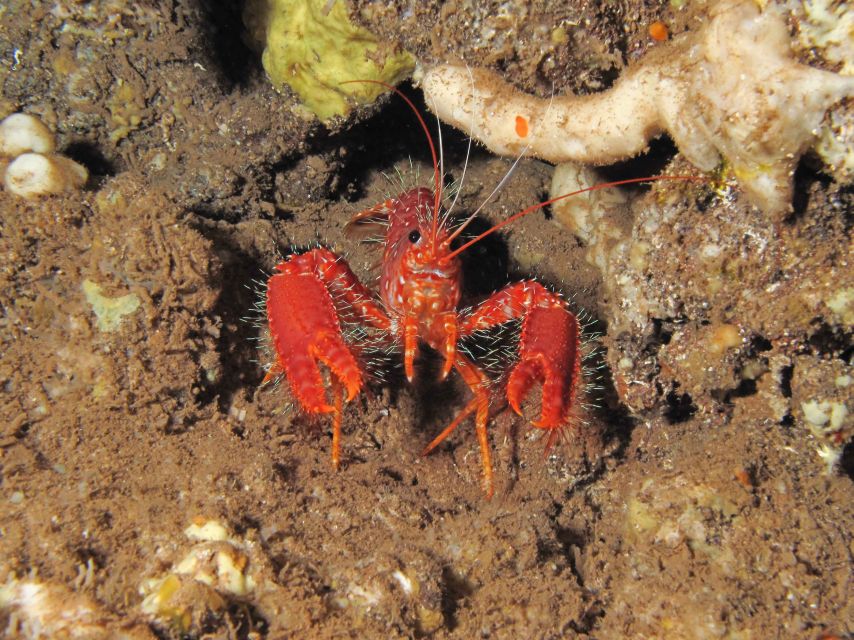
After the water session, you have time to discuss what you saw with the instructor. This is when the morning’s separate pieces can come together: the fish you identified, the coral structure you observed, the behavior of turtles or sharks, and the ways divers can reduce their impact.
A debrief is easy to overlook, but it can be one of the most useful parts of a small-group outing. Underwater communication is limited, and you may not have time to ask every question while moving through the reef. Back on land, you can revisit the animals and behaviors that caught your attention.
It also gives you a chance to talk about buoyancy and technique. If you selected that workshop, the instructor can help connect what happened in the water with specific habits for future scuba sessions.
Is $199 a fair price?
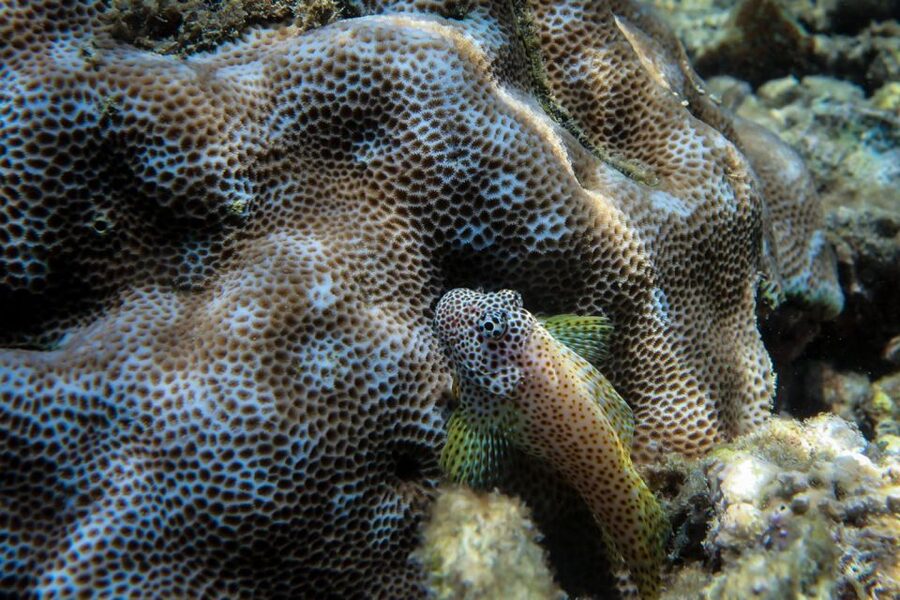
At $199 per person, this is not the cheapest way to spend time in Maui’s water. The price makes more sense when you value the instructor’s time, the maximum four-to-one ratio, and the conservation workshop format.
You are paying for more than access to a reef. The experience includes personalized instruction, a topic chosen around your interests, marine life education, and a post-session discussion. For a certified diver who wants to sharpen skills or understand Maui’s ecosystem, that can be fair value.
The price is harder to justify if you simply want a quick underwater look or already have a large amount of reef knowledge. You may prefer a basic recreational scuba outing if wildlife viewing is your only goal.
Hotel pickup and drop-off are not included. You need to arrange your own way to the confirmed meeting point, and you should allow enough flexibility for the location and start time supplied the day before.
The booking terms are traveler-friendly: you can cancel up to 24 hours before the activity for a full refund, and you can reserve now and pay later. Those policies help if your Maui plans are still shifting, but they do not remove the need to confirm the meeting details.
Who will enjoy this most?
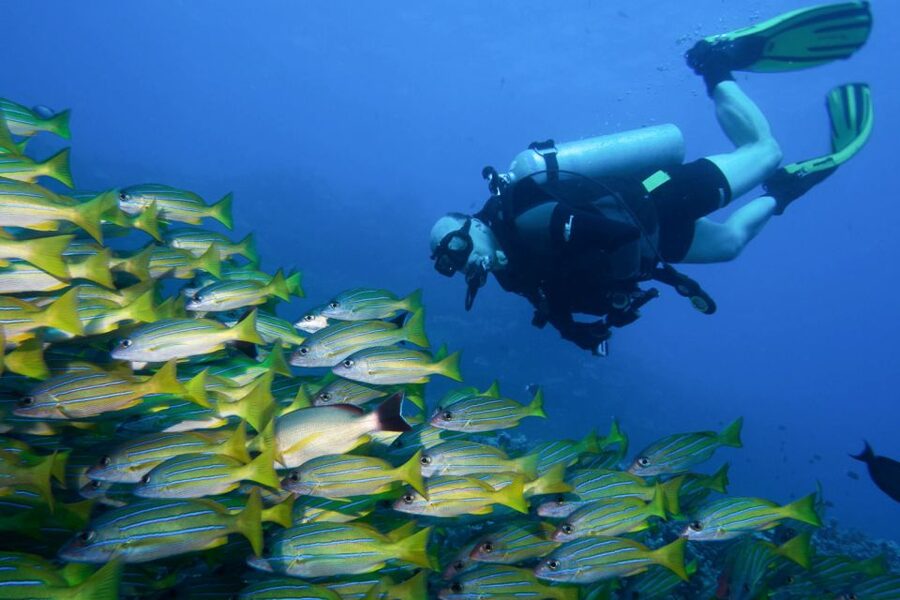
This experience is best suited to certified divers who want a small group and a stronger educational angle. It is especially useful for you if you have not been in the water recently, want to improve buoyancy, or enjoy learning the names and habits of marine life.
It also fits divers who care about conservation but do not want a lecture disconnected from the actual reef. You learn about protection while you are looking at the ecosystem itself.
The session may not suit you if you do not hold an Open Water Certification. Proof of certification is required, and the activity is not described as an introduction for non-certified participants.
It may also be a poor fit if your schedule requires a fixed meeting location months in advance. The meeting point and guide’s name arrive the day before, so you need to remain flexible and confirm the details.
Bring proof of your diving certification and complete the required waiver before the activity. Remember the flight rule as well: flying within 24 hours after scuba is not permitted. Plan this session early enough in your Maui visit if you need to fly home soon afterward.
Should you book this conservation scuba session?
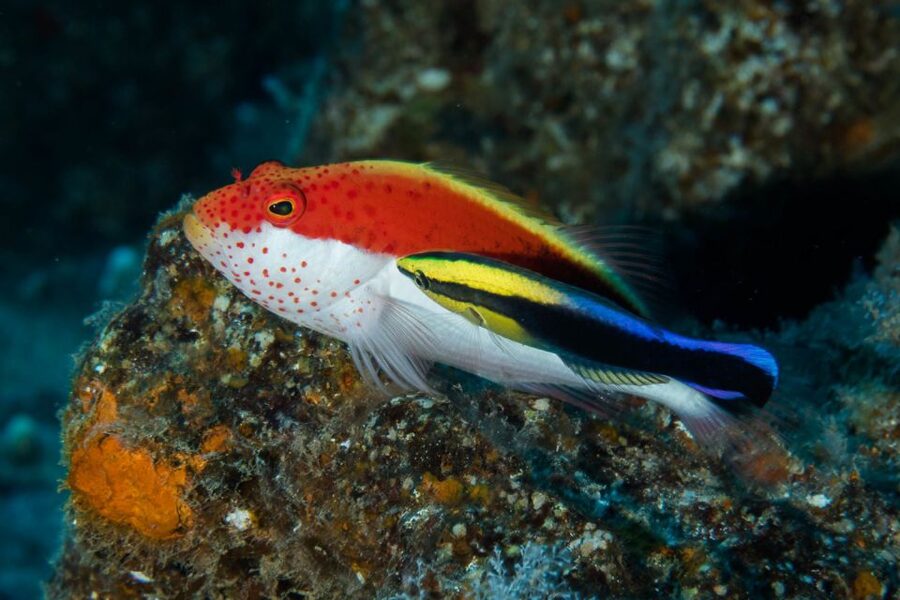
I would book it if you are already certified and want your Maui scuba time to have a clear purpose. The strongest reasons are the four-to-one group limit, the ability to choose your lesson, and the chance to learn from instructors such as Ashley and Gabby.
The wildlife potential is appealing, especially around Mala Pier, where sightings have included turtles, white-tip sharks, eels, trumpet fish, and fluke. But I would not book it on the promise of a particular animal. Book it for the instruction, careful reef practice, and better understanding of what you encounter.
At $199, it is a considered purchase rather than a casual add-on. For a diver who values personal guidance and conservation, the cost is reasonable. For someone seeking only a quick sightseeing session, a simpler option may be a better match.
FAQ
Do I need a scuba certification?
Yes. You must provide proof of an Open Water Certification to take part.
How long does the activity last?
The experience lasts three hours, with starting times available according to the date you select.
How many divers are in each group?
The group is limited to four divers per instructor.
What subjects can I study?
You can choose from coral reef ecology, reef cleanup, sea turtle education, shark education, interactive fish identification, and a buoyancy workshop.
Are hotel transfers included?
No. Hotel pickup and drop-off are not included.
Can I fly after the activity?
You must not fly within 24 hours after scuba activity.
What should I bring?
Bring proof of your diving certification. You must also complete a waiver before the activity.
Just added around the USA
- Panama City Beach: Beginners Scuba Diving Tour★ 4.6 · 23 reviews
- Oahu: Wreck & Reef Scuba Dive for Certified Divers★ 4.8 · 17 reviews
- Oahu: Shark Cage Diving Experience★ 4.6 · 46 reviews
- Oahu: Shallow Reef Scuba Dive for Certified Divers★ 5.0 · 11 reviews
- Oahu Night Dive: Adventure for Certified Divers★ 3.6 · 6 reviews
- Oahu: Cageless Shark Dive Adventure★ 4.9 · 60 reviews
- Oahu: Beginner SCUBA Dive at Electric Beach★ 4.8 · 10 reviews
- Kauai: Morning 2 Tank Boat Dive for Experienced Divers★ 5.0 · 5 reviews
Dives for Certified Divers, compared.
Open Water Course – Become certified diver in 3 days
Read our review →
Two-Tank Morning Dive Trip for Certified Divers
Read our review →
2 Tank Lanai Cathedral Scuba Dive Via Boat for Certified Divers
Read our review →
Wreck and Bridge Span Dive for Certified Divers
Read our review →
Diving for Certified Divers, 2 Tanks Sosúa Bay
Read our review →
Certified Diver: 2-Tank Deep Wreck and Shallow Reef Dive Off Oahu
Read our review →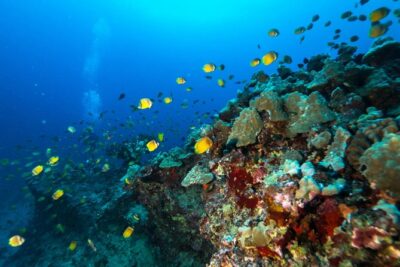
Certified Diver: 2-Tank Shallow Reef Dives off Oahu
Read our review →
2 Dives in the morning for certified divers in Bora Bora
Read our review →Lists this dive appears in