
REVIEW · OAHU
Open Water Scuba Certification
Getting certified in Hawaii lets you learn a serious new skill while exploring the island’s coral reefs. This is not a quick resort lesson. You complete online study, confined-water practice, and four ocean sessions before earning an SSI Open Water certification.
I like the small maximum group of eight, which gives instructors room to watch your technique and steady anyone who feels uneasy. I also like the two-weekend schedule, since you have time to absorb the first lessons before finishing the course. The main drawback is the fixed schedule and nonrefundable price, so this works best when your calendar and health are firmly settled.
Key points to know before booking
- Four-part course over two weekends: You complete training across four scheduled days, not in one long vacation afternoon.
- Four local ocean sessions: The course includes four logged scuba sessions after your beach and confined-water work.
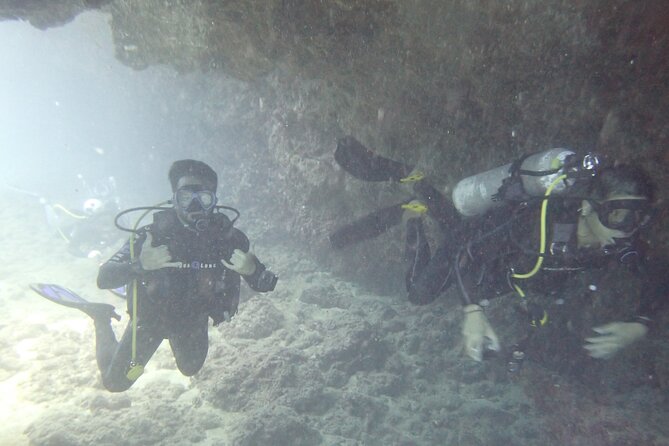
- Hawaiian reef setting: Keep watch for sea turtles, octopuses, and colorful tropical fish.
- Small group size: The class is capped at eight people, useful when you are learning gear and underwater signals.
- Bring your own basic personal gear: Mask, snorkel, fins, and boots are not included. Rental prices for those items start at $175.
- Plan around flights and transport: You need your own transportation, and flying within 48 hours after scuba activity is not recommended.
Learning to breathe underwater in Honolulu
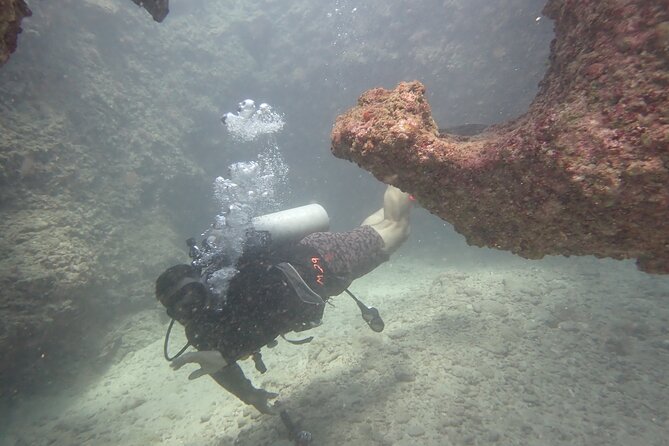
The first step is online study, and it must be finished before your first class. Digital learning is included, but you need to contact the company for access. Treat this part as real preparation, not paperwork to skim at midnight. You will arrive better prepared to understand equipment, safety rules, and the skills your instructor will ask you to perform.
Your course begins at 7:00 a.m. at Honolulu Scuba Company, 670 Auahi Street, Suite A-1, in Honolulu. You return to this meeting point at the end of the activity. Since private transportation is not included, arrange your own ride each day and allow enough time to arrive ready for an early start.
The course earns you an SSI Open Water Scuba Certification and gives you four logged local scuba sessions. That matters more than a one-time introductory swim. You leave with a qualification intended to become part of your future underwater travel and recreation, provided you keep up with the sport’s ongoing requirements.
More Scuba Diving in Oahu
- Oahu Shark Dive
★ 5.0 · 2,903 reviews - Oahu: Shark Cage Dive on the North Shore
★ 4.8 · 1,485 reviews - Shark Cage Diving on Oahu’s North Shore
★ 5.0 · 1,391 reviews
Weekend one: final exam and beach skills
Day one begins with a review of the final exam, followed by confined-water training from the beach. This is where the course shifts from theory to practical work. You learn how to handle the equipment, control your breathing, and carry out basic scuba skills in a setting designed for instruction rather than sightseeing.
For a first-time student, this day may feel like the most important one. Breathing through a regulator can seem strange at first, and the equipment takes practice before it feels natural. A patient instructor makes a real difference here. Several instructors connected with this course receive strong praise for staying calm, explaining skills clearly, and helping nervous students gain confidence without pushing them beyond their comfort level.
The named instructors associated with particularly positive feedback include Lenny, Theo, Nick, Jake, Ed, Chandler, Hunter, Anna, Jess, and Aey. Your instructor will depend on the class schedule, so do not book this course expecting one particular person unless the company confirms that arrangement.
The beach setting has practical value. You can focus on basic techniques close to shore before facing the open ocean. At the same time, it is not the polished pool session some beginners might expect. One past account raised concerns about a very small backyard pool and worn equipment, so you should arrive ready for a functional training environment rather than a resort-style classroom.
Weekend one: two ocean sessions
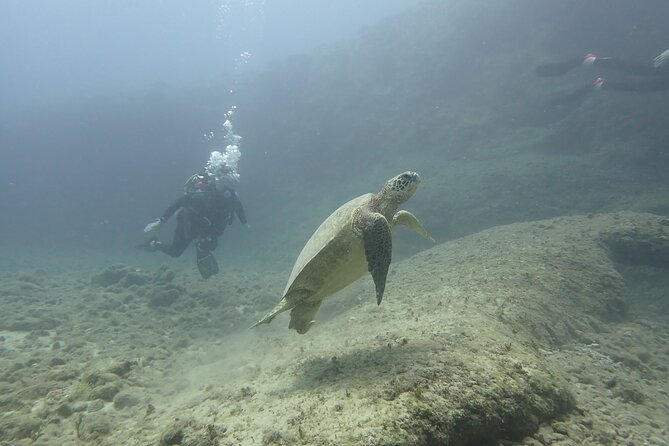
Day two includes two ocean sessions. This is your first chance to apply the beach training in a true Hawaiian setting, where conditions can feel less predictable and the surroundings are part of the reward.
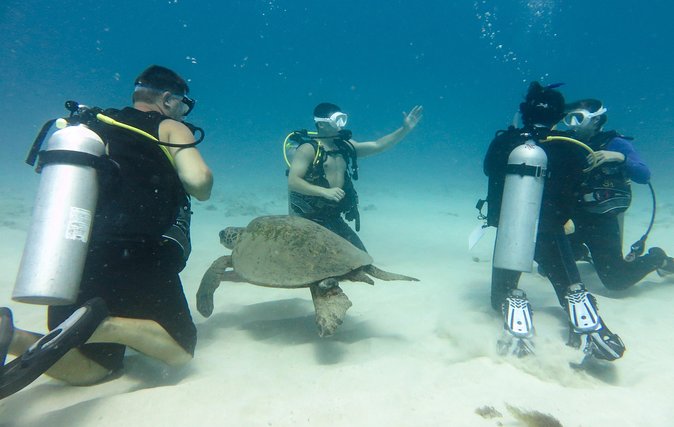
The course information describes coral reefs, sea turtles, octopuses, and many tropical fish as possible sights. Wildlife is never guaranteed, and your attention must remain on your instructor and your skills, but the chance to see turtles during training gives the day a special sense of place. You are not simply practicing in an indoor facility and receiving a certificate later. You are building experience in local ocean conditions.
This is also where the small group limit matters. With no more than eight people, instructors can keep a closer eye on equipment checks, movement, communication, and comfort. Scuba training requires more than swimming around and looking at fish. You need to respond to instructions, manage your breathing, and stay aware of the people around you.
Past class accounts repeatedly praise instructors for being patient, thorough, and approachable. Ed is especially associated with clear instruction and turtle sightings on a final session. Chandler is praised for helping students who were afraid of the water. Hunter is frequently described as professional, enthusiastic, and focused on safety and confidence. These details suggest that the quality of your class may depend partly on the instructor assigned that day.
Weekend two: finishing confined-water training
The course resumes the following weekend with day three, when you complete the remaining confined-water work. The two-weekend format is a useful feature for beginners. You get a break between sessions instead of trying to absorb every skill in one compressed block.
That pause can work in your favor. You can think through what felt awkward, ask questions, and return with a clearer idea of what needs attention. It also makes this course more realistic for people who live on Oahu or can arrange repeated visits. It is less convenient for a short holiday built around a single free weekend.
The schedule is designed for locals, but anyone who can attend all four sessions is welcome. For a visitor, that means checking your accommodation, transportation, and flight plans before paying. The course is not a flexible add-on that you can casually fit between two sightseeing days.
Use the third day to polish the basic skills rather than rushing toward the certificate. The best instructors in the provided accounts are praised for making sure students feel prepared and comfortable. That approach is especially useful if you were anxious during the first session or if handling the equipment took longer than expected.
More dive courses in Oahu:
- Open Water Shark Dive
★ 5.0 · 185 reviews - Oahu Open Water Shark Diving Experience
★ 5.0 · 128 reviews - PADI Open Water Certification Course Shared Experience
★ 5.0 · 65 reviews - SCUBA Dive at Electric Beach with Photos -No Certification Needed
★ 5.0 · 28 reviews
Weekend two: the final two check-out sessions
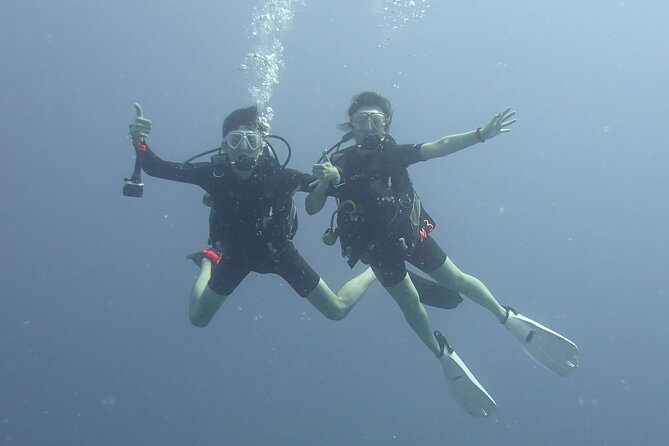
Day four includes the final two check-out sessions. These complete the practical requirements and bring your logged local scuba sessions to four.
The word check-out is important. This is not simply a scenic reef outing. You must show that you can use your equipment and carry out required skills in open water. Your instructor is there to assess your readiness, so listen closely and do not treat the last day as a casual sightseeing trip.
If everything is completed successfully, you earn SSI Open Water certification at the end of the training. The result is a useful long-term qualification, but remember that scuba is a skill-based activity. A certificate is a starting point, not a promise that every future underwater setting will feel easy.
The reward is a better understanding of how to move, communicate, and stay calm underwater. You also finish with four local sessions in Hawaii, which gives your new certification a stronger practical foundation than a purely classroom-based course.
What the $495 price really covers
The listed price is $495 per person. That is a substantial amount, but it covers a full four-part certification course, professional instruction, scuba equipment, digital learning, and four local sessions. Compared with a short introductory experience, you are paying for training that can support future scuba outings.
The value depends on whether you intend to use the qualification again. If you only want a single underwater activity during a Honolulu holiday, a shorter introductory option may be simpler and less expensive. If you want to join future scuba trips, this course gives you a proper starting credential and practical experience.
Budget for the personal gear not included in the price. You must bring your own mask, snorkel, fins, and boots, or purchase them at prices starting at $175. That can change the real cost considerably. Ask about current equipment options before booking, especially if you do not already own these items.
All other scuba equipment is included according to the course details. The information does not promise brand-new equipment or a particular model. One account raised concerns about a torn wetsuit, so if equipment condition matters to you, ask what you will receive and raise any problem before entering the water.
Health, fitness, and flight planning
Every participant must complete a health questionnaire before scuba activity. Conditions such as asthma and heart problems may prevent you from taking part, so consult your doctor if you have a relevant medical concern. This is not a box to tick without thought. Pressure changes and underwater exertion make honest health screening essential.
You should have a moderate level of physical fitness. You do not need to be an athlete based on the information provided, but you should be prepared for beach-based practice, equipment handling, and repeated ocean sessions.
Do not plan to fly within 48 hours after the course. That restriction is particularly important for visitors building a tight Hawaii itinerary. Leave enough time between your final session and your flight home, rather than hoping an early departure will work.
The cancellation terms are strict. The experience is nonrefundable and cannot be changed for any reason, including a cancellation request or amendment. Since illness can affect participation, consider your schedule and health carefully before committing.
How the instruction affects your experience
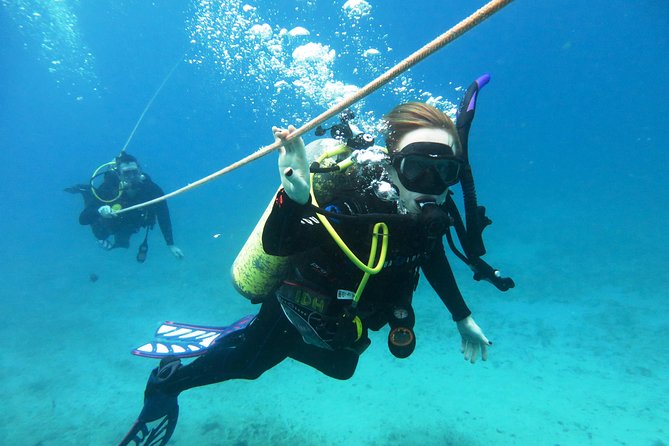
The strongest pattern in the available feedback is the quality of personal instruction. Lenny is praised for patience, Theo for clear teaching, Jake for thorough explanations, and Nick for making the entire process feel worthwhile. Anna is associated with a mix of serious instruction and humor, while Jess receives especially warm praise for leadership and a good sense of humor.
This matters because comfort underwater develops slowly. A calm instructor can explain a skill again, adjust the pace, and help you replace panic with a routine. Several accounts describe instructors meeting anxious students at their level instead of forcing them ahead too quickly.
There are also less positive details you should weigh. One account described an unpleasant captain, equipment concerns, and weak health-safety procedures during an earlier period. Another involved a last-minute cancellation and a dispute over a refund after illness. These issues do not erase the strong overall rating of 4.9 from 81 ratings or the 99 percent recommendation figure, but they do remind you to confirm current policies and equipment details directly.
Instructor assignments can shape the day. If you have a preferred instructor, ask whether that person is scheduled, but understand that no specific instructor is guaranteed in the supplied course details.
Who should book this course?
I would choose this course if you want a real scuba qualification, can attend four scheduled days, and expect to use the certification again. It suits someone who values patient instruction and wants to learn in Hawaiian waters rather than complete training in a generic indoor setting.
It is also a good fit if you are nervous about breathing underwater. The strongest teaching feedback centers on patience, safety, and confidence building, which are exactly the qualities a beginner needs.
I would hesitate if your Hawaii trip is short, your dates may change, or you plan to fly home soon after the final session. The two-weekend format, early start, personal transportation requirement, extra gear cost, and firm cancellation terms all demand careful planning.
Should you book the Honolulu SSI course?
Book it if you want more than a one-time underwater outing. For $495, you receive a complete SSI certification course, four logged local sessions, digital study, professional instruction, and scuba equipment, though personal mask, snorkel, fins, and boots cost extra.
Before paying, confirm the four dates, the instructor schedule, the equipment arrangement, and the timing of your return flight. If those details work, this is a practical way to begin a lasting ocean hobby, with the added pleasure of learning around Hawaii’s reefs and possible turtle sightings.
FAQ
How many days does the certification course take?
The course takes approximately four days and is held over two consecutive weekends.
What time and where does the course begin?
It begins at 7:00 a.m. at Honolulu Scuba Company, 670 Auahi Street, Suite A-1, Honolulu, Hawaii 96813.
Is transportation included?
No. You need to arrange your own transportation to and from the meeting point.
What equipment do I need to provide?
You must bring your own mask, snorkel, fins, and boots, or purchase them at prices starting at $175. Other scuba equipment is included.
What certification will I receive?
After completing the training, you will earn an SSI Open Water Scuba Certification and log four local scuba sessions.
How large is the class?
The course has a maximum of eight participants.
Can I fly immediately after the course?
Flying within 48 hours after scuba activity is not recommended. Plan your return flight with that restriction in mind.
Just added around Oahu
- Oahu: Waikiki Discovery Scuba Diving for Beginners★ 4.8 · 99 reviews
- Two Tank Wreck and Drift Dive in Oahu★ 4.5 · 7 reviews
- 2 Tank Private SCUBA Party Diving Charter from Waikiki Hawaii★ 4.5 · 34 reviews
- Certified Divers: Best 2-Tank Wrecks & Reef Boat Dive All Inclusive From Waikiki★ 5.0 · 41 reviews
- Small Group Shallow Reef Dive in Oahu★ 5.0 · 9 reviews
- SCUBA Dive at Electric Beach with Photos -No Certification Needed★ 5.0 · 28 reviews
- Discover Scuba Diving in Hawaii – Non certified divers!★ 5.0 · 3 reviews
- Waikiki Two Tank Guided Scuba Diving Adventure: Certified Diver★ 5.0 · 5 reviews
Scuba Diving Courses, compared.
Open Water Course – Become certified diver in 3 days
Read our review →
Heraklion: Beginner Scuba Diving Lesson with PADI Instructor
Read our review →
Discover Scuba Diving with No Certification in St Thomas
Read our review →
Try Dive – PADI Discover Scuba Diving in Tenerife
Read our review →
Lists this dive appears in