
REVIEW · NHA TRANG
PADI Freediver Course
The most useful part of this PADI Freediver course is that it treats breath-hold swimming as a skill, not a stunt. Over roughly two days in Nha Trang, you work on calm breathing, efficient movement, and controlled underwater descents in a group capped at three people.
I like the small group size, which should give you more direct time with your instructor. I also like the clear progression from static apnea and dynamic apnea to free immersion and constant weight work. Instructors named Andrey and Andrew have been singled out for calm, professional teaching. The main consideration is physical fitness: this is active training, not a casual snorkeling outing, and the full course aims for 10 to 16 metres.
Key points to know before booking
- Two days of structured breath-hold training: You learn static apnea, dynamic apnea, free immersion, and constant weight techniques.
- Small maximum group of three: This is a strong setup for personal correction and close supervision.
- Two qualification paths: Complete open-water work for the PADI Freediver rating, or train in confined water to a maximum of 6 metres for the PADI Basic Freediver rating.
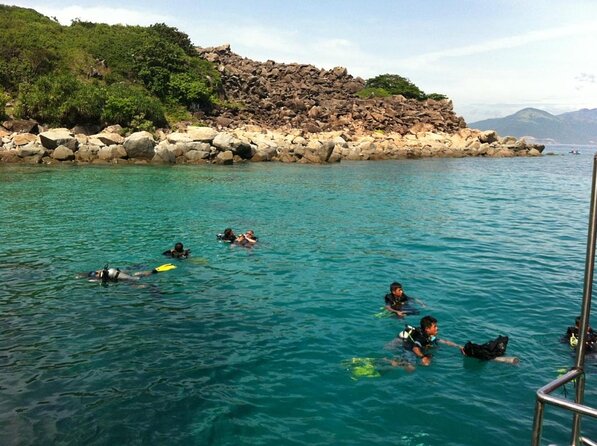
- Nha Trang setting: The course takes place in one of Vietnam’s best-known coastal destinations, with pickup offered and a mobile ticket.
- Instructors named Andrey and Andrew: Both are associated with strong teaching comments, especially for beginners.
- $320 price point: The cost makes most sense if you want formal instruction and a recognized rating, rather than a one-off underwater experience.
What this Nha Trang course actually teaches
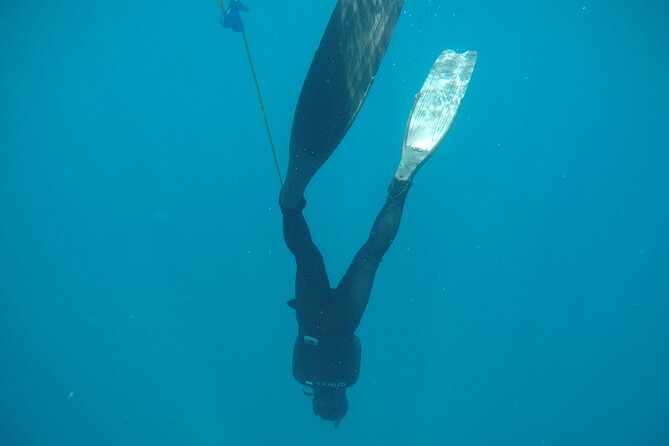
It helps to separate freediving from ordinary snorkeling. With a mask and snorkel, you can look below the surface while floating. Skin diving adds short underwater trips. Freediving takes the next step, using breath control, body position, and planned movement to stay underwater longer and travel farther down.
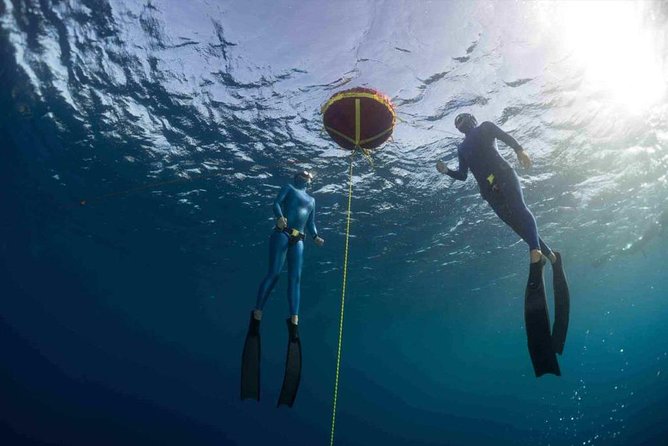
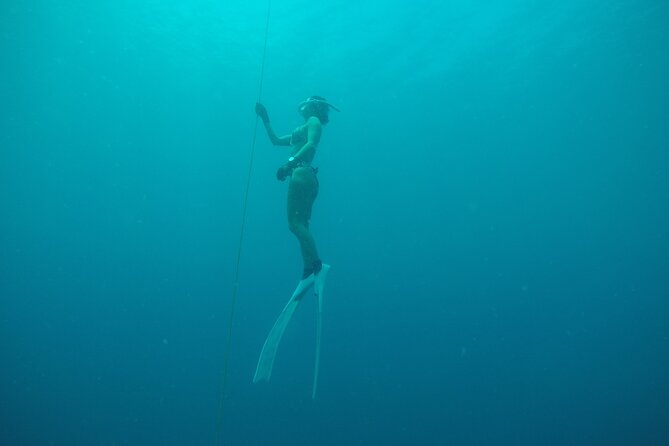
That distinction matters. You are not simply being taken out to look at fish. The course teaches you how to use oxygen carefully while remaining relaxed. Static apnea focuses on holding your breath while staying still. Dynamic apnea adds controlled movement through the water. Free immersion uses a line for assistance, while constant weight work asks you to descend and return using your own fins and equipment without changing the weight carried.
The course targets depths of about 10 to 16 metres, or roughly 30 to 55 feet. Those numbers are not a promise that every person will reach the same depth. They describe the level of skill the training is designed to develop. Your progress will depend on comfort, technique, equalization, and how well you respond to breath-hold work.
If open-water training is not possible or does not suit you, there is a shorter route. You can complete the theory and confined-water skills to a maximum of 6 metres, or about 20 feet, and earn the PADI Basic Freediver rating. That makes the course more flexible than a simple all-or-nothing qualification.
More Scuba Diving in Nha Trang
- Discovery Scuba Diving on Hon Mun Island in Nha Trang
★ 5.0 · 127 reviews - 2 Fun Dives for certified Divers
★ 5.0 · 108 reviews - Nha Trang: Scuba Diving Experience for Non-Certified Divers
★ 4.8 · 45 reviews
How the two days are likely to unfold
The supplied schedule does not give a minute-by-minute plan, so you should think of this as a skill progression rather than a sightseeing itinerary. The first stage is the learning foundation. You work through the ideas behind breath-hold control and the different freediving disciplines before putting them into practice.
Static apnea is a useful starting point because it teaches you to notice tension and unnecessary movement. Staying still can sound easy, but many beginners discover that the real challenge is remaining calm as the breath-hold continues. The instructor’s job is to help you replace hurried effort with measured control.
Dynamic apnea then adds motion. You learn how to travel underwater without wasting oxygen through rushed fin strokes or poor body position. This is where formal coaching can make a clear difference. Small adjustments in movement can help you feel more comfortable and use less energy.
The water-based work then moves toward free immersion and constant weight skills. Free immersion uses a line and your arms to help you move down and back up. Constant weight work uses fins and asks you to manage the descent and return through technique, breathing, and equalization.
Do not read the 10 to 16 metre target as a contest. A good course should help you understand your own limits, not pressure you to chase a number. If you are new to breath-hold training, the most valuable result may be better control and a safer routine, even if you finish at a shallower depth.
Why the three-person limit matters
The maximum group size is three people. That is one of the strongest practical features here.
Freediving instruction benefits from close attention. Your instructor needs to watch your body position, fin movement, breathing habits, and comfort underwater. In a large class, it is easier to spend long stretches waiting or miss the small correction that would make a skill feel natural. With only three participants, you should have a better chance of receiving direct guidance.
A small group also suits first-timers who may feel self-conscious. You can ask basic questions without competing with a crowd. That matters when you are learning something as unfamiliar as breath-hold recovery or line-assisted movement.
There is one trade-off. A three-person maximum does not mean every minute is private instruction. You will still share teaching time and may need to wait while another person practices. Even so, the ratio is far more personal than a mass-market water activity.
Instructors Andrey and Andrew
The names Andrey and Andrew are linked with the instruction on this course. Andrey is described as guiding a first-level course for someone with little or no previous freediving experience, while Andrew is praised for working with a young solo visitor trying the activity for the first time.
That gives you a useful picture of the teaching style to expect: a course suitable for beginners, with emphasis on steady instruction rather than bravado. You should confirm the assigned instructor when booking if having a particular teacher matters to you, since the available instructor may vary.
A good instructor is especially important for equalization and breath-hold comfort. The supplied information does not specify the exact teaching language, equipment brands, or classroom format, so ask those questions before arrival if they affect your choice.
More dive courses in Nha Trang:
- PADI Discover Scuba Diving – introduction program for beginners
★ 4.5 · 15 reviews - PADI Open Water Diver Course | For beginners
★ 5.0 · 10 reviews - Open Water Course – Become certified diver in 3 days
★ 5.0 · 1,137 reviews - Barcelona: PADI Discover Scuba Diving
★ 4.7 · 1,016 reviews
From snorkeling to real breath-hold technique
Many people arrive with snorkeling experience and assume freediving will feel like a longer version of it. The difference is more substantial than that.
Snorkeling keeps you on the surface most of the time. Skin diving adds brief descents. Freediving asks you to coordinate breathing, relaxation, body position, finning, equalization, and ascent timing while underwater. It is a technical activity, even at modest depth.
That is why the course has value for a beginner. You are not left to copy what someone else does in the water. You learn why a calm descent matters, how movement affects oxygen use, and how the various disciplines fit together.
The course is also useful if your goal is not certification alone. Better breath control and efficient movement can improve future snorkeling and underwater photography. Still, you should not book it expecting a relaxed half-day excursion. The course has a training purpose and requires concentration.
What the $320 price means
At $320 per person, this is a serious purchase compared with a standard snorkeling trip. The price is easier to justify if you want formal instruction, a PADI rating, and a small class rather than a quick introduction.
You are paying for a two-day training experience that covers theory and several practical disciplines. The full route aims at 10 to 16 metres, while the confined-water route provides a Basic Freediver rating to 6 metres. That flexibility adds value if weather, water conditions, or personal comfort make the deeper work unsuitable.
The information does not spell out every inclusion, such as equipment rental, meals, certification fees, or transport details. Pickup is offered, but you should ask exactly where it applies and what the $320 covers before paying. This is particularly important because one three-day course participant praised the food served on the boats, but the product described here lasts about two days. Do not assume the same meal plan or boat schedule applies.
I would compare the price with the cost of separate lessons, equipment hire, and certification elsewhere in Nha Trang. If you only want to try a single short underwater session, $320 may feel high. If you want a structured qualification with close supervision, the cost is more reasonable.
Fitness, confidence, and sensible limits
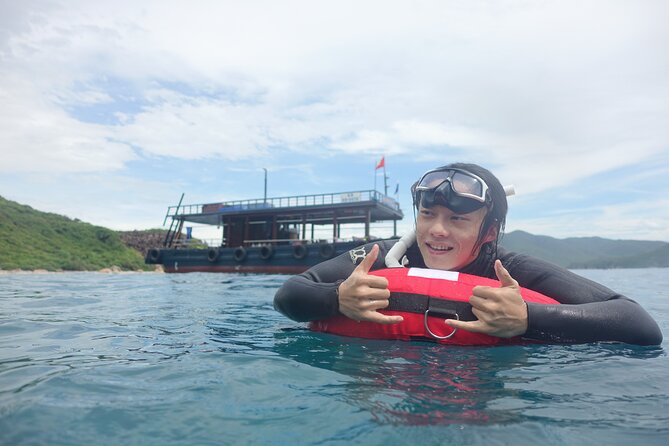
You need a moderate level of physical fitness. The course involves repeated breath-hold practice, swimming, fin use, and controlled movement in the water. You do not need to arrive as an athlete, but you should be comfortable with active water time.
Your mindset matters as much as strength. Anxiety can lead to rushed breathing and wasted energy. A calm, patient approach will serve you better than trying to prove how long you can stay underwater.
The course description gives a maximum of 6 metres for the Basic Freediver option and a target range of 10 to 16 metres for the full rating. Those limits provide useful structure. They also remind you that depth should be earned through control, not forced because someone else reached it.
If you have a medical concern that could affect breath-hold exercise, ask the provider before booking. The supplied details only state that moderate physical fitness is required, so you should not treat the listing as a full medical screening.
Nha Trang timing and daily practicalities
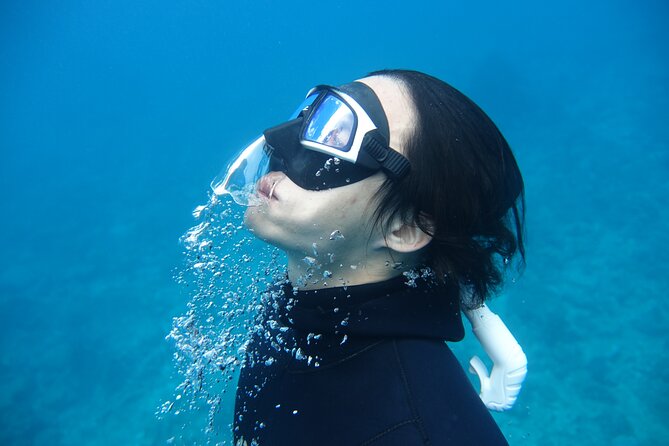
The stated operating hours are 7:00 AM to 2:30 PM, Monday through Sunday, for bookings available through June 17, 2026. That broad schedule gives you useful flexibility when fitting the course around a stay in Nha Trang.
Pickup is offered, though the exact pickup area is not stated. Confirm the meeting point and collection time in advance. A mobile ticket is available, and booking confirmation is provided at the time of reservation.
The short daily window is practical for a course that demands focus. You are not being asked to spend an entire day in the water. Still, two training days take planning, so avoid placing an important evening commitment immediately afterward. You may be tired from repeated physical practice, even if the schedule looks manageable on paper.
The maximum of three people is also worth confirming at booking. It is advertised as the limit, but knowing whether you will have one or two companions helps you understand how much individual time to expect.
Who should book this experience
I would recommend this course to you if you want a proper introduction to freediving rather than a casual underwater outing. It fits first-timers, including solo visitors, because the teaching structure and small group can make an unfamiliar activity feel less intimidating.
It also suits people who already snorkel and want to improve their underwater technique. The course gives you a framework for static apnea, dynamic apnea, free immersion, and constant weight work instead of leaving you to experiment on your own.
You may want to choose another activity if you only have a few hours, dislike structured lessons, or are looking for a sightseeing trip with minimal exertion. The price is also difficult to defend if you have no interest in earning a PADI rating.
The confined-water option is useful for anyone who wants the training but cannot complete the full open-water portion. You still need to understand that the Basic Freediver rating is limited to a maximum depth of 6 metres, while the full course works toward 10 to 16 metres.
Booking, cancellation, and final advice
Free cancellation is available if you cancel at least 24 hours before the start time. Changes or cancellations made inside that 24-hour window are not accepted for a refund, and the local time controls the cut-off.
Before booking, I would ask four direct questions: what equipment is included, where pickup operates, which instructor is assigned, and whether meals or certification costs are part of the price. The supplied details confirm the course length, group size, depth ranges, and cancellation terms, but they do not spell out those extras.
Should you book the PADI Freediver course?
Book it if you want a focused, beginner-friendly route into breath-hold training and value close instruction. The three-person maximum, the two qualification levels, and the named instructors Andrey and Andrew make this more appealing than an improvised underwater lesson.
Skip it if you want only a relaxed snorkeling session or cannot commit to two days. At $320, the course needs to deliver a real learning outcome to feel worthwhile. For a fit, curious beginner who wants a recognized PADI rating in Nha Trang, it is a sensible choice, provided you confirm what the price includes before payment.
FAQ
Where does the PADI Freediver course take place?
The course takes place in Nha Trang, Vietnam, with pickup offered.
How long does the course last?
The course lasts approximately two days.
What depth does the full PADI Freediver course cover?
The course develops skills for freediving from 10 to 16 metres, or about 30 to 55 feet.
What is the Basic Freediver option?
When open-water training is not feasible or desirable, you can complete the knowledge and confined-water skills portion to a maximum of 6 metres, or 20 feet, to earn the PADI Basic Freediver rating.
What skills are included?
The course covers static apnea, dynamic apnea, free immersion, and constant weight freediving.
How is freediving different from snorkeling?
Snorkeling usually keeps you on the surface. Freediving uses breath-hold techniques and trained underwater skills to increase time and depth.
How many people can join the course?
The activity has a maximum of three participants.
Is pickup available?
Yes, pickup is offered. The exact pickup area is not specified, so confirm the details when booking.
What are the operating hours?
The stated operating hours are Monday through Sunday, from 7:00 AM to 2:30 PM.
Can I cancel for a full refund?
Yes. You must cancel at least 24 hours before the experience start time for a full refund. Cancellations or changes made less than 24 hours beforehand are not accepted for a refund.
Just added around Nha Trang
- Discovery Scuba Diving & Snorkeling at Nha Trang Bay★ 4.5 · 14 reviews
- Fun Dives – Guided Dives for Certified Divers★ 5.0 · 18 reviews
- PADI Open Water Diver Course | For beginners★ 5.0 · 10 reviews
- Experience Nha Trang Scuba Diving with Certified Dive★ 5.0 · 8 reviews
- Discover Nha Trang Bay with Scuba Diving Tour★ 4.5 · 3 reviews
- PADI Discover Scuba Diving – introduction program for beginners★ 4.5 · 15 reviews
- Scuba Diving for Beginners with Certified Diving Centre★ 4.8 · 5 reviews
- Scuba Diving 3 Islands Nha Trang Tour★ 3.4 · 5 reviews
Scuba Diving Courses, compared.
Open Water Course – Become certified diver in 3 days
Read our review →
Heraklion: Beginner Scuba Diving Lesson with PADI Instructor
Read our review →
Discover Scuba Diving with No Certification in St Thomas
Read our review →
Try Dive – PADI Discover Scuba Diving in Tenerife
Read our review →
Lists this dive appears in