
REVIEW · MAURITIUS
Padi Open Water Diver Course
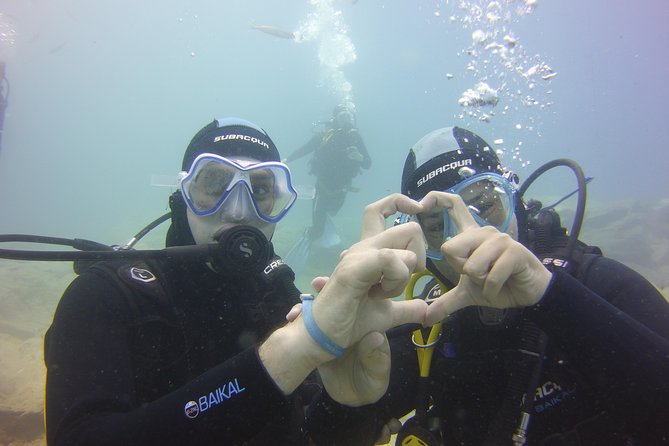
Mauritius is a fine place to begin scuba training, but this is more than a holiday activity. You work toward a recognized PADI certification through online study, pool practice, and four open water sessions. I like the three-day format and the chance to complete theory ahead of time, especially if you are fitting lessons into a longer stay.
I also like that scuba equipment is included and that the teaching team is described as patient, responsive, and flexible. Instructor Curtis is named specifically in the feedback, which is useful if you value a personal connection with your instructor. The main consideration is time: this is a real certification course, not a quick introductory swim, and you need adequate swimming ability and good physical health.
Key points to know before booking
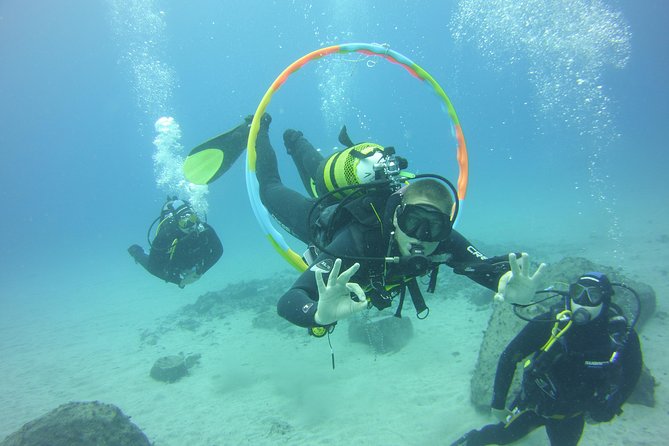
- Three-part certification: Complete online knowledge work, confined-water practice, and four open water sessions.
- Theory can be done ahead: Access codes may be shared before the practical days, allowing you to study during your holiday.
- Instructor Curtis is specifically named: The teaching team is described as friendly, clear, responsive, and accommodating.
- Scuba equipment is included: You do not need to arrange your own basic kit for the course.
- Start point is listed at La Peninsula Mauritius: Pickup is offered, but confirm the exact collection details before booking.
- Plan around the weather: Poor conditions can lead to a new date or a full refund.
What this PADI course really involves
The PADI Open Water Diver course is the standard first step for independent recreational scuba use. It is designed for beginners, so you do not need previous experience with scuba equipment. You do need to be at least 10 years old, have adequate swimming skills, and be in good physical health.
I would think of the course as a compact training program with a holiday setting, not as three days of sightseeing with a little underwater time added. You will learn how the equipment works, how to manage yourself in the water, and how to respond to common situations before you are certified.
The course has three connected parts:
- Knowledge development through online learning or classroom study
- Confined-water sessions for basic skills
- Four open water sessions where you use those skills in the sea or another suitable open water site
That order matters. You are not simply taken straight to a reef and told to follow a guide. The early work gives you a base, and the later sessions let you apply it in a real setting.
More dive courses in Mauritius:
- Open Water Course – Become certified diver in 3 days
★ 5.0 · 1,137 reviews - Barcelona: PADI Discover Scuba Diving
★ 4.7 · 1,016 reviews - PADI Open Water Diver Course
★ 5.0 · 626 reviews
Day one: online study before the practical work
The knowledge section can be completed online, independently, or in a classroom. The practical advantage is clear: you may be able to finish much of the theory before arriving at the center, leaving the three-day local schedule for hands-on work.
One useful detail comes from the course arrangement described by a previous participant: access codes were shared in advance, making it possible to complete the test during a week in Belle Mare. If you are staying on the island for several days, this can make the timetable less demanding. I would still avoid leaving all the online work until the last evening. The theory is part of your safety training, not just paperwork to clear before the water sessions.
Expect the knowledge section to cover basic principles of scuba use. The supplied information does not provide a lesson-by-lesson syllabus, so I would not assume a particular number of modules or classroom hours. What is clear is that you need to understand the core ideas before progressing to practical training.
This format suits organized learners. You can work at your own pace, review sections, and arrive ready for the pool or confined-water portion. If you prefer to ask questions face to face, request classroom support or confirm how the instructor handles questions before booking.
Day two: building confidence in confined water
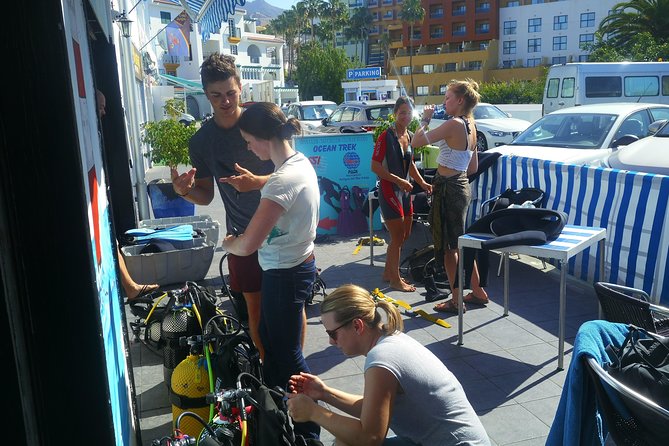
The confined-water stage is where you first use the equipment in a controlled setting. This is the right place to learn the basic skills because the instructor can focus on your technique without the added demands of a full ocean session.
You will practice the essential actions needed to use scuba equipment safely. The course information does not list each individual skill, so I would not promise particular exercises. The important point is that this stage comes before the four open water sessions and is designed to prepare you for them.
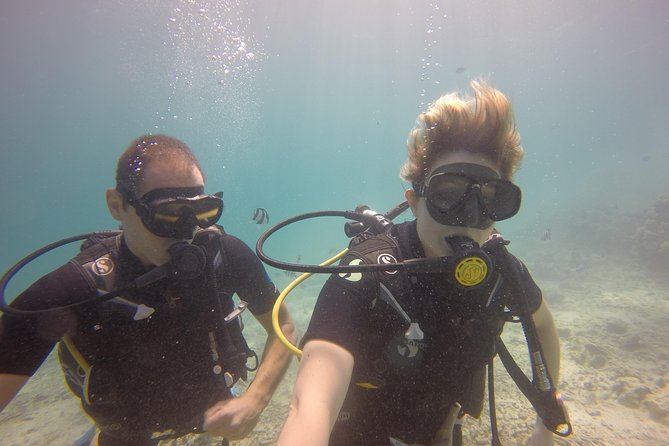
This is often the most useful part of a beginner course. You can get used to breathing through the regulator, handling the equipment, and following instructions while the setting remains manageable. A good instructor will also notice where you need more time. The feedback about the team being patient, pedagogical, responsive, and flexible is encouraging here, particularly for anyone who feels nervous at the start.
I like that the equipment is provided. It means you can focus on learning instead of arranging tanks, regulators, and other required gear separately. Still, included equipment does not mean every personal item is covered, so ask what you should bring and what is available at the center before arrival.
Days two and three: four open water sessions
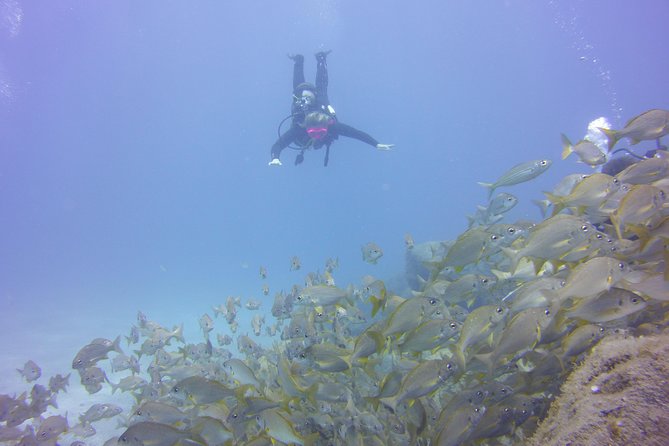
The course finishes with four open water sessions. These may take place in the ocean or a lake, according to the course description, though your Mauritius booking is naturally intended for local open water conditions when weather permits.
This is where the training begins to feel like the activity most people imagine when they sign up. You move beyond confined practice and use your newly learned skills in a larger natural setting. The purpose remains certification, so expect instruction and skills work rather than a pure sightseeing outing.
The number four is important. It gives you several chances to repeat skills and become more comfortable in open water. A single session can feel short, especially when you are still thinking about breathing, buoyancy, equipment, and instructions. Repetition gives you room to settle in.
I would plan the course across the full three days rather than trying to compress it around other Mauritius excursions. The exact order of the four sessions is not supplied, and weather may affect the schedule. Allow some flexibility if conditions are not suitable.
The course does not include exploration sessions beyond the certification requirements. That is a key distinction. If you want additional time to look around after qualifying, ask the operator about separate exploration trips and their cost.
A few more dives around Mauritius worth comparing
- Mauritius: East Belle Mare Scuba Diving Tour
★ 4.8 · 136 reviews - Exploration dives for experienced divers
★ 5.0 · 41 reviews - Discover Scuba Diving in Mauritius
★ 5.0 · 28 reviews - Mauritius: Seabob Diving Experience
★ 5.0 · 27 reviews
Teaching style and the human side of the course
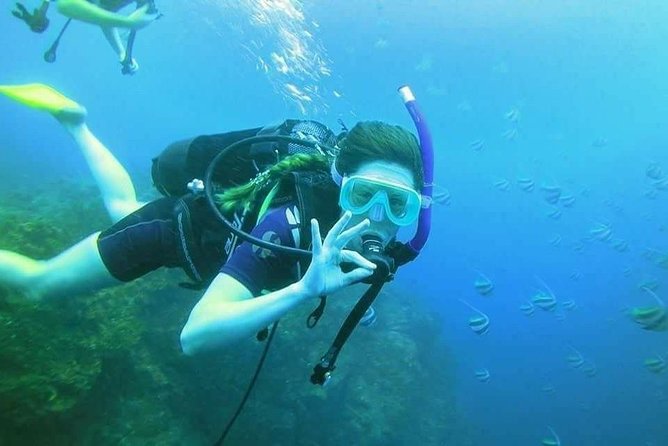
The strongest personal detail available is the mention of Curtis, an instructor associated with helping a participant complete the PADI Open Water level. The teaching team is also described as friendly, professional, clear, responsive, and accommodating.
Those qualities matter more than fancy promises in a beginner course. You need an instructor who can explain a skill in plain language, spot when you are struggling, and give you time to repeat it. Curtis is specifically named, but you should confirm whether he will be your instructor on your chosen dates.
There is also a lighthearted warning about the center having a fondness for chocolates. Treat that as a playful personal tip rather than a required part of the course. It does, however, suggest a relaxed atmosphere around the formal training.
The course can suit people with different learning speeds, but the supplied information does not promise private instruction or a particular instructor-to-student ratio. The maximum group size is listed as 50 participants, which is a broad activity cap rather than proof that your class will contain 50 people. Ask about the expected group size if close instruction is important to you.
Meeting point, pickup, and the location question
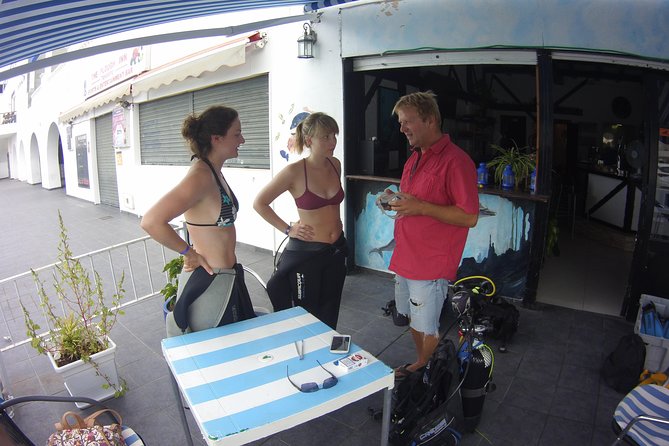
The listed starting point is La Peninsula Mauritius, HP38+XW5, Coastal Road, Blue Bay, Mauritius. The activity ends back at the meeting point, and pickup is offered.
Because pickup details can affect your whole day, confirm whether collection is available from your accommodation, where the vehicle will meet you, and what time you should be ready. The information also refers to a center at Balaclava Turtle Bay in one personal account, while the formal meeting point is in Blue Bay. I would treat the formal booking details as the starting reference and ask the provider to confirm the exact center and pickup arrangement before paying.
The location is near public transportation, which gives you another option if pickup does not suit your accommodation. Still, a course day involves equipment and scheduled instruction, so a direct pickup may be simpler than trying to connect through public transport.
The end point is the same as the start point. That is helpful if you arrive with a rental car or need to plan your return, but it does not mean the course begins and ends at your hotel.
Is $650 a fair price?
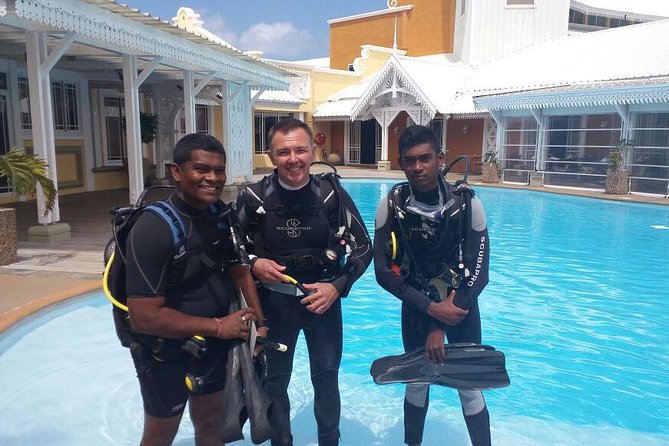
At $650 per person, this is a serious purchase, but you are paying for a certification course rather than a one-off underwater activity. The price includes scuba equipment, and the program covers online theory, confined-water training, and four open water sessions.
The value depends on what you want from Mauritius. If your goal is to become a certified scuba participant, the three-day structure can be efficient. You receive a globally recognized PADI qualification and training that can serve as the foundation for future recreational sessions.
If you only want to see marine life once, this may be more commitment and expense than you need. The course includes training sessions, not extra exploration outings, and the certification process requires study and skills practice. Compare the price with the cost of a simple introductory underwater experience if certification is not your aim.
The included equipment improves the value because you do not need to rent the main scuba kit separately for the course. The details do not say that transport, meals, accommodation, personal gear, or additional exploration sessions are included, so budget on the assumption that those are separate unless the provider confirms otherwise.
Who should choose this course?
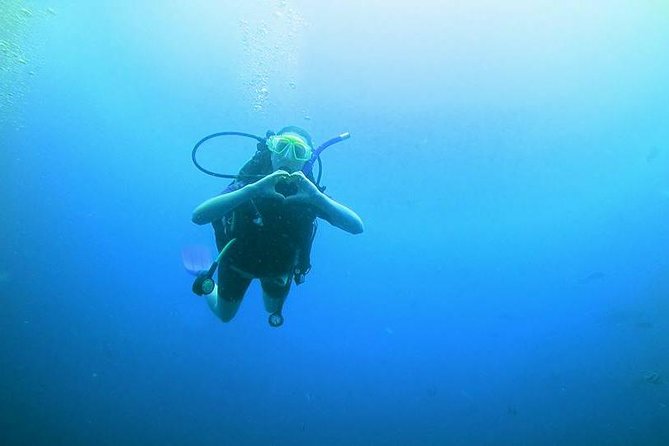
I would recommend it to an adult or child aged 10 and above who wants a proper first certification and can set aside about three days. It is particularly suitable if you are staying in Mauritius long enough to complete the online work and practical sessions without rushing.
It also suits people who like structured learning. You begin with theory, move into controlled practice, and then use your skills in open water. That gradual sequence is reassuring if you are new to scuba equipment.
You should think twice if you are looking for a short, low-commitment holiday activity. You must have adequate swimming skills and be in good physical health, and the course can be affected by poor weather. The information does not provide medical screening details, so if you have a health concern, ask the provider what documentation or medical clearance may be required before booking.
The course may also work for families because the minimum age is 10, though the information does not specify a special family schedule or junior course arrangement beyond noting that a Junior Open Water course is available. Confirm the details for children directly.
Weather, cancellation, and practical timing
This activity requires good weather. If poor conditions cause a cancellation, you are offered a different date or a full refund. That is helpful, but I would still avoid placing the course on your final day in Mauritius. A weather delay is much easier to handle when you have spare time.
You can cancel for a full refund up to 24 hours before the local start time. Cancellations or changes made within 24 hours are not refunded or accepted. I would check the local time carefully, especially if you are arranging plans from another time zone.
Confirmation is provided at booking. Use that confirmation to verify the meeting point, pickup, the expected three-day schedule, and whether the theory codes will be sent before the practical sessions.
Should you book the PADI Open Water course?
Book this course if you want a real qualification and are ready to give the process three days. The combination of advance online study, included equipment, confined-water practice, and four open water sessions gives you a sensible path from beginner to certified participant.
I especially like the chance to complete theory before the practical days and the clear signs of attentive instruction, with Curtis named as a possible instructor. I would confirm the instructor, class size, exact center, and pickup details first, since the supplied location references need clarification.
Skip it if you only want a casual underwater outing or cannot leave room for weather changes. For a committed beginner, though, $650 can be reasonable value because it covers a full PADI training route rather than a single short session.
FAQ
How long does the PADI Open Water course take?
The course lasts approximately three days. It includes online or classroom theory, confined-water training, and four open water sessions.
What is included in the price?
Use of scuba equipment is included. The information does not confirm meals, accommodation, transport, or additional exploration sessions.
Do I need previous scuba experience?
No. Previous scuba experience is not required for this course.
What is the minimum age?
You must be at least 10 years old to enroll in the PADI Open Water Diver course or Junior Open Water Diver course.
Do I need to be able to swim?
Yes. Adequate swimming skills are required.
Where does the activity start?
The listed meeting point is La Peninsula Mauritius, HP38+XW5, Coastal Road, Blue Bay, Mauritius. Pickup is offered, so confirm the exact arrangement when booking.
Does the course include extra exploration sessions?
No. Exploration sessions beyond the certification course are not included.
What happens if bad weather cancels the course?
You will be offered a different date or a full refund if poor weather makes the activity unsuitable.
Just added around Mauritius
- Exploration dives★ 4.5 · 6 reviews
- Discover Scuba Diving Experience★ 5.0 · 2 reviews
- Discover Scuba Diving Experience★ 4.5 · 17 reviews
- Discover Scuba Diving Experience- Bel Ombre★ 5.0 · 2 reviews
- Tamarin Bay: Beginners Scuba Diving Experience★ 4.9 · 23 reviews
- Tamarin: Exploration Dive★ 4.7 · 2 reviews
- North of Mauritius: Scuba Diving Tour★ 5.0 · 4 reviews
- Diving in the North with Blue World Adventures★ 4.9 · 13 reviews
Scuba Diving Courses, compared.
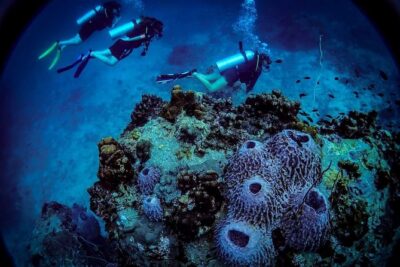
Open Water Course – Become certified diver in 3 days
Read our review →
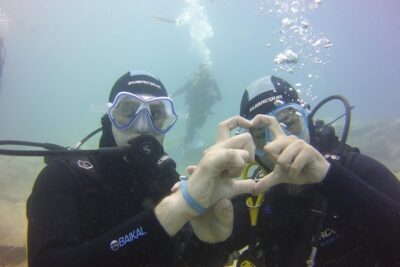
Heraklion: Beginner Scuba Diving Lesson with PADI Instructor
Read our review →
Discover Scuba Diving with No Certification in St Thomas
Read our review →
Try Dive – PADI Discover Scuba Diving in Tenerife
Read our review →
Lists this dive appears in