
REVIEW · AQABA
3-Day Open Water Scuba Diving Course in Aqaba
Aqaba gives you a useful way to learn scuba: the course combines five confined-water sessions with four outings in the Red Sea, so you build basic skills before heading into open water. The three-day program is made for beginners, yet it also suits anyone who wants a formal PADI qualification rather than a single introductory swim.
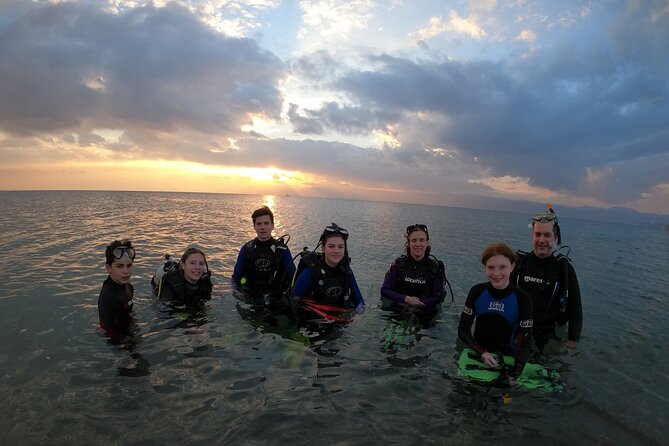
I like the careful teaching approach, especially the patience shown by instructors such as Nasim, Naseem, Sally, Thaer, and Yusef. I also like the small maximum group of six, which gives you a better chance to ask questions and get help with equipment, breathing, and underwater movement.
The main drawback is the pace. Nine practical sessions in three days is a full schedule, and you must complete the theory online or from a manual as well. If you want a slow, relaxed holiday activity, this course may feel demanding.
Key Points Before You Book
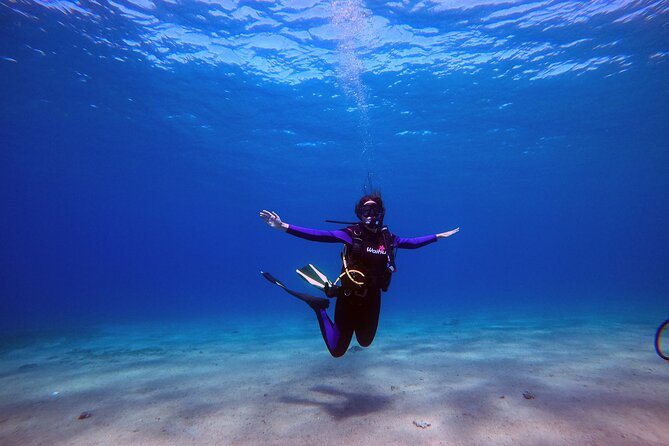
- Nine practical sessions: Five take place in confined water, followed by four Red Sea sessions.
- PADI instruction: You work toward an internationally recognized entry-level scuba qualification.
- Small groups: The maximum is six people, useful when you need close instruction.
- Patient local team: Nasim, Naseem, Sally, Thaer, and Yusef are among the instructors and guides associated with the program.
- Equipment care: Gear is described as clean, sanitized, and well maintained.
- Aqaba location: Pickup is offered, the start time is 8:30 am, and the activity requires suitable weather.
Why Aqaba Works Well for a First Scuba Course
Aqaba sits on Jordan’s Red Sea coast, giving you access to warm-water training and open-water practice in the same general area. That matters for a beginner. You do not spend the first days learning in one setting and then face a completely different environment at the end.
The course moves from controlled practice to genuine sea sessions. Confined water is where you can learn the basic feel of a mask, regulator, buoyancy equipment, and breathing techniques without the added pressure of a full open-water outing. Once those skills become familiar, the four sea sessions let you use them in a more natural setting.
The Red Sea is the real attraction. Underwater visibility is described as excellent, and one guest noted that the water remained still even while the weather was changing. Conditions are never guaranteed, but Aqaba offers the kind of clear-water setting that can make the first open-water experience feel rewarding rather than intimidating.
You should still arrive with realistic expectations. This is a training course, not four sightseeing swims. Your instructor must focus on safety checks, technique, communication, and controlled progress. The underwater scenery is a major bonus, but the course is built around learning first.
More Scuba Diving in Aqaba
- Aqaba: Private Red Sea Diving for Beginner or Experienced
★ 4.9 · 230 reviews - Journey of Diving or Snorkelling from a Boat
★ 5.0 · 218 reviews - Take advantage of a half-day boat dive experience in Red sea of Aqaba.
★ 5.0 · 71 reviews
What the Nine Sessions Actually Mean
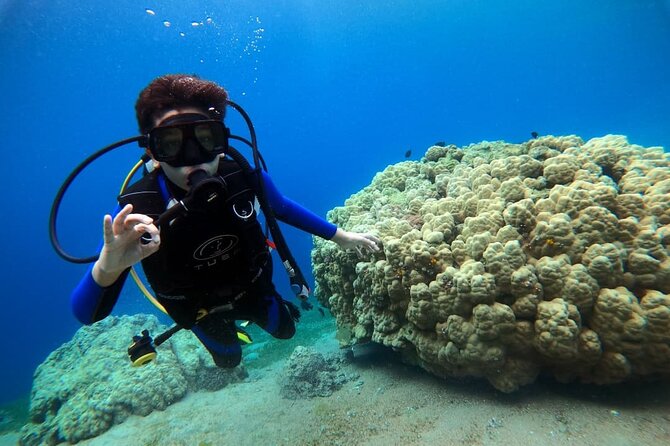
The practical schedule includes nine sessions over three days. Five are in confined water, and four are in open water. The supplied information does not provide a session-by-session timetable, so you should ask the center how the nine sessions will be divided across your dates.
The confined-water portion is valuable because it gives you repetition. New scuba students often need time to get used to breathing through a regulator, clearing a mask, managing buoyancy, and responding calmly to instructions. Practicing these tasks several times can make the first sea outing less stressful.
This is also where the instructors’ teaching style matters most. Several guests specifically praised the team for explaining procedures clearly and helping nervous beginners relax. Nasim is singled out for easing fears, while Naseem and the wider team are noted for patient guidance. Those details are useful if you are worried about feeling out of place or losing confidence in the water.
The four open-water sessions then give you a chance to apply the skills in the Red Sea. You can expect more attention to surroundings, movement, and group control than during confined-water practice. You may also have time to enjoy Aqaba’s underwater views, but your instructor remains responsible for setting the pace and deciding what is safe.
Because the program is compressed into three days, you should avoid booking it immediately before a flight or another fixed activity if you can help it. The center lists an 8:30 am start, and a course with nine sessions needs energy and concentration. Give yourself room to rest, eat, and handle any changes caused by weather.
The Instructors Make a Big Difference
The strongest feature here is the human side of the course. The team is described as professional, friendly, attentive, and careful about safety. Those qualities are not decorative extras in scuba training. They affect how quickly you understand instructions and how comfortable you feel asking for help.
Nasim and Naseem are repeatedly associated with first-time instruction and calm explanations. Sally is praised for being supportive, and Thaer is described as patient and professional during an open-water course. Yusef is also mentioned as part of the team guiding first-time participants.
Names can vary in spelling, with Nasim and Naseem both appearing in the supplied information. When you book, confirm who will teach your group and which instructor will lead the open-water sessions. That simple question can help you know what to expect.
The center also has a distinctive role in Jordan’s scuba scene. It promotes scuba for Arabian girls and identifies itself as the first Jordanian center with a female instructor. For women who prefer learning with a female instructor, this is worth asking about directly when arranging your dates.
The small group limit is another practical advantage. With no more than six people, an instructor can usually keep a closer eye on equipment checks and skill practice than in a large class. The exact instructor-to-student ratio is not provided, so confirm that before booking if personal instruction is your main reason for choosing this course.
Equipment, Safety, and Comfort
The center says its equipment is highly maintained, clean, and sanitized. That is important for a three-day course because you will use the gear repeatedly, not just for one short introduction.
You should still inspect your kit before each session and tell the instructor at once if anything feels wrong. A mask that leaks, an uncomfortable mouthpiece, or poorly adjusted equipment can distract you from learning. The staff’s attention to safety is praised often, but good scuba practice also depends on you speaking up.
The instructors are there to explain procedures and answer questions. Use that access. Ask about hand signals, what to do if you feel nervous, how the group stays together, and how the confined-water exercises connect to the four open-water sessions.
The course is described as suitable for most participants, but no detailed medical or certification requirements are provided in the supplied information. If you have a health concern or are unsure about your ability to take part, contact the provider before booking and ask what documentation or medical clearance may be needed.
More dive courses in Aqaba:
- Shore PADI SCUBA Open Water Course
★ 5.0 · 2 reviews - Open Water Course – Become certified diver in 3 days
★ 5.0 · 1,137 reviews - Barcelona: PADI Discover Scuba Diving
★ 4.7 · 1,016 reviews - PADI Open Water Diver Course
★ 5.0 · 626 reviews
A Typical Three-Day Rhythm
The exact daily plan is not published, but the structure gives you a clear idea of the experience.
Day One: Theory and Confined Water
You begin at 8:30 am. The theory portion may be completed online or from a manual, so check whether the center expects you to finish any study before the first practical session.
The first confined-water work should focus on comfort and basic control. You will likely spend time learning how the equipment works and practicing essential procedures under direct supervision. The controlled setting is less scenic than the Red Sea, but it is where you can make mistakes safely and ask for repeated explanations.
Day Two: More Skill Practice and Early Sea Work
The second day should allow you to build on the first set of skills. Depending on the center’s schedule and your progress, this may include more confined-water work or a move into the first open-water sessions.
This is often the point when the course begins to feel more like a real Aqaba experience. You may notice clearer water, marine views, and more freedom to move, but you will still be working through a training plan. Do not judge the course by how much time you spend looking around. The value comes from becoming comfortable and controlled in the water.
Day Three: Completing the Open-Water Requirements
The final day is intended to complete the remaining practical work, including the four open-water sessions in the full program. Your instructor will guide you through the required skills and monitor whether you are ready to progress.
This day may feel satisfying, but it can also be tiring. Concentrating underwater for several sessions takes effort, especially if you are still managing nerves. Follow the instructor’s pace rather than trying to prove that you can do more than you have practiced.
The Red Sea Experience Beyond the Lessons
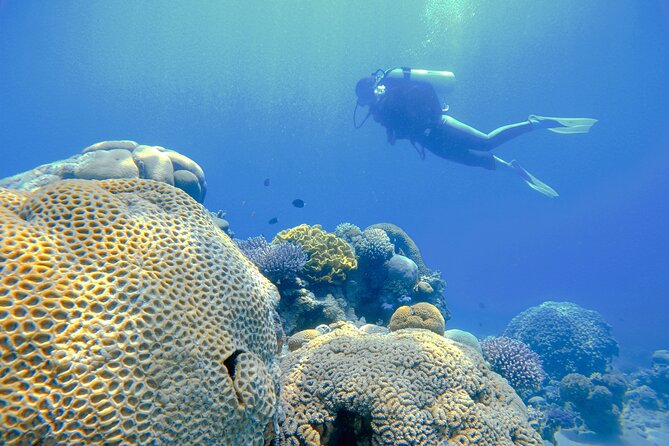
Aqaba’s underwater setting is a strong reason to choose this course instead of learning in a less scenic location. Clear visibility and calm water were praised, and the setting has been described as visually striking enough to inspire plenty of photographs.
The course also seems to have a social side. The center is described as a friendly place where people may spend time together after the water sessions and share a meal. That can be useful if you are traveling alone or want a more relaxed atmosphere around a serious training program.
One memorable detail from the feedback is a report of participants dancing salsa underwater. You should not treat that as a promised part of the program, but it does suggest that the instructors leave room for enjoyment once the required skills and safety procedures are under control.
Photography is another possible pleasure. One participant who had already tried scuba in Cyprus enjoyed taking photographs in Aqaba. Bring this up with the instructor before using a camera, since handling equipment can be distracting for a new student and should never interfere with safety.
Is the $500 Price Fair?
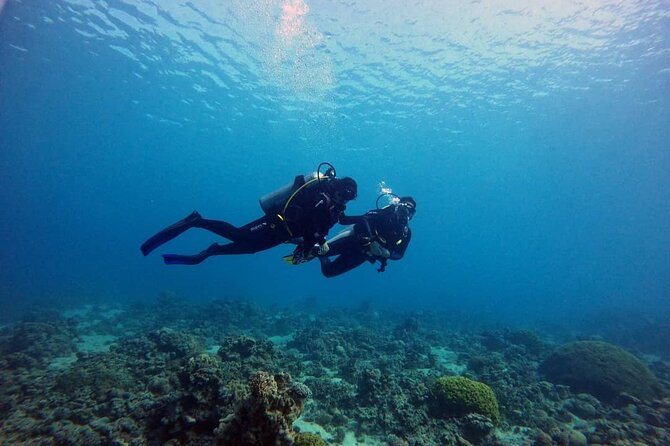
The course costs $500 per person. That is not a small amount, but you are paying for three days of structured instruction, nine practical sessions, PADI teaching, equipment use, and four open-water outings rather than one brief introductory activity.
The value is strongest if you want a proper entry-level qualification and enough practice to feel more capable underwater. It is less compelling if you only want to try scuba once for a few hours. In that case, a shorter introductory session may fit your plans and budget better.
The price also includes the benefit of a small maximum group, although the exact inclusions beyond the stated course features are not listed. Ask whether certification fees, transport, meals, photographs, and any required study materials are included before you pay. Pickup is offered, but the coverage and meeting arrangement should also be confirmed.
I would compare the price with other PADI courses in Aqaba only after checking what each one includes. A cheaper course may have a larger group or fewer practical sessions. A higher-priced course may include additional services. The number of water sessions is the key figure here.
Who Will Enjoy This Course Most?
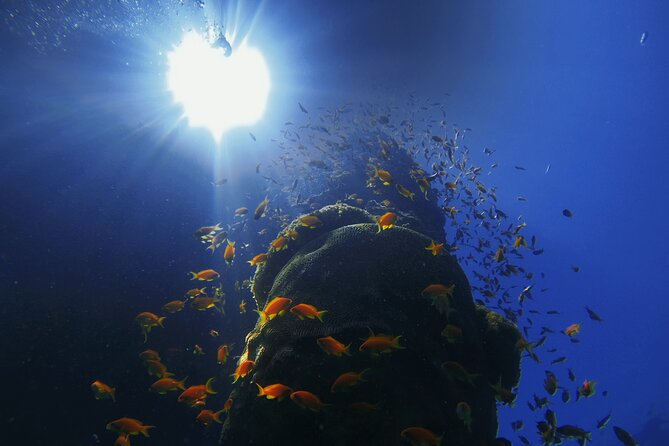
This program suits you if you want more than a quick holiday activity and are ready to commit to three mornings of training. It is a good choice for first-time students who value patient instruction, careful explanations, and a small group.
It may also suit experienced scuba users who want a refresher, though you should confirm how the center handles participants with prior certification. The program is specifically structured as an open-water course, so it is not simply a guided outing for certified participants.
The course is particularly appealing to women who want to ask about a female instructor in Jordan. The center’s work promoting scuba for Arabian girls gives it a clear local identity that many other operators may not offer.
You may want to choose a different activity if your schedule is tight, you dislike classroom study, or you want a completely flexible day. Three days and nine sessions require commitment.
Practical Details to Know
The listed start time is 8:30 am, and pickup is offered. Confirm the pickup area and exact meeting point before your course begins, since the supplied details do not specify the location or transport boundaries.
Mobile tickets are available, and confirmation is received at booking. Service animals are allowed, public transportation is nearby, and most people can participate. The maximum group size is six.
Weather matters. The course requires suitable conditions, and poor weather can lead to a new date or a full refund. You can cancel for a full refund up to 24 hours before the start time, but cancellations or changes made less than 24 hours ahead are not refunded or accepted.
Should You Book the Aqaba Scuba Course?
I would book this course if you want a structured PADI qualification in a clear Red Sea setting and prefer patient, hands-on instruction over a large commercial group. The nine practical sessions give beginners time to repeat skills, while the four open-water sessions provide the setting most people hope to experience in Aqaba.
I would pause before booking if you only have one free day or want a simple sightseeing activity. At $500, the course makes sense when you value instruction, equipment, and a formal learning path. Confirm the daily timetable, instructor assignment, pickup details, and what the fee includes, then choose your dates with enough room for weather changes and rest.
FAQ
How long is the Aqaba scuba course?
The course lasts approximately three days.
How many practical sessions are included?
There are nine practical sessions in total: five in confined water and four in open water.
Is theory included?
Yes. The theory portion can be completed online or with a manual.
What time does the course start?
The listed start time is 8:30 am.
How many people can join the course?
The maximum group size is six participants.
What happens if bad weather cancels the course?
You will be offered a different date or a full refund if poor weather causes the experience to be canceled.
More 3-Day Experiences in Aqaba
- 3-Day PADI Open Water Diving Course in Dubai
★ 5.0 · 173 reviews - Padi open water diver course, become a diver in 3 days
★ 5.0 · 113 reviews - Become certified diver in 3 days – PADI Open Water Diver course on Koh Tao
★ 5.0 · 104 reviews - Hurghada: 3-Day PADI Open Water Diving Course
★ 4.6 · 78 reviews
Just added around Aqaba
- Scuba Dive and Explore Aqaba’s Red Sea with a Private Guide★ 5.0 · 2 reviews
- Boat Dive and Snorkeling Experience in Aqaba★ 5.0 · 18 reviews
- Aqaba Private Scuba Diving Activity with Pick Up★ 5.0 · 49 reviews
- Shore PADI SCUBA Open Water Course★ 5.0 · 2 reviews
- Shore Certified Diving – Two Dives★ 5.0 · 14 reviews
- Scuba Diving for Certified Divers★ 5.0 · 48 reviews
- Shore Discover SCUBA Diving/Introductory Diving – One Dive★ 5.0 · 12 reviews
- 2 Hour Private Night Diving in the Red Sea of Aqaba★ 5.0 · 2 reviews
Scuba Diving Courses, compared.
Open Water Course – Become certified diver in 3 days
Read our review →
Heraklion: Beginner Scuba Diving Lesson with PADI Instructor
Read our review →
Discover Scuba Diving with No Certification in St Thomas
Read our review →
Try Dive – PADI Discover Scuba Diving in Tenerife
Read our review →
Lists this dive appears in