
REVIEW · THAILAND
3-Day PADI Open Water Diver Course, Koh Samui
Koh Samui is a practical place to learn scuba, and this three-day PADI course keeps the schedule focused. You complete the theory through an app, train in the pool on day one, then spend the next two mornings or full days practicing from a boat in the Gulf of Thailand.
I like the small maximum group of four, which gives you more room to ask questions and work through new skills without feeling lost. I also like the tidy setup: hotel pickup at selected hotels, air-conditioned transport, bottled water, professional instruction, and lunch on the boat according to the operating arrangements described by the center.
The main drawback is the fixed commitment. The course is non-refundable, requires suitable weather, and you should not fly within 18 hours of finishing your underwater sessions. If you have asthma, a heart condition, or another medical concern, speak with a doctor before booking.
Key points to know before you book
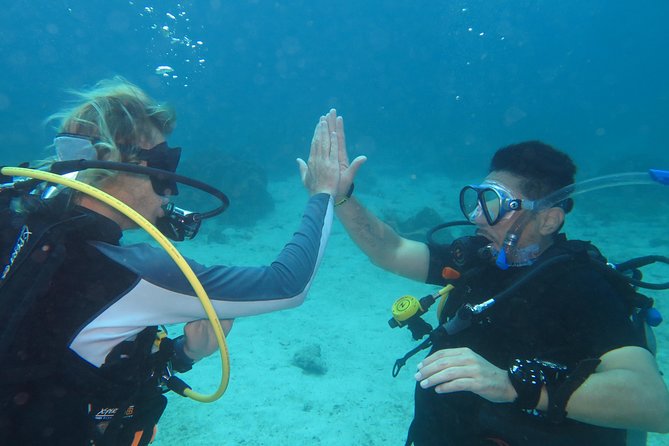
- Three focused training days: Pool work takes place on day one, followed by four boat-based open-water sessions across days two and three.
- Theory can be completed early: Use the downloadable e-learning app before arrival so your time in Koh Samui centers on practical training.
- Small groups matter: The maximum group size is four participants, a useful setup for first-time scuba students.
- Yuan is one named instructor: A patient, professional instructor from Germany has helped students of nearly 60 years old complete certification.
- Transport is part of the package: Selected hotels receive pickup and return in an air-conditioned vehicle, with bottled water included.
- Weather can change the plan: Poor conditions may lead to a new date or a full refund, but personal cancellations are not refundable.
Why three days works for a first scuba certificate
The PADI Open Water course is the standard first step toward becoming a certified open-water scuba diver. It is not a quick sightseeing outing. You learn equipment use, safety procedures, underwater skills, and the basics of planning a proper underwater session.
The schedule here is compact but sensible. Day one stays in confined water, where you can learn the feel of the equipment in a controlled setting. Days two and three take you to the sea for four open-water sessions from a boat.
I like this arrangement because it separates the awkward first attempts from the more exciting part of the course. You can spend the first day learning how to breathe through the regulator, manage your gear, and practice required skills without dealing with waves or a moving boat.
The course includes e-learning, which you can complete at any time through a downloadable app. That is a real help if you dislike spending your holiday indoors with a textbook. Finish the theory before arrival, and the three days in Koh Samui can focus more on pool practice and sea training.
You still need to take the study work seriously. Certification depends on completing the required knowledge and practical skills, not simply showing up for a boat trip. Plan time before the course to work through the app rather than leaving every lesson until the last minute.
More dive courses in Thailand:
- Open Water Course – Become certified diver in 3 days
★ 5.0 · 1,137 reviews - Full-Day Beginner Scuba Course with Private Tuition, Racha Yai
★ 5.0 · 368 reviews - La Bombona Diving Koh Tao Open Water Course
★ 5.0 · 172 reviews
Day one at Discovery Dive Centre: pool skills before the sea
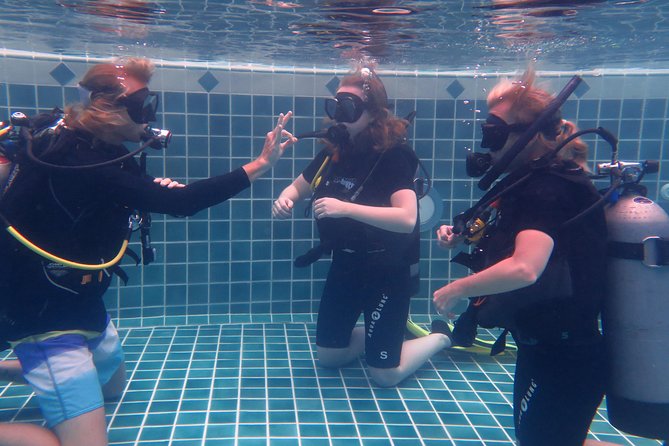
Your course begins at Discovery Dive Centre, with an expected start around 8:00 a.m. The first day is confined-water training in a swimming pool. This is the least glamorous part of the program, but it is where much of your confidence begins.
In the pool, you practice the basic actions that must become automatic. You learn how the equipment works, how to respond to common problems, and how to stay calm while breathing underwater. The controlled setting lets you repeat a skill without the added movement of the sea.
This is also the day to ask practical questions. If your mask feels uncomfortable, your breathing feels unfamiliar, or you need an explanation repeated, say so early. A small group helps here. With no more than four people, your instructor has a better chance of noticing when you need extra time.
The center works with multilingual guides, and English is available. Yuan, an instructor from Germany, has been specifically praised for patience, kindness, and professionalism. That matters more than flashy underwater claims. A calm teacher can make the difference between a student who tenses up and one who starts enjoying the process.
You may find day one tiring even though you are not yet at sea. New equipment, new terms, and repeated skills require concentration. Keep the evening quiet, review any remaining e-learning, and get ready for an early start on the boat days.
Days two and three: four boat sessions in the Gulf of Thailand
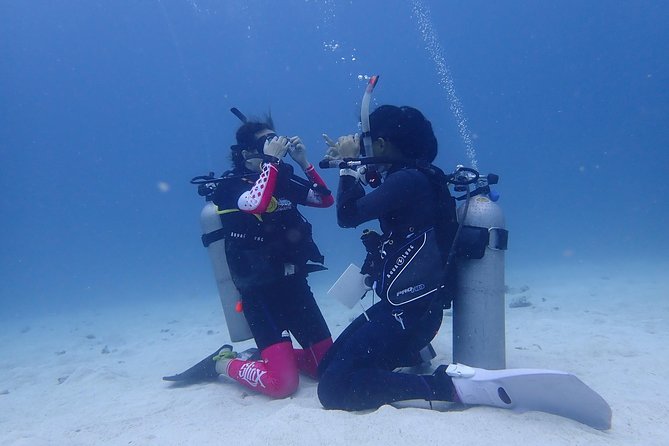
The second and third days move from the pool to open water. Across these two days, the course includes four boat-based sessions. This is where you apply the skills from day one and work toward the standard required for PADI Open Water certification.
The boat setting adds real conditions. You may need to manage equipment while moving around the vessel, enter the water from the boat, and pay closer attention to your instructor and surroundings. That makes these sessions more demanding than pool practice, but also more useful.
The Gulf of Thailand offers colorful marine life, which gives you something to look for once the training tasks are complete. Your main job is still to follow instructions and complete the course requirements. Treat the fish and scenery as a bonus, not as a reason to rush through a safety exercise.
The boat operation is another part of the value. The center uses new, fast boats according to the information provided, and the day includes lunch. Air-conditioned transport is included for the hotel transfer, while bottled water is supplied as part of the package.
Boat days can be long and weather-dependent. The exact sea conditions and marine life can change, so you should not book this course expecting a guaranteed list of animals or a particular underwater scene. The reliable part is the training structure: four open-water sessions over two days, led by a professional guide.
What the small group changes for you
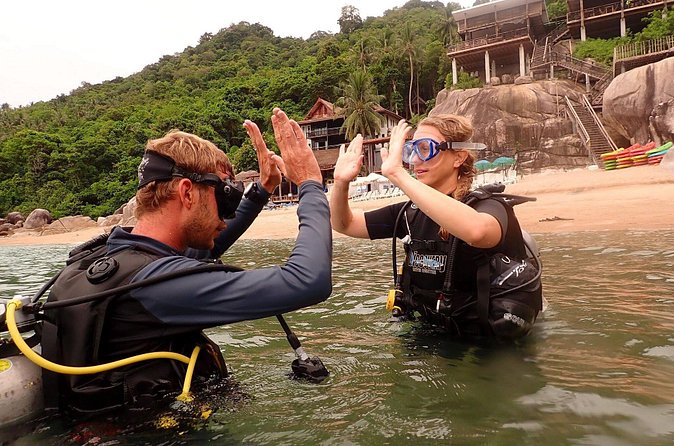
A maximum of four participants is one of the strongest practical features of this course. Scuba lessons involve gear checks, skill demonstrations, questions, and moments when someone needs a second explanation. A crowded class can make all of that feel rushed.
With a small group, you have a better chance to receive direct feedback. You can also tell the instructor if you are nervous or need more time with a skill. That does not remove the need to practice, but it should make the learning process more personal.
The group size does not mean private instruction. You still share the instructor and boat arrangements with other students. It simply gives the class a more manageable scale than a large resort course.
I would especially consider this format if you are older, cautious around the water, or new to organized scuba. One student completed certification at almost 60 with help from Yuan, who was described as patient and professional. That is useful reassurance, though you must still meet the health and participation requirements.
Most people can take part, but everyone completes a health questionnaire before entering the water. Conditions such as asthma and heart problems may prevent you from scuba training. If you have a medical concern, consult your doctor before committing to the course.
A few more dives around Thailand worth comparing
- Padi open water diver course, become a diver in 3 days
★ 5.0 · 113 reviews - Become certified diver in 3 days – PADI Open Water Diver course on Koh Tao
★ 5.0 · 104 reviews - From Phuket: 3-Day SSI/PADI Open Water Diver Certification
★ 5.0 · 24 reviews - Koh Chang: 3-Day PADI Open Water Scuba Dive Course
★ 5.0 · 15 reviews
The value of finishing theory before your holiday
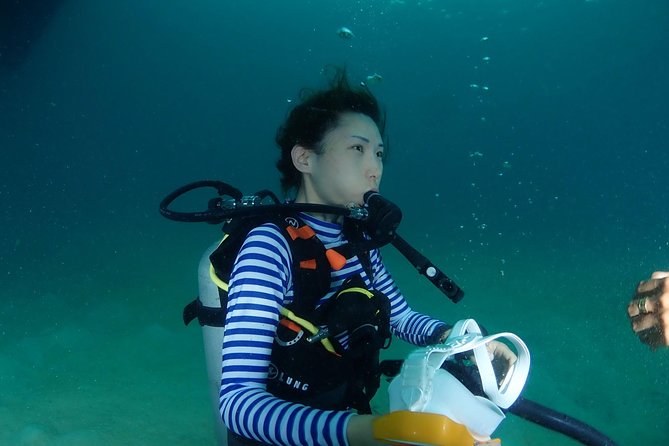
The e-learning option changes how you use your time. Instead of spending much of the first day in a classroom, you can complete the theory before arriving or during an earlier part of your stay.
That matters on Koh Samui, where you probably want your holiday time to include beaches, food, and time outdoors. You still need to understand the material, but you can handle much of the reading at your own pace through the app.
There is a small tradeoff. If you rush the digital course, you may remember less when you reach the pool. I recommend completing it with enough time to review key points before day one. Write down anything you do not understand and ask the instructor at the center.
This structure also suits people working with a tight itinerary. The course takes about three days, rather than spreading training over a longer stay. Build in some extra flexibility around it, though. Weather can interrupt the boat schedule, and a fixed island itinerary leaves less room for a sudden change.
Price, transfers, lunch, and what you receive
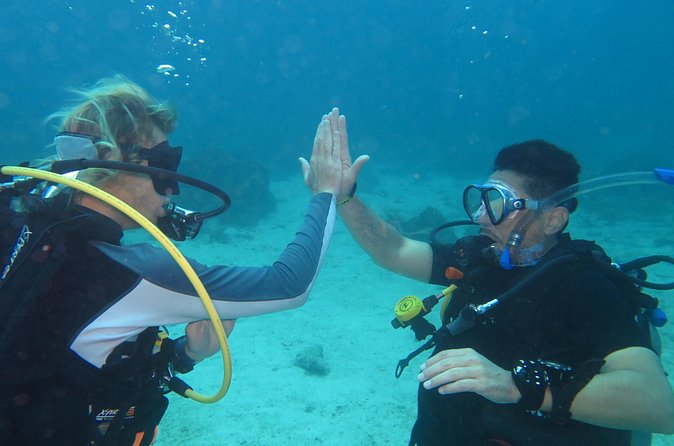
At $681.10 per person, this is a serious holiday expense. The right comparison is not with a short introductory scuba session. You are paying for a full PADI Open Water course, pool instruction, four boat-based open-water sessions, professional guidance, and the chance to finish with certification.
The package also includes taxes, fees, handling charges, bottled water, an air-conditioned vehicle, and hotel pickup and return at selected hotels. Lunch is part of the boat-day arrangements. Those inclusions reduce the number of small costs you need to arrange separately.
The value is strongest if you genuinely want a recognized first scuba qualification. If you only want to look underwater once, a shorter introductory session may suit you better. This course asks for three days, study time, medical screening, and active participation.
It is also commonly reserved well ahead of time, with the average booking made about 39 days in advance. I would not treat that as a rule, but it is a useful planning signal. If your Koh Samui dates are fixed, reserve early and check that your hotel qualifies for pickup.
The non-refundable policy deserves attention. If you cancel or request a change for personal reasons, you do not get the money back. Poor weather is treated differently: the operator can offer another date or a full refund. Read the terms carefully before paying, especially if your island plans are uncertain.
Practical timing and flight planning
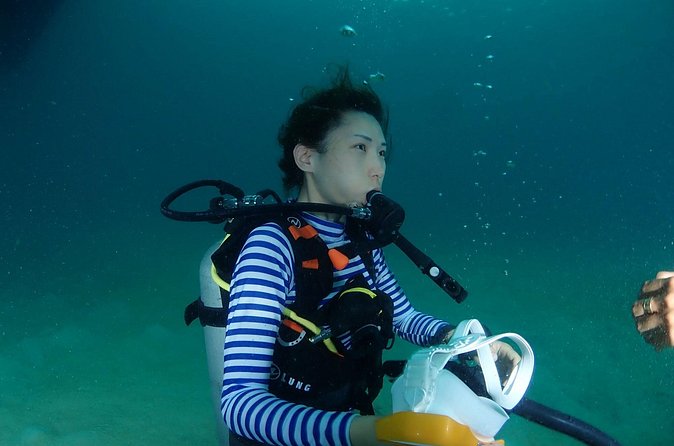
The course starts around 8:00 a.m. That early start works well for the training schedule, but it means you should keep the previous evening reasonably calm. Pickup timing can vary by hotel, since transfers are offered only at selected properties.
The most important timing rule concerns flying. You should not fly within 18 hours of completing the underwater sessions. Plan your departure from Koh Samui with that gap in mind, and avoid placing the final course day immediately before a flight.
I would also avoid pairing this course with another demanding activity on the same days. You need attention for safety skills, and the boat sessions may take much of the day. Leave your schedule open enough for weather changes or a delayed return.
The tour uses mobile tickets, and confirmation normally arrives at booking. If you book within three days of departure, confirmation may take up to 48 hours and remains subject to availability. That is another reason to arrange the course before the final days of your holiday.
Who should choose this Koh Samui course
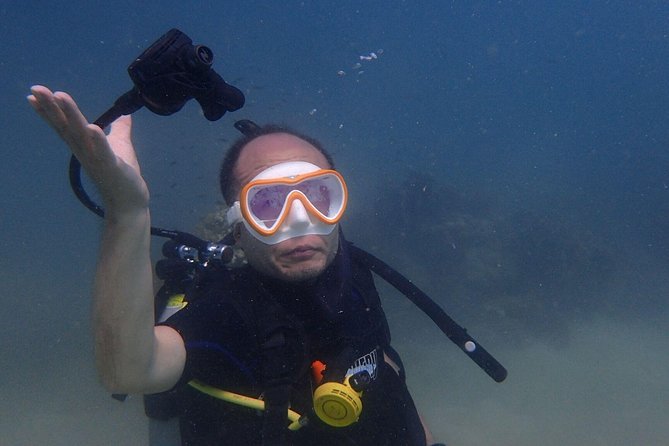
I would choose this course if you want a full beginner qualification and can give three days to the process. It suits solo visitors, couples, and small groups who prefer a more personal class rather than a large training operation.
It is also a good fit for someone who wants theory handled in advance. The app lets you prepare before the practical work, and the small class should give you useful contact with the instructor.
I would hesitate if you are unsure about committing to scuba, have a tight flight schedule, or cannot accept a non-refundable booking. I would also pause if you have a medical condition that may affect your ability to scuba. Ask a doctor first rather than hoping the questionnaire will settle the matter at the last minute.
The course is not designed as a casual one-hour attraction. It is a real qualification program with study, confined-water practice, four sea sessions, and health requirements. That is precisely why it can be valuable.
Should you book the three-day PADI course?
Book it if becoming a certified scuba diver is one of your goals in Thailand. The structure is clear, the group is limited to four, and the package covers the main practical needs from hotel transfer to boat training. The option to complete theory early makes the three-day schedule easier to fit into a holiday.
I especially like the attention given to patient instruction. Yuan’s work with an older beginner shows the course can suit people who need calm, careful teaching rather than a rushed lesson.
Skip it if you only want a quick underwater look, cannot leave 18 hours before flying, or may need to cancel. At $681.10, the course earns its value through certification and training, not through a single sightseeing session. For the right student, it is a focused way to turn a Koh Samui stay into a lasting skill.
FAQ
How long is the PADI Open Water course?
The course lasts approximately three days. Day one is confined-water pool training, while days two and three include four boat-based open-water sessions.
Where does the course begin?
The course begins at Discovery Dive Centre in Koh Samui.
What time does the course start?
The stated start time is 8:00 a.m.
Can I complete the theory before arriving?
Yes. The course includes e-learning through a downloadable app, and you can complete the theory at any time.
How many people can join the course?
The maximum group size is four participants.
Is hotel pickup included?
Hotel pickup and return are included for selected hotels only. Transport is provided in an air-conditioned vehicle.
What is included in the price?
The price includes taxes, fees, handling charges, a professional guide, selected-hotel transfers, an air-conditioned vehicle, and bottled water. Lunch is also provided on the boat arrangements.
Can I fly soon after the course?
Flying within 18 hours of scuba activity is not recommended. Plan your final course session with that time limit in mind.
What happens if bad weather cancels the course?
If poor weather causes cancellation, you can be offered a different date or a full refund. Personal cancellations or requested changes are non-refundable.
Just added around Thailand
- Discover Scuba Diving in Koh Lanta, Thailand★ 5.0 · 72 reviews
- Phuket: PADI Discover Scuba Diving 1 beach dive★ 5.0 · 2 reviews
- Premium Guided Scuba Diving Day Trip for Certified Divers★ 5.0 · 32 reviews
- Try Scuba Diving★ 5.0 · 11 reviews
- Racha Noi and Racha Yai Dive Trip from Phuket★ 4.5 · 5 reviews
- Scuba Diving Daytrip to Racha Yai★ 4.5 · 43 reviews
- SCUBA Diving tour Racha and Coral islands full day tour★ 4.0 · 4 reviews
- Try Scuba Diving in Racha Yai and Noi for Non-Certified★ 5.0 · 15 reviews
Scuba Diving Courses, compared.
Open Water Course – Become certified diver in 3 days
Read our review →
Heraklion: Beginner Scuba Diving Lesson with PADI Instructor
Read our review →
Discover Scuba Diving with No Certification in St Thomas
Read our review →
Try Dive – PADI Discover Scuba Diving in Tenerife
Read our review →
Lists this dive appears in