
REVIEW · BALI
Bali: 3-Days PADI Open Water Diving Course
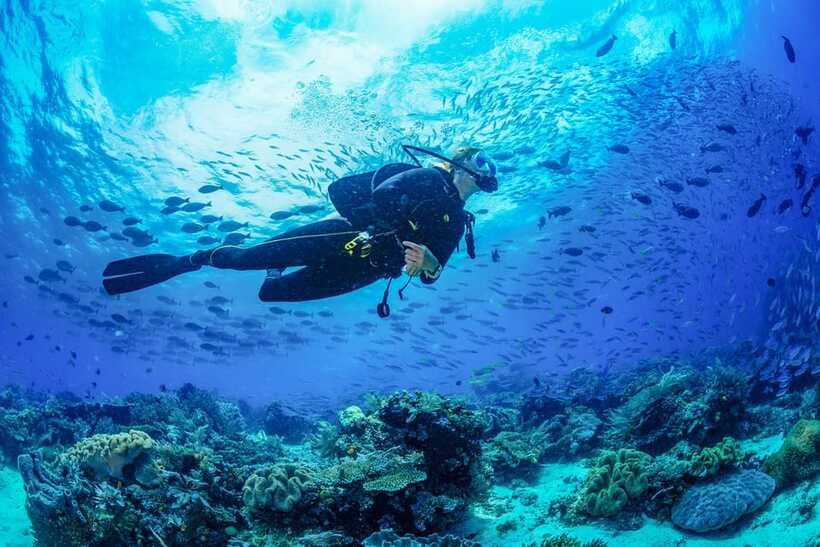
Getting PADI certified in three days is the big draw here. You begin with classroom lessons and pool practice, then move into four open-water training sessions at Padang Bai and Tulamben, including the USAT Liberty wreck. It is a fast, well-organized way to learn in Bali’s warm seas.
I like the small groups of up to four and the patient teaching style reported from instructors such as Ari, Eka, Ketut, and Tunas. I also like the useful all-in price: equipment, transfers, marine fees, lunches, PADI learning materials, certification, and DAN insurance are included.
The main drawback is the schedule. Pickup starts early, the Tulamben day includes a long road journey, and you need at least 18 hours between your last underwater session and a flight. You will want to plan your Bali stay around the course, not squeeze it in just before departure.
Key points to know before booking
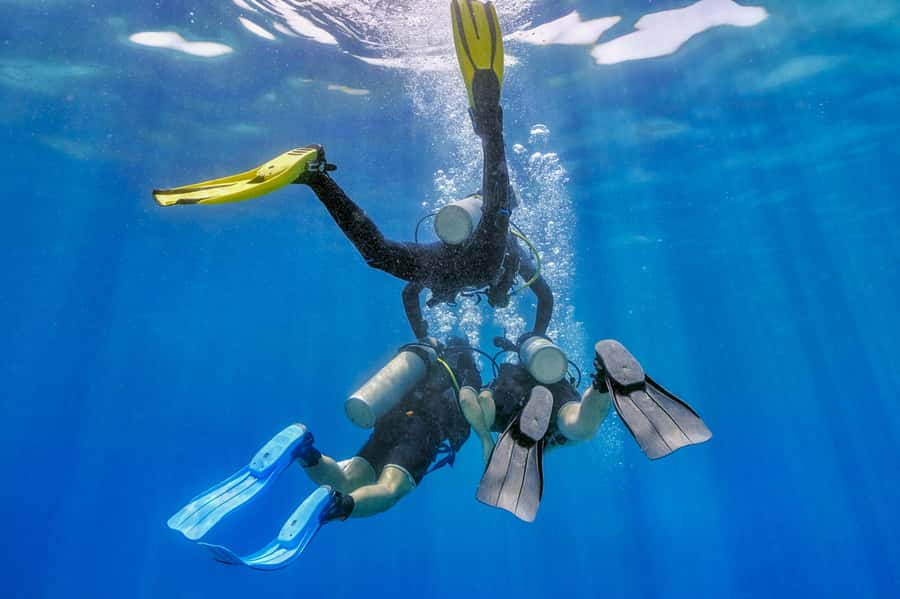
- Three days to certification: Complete classroom work, pool skills, and four open-water training sessions.
- Two very different Bali sites: Practice at Padang Bai’s Blue Lagoon, then train near the USAT Liberty wreck in Tulamben.
- Small groups matter: With no more than four participants, your instructor can adjust the pace and watch your technique closely.
- Most costs are included: Gear rental, tanks, weight belts, transport, meals, marine fees, learning materials, certification, and insurance are covered.
- Early pickups are part of the deal: Shuttle service begins around 7:00 to 7:15 AM from central south Bali, and Sanur pickups run around 7:30 to 7:45 AM.
- Leave room before your flight: You must have at least 18 hours of rest after the course before flying.
Three days from first lesson to PADI certificate
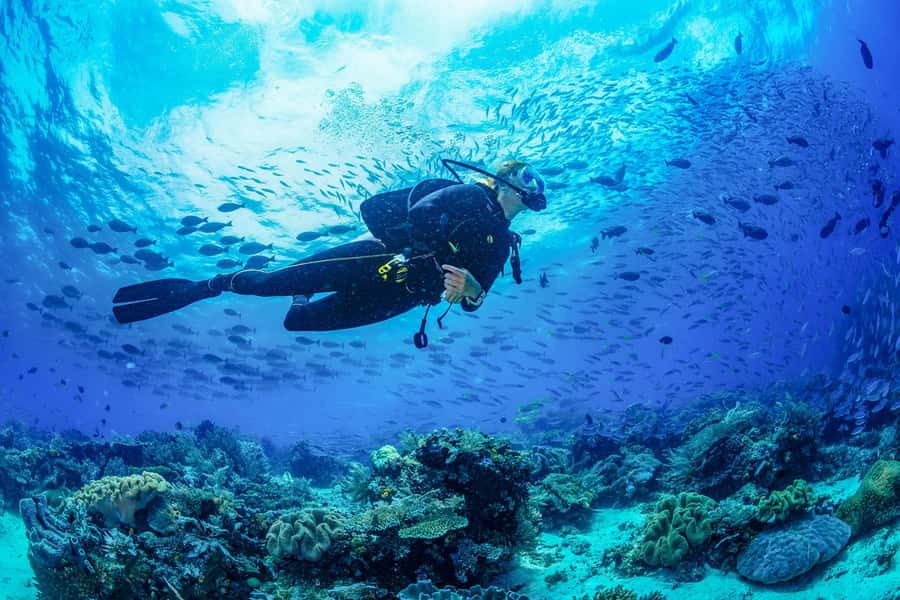
This is a full certification course, not a single introductory swim with an air tank. You will study the basics, practice skills in a pool, then complete four supervised sessions in the sea.
The schedule is compact but sensible. Day one keeps you on land and in the pool, where you can learn how the equipment works without waves, boat movement, or open water adding pressure. Days two and three put those skills to use.
I see the short format as a good fit if you have limited time in Bali. You do need to give the course three solid days, though. This is not a casual half-day activity you can fit between temple visits and a beach dinner.
More Scuba Diving in Bali
- 2 Days Discover Scuba Diving in Nusa Lembongan – Scuba Initiation
★ 5.0 · 506 reviews - Bali Diving for Beginners: Tulamben Liberty Wreck
★ 5.0 · 367 reviews - Discover Scuba Diving in Tulamben – Diving Initiation in Bali best diving sites
★ 5.0 · 353 reviews
Day one: paperwork, lessons, and pool practice
Your first morning begins at the training center with registration and course paperwork. You then work through PADI e-learning materials, instructional videos, knowledge reviews, quizzes, and exams.
That classroom time may not sound as exciting as the sea, but it gives you the safety foundation you need. You learn what the equipment does, how to use basic scuba gear, and how to respond to common underwater situations.
After lunch and refreshments, the course shifts to the swimming pool. This is where you practice the essential skills in a controlled setting. The pool gives you a chance to get used to breathing through the regulator, moving with fins, and handling the equipment before the real sea sessions begin.
You also log the equipment used at the center and complete sign-off paperwork. That paperwork can feel routine, but it is part of building a proper training record rather than simply checking off an activity.
Several instructors receive particular praise for being patient and clear. Ari is repeatedly described as calm and encouraging, while Eka is noted for allowing students to take their time and master the skills. Tunas, also known by the nickname Mr. Handsome, is described as easy to understand and good at helping nervous beginners feel safe.
The small group size helps here. With a maximum of four participants, you should have more direct attention than you would in a large class. If you are slow to master a particular skill, that room to adjust the pace is worth a lot.
Day two: two training sessions at Padang Bai
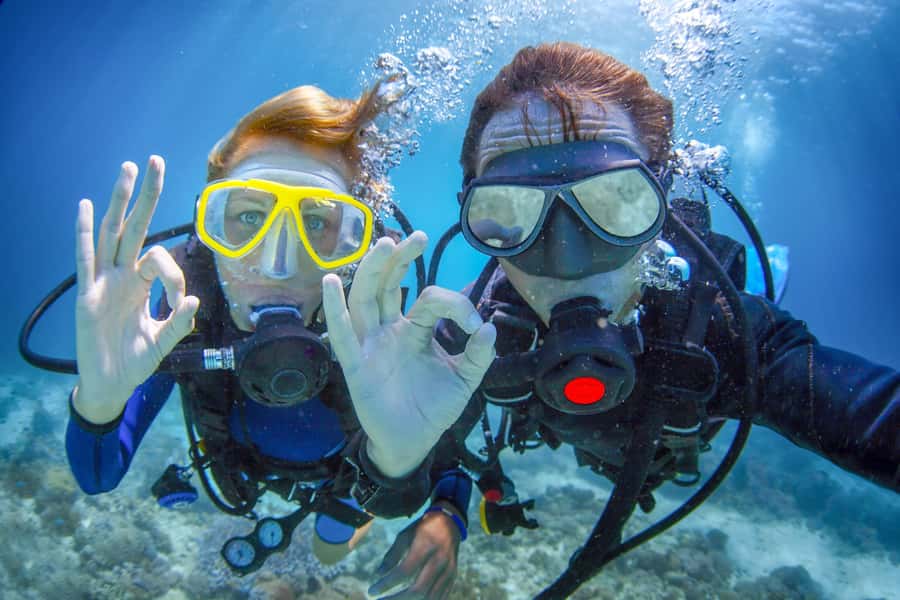
Day two starts with equipment preparation and loading before the drive to Padang Bai. You then board a boat to the Blue Lagoon for the first two open-water training sessions.
The boat ride changes the feel of the course. You are no longer only practicing in a pool, and the setting gives you a first look at Bali’s underwater world. The Blue Lagoon is used for skill training as well as marine viewing, so the focus remains on learning rather than sightseeing alone.
Between the two sessions, you have time to rest on the boat deck or swim in the lagoon. This break matters because your first open-water practice can take more concentration than expected. You can dry off, drink some water, and settle your nerves before the second session.
The two sessions let you repeat the skills from the pool in a real sea setting. That gradual move from classroom to pool to ocean is one of the strongest parts of the plan. You are not asked to handle the full experience on the first morning.
After returning to Padang Bai, lunch is served at Billabong Restaurant before the group heads back to the training center. Lunch and light refreshments are included, along with free water, tea, and coffee at the center.
The main thing to understand is that this is still a training day. You will see colorful marine life, but you are there to complete required skills under supervision. If you want long, leisurely time underwater with no instruction, a separate recreational trip may suit you better after certification.
Day three: the USAT Liberty wreck at Tulamben
The final day takes you to Tulamben, home of the USAT Liberty wreck. This is the highlight for many people because it gives the certification course a memorable setting for its last two open-water sessions.
The journey is not short. One account puts the road trip at about two and a half hours, so prepare for an early start and a long day. That travel time is the clearest tradeoff in the itinerary, but the wreck gives the final training sessions a sense of occasion that a second pool or ordinary shore site would not provide.
The USAT Liberty is a former American cargo ship and one of Bali’s best-known underwater attractions. Here, you train while exploring around the wreck, with lunch between the third and fourth sessions.
You should keep your expectations realistic. This remains a certification course, not a specialist wreck program. The purpose is to complete your required training in a memorable location. Some people may find the site crowded with other divers, and marine variety can vary. Still, the chance to get close to a historic shipwreck during your final training sessions is a strong feature.
The wreck setting also gives your instructor plenty to point out. Ari, Eka, Ketut, and Tunas are all noted for combining safety instruction with help identifying interesting underwater creatures. That balance is useful for a beginner because you learn proper technique without losing the pleasure of seeing the sea around you.
After the last session, the group packs the equipment and returns to the training center. Certification and final sign-off follow there. The equipment is washed and stored for you, so you do not have to spend the evening cleaning tanks, suits, or other gear.
More dive courses in Bali:
- Certified Scuba Dive with Manta Rays (Open Water Diver minimum)
★ 5.0 · 55 reviews - Bali: 2-Day PADI Advanced Open Water Course
★ 5.0 · 4 reviews - Open Water Course – Become certified diver in 3 days
★ 5.0 · 1,137 reviews - Barcelona: PADI Discover Scuba Diving
★ 4.7 · 1,016 reviews
What the $409 price really covers
At $409 per person, this course is not the cheapest activity you can book in Bali. It is also not simply a three-day lesson fee. The price includes a long list of costs that can add up quickly if arranged separately.
You receive hotel transfers, marine park entry fees, boat and porter fees, lunch, light refreshments, equipment rental, tanks, weight belts, PADI e-learning materials, certification, and DAN insurance. The center also provides towels on request and keeps the used equipment washed and stored.
That makes the price look strong for someone who needs everything supplied. You are not bringing a personal regulator, tank, or weight system. You do need to bring swimwear, sunscreen, and a change of clothes, and a GoPro costs extra if you want one.
The value is especially clear for visitors comparing this with certification at home. One person who changed plans at the last minute calculated that a similar course in the United States could cost at least four times as much and take longer. Prices vary by country, but the point is fair: Bali combines instruction, warm water, transport, meals, and equipment in one package.
I would still compare the details before booking. Check that your accommodation falls inside the free pickup area and that your flight schedule leaves the required rest period. A good price loses its shine if you need to pay for a remote transfer or rearrange an international departure.
Transport, pickup areas, and the daily rhythm
Pickup is included from central Nusa Dua, Jimbaran Beach, Kuta, Legian, Seminyak, and Sanur. Pickups from the first group generally run between 7:00 and 7:15 AM, while Sanur pickups run around 7:30 to 7:45 AM.
Your exact pickup time is confirmed through WhatsApp the day before. I would keep your morning free rather than schedule anything close to the estimated time. The course includes equipment loading and travel, so delays are possible even when the day is well planned.
Uluwatu and Pecatu, Canggu, and Ubud are treated as remote areas. Pickup and drop-off from those places cost an extra IDR 350,000, listed elsewhere as about $27 per group per day. If you are staying in one of those areas, check the additional charge before you commit.
Sanur is a particularly practical base for this course. It has included pickup, and staying there can reduce the amount of time you spend returning to a distant hotel after a long training day. One participant specifically advised choosing Sanur to avoid the rush-hour trip back from farther away.
Transport is one of the more polished parts of the arrangement. The shuttle service has received a 90 percent perfect score for transport, and the itinerary handles the boat, porters, equipment, and site transfers for you.
Safety, comfort, and the right level of supervision
A first underwater course can feel intimidating. You are learning new equipment, breathing in an unfamiliar way, and managing skills in a place where you cannot simply stand up. The teaching style matters as much as the scenery.
The strongest pattern in the instructor feedback is patience and calm supervision. Ari is praised for making students feel safe while keeping lessons fun. Eka is described as professional and willing to slow the pace. Ketut is noted for being caring and friendly, and Tunas for explaining the process in simple terms.
That does not mean the course is effortless. You still need to listen, study, complete the quizzes and exams, and practice the skills correctly. Your instructor can support you, but you must be ready to take the training seriously.
The course is not suitable for pregnant women, wheelchair users, or people with heart, respiratory, or similar medical problems. Participants must be at least 10 years old. If you have a medical concern, settle it before booking rather than assuming the center can make an exception.
Also take the flight rule seriously. You need at least 18 hours between completing the course and boarding a flight, to allow nitrogen levels in your body to reduce. I would leave more than the bare minimum if your schedule allows, especially if delays could create stress.
What to pack and what not to expect
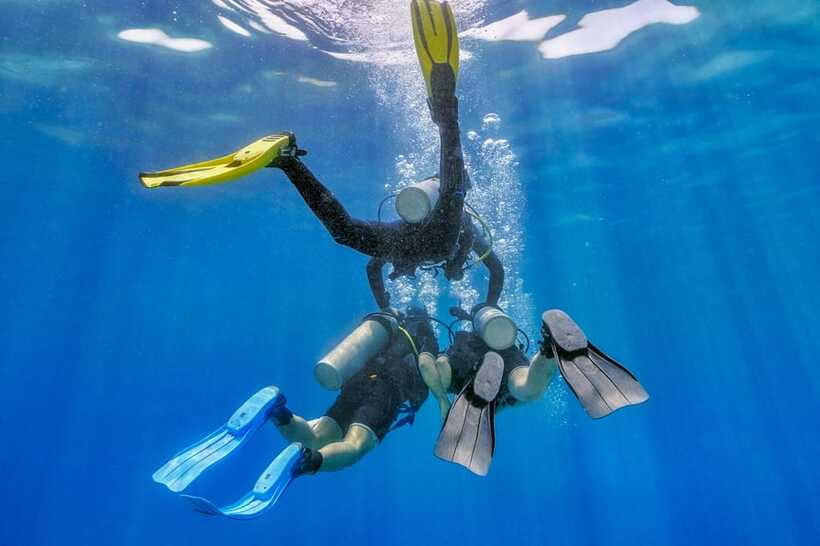
Bring swimwear, sunscreen, and a change of clothes. These are simple items, but you will use all three across the pool, boat, and sea sessions.
The course supplies the main equipment, tanks, weight belts, towels on request, and refreshments. A GoPro is not included, but you can rent one at the training center.
Do not expect the entire experience to be free time in the water. Day one includes serious study and pool work, while days two and three combine training skills with underwater sightseeing. That structure is exactly why you finish with a recognized PADI certificate, but it may feel demanding if you want only a relaxed coastal outing.
The warm water and small class make this a friendly entry point for beginners. You still need to be comfortable in the water and willing to follow instructions. The course is best for someone who wants a lasting qualification, not just a photograph in scuba gear.
Is this three-day PADI course worth booking?
I would book it if you want an internationally recognized starting point in scuba, have three full days in Bali, and like the idea of learning at two major underwater sites. The combination of pool preparation, small-group instruction, the Blue Lagoon, and the USAT Liberty wreck gives the course more variety than a basic resort introduction.
I would think twice if your Bali schedule is tight, your hotel is far from the included pickup areas, or your flight leaves soon after the course. The Tulamben road trip is long, and the 18-hour no-fly rule is not optional.
For most beginners who can plan around those limits, $409 is a solid package. You get the training, gear, transport, meals, site fees, insurance, and certification in one three-day plan. Choose Sanur or another covered pickup area if possible, ask for a patient instructor such as Ari, Eka, Ketut, or Tunas, and leave enough time after the final session before you fly.
FAQ
How long does the PADI Open Water course take?
The course lasts three days. Day one covers registration, classroom work, exams, and pool skills. Days two and three include four open-water training sessions.
Where does the underwater training take place?
The first two open-water sessions take place at the Blue Lagoon near Padang Bai. The third and fourth sessions take place at Tulamben, near the USAT Liberty wreck.
Is hotel pickup included?
Pickup is included from central Nusa Dua, Jimbaran Beach, Kuta, Legian, Seminyak, and Sanur. Remote areas such as Uluwatu or Pecatu, Canggu, and Ubud require an additional charge.
What time does pickup begin?
Pickups from the main south Bali areas generally run from 7:00 to 7:15 AM. Sanur pickups generally run from 7:30 to 7:45 AM. The exact time is confirmed through WhatsApp the day before.
What does the $409 price include?
The price includes hotel transfer, marine park fees, boat and porter fees, lunch, light refreshments, equipment rental, tanks, weight belts, PADI e-learning materials, certification, and DAN insurance.
What should I bring?
Bring swimwear, sunscreen, and a change of clothes. A GoPro is not included, but it can be rented at the training center.
How old must participants be?
Participants must be at least 10 years old.
How long should I wait before flying?
You must have at least 18 hours of rest after the underwater course before taking a flight. If you do not have that time available, you will not be allowed to participate.
Just added around Bali
- Bali: Tulamben Bay Beginner’s Dive Experience★ 5.0 · 66 reviews
- Bali: Tulamben Bay and the USAT Liberty Wreck Dive★ 4.9 · 58 reviews
- Bali: Try Scuba Diving day trip to Nusa Penida pool+2 dives★ 5.0 · 2 reviews
- Bali: Padangbai Blue Lagoon Scuba Diving Private Tour★ 5.0 · 3 reviews
- Bali: 2-Day PADI Advanced Open Water Course★ 5.0 · 4 reviews
- Amed: Guided Scuba Dive for Beginners/Non Certified divers★ 5.0 · 2 reviews
- Certified Scuba Dive with Manta Rays (Open Water Diver minimum)★ 5.0 · 55 reviews
- Bali Diving Day Trip-Manta Point/Tulamben Shipwreck-Fun Dive★ 5.0 · 104 reviews
Scuba Diving Courses, compared.
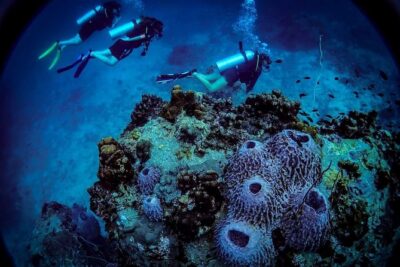
Open Water Course – Become certified diver in 3 days
Read our review →
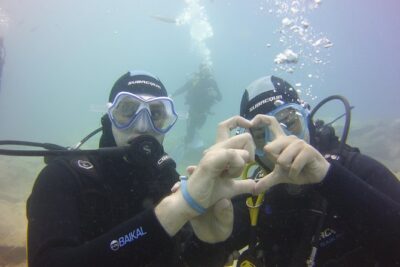
Heraklion: Beginner Scuba Diving Lesson with PADI Instructor
Read our review →
Discover Scuba Diving with No Certification in St Thomas
Read our review →
Try Dive – PADI Discover Scuba Diving in Tenerife
Read our review →
Lists this dive appears in