
REVIEW · THE PHILIPPINES
Scuba Diving in Boracay: SSI Basic Diver for Beginners
The best part of this SSI Basic Diver course is that you can try breathing underwater without committing to a full certification. In about four hours, you learn basic safety and equipment use, practice in shallow water, and take a boat trip for your first proper underwater session.
I like that the $63 price includes gear, instruction, the boat trip, and fees. I also like the patient approach described by the instructors, who take their time with nervous beginners and keep the mood friendly and professional. The main catch is location confusion: the experience is presented as Boracay, but the supplied details also name Catanduanes Province. Confirm the exact meeting point before paying.
Key points at a glance
- A gentle first step: Try scuba without taking a full Open Water course.
- Useful course credit: The SSI Basic Diver experience can count toward SSI Open Water Certification.
- Four hours on the schedule: You have time for instruction, shallow-water practice, and a boat trip.
- Equipment is provided: Mask, snorkel, fins, tank, regulator, buoyancy jacket, and monitoring instruments are included.
- Good for cautious beginners: The instructors are described as welcoming, organized, and careful with people who feel nervous.
- Plan around your flight: You cannot fly for 24 hours after the session.
What the SSI Basic Diver course actually gives you
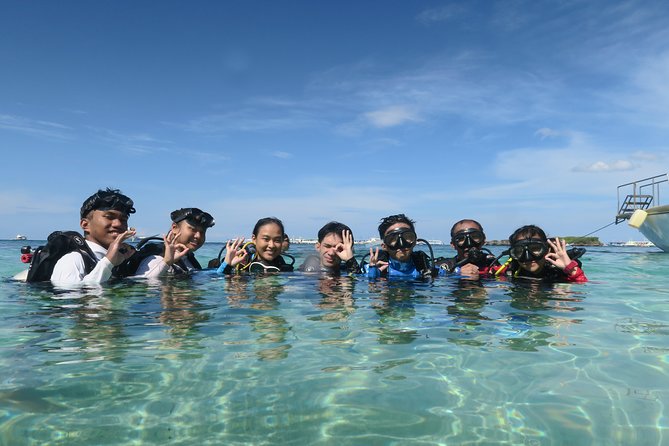
This is a first taste of scuba, not a full license to explore independently. You learn how the equipment works, how it feels to breathe through a regulator, and how to move underwater while wearing a tank and buoyancy compensating jacket.
That distinction matters. If you want a certificate that lets you plan future recreational scuba trips, you need a full SSI Open Water course. If you simply want to find out if underwater breathing feels exciting or uncomfortable, Basic Diver is a much smaller commitment.
The experience also gives you a useful head start. The skills and introductory material may be credited toward SSI Open Water Certification, so this session can be more than a one-off activity if you later decide to continue.
You should still view it as an introduction. The supplied details do not promise the full range of lessons, pool work, exams, or certification requirements found in an Open Water program.
More beginner dives in the Philippines:
- Scuba Diving in Boracay: SSI Basic Diver for Beginners
★ 5.0 · 20 reviews - Bohol: Discover Scuba Diving – No Experience Needed
★ 5.0 · 4 reviews - First-Time Scuba Diving in Honolulu + Free Videos
★ 5.0 · 3,123 reviews
Your four hours, from first briefing to boat trip
The session begins with an introduction to scuba equipment and basic safety rules. You learn what each part does and how to use it before heading into the water.
The gear includes a mask, snorkel, fins, a buoyancy compensating jacket, scuba tank, breathing regulator, and instruments that show depth and air supply. That list may sound technical, but the point is simple: you do not need to arrive with specialist equipment or prior experience.
Expect the instructor to explain how to breathe through the regulator and how to move with fins. You also get an introduction to buoyancy, the skill that helps you rise, descend, and remain comfortable in the water. For a first session, these basics are the heart of the experience.
Shallow-water practice gives you a chance to get used to the equipment before the boat portion. This is especially helpful if you feel uneasy about the mask, regulator, or tank. Take this stage slowly and speak up if anything feels wrong. A good first session is not a race to get underwater.
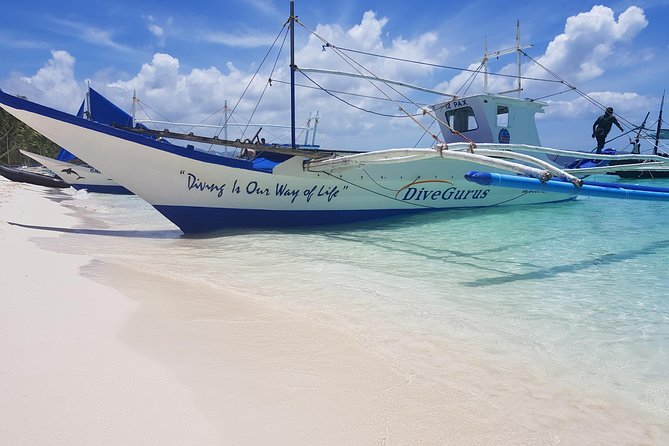
The boat trip is included in the price. It adds the feeling of a real scuba outing rather than a short equipment demonstration, although the supplied information does not name the exact boat route, reef, or underwater site. Ask for the planned location and water conditions when you confirm your booking.
The first breath underwater
Breathing underwater is the moment that makes this course worthwhile. It feels different from snorkeling because you are not limited to the surface, and the regulator lets you breathe while your face remains in the water.
The first few minutes can feel strange. Your mask covers your nose, the tank changes your balance, and your breathing may become more deliberate. That is normal for a beginner. The instructor’s job is to help you settle into the equipment and follow the safety steps one at a time.
The strongest practical benefit here is confidence. The instructors are described as personable, professional, welcoming, and well organized. They also take time to help people who initially feel afraid. That matters more than a flashy location when you are learning a new skill in an unfamiliar setting.
You will learn basic underwater movement and safety rules, but do not expect complete independence by the end. The session is designed to show you how scuba feels and prepare you for more training, not turn you into an experienced scuba participant in one morning or afternoon.
What makes the underwater session valuable
The appeal is not only seeing fish or underwater scenery. You are learning how to stay calm, control your movement, and pay attention to air and depth instruments while surrounded by water.
The equipment adds another layer to the experience. The buoyancy jacket helps control your position, while the regulator supplies air from the tank. The mask gives you clear vision below the surface, and fins make movement more efficient. You get to try all of this with an instructor rather than buying gear or signing up immediately for a longer course.
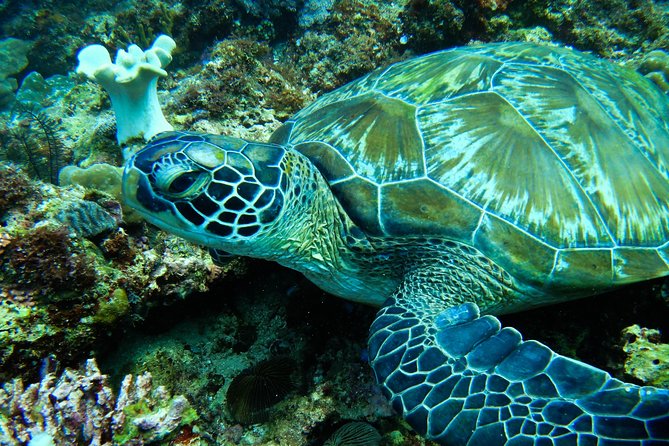
The exact marine life and underwater setting are not specified, so I would not book this expecting a named reef, wreck, or particular animal. Book it for the chance to try scuba in the local waters and find out if you want to continue.
The boat component is also worth considering. It means you are not limited to a purely shallow-water lesson, but it may make the session more affected by weather and water conditions. Since no detailed route is provided, ask what kind of boat outing is planned before you arrive.
More dive courses in the Philippines:
- WaterColors – Open Water Diver Certification in Boracay
★ 5.0 · 35 reviews - Scuba Diver Course (PADI)
★ 5.0 · 18 reviews - DiveGurus – Open Water Diver Course SSI/PADI
★ 5.0 · 13 reviews - WaterColors – PADI Scuba Diver Certification in Boracay
★ 5.0 · 12 reviews
Is $63 a fair price?
At $63 per person, the value is solid for someone who wants a short, low-commitment introduction. The price covers learning materials, an instructor, scuba equipment, the boat trip, all fees and taxes, and complimentary coffee or tea.
You are not paying only for tank rental. You are paying for a guided first experience, equipment preparation, instruction, and access to a boat-based session. That makes the price easier to justify than a simple equipment hire arrangement.
The value is best if you are undecided about full certification. A complete Open Water course costs more and requires a larger time commitment. Basic Diver lets you test the experience first, with the added possibility that the session can count toward SSI Open Water training.
There are limits. Food and additional drinks are not included, and hotel pickup is not provided. Plan your own way to the meeting point and bring swimwear. Since the location information is inconsistent, confirming the exact pickup or meeting location is particularly important.
Who should book this experience
This course fits first-time scuba participants aged 10 and older who want a short introduction. It is also a sensible option for people who are curious but not ready to spend several days on a complete certification program.
It suits you if you want:
- A first look at scuba equipment
- A guided underwater experience
- A boat trip included in the price
- A chance to assess your interest in SSI Open Water training
- Instruction available in English, German, Tagalog, or Spanish
It may not suit you if you already hold a certification and want a challenging or highly specific underwater outing. The course is built around basic skills, not advanced techniques.
Children under 10 cannot join. Pregnant women and people with pre-existing medical conditions should not book this experience. Alcohol and drugs are not allowed, which is exactly the right rule for any activity involving water, breathing equipment, and safety procedures.
Practical planning before you arrive
Bring swimwear and your attention. The equipment and learning materials are supplied, so you do not need to pack a mask, fins, tank, or regulator.
Leave room in your schedule after the session. You cannot fly within 24 hours after scuba, so do not place this activity on the final day before a flight. This is the most important timing rule in the booking information.
The four-hour duration is long enough to require a real block of your day. Starting times vary, so check availability when you choose a date. The activity does not include hotel pickup, and extra food and beverages cost more.
You can cancel up to 24 hours in advance for a full refund, and the reserve-now, pay-later option keeps your plans flexible. Those terms are useful if your island schedule is still changing, but they do not remove the need to confirm the location.
Boracay or Catanduanes: confirm the location first
The experience is titled as scuba in Boracay, while the supplied location line names Catanduanes Province. Those are not interchangeable destinations, so this is more than a minor wording issue.
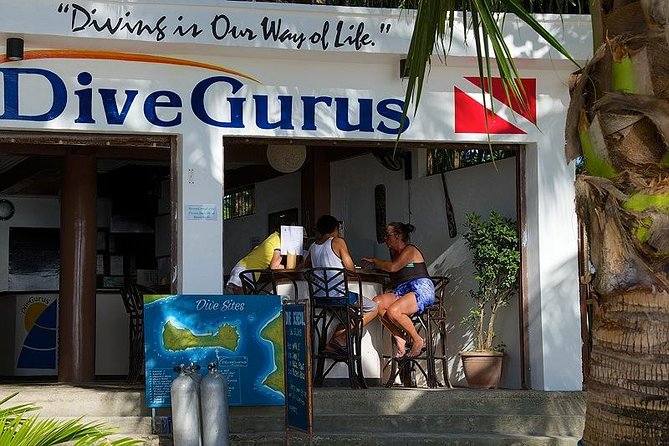
Before booking, ask DiveGurus Diving Services Corporation to confirm the province, meeting point, and boat departure location. Also check how you will reach the site because hotel pickup is not included.
This one step can prevent a major travel mistake. The course itself may be a good fit, but the correct island and meeting point need to be clear before you commit.
What the instructor experience may be like
The instructor team receives the strongest praise for being friendly, professional, organized, and reassuring. That combination is valuable for beginners because good scuba teaching depends on calm explanations and careful pacing.
If you are nervous, tell the instructor at the start. You should have time to get comfortable with the mask, regulator, fins, and buoyancy jacket before the boat portion. Do not feel pressured to pretend you are relaxed. Basic Diver exists partly to help you find out how you respond to the underwater setting.
Instruction is available in English, German, Tagalog, and Spanish. No individual instructor names are supplied, so you cannot request a named guide based on the available information.
How this compares with full SSI Open Water training
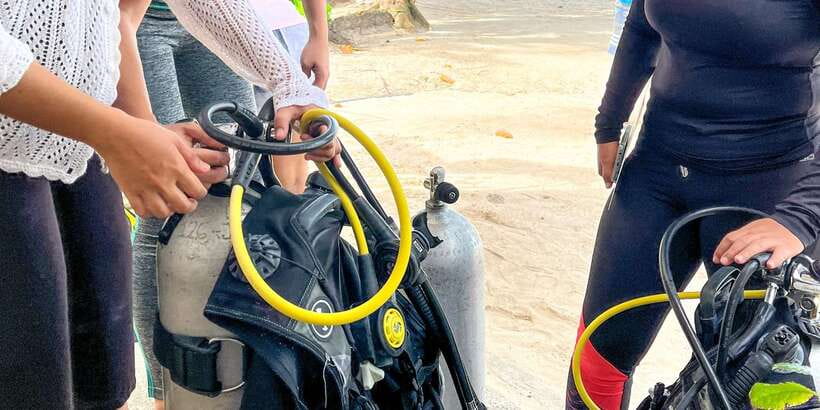
Basic Diver is the sampler. Open Water is the full course.
With Basic Diver, you learn the basic rules, use the gear, practice in shallow water, and take part in a boat session. You get a feel for the activity and may receive credit toward later SSI Open Water training.
With a full certification course, you would expect a longer learning process and more formal requirements. Those details are not provided here, so you should ask the dive center exactly how much of this four-hour session transfers to a future Open Water course.
If you already know you want certification, going straight to Open Water may be more efficient. If you are unsure, $63 is a manageable way to test the idea before making a larger commitment.
Should you book the SSI Basic Diver course?
Book it if you are at least 10, curious about scuba, and want a friendly introduction rather than a full certification. The included equipment, boat trip, instruction, and possible SSI credit give the experience useful value for beginners.
I would be more cautious if you have a tight flight schedule, a medical concern, or no time to confirm the location. The 24-hour no-flying rule and the Boracay versus Catanduanes discrepancy need attention.
For a first underwater experience, this is a sensible choice at the stated price. Just confirm the exact destination and meeting point, then arrive ready to learn slowly and let the instructor set the pace.
FAQ
How much does the SSI Basic Diver course cost?
The price is $63 per person.
How long does the experience last?
The course lasts four hours.
Do I need a full scuba certification to join?
No. The SSI Basic Diver course is designed as an introduction and does not require a full scuba certification.
Can this course count toward SSI Open Water Certification?
Yes. The Basic Diver experience can be credited toward SSI Open Water Certification.
What equipment is included?
The course includes a mask, snorkel, fins, buoyancy compensating jacket, scuba tank, scuba regulator, and instruments for monitoring depth and air supply.
Is a boat trip included?
Yes. A boat dive is included in the activity.
What should I bring?
Bring swimwear. The necessary scuba equipment and learning materials are provided.
How old must I be to participate?
You must be at least 10 years old. The activity is not suitable for children under 10.
Can I fly after the course?
No. You are not allowed to fly within 24 hours after scuba.
Just added around the Philippines
- WaterColors – PADI Scuba Diver Certification in Boracay★ 5.0 · 12 reviews
- DiveGurus – Open Water Diver Course SSI/PADI★ 5.0 · 13 reviews
- DiveGurus -Scuba Diving in Boracay★ 5.0 · 25 reviews
- Discover Scuba Diving in Boracay with U/W Photo and Video★ 5.0 · 14 reviews
- WaterColors – Kids’ Discover Scuba Diving in Boracay for 10 years old and up★ 4.0 · 3 reviews
- WaterColors – Open Water Diver Certification in Boracay★ 5.0 · 35 reviews
- Scuba Diving in Boracay: SSI Basic Diver for Beginners★ 5.0 · 20 reviews
- Boracay PADI Discover Scuba Diving★ 5.0 · 9 reviews
Scuba Diving Courses, compared.
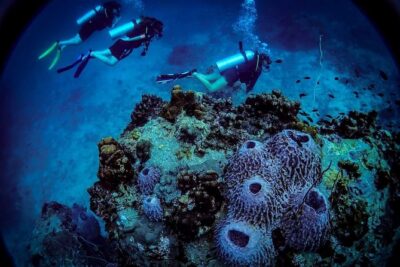
Open Water Course – Become certified diver in 3 days
Read our review →
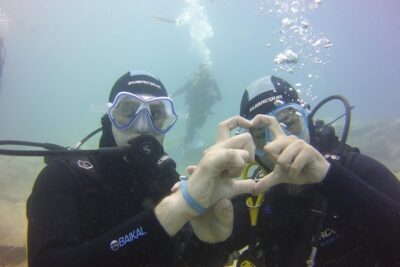
Heraklion: Beginner Scuba Diving Lesson with PADI Instructor
Read our review →
Discover Scuba Diving with No Certification in St Thomas
Read our review →
Try Dive – PADI Discover Scuba Diving in Tenerife
Read our review →
Lists this dive appears in