
REVIEW · ITALY
Catania : Diving for patented divers
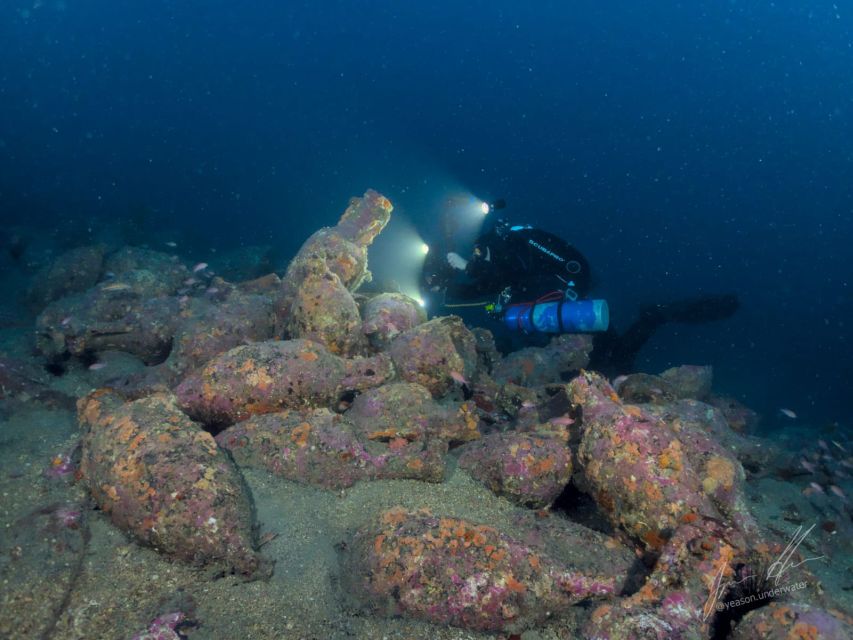
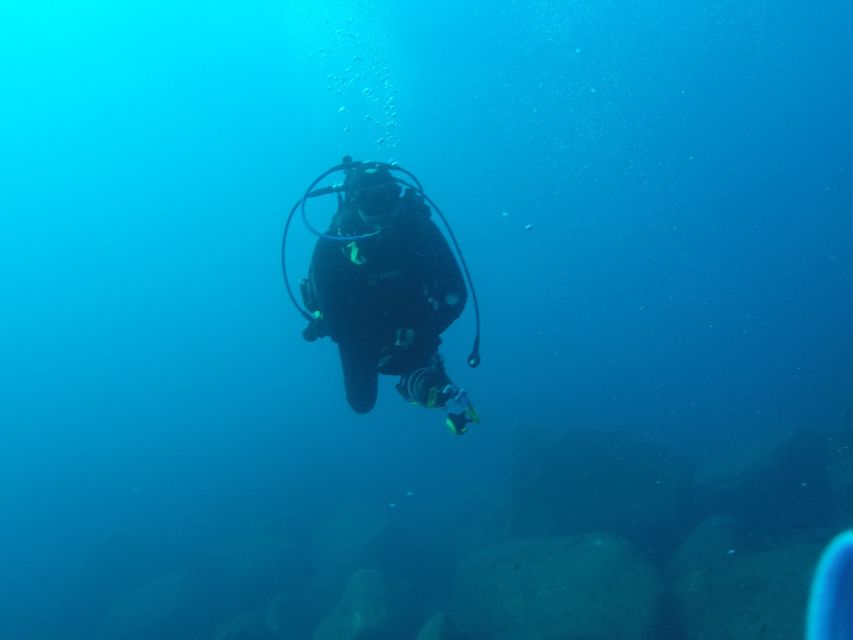
The lava seabed of the Cyclops Marine Protected Area gives this Catania outing its real appeal. You are not simply swimming over a bare rock bottom. The volcanic terrain creates reefs, channels, and underwater canyons where Mediterranean fish, crustaceans, molluscs, and plants gather.
I like two things right away: the staff can choose a site suited to your certification level, and the price includes equipment, a multilingual guide, snacks, and taxes. The main consideration is that this is for certified scuba users only, and the published age limits are inconsistent, so anyone over 70 should confirm eligibility before paying.
Key points to know before booking
- Lava reefs shape the whole outing: Volcanic rock creates an uneven seabed with reefs, shells, plants, and places for fish to shelter.
- The protected area adds variety: The Isole dei Ciclopi zone includes marine life typical of the Mediterranean, not just one narrow type of underwater scene.
- Site choice depends on your level: Beginners with an Open Water certification, Advanced Open Water holders, and more experienced scuba users can be matched with different locations.
- Experienced users may reach wrecks and canyons: These features are offered for those with suitable experience, not as a promise for every participant.
- Guerriero and Andrea offer hands-on support: Andrea helped refresh one participant’s skills both in the water and at the surface, a useful touch if you have not been underwater recently.
Why Catania’s lava seabed makes a good scuba setting
Catania sits on Sicily’s volcanic east coast, and the underwater terrain carries that same character. Instead of a flat sandy bottom, you can expect dark lava rock shaped into reefs, cracks, and channels. Those hard surfaces give Mediterranean plants a place to grow and small animals a place to hide.
That matters because the bottom itself becomes part of the sight. You are watching fish, but you are also reading the rock. A shell tucked into a crevice, a plant moving over a volcanic ledge, or a ray lying on sand beside the reef can make the scenery change from one short section to the next.
The setting is protected as the Marine Protected Area Isole dei Ciclopi, also called the Cyclops Islands Marine Protected Area. Protection does not turn the sea into an aquarium, and conditions can change, but it helps explain why the area supports fish, crustaceans, molluscs, and other Mediterranean species.
You may see ordinary local sea life rather than rare animals at every turn. That is part of the charm. The appeal here is a full picture of the Mediterranean seabed, with plants on rock, unusual shells, reef formations, and fish moving through volcanic terrain.
A few more dives around Italy worth comparing
- Polignano a Mare boat tour emotions, caves, diving and appetizers
★ 5.0 · 1,022 reviews - Catania: Gulf Scuba Diving Tour with Marine Biologist
★ 4.9 · 212 reviews - Diving for patented divers
★ 5.0 · 175 reviews
What the three-hour outing is likely to feel like
The total activity lasts about three hours. That time includes the practical work around the underwater session, so do not read it as three continuous hours below the surface. You will have preparation, equipment checks, boat time, the underwater portion, and time to return and finish up.
The staff uses specific boats and modern equipment, then selects a site based on the group’s level. The exact location can vary. That is a good arrangement for a mixed destination such as this one because a newly certified Open Water participant should not automatically be sent to the same site as someone looking for wrecks and more technical terrain.
The guides speak English and Italian. Audio support is also listed in French, Spanish, and Portuguese. That does not mean every underwater instruction will be delivered in all four languages, so if you need very detailed explanations in a language other than English or Italian, clarify that before setting out.
A snack is included. It is a small practical benefit, not a meal, but it helps after time in the water. Taxes, handling charges, equipment rental, and the guide are also included in the $71 price, so the advertised rate is easier to compare with other scuba outings.
Choosing a site for your certification level
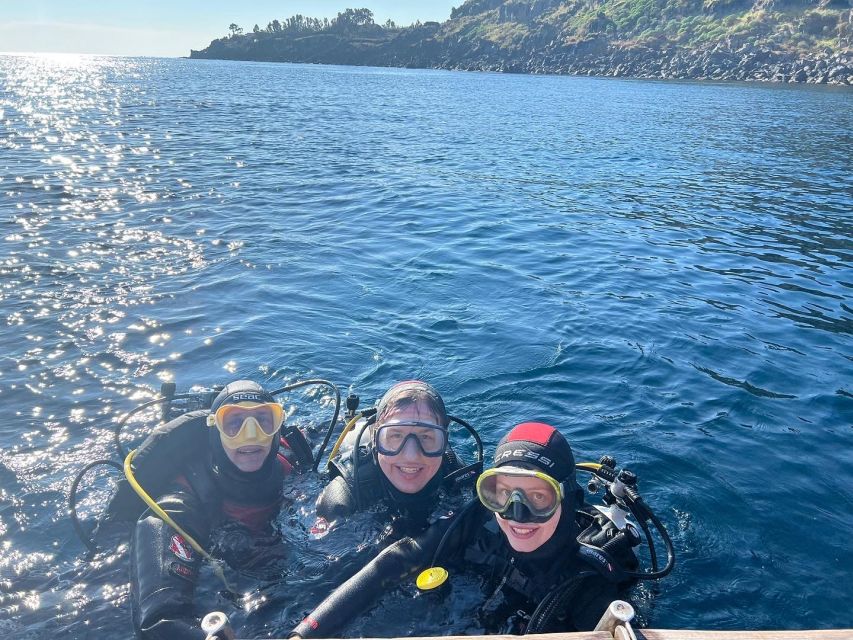
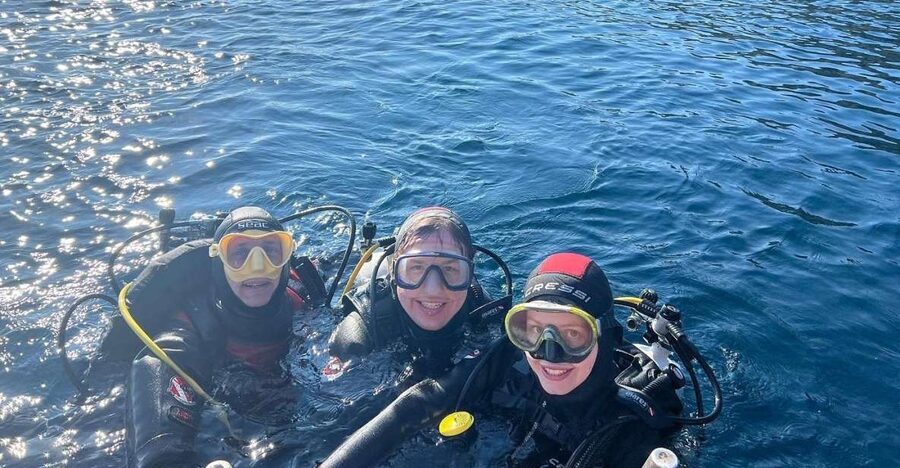
The activity is open to certified users from Open Water level through Advanced Open Water and beyond. Your certification matters because the underwater terrain may include different depths, currents, visibility, or navigation demands, although no specific depth or current information is provided.
For a recently certified Open Water participant, the best reason to book is the chance to get back into the water with staff who can adjust the site. You should still be honest about your comfort, recent practice, and any skills you have forgotten. The staff can select a suitable location, but you remain responsible for explaining your limits clearly.
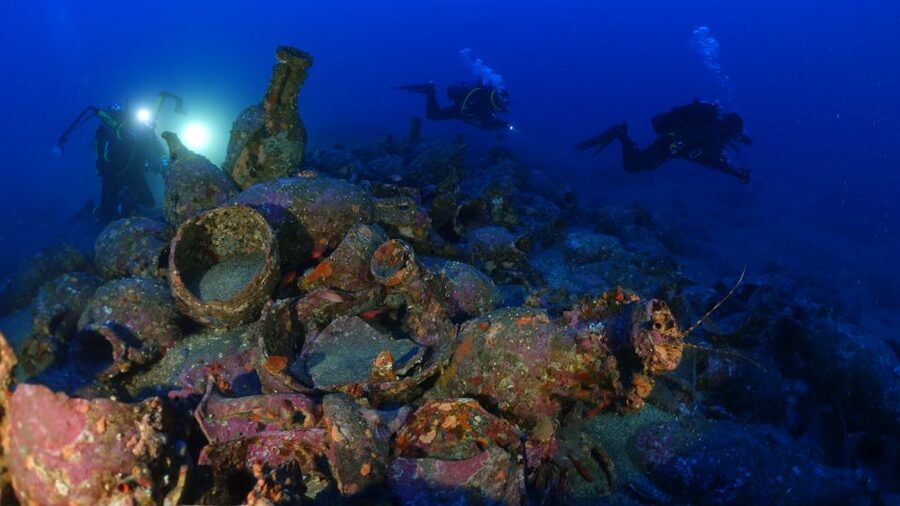
Advanced and more experienced scuba users have more to look forward to. The area includes underwater canyons and submarine wrecks for those with the right experience. These features can make the outing more interesting than a straightforward reef swim, but you should not assume that every booking includes a wreck. Site selection depends on suitability and conditions.
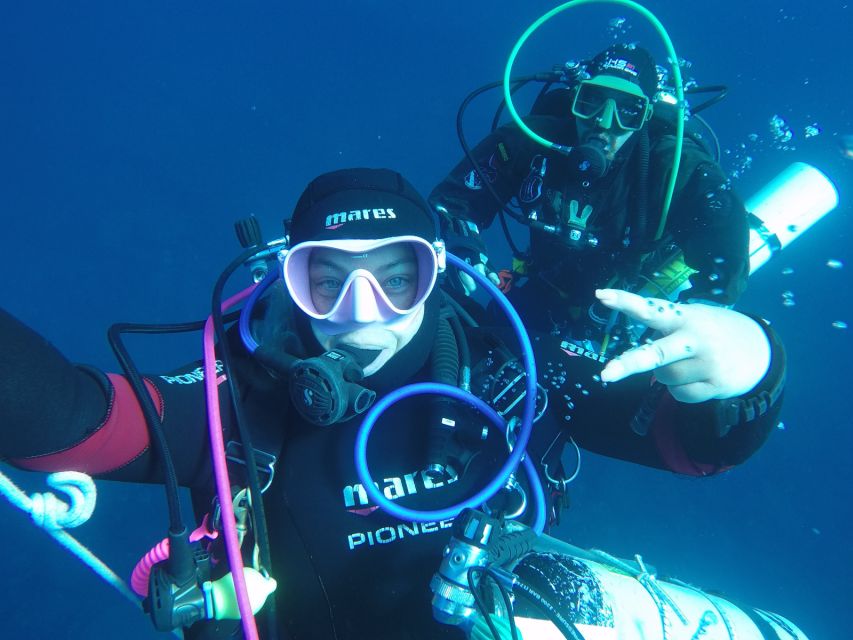
One especially useful detail is the help offered by Guerriero and Andrea. Andrea supported a participant with a refresher both in the water and at the surface. If you have not used your equipment for a while, that kind of calm reminder can make the first minutes much easier.
Lava reefs, plants, shells, and fish
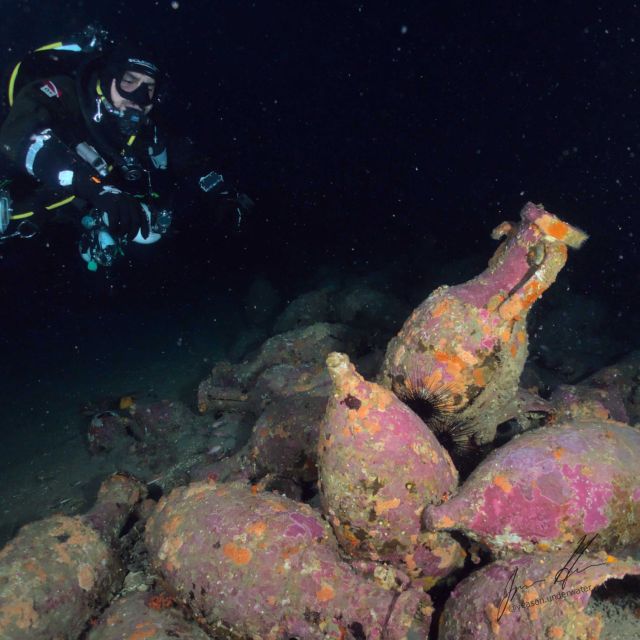
The biological appeal comes from variety rather than one headline animal. You might find fish passing over rock, crustaceans tucked into gaps, molluscs on the seabed, and plants attached to the lava. The reef forms create small changes in shelter and exposure, which helps produce a more interesting swim.
One participant noted beautiful plants on the rocks, unusual shell shapes, and interesting reef forms. That is a useful clue for photographers and observant swimmers. The best moments may be small ones close to the rock, so take your time and scan ledges and sand patches instead of only looking into open water.
Large stingrays were also seen coming out of the sand. They are not guaranteed, but their presence shows why you should watch both the reef and the open sandy areas beside it. A ray resting on the bottom can be easy to miss until it moves.
The protected setting does not promise constant action. Marine life is wild, and the number of fish can vary with visibility, season, weather, and the selected site. Still, the combination of lava formations and Mediterranean species gives you several things to look for on one outing.
Same water, a completely different day underwater:
- Diving for certified divers with PADI 5* Diving Resort – Taormina
★ 5.0 · 167 reviews - TuffAlcantara – dives, slides and lots of fun in the Alcantara river
★ 5.0 · 106 reviews - Exciting PADI Discover Scuba Diving Experience Isola Bella Marine Park Taormina
★ 5.0 · 96 reviews - Napoli: Dive or Discover Scuba Diving in the Park of Baia
★ 4.9 · 79 reviews
Underwater canyons and wrecks for more experienced users
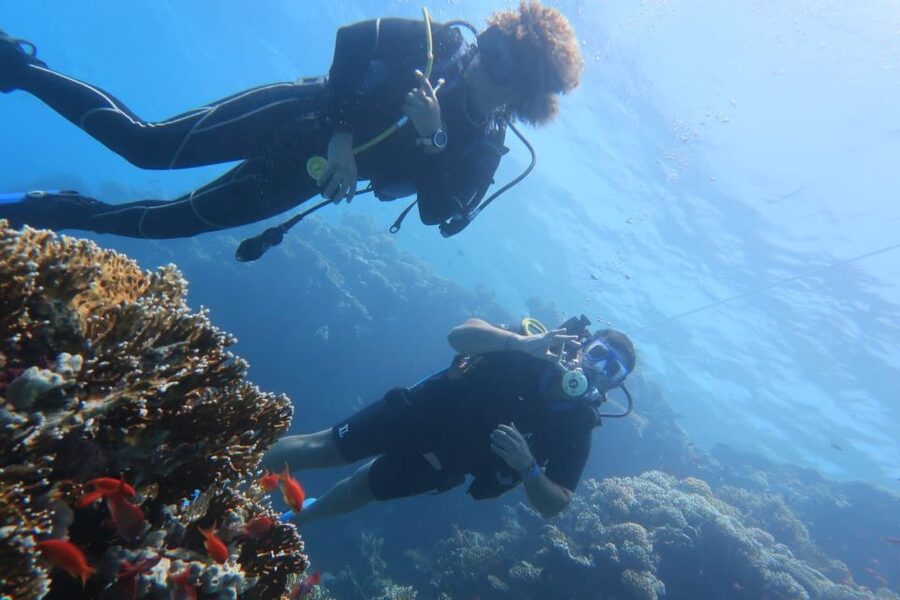
The canyons are one of the more distinctive features advertised for this area. Underwater volcanic cuts can change the route from an open swim into a passage between rock walls. That adds shape and a stronger sense of place, although the listing does not provide canyon depth, width, or technical requirements.
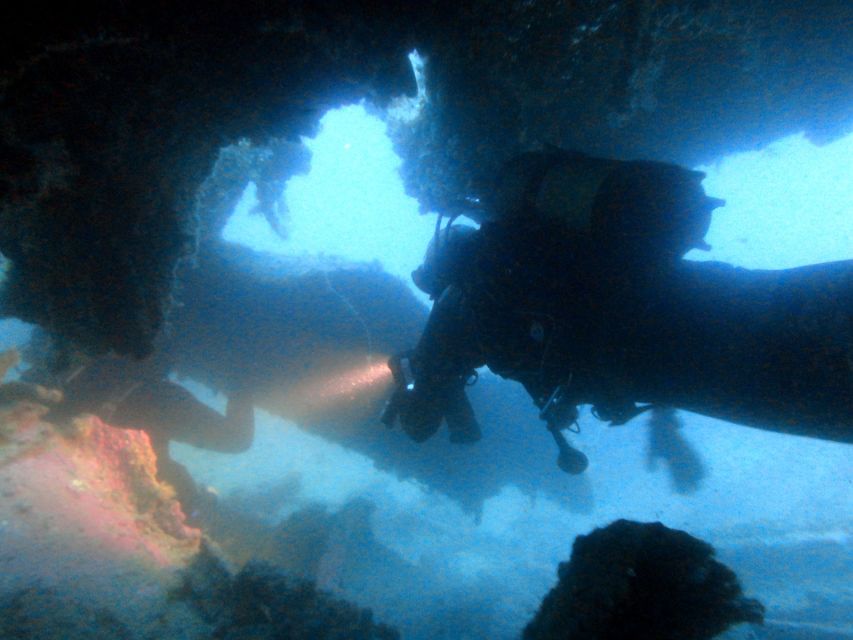
Wrecks are reserved for the more experienced. This is sensible. A wreck can involve tighter spaces, more complicated navigation, or extra safety concerns, and the activity does not promise a wreck to every participant. Ask the staff what site is planned for your certification level before you board.
If wrecks are your main reason for booking, make that clear when arranging the trip. The staff selects the most suitable site, so the day may focus on reefs, canyons, or marine life instead. The strength of this outing is flexibility, not a fixed promise of one named wreck.
Is $71 a fair price?
At $71 per person, the outing offers solid value if you need rental equipment and a guide. The price includes the scuba kit, multilingual guidance, snacks, taxes, fees, and handling charges. You are not paying only for boat access and then adding each essential item afterward.
The value is even better for someone who is traveling without personal equipment. Buying or transporting a full kit for one activity would be impractical for many visitors. Modern equipment and a dedicated boat are also included in the overall setup.
The price is less compelling if you already own all your equipment and want a long underwater session. The full activity lasts three hours, not an all-day program, and no specific number of underwater sessions is stated. Before booking, ask whether the plan is one underwater outing or includes more than one session.
You should also compare the total price with your priorities. If you want a low-cost introduction to the Mediterranean seabed with support and equipment included, this is straightforward. If your main goal is a particular wreck, a technical route, or a very long time underwater, confirm the site and format first.
Practical limits and who should skip it
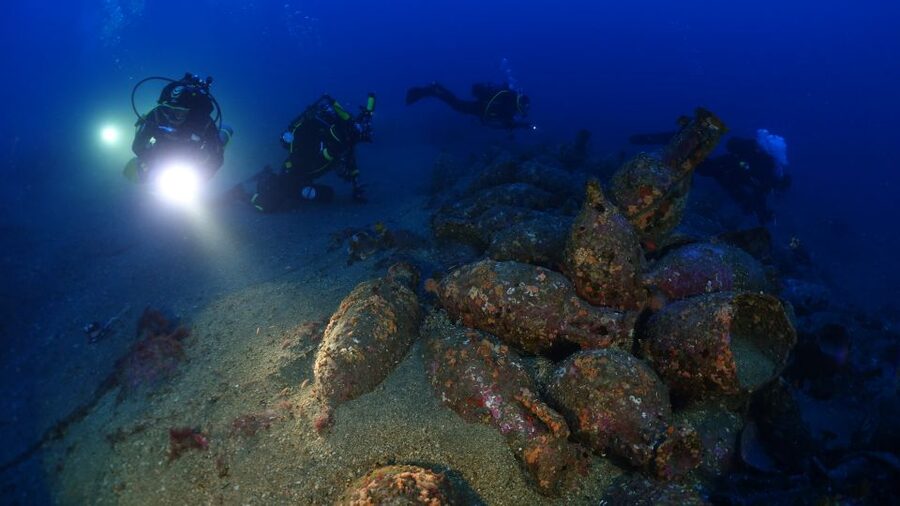
You need a valid scuba certification to participate. People without certification cannot join, and children under 10 are excluded. Pregnant women are also listed as unsuitable for the activity.
The age rules need clarification. The information excludes people over 80, over 95, and over 70 in separate places. Since the strictest limit mentioned is over 70, anyone in that age group should contact the provider before booking rather than rely on the looser wording.
No accessibility information is provided for the boat, shore facilities, or equipment handling. If you have mobility, medical, or equipment concerns, ask the provider directly before reserving. The staff can select a site by certification level, but that does not answer every medical or physical suitability question.
You should also be comfortable with a boat-based activity and with standard scuba procedures. The staff provides equipment and guidance, but certification remains mandatory. Bring the details of your certification and be ready to explain when you last used your skills.
What to bring and what to clarify
Because equipment rental is included, you do not need to arrange a full scuba kit separately. The included snack is useful after the session, though you may want your own water and personal items for before or after the boat trip.
Ask about the meeting point, departure time, expected underwater location, and the plan for your certification level. The activity page only gives a three-hour duration and says to check availability for starting times, so the exact schedule is not stated here.
If you hope to see wrecks, ask whether your planned site includes one. If canyons are your priority, ask how the route matches your certification. These questions are more useful than simply asking if the area is scenic. They help you understand what your particular outing is likely to contain.
You can cancel up to 24 hours in advance for a full refund, and you can reserve now while paying later. That flexibility helps when sea conditions or your Catania plans are still unsettled, but it does not replace checking the provider’s latest conditions and meeting instructions.
How this compares with a standard reef outing
A basic reef session can feel repetitive if the seabed stays flat and the route has little variation. Here, the volcanic bottom gives the guides more to work with. You may move from lava rock with plants to a sandy section where stingrays rest, then toward a reef or canyon.
The tradeoff is that volcanic terrain can be less uniform. It may not suit someone who wants a simple, shallow swim with no changes in the bottom. The staff’s ability to choose among sites is therefore important, especially for Open Water users and anyone returning after a break.
I also like that the activity keeps the focus on local marine life. You are not promised a theatrical show or a guaranteed rare animal. Instead, you get a chance to notice the ordinary Mediterranean world in a protected volcanic setting, with the possibility of a ray, canyon, wreck, or especially good reef making the day memorable.
Should you book this Catania scuba outing?
Book it if you are certified, want to explore Sicily’s volcanic coast, and value an outing with equipment and guide support included. The strongest reasons are the lava reefs, the mix of fish and smaller sea life, and the option of canyons or wrecks for suitable experience levels.
I would be more cautious if you need a specific wreck, a stated depth, several underwater sessions, or detailed accessibility information. Ask the provider for those details first. Also confirm the age rule if you are over 70.
For a certified visitor who wants a manageable three-hour trip rather than a full day on the water, $71 is a sensible price. The protected setting, helpful staff, and chance to see stingrays, shell life, plants, and unusual volcanic reef shapes make this a strong choice for a Catania itinerary.
FAQ
Do I need a scuba certification to join?
Yes. A scuba license or certification is mandatory, and people without certification cannot participate.
How long does the activity last?
The activity lasts three hours. Starting times depend on availability.
What is included in the price?
The $71 price includes a multilingual guide, scuba equipment rental, snacks, and all taxes, fees, and handling charges.
Which languages are available?
The instructors speak English and Italian. Audio guide support is listed in French, Spanish, and Portuguese.
Can beginners join?
Certified Open Water users can join, along with Advanced Open Water users and more experienced scuba participants. The staff selects a suitable site for the participant’s level.
Are underwater canyons and wrecks included for everyone?
No specific wreck is promised for every participant. Wrecks are intended for more experienced scuba users, while the selected site depends on certification level and suitability.
Just added around Italy
- Polignano a Mare: Scuba Experience with certification★ 5.0 · 4 reviews
- Napoli: Dive or Discover Scuba Diving in the Park of Baia★ 4.9 · 79 reviews
- Marina di Campo: Try diving on the island of Elba★ 4.4 · 9 reviews
- Baptism of the Sea Scuba Experience in Polignano a Mare★ 4.9 · 13 reviews
- Cagliari: horseback riding with sunrise dive★ 4.5 · 2 reviews
- Cagliari: Discover scuba diving for Beginners★ 5.0 · 8 reviews
- Bosa: Scuba Diving for Beginners in the Bosa Gulf★ 4.4 · 7 reviews
- Brindisi: Underwater scuba diving★ 4.4 · 7 reviews
Scuba Diving in Italy, compared.
Polignano a Mare boat tour emotions, caves, diving and appetizers
Read our review →
Catania: Gulf Scuba Diving Tour with Marine Biologist
Read our review →
Diving for certified divers with PADI 5* Diving Resort – Taormina
Read our review →
TuffAlcantara – dives, slides and lots of fun in the Alcantara river
Read our review →
Exciting PADI Discover Scuba Diving Experience Isola Bella Marine Park Taormina
Read our review →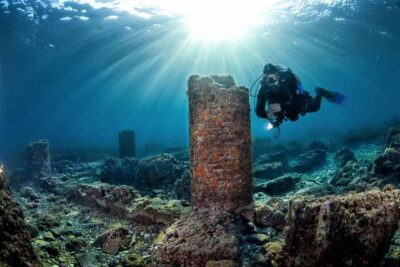
Napoli: Dive or Discover Scuba Diving in the Park of Baia
Read our review →
Lists this dive appears in