
REVIEW · ITALY
Napoli: Dive or Discover Scuba Diving in the Park of Baia
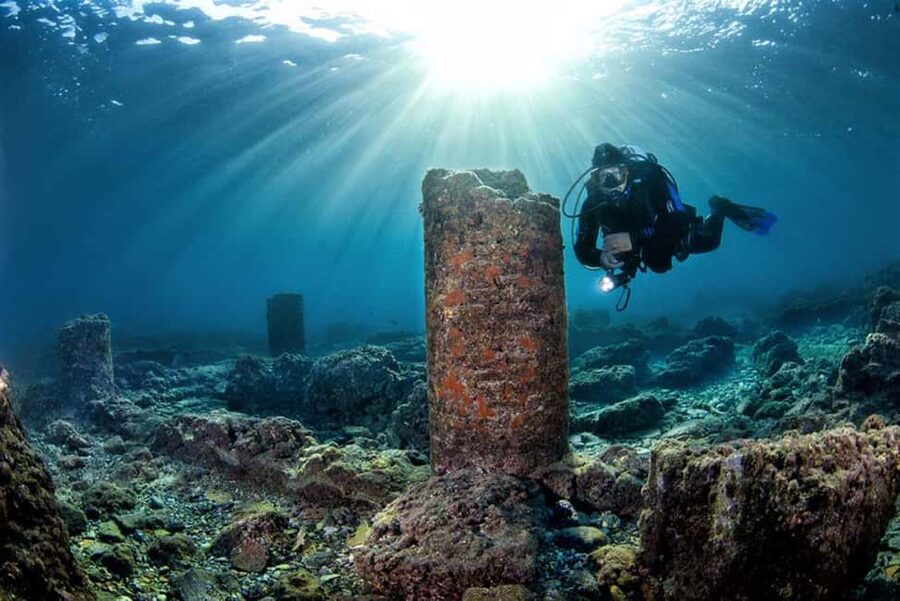
Baia’s ancient Roman villas are not ruins on a hillside. They are about four meters below the sea, preserved beneath clear water in a place once favored by emperors and senators. You reach the submerged Archaeological Park by boat, then spend roughly 45 minutes moving slowly past mosaics, marble floors, statues, and fish.
I like the small groups of up to four, since a first underwater experience is far less nerve-racking when an instructor can stay close. I also like that your certificate counts as the first session toward a PADI Open Water Diver course at any PADI center. The main consideration is transport: you must get yourself to Baia, and a taxi from Naples can cost about €70.
Key points
- Roman ruins beneath the sea: See villas, mosaics, marble floors, statues, and ancient structures preserved underwater by the sinking of the Phlegraean Fields.
- A gentle first scuba experience: No certification is required for the Discover Scuba option, and an instructor remains beside you throughout.
- Only four participants: The limited group size allows close attention during the lesson and underwater visit.
- A useful first step toward certification: Your participation certificate can count as the first dive in a PADI Open Water Diver course.
- A complete half-day setup: Expect an online lesson, an in-person briefing, equipment, boat transport, changing facilities, and refreshments.
- A flexible archaeological route: Baia has several underwater routes, but you visit only one during the session.
Why Baia’s Roman city is underwater
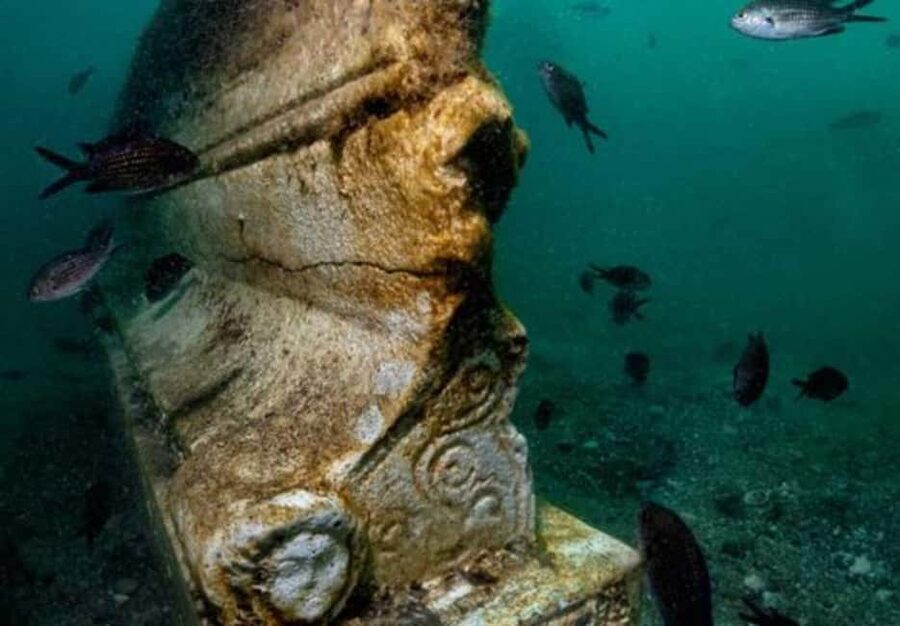
Baia was a Roman resort town where luxury was the point. Wealthy Romans, including emperors and senators, built villas and thermal complexes along the coast. The town later slipped below sea level because of bradyseism, the gradual rising and sinking of land caused by volcanic activity in the Phlegraean Fields.
That geology is the reason this experience feels so different from a normal museum visit. The remains are not arranged behind glass or reconstructed on dry land. You move over the actual site, with the sea covering the rooms and courtyards that once faced the bay.
The water has protected parts of the old city remarkably well. You might see patterned floor mosaics, marble paving, statues, and outlines of Roman buildings. Fish now move through these structures, adding a living layer to the archaeological scene.
The underwater setting also changes your pace. You cannot rush from one object to the next. You have to control your breathing, stay near the instructor, and look carefully. That slower rhythm is part of the appeal, although anyone hoping to inspect every corner of Baia should remember that the session follows only one of the park’s prepared routes.
More first-time dives in Italy:
- Exciting PADI Discover Scuba Diving Experience Isola Bella Marine Park Taormina
★ 5.0 · 96 reviews - Baptism of the Sea Scuba Experience in Polignano a Mare
★ 4.9 · 13 reviews - Marina di Campo: Try diving on the island of Elba
★ 4.4 · 9 reviews
What happens before you enter the water
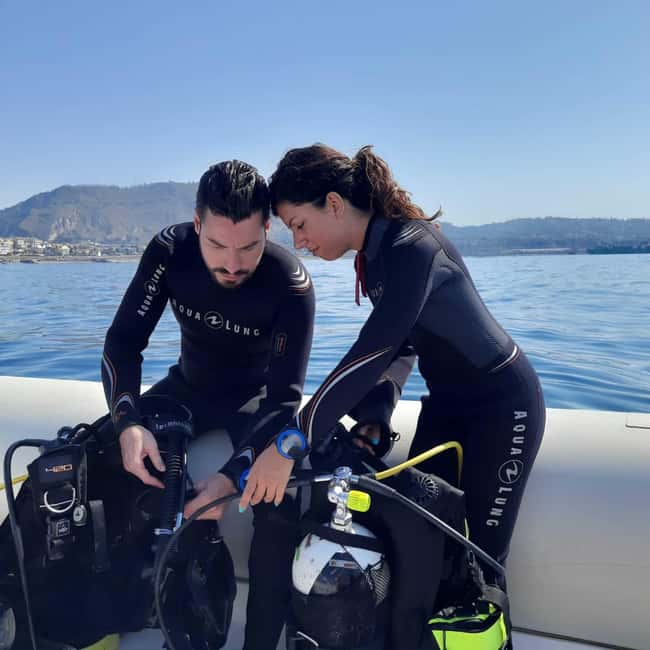
Your session begins at the Sea World Diving Baia center on Via Lucullo 110, near the Temple of Venus and the entrance to the Baia pier. Look for the PADI flags. The center is close to the waterfront, so you do not need to search through the town once you arrive.
Before the appointment, you receive an online scuba lesson. It remains available to you after the activity, which is useful if you later decide to continue with formal training. You also complete a medical form. Most people will not need anything further, but an irregularity on the form can lead to a request for a medical examination.
At the center, an instructor gives you a short in-person lesson. This covers basic scuba skills, the equipment, safety practices, and how to behave underwater. For a first session, this briefing matters more than the archaeological commentary. You need to feel comfortable breathing through the regulator and understand how to communicate before you can enjoy the ruins.
The instructors teach in English, Italian, and Spanish. Names that come up in connection with the center include Andrea, Camilla, Alessandro, and Carlo. The most useful quality here is patience. First-time participants have described Andrea and Camilla as calm and careful, while Alessandro has also received praise for helping people get comfortable with the equipment and the site.
You do not need to bring a wetsuit, tank, mask, fins, or other scuba gear. The center supplies the full set and maintains it regularly. Bring swimwear, a towel, sunscreen, a sun hat, and dry clothes for after the session.
The boat ride to the submerged Archaeological Park
Once you are ready, you travel by boat from the pier to the archaeological area. This is a short but important part of the experience. You are not simply being taken to a swim spot. The boat places you over the former Roman shoreline, where villas that once stood beside the bay now rest under the water.
The park has several routes, each lasting about an hour. You visit one route during your session. If you have a particular interest, tell the staff in advance or at the center. They will try to arrange the route you prefer, but the final plan can change because of weather and sea conditions.
That flexibility is worth keeping in mind. You may not see every famous feature associated with Baia, and the precise route is not guaranteed. Still, the ability to choose among routes gives the experience more character than a fixed circuit. Ask what each route contains before setting out if a particular mosaic, statue, or structure matters to you.
The castle, the Terme di Baia, and the Temple of Venus may be discussed or viewed from the water, but they are not all part of the underwater visit. Entry to other archaeological sites costs extra, usually about €5. The Temple of Venus is currently closed to public visits, though you can see it from outside near the center.
Forty-five minutes among mosaics and marine life
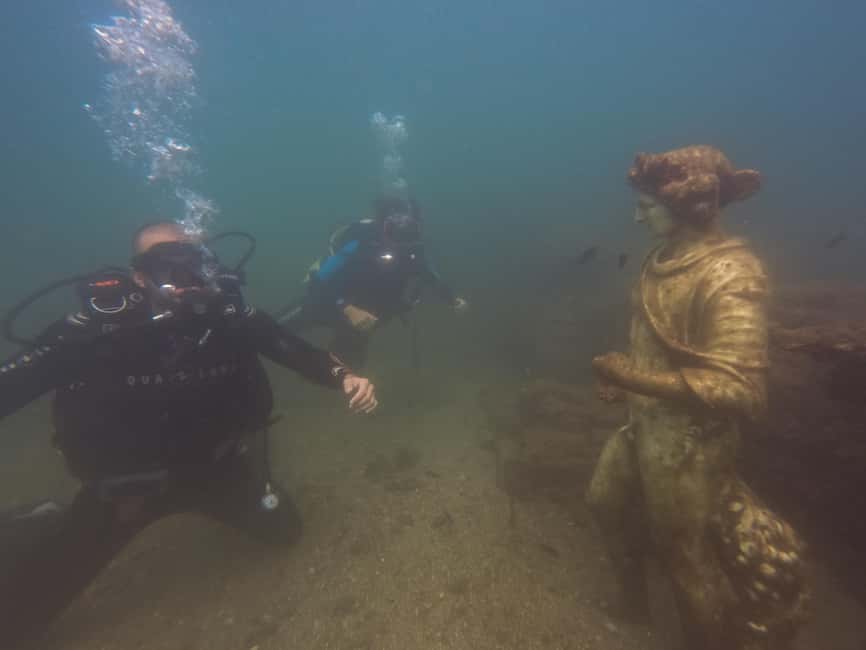
The underwater portion lasts about 45 minutes. That is enough time to get a real sense of the site, but it is not a long expedition. The instructor stays close and may hold your hand to provide support, especially during your first experience with breathing underwater.
This close guidance is one of the strongest reasons to choose this format instead of trying to arrange an independent session. Your attention can stay on the ruins instead of on every piece of equipment. If you feel tense, the instructor can slow things down and help you settle.
Look for the details that make Baia more than an underwater photo opportunity. Floor patterns remain visible in places. Marble surfaces and statues show how much money was spent on these Roman residences. Sea plants grow across parts of the remains, and fish move through the old rooms and around the sculptures.
The combination of archaeology and marine life is the real attraction. One account of the experience described a fish swimming into the bowl held by a damaged statue, then circling out again. You might see a similar moment, or you might find that the fish are more interesting than the ruins on a particular route. The point is that the site changes as living creatures move through it.
The water may feel cold, and the underwater silence takes some getting used to. You hear your own breathing and the sound of bubbles rather than normal conversation. That quiet can make the ancient city feel remote, but it can also make a first session more demanding. If you are nervous in water, tell the instructor before entering.
Certified scuba participants can book a separate option designed for their experience level. If you have no certification, choose Discover Scuba rather than the certified option. This is an important booking detail, not a minor label.
A few more dives around Italy worth comparing
- Polignano a Mare boat tour emotions, caves, diving and appetizers
★ 5.0 · 1,022 reviews - Catania: Gulf Scuba Diving Tour with Marine Biologist
★ 4.9 · 212 reviews - Diving for patented divers
★ 5.0 · 175 reviews - Diving for certified divers with PADI 5* Diving Resort – Taormina
★ 5.0 · 167 reviews
What the $53 price really covers
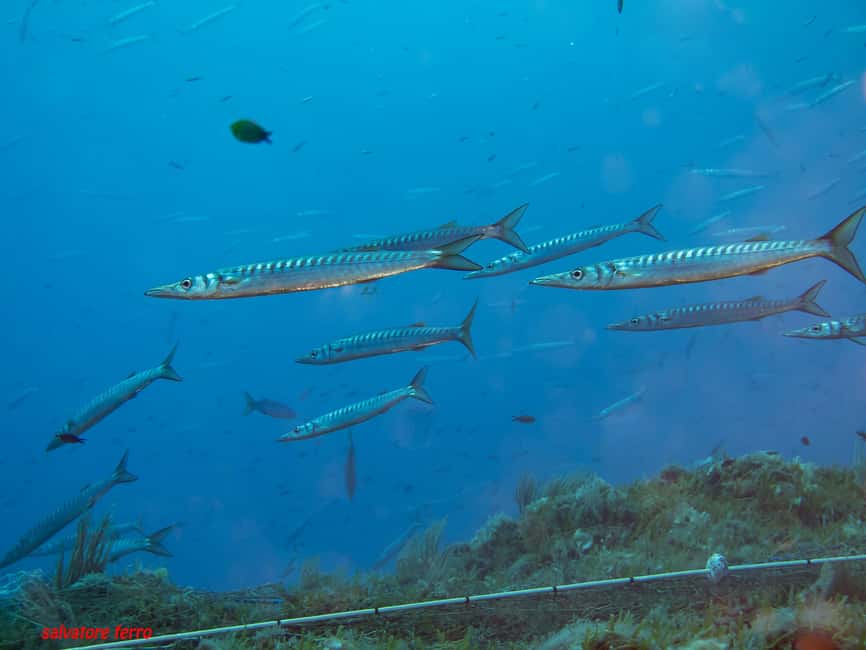
At about $53 per person, the price is strong for a guided first scuba session in an archaeological park. You are not paying only for access to the water. The package includes the online lesson, the in-person briefing, full equipment rental, tank refill, personal medical insurance, an instructor, boat transport, showers, changing rooms, refreshments, and a participation certificate.
The limited group size improves the value. Four people is small enough for an instructor to monitor everyone closely, which is especially important for beginners. The certificate also gives the session a practical use if you want to pursue a PADI Open Water Diver qualification later. It is not the full certification, but it can count as your first dive in that course.
Lunch is optional. For €35 per person, the partner restaurant menu includes ten appetizer tastings, a first course, a second course, wine, water, and dessert. That could suit you if you want to make Baia a longer outing, but you do not need to add it to enjoy the main activity.
Other archaeological admissions are not included, and transport to the center is also your responsibility. A local bus costs about €2.50 and stops directly in front of the center. The train station is around a 15-minute walk away. A taxi from Naples costs roughly €70, so the bus or train makes much more sense if your schedule allows.
Timing, comfort, and practical limits
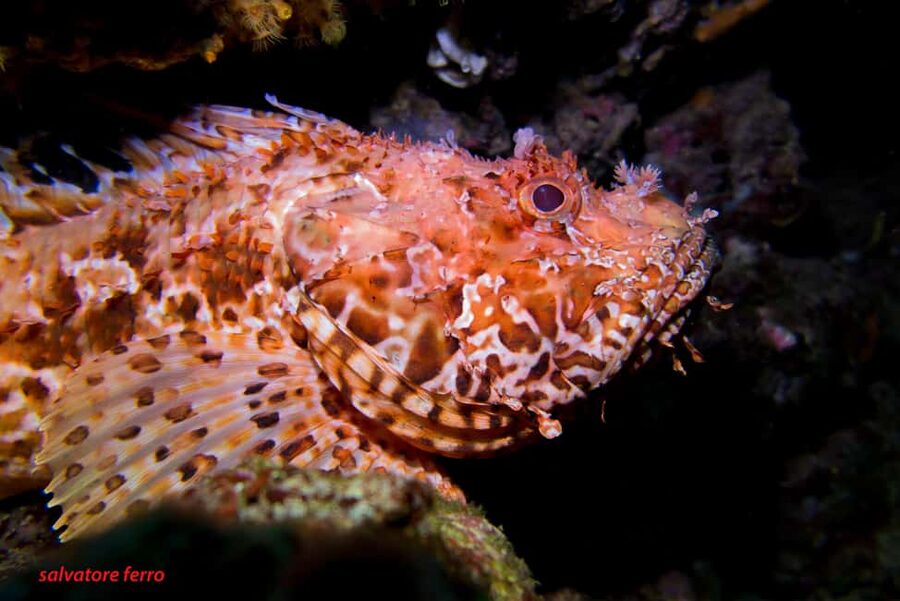
Plan on three to four hours from arrival to return. The published schedule includes about an hour for the class, about an hour for the park visit, and a break before returning to the center. The actual underwater time is around 45 minutes, with the rest taken up by preparation, equipment, boat travel, and changing.
The center provides showers and changing rooms. Refreshments are usually available after the session, a small but welcome touch when you have been in the water and handling equipment.
The activity is wheelchair accessible according to the supplied details. Children must be at least 10 years old, and pregnant women should not participate. Alcohol and drugs are not allowed, and you must not touch marine life.
Weather can change the plan. The team may alter the route or schedule if conditions make the visit unsafe. Free cancellation is available up to 24 hours before the start, and you can reserve now while paying later, which helps if your Naples plans are still shifting.
Who will get the most from this experience
This is best for a curious first-timer who wants more than a standard boat trip. You do not need a license, and the instruction is built around helping you take your first breaths underwater safely. The archaeological setting gives you a strong reason to try scuba rather than treating it as an activity without a clear purpose.
It also suits certified scuba participants looking for an unusual site. Baia combines Roman remains, volcanic geology, and marine life in one visit. You will still follow one route, so it is better for a focused underwater tour than for a full survey of the park.
Families with children aged 10 and older can consider it, provided each participant is comfortable with the water and follows the medical requirements. The four-person limit is helpful when a family wants close supervision, though spaces may be limited.
You should think twice if you dislike boats, feel uneasy breathing through equipment, or want a long session underwater. The experience is carefully supported, but it is still a real physical activity. Forty-five minutes can feel brief once you are comfortable, and one participant wished for another five or ten minutes.
Is Baia Scuba Diving worth booking?
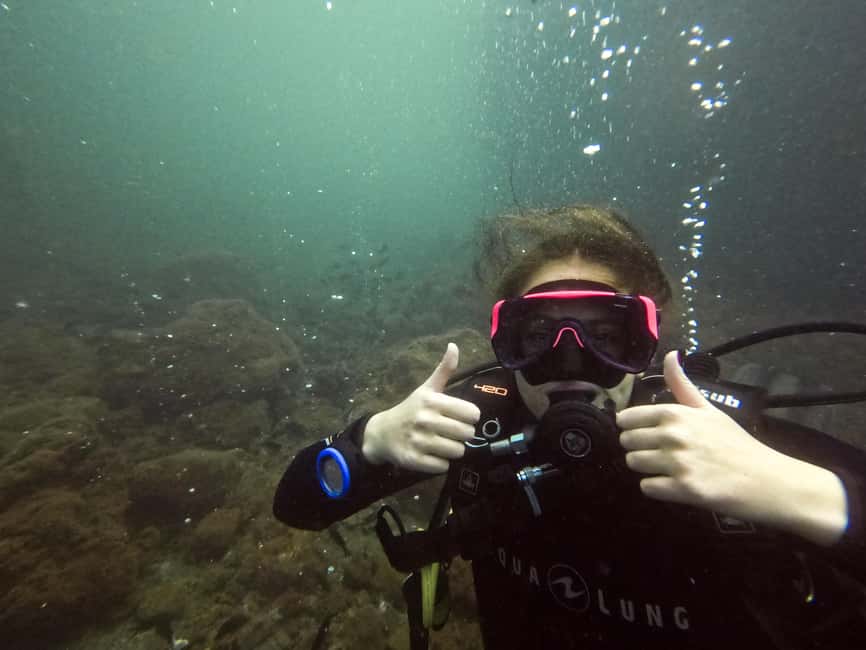
I would choose this for the rare chance to see a Roman resort town from the water rather than from a viewing platform. The price includes nearly everything you need, the instructors provide close support, and the certificate can lead naturally into further training.
Book it if you want a small-group introduction to scuba with a strong sense of place. Before paying, confirm that you are selecting Discover Scuba if you are not certified, ask about the available archaeological routes, and plan your journey to Via Lucullo 110. If underwater breathing makes you anxious, tell Andrea, Camilla, Alessandro, Carlo, or your assigned instructor early. That simple conversation can make the difference between a stressful first attempt and a memorable one.
FAQ
Do I need a scuba certification to join?
No. The Discover Scuba option is designed as a first experience, and no license is required. Certified participants should select the separate option for certified divers.
What is the minimum age?
The minimum age is 10. The activity is not suitable for pregnant women.
How long does the full experience take?
Plan for three to four hours. The schedule includes about an hour of instruction, about an hour at the submerged archaeological park, and time for preparation, transport, and a break. The underwater portion lasts approximately 45 minutes.
What equipment is provided?
The center provides the complete scuba equipment, tank refill, boat transport, personal medical insurance, showers, changing rooms, and post-activity refreshments.
What should I bring?
Bring swimwear, a towel, sunscreen, a sun hat, and a change of clothes. You do not need to bring scuba equipment.
How do I reach the meeting point?
The center is at Via Lucullo 110, close to the Temple of Venus and the entrance to the Baia pier. A bus costs about €2.50 and stops in front of the center. The train station is about a 15-minute walk away. A taxi from Naples costs roughly €70.
Does the session count toward a PADI course?
Yes. The participation certificate counts as a first dive toward a PADI Open Water Diver course, including at other PADI centers. It does not by itself provide full scuba certification.
Just added around Italy
- Polignano a Mare: Scuba Experience with certification★ 5.0 · 4 reviews
- Marina di Campo: Try diving on the island of Elba★ 4.4 · 9 reviews
- Baptism of the Sea Scuba Experience in Polignano a Mare★ 4.9 · 13 reviews
- Cagliari: horseback riding with sunrise dive★ 4.5 · 2 reviews
- Cagliari: Discover scuba diving for Beginners★ 5.0 · 8 reviews
- Bosa: Scuba Diving for Beginners in the Bosa Gulf★ 4.4 · 7 reviews
- Brindisi: Underwater scuba diving★ 4.4 · 7 reviews
- Scuba diving experience in La Maddalena : Baptism of the sea★ 5.0 · 2 reviews
Discover Scuba Diving, compared.
Half-Day Scuba Diving Tour – Discover Scuba Diving!
Read our review →
2 Days Discover Scuba Diving in Nusa Lembongan – Scuba Initiation
Read our review →Lists this dive appears in