
REVIEW · BALI
Nusa Penida Try Scuba Diving Program – for Non-Certified Divers
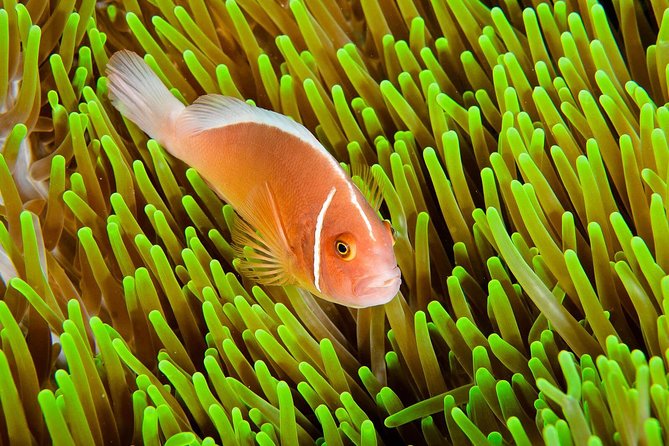
Nusa Penida gives you a proper first taste of scuba, not a quick jump off a boat. You begin with a 30 to 40-minute safety briefing, complete a swim and float test, practice in a purpose-built pool, then head into the Indian Ocean for about 35 to 55 minutes among coral and tropical fish.
I like the small open-water ratio, with no more than two participants per instructor. I also like the patient teaching style praised by guests who worked with Budi, Axel, and Denis. The main catch is the 200-meter swim and 10-minute float, which make this a poor choice if you are not a confident swimmer or have breathing, sinus, or ear problems.
Key points to know before booking
- Pool practice comes first: You learn breathing and basic underwater skills in a controlled setting before entering the sea.
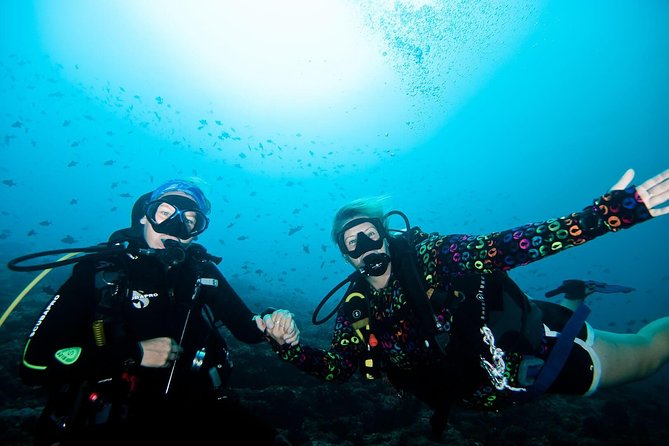
- Two participants per instructor: The small ratio allows close supervision during the ocean portion.
- A real fitness check is required: You must swim 200 meters and float for 10 minutes in water too deep to stand in.
- The reef session lasts 35 to 55 minutes: Your exact time depends on how quickly you use your air.
- All standard gear is supplied: You do not need to buy a mask or bring your own equipment, but a computer is not included.
- The program is built for first-timers: You do not need a scuba certificate, and the maximum depth is 12 meters.
A serious first step into scuba
This half-day program is designed for people who want to try scuba without committing to a certification course. That distinction matters. You are not simply handed equipment and sent into the sea. The session starts with instruction, a basic water test, and pool practice before the boat takes you to a coral reef.
I like that the process respects the nerves many beginners feel. Breathing through a regulator can seem odd at first, and clearing water from a mask is not the sort of skill most people pick up instinctively. Learning those tasks in a training pool gives you room to pause and ask for help.
The experience is also directly supervised. The open-water ratio never exceeds two participants for one instructor, and the maximum depth is 12 meters. That does not remove every challenge, but it gives you a strong safety net for a first underwater session.
More Scuba Diving in Bali
- 2 Days Discover Scuba Diving in Nusa Lembongan – Scuba Initiation
★ 5.0 · 506 reviews - Bali Diving for Beginners: Tulamben Liberty Wreck
★ 5.0 · 367 reviews - Discover Scuba Diving in Tulamben – Diving Initiation in Bali best diving sites
★ 5.0 · 353 reviews
What happens at Pure Dive Resort at 10:30
You meet at Pure Dive Resort on Jalan Ped, in the Ped area of Nusa Penida. The listed start time is 10:30 am, and the activity returns to the same meeting point. The total experience takes about four hours, though the exact finish can depend on preparation, boat timing, and the length of your ocean session.
The first part is the briefing. Allow 30 to 40 minutes for an explanation of the equipment, breathing, equalization, basic skills, and safety procedures. This is not filler. Equalization is particularly important because pressure changes as you move underwater, and beginners need to understand how to manage their ears before they descend.
You should arrive ready to pay attention. The best use of this time is to ask about anything that feels unclear, especially mask clearing, breathing rhythm, and what to do if you feel uncomfortable. A calm start usually makes the pool work much easier.
The 200-meter swim and 10-minute float
Before using the scuba gear, you must complete a 200-meter swim and float for 10 minutes. Both tests take place in water too deep to stand in, so this is more demanding than paddling around in a shallow hotel pool.
The requirement is sensible for an ocean activity. You do not need a scuba certificate, but you do need enough swimming ability to stay composed in open water. If you are already tired after the swim or worried during the float, tell the instructor clearly. This is the right point to decide if the activity suits you.
The physical requirement is also the biggest limitation for some people. The program asks for a moderate fitness level and reasonably good health, with no respiratory, sinus, or ear problems. Do not treat those conditions as minor details. Water pressure and breathing equipment can make them more important than they seem on land.
Learning underwater skills in the training pool
After you complete the tests, you move into the purpose-built training pool. Here you practice breathing underwater while the certified instructor watches closely. You also work on simple skills, including clearing water from your mask.
This pool stage is one of the strongest parts of the program. It lets you understand how the mask, regulator, and other equipment feel before the sea adds current, movement, and depth. You can concentrate on one task at a time instead of trying to learn everything while looking at a reef.
The instructors named in the feedback include Budi, Axel, and Denis. The most useful quality associated with them is patience. Axel was singled out for staying with a first-time participant before and during the ocean session, while Budi was praised for helping a nervous beginner relax. Denis was credited with teaching useful skills even to someone who had already tried scuba.
You may not have one of those instructors specifically, but the program uses certified instructors and keeps the open-water group small. That combination is valuable for beginners who need calm explanations rather than a rushed lesson.
More first-time dives in Bali:
- Padi Discover Scuba Diving In Amed Bali
★ 5.0 · 66 reviews - Discover Scuba Diving
★ 5.0 · 42 reviews - Try Diving in Manta Point – Nusa Penida
★ 5.0 · 41 reviews - Discover Scuba Diving in Pemuteran – Diving Initiation in Bali (Menjangan Park)
★ 5.0 · 36 reviews
The short boat ride to the reef
Once the pool work is complete, the boats wait across the road on the beach. The ride to the chosen site is short, and the operator selects the location with the best conditions at the time.
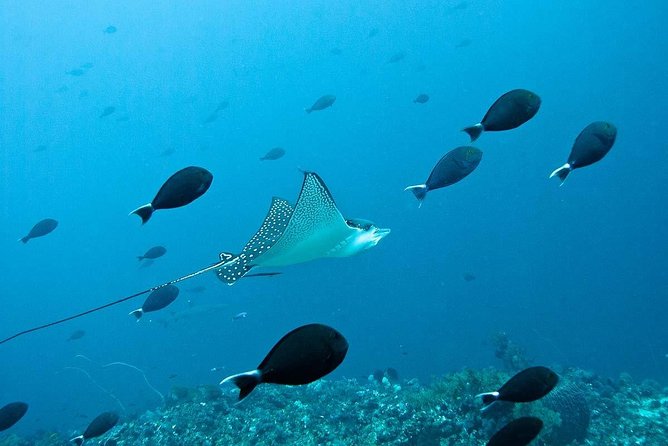
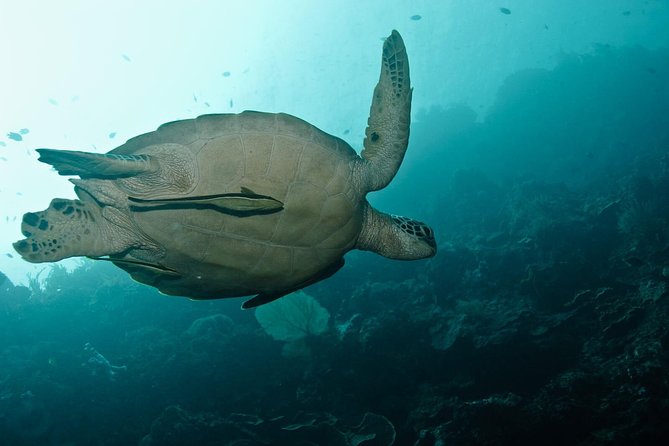
That wording is worth noting. You are not promised one fixed reef or a particular animal. The site can change with conditions, which is a practical choice for comfort and safety. The underwater scenery is described as coral reef habitat with tropical fish, but marine life is never guaranteed on a scheduled outing.
One person had the good fortune to see manta rays on a first underwater session. That is an extraordinary possibility around Nusa Penida, but it should be treated as a bonus, not part of the basic promise. Book this for the training and reef setting, not for a guaranteed manta encounter.
The short transfer also keeps the program focused. You are not spending most of the morning on a long boat journey. You move from briefing to pool to sea in a clear progression.
What the 35 to 55-minute ocean session feels like
The open-water portion normally lasts 35 to 55 minutes, depending on your air use. Beginners often use air faster than experienced scuba users because they are concentrating hard, breathing more quickly, or feeling tense. A shorter session is not a failure. It simply reflects how comfortable and relaxed you are in the water.
The instructor remains with you throughout the ocean portion, and the maximum depth is limited to 12 meters. That is enough depth to see reef life and get a genuine feel for underwater travel without turning the outing into an advanced technical activity.
You should expect to move slowly and follow the instructor’s pace. The aim is not to cover as much water as possible. It is to breathe steadily, maintain control, avoid touching coral, and notice what is around you. A relaxed session gives you a better chance to enjoy the fish and reef instead of thinking only about the equipment.
First-time nerves are normal. Several people who were afraid of the ocean or unsure about what was below the surface found the close support reassuring. That makes the small ratio especially important. With two participants per instructor at most, you are not one face in a large group waiting for help.
Equipment, insurance, and the missing computer
The price includes a full set of standard scuba gear, all fees and taxes, and diving insurance. You do not need to invest in a mask or assemble your own kit for a single trial session.
A dive computer is not included. For this introductory program, that is unlikely to matter to most beginners because the instructor controls the session and the depth is capped. Still, if you already own a computer or expect a computer-led experience, ask about the arrangement before booking.
The included insurance adds useful value, but it does not replace the health requirements. You still need to be fit enough to swim and float, and you need to disclose relevant respiratory, sinus, or ear concerns.
Is $120 a fair price?
At $120 per person, this is not the cheapest way to spend a morning in Bali. You are paying for more than a boat trip and a look through a mask. The package includes a long briefing, pool instruction, certified supervision, standard equipment, insurance, boat access, and a reef session with a maximum depth of 12 meters.
I consider that fair for someone who wants a structured introduction without enrolling in a full certification course. The small instructor ratio is particularly important value. A cheaper large-group session could leave you waiting for attention at exactly the moment you need it most.
The price is harder to justify if you already have scuba experience and only want a casual reef outing. In that case, you may prefer a program designed for certified participants. This activity is priced around teaching and supervision, not simply sightseeing.
The advance booking pattern is about 44 days, so plan ahead during a busy visit. That also gives you time to check the swimming requirement and health conditions rather than discovering the issue at the resort.
Who should book this Nusa Penida experience?
I would point this program toward a first-time scuba participant who wants a careful introduction and can meet the swim test. It suits people who are curious but nervous, especially if the idea of breathing underwater feels more intimidating than exciting.
It also works for friends or family members who want to try the activity together. The small open-water ratio means you are likely to receive direct attention, although the exact instructor pairing is not specified.
This is not the right choice for someone who cannot swim 200 meters, cannot float for 10 minutes, or has relevant respiratory, sinus, or ear problems. It is also not ideal if you want a guaranteed manta encounter, a particular reef, or a full certification.
Bring a practical attitude. The sea may be calm, but conditions can change, and the ocean site is selected according to what is best at the time. The activity requires good weather. If poor weather forces cancellation, you can choose another date or receive a full refund.
The standard cancellation rule is otherwise strict: the experience is non-refundable and cannot be changed for any reason. Confirm your plans before paying.
How this compares with a certification course
This program lets you try scuba, but it does not make you a certified diver. That makes it a useful test run. You can learn how the equipment feels, find out if you enjoy breathing underwater, and decide later if a longer course is worth your time and money.
The 30 to 40-minute briefing and pool practice give you real preparation, but the experience remains a single half-day session. You should not treat it as a substitute for formal certification or as permission to scuba independently afterward.
I like that the format gives you a clear answer without a major commitment. If you leave wanting more, you have learned something valuable about your comfort level and the kind of instruction you prefer.
Should you book it?
Book this Nusa Penida program if you want a supervised first scuba experience, can pass the swim and float tests, and value patient instruction over a large-group bargain. The pool practice, two-to-one maximum instructor ratio, included equipment, insurance, and shallow depth limit make it a sensible introduction.
Skip it if swimming is a concern, you have relevant health issues, or you want a guaranteed manta sighting. For the right person, $120 buys a well-structured first look beneath the surface, with enough training to make the ocean portion feel manageable rather than reckless.
FAQ
Do I need a scuba certificate to join?
No. This activity is specifically for non-certified participants who want to try scuba under the direct supervision of a certified instructor.
How long does the experience last?
The program lasts approximately four hours, including the briefing, pool practice, boat transfer, and ocean session.
What time and where does it start?
It starts at 10:30 am at Pure Dive Resort, Nusa Penida, on Jalan Ped, Buyuk, Ped. The activity ends back at the same meeting point.
Do I need to know how to swim?
Yes. You must complete a 200-meter swim and float for 10 minutes in water too deep to stand in.
How deep will I go?
The maximum depth is 12 meters.
How long will I stay in the ocean?
The ocean session normally lasts about 35 to 55 minutes, depending on your air consumption.
Is equipment included?
A full set of standard scuba equipment, all fees and taxes, and diving insurance are included. A dive computer is not included.
More Dives for Certified Divers in Bali
- 5 Fun Dives in Nusa Lembongan (for certified divers) – Swim with a Mola Mola
★ 5.0 · 205 reviews - Nusa Penida Two Dives Trip for Certified Divers
★ 5.0 · 197 reviews - Day Trip certified divers – 3 Dives in Tulamben (pick-up & drop-off included)
★ 5.0 · 178 reviews - Two fun dives morning trip (Certified Divers only)
★ 5.0 · 170 reviews
More Beginner Dives in Bali
- Bali: Padangbai Blue Lagoon Beginner’s Dive Experience
★ 4.9 · 202 reviews - Bali: Tulamben Bay Beginner’s Dive Experience
★ 5.0 · 66 reviews - Try Scuba Diving for Beginners with manta rays (Non – Certified)
★ 4.5 · 31 reviews - Try Diving in Nusa Lembongan – Penida. For beginners (with 2 ocean dives)
★ 5.0 · 20 reviews
Just added around Bali
- Tulamben Diving Tour Shipwreck USS Bali★ 5.0 · 13 reviews
- Padi Discover Scuba Diving In Amed Bali★ 5.0 · 66 reviews
- Discover Scuba Diving★ 5.0 · 42 reviews
- Bali Hai – PADI Advance Open Water Course in Menjangan★ 5.0 · 2 reviews
- All Inclusive Bali Scuba Diving at Tulamben with Lunch -Transport★ 5.0 · 4 reviews
- PADI Open water Course in Tulamben – Get certified & dive anywhere in the world★ 5.0 · 5 reviews
- Try Diving at USAT Liberty Wreck Tulamben with 1 or 2 Dives (Stay In Tulamben)★ 5.0 · 5 reviews
- Bali Full Day Experience Scuba Diving Tour at Tulamben★ 5.0 · 4 reviews
Dives for Certified Divers, compared.
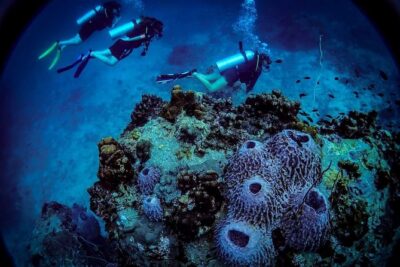
Open Water Course – Become certified diver in 3 days
Read our review →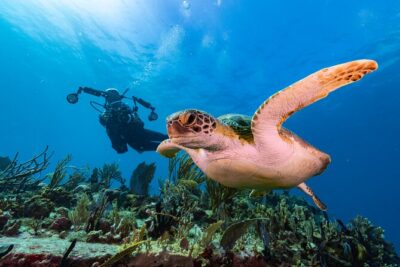
Two-Tank Morning Dive Trip for Certified Divers
Read our review →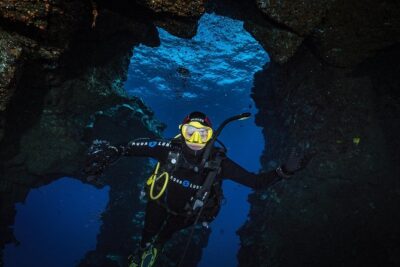
2 Tank Lanai Cathedral Scuba Dive Via Boat for Certified Divers
Read our review →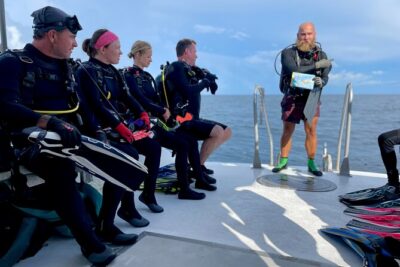
Wreck and Bridge Span Dive for Certified Divers
Read our review →
Diving for Certified Divers, 2 Tanks Sosúa Bay
Read our review →
Certified Diver: 2-Tank Deep Wreck and Shallow Reef Dive Off Oahu
Read our review →
Certified Diver: 2-Tank Shallow Reef Dives off Oahu
Read our review →
2 Dives in the morning for certified divers in Bora Bora
Read our review →Lists this dive appears in