
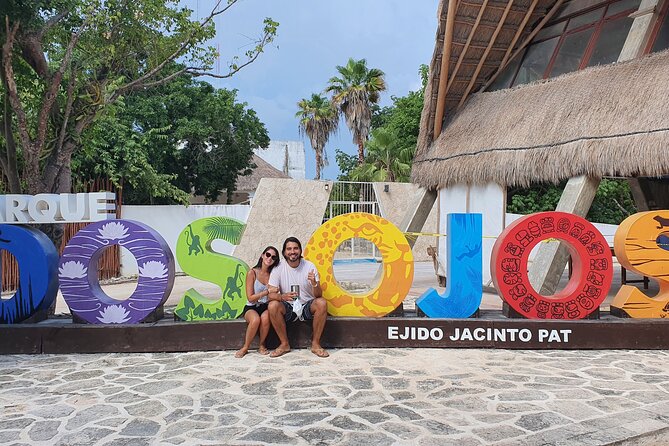
REVIEW · PLAYA DEL CARMEN
Scuba Diving in Cenote Dos Ojos from Playa del Carmen
Cenote Dos Ojos is not a typical open-water scuba trip. You follow a marked underwater line through clear freshwater, beneath limestone shelves and into cave passages where light, shadow, and rock do most of the talking. The small group, capped at four people, lets guides such as Pepe, Don, Alexis, and Ana keep a close eye on your comfort and position.
I like the careful start, with a gear check, site walk, and safety briefing before you enter the water. I also like the practical setup: transport from central Playa del Carmen, snacks, equipment, and lunch are included. The main catch is that the MX$400 entrance fee for both cenotes is extra, and the day can run longer than the advertised return window.
Key points to know before booking
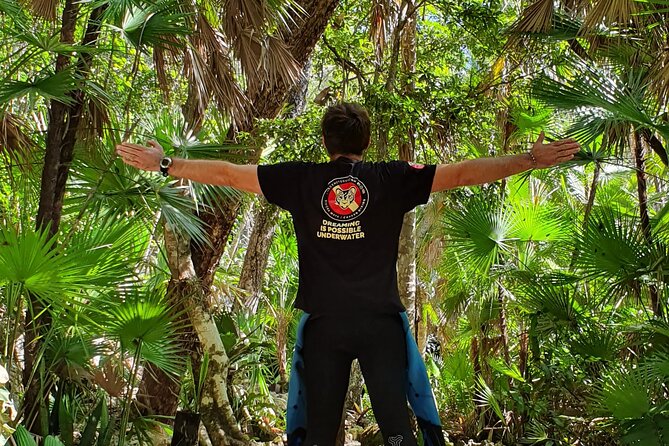
- Two routes in one day: You normally complete two underwater routes, often the Bat Cave and Barbie Line, in different parts of Dos Ojos.
- Small groups matter: The maximum group size is four, giving your guide room to watch your air use, comfort, and buoyancy.
- Open Water certification is required: This is not a beginner lesson or a casual swim. Your most recent scuba experience must be within six months.
- Guides focus on safety: Pepe, Don, Alexis, and Ana are among the guides named for this activity, and their briefings are a major part of the day.
- Budget for the entrance fee: The tour includes equipment and transport, but the MX$400 fee for both cenotes is paid separately.
- Plan around your flight: You should not take part within 12 to 18 hours before flying.
Why Dos Ojos feels different from a normal scuba outing
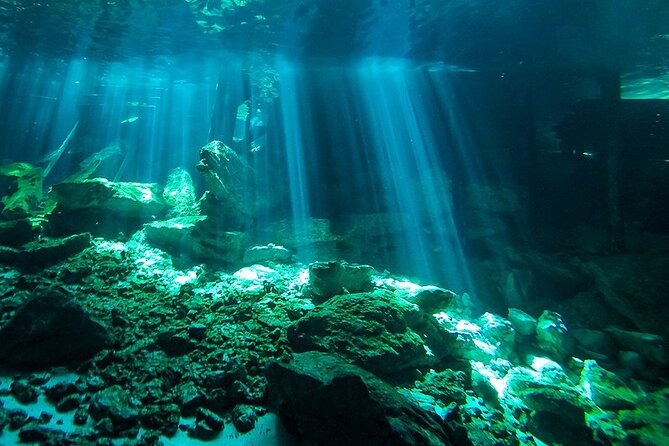
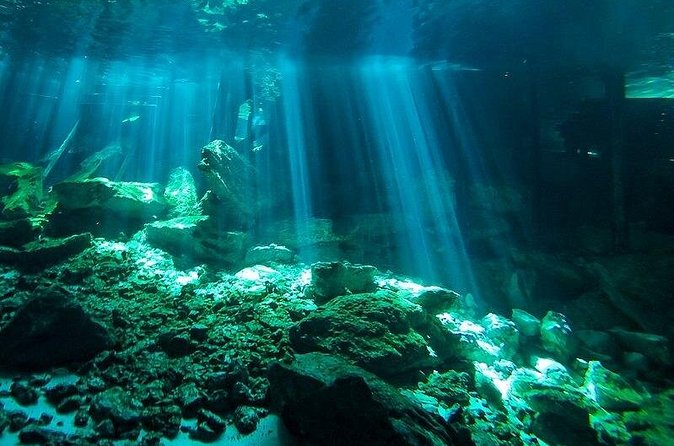
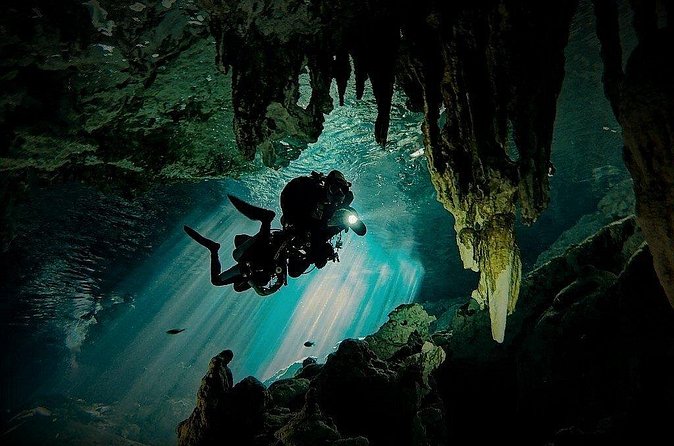
The first thing to understand is the setting. Dos Ojos is a freshwater cenote, a limestone sinkhole connected to an underground cave system. You are not swimming over coral or watching broad schools of fish. Instead, the appeal is the rock itself, the unusual clarity, and the way shafts of daylight reach into the water.
That makes this a good choice if you want a controlled introduction to cenote scuba without signing up for a full cave-training course. You stay on a planned line with a guide, rather than making your own way through a cave system. The routes still have a cave feel, but the pace is shaped around safety and observation.
The names of the two routes can vary, but the Bat Cave and Barbie Line appear often in the day’s plan. The Bat Cave gives the outing a darker, more enclosed character. The Barbie Line offers another route and a different look at the cenote. Since the exact order depends on the first outing and the guide’s plan, you should treat the route names as likely highlights rather than a guaranteed sequence.
I would not book this expecting a wildlife-heavy trip. Book it for the strange rock formations, the clear freshwater, and the feeling of moving through a natural underground space while daylight fades above you.
More Scuba Diving in Playa del Carmen
- Scuba Diving in Cenote Kukulkan from Playa del Carmen
★ 5.0 · 370 reviews - Discover Scuba Diving & Beach Club with Transportation In Riviera Maya
★ 5.0 · 239 reviews - Two reef discovery dives with professional instructor (no experience necessary)
★ 5.0 · 103 reviews
The 8am start from Playa del Carmen
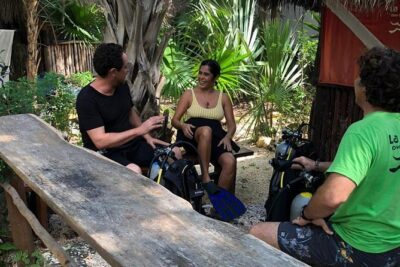
You meet at the Fruit StandCentro in Playa del Carmen at 8am. Transportation from that meeting point is included, and the equipment is already loaded into the vehicle, so you do not need to carry a full set of gear across town.
The drive to Dos Ojos takes about 45 minutes. This is useful time rather than dead time. Your guide explains the plan, discusses the cenotes and their importance in Maya culture, and asks about your previous scuba experience. Use this conversation honestly. If you are rusty, nervous, or uncertain about freshwater conditions, say so before reaching the site.
The early start also helps the day keep its shape. You need time to prepare equipment, walk around the premises, complete two underwater routes, take a surface break, and eat before returning to Playa del Carmen. The planned return is between 2:30pm and 3pm, although you should leave some flexibility in your schedule. One reported outing lasted until about 4pm, so avoid booking a tight afternoon appointment.
Gear checks and the first safety briefing
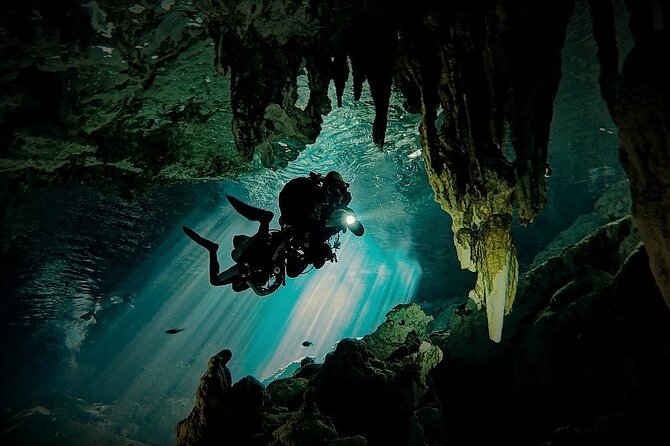
Once you arrive, you prepare your equipment with the guide. The tank pressure is checked, and the gear receives a detailed inspection before you head to the water. Rental equipment is included at no extra charge, and it has been described as being in good condition and comfortable to use.
That matters more in a cenote than it might on a simple warm-water shore outing. You want your mask, regulator, buoyancy gear, and other equipment checked before entering a confined setting. The guide also takes time to learn how comfortable you are with scuba, then offers tips suited to your experience.
Before the first route, you walk around the site. This gives you a chance to see the cenotes, identify the entry point, and understand the general path. You are not simply handed equipment and sent into the water. The security and route briefing comes before the first descent, and the guide explains how you should behave underground.
Pay close attention here. In a cenote, staying with the line and following the guide’s instructions are not minor formalities. The small group helps, but your own calm breathing, steady movement, and awareness of the person ahead remain important.
The Bat Cave and Barbie Line
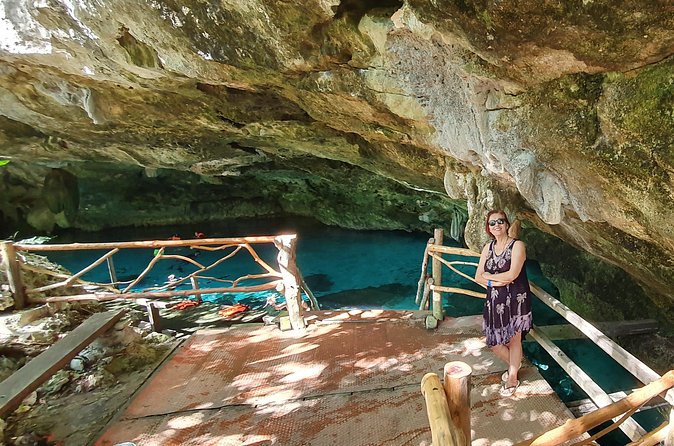
The day includes two routes in two different sections. The exact plan is set with your guide, but the Bat Cave and Barbie Line are common pairings.
The Bat Cave is the more atmospheric name, and the route lives up to that reputation by moving into a darker section of the cenote system. You may see the ceiling and rock profile change as natural light becomes less dominant. This is where the guide’s briefing becomes especially valuable. The point is not speed. You move along the established line, keep your position, and take in the shapes overhead and around you.
The Barbie Line gives you a second route rather than a repeat of the first. That variety is one of the strongest reasons to choose this excursion instead of paying for a single cenote session. You get two underwater environments in one day, with a surface break between them.
The visibility is a major part of the appeal. Clear water lets you focus on rock formations and light patterns without the reduced sightlines common in many open-water conditions. Still, clear water does not make the activity effortless. If you are uncomfortable in enclosed spaces, the cave setting may feel intense even with a guide and a marked line.
The guide does not take photographs while leading the group. That is a positive safety choice, since attention stays on the people in the water. An on-site photographer may be available to capture images, but photography is not guaranteed as part of the listed inclusions and should be treated as an optional extra.
More cenote dives in Mexico:
- 2 dives in Cenote Dos ojos Certified Divers
★ 5.0 · 227 reviews - 2 cenote divings (including one deep diving) for advanced divers in Tulum
★ 5.0 · 186 reviews - 3 Cenote Dives – Casa & Dos Ojos
★ 5.0 · 118 reviews - Amazing beginner dive in Tulum cenote (or refresher dive)
★ 5.0 · 116 reviews
A surface interval with lunch
The break between routes is determined after the first one. That gives the guide room to judge how the group is doing rather than forcing a fixed schedule. You can use this time to rest, drink, have a snack, and reset before the second route.
Snacks and refreshments are supplied during the day. After both routes, lunch is normally served at a typical Mexican restaurant. At times, health restrictions can limit the restaurant choice, and you may receive sandwiches instead. That is worth knowing if lunch is an important part of your travel plans.
The meal is simple rather than a culinary event, but it fits the day well. After two demanding scuba sessions, you need food and a chance to sit down. A shared Mexican meal also gives the outing a more local rhythm than a quick snack eaten beside the vehicle.
What the small group changes
The maximum group size is four participants. That is one of the best features of this experience. A cenote route is easier to enjoy when the guide does not have to manage a long line of people with different air consumption, confidence levels, and swimming habits.
A small group also lets you ask questions during the drive and briefing. Guides named for the activity include Pepe, Don, Alexis, and Ana. The available feedback repeatedly highlights patience, safety instruction, clear explanations, and a relaxed manner. Those qualities matter more here than a flashy presentation.
The guide’s role is not just to point out rock formations. It is to keep the group together, monitor comfort, explain the route, and help you stay calm if the setting feels unfamiliar. Don and Alexis are specifically associated with careful instruction and a friendly approach, while Pepe is praised for making the experience both informative and fun.
No guide can remove every challenge. You still need enough recent scuba practice to manage your equipment without constant help. The small group improves supervision, but it does not turn a cave route into a first lesson.
Who should book this outing
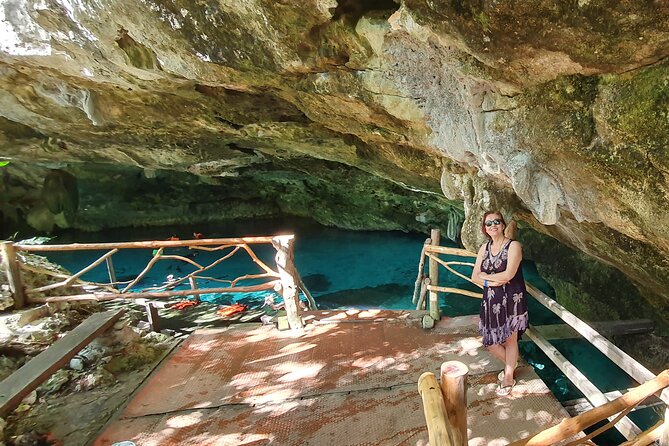
I would recommend it to certified Open Water scuba divers who want to try cenotes without committing to technical cave training. It suits people who value safety, small groups, and a guide-led route more than a fast, independent session.
It is also a strong match for couples and friends who want a full morning and early afternoon activity from Playa del Carmen. The transport, equipment, food, and refreshments reduce the number of separate arrangements you need to make.
You should think twice if your last scuba session was more than six months ago. The stated requirement is recent experience within that period, and it is sensible. Cenote conditions call for comfort with your gear and steady control.
This is not suitable for people without certification. Open Water certification is mandatory, and the minimum age is 15. It is also not recommended if you have heart problems or another serious medical condition. If you are unsure about your fitness for scuba, get medical advice before booking.
The real cost and what is included
The listed inclusions cover a lot of practical expenses: a professional multilingual guide, scuba equipment, transportation from the meeting point, lunch, snacks, and refreshments. That makes the package easier to price than an outing where every item is charged separately.
The entrance fee is not included. You pay MX$400 per person for entry to both cenotes. When comparing this outing with other Playa del Carmen options, add that fee to the advertised tour price before deciding which is better value.
The equipment inclusion is particularly useful if you are not traveling with your own kit. You avoid arranging tanks and rental gear separately, and the guide checks the setup with you on site. If you own personal equipment, you should confirm in advance how the rental arrangement works, since the supplied details describe complimentary rental gear rather than a personal-equipment policy.
Group discounts are available, though the specific discount is not stated. Ask for the current rate before you book if you are traveling with several people.
Timing, transport, and booking details
The experience is listed at about seven hours. The planned meeting time is 8am, with a return to the same Playa del Carmen meeting point around 2:30pm to 3pm. Allow extra time in your day in case the pace, surface interval, meal, or transport runs late.
Booking confirmation is provided at the time of booking. Communication can be handled through WhatsApp, which is useful for confirming the meeting point, the route plan, and any questions about equipment.
Free cancellation is available if you cancel at least 24 hours before the start time. Cancellations or changes made inside that window are not accepted for a refund. Cut-off times follow local time in Mexico, so check the clock carefully if your plans change.
You should not schedule this activity within 12 to 18 hours before taking a flight. That rule is important after scuba and should shape your final days in Playa del Carmen. It is better to place the cenote outing earlier in your stay or leave a full buffer before flying.
Is Cenote Dos Ojos worth your day?
I think this is a strong pick if you are already certified, recently active, and curious about freshwater cave routes. The combination of two different routes, a maximum of four people, careful equipment checks, and guides such as Pepe, Don, Alexis, and Ana gives the day a reassuring structure.
The drawbacks are clear: the MX$400 entrance fee is extra, the setting may not suit anyone uneasy in enclosed spaces, and the return time can stretch. Lunch may also be sandwiches rather than a restaurant meal if restrictions affect the day’s plan.
Book it if the main goal is a safe, guided look at the unusual underwater world of Dos Ojos. Skip it if you want a relaxed swim, have no scuba certification, or need to catch a flight soon after. For the right diver, the two-route format makes this more than a quick cenote visit. It gives you a focused, memorable day beneath the limestone.
FAQ
Where does the Cenote Dos Ojos activity start?
The meeting point is Fruit StandCentro, 77710 Playa del Carmen, Quintana Roo, Mexico.
What time does the activity begin?
You meet at 8:00am.
Where does the activity end?
The activity ends back at the same Playa del Carmen meeting point.
How long does the activity last?
The planned duration is about seven hours, with an expected return between 2:30pm and 3pm.
Is scuba certification required?
Yes. Scuba certification is mandatory, and the minimum accepted level is Open Water.
How recent must my last scuba experience be?
Your last scuba experience should have been within the previous six months.
What is the minimum age?
The minimum age is 15 years old.
Is transportation included?
Yes. Transportation from the Playa del Carmen meeting point is included.
Is scuba equipment included?
Yes. Scuba equipment rental is included at no extra charge.
Is the cenote entrance fee included?
No. Entrance to both cenotes costs MX$400 per person and is paid separately.
Is lunch included?
Yes. A typical Mexican lunch is included, although sandwiches may be provided if restaurant choices are limited by health restrictions.
Can I cancel for a full refund?
Yes, if you cancel at least 24 hours before the scheduled start time. Changes or cancellations made less than 24 hours before the activity are not accepted for a refund.
Just added around Mexico
- Puerto Morelos: Scuba Diving for Beginners – 2 Dives★ 5.0 · 5 reviews
- Playa del Carmen: Guided Reef Diving for Certified Divers★ 4.6 · 7 reviews
- Playa del Carmen: Cenote Diving for Certified Divers★ 5.0 · 2 reviews
- Playa del Carmen: Discovery Scuba Diving – Non Certified★ 5.0 · 2 reviews
- Los Cabos 3-Hour Certified Scuba Diving Tour★ 4.8 · 6 reviews
- Isla Mujeres: MUSA and the Manchones Reef: 2 Tank Dive Tour★ 5.0 · 3 reviews
- From Cozumel: Double Tank Scuba Diving for Certified Divers★ 5.0 · 6 reviews
- From Cozumel: Chankanaab Cozumel Scuba Diving★ 4.9 · 20 reviews
Cenote Diving, compared.
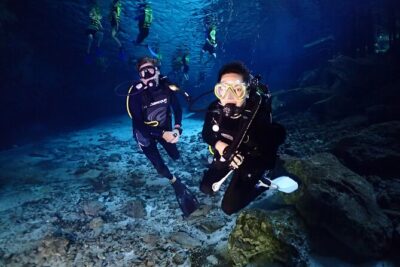
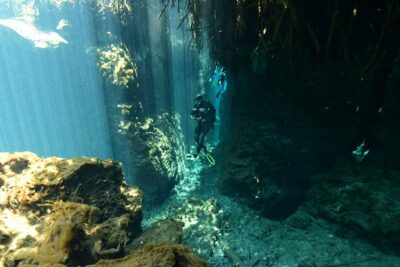
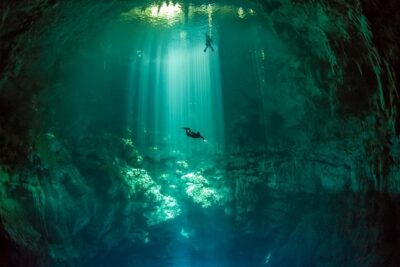
2 cenote divings (including one deep diving) for advanced divers in Tulum
Read our review →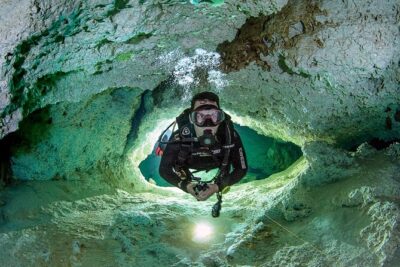
Amazing beginner dive in Tulum cenote (or refresher dive)
Read our review →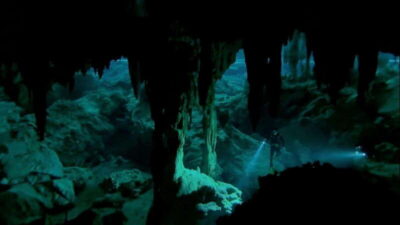
Cancun 2 Cenote Dives: The Pit & Dos Ojos – Certified Divers
Read our review →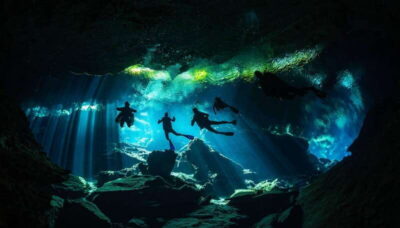
Playa del Carmen: Cenote Diving for Certified Divers
Read our review →Lists this dive appears in