
REVIEW · THE US VIRGIN ISLANDS
Discover Scuba Diving with No Certification in St Thomas
Your first breath underwater is the main event here. At Aqua Marine Dive Center, you learn basic scuba skills at Saga Haven Marina, board a boat, and make a supervised ocean descent without first taking a certification course. I like the four-student limit per instructor and the patient approach described by guides such as Ana, Jaime, Spencer, and Dave. I also like that you can snorkel after the first session or pay for a second scuba session.
The main catch is the medical paperwork. Some health answers require written approval from your doctor before you arrive, and you must be able to swim. The $225 price is fair for a small-group boat outing, but it is less attractive if you are unsure about going underwater and end up snorkeling only.
Key points at a glance
- Small groups matter: One instructor handles no more than four scuba students, leaving room for close help when you are nervous.
- Your first ocean session is included: The experience combines a beginner lesson, equipment briefing, and one open-ocean descent.
- You can choose your comfort level: Afterward, snorkel or pay for a second scuba session if you are ready for more.
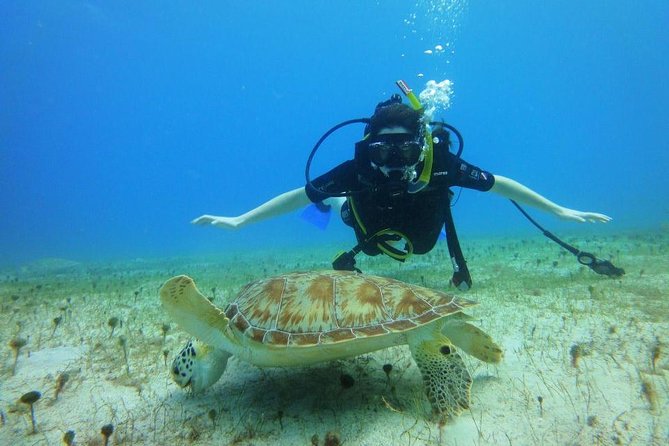
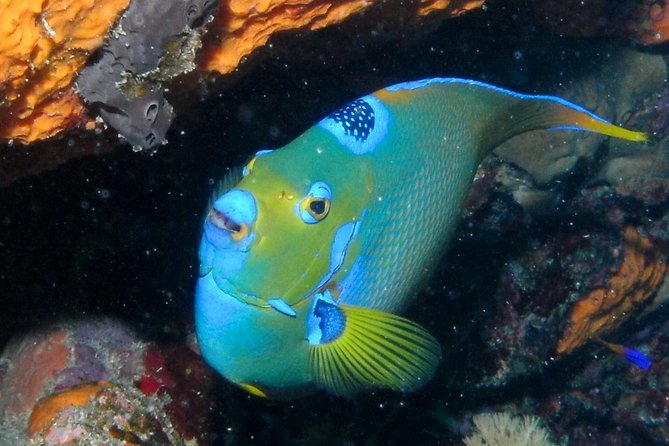
- Wildlife is part of the appeal: Fish, coral, turtles, rays, sea stars, urchins, and other reef life have been seen on these outings.
- Plan around medical rules: Certain conditions, medications, recent surgery, and some heart or breathing issues require doctor approval.
- Leave room after scuba: You are advised to wait at least 18 hours before flying.
What the St. Thomas experience is really offering
This is not a certification course, and that is its strength. You get a carefully supervised introduction to breathing underwater, handling basic equipment, and moving around a reef without committing to several days of formal training.
The session lasts about three and a half hours. That includes the lesson, paperwork, boat ride, first ocean descent, and time afterward for snacks, drinks, snorkeling, or a possible second scuba session. The pace is designed for first-timers, not experienced certified divers looking for a full day on multiple sites.
I would think of it as a test drive for scuba. You get enough time to discover if the underwater world feels exciting or overwhelming, but you do not leave with a certification card. If you love it, the experience can point you toward a full certification course later.
More first-time dives in the world:
- Discover Scuba Diving
★ 5.0 · 1,676 reviews - Barcelona: PADI Discover Scuba Diving
★ 4.7 · 1,016 reviews - Discover Diving in Curacao
★ 5.0 · 886 reviews
Meeting at Saga Haven Marina
You meet at Aqua Marine Dive Center, located at 6117 Estate Frydenhoj, Saga Haven Marina, St. Thomas. The activity ends back at the same marina, and transportation to or from the meeting point is not included.
That detail matters if you are staying at a hotel, arriving from a cruise ship, or traveling with children. You need to arrange your own way to the marina and allow enough time to find the dock. The mobile ticket is useful, but it does not replace checking your transportation plan.
Once everyone is together, the instructor gives a short theory lesson and handles the required paperwork. This is where you should ask questions about comfort, equalizing your ears, hand signals, and what happens if you need to return to the surface.
The lesson and equipment briefing
The introduction covers the basics of scuba theory and how the equipment supplies air underwater. On the boat, the instructor explains the gear and the hand signals used beneath the surface.
For a first-timer, this preparation is more important than it may sound. Underwater, you cannot simply talk through a concern. You need to know how to signal that you are fine, need help, want to ascend, or have a problem with your equipment.
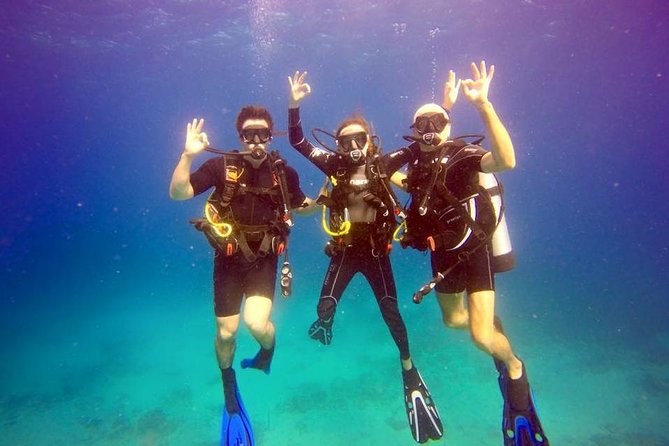
The small-group setup should make this part less rushed. With no more than four scuba students assigned to one instructor, you have a better chance to get individual help before entering the water. The strongest pattern in the guide feedback is patience, especially when someone feels anxious or needs to move slowly.
That does not guarantee you will feel calm right away. Breathing through a regulator can feel strange, and the boat, mask, and weight belt add several new sensations at once. You should expect the instructor to help you work through the basics, but you still need to be honest about your comfort level.
Your first open-ocean session
The first descent is the heart of the outing. The instructor leads you from the boat into the ocean and stays close while you practice the fundamentals in open water.
The exact reef location can vary, but the underwater sights described for this experience include tropical fish, coral, turtles, stingrays, sea stars, urchins, nudibranchs, and even an octopus. You might see only some of these. Wildlife is never guaranteed, and conditions affect visibility, but the possibility of seeing a turtle or ray gives the outing extra appeal.
One useful detail from the guide feedback is that instructors actively point out marine life. That helps because beginners can spend so much time watching their breathing and equipment that they miss what is around them. A guide who directs your attention toward fish or coral makes the first session feel less like a skills exercise and more like an actual encounter with the reef.
You may also find the experience physically demanding. You need to swim, manage basic equipment, and maintain enough comfort in the water to follow instructions. A moderate fitness level is recommended, and this is not the place to hide uncertainty about your swimming ability.
More dive courses in the world:
- Open Water Course – Become certified diver in 3 days
★ 5.0 · 1,137 reviews - PADI Open Water Diver Course
★ 5.0 · 626 reviews - Tossa de Mar: PADI Discovery Scuba Diving in Costa Brava
★ 4.7 · 392 reviews - Full-Day Beginner Scuba Course with Private Tuition, Racha Yai
★ 5.0 · 368 reviews
Why instructor support makes or breaks the day
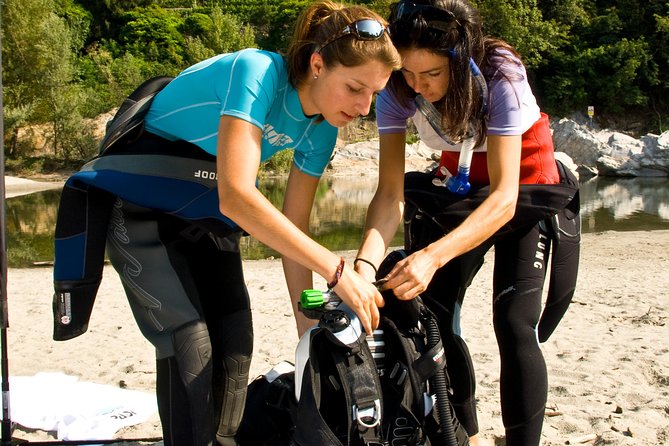
The most important feature here is not the boat or the snacks. It is the instructor assigned to you.
Several named instructors have received especially warm praise for helping nervous beginners: Ana was described as giving one student time to gain confidence, Jaime as patient and encouraging, and Spencer and Dave as clear and reassuring. Another account described an instructor holding a beginner’s hand during the underwater portion. Those details tell you what good support looks like: close attention, simple instructions, and no pressure to move faster than you can manage.
You should still understand the limits. An instructor can help you adjust, pause, or return to the surface, but cannot make you enjoy scuba. One participant became overwhelmed and did not complete the underwater session. The crew allowed that person to remain part of the day through snorkeling, which is a sensible outcome for an activity that can feel intense.
If you have anxiety about enclosed equipment, breathing through a regulator, or being in open water, tell the instructor before the session begins. This is exactly the sort of experience where a short conversation can make the difference between panic and a manageable first attempt.
Snorkeling or a second scuba session afterward
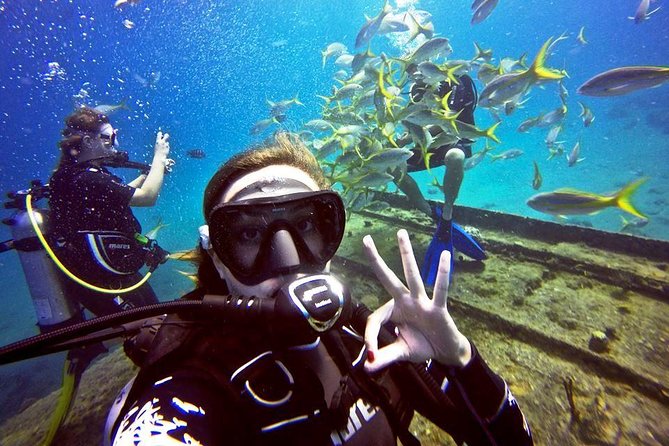
After the first ocean session, you get water, soft drinks, and snacks. You can then choose to snorkel or pay extra for a second scuba session.
The snorkeling option is valuable because it gives you a worthwhile fallback. If the regulator feels wrong, if you are tired, or if a medical approval prevents you from scuba, you can still see the reef from the surface using the included snorkeling equipment.
If the first session goes well, the second one is the better value for someone eager to continue. You already understand the gear and signals, so the extra time can feel less like a lesson and more like exploring. The second session costs extra, and the supplied details do not state the price, so confirm that before booking or boarding.
Some outings have included stops such as Christmas Cove for snorkeling. Specific locations can vary, so treat that as a possible feature rather than a promise. The important point is that the afternoon does not have to end the moment your first scuba session finishes.
Wildlife and underwater scenery
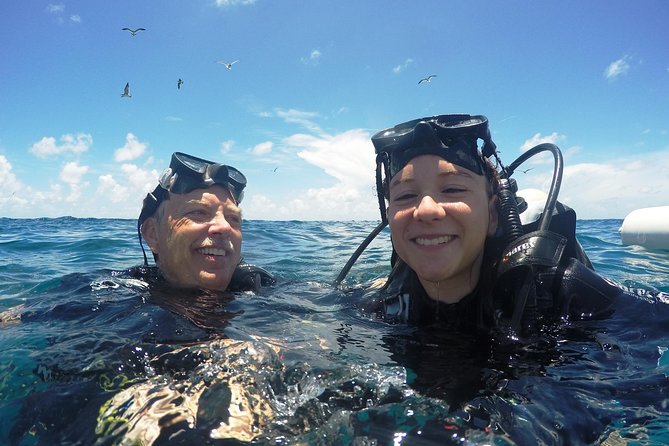
St. Thomas is a strong setting for a first ocean experience because the appeal is easy to understand even if you are new to scuba. You are not just practicing in a pool. You are looking over coral and watching for animals in their natural setting.
The reported sightings range from ordinary tropical fish and reef structures to more memorable encounters with stingrays, turtles, and an octopus. One outing included numerous sea stars. Another included a stingray and a range of fish and coral.
Keep expectations sensible. No responsible operator can promise a turtle, ray, or octopus on a particular day. Weather, water conditions, and the animals themselves determine what you see. The best reason to book is the chance to experience the reef, not a guaranteed checklist of wildlife.
Medical rules you should read before booking
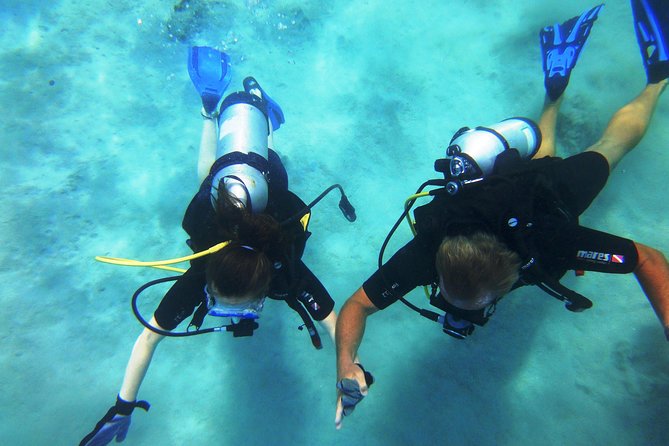
This is the most important practical section. Every non-certified participant must complete a standard diver medical questionnaire.
You need written approval from a doctor if the questionnaire flags certain conditions. The listed examples include surgery within the past 12 months, ongoing problems from earlier surgery, prescription medications other than birth control and certain anti-malarial drugs, diabetes or gestational diabetes within the past 12 months, ear disease, recurring sinusitis, asthma, severe allergies, trouble breathing, angina, or other heart issues.
Approval may also be required if you are over 45 and smoke or have high blood pressure or high cholesterol. These rules do not automatically mean you cannot scuba. They mean the operator wants a doctor to decide if it is appropriate.
Bring the signed approval before the session. If your answers require it and you do not provide it, you can snorkel but will not be permitted to scuba. Do not wait until you are standing at the marina to discover this issue.
The minimum age is 10, and children must be accompanied by an adult. Service animals are allowed, and the meeting point is near public transportation, though you remain responsible for getting there.
Is $225 a good value?
At $225 per person, this is not a bargain water activity. It is priced as a small-group instruction experience, and that distinction matters.
Your fee covers the lesson, instructor support, boat-based ocean access, one scuba session, snorkeling equipment, water, soft drinks, snacks, and a guide. The maximum of four students per instructor is the strongest value point. A cheaper, larger boat might save money but give you less personal help at the exact moment you need it most.
The price makes the most sense if you are genuinely curious about scuba and want a careful first attempt. It makes less sense if you are only mildly interested, cannot comfortably swim, or have a medical condition that may prevent the scuba portion. In that case, you could pay for an expensive outing and receive only the snorkeling alternative.
The optional second session may improve the value for confident beginners, but budget for it separately. Transportation is also extra, and there is no mention of photos or hotel pickup being included.
Timing, weather, and flight plans
The advertised duration is about three hours and 30 minutes. Since this is a boat outing, allow some flexibility around the stated time. Weather can cancel the experience, in which case you are offered another date or a full refund.
The activity also requires a minimum number of participants. If that minimum is not met, you are offered another date or experience, or a full refund.
The cancellation terms are strict for personal changes: the experience is non-refundable and cannot be amended if you cancel or request a change. Read those terms carefully before paying.
Most important for cruise and air itineraries, you are advised to allow at least 18 hours between scuba and flying. If you are catching a flight from St. Thomas or returning to a cruise ship, plan the underwater portion early enough to meet that rule. Do not schedule it right before takeoff.
Who should book this St. Thomas outing?
I would choose this for an adult or child aged 10 or older who can swim, wants a first taste of scuba, and values close instruction over a low price.
It suits couples where one person is new to scuba, families with an adventurous child, and anyone who has looked at certification courses but is not ready to commit. The snorkeling option also helps if one member of your group decides that scuba is not for them.
I would hesitate if you are uncomfortable in open water, cannot swim, have not checked the medical requirements, or have a tightly packed travel schedule. The experience needs preparation, and the non-refundable policy leaves little room for casual last-minute changes.
Should you book it?
Book this Aqua Marine outing if you want a real ocean introduction with a small instructor-to-student ratio and a built-in snorkeling backup. The strongest reason to choose it is the personal attention, especially if you are nervous. The reef wildlife, boat setting, snacks, and optional second session add to the appeal.
Before paying, review the medical questionnaire, arrange transportation to Saga Haven Marina, check the second-session cost, and leave at least 18 hours before any flight. If you do those things and genuinely want to know what scuba feels like, $225 buys a thoughtful first step rather than a rushed equipment demonstration.
FAQ
Do I need scuba certification to join?
No. This is designed for people who want to try scuba without first completing a certification course.
How long does the experience last?
The activity lasts approximately three hours and 30 minutes.
Where does the activity begin and end?
You meet at Aqua Marine Dive Center at Saga Haven Marina in St. Thomas. The experience ends back at the same meeting point.
How many students are assigned to each instructor?
One instructor works with a maximum of four scuba students.
Is snorkeling included?
Yes. Snorkeling equipment, water, soft drinks, and snacks are included. You can snorkel after the first scuba session.
Can I add a second scuba session?
Yes, you can choose to upgrade to a second scuba session for an additional cost. The price of that upgrade is not specified in the supplied details.
What medical paperwork is required?
All non-certified participants complete a standard diver medical questionnaire. Some answers require a doctor-signed approval, including certain recent surgeries, prescription medications, diabetes, ear or sinus problems, asthma, breathing issues, and heart conditions. If approval is required but not provided, you may snorkel only.
Just added around the world
- Punta Cana: Reef Diving Adventure Explore Underwater Wonders★ 5.0 · 5 reviews
- Phuket: Try SCUBA DIVING Full Day Experience 2 Dives★ 5.0 · 9 reviews
- Punta Cana: Scubadoo Ocean Exploration Diving Adventure★ 4.1 · 70 reviews
- Punta Cana: Guided Power Dive Adventure★ 4.8 · 3 reviews
- Punta Cana: Scuba Doo Underwater Scooter Adventure★ 5.0 · 2 reviews
- Punta Cana: Discover Scuba Diving Experience for Beginners★ 4.4 · 2 reviews
- Puerto Morelos: Scuba Diving for Beginners – 2 Dives★ 5.0 · 5 reviews
- Punta Cana: Dive the Coral Paradise of Catalina Island★ 4.2 · 5 reviews
Scuba Diving Courses, compared.
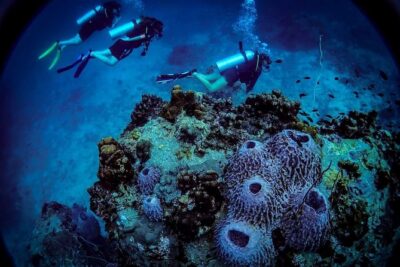
Open Water Course – Become certified diver in 3 days
Read our review →
Heraklion: Beginner Scuba Diving Lesson with PADI Instructor
Read our review →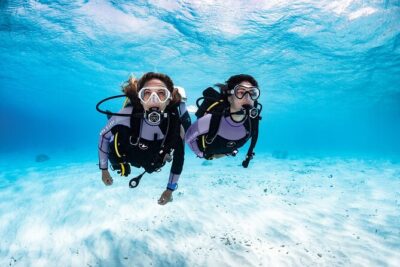
Try Dive – PADI Discover Scuba Diving in Tenerife
Read our review →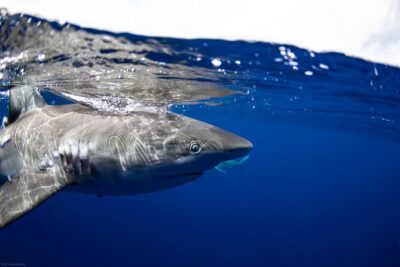
Lists this dive appears in