
REVIEW · SCUBA DIVING
Zanzibar : 3-Day PADI Open Water Scuba Diving Adventure
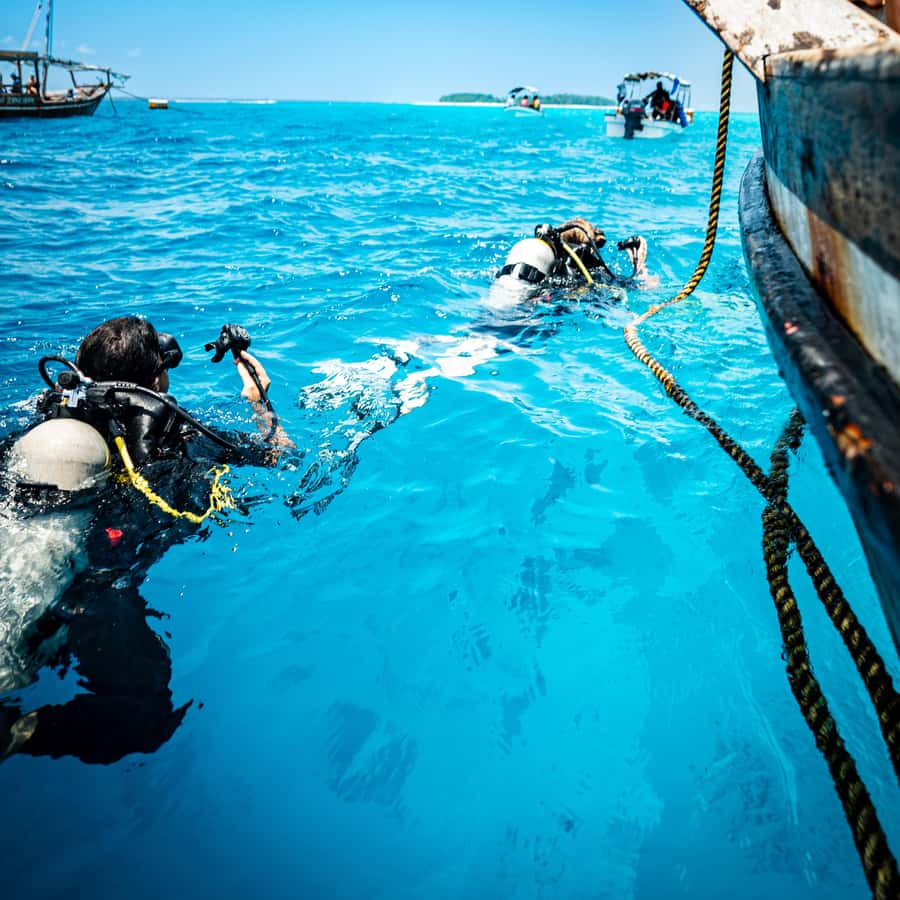
Zanzibar gives you a memorable classroom: first a day of PADI theory, then pool practice, then the Indian Ocean. By the end, you can earn an Open Water certificate allowing you to go as deep as 18 metres. The final sessions take place at different sites, with coral reef and marine life as the main attraction.
I like the tidy three-stage plan and the fact that the price includes equipment, boat transport, lunch, fruit, water, and an instructor. I also like the human side of the school. Faridu, one of the instructors, is calm and clear, and the team has shown good judgment when conditions were not right for a student to complete every exercise.
The main drawback is time. This is not a quick holiday activity. You need a full day for classroom work, another morning for pool training, and a third day at sea. The blue Eagle Ray building can also be hard to spot, so allow extra time if you are meeting there.
Key points to know before you book
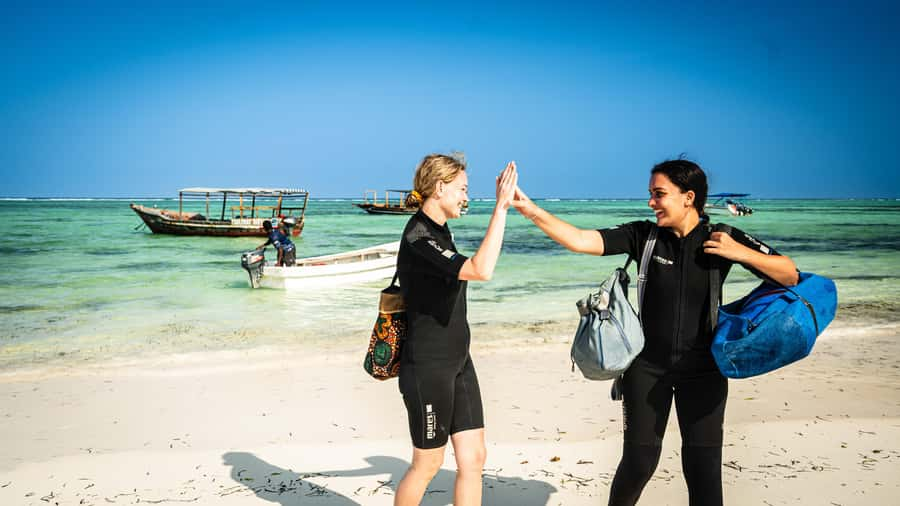
- Three days take you from theory to open water: You begin with classroom learning, move to a pool session, and finish with Indian Ocean training.
- Four open-water sessions are included: The package also includes a PADI certificate after successful completion.
- The maximum certified depth is 18 metres: This is the standard Open Water level, not an advanced qualification.
- Lunch comes with the boat days: You receive a light lunch, fresh fruit, and drinking water.
- Faridu is one instructor to look for: He is described as calm and strong at explaining the skills, though instructor assignment can vary.
- An advanced two-day option is available: Certified divers can instead complete five open-water sessions and qualify to go as deep as 30 metres.
From classroom lesson to Indian Ocean certification
At $450 per person, this course is aimed at people who want a real qualification rather than a one-off introductory swim. You are paying for instruction, learning materials, equipment rental, boat transport, food, water, and certification. That makes the price easier to assess than a simple half-day reef trip, since the course covers several days and a formal PADI award.
The schedule begins at 9:00 in the morning and runs until 4:00 on the first day. You will work through the theory needed for safe scuba use before touching the ocean. That classroom time may feel less exciting than seeing coral, but it is where you learn the basic rules that make the rest of the course possible.
You should arrive ready to concentrate. The course is not presented as a casual resort activity where you spend most of the day relaxing. It asks you to absorb instructions, understand the equipment, and prepare for controlled practice.
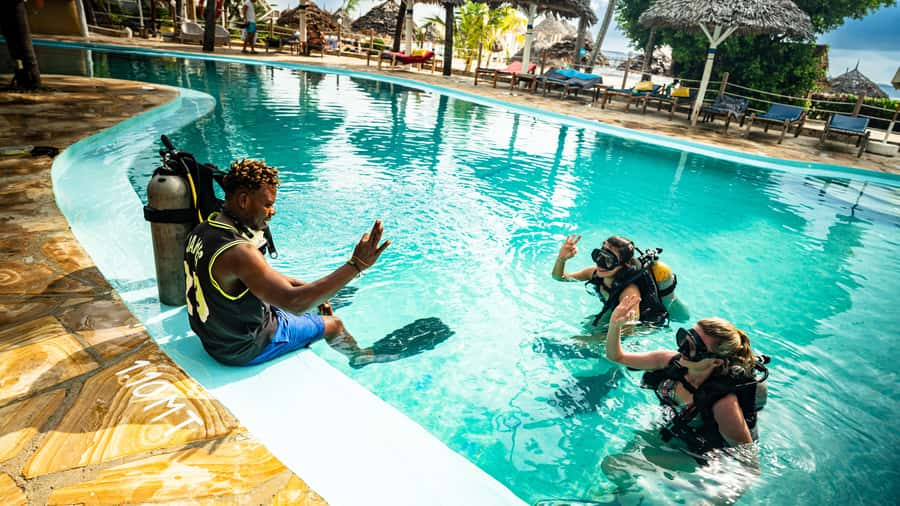
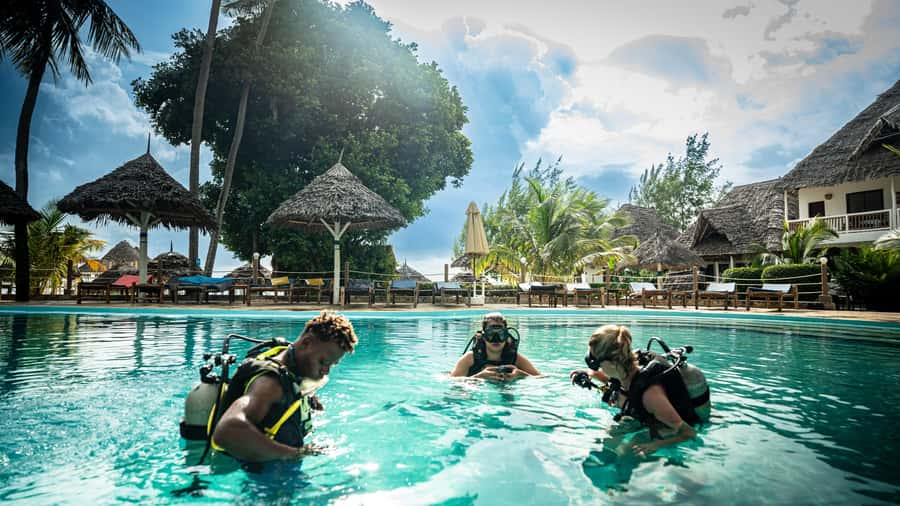
On the second day, the pool session runs from 9:00 until noon. This is where the theory becomes physical practice. You will work with the equipment and rehearse the skills needed for the open-water sessions under the guidance of an English-speaking professional instructor.
That pool stage is especially useful if you feel nervous about breathing through a regulator or managing scuba equipment. You can practise before dealing with the sea. It also gives the instructor a chance to see where you need more help.
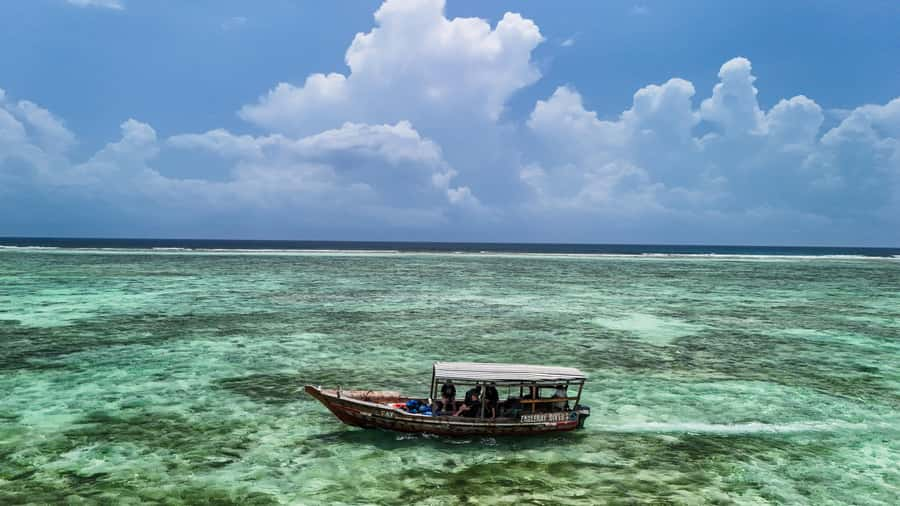
The course outline places the Indian Ocean sessions on the third day. You will go by boat to different locations and work through the required open-water training while seeing Zanzibar’s marine life. Four open-water sessions are included in the package, although the daily description specifically sets out two sessions at different locations on the final day. Ask the operator to confirm the exact timing and placement of all four before you begin.
This is one area where a quick question is worthwhile. Training schedules can change with sea conditions, equipment needs, and the pace of the class. You want to know when each required session takes place and how much time you will spend on the boat.
More dive courses in the world:
- Open Water Course – Become certified diver in 3 days
★ 5.0 · 1,137 reviews - Barcelona: PADI Discover Scuba Diving
★ 4.7 · 1,016 reviews - PADI Open Water Diver Course
★ 5.0 · 626 reviews
What makes the Zanzibar water sessions worthwhile
The appeal here is not just earning a plastic card. Zanzibar is known for its Indian Ocean marine life, and the final part of the course gives you a chance to learn in the same setting where you will use the qualification.
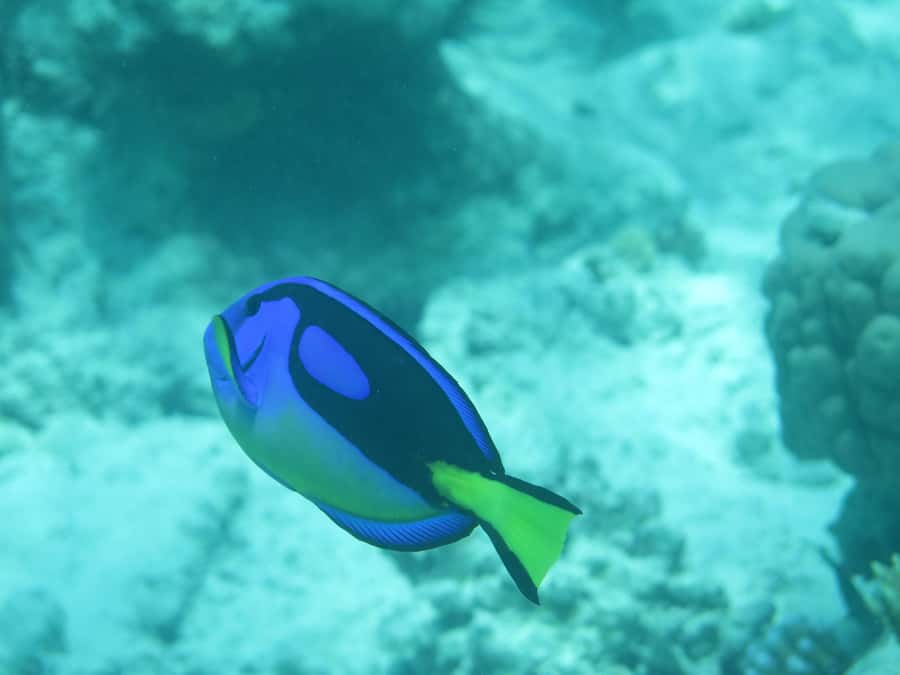
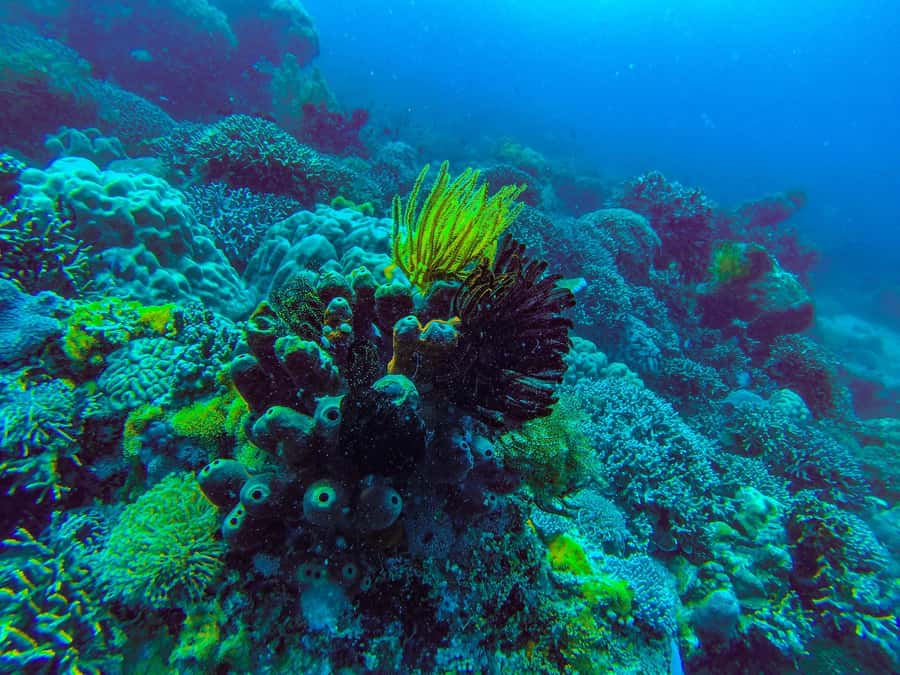
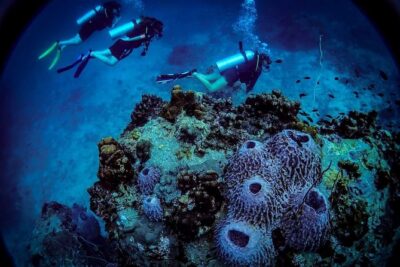
The underwater setting includes coral reef areas. You might find that the reef itself is the star of the experience, especially during the last open-water sessions when the instructor can guide you through the site. The supplied details do not promise particular animals, so book this for the reef setting and the training, not for a guaranteed sighting of turtles, rays, or dolphins.
The final day also gives you a change of scene after two days indoors and in the pool. You are not simply sitting an exam and receiving a certificate. You are putting the skills into practice in the Indian Ocean, with a professional instructor nearby.
The course includes boat transport and a cruise, which matters because you do not have to arrange a separate transfer to the water. Lunch is light, with fresh fruit and drinking water available. That will not replace a full meal, but it is practical for a morning on the sea and keeps you from having to pack food yourself.
You should still bring anything you personally need between sessions. The supplied details confirm light lunch, fruit, and water, but they do not specify other refreshments or personal items. Keep your expectations simple and treat the included food as basic day-trip catering.
The instructors and the pace of learning
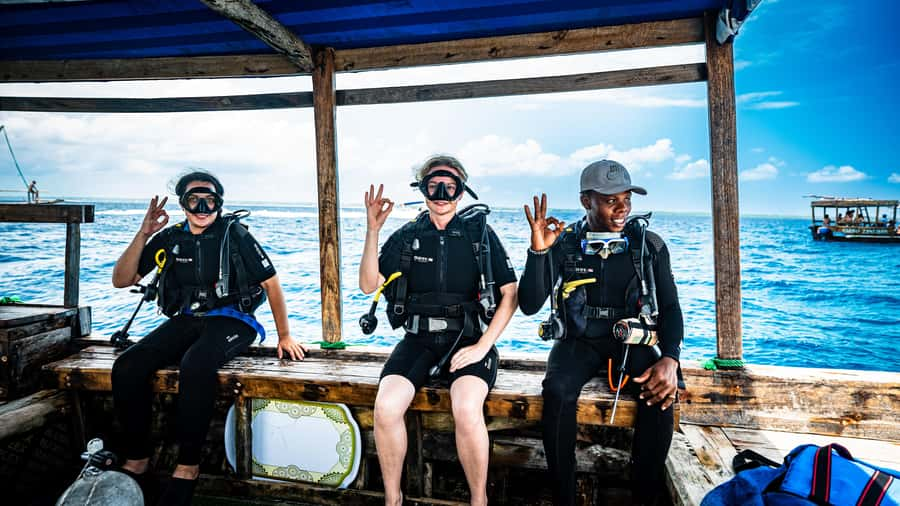
Good instruction matters more than the appearance of the building or boat. One student, Christian, completed the course with two companions and singled out Faridu for his calm manner and clear teaching. The group passed together, and the final open-water sessions took place beside a coral reef with Faridu acting as their guide.
That is useful information if you are worried about learning under pressure. Calm instruction can make a real difference when you are trying to remember several skills at once. The course is conducted in English, so you should be comfortable following safety explanations and responding to your instructor in that language.
The team also appears willing to put safety ahead of the timetable. In one case, strong current prevented a student from completing every exercise during the first underwater session. The school provided another session so the required skills could be completed.
That does not mean you should expect an extra session automatically. It does show the kind of decision you want from a training center: if conditions interfere with an exercise, the priority should be proper practice rather than rushing through the checklist.
The school itself may not look polished or easy to find. The meeting point is a blue building marked Eagle Ray Dive Center, but it can be difficult to spot. If you use the optional hotel pickup, meet the driver at reception five minutes before departure. The vehicle carries the Beach and Safari Holidays or Crab Tours logo, and the driver confirms your name at the desk.
What the $450 price really covers
The $450 cost looks more reasonable once you separate the qualification from the extras. You receive:
- PADI learning materials
- Professional instruction
- Scuba equipment and gear rental
- Four open-water sessions
- Boat transport and cruise
- Light lunch
- Fresh fruit
- Drinking water
- A certificate after successful completion
You also avoid paying separately for the main equipment used during the course. For a first certification, that bundled format is convenient and reduces the number of decisions you need to make.
The package does not include transport to the meeting point unless you arrange optional pickup. There is also a $10 entrance fee, and underwater photographs cost extra. The photo charge is worth remembering because many people want pictures of their first reef session, but the course does not include them.
I would not choose this course based on photos alone. The important value is the instruction and certification. If you want a relaxed sightseeing trip with no study, this is not the right product. If you want to leave Zanzibar with a qualification and actual supervised practice, the price covers the essentials.
You can also reserve now and pay later, which helps if your Zanzibar plans are still taking shape. Cancellation is free up to 24 hours before the activity for a full refund. The exact start time depends on availability, so check the date before arranging other plans.
A few more dives around the world worth comparing
- 3-Day PADI Open Water Diving Course in Dubai
★ 5.0 · 173 reviews - Padi open water diver course, become a diver in 3 days
★ 5.0 · 113 reviews - Become certified diver in 3 days – PADI Open Water Diver course on Koh Tao
★ 5.0 · 104 reviews - Hurghada: 3-Day PADI Open Water Diving Course
★ 4.6 · 78 reviews
The three-day schedule in practical terms
Day one: theory from 9:00 to 16:00
The first day is the least scenic but one of the most important. You will study the theory behind scuba use, equipment, and safe underwater practice. Plan for a full day rather than trying to fit in another major excursion afterward.
This is also the day to ask questions. If something in the material is unclear, raise it before the pool work begins. You will have more confidence later if you understand the reason behind each skill rather than trying to copy movements without context.
Day two: pool practice from 9:00 to noon
The morning pool session lets you rehearse what you learned. The shorter schedule leaves the rest of the day open, but you should not treat the pool as a formality. This is where you get used to the equipment and learn how the exercises feel before moving into the sea.
A good approach is to focus on calm, steady progress. If you need an explanation repeated, ask for it. The course is designed for learning, and the instructor’s role is to help you build the required skills.
Day three: two Indian Ocean locations
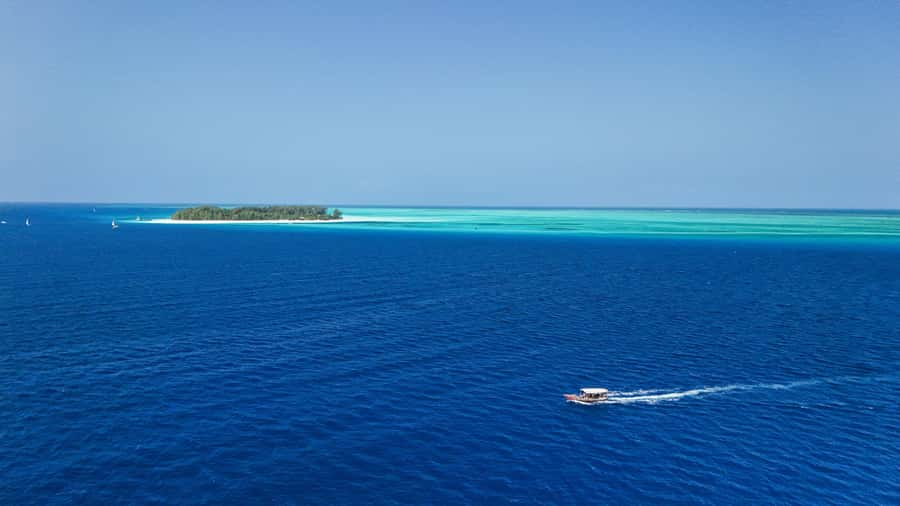
The last day brings the main reward: supervised underwater sessions at different Indian Ocean locations. You will use the skills from the pool while exploring coral reef surroundings and marine life.
The boat setting adds a sense of occasion, but it also means you should be prepared for a full day around the sea. The exact site and conditions can affect the experience. Strong current, for example, may make some exercises harder. The school has shown that it may repeat a session when conditions interfere, which is more important than sticking rigidly to the clock.
The course materials state that four open-water sessions are included. Since the schedule specifically describes two on the final day, confirm the full arrangement before booking. This is a practical question, not a reason to reject the course.
The advanced two-day alternative
If you already hold the required PADI qualification, you can choose the two-day Advanced Open Water course instead. This option includes five open-water sessions over two days, with three sessions on the first day and two on the second.
The advanced course allows you to train to a maximum depth of 30 metres, or about 100 feet. It is intended to continue your PADI education, not replace the beginner course. You should choose it only if your current certification makes you eligible.
Lunch, fruit, and drinking water are included on both days. The same general practical notes apply: boat transport is included, optional hotel pickup can be arranged, underwater photos cost extra, and a $10 entrance fee is not included.
The advanced option is a useful alternative for certified scuba users who want more training during a Zanzibar stay. It is not the better choice simply because it is shorter. The right course depends on your current qualification and the depth level you need.
Who should choose this course
I would recommend the three-day course if you want a first PADI qualification and can give the schedule your full attention. It suits people who prefer a structured path from theory to pool practice to supervised ocean work.
It is also a good fit if you value instruction over luxury presentation. The center may be plain and slightly hard to locate, but the teaching is the important part. Faridu’s calm approach and the willingness to repeat a session when conditions were difficult are reassuring details.
You should think twice if you only have one free day in Zanzibar, dislike classroom study, or want a quick introduction with no formal test or qualification. This course requires time and concentration.
It is not suitable for pregnant women or people with heart problems. The supplied information does not provide a broader medical screening list, so anyone with another health concern should ask the operator before booking.
Should you book the Eagle Ray course?
Book it if your goal is a proper PADI Open Water qualification, not just a short look beneath the surface. At $450, the package offers strong practical value because instruction, gear, boat transport, food, water, and certification are included.
Before paying, confirm two points: the meeting arrangement and the timing of all four open-water sessions. If you are staying at a hotel, optional pickup may be the easiest choice. If you meet at the center, look for the blue Eagle Ray building and allow extra time.
I would choose this course for its clear progression, English-speaking instruction, reef setting, and sensible focus on completing the skills properly. I would skip it only if your schedule is too tight or you want a purely leisurely sea outing.
FAQ
How long does the PADI Open Water course take?
The course takes three days. Day one runs from 9:00 to 16:00 for theory, day two includes a pool session from 9:00 to noon, and day three includes Indian Ocean sessions.
How many open-water sessions are included?
The package includes four open-water sessions. The detailed schedule specifically describes two sessions at different locations on the final day, so confirm the complete timing with the operator before starting.
What depth does the certificate allow?
After completing the course, the PADI Open Water certificate allows you to go to a maximum depth of 18 metres.
Is equipment included?
Yes. Equipment rental and scuba gear are included in the price.
Are food and drinks included?
Yes. The course includes a light lunch, fresh fruit, and drinking water. These are provided during the course days, including on the boat.
Is hotel pickup available?
Yes. Pickup is optional and can be booked if needed. Meet the driver at your hotel reception five minutes before departure. The vehicle has the Beach and Safari Holidays or Crab Tours logo.
Can I choose an advanced course instead?
Yes. A two-day Advanced Open Water option is available for continuing PADI education. It includes five open-water sessions, three on day one and two on day two, and allows a maximum depth of 30 metres.
Just added around the world
- Zakynthos: Scuba Diving Experience with Underwater Photos★ 4.5 · 31 reviews
- Zanzibar 1 Day Scuba Diving Course for Beginners with Lunch★ 5.0 · 9 reviews
- West Palm Beach: Beginner Scuba Diving Adventure with Videos★ 4.8 · 99 reviews
- Oahu: Waikiki Discovery Scuba Diving for Beginners★ 4.8 · 99 reviews
- Zanzibar: 1 Day Blue Trip with 2 Stunning Scuba Dives★ 4.9 · 4 reviews
- Villasimius: Capo Carbonara First Time Dive with Instructor★ 4.9 · 50 reviews
- Visit Cham Islands & Snorkelling & Scuba Diving★ 3.8 · 17 reviews
- Your first introductory dive in Lanzarote with FREE photos.★ 4.7 · 16 reviews
Scuba Diving Courses, compared.
Open Water Course – Become certified diver in 3 days
Read our review →
Heraklion: Beginner Scuba Diving Lesson with PADI Instructor
Read our review →
Discover Scuba Diving with No Certification in St Thomas
Read our review →
Try Dive – PADI Discover Scuba Diving in Tenerife
Read our review →
Lists this dive appears in