
REVIEW · MAURITIUS
Discover Scuba Diving in the North of Mauritius
Northern Mauritius puts its best underwater introduction in a simple package: a short lesson, practice in a pool, then a guided ocean session near Mont Choisy. You do not need prior scuba experience, and instructor Gael has been especially attentive with first-timers who need time to settle their nerves. Seeing turtles is possible, but marine life is never guaranteed.
I like the small-group approach and the clear progression from dry-land instruction to pool practice and then open water. I also like that the price includes the full equipment and professional guidance, so you are not paying extra just to get started. The main consideration is that the change from pool to sea can involve waiting, and one person found the open water too stressful to finish.
Key points at a glance
- Pool first, ocean second: You learn breathing, mask skills, equipment use, and basic hand signals before going out to sea.
- Mont Choisy meeting point: Meet at the last parking area at Mont Choisy Public Beach, under the large trees near the road toward Pointe aux Canonniers.
- Instructor-led from start to finish: A certified instructor or divemaster stays with you throughout the underwater session.
- A real beginner format: No certificate or prior experience is required, but you must be at least 10 and medically suitable.
- Three hours door to shore: The experience begins and ends at Mont Choisy, with the practical session lasting about three hours.
- Optional underwater memories: GoPro photos and videos are available for an additional charge.
What this first scuba experience is really like
This is not a certification course. It is a carefully managed introduction to scuba, designed to answer one basic question: do you enjoy breathing underwater and moving through the sea?
Your three hours begin at Mont Choisy, in the north of Mauritius. The meeting point is the last parking area at Mont Choisy Public Beach when you drive north along the coastal road. Look for the broad parking area beneath the large trees, just before the road curves toward Pointe aux Canonniers. From there, you walk a short distance to the dive center.
That meeting point matters. Mont Choisy is easy to find, but beach parking can still be confusing if you arrive at the wrong end. I would allow a little extra time, especially if you are carrying towels, water, sunscreen, and swimwear. You do not want your first underwater session to begin with a frantic search for the group.
The activity is offered in French and English. Private and small-group formats are available, which can make a real difference for beginners. With fewer people, the instructor can watch your breathing, comfort, and hand signals more closely. A small group also gives you more space to ask the same question twice, which is perfectly normal when scuba equipment is involved.
More first-time dives in the world:
- Discover Scuba Diving
★ 5.0 · 1,676 reviews - Barcelona: PADI Discover Scuba Diving
★ 4.7 · 1,016 reviews - Discover Diving in Curacao
★ 5.0 · 886 reviews
The briefing: learning before you enter the water
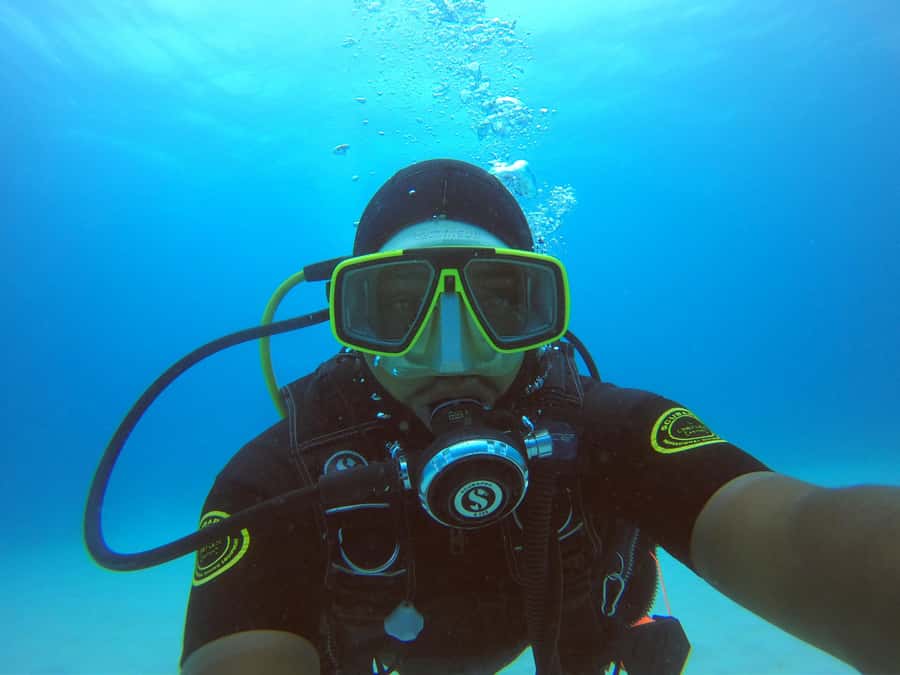
The opening lesson covers the basic parts of the equipment, safety rules, and underwater hand signals. You learn how to breathe through the regulator, how the mask works, and what to do if water enters it.
The lesson is not just a formality. For a first-time participant, scuba can feel odd at first because your breathing pattern changes and your face is partly covered. A good explanation helps you understand what is normal and what needs attention. The instructors also use this time to judge how comfortable you are before moving on.
Gael is named as one of the instructors, and his calm approach is useful for nervous beginners. One person who struggled once in the sea still found him reassuring and attentive. That detail is worth noting. A first ocean session does not suit everyone, and a patient instructor matters more than a flashy location.
You also learn simple hand signals. Underwater, you cannot rely on ordinary conversation, so these signals are your way to say that you are fine, need help, want to go up, or have a problem. The goal is not to memorize a full language. It is to give you enough control to communicate clearly.
Pool practice at Mont Choisy
Before you head into open water, you practice in a shallow, controlled setting. The supplied experience details describe shallow-water training, while the on-site sequence is described as pool instruction followed by pool practice. Either way, the purpose is the same: you get used to the equipment before the sea adds movement and depth.
You practice breathing underwater, clearing your mask, and handling the equipment. These are simple skills, but they make the later ocean session far less mysterious. You can focus on staying calm rather than trying to learn everything at once in the open sea.
I particularly like this part of the format because it gives you a decision point. You do not have to pretend you are ready. Once you feel comfortable, the group moves on. If you need more time, the instructor can continue helping you in a controlled area.
Several details make this more than a quick demonstration. You are not simply fitted with equipment and pushed toward a boat. You get a proper introduction, a practice period, and a chance to say when you feel ready. That is the right order for a first experience.
There can be a wait between pool practice and the trip out to sea. One participant specifically found this interval longer than ideal. Bring water, be patient, and treat the pause as part of the schedule rather than a sign that something has gone wrong.
Heading out to the northern reef
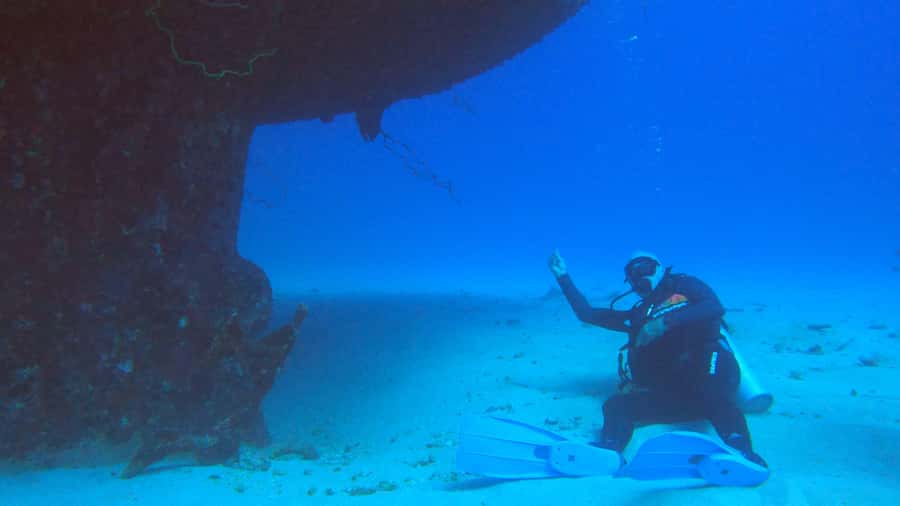
Once the instructor is satisfied that you are comfortable, you head out by boat to a site in northern Mauritius. The exact site is not specified, so conditions and marine life may vary. The advertised setting includes coral reef, tropical fish, and clear water, but the sea is not a stage set with guaranteed sightings.
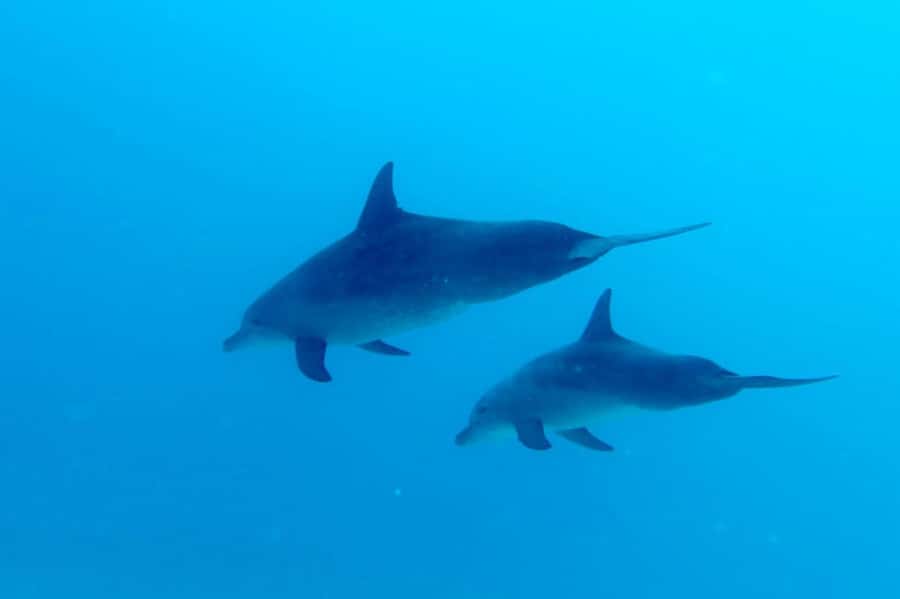
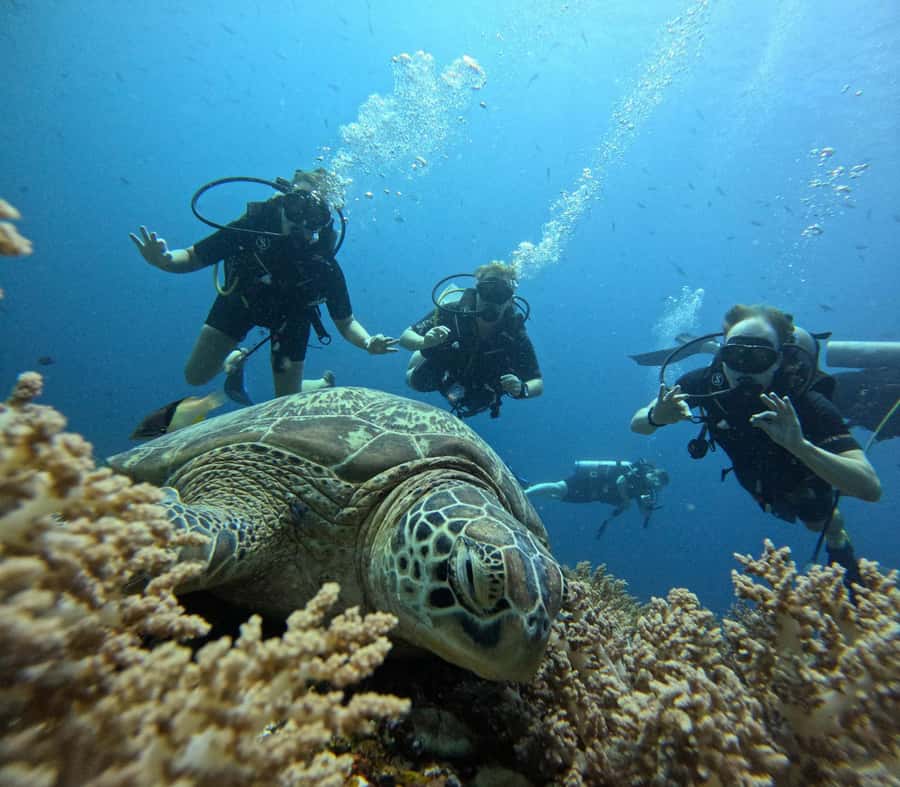
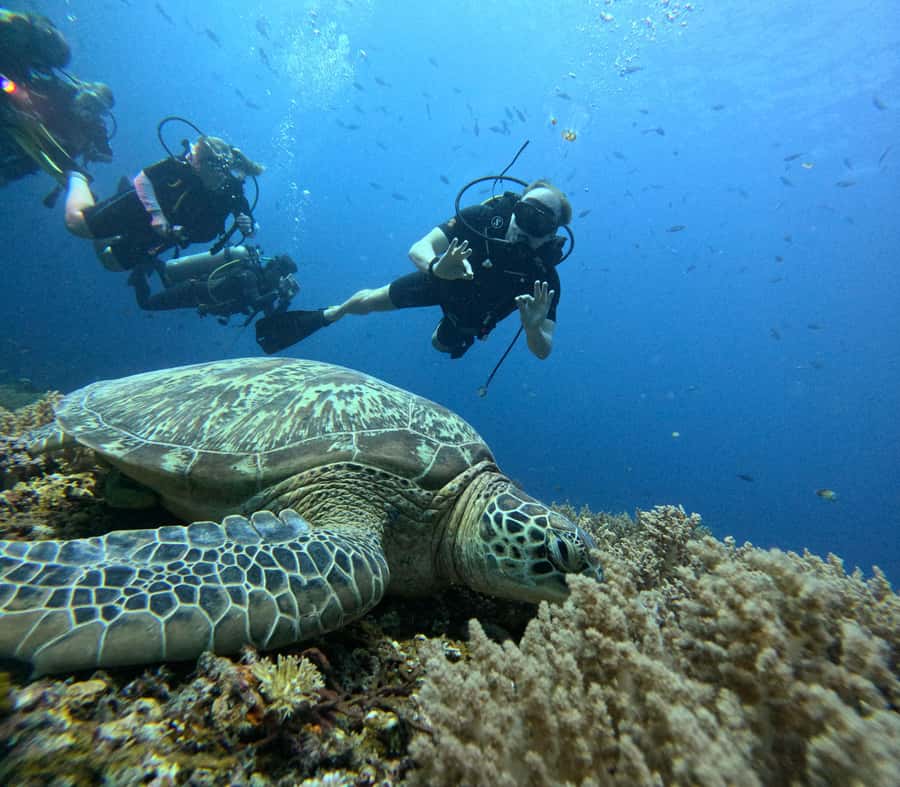
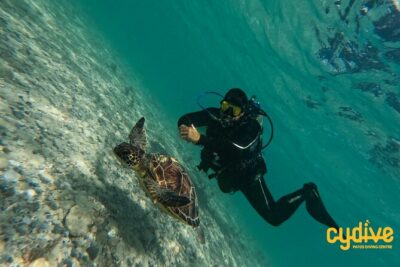
You may see turtles. One person saw three during the session and described the experience as both exciting and relaxing. Another saw dolphins while waiting on the boat after choosing not to continue in the sea. These encounters are possible highlights, but they should be treated as luck rather than part of the contract.
The ocean portion is guided from start to finish. Your instructor remains with you, watches your progress, and helps you manage the equipment. For a first-time participant, that direct support is more important than covering a large area or staying underwater for as long as possible.
The advertised experience includes a guided underwater adventure and exploration of coral reefs with tropical fish. The reviews describe about 30 minutes in the ocean for one session. Your exact time may depend on comfort, sea conditions, and how the group progresses.
That shorter period is not necessarily a weakness. For a beginner, thirty focused minutes can be plenty. You are learning to breathe, control your movement, monitor your body, and take in the marine life around you. The lesson is about feeling at ease, not collecting maximum underwater minutes.
A few more dives around the world worth comparing
- Great Barrier Reef Snorkeling and Diving Cruise from Cairns
★ 4.5 · 3,714 reviews - First-Time Scuba Diving in Honolulu + Free Videos
★ 5.0 · 3,123 reviews - Oahu Shark Dive
★ 5.0 · 2,903 reviews - Silfra: Diving Between Tectonic Plates – Meet on Location
★ 5.0 · 2,139 reviews
The honest issue: open water can feel different
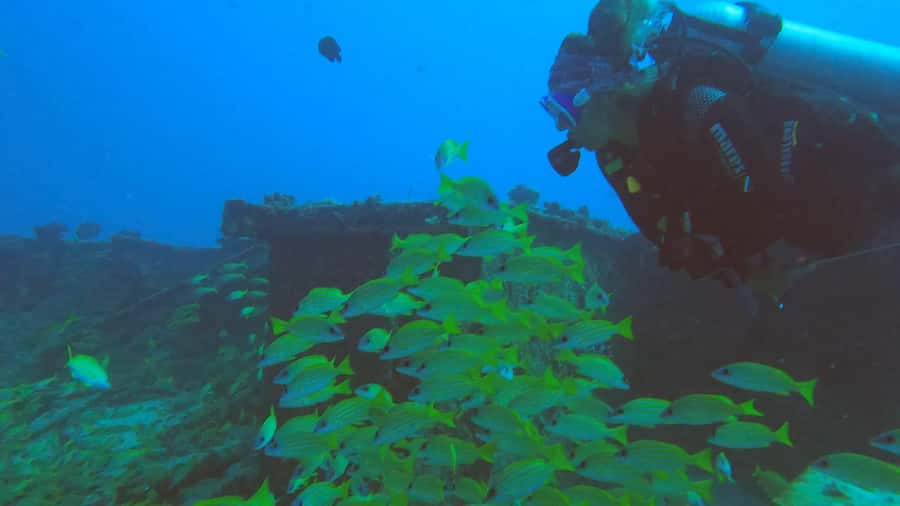
Pool practice and the sea are not identical. In the pool, the water is controlled and the surroundings are familiar. In open water, you may face more space, movement, and the psychological shock of looking down into the sea.
One participant became panicked once at depth and did not finish the activity. The instructor remained reassuring, and the person’s companion was able to continue. This is useful information for anyone who feels uncertain about heights, enclosed equipment, or breathing through a regulator.
You should not book this activity simply because you feel pressure to prove something. Tell the instructor if you are nervous. The entire format is built around gradual progress, and stopping is better than forcing yourself into a frightening situation.
The experience is not suitable for children under 10, pregnant women, or people with heart problems. It is also listed as unsuitable for people with hearing impairments. If you have any medical concern, you should confirm your suitability before booking.
What the $122 price includes
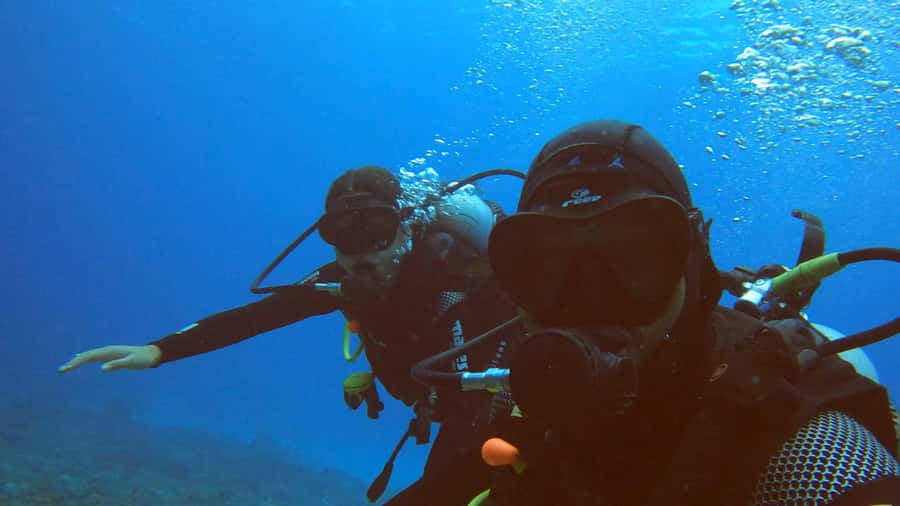
At $122 per person, this is not the cheapest way to spend three hours in Mauritius. The value comes from what is bundled into the price: full scuba gear, professional instruction, pool preparation, transport by boat for the sea portion, and a guided underwater session.
You are not paying only for time in the water. You are also paying for equipment fitting, safety instruction, supervision, and the controlled move from beginner practice to open sea. Buying or arranging these parts separately would be difficult for a first-timer.
The price makes the most sense if you want to test scuba before committing to a full certification course. It also suits someone who wants a structured ocean activity rather than a simple swim or snorkeling outing.
The main extra cost is the GoPro package. Photos and videos are not included, so ask about the price before agreeing to the add-on. Underwater images can be a fine souvenir, but they are not essential to the experience. If you are more interested in feeling calm and learning the basics, keep your attention on the session itself.
Private and small-group options may improve the value for nervous participants. You get more personal attention, and that can be worth paying for when learning a skill that depends on trust and clear communication.
Practical preparation for a smooth morning
Bring a hat, swimwear, towel, sunscreen, and water. These are basic items, but they matter when you are moving between the beach, pool, boat, and sea.
Avoid alcohol and drugs. Do not touch marine life or plants. The rule protects both you and the reef, and it also keeps the experience focused on observing rather than handling.
The most important timing rule concerns your flight home. Schedule the activity at least 24 hours before flying. After spending time underwater, your body needs time before you go to altitude, and rushing the schedule can create a serious safety problem.
I would place this activity early or midway through a Mauritius stay, not on the last possible day. That gives you room to move the booking if weather or personal comfort becomes an issue, and it avoids the temptation to fit scuba into a tight departure schedule.
Free cancellation is available up to 24 hours before the activity for a full refund. You can also reserve now and pay later, which helps if your plans are still shifting.
Who will enjoy this most
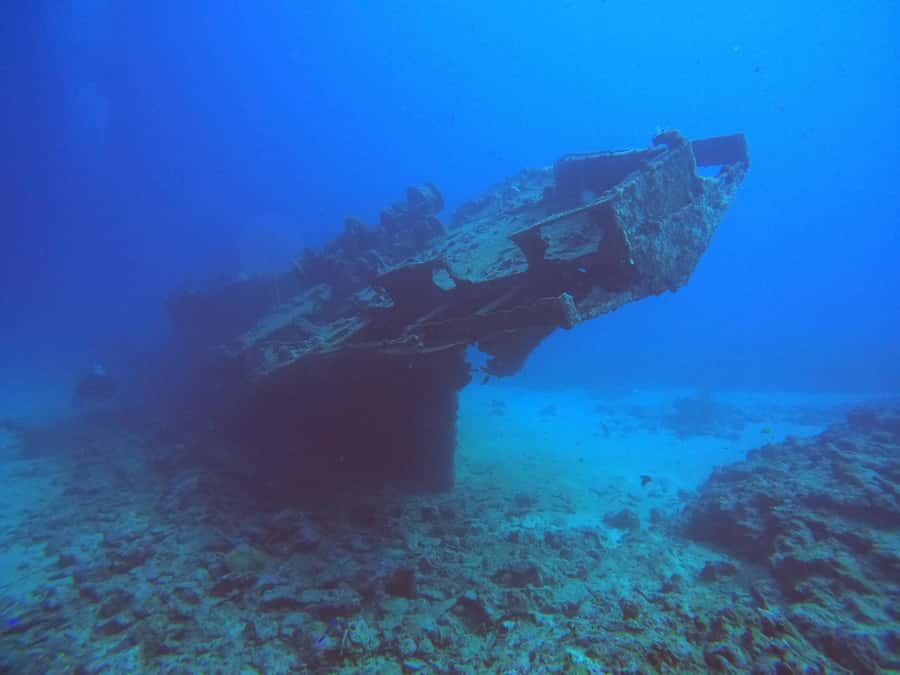
This experience is a good fit for an adult or child aged 10 or older who is curious about scuba but does not yet want a full course. You should be comfortable trying new equipment and willing to communicate openly with the instructor.
It is especially suited to:
- First-time scuba participants
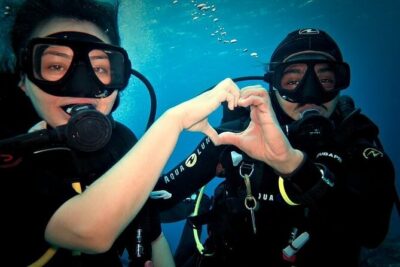
- Couples who want a shared ocean activity
- Small groups seeking personal instruction
- Swimmers who want more than a surface-level look at the reef
- People considering a future scuba certificate
It may not suit someone who dislikes boats, feels uneasy in open water, or wants complete control over the pace without an instructor nearby. The pool session can help, but it cannot remove every difference between a pool and the sea.
Families should also note the minimum age of 10. The activity is wheelchair accessible, but you should confirm the practical arrangements at the time of booking if you need specific assistance.
GoPro memories and the final debrief
After the ocean session, you return to shore for a relaxed wrap-up. The instructor gives feedback and answers questions about what you experienced. This is also a good time to ask about the next step if you enjoyed scuba and want to pursue certification.
The optional GoPro service can record photos and videos underwater. If you choose it, you get a visual reminder of your first session rather than relying only on memory. Just remember that it costs extra and that the package is not part of the $122 rate.
The final conversation is useful even if you decide not to continue. You can ask about your breathing, buoyancy, equipment handling, and how close you came to feeling comfortable. For a first attempt, learning what you liked and disliked is part of the value.
Should you book this Mont Choisy experience?
I would book it if you want a carefully supervised first taste of scuba in northern Mauritius. The pool-to-ocean sequence is sensible, full equipment is included, and the small-group option gives beginners a better chance to get personal help.
I would think twice if you are already certain that open water makes you panic, or if your schedule places the session within 24 hours of a flight. The waiting period between pool practice and the boat may also test your patience.
For most suitable beginners, the $122 cost is fair because it covers instruction, gear, and a real guided sea experience rather than a brief equipment demonstration. Book it with realistic expectations: you may see turtles and tropical fish, but the main achievement is learning to stay calm underwater.
FAQ
How long does the scuba experience last?
The activity lasts three hours, beginning and ending at Mont Choisy.
Where do I meet the instructor?
Meet at the last parking area of Mont Choisy Public Beach when heading north along the coastal road. Look for the shaded parking beneath the large trees before the road curves toward Pointe aux Canonniers.
Do I need previous scuba experience?
No. The experience is designed for beginners with no previous scuba experience.
Is equipment included?
Yes. Full scuba equipment is included in the price.
Will I practice before going into the sea?
Yes. You receive an introduction and practice essential skills in shallow water or the pool before the guided ocean session.
What languages do the instructors speak?
Instruction is available in French and English.
Can I book a private or small-group session?
Yes. Private and small-group options are available.
Are photos and videos included?
No. GoPro photos and videos are optional extras and cost an additional fee.
How long should I wait before flying?
Schedule the activity at least 24 hours before your flight. This allows time after the underwater session before going to altitude.
Just added around the world
- Punta Cana: Reef Diving Adventure Explore Underwater Wonders★ 5.0 · 5 reviews
- Phuket: Try SCUBA DIVING Full Day Experience 2 Dives★ 5.0 · 9 reviews
- Punta Cana: Scubadoo Ocean Exploration Diving Adventure★ 4.1 · 70 reviews
- Punta Cana: Guided Power Dive Adventure★ 4.8 · 3 reviews
- Punta Cana: Scuba Doo Underwater Scooter Adventure★ 5.0 · 2 reviews
- Punta Cana: Discover Scuba Diving Experience for Beginners★ 4.4 · 2 reviews
- Puerto Morelos: Scuba Diving for Beginners – 2 Dives★ 5.0 · 5 reviews
- Punta Cana: Dive the Coral Paradise of Catalina Island★ 4.2 · 5 reviews
Discover Scuba Diving, compared.
Half-Day Scuba Diving Tour – Discover Scuba Diving!
Read our review →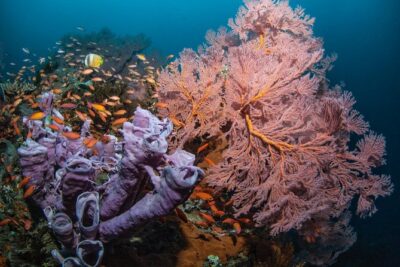
2 Days Discover Scuba Diving in Nusa Lembongan – Scuba Initiation
Read our review →Lists this dive appears in