
REVIEW · SPAIN
Dive In and Discover: Flamenco in an Interactive Journey
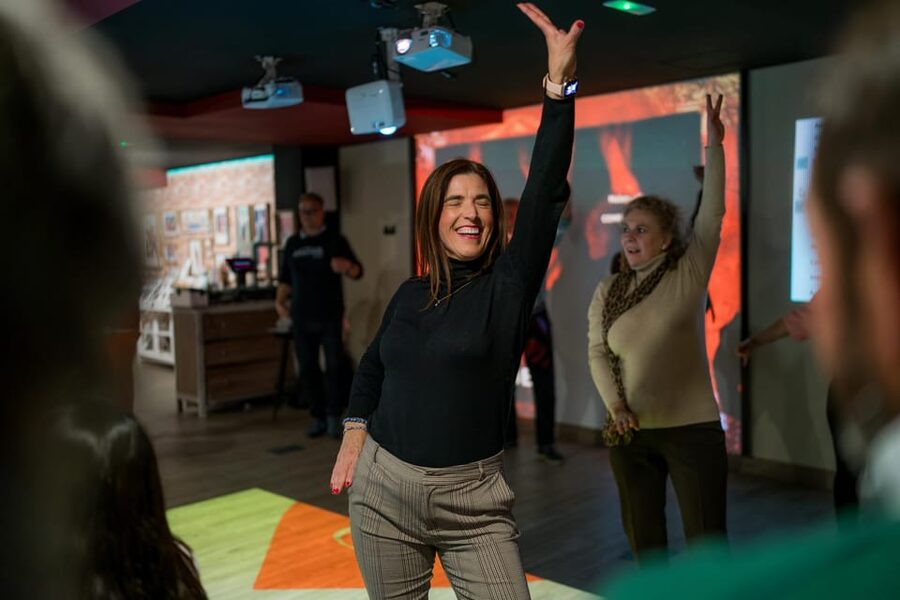
Flamenco comes alive here through five interactive screens, but you are not left staring at technology. A guide brings the material into the room, then gets you clapping, singing, and trying simple dance movements. It is a useful first step into Andalusian culture, especially if a full flamenco show feels hard to understand.
I like the hands-on format and the way the session suits mixed ages and skill levels. I also like the small-group plan, which can turn into almost private tuition, as it did for several bookings. The main caution is that the session may not always last a full hour, and one recent booking found the group too large and the presentation chaotic.
Key points at a glance
- Five screens tell the flamenco story: Learn the basic roles of singing, guitar, dance, hand claps, and rhythm.
- You take part from the start: The hour includes singing, clapping, and trying dance steps, not just watching.
- Juan and Catarina are named guides: Their warm, patient teaching has been a major part of the experience.
- A 6:00 PM show fits afterward: The session usually finishes around 5:00 PM, leaving time to reach the tablao.
- Small groups can feel personal: Some bookings became one-on-one sessions or private-feeling lessons.
- Central Málaga location: You can fit the activity into a day of sightseeing without arranging transport outside the city.
What the one-hour flamenco session actually does
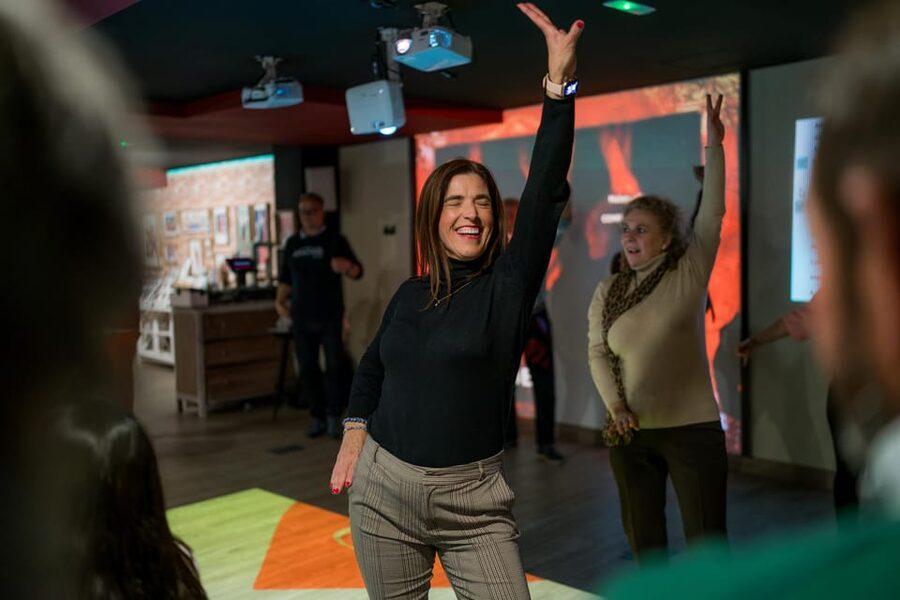
This is an introduction to flamenco built for participation. Over one hour, you work through the basic ingredients of the art form: singing, guitar, dance, clapping, and rhythm.
The five interactive screens give the session its structure. They help explain how flamenco works and why it creates such a strong emotional response. The guide then turns that information into action, asking you to follow rhythms, use your hands, and try movements for yourself.
That matters because flamenco can seem mysterious from a theatre seat. You may hear a singer stretch a phrase, watch a dancer stamp sharply, or see hands mark the beat, but not know what connects those parts. Here, the aim is to give you enough context to recognize the relationship between them.
You should not expect a professional dance class. This is an educational cultural activity, not a test of your coordination. The tone is friendly and accessible, so having two left feet is not a serious problem. One session included people with little rhythm, yet the guide kept it enjoyable and useful.
A few more dives around Spain worth comparing
- Tenerife: Your First Scuba Diving Experience in Turtle Area
★ 4.7 · 1,679 reviews - Barcelona: PADI Discover Scuba Diving
★ 4.7 · 1,016 reviews - Mallorca: Discover Scuba Diving for Beginners
★ 4.7 · 805 reviews
Five screens, then a human guide
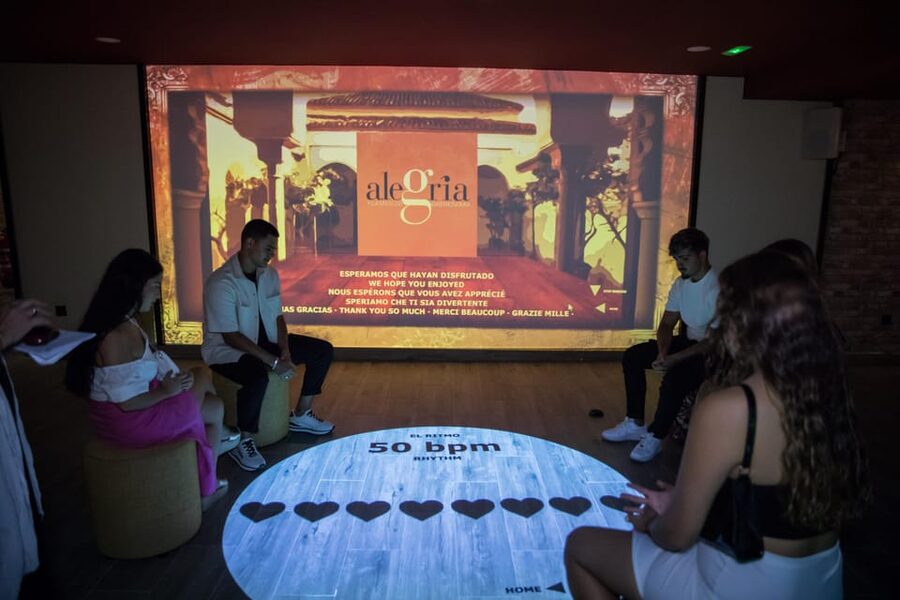
Technology is helpful here because it can show and organize ideas quickly. The screens offer a visual route through flamenco, while the guide supplies the explanation, encouragement, and live response that a screen cannot provide.
The guide is the key to making the format work. Juan is specifically praised for creating a fun atmosphere and teaching with musical flow. Catarina is noted for patience, kindness, and a clear passion for flamenco. Those details matter more than the equipment, since a cold presentation would make even good material feel flat.
You are guided in Spanish or English. That makes the activity practical for international visitors, and it also means you can ask for explanations in a language you follow comfortably.
The exact order of the material is not given, so I would expect a guided sequence rather than a fixed stage show. The session may begin with flamenco’s background and basic ideas, move into rhythm and musical roles, and then bring you into singing, clapping, and movement. The important point is that the screens support the lesson rather than replace the person leading it.
Singing, clapping, and trying the steps
The active part is what separates this from a museum display or a short film. You will not only watch examples. You may sing, clap, and try some basic flamenco dance steps with the group.
Clapping is a particularly useful entry point. It lets you feel the pulse without requiring dance experience, and it gives you a simple way to join in even if you are shy about performing. The session also invites you to connect rhythm to movement, so the physical side of flamenco becomes easier to understand.
The dance section appears to be introductory. You should expect to try a few steps, not learn a full routine. That is a good match for a one-hour format. The purpose is to help you recognize the effort, control, and timing behind a performance you may see later that day.
Singing can feel more exposing than clapping, especially in a group. The guide adjusts the session to the people present, so beginners are not expected to perform at a professional level. If you prefer to observe for a moment before joining in, the adaptable format should make that possible, though the activity is best for people willing to participate.
Why the emotional side matters
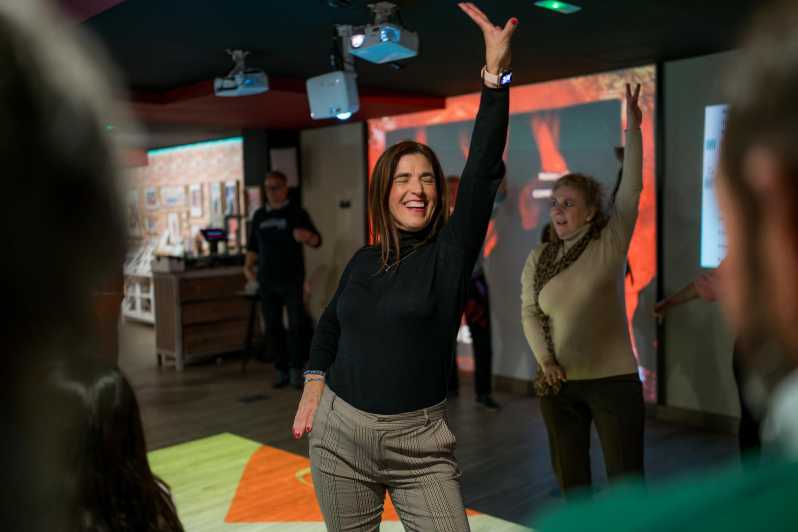
Flamenco is not only a sequence of steps. Its force comes from the link between voice, rhythm, guitar, gesture, and feeling. The activity explains that connection in plain terms, then gives you a small physical sense of how the parts work together.
This context can change how you watch a later show. Instead of seeing a dancer stamp and simply thinking it looks dramatic, you may notice the timing, the exchange with the music, and the way the dancer uses the body to express mood.
The session also presents flamenco as a living cultural form rather than a costume display. The information provided focuses on its roots, nuances, and approach to singing, dancing, and guitar. You get an entry point without needing prior knowledge.
I would especially recommend doing this before a performance. The planned finish around 5:00 PM works well with a 6:00 PM tablao show. That pairing gives you a short lesson first, followed by the polished version on stage. Leave yourself enough time to walk between venues, since the precise route is not provided.
Same water, a completely different day underwater:
- Lanzarote Introductory Scuba Diving Experience
★ 5.0 · 766 reviews - Tenerife: Beginner’s Dive at a Spot with Turtle Sightings
★ 4.7 · 627 reviews - Scuba Diving Experience for Beginners in Gran Canaria
★ 5.0 · 561 reviews - Tenerife First Time Scuba Dive – Turtle Habitat, Small Groups
★ 4.5 · 456 reviews
Group size can change the character
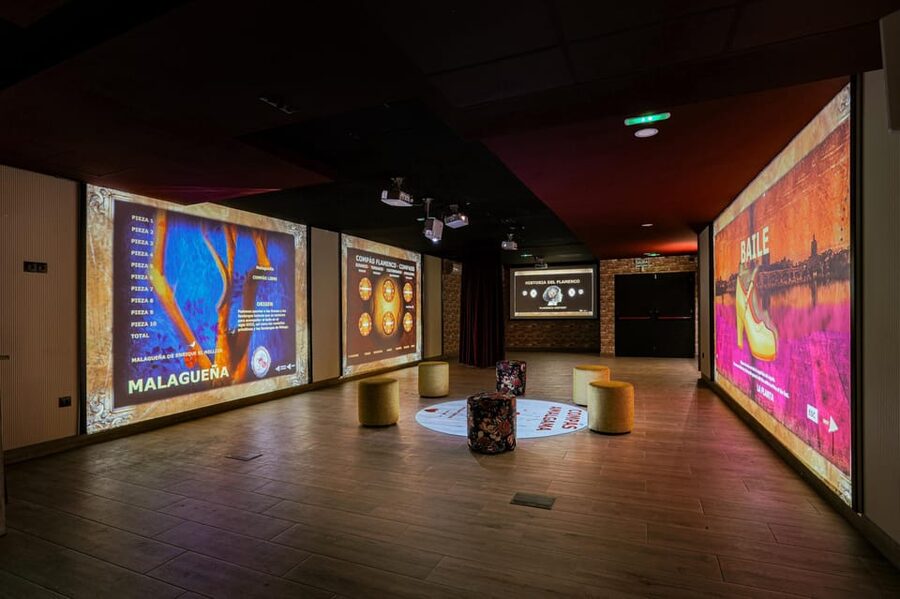
The activity is intended to use intimate groups, and that is one of its strongest features. A small group gives the guide room to adjust the pace, answer questions, and make beginners feel less self-conscious.
Several bookings became almost private sessions because only a few people attended. One group of three described the format as practically a private lesson, while another booking became a one-on-one session. That can be excellent value if you want personal attention without paying for a separate private class.
There is one important qualification. Group size may not always be as small as expected. A booking in May 2025 was criticized for having too many people, feeling chaotic, and lasting only 40 minutes instead of an hour.
I would treat small-group access as the intention, not an absolute guarantee. If personal attention is central to your plans, check the current group arrangement before booking. The difference between three people and a crowded room could change the feel of the hour.
A good fit for families and first-time learners
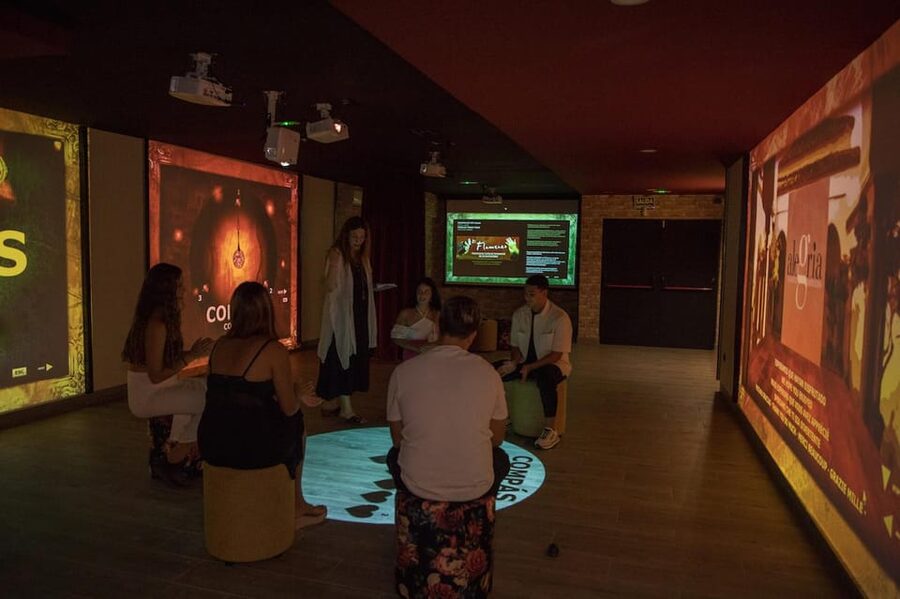
The activity is designed for all ages and audiences. Children are included in the pricing, and the lesson can be adjusted to suit people who know nothing about flamenco as well as those who already have some familiarity.
Families may find the active format easier than asking children to sit quietly through a long performance. Singing, clapping, and simple dance steps give younger participants something to do, while the screens provide a clear visual guide.
It also suits adults who feel unsure about entering a dance class. You are not signing up for a demanding workshop, and the guide’s role is to make the material approachable. Still, participation is part of the point, so this is not ideal if you want a completely passive cultural visit.
People who already study flamenco should keep expectations in check. The hour offers fundamentals and cultural context, not advanced technique. Its value for an experienced dancer is likely to come from the explanation and the chance to see how the activity introduces the art to newcomers.
Price and value in central Málaga
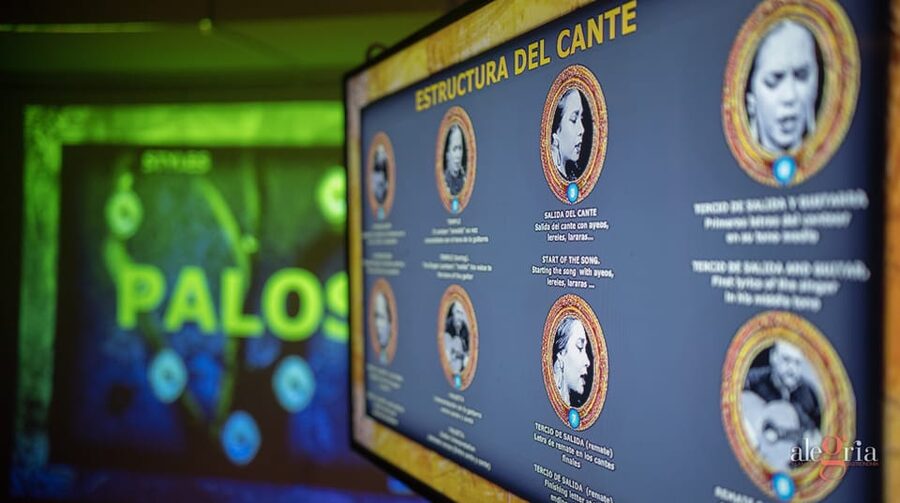
The stated adult price is €20, with children at €15. Another booking display gives a price of $21 per group up to one, so I would confirm the exact amount and participant conditions at checkout rather than rely on one headline figure.
At €20 for an adult, the value depends on how much you use the active teaching. If you take part fully, you are getting a guided cultural lesson, a hands-on rhythm session, and an introduction to flamenco before a possible show. That is a fair price for an hour in central Málaga, particularly when the group is small.
The value is less clear if the session runs short or becomes crowded. A 40-minute presentation does not provide the same return as the advertised hour, and a large group may limit your chance to ask questions or receive individual help.
The booking terms add useful flexibility. You can cancel up to 24 hours before the activity for a full refund, and you can reserve now and pay later. Those terms help if your Málaga schedule is still shifting, though you should still check the final booking conditions for your date.
Location and timing for a Málaga day
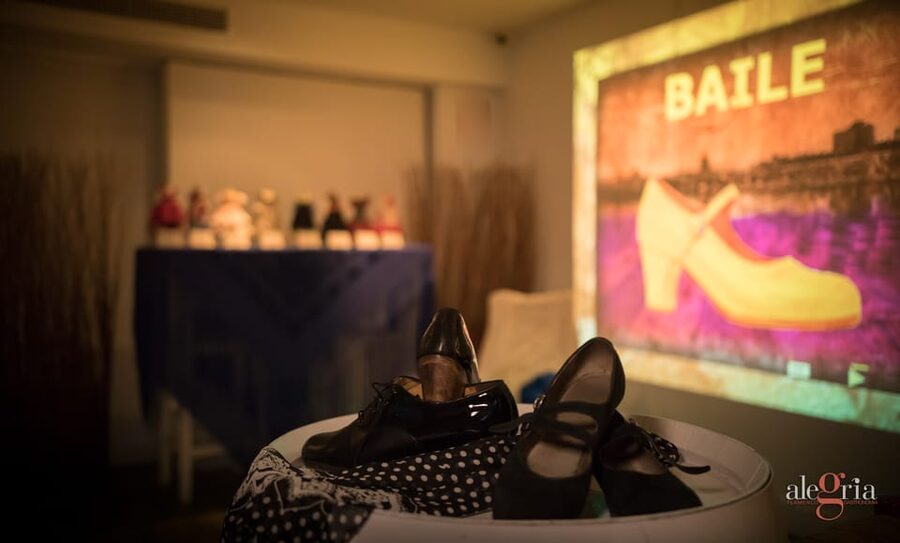
The activity takes place in central Málaga, so it is easy to combine with other city plans. You do not need to make a separate trip outside town, and the central setting makes it practical for a short stay.
The one-hour duration is also easy to place between major sights. You might schedule it in the afternoon, then continue to a tablao performance at 6:00 PM. The stated finish near 5:00 PM leaves a useful gap, but allow time for walking, finding the venue, and settling in.
A current timetable is offered, with additional options available for groups and collectives. If you are arranging this for a school group, club, or larger private party, ask about times rather than assuming the standard schedule is the only choice.
The activity is wheelchair accessible. That is useful information for planning, although the supplied details do not describe the exact room layout or movement space. If you need specific access arrangements, ask before arrival.
What the strongest sessions have in common
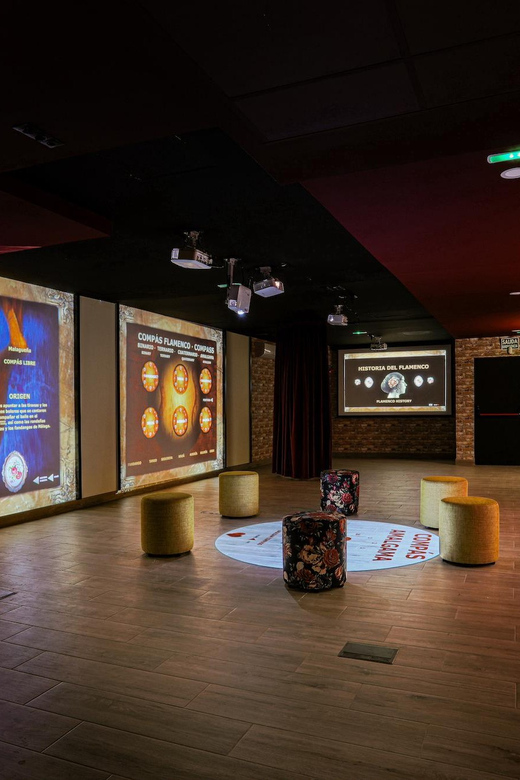
The best results seem to come when the guide can respond to the people in front of them. Juan’s musical flow and Catarina’s patience are singled out in the feedback, and both qualities point to the same lesson: the human teaching makes the format work.
A relaxed atmosphere also helps. You can try a step, miss the rhythm, laugh, and try again without the pressure of a formal performance. That makes the session suitable for friends, families, and couples who want to do something cultural together rather than sit side by side.
The activity is most rewarding when you treat it as an introduction, not a finished flamenco education. In an hour, you can learn the basic parts and feel the rhythm, but you will not master the art form. That is fine. The point is to leave with better ears and more confidence before seeing a live performance.
Small drawbacks to keep in mind
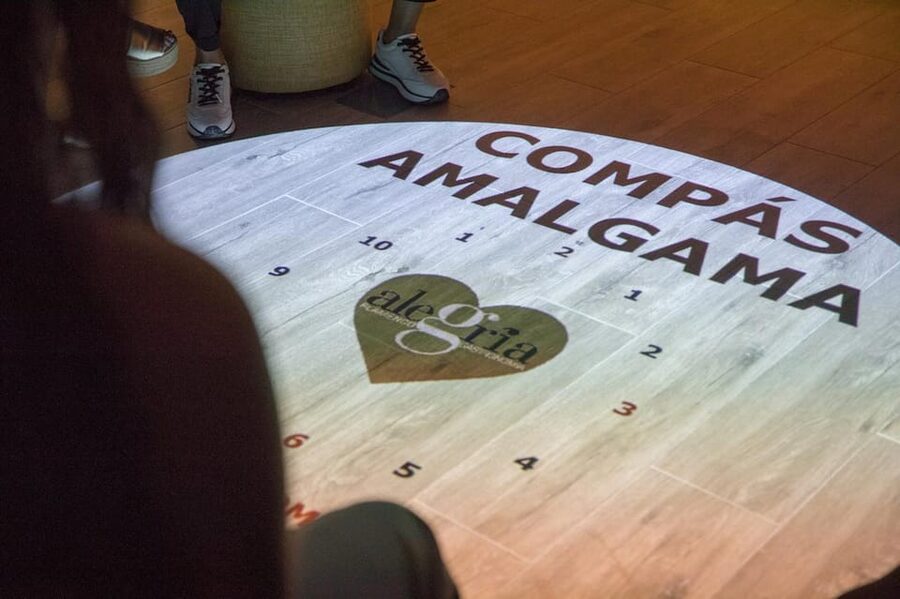
The experience has a narrow time frame. Singing, dancing, guitar, history, rhythm, and cultural explanation all compete for one hour, so some subjects may receive only a short treatment.
The five screens may also appeal more to some people than others. If you prefer live music and direct performance, the technology could feel less authentic than a workshop led entirely by musicians. Its benefit is clarity, not the atmosphere of a full show.
The reported 40-minute session and group-size complaint deserve attention. They are not enough to dismiss the activity, especially alongside the many positive ratings, but they are a reason to confirm the time and group details if you have a tight schedule.
Finally, the activity does not replace a tablao show. It prepares you for one. If you want a full evening of professional singing, guitar, and dance, book the performance separately and use this hour to understand what you are watching.
Should you book this Málaga flamenco experience?
I would book it if you are new to flamenco, enjoy taking part, or want a family-friendly cultural activity in central Málaga. It is particularly useful before a 6:00 PM show, when the lesson can give meaning to what you see on stage later.
I would also consider it for a small group of friends. A limited group can make the hour feel personal, and the named guides, Juan and Catarina, have shown the warmth and patience needed for beginners.
I would hesitate only if you want guaranteed private tuition, advanced dance training, or a full hour with no chance of a larger group. Check the current group size and duration first. If those details suit you, the €20 adult price offers a practical way to hear, feel, and understand flamenco rather than simply watch it from a seat.
FAQ
Where does the flamenco activity take place?
It takes place in the heart of downtown Málaga, in Andalusia, Spain.
How long does the activity last?
The stated duration is one hour. The usual finish is around 5:00 PM, although one booking reported a session lasting 40 minutes.
Is the activity offered in English?
Yes. The guide can conduct the activity in English or Spanish.
What will I do during the session?
You will learn about flamenco through five interactive screens and take part in singing, clapping, rhythm work, and basic dance movements.
Is this suitable for children?
Yes. The activity is designed for all ages, and a child price of €15 is provided.
Is the activity wheelchair accessible?
Yes, it is described as wheelchair accessible.
Can I cancel for a full refund?
Yes. You can cancel up to 24 hours in advance for a full refund.
Can I book now and pay later?
Yes. The activity offers a reserve-now, pay-later option.
Just added around Spain
- Puerto del Carmen: Try Scuba Diving for Beginners★ 4.9 · 83 reviews
- Puerto del Carmen: Snorkeling Trip with Dive Instructor★ 4.9 · 93 reviews
- Museo Atlantico: Diving Class for Non-Certified Divers★ 4.8 · 21 reviews
- Puerto del Carmen: Guided Scuba Dive (certified only)★ 4.8 · 6 reviews
- Puerto del Carmen: 2 Guided Scuba Dives (certified only)★ 5.0 · 3 reviews
- Puerto del Carmen: Try Scuba Diving from the beach★ 5.0 · 3 reviews
- Private Try Dive for 2 with our experienced Instructor★ 5.0 · 12 reviews
- Tossa de Mar: PADI Scuba Diver Certification Course★ 5.0 · 2 reviews
Scuba Diving in Spain, compared.
Tenerife: Your First Scuba Diving Experience in Turtle Area
Read our review →
Tenerife: Beginner’s Dive at a Spot with Turtle Sightings
Read our review →
Scuba Diving Experience for Beginners in Gran Canaria
Read our review →
Tenerife First Time Scuba Dive – Turtle Habitat, Small Groups
Read our review →
Lists this dive appears in