
REVIEW · SCUBA DIVING
Double Boat Dive with Equipment
Kaikoura’s best scenery does not stop at the shoreline. On this two-boat underwater outing, you get mountain views on the way out, then explore rocky reefs covered with kelp and seaweeds in cold South Island water. The setting feels wild because the sea and mountains sit so close together.
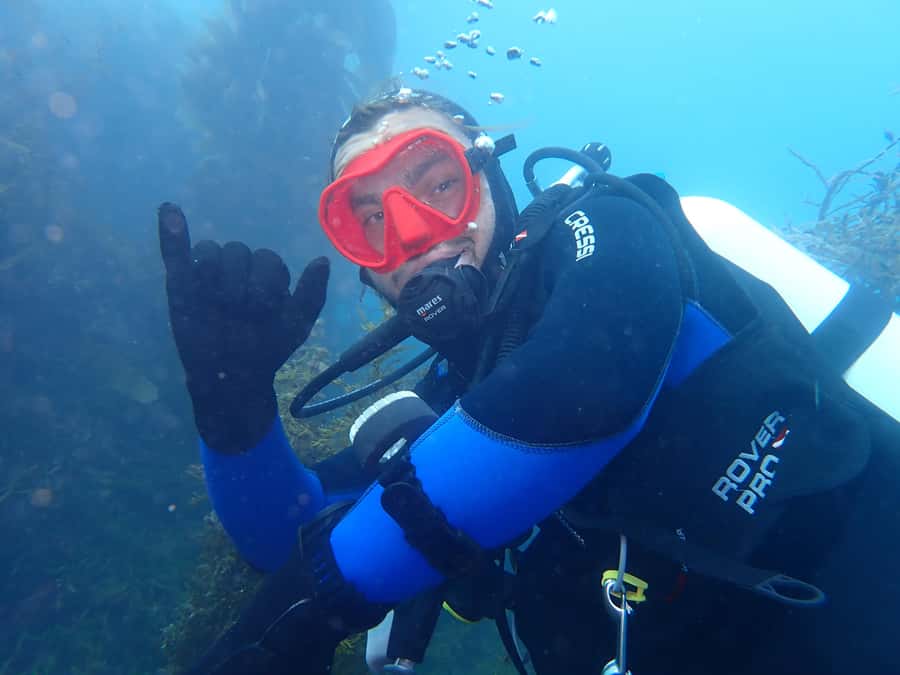
I like the small group of four, which keeps the trip personal and avoids the feel of a crowded charter. I also like the two one-hour sessions: you get a proper first look, a break to warm up and reset, then a second chance to spot creatures you missed.
The main consideration is the conditions. This is cold-water scuba work with typically low visibility, not a clear tropical swim. You must be certified, and the trip needs at least two people and suitable sea conditions to run.
Key points to know before booking
- Two one-hour underwater sessions: You get substantial time below the surface, separated by a one-hour break.
- Kaikoura’s mountain-to-sea setting: The boat ride itself gives you striking views before the reef work begins.
- Cold water and low visibility: Bring realistic expectations and be ready for a moodier, close-range experience.
- Four-person maximum: The small group suits certified divers who prefer a quieter outing.
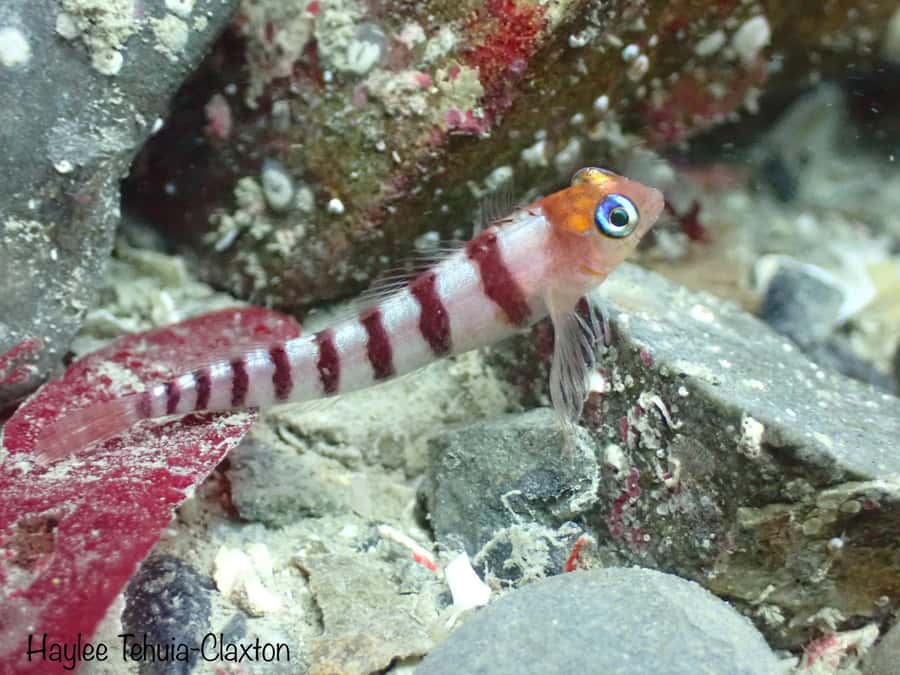
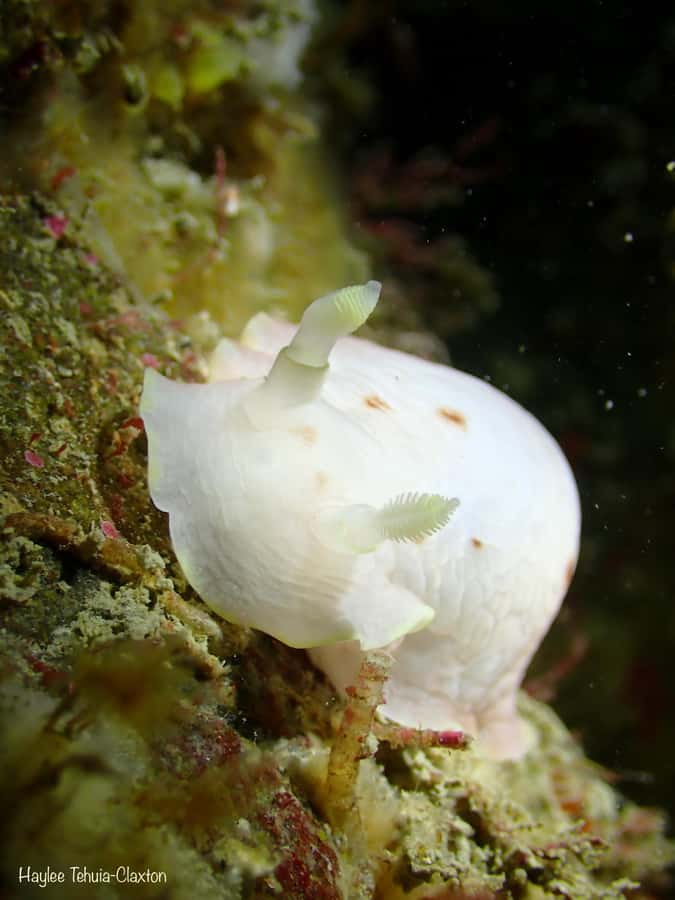
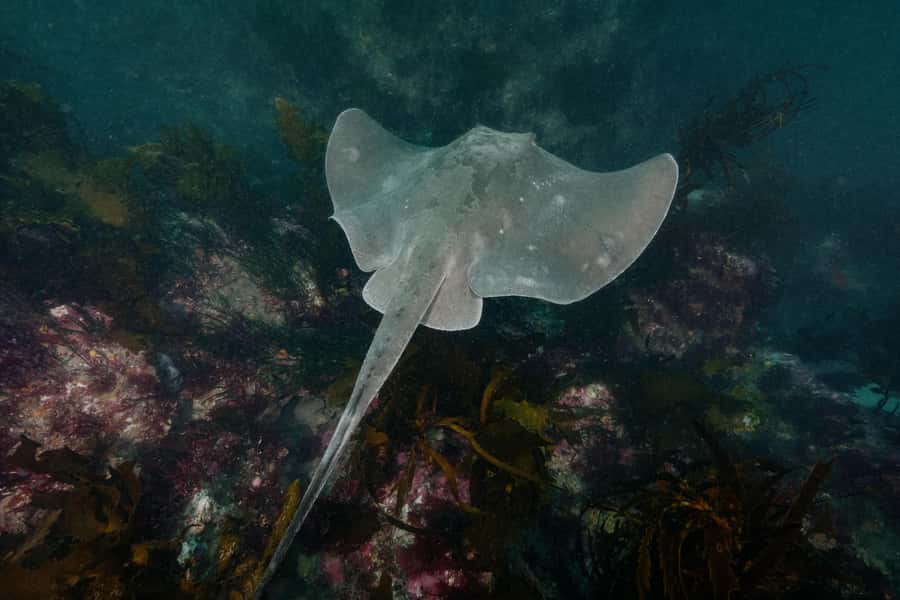
- Local species are the main attraction: Look for octopus, blue cod, moki, wrasse, butterfish, crayfish, paua, kina, and nudibranchs.
- Weather can change the plan: Poor sea conditions can stop the trip, with a full refund in that case.
Why Kaikoura works so well for a boat-based underwater trip
Kaikoura is famous for the way its mountains come down toward the Pacific. From the boat, you get to appreciate that unusual geography before focusing on what lies below. The view is not just pleasant filler during the ride. It gives you a sense of place that many reef trips lack.
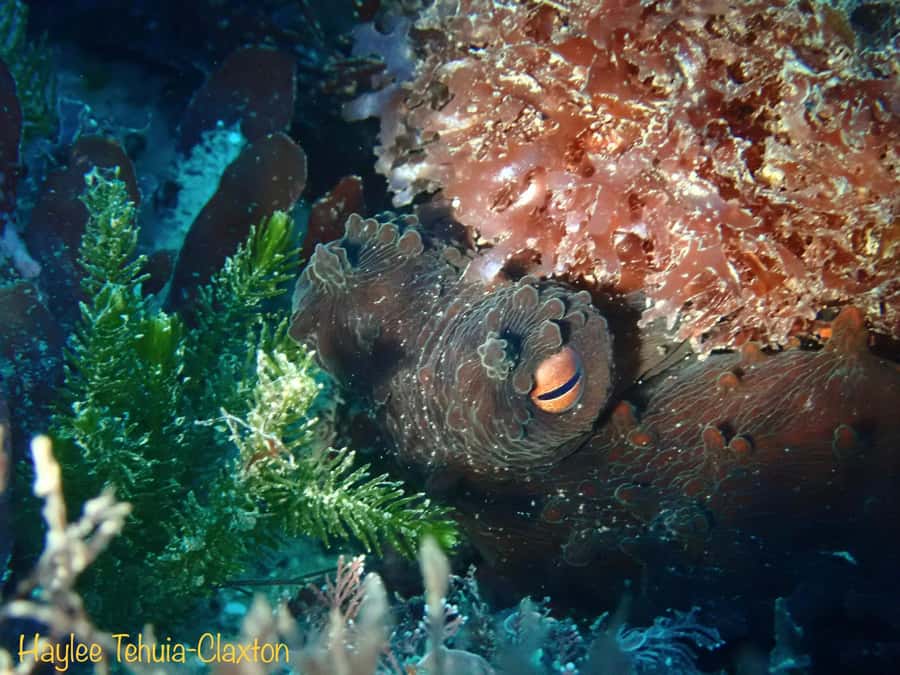
The underwater setting is different from the bright coral scenes found in warm-water destinations. Here, rocky reefs are dressed in kelp and seaweeds colored red, orange, purple, green, and brown. The result is a dense plant-filled habitat, with fish and smaller creatures using the rocks for cover.
I would approach this as a naturalist’s outing rather than a sightseeing cruise with guaranteed animal appearances. The conditions may be dark, cool, and unclear, but that is part of the local character. You are seeing a cold-water ecosystem on its own terms.
A few more dives around the world worth comparing
- Great Barrier Reef Snorkeling and Diving Cruise from Cairns
★ 4.5 · 3,714 reviews - First-Time Scuba Diving in Honolulu + Free Videos
★ 5.0 · 3,123 reviews - Oahu Shark Dive
★ 5.0 · 2,903 reviews
What the five-hour schedule feels like
The trip begins at 38 West End. The timing allows roughly ten minutes for the first transfer, twenty minutes for the next part of the journey, one hour for the first scuba session, one hour for a break, another hour below the surface, and about thirty minutes to return.
That schedule adds up to five hours, so this is not a quick introductory experience. You should keep much of your day free and avoid placing a tight appointment immediately afterward. Boat trips, equipment preparation, changing conditions, and two underwater sessions all need room to breathe.
The first ride out is part of the experience. As the boat moves away from shore, look toward the mountains meeting the sea. This gives you a useful visual contrast: above the surface, broad mountain views; below it, a close-up world of rock, weed, and small animals.
The two transfer stages are short on paper, but they are worth noting if you are sensitive to boat travel. You will spend time moving between shore and the selected site, then returning after the second session. The route and sites can vary with conditions, so the exact scenery below the surface is not fixed.
The first one-hour session: getting used to the conditions
Your first hour underwater is a chance to settle into Kaikoura’s cold-water style. The visibility is typically low, so you should not expect to scan a huge distance and spot animals from far away. Instead, your attention works best close to the reef.
Look around the rocky surfaces and among the kelp. Native fish may include moki, blue cod, wrasse, and butterfish. These species give the reef its movement, but the smaller finds can be just as rewarding.
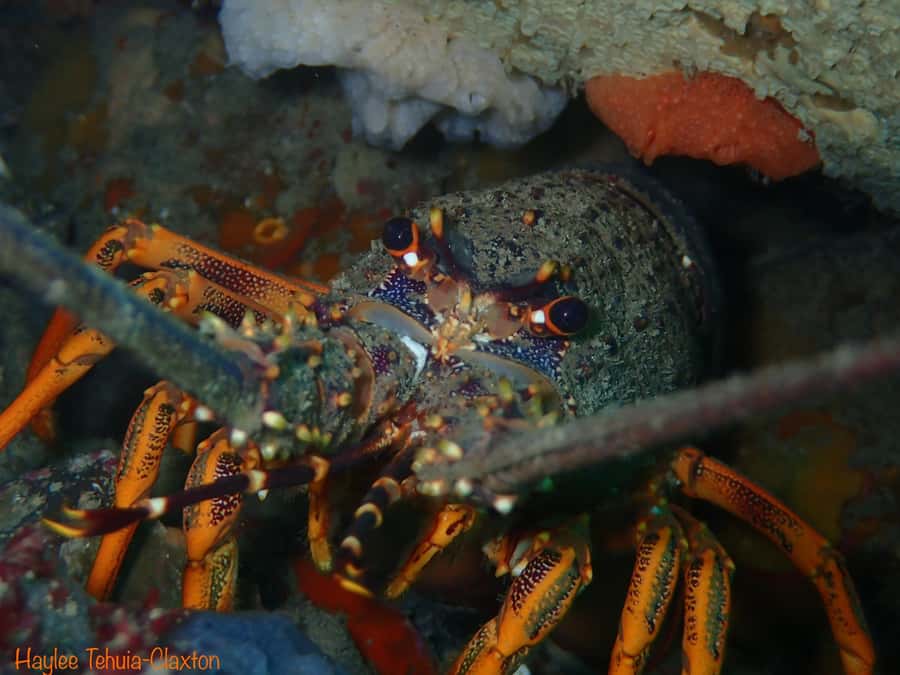
You might spot an octopus tucked into a rocky space, or notice a crayfish sheltering where the reef becomes harder to read. Paua and kina beds add another local touch. These are not decorative extras. They show how much life can occupy a small patch of cold-water habitat.
The first session also helps you judge the temperature and visibility for yourself. The trip information is clear that the water is cold, and that warning deserves attention. If you are used to warm, clear conditions, the change can be significant. The reward comes from slowing down and looking carefully rather than expecting instant spectacle.
The one-hour surface break
The break between sessions is useful, not wasted time. You have a chance to warm up, recover from the first hour, and think about what you saw. In cold water, a pause can make the second session more comfortable and more enjoyable.
It also gives the day a sensible rhythm. One long continuous session could become tiring, especially when visibility is limited and you are working to find small animals. The break divides the outing into two manageable chapters.
I would use this pause to reset your expectations. If the first session feels quiet, that does not mean the whole trip will be quiet. Reef life can be unevenly spread, and the second site or second look may bring different fish, smaller creatures, or a close encounter with a fur seal.
The provided schedule allows a full hour for the break, which is generous enough to avoid a rushed changeover. Still, exact arrangements for food, drinks, and changing facilities are not specified, so you should not assume that a meal is included. Plan around the activity’s stated schedule rather than counting on extras that are not listed.
Same water, a completely different day underwater:
- Silfra: Diving Between Tectonic Plates – Meet on Location
★ 5.0 · 2,139 reviews - Ocean Freedom Great Barrier Reef Luxury Snorkel and Dive Cruise
★ 5.0 · 1,895 reviews - Beginner Scuba Diving with Turtles and Videos, San Juan
★ 5.0 · 1,743 reviews - Tenerife: Your First Scuba Diving Experience in Turtle Area
★ 4.7 · 1,679 reviews
The second hour below the surface
The second session lets you search with more confidence. By now, you understand that this is not a clear-water viewing platform. You can concentrate on the reef’s details, scan the seaweed, and check the spaces between rocks.
Macro life is one of the strongest reasons to enjoy this type of trip. Nudibranchs can be tiny and easy to miss, but low visibility does not matter as much when your subject is close. The same goes for paua, kina, and other reef creatures that reward patient observation.
Baitfish may sometimes appear in schools. Their arrival can change the feel of the water quickly, bringing movement to an otherwise quiet scene. Fur seals may also come near the boat or divers, attracted by the sound and movement of bubbles. This is an occasional possibility, not something you should treat as guaranteed.
That uncertainty is part of the appeal, but it also matters when deciding if the experience suits you. If you need a predictable list of animals and bright, open views, this may feel restrained. If you enjoy searching, noticing small details, and seeing local wildlife without a fixed script, the format makes more sense.
Equipment, group size, and the level of experience required
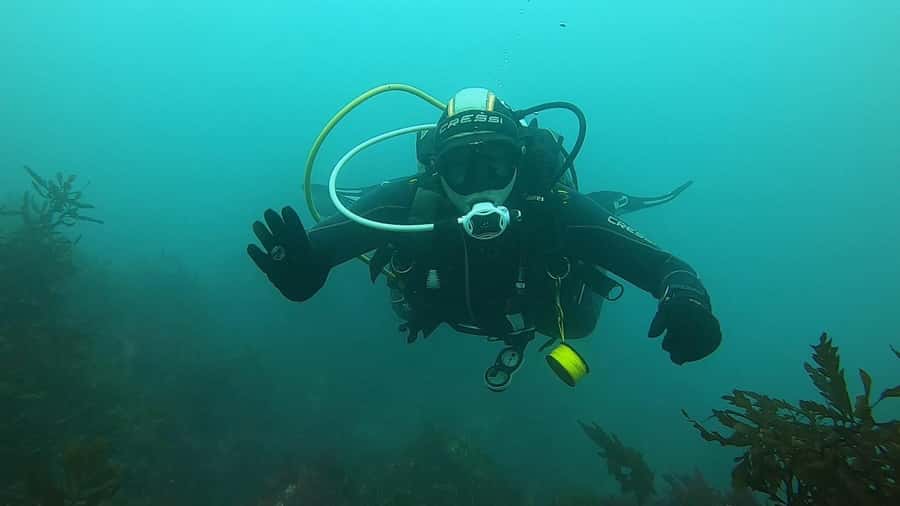
Equipment is included, which makes the outing easier for certified divers who do not want to arrange a full kit separately. The activity is not suitable for people without certification, so it is not a learn-to-scuba session or a first-time tryout.
The maximum group size is four participants. That is a real practical advantage. A small boat group can make the day feel less hurried, and it gives the guide a better chance to keep track of everyone during two separate underwater sessions.
The operator is Daves’ Diving Kaikoura, and the live guidance is in English. No individual guide names are provided, so you should not book expecting a particular named instructor. What is clear is the structure: a guided, small-group outing rather than an independent trip where you arrange your own site access.
The minimum operating number is two people. If you are booking alone, that is worth keeping in mind. The trip needs enough participants to go ahead, and the activity details do not promise solo operation.
Weather, sea conditions, and the practical trade-offs
The sea decides the schedule. Trips are weather dependent, and poor conditions can prevent the outing from operating. If the operator cannot run it because of the sea, you receive a full refund.
That policy removes much of the financial risk, but it cannot remove the planning inconvenience. Keep some flexibility in your Kaikoura schedule if possible. A weather-sensitive boat trip works best when it is not squeezed between fixed transport and other paid activities.
The same honesty applies to visibility. Typical conditions are cold water and low visibility. You may find the mood atmospheric and rewarding, or you may prefer warm, clear water where fish are easier to see. Neither response is wrong, but your expectations will shape the day.
I would also treat the boat ride as part of the outing rather than a simple transfer. You will see the coast and mountains from the water, which adds value even when the reef is quiet. The views cannot replace a good underwater session, but they give the trip a broader sense of place.
Who will get the most from this experience
This suits certified divers who already feel comfortable in cold water or who actively want to experience New Zealand’s coastal conditions. It is especially appealing if you enjoy native species, reef structure, and smaller finds rather than needing large animals on every outing.
The small group makes it a good choice for people who prefer a more personal setting. Two one-hour sessions also give you enough time to settle in and search properly instead of rushing through one short underwater visit.
I would be cautious about booking it as a casual add-on if you have limited scuba experience, dislike cold water, or become frustrated by poor visibility. The activity requires certification, and there is no suggestion that it adapts into a non-certified sightseeing trip.
It can also suit a pair of certified divers looking for a half-day plan in Kaikoura. You get the coast, mountain views, two reef sessions, and a break without committing to a full day at sea.
Value for your time and booking flexibility
A price is not provided here, so I cannot judge the exact cost against other operators. I can still assess the value of the format. You receive equipment, a five-hour schedule, two one-hour underwater sessions, transport by boat, and a maximum group of four.
That is a stronger package than a short single-session outing, especially if you have come to Kaikoura specifically for local cold-water scuba. The value is less clear if you mainly want a quick wildlife look, since the experience demands certification and several hours of your day.
You can cancel up to 24 hours ahead for a full refund, and you can reserve now while paying later. Those terms help if your South Island route is still taking shape. A full refund also applies if poor sea conditions stop the trip from running, which is important for any weather-sensitive activity.
Should you book the two-boat outing?
Book it if you are certified, prepared for cold water and limited visibility, and interested in New Zealand’s own reef life rather than a tropical-style underwater show. The small group, two one-hour sessions, included equipment, and mountain-to-sea setting give the experience a clear sense of purpose.
Skip it if you want guaranteed seals, crystal-clear water, or a relaxed activity for non-divers. For the right person, this is a patient, local, close-up look at Kaikoura beneath the surface. For everyone else, the town’s wildlife cruises, flights, and kayaking options may be a better fit.
FAQ
How long does the activity last?
The full experience lasts five hours, including transfers, two one-hour scuba sessions, and a one-hour break.
Where does the activity begin and end?
You start at 38 West End and return there after the boat trips and underwater sessions.
How many underwater sessions are included?
The experience includes two scuba sessions, each scheduled for one hour.
Is equipment included?
Yes. The activity is listed as a double boat outing with equipment included.
Do I need scuba certification?
Yes. The activity is not suitable for divers without certification.
What marine life might I see?
You might encounter octopus, moki, blue cod, wrasse, butterfish, crayfish, paua, kina beds, nudibranchs, and schools of baitfish. Fur seals may sometimes come near the divers.
What happens if the weather is poor?
The trip is dependent on sea conditions. If poor conditions prevent it from operating, a full refund is provided.
Just added around the world
- Punta Cana: Reef Diving Adventure Explore Underwater Wonders★ 5.0 · 5 reviews
- Phuket: Try SCUBA DIVING Full Day Experience 2 Dives★ 5.0 · 9 reviews
- Punta Cana: Scubadoo Ocean Exploration Diving Adventure★ 4.1 · 70 reviews
- Punta Cana: Guided Power Dive Adventure★ 4.8 · 3 reviews
- Punta Cana: Scuba Doo Underwater Scooter Adventure★ 5.0 · 2 reviews
- Punta Cana: Dive the Coral Paradise of Catalina Island★ 4.2 · 5 reviews
- Punta Cana: Discover Scuba Diving Experience for Beginners★ 4.4 · 2 reviews
- Puerto Morelos: Scuba Diving for Beginners – 2 Dives★ 5.0 · 5 reviews
Cruises & Boat Tours, compared.
Great Barrier Reef Snorkeling and Diving Cruise from Cairns
Read our review →
Ocean Freedom Great Barrier Reef Luxury Snorkel and Dive Cruise
Read our review →
Cairns: Outer and Coral Cay Snorkel and Dive Cruise
Read our review →
Polignano a Mare boat tour emotions, caves, diving and appetizers
Read our review →
Scuba Diving Full Day Boat Trip for beginners With Lunch & Transfer – Hurghada
Read our review →
2 Tank Lanai Cathedral Scuba Dive Via Boat for Certified Divers
Read our review →
From Sharm: Ras Muhammed & White Island By Boat & intro Dive
Read our review →
Silverswift Dive and Snorkel Great Barrier Reef Cruise
Read our review →Lists this dive appears in