
REVIEW · GRAN CANARIA
Gran Canaria: Scuba Diving for Beginners
The best part of this Gran Canaria experience comes when you take your first breath underwater and realize the equipment really works. At Puerto Escala harbour, Blue Water Diving gives you a short lesson, time to practise, and a supervised open-water session to see fish and other marine life around Puerto Rico.
I like the patient instruction, especially for nervous beginners, and the small group limit of eight, which gives the PADI instructor room to help with masks, breathing, and ear pressure. The instructors named in customer feedback include Jasmine, Harry, Eddy, Daniel, Kate, Jerry, and Lilly, though your exact instructor will depend on the day.
The main consideration is that two hours passes quickly. This is an introduction, not a full qualification, and some of your time goes into fitting equipment and practising basic skills. You also need to complete a medical form, bring your own towel and swimwear, and avoid flying for at least 18 hours afterward.
Key points to know before you book
- Your first underwater breath comes after a proper practice session: You learn regulator breathing, hand signals, mask clearing, and pressure equalizing before the open-water portion.
- The session reaches up to 12 metres: That is the maximum depth for this supervised beginner experience, though your actual depth depends on comfort, conditions, and instructor guidance.
- The harbour meeting point is Puerto Escala: You make your own way to Blue Water Diving in Puerto Rico de Gran Canaria because hotel transfers are not included.
- The strongest feature is calm, personal help: Several customers needed extra time with nerves or ear pressure, and instructors stayed close and worked through those problems.
- You may see more than fish: Past participants reported seeing an octopus as well as other sea life and making underwater videos.
- The $106 price covers the important essentials: Equipment, instruction, insurance, confined-water practice, and the open-water session are included.
What happens at Puerto Escala harbour
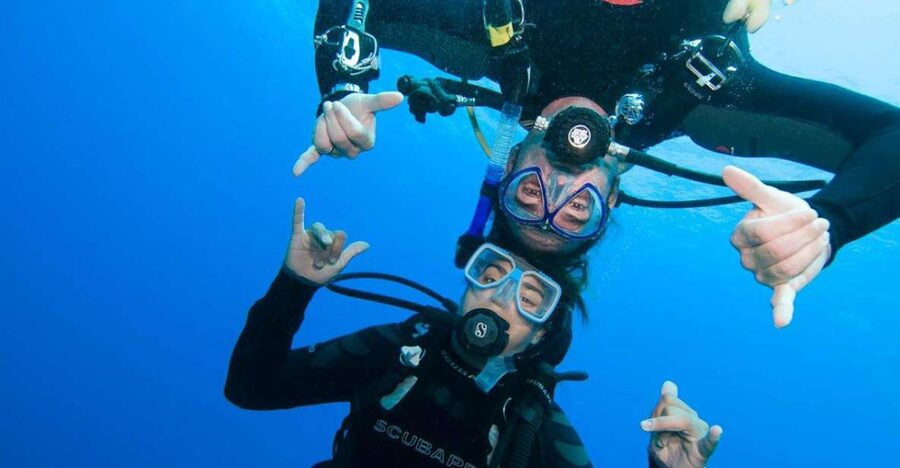
You begin at Blue Water Diving in Puerto Escala harbour, in Puerto Rico de Gran Canaria. This is a meeting-point activity, not a hotel excursion, so you need to arrange your own way there and arrive ready for a water session.
The stated activity time is two hours, although beginner scuba sessions can sometimes take longer in practice because equipment fitting and instruction are part of the experience. The supplied information also describes the wider PADI format as usually lasting two to four hours. Check the selected start time and allow a little breathing room around it rather than planning a tight lunch or airport connection.
The group is limited to eight participants. That matters more here than it would on a simple boat ride. You may need individual help with a loose mask, a regulator that feels unfamiliar, or trouble equalizing one ear. A smaller group makes it easier for the instructor to watch each person instead of rushing everyone through the same steps.
English and Spanish instruction is available. The activity is suitable from age 10, provided the participant is reasonably comfortable in water and meets the health requirements. Pregnancy is listed as a reason not to take part, and medical restrictions may apply. You must provide your height, weight, and shoe size before the equipment can be prepared.
More Scuba Diving in Gran Canaria
- Scuba Diving Experience for Beginners in Gran Canaria
★ 5.0 · 561 reviews - Gran Canaria: Try Scuba Diving for Beginners
★ 4.9 · 403 reviews - Beginners Scuba Diving Experience in Gran Canaria
★ 5.0 · 254 reviews
Getting comfortable with the scuba equipment
The first stage is a short theory and safety briefing. Your instructor explains how the mask, fins, wetsuit, tank, regulator, and other equipment work. You also learn the basic underwater hand signals, since ordinary conversation is not possible once you are below the surface.
This part may feel less exciting than seeing fish, but it is where the session earns its value. A first-time scuba participant needs to know how to breathe through the regulator, how to signal a problem, and how to respond if water enters the mask. The goal is not to turn you into a qualified scuba user in one morning. It is to give you enough control to stay calm and enjoy the short session.
The equipment is included in the $106 cost. That means you do not need to rent a mask, fins, wetsuit, regulator, or tank separately. Insurance and PADI instructor supervision are also included, which makes the price easier to judge than a basic swim or snorkel outing.
Bring swimwear, a towel, sunscreen, and a charged smartphone. A phone may be useful for underwater video if your equipment allows it, but do not treat filming as the main event. Keeping your breathing steady and following the instructor matters more than getting a perfect clip.
Shallow-water practice before the real session
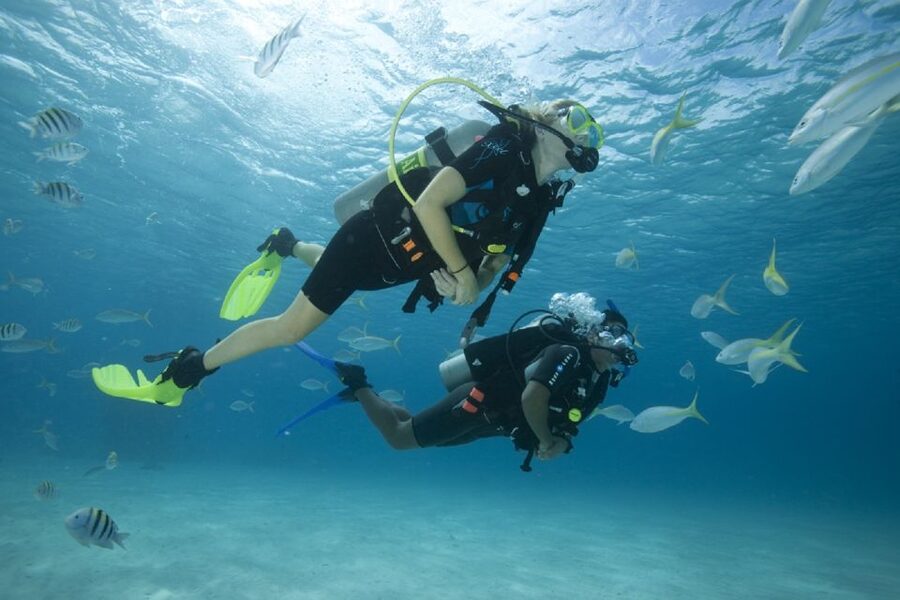
Before heading into open water, you practise in a confined, shallow area. This is the point where the experience either becomes relaxing or reveals that you need more time.
You practise breathing underwater and learn how it feels to move with the equipment. You also work on clearing the regulator, clearing the mask, and equalizing pressure in your ears. These are simple skills in theory, but first-time users often need several attempts before they feel natural.
This is where the instructors receive the most praise. One participant struggled at first but described the staff as patient and reassuring. Another had trouble equalizing one ear and experienced moments of panic, yet was helped through the problem and eventually swam comfortably. That is useful information if you are curious but nervous. You do not need to arrive as a confident swimmer, but you should be prepared to say when something feels wrong and accept the instructor’s pace.
The staff also appear comfortable working with children. A 10-year-old participant was guided through a first session and finished wanting to return. For families, that is encouraging, though the minimum age does not mean every 10-year-old will be ready. Water comfort, attention, and calm acceptance of instructions matter just as much.
The open-water session around Puerto Rico
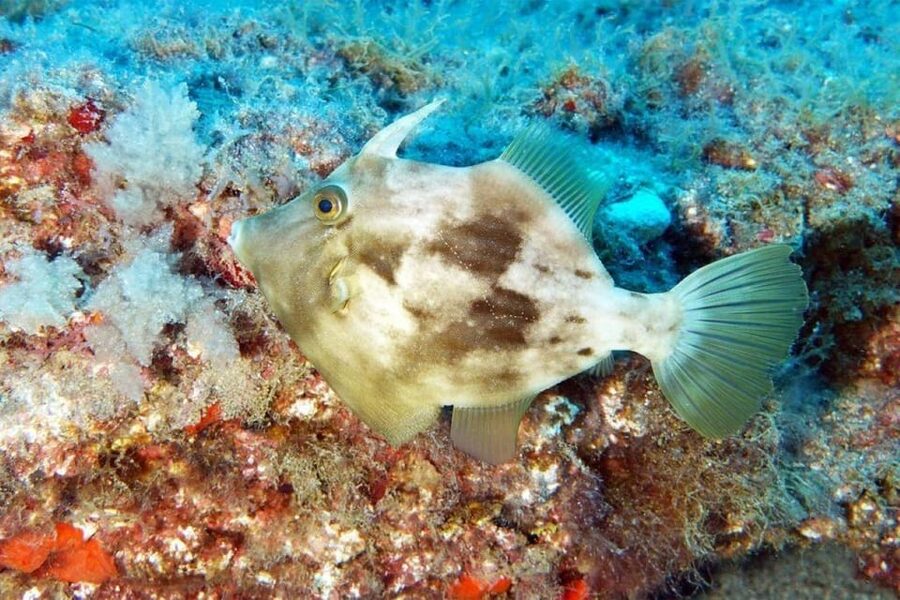
Once you have practised the basics, you head out for the supervised open-water portion. The stated maximum depth is 12 metres, or 40 feet. As a beginner, you should think of this as a carefully controlled introduction rather than a test of how deep you can go.
Your instructor remains responsible for the pace and the route. You learn to move with fins, use hand signals, and keep breathing while looking around. The sense of weightlessness is a major part of the appeal. Even a short underwater session can feel very different from swimming at the surface because the equipment lets you stay below without holding your breath.
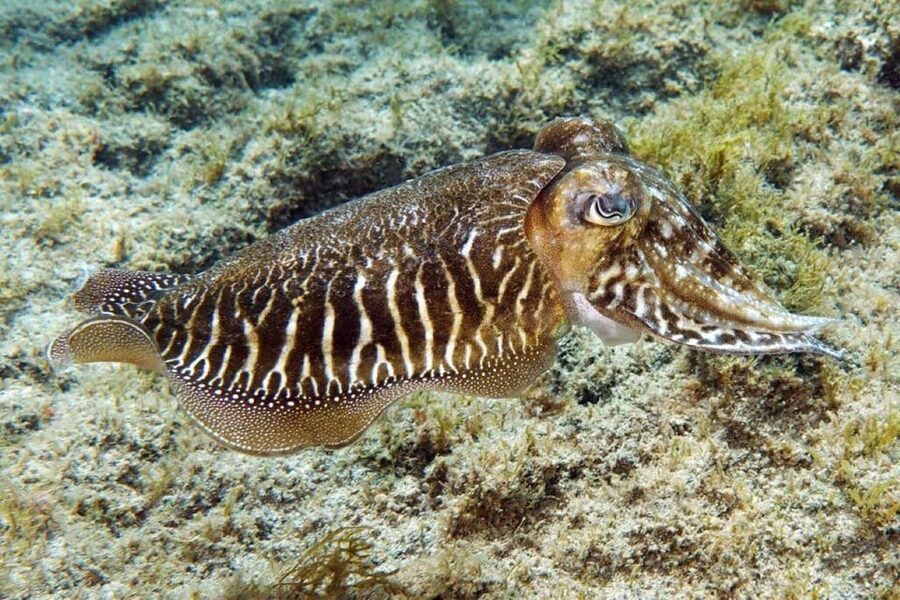
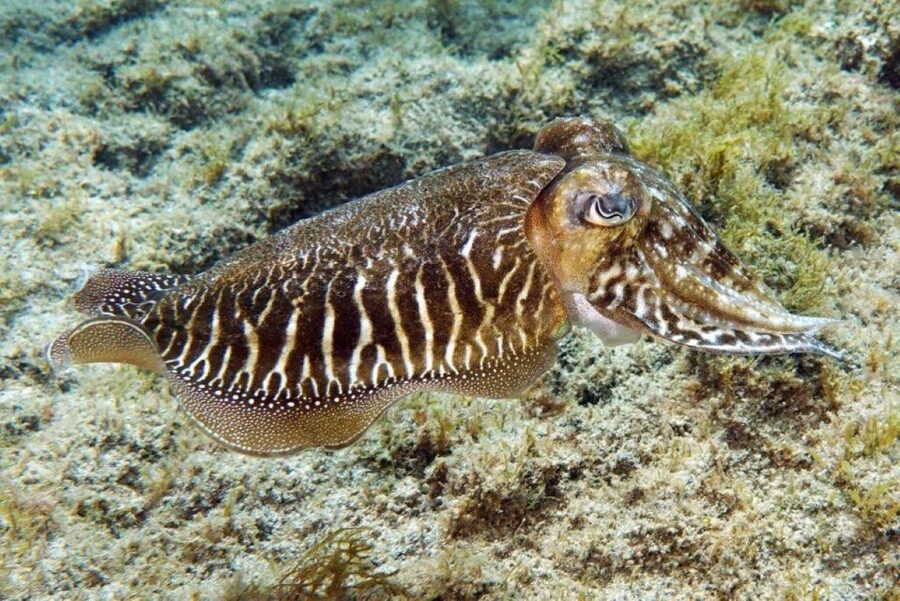
The marine life is another strong reason to choose this over a dry-land activity. Participants have reported seeing plenty of fish and, on one outing, an octopus. The exact sightings cannot be promised, and sea conditions and timing will affect what appears, but the Canary Islands setting gives you a real chance to observe local marine life at close range.
You may find that the first minutes are spent concentrating on breathing and body position. That is normal. As you settle in, you can pay more attention to the reef, fish, and other underwater details. The best result is not a long list of species. It is leaving with a clear sense of what scuba feels like and whether you want to continue.
More beginner dives in Spain:
- Mallorca: Discover Scuba Diving for Beginners
★ 4.7 · 805 reviews - Tenerife: Beginner’s Dive at a Spot with Turtle Sightings
★ 4.7 · 627 reviews - Tenerife First Time Scuba Dive – Turtle Habitat, Small Groups
★ 4.5 · 456 reviews - Lanzarote: Intro to Diving Experience for Beginners
★ 5.0 · 244 reviews
How the instructors handle nerves and small problems

A first scuba session is as much about confidence as equipment. The most useful reports describe instructors taking time to settle people in rather than pushing them forward. Kate is specifically praised for calm, patient tuition, while Harry is noted for explaining each stage clearly and keeping watch in and out of the water. Eddy and Daniel are also singled out for helping participants during the underwater portion.
Names and staff assignments can change, so do not book expecting a particular instructor. The larger point is the teaching style: clear explanations, close supervision, and room to pause when a participant feels uneasy.
That approach matters because small physical issues can feel alarming underwater. A mask that lets in water, an awkward regulator, or an ear that will not equalize can quickly raise your stress level. You should never force pressure equalization or continue through discomfort. Signal your instructor, stop, and follow the guidance you are given.
The experience is not designed for people who want to be left alone. You will be supervised closely, and that is a benefit for a first attempt. Confident swimmers may find the early instruction slow, but that careful pace is exactly what makes the session suitable for beginners.
What the $106 price really covers
At $106 per person, this is not the cheapest water activity in Gran Canaria. It is also more than a simple snorkel trip because the cost includes a full set of scuba equipment, PADI instruction, insurance, shallow-water training, and an open-water session.
I think the value is strongest if you are genuinely curious about scuba but do not want to commit to a certification course. You pay for a supervised test of the activity, not just access to the water. The session lets you find out how you respond to breathing equipment, pressure changes, and underwater movement before paying for a longer course.
The value is also good for a special holiday activity. Several people described the first underwater experience as memorable, and one couple used the underwater setting for a proposal. That sort of personal occasion is possible, but the practical basics still matter more than the photo moment.
The price is less attractive if you already know scuba is not for you, dislike equipment-heavy activities, or want a long underwater session. Two hours includes briefing and practice, so the actual open-water time will be only part of the booking.
Free cancellation is available up to 24 hours before the activity for a full refund. You can also reserve now and pay later, which helps if your Gran Canaria schedule is still shifting. Hotel pickup and drop-off are not included, so factor in your own transport to Puerto Escala.
Health, age, and practical limits
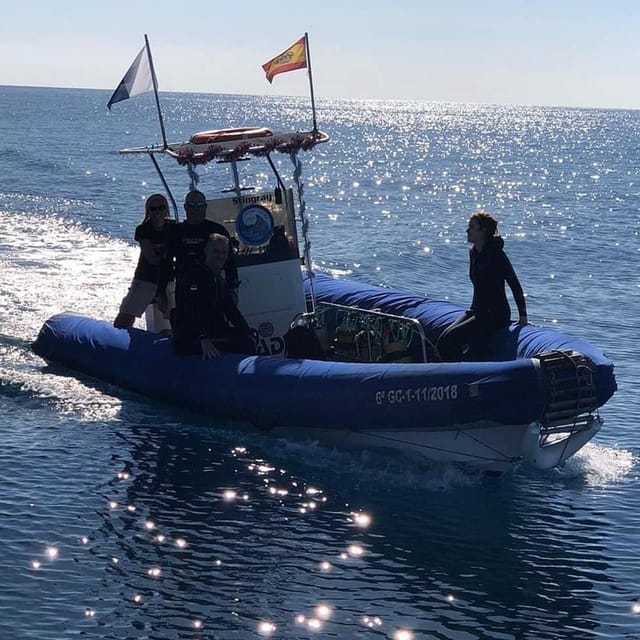
The minimum age is 10. You should be reasonably comfortable in water and able to complete the short medical form honestly. Medical restrictions may apply, so ask before booking if you have a health concern that could affect scuba participation.
Pregnant women should not take part. You should also avoid alcohol before the session. Afterward, do not fly for at least 18 hours. This rule is especially important if you are fitting the activity near the end of your holiday or have a flight home the next day.
Bring:
- Swimwear
- A towel
- Sunscreen
- A charged smartphone
- Your height, weight, and shoe size information
The charged phone is useful for communication before or after the activity and may support underwater filming, but you are responsible for keeping it safe. No hotel transfer is included, and the meeting point is Blue Water Diving at Puerto Escala harbour.
Who will enjoy this most
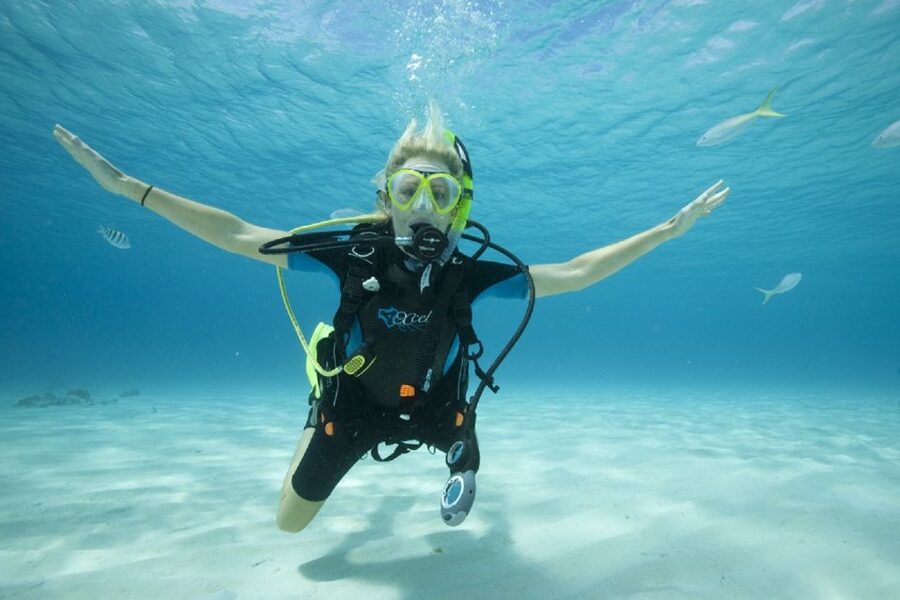
This is a good match for you if you:
- Have never used scuba equipment and want a guided first try
- Are at least 10 and reasonably comfortable in water
- Want to see marine life without signing up for a full certification immediately
- Prefer a small group over a large commercial outing
- Appreciate an instructor who will slow down when you feel nervous
- Are staying near Puerto Rico de Gran Canaria and can reach the harbour yourself
It is less suitable if you want total independence, a guaranteed list of animal sightings, or a full qualification in one afternoon. It also may not suit anyone who cannot meet the medical requirements or who has a flight within 18 hours.
If you are travelling with family, the age limit opens the activity to older children, but maturity matters. The instructor can guide a child through the basics, yet the child still needs to listen carefully, stay calm, and communicate discomfort.
Is this the right first scuba experience for you?
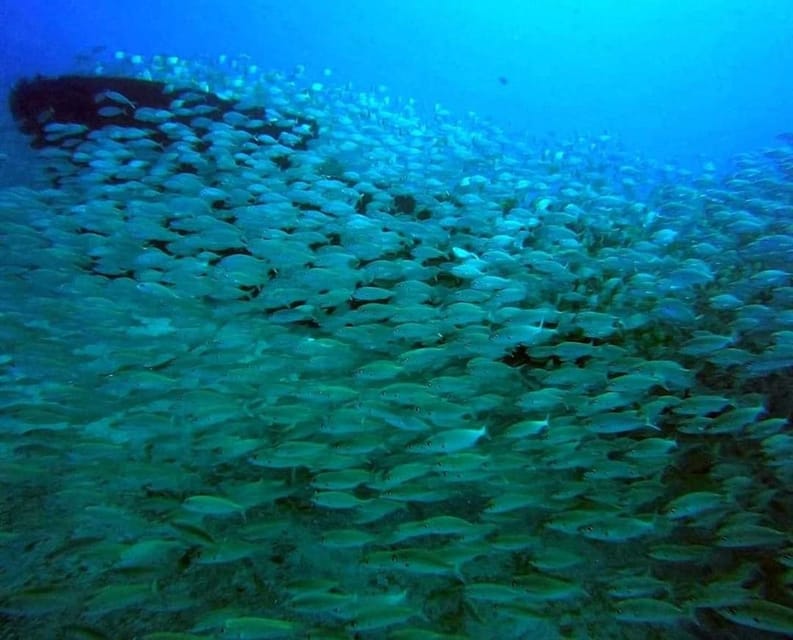
I would choose this activity if your main question is simple: Will I enjoy being underwater with scuba equipment? The session gives you a sensible answer without asking you to buy a course first. You receive the equipment, instruction, insurance, shallow-water training, and a supervised open-water session for $106.
The strongest reason to book is the teaching approach. People who began nervous, struggled with their ears, or needed extra time were able to continue with patient help. The chance to see fish and perhaps an octopus adds real appeal, but the human side of the session is more important for a first attempt.
The main drawback is the short format. You will not become certified, and the two-hour schedule includes preparation as well as underwater time. Still, if you arrive rested, avoid alcohol, leave enough time before flying, and meet the health requirements, this is a practical and well-supported introduction to Gran Canaria’s underwater world.
FAQ
Where does the scuba session meet?
You meet at Blue Water Diving in Puerto Escala harbour, Puerto Rico de Gran Canaria. Hotel pickup and drop-off are not included.
How long does the activity last?
The advertised duration is two hours. Beginner scuba sessions may take two to four hours depending on the preparation and training required, so check the available starting time and allow some flexibility.
Do I need previous scuba experience?
No. This is a PADI Discover Scuba experience for first-time participants, with a briefing, shallow-water practice, and a supervised open-water session.
What is included in the price?
The $106 price includes scuba equipment, PADI instructor supervision, insurance, a short theory session, confined-water training, and the open-water session.
How deep will I go?
The supervised session can reach up to 12 metres, or 40 feet. Your instructor controls the pace and depth according to your comfort and the conditions.
What should I bring and what restrictions apply?
Bring swimwear, a towel, sunscreen, and a charged smartphone. You must be at least 10, provide your height, weight, and shoe size, and complete a medical form. Pregnant women cannot take part, medical restrictions may apply, and you should not fly for at least 18 hours after scuba activity.
Just added around Spain
- Puerto del Carmen: Try Scuba Diving for Beginners★ 4.9 · 83 reviews
- Puerto del Carmen: Snorkeling Trip with Dive Instructor★ 4.9 · 93 reviews
- Museo Atlantico: Diving Class for Non-Certified Divers★ 4.8 · 21 reviews
- Puerto del Carmen: Guided Scuba Dive (certified only)★ 4.8 · 6 reviews
- Puerto del Carmen: 2 Guided Scuba Dives (certified only)★ 5.0 · 3 reviews
- Puerto del Carmen: Try Scuba Diving from the beach★ 5.0 · 3 reviews
- Private Try Dive for 2 with our experienced Instructor★ 5.0 · 12 reviews
- Tossa de Mar: PADI Scuba Diver Certification Course★ 5.0 · 2 reviews
Scuba Diving for Beginners, compared.
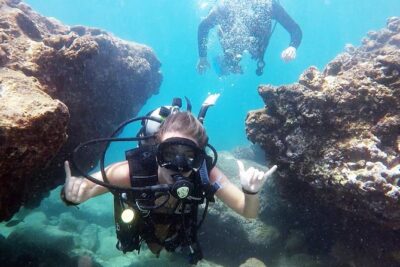
First-Time Scuba Diving in Honolulu + Free Videos
Read our review →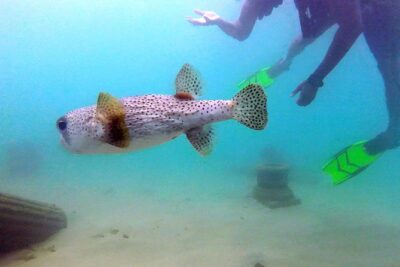
Beginner Scuba Diving with Turtles and Videos, San Juan
Read our review →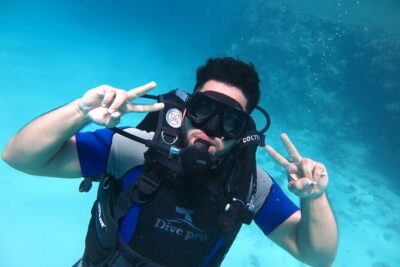
Intro Diving 2 Stops For Beginners with Pick-up and Lunch – Hurghada
Read our review →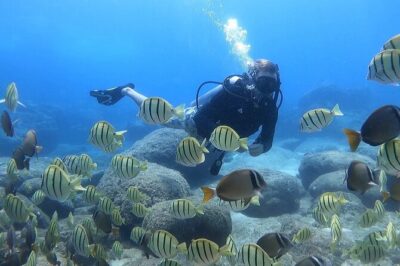
Beginner Scuba Diving Experience with Video Package in Honolulu
Read our review →
Tenerife: Beginner’s Dive at a Spot with Turtle Sightings
Read our review →
Santorini: Scuba Diving Experience in Caldera for Beginners
Read our review →Lists this dive appears in