
REVIEW · SCUBA DIVING
Introductory Scuba Dive experience – Whitetip Marine Adventures
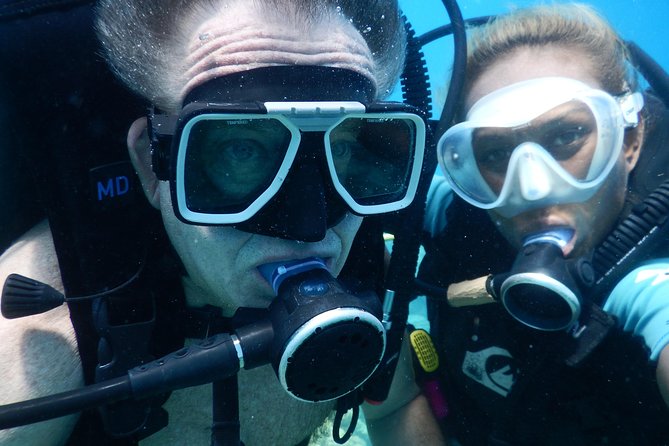
Fiji gives you a memorable way to try scuba: two guided reef sessions in the sea, without spending the morning practicing in a swimming pool. From Port Denarau, you ride out to warm, shallow water, learn the basics aboard the boat, then enter the reef with an instructor at your side. I like the direct approach, and I like that the crew can stay close enough to hold your hand if nerves take over. The possible catch is the boat ride, which can take about 40 minutes to reach the reef.
I especially like the small maximum group of eight and the clear focus on first-timers. Sharon, Monika, Andrew, and the wider crew are repeatedly praised for calm support, patient explanations, and careful attention to children and nervous adults. You should also know that this is a shared daily boat trip, so certified divers and beginners may be aboard together.
Key points to know before you book
- Two introductory reef sessions: You enter warm, shallow water after basic instruction on the boat, with no pool practice required first.
- Personal support underwater: Your instructor manages your descent and buoyancy while you concentrate on breathing and enjoying the reef.
- Ages 10 and up: This can work well for families, including a parent and child sharing a first underwater experience.
- Small-group format: The boat accepts a maximum of eight people, helping the instructors keep close watch.
- Port Denarau departure: Meet at Port Denarau Marina at 8:30 a.m. and return to the same place after roughly five hours.
- Marine life is the main reward: Past outings have included tropical fish, turtles, reef sharks, and colorful coral sites.
Starting at Port Denarau at 8:30 a.m.
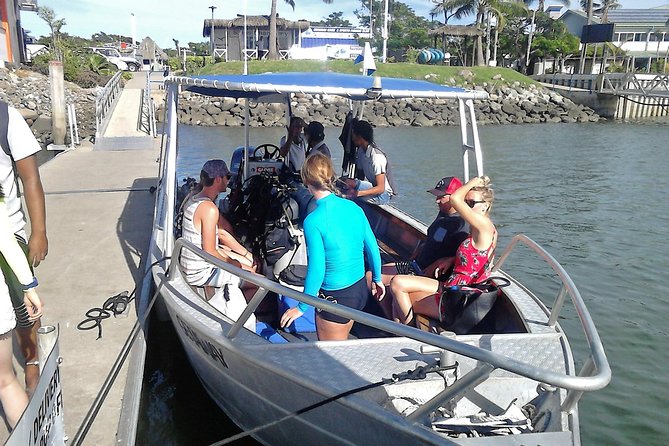
Your morning begins at Port Denarau Marina, at the Port Denarau Terminal on Denarau Island. The activity lasts about five hours and finishes back at the marina, so you can plan the rest of your day around it.
After meeting the instructor, you complete a medical declaration. This is an important step, not a formality to rush through. Scuba places different demands on your body, especially your ears, so answer carefully and raise any concerns before boarding.
The boat trip is part of the outing, but it is also the one portion that may test your patience. The reef sites sit well offshore, and one account puts the ride at around 40 minutes. If you are prone to seasickness, plan sensibly and ask the operator any questions before departure. The upside is that you are heading to actual reef sites rather than spending valuable holiday time in a training pool.
A few more dives around the world worth comparing
- Great Barrier Reef Snorkeling and Diving Cruise from Cairns
★ 4.5 · 3,714 reviews - First-Time Scuba Diving in Honolulu + Free Videos
★ 5.0 · 3,123 reviews - Oahu Shark Dive
★ 5.0 · 2,903 reviews
Learning on the boat instead of in a pool
Whitetip provides the equipment you need for the introductory session. On the boat, the crew covers the basic gear, breathing, ear equalizing, and underwater hand signals. You get a practical briefing before entering the water, then repeat the key skills in shallow water beside the reef.
I think this format suits people who want a real taste of scuba rather than a long certification course. You are not trying to master every skill needed for independent scuba. Your instructor handles the descent and buoyancy, while you focus on breathing normally, staying calm, and taking in the marine life.
That direct support matters. Several crew members are assigned to help first-timers, and the operation can provide one-on-one attention when needed. Sharon and Monika are named among the instructors who work particularly well with beginners, while Andrew is closely involved in helping people feel settled before and after the session.
Still, the ocean is less predictable than a pool. You may be learning while the boat moves, the water changes, and other certified participants prepare for their own sessions. That is part of the authentic setting, but anyone who prefers a quiet, controlled classroom should understand the difference.
Entering the warm, shallow reef water
When you are ready, the instructor takes you into shallow water beside one of the coral reefs. You do not descend alone. The instructor manages your first steps, watches your comfort level, and stays with you throughout the underwater portion.
The goal is simple: keep breathing and let the crew handle the technical parts. If you feel unsure, your instructor can offer physical reassurance, including holding your hand. That level of contact is useful for people who struggle to put their face underwater, have never used a breathing regulator, or feel panic building before the first descent.
The shallow start also makes this suitable for a broad range of beginners, provided you meet the health and fitness requirements. You should have a moderate level of physical fitness, and you must complete the medical declaration. The minimum age is 10, making this a realistic family activity for children who are ready to follow instructions and remain calm in the water.
The first session is less about covering distance and more about building confidence. You learn how the equipment feels, how to equalize your ears, and how to communicate underwater. Once those pieces click, the reef becomes the focus rather than the equipment.
Two reef sites and Fiji’s underwater life
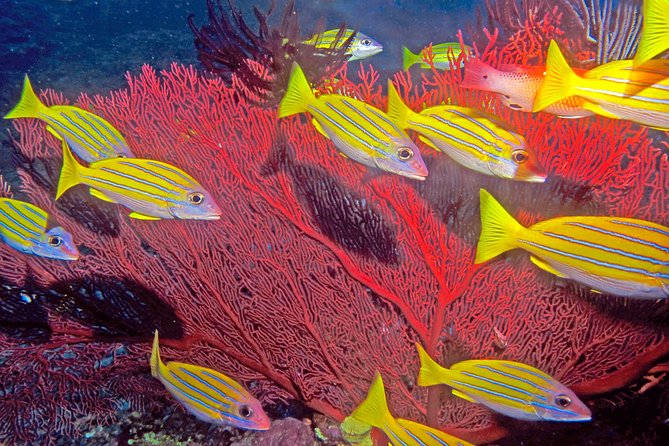
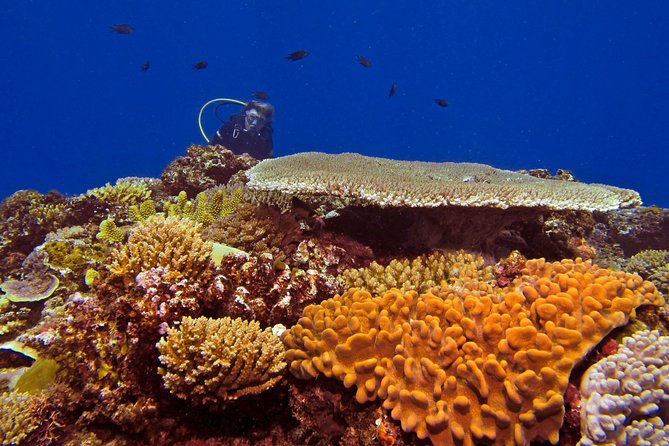
The outing includes two introductory underwater sessions, and the sites can differ from one another. That variety helps make the day feel more substantial than a single short trial. One site may give you a different view of the coral, fish, or reef contours than the next.
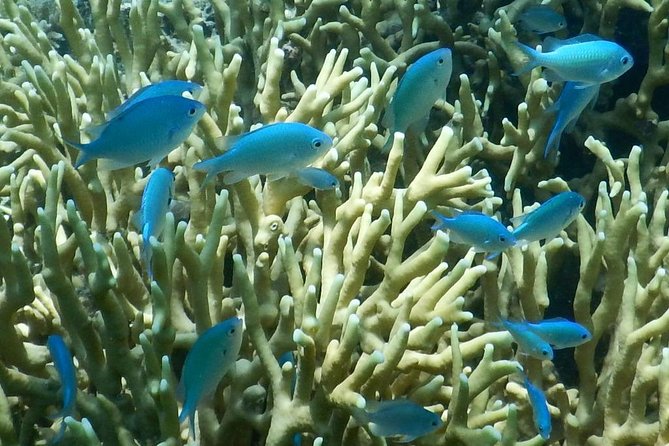
The marine life is a major reason to choose this over simply snorkeling from shore. Underwater, you can spend more time looking closely at the reef and watching fish move through the coral. Sightings reported from these outings have included large turtles, colorful tropical fish, clownfish, and a reef shark resting on the sand.
You should treat those animals as possible sightings, not guarantees. Marine life changes with conditions and location. The value is having a guide who can point out what you might otherwise miss and keep you moving safely through the site.
The reef can also feel more dramatic because your attention is not split between staying afloat and looking down. That said, snorkeling may still be the better choice if you dislike wearing a regulator, have strong concerns about your ears, or simply want a more relaxed surface activity.
Same water, a completely different day underwater:
- Silfra: Diving Between Tectonic Plates – Meet on Location
★ 5.0 · 2,139 reviews - Ocean Freedom Great Barrier Reef Luxury Snorkel and Dive Cruise
★ 5.0 · 1,895 reviews - Beginner Scuba Diving with Turtles and Videos, San Juan
★ 5.0 · 1,743 reviews - Tenerife: Your First Scuba Diving Experience in Turtle Area
★ 4.7 · 1,679 reviews
A crew that works well with nervous beginners
The strongest part of this experience is the human support. The crew’s job is not only to get you underwater. It is to help you stay there calmly enough to enjoy it.
First-time participants can be nervous even after booking. One person may be comfortable in the sea but uneasy about breathing through equipment. Another may panic as soon as the mask goes on. The staff are used to adjusting their approach, explaining each step again, and giving you time rather than pushing you forward.
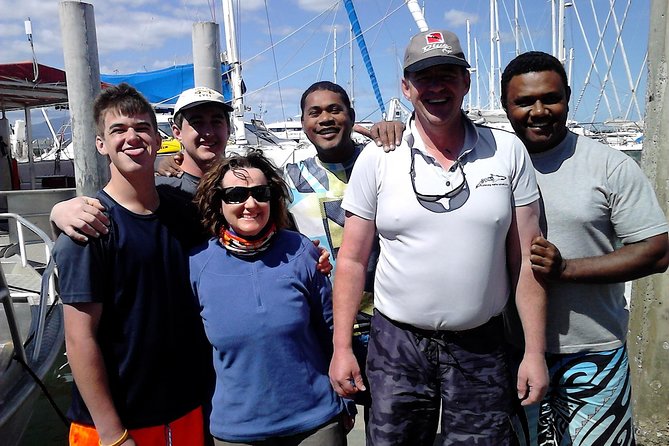
The personal stories connected to this activity include a grandmother and grandson taking their first underwater session together, a 14-year-old experiencing her first session with her mother, and families whose children became eager to try more. Those examples show how the format can work across generations.
Andrew is the main contact associated with the operation, and Sharon, Monika, and captain Villi are also specifically praised for their roles. Sharon is noted for explaining sea life and the surrounding area, while Villi handles the boat. The crew’s attention to welfare is more important here than flashy presentation. For a beginner, a calm instructor is worth far more than a fancy boat or a long list of extras.
What the shared boat format means

This is not a private charter built only around your family. You join the regular daily boat trip, which may include certified participants as well as other people trying scuba for the first time.
That arrangement can be good value. The boat, crew, equipment, and reef access are shared across the group, while beginners still receive direct instruction. It also lets a certified person and a non-certified partner or family member enjoy the same day on the water.
The trade-off is that the schedule and pace are not entirely yours. You may wait while equipment is organized or while other participants prepare. The day is structured around two sessions rather than a custom private program.
With a maximum of eight people, the group remains relatively small. That limit is especially useful for children and nervous adults, since the crew can keep a close eye on each person. You should still ask the operator about your specific needs if you have a physical impairment. The activity information says people with physical impairments are welcome, but suitability depends on the individual circumstances.
Is $230.48 good value?
At $230.48 per person, this is one of the pricier half-day activities you might consider in Fiji. The cost includes the necessary equipment, instruction, boat transport from Port Denarau, two introductory reef sessions, and the support of trained staff.
I see the value in the level of supervision. You are not renting equipment and trying to work things out with a large crowd. You receive guidance before entering the water, help with your first descent, and an instructor who stays with you underwater.
The price also covers access to reef sites farther from shore. The longer boat ride may be a drawback, but it takes you beyond a simple beach activity and into a more dedicated marine outing.
This is good value if trying scuba has been a long-held goal, or if you want a shared family memory that snorkeling cannot quite provide. It is less compelling if you are already a confident snorkeler and mainly want a cheap way to see fish. In that case, the cost may feel high for a first attempt.
Who should book this experience?
I would recommend it to adults who are curious but inexperienced, families with children aged 10 and up, and couples where one person is certified and the other is not. The format also suits people who feel nervous and want an instructor to remain physically close.
It is especially useful for someone who has avoided scuba because of fear. The crew can slow the process down, repeat the instructions, and help you through the first moments in the water. You do not need to arrive with technical knowledge.
You should think twice if you dislike boat travel, need a private schedule, or want a full certification course. This is an introductory activity designed to give you the experience, not to qualify you as an independent scuba diver.
Wear practical swim clothing and plan for a full morning. The boat returns to Port Denarau, but you should not assume you will be finished quickly enough for a tightly scheduled lunch or transfer. Confirmation is normally provided at booking, though bookings made within 18 hours of departure are confirmed as soon as possible and depend on availability.
Free cancellation is available up to 24 hours before the start time for a full refund. Last-minute changes or cancellations are not refunded, and poor weather can lead to a new date or full refund.
Should you book Whitetip Marine Adventures?
Book it if you want a carefully supervised first taste of Fiji’s reef and you value patient instruction over a rushed, low-cost outing. The strongest reasons are the small group, the close support from instructors such as Sharon and Monika, and the chance to share the experience with children or a non-certified family member.
I would skip it if you are uncomfortable with a fairly long boat ride or want a private trip. For everyone else, the $230.48 price buys more than equipment and transport. It buys a structured introduction, two reef sessions, and the reassurance that you will not have to manage your first underwater experience alone.
FAQ
Where does the experience start?
It starts at Port Denarau Marina, Port Denarau Terminal, on Denarau Island, Fiji.
What time should I arrive?
The stated start time is 8:30 a.m.
How long does the activity last?
The experience lasts approximately five hours.
Where does the activity finish?
It ends back at the meeting point at Port Denarau Marina.
What is the minimum age?
The minimum age to take part is 10 years old.
Is a pool session required first?
No. You receive instruction on the boat and continue the basic training in shallow water beside a coral reef.
How many people can join?
The maximum group size is eight participants.
Is equipment included?
Yes. The necessary introductory equipment is provided.
Do I need previous scuba experience?
No. The activity is designed for people who are not certified and have never tried scuba before.
What happens if the weather is poor?
If poor weather causes the activity to be canceled, you will be offered another date or a full refund.
Just added around the world
- Zakynthos: Scuba Diving Experience with Underwater Photos★ 4.5 · 31 reviews
- Zanzibar 1 Day Scuba Diving Course for Beginners with Lunch★ 5.0 · 9 reviews
- Zanzibar : 3-Day PADI Open Water Scuba Diving Adventure★ 4.9 · 6 reviews
- West Palm Beach: Beginner Scuba Diving Adventure with Videos★ 4.8 · 99 reviews
- Oahu: Waikiki Discovery Scuba Diving for Beginners★ 4.8 · 99 reviews
- Zanzibar: 1 Day Blue Trip with 2 Stunning Scuba Dives★ 4.9 · 4 reviews
- Villasimius: Capo Carbonara First Time Dive with Instructor★ 4.9 · 50 reviews
- Visit Cham Islands & Snorkelling & Scuba Diving★ 3.8 · 17 reviews