
REVIEW · ITALY
Try Scuba Diving and Underwater Roman Ruins in Baia from Naples
Baia’s Roman ruins sit below the Bay of Naples, where mosaics, walls, and other ancient remains rest beneath the sea. This small-group scuba experience gives beginners a careful introduction before two guided descents, while certified participants can choose a more advanced option.
I like the patient instruction and the chance to see Roman art in its real setting rather than behind museum glass. I also like the flexible choice between scuba and snorkeling. The main catch is that the famous statue site is only one of Baia’s seven underwater locations, so you may see mosaics instead unless you request the statue site ahead of time.
Key points to know before booking
- Two underwater descents are included: You learn the basics first, then enter the water with an instructor.
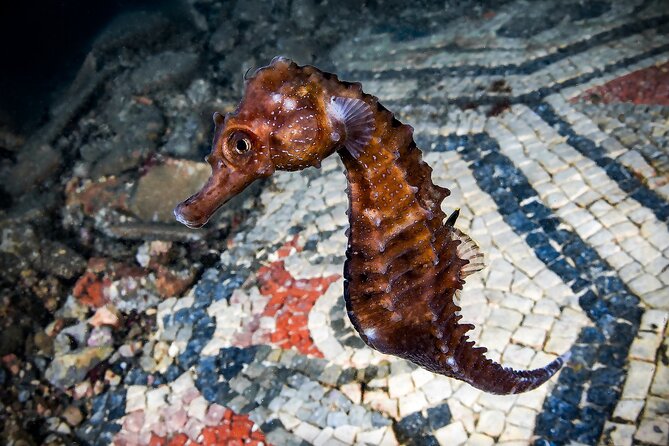
- The Roman mosaics are often the star: They can be nearly 2,000 years old, and some participants report getting close enough to touch ancient artifacts.
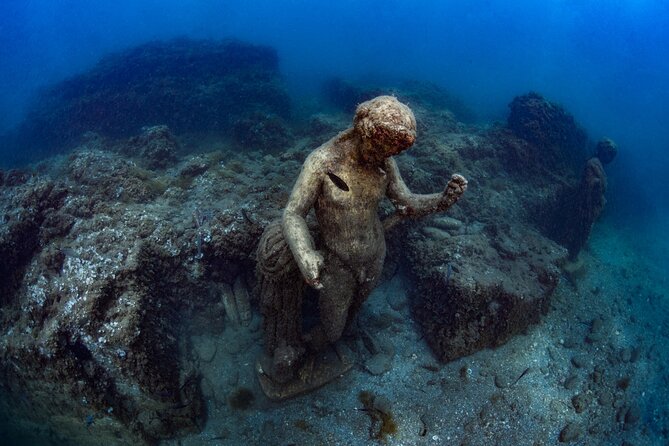
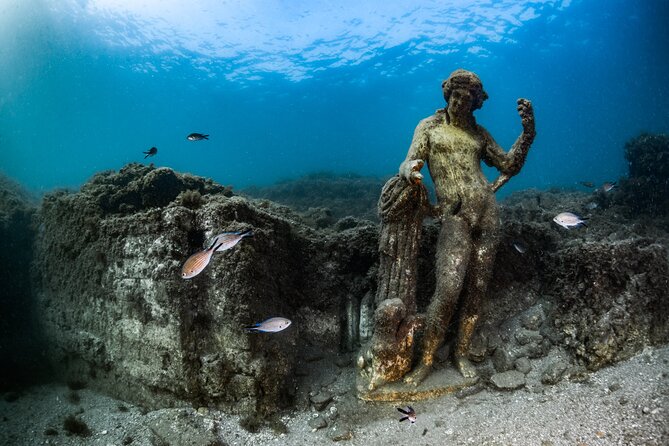
- The statues are not guaranteed: Only one of the seven sites contains them, and they are replicas. The originals are in a museum.
- The group is limited to four people: That matters for beginners who want close guidance.
- Alex is one instructor praised for calm support: Staff also provide a briefing about what you will see.
- Plan for an extra 75 euros from Naples: The vehicle cost is paid directly to the driver and is not included in the listed price.
Baia’s Roman town beneath the Bay of Naples
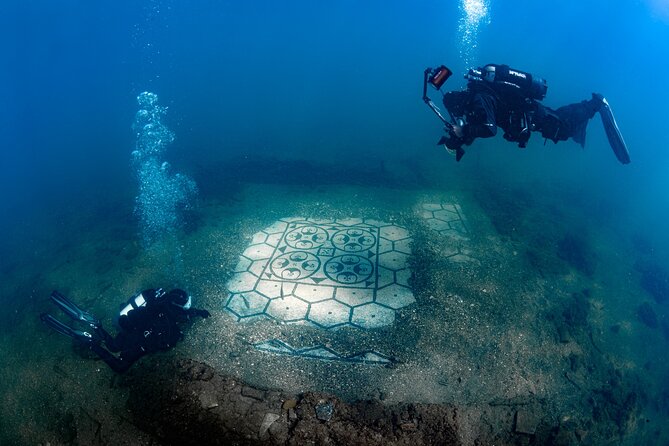
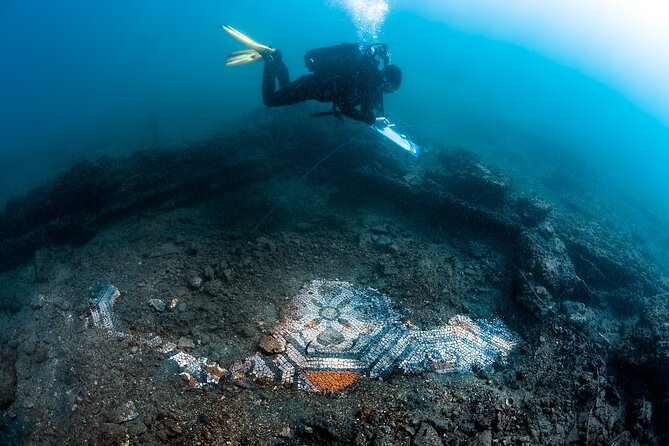
Baia was a Roman resort area on the coast near Naples. Its remains now lie underwater, where changes in the land and sea left portions of the old settlement below the surface. Instead of walking through a ruined street, you move above ancient walls, mosaics, and other archaeological remains.
That setting gives the activity its real appeal. You are not simply looking at a sunken object placed for display. You are seeing Roman decoration and building remains where they ended up, covered by seawater and sand. The water adds a sense of mystery, but it can also affect visibility, so the exact site matters.
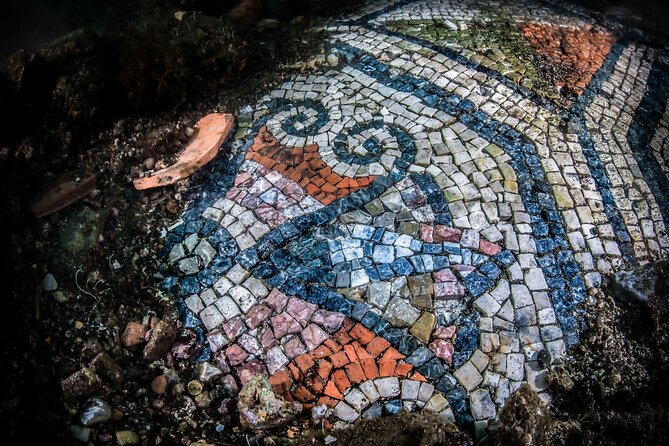
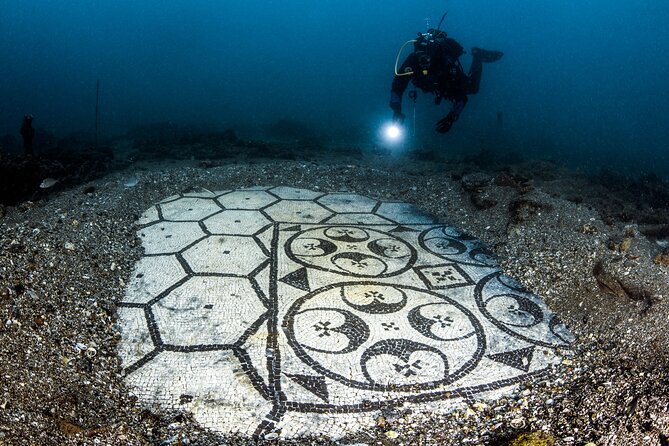
The marine archaeological park contains seven possible underwater locations. One has statues connected with Emperor Claudius’s Nymphaeum. Those figures are replicas, not the originals, which are kept in a museum. The mosaics and other remains are original archaeological material, and the mosaic site can be the stronger experience when visibility at the statue location is poor.
This distinction is important when you study the photographs before booking. Pictures may show both statues and mosaics, but one outing does not promise every site. The weekly schedule depends on the marine park management, and the crew may select a site based on availability and underwater visibility.
More first-time dives in Italy:
- Exciting PADI Discover Scuba Diving Experience Isola Bella Marine Park Taormina
★ 5.0 · 96 reviews - Sea Baptism Scuba Experience in Polignano a Mare
★ 5.0 · 87 reviews - Napoli: Dive or Discover Scuba Diving in the Park of Baia
★ 4.9 · 79 reviews
Your five-hour introduction to scuba
The experience begins with an explanation of basic scuba use from a certified instructor. If you are new to the sport, this is the point where you learn how the equipment works and how to behave underwater. The instruction is designed for a first experience, not for someone who already holds a certification.
You then receive scuba equipment and take part in a briefing about the two planned descents. The briefing matters more here than it might at a normal recreational beach outing. You need to understand how to manage yourself near fragile archaeological remains, how to follow the instructor, and what you are likely to see at the selected location.
Expect a calm, supervised introduction rather than a quick handover of gear. One participant described being nervous before starting and feeling well supported throughout. That is exactly the sort of help you want for a first attempt. Alex was singled out for especially strong instruction, while the wider team has also been praised for careful explanations and safety checks.
Once you are ready, you make the first underwater visit with the instructor. A second descent is included, giving you a chance to settle into the equipment and feel more comfortable after the initial nerves. For a beginner, the second session may be the more enjoyable one because you already know what breathing through the regulator feels like.
The full outing lasts about five hours. That includes the preparation, instruction, equipment use, and time at the archaeological sites. It is not a quick add-on that fits neatly between two short city stops, so leave a good part of your day free.
What you may see below the surface
The most likely highlight is the ancient mosaic work. Roman mosaics can be difficult to appreciate in a museum because they are often mounted flat, separated from their original rooms, and viewed behind barriers. At Baia, you see the patterns as part of a submerged archaeological setting.
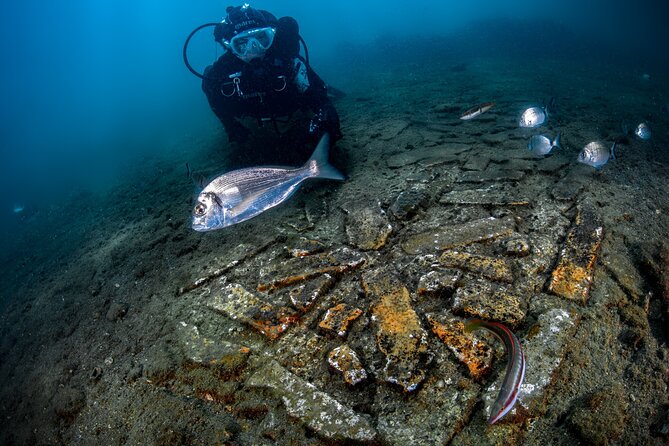
Ancient walls, floors, and other remains may emerge from sand on the sea bottom. The exact view depends on the site chosen and on visibility that day. Clear water can reveal more detail, while poor conditions may make a site with fewer objects the wiser choice.
The statue location is visually memorable, but it should not be the only reason you book. There are seven possible sites, and only one includes the statues. The statue figures are copies, so a mosaic site can offer the more meaningful encounter with original Roman material.
If seeing the statues is essential to you, contact SuBaia Diving Center before the day of the activity and ask for that specific location. Advance notice does not appear to guarantee access, since the park management controls availability, but it gives the operator a chance to plan around your request.
You may also be able to get very close to artifacts. One participant described touching ancient material, but you should follow the instructor’s directions carefully. Archaeological remains are fragile, and the right approach is to treat every wall, floor, and object as protected heritage, not as an ordinary seabed curiosity.
Snorkeling, beginner scuba, and certified options
You do not have to be a certified scuba participant to take part. The Try Scuba program is intended for beginners, with an instructor guiding you through the basic process before the underwater sessions.
Certified participants can choose a more advanced scuba option. That makes the site useful for a mixed group, provided each person books the correct level. Snorkeling is also available, giving non-divers a way to see the underwater ruins from above.
The three choices suit different kinds of visitors:
- Try Scuba: Best if you have little or no scuba experience and want instruction.
- Certified scuba: Best if you already hold certification and want a more active visit to the archaeological park.
- Snorkeling: Best if you prefer to stay at the surface or do not want to use scuba equipment.
The supplied details do not specify how much of the ruins a snorkeler can see compared with a scuba participant. If your main goal is close viewing of mosaics, ask the operator which site and activity fit that aim before you commit.
A few more dives around Italy worth comparing
- Polignano a Mare boat tour emotions, caves, diving and appetizers
★ 5.0 · 1,022 reviews - Catania: Gulf Scuba Diving Tour with Marine Biologist
★ 4.9 · 212 reviews - Diving for patented divers
★ 5.0 · 175 reviews - Diving for certified divers with PADI 5* Diving Resort – Taormina
★ 5.0 · 167 reviews
Why the maximum group size of four matters
A maximum of four participants is a real advantage for an introductory experience. Small groups make it easier for the instructor to watch everyone, answer questions, and adjust the pace when someone feels anxious.
It also reduces the feeling of being processed through a large activity operation. You have more room to hear the explanation and understand what is happening before entering the water. For a first scuba experience, that personal attention may matter more than having a long list of included extras.
The group limit does not mean the outing will feel private from start to finish. You still work within the marine park’s schedule and site rules. It simply gives you a better chance of direct contact with the instructor during the preparation and underwater sessions.
Most people can participate, but scuba still requires you to be comfortable following instructions and managing the physical demands of the activity. If you are unsure about your suitability, contact the operator before booking rather than waiting until the morning of the outing.
Getting there from Naples
Pickup is offered, but the vehicle cost is separate. The stated charge is 75 euros from Naples, paid directly to the driver. An air-conditioned vehicle is not included in the listed tour price, so account for this extra amount when comparing the total cost with other activities.
This is an important practical detail. The advertised price is $263.08 per person, but a person booking alone may also need to consider the 75 euro transport charge. If several people share that vehicle, the per-person cost may feel more reasonable. Confirm the pickup arrangement and final transport cost before setting your budget.
The activity is offered in English and uses a mobile ticket. Confirmation arrives when you book. Since the visit lasts around five hours and includes travel from Naples, avoid scheduling a tight museum reservation, train departure, or flight afterward.
The tour is often reserved well ahead of time, with an average booking lead time of 41 days. That is a useful warning for anyone visiting Naples during a busy season. A small four-person group has limited capacity, so last-minute availability may be less reliable than for a standard city tour.
Is $263.08 a fair price?
The price is high compared with a simple sightseeing boat ride, but the comparison is not quite fair. You are paying for instruction, scuba equipment, two underwater sessions, archaeological access, fees, bottled water, and a small group rather than only transportation and a view.
For a beginner, the included equipment and certified instruction remove several costs and decisions. You do not need to arrange a separate lesson and then find another way to visit Baia. The two sessions also give you more than a single short attempt.
The value depends heavily on your expectations. If you want guaranteed statues, this price may feel disappointing because that site is not always selected. If you are happy to see original mosaics and other Roman remains, the experience offers something far less ordinary than a typical coastal excursion.
The transport charge changes the calculation. Add the 75 euros from Naples, especially if you are booking alone. I would compare the combined cost against other scuba experiences in the area, but I would not judge this activity only by the price of a normal guided tour.
Weather, visibility, and site selection
Good weather is required. If poor weather forces cancellation, you are offered another date or a full refund. That policy gives you some protection, but it also means you should keep a little flexibility in your Naples schedule.
Visibility is another variable. The operator may choose a mosaic site instead of the statue location when the water is not clear enough. That can be frustrating if you arrived focused on the figures, but it may produce a better archaeological experience overall.
The underwater park’s management also affects the schedule. The operator plans sites by week according to availability. The team may often visit an iconic location, but the choice can change. Ask about the planned site before setting out, and make your preference for the statue location clear in advance.
Who will enjoy this most?
This suits you if you want an unusual archaeological experience and are willing to accept some uncertainty about the exact underwater site. It is especially appealing if you have always wanted to try scuba but do not want to commit to a full certification course first.
It also works well for certified scuba participants who want to combine their hobby with Roman archaeology. Snorkelers have an option too, although you should ask what can be seen from the surface at the selected site.
I would be cautious if you dislike open-water activities, need a guaranteed attraction, or have only a few hours before another fixed appointment. The five-hour schedule, weather requirement, site changes, and separate transport cost all deserve attention.
The strongest praise goes to the instructors. Patience, clear briefings, and a calm approach matter a great deal when you are breathing underwater for the first time. The experience is not simply about ancient ruins. It is also about having an instructor who helps you feel safe enough to notice them.
Should you book the Baia underwater ruins experience?
Book it if the idea of seeing original Roman mosaics beneath the sea excites you more than checking off a single landmark. The small group, two underwater sessions, equipment, and patient instruction make this a strong first scuba experience, especially with an instructor such as Alex.
Before paying, ask which archaeological site is planned and specifically request the statue location if that is your priority. Also add the 75 euro Naples transport charge to your budget and leave room for weather changes.
I would choose this for an adventurous half-day near Naples, with the understanding that the mosaics may be the main reward. If you need guaranteed statues, a short schedule, or a fixed all-inclusive price, choose another activity. If you want Roman history in an unexpected setting and can accept changing conditions, this is a memorable use of your time.
FAQ
Is scuba experience required?
No. Beginners can take part through the Try Scuba program with instruction from a certified instructor. Certified participants can choose an option suited to their experience.
Are two underwater sessions included?
Yes. The experience includes instruction, equipment, and two underwater descents with an instructor.
Will I definitely see the underwater statues?
No. Baia has seven underwater sites, and only one contains the statues. Site access depends on availability from the marine park management and the conditions. Ask for the statue location before the activity.
Are the statues original?
No. The statues at Emperor Claudius’s Nymphaeum site are replicas. The original statues are in a museum.
Is transportation from Naples included?
Pickup is offered, but the air-conditioned vehicle is not included in the listed price. The stated cost from Naples is 75 euros, paid directly to the driver.
What happens if bad weather cancels the activity?
You can receive a different date or a full refund if the experience is canceled because of poor weather. You can also cancel for a full refund up to 24 hours before the start time.
Just added around Italy
- Villasimius: Capo Carbonara First Time Dive with Instructor★ 4.9 · 50 reviews
- Villasimius: Scuba Dive in Capo Carbona without Certificate★ 4.9 · 23 reviews
- Discover Scuba diving in Calabria, Italy★ 4.5 · 3 reviews
- Scuba diving in Calabria, Italy★ 5.0 · 23 reviews
- Double dive in the Punta Campanella Marine Protected Area★ 5.0 · 11 reviews
- Guided diving for beginners without certification from Sorrento★ 5.0 · 22 reviews
- Discover Scuba Diving PADI – Trial dive in Sorrento★ 5.0 · 2 reviews
- Try Scuba Dive (baptism of the sea)★ 5.0 · 5 reviews
Discover Scuba Diving, compared.
Half-Day Scuba Diving Tour – Discover Scuba Diving!
Read our review →
2 Days Discover Scuba Diving in Nusa Lembongan – Scuba Initiation
Read our review →Lists this dive appears in