
REVIEW · ARUBA
Aruba PADI Scuba Diving Program Non Certified Divers
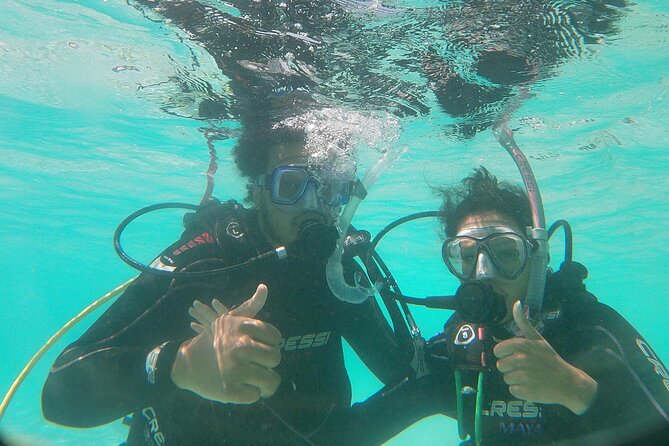
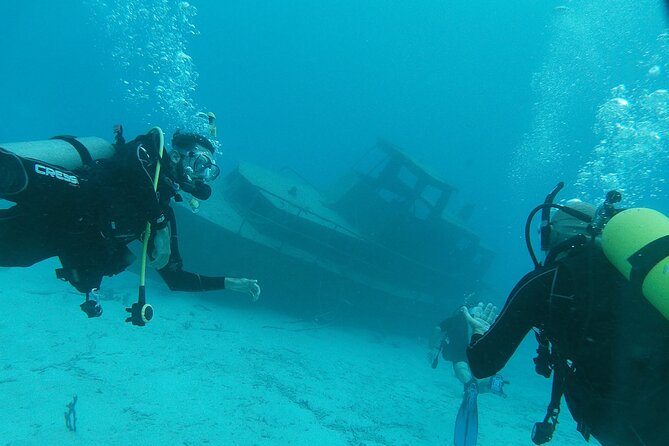
Aruba’s Mangel Halto Reef gives first-time scuba guests a gentle introduction before the real underwater outing begins. You start with a video, reading, and quiz, practice key skills on land and in shallow water, then head into the open water under close supervision. Some sessions reach about 40 feet and may include coral, fish, and a shipwreck site.
I like the maximum group size of four, which gives your instructor room to watch each person closely. I also like that the price includes gear, water, and small snacks, so you do not need to arrange the basics yourself.
The main consideration is timing. The program takes about three hours, but equipment setup, video viewing, and skill practice can make the start feel slow. Also, last-minute changes are tightly restricted, so confirm pickup details and your schedule before the 24-hour cancellation window closes.
Key points to know before you book
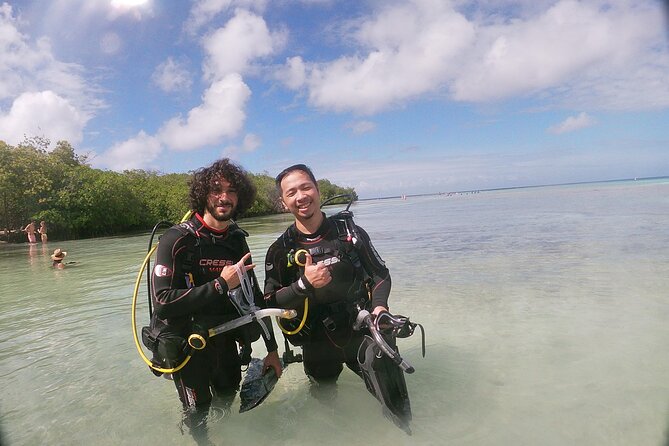
- Small groups: No more than four people share the session, allowing close supervision.
- Three-stage instruction: Expect a land lesson, shallow-water practice, and a supervised open-water outing.
- Mangel Halto Reef: The setting includes coral, fish, and possible shipwreck viewing.
- All basic gear included: Equipment, drinking water, bananas, and chocolate are provided.
- Several praised instructors: Carlos, Javier, Sebastian, Gio, Izhar, Jolene, and David have all been singled out for calm, patient instruction.
- Not a certification: You receive a Certificate of Completion, but not an open-water scuba qualification.
What the $99 Mangel Halto experience really offers
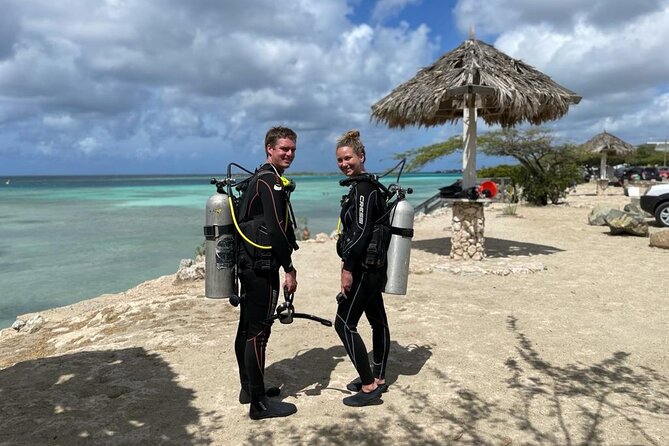
At $99 per person, this is priced as a first taste of scuba rather than a full training course. You are paying for instruction, equipment, supervision, and access to an underwater setting without committing to the longer study and practice required for certification.
That makes the program good value if you are curious but not ready to spend several days earning a license. It is also useful if you completed classroom work years ago and want to regain confidence before signing up for formal certification.
The value depends heavily on what you want. You will not leave Aruba certified to scuba independently. You will leave with a guided introduction, basic skills practice, an underwater session, and a clearer idea of whether you want to continue.
The high satisfaction level, listed at 4.8 out of 5 from 99 ratings with 96 percent recommending the experience, fits the strongest feature here: patient personal attention. Several instructors are praised by name, especially Carlos, Javier, Sebastian, and Gio. The repeated theme is not fancy equipment or a long itinerary. It is the calm way instructors help nervous beginners get comfortable.
More beginner dives in Aruba:
- Small-Group Aruba Scuba Diving for Non-Certified Divers
★ 5.0 · 194 reviews - Private First-Time Dive on Aruba’s Reef and Wreck Site
★ 5.0 · 192 reviews - Half-Day Aruba Intro Diving Course for Beginners
★ 4.5 · 97 reviews
The first 20 minutes: video, reading, and a short quiz
The session begins with about 20 minutes of video instruction. You also read the PADI program book and take a quiz before entering the water.
This part may feel formal compared with a typical beach activity, but it matters. Scuba requires more than putting on a mask and breathing through a regulator. You need to understand basic equipment, underwater communication, pressure equalization, and what to do if something feels wrong.
One person who had completed PADI training many years earlier found this portion useful as a refresher. Another person felt the preparation and equipment organization took a while. I would plan for that possibility rather than treating the three-hour estimate as three full hours underwater.
At the end, you receive a Certificate of Completion. Keep its meaning clear: it records that you finished the introductory program, but it is not a scuba certification.
Shallow-water practice before the reef
The next stage takes place in shallow water. Here you work through basic skills while the instructor watches and helps you adjust.
This is the most important part for a first session. The shallow setting gives you time to get used to the mask, breathing equipment, buoyancy, and water pressure before moving farther out. If you feel nervous, this is the point to speak up. The instructors are there to repeat instructions, slow things down, and decide when you are ready to continue.
The strongest accounts of this program describe instructors who stayed beside beginners, checked comfort levels, and dealt patiently with trouble equalizing pressure. One instructor brought a nervous participant back in as soon as she had had enough. That is exactly the kind of judgment you want in an introductory session.
Do not measure success by how quickly you reach the reef. A careful start is better than rushing into deeper water with poor breathing control or a badly fitting mask.
The program is described for non-certified participants, and no previous scuba experience is required. Still, you should expect a moderate level of physical fitness. The information does not establish a swimming standard, so if you are not a swimmer or have concerns about water confidence, ask the operator directly before booking. A willingness to communicate clearly is essential.
Mangel Halto Reef and the open-water outing
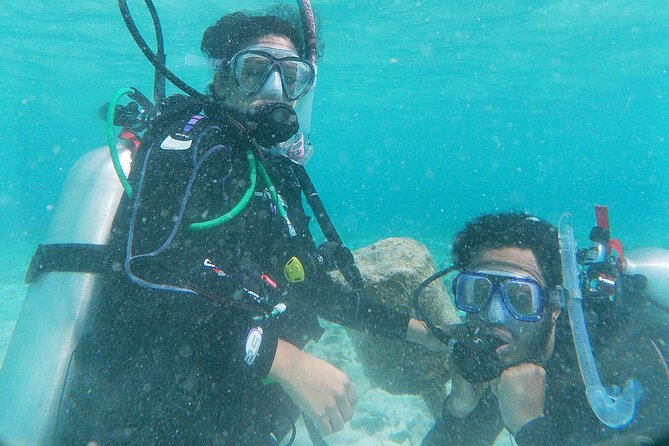
Once you have completed the land and shallow-water work, you continue to Mangel Halto Reef for the open-water portion.
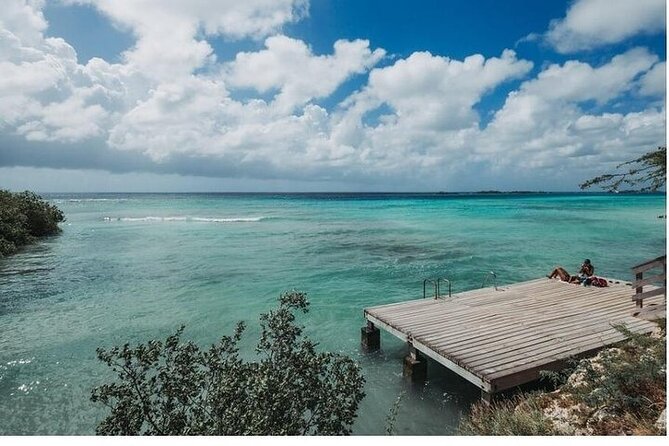
The reef setting is the reason to choose this activity instead of stopping after a pool-style lesson. You may see coral and fish, and several outings included a shipwreck site. One account describes the main underwater portion as about 45 minutes, though the overall program lasts roughly three to four hours.
Some sessions may reach around 40 feet. The exact conditions and route can vary, so do not book this expecting a guaranteed wreck tour or a fixed list of marine life. The appeal is the chance to experience Aruba below the surface while remaining under direct professional supervision.
This is not a solo adventure. Your instructor controls the pace and stays responsible for the group. That matters when one person feels comfortable quickly and another needs more time. A group of four is small enough for the instructor to keep track of individual needs, though it is still a shared session rather than a private appointment for every person.
The reef is also a good place for a first attempt because the experience combines scenery with instruction. You are not only practicing skills. You are learning how those skills let you breathe, move, and observe underwater.
More dives for certified divers in Aruba:
- Aruba 2-Tank Dive Excursion for Certified Divers
★ 4.5 · 230 reviews - Aruba Certified Scuba Diving
★ 5.0 · 182 reviews - Aruba 2-Tank Guided Dive for Certified Divers / rental equipment
★ 4.5 · 70 reviews - Guided Padi Discover Scuba Diving for Non-Certified Divers
★ 5.0 · 33 reviews
Instructors who shape the experience
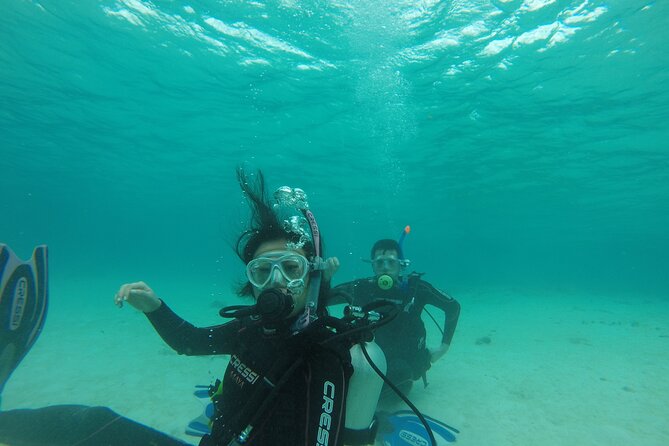
The human side of this program matters more than the brochure details. Names associated with especially strong sessions include Carlos, Javier, Sebastian, Gio, Izhar, Jolene, and David.
Carlos is repeatedly described as calm and patient. He helped first-time participants through the steps slowly, stayed attentive in the water, and even assisted people who had completed some training but needed a refresher. Javier is praised for careful explanations and close attention, including one session where a participant felt unwell after returning from the water.
Sebastian helped beginners understand the rules and worked with people who had trouble equalizing pressure. Gio is described as steady and reassuring when nerves appeared at the start. Izhar, Jolene, and David also received praise for helping a family group feel safe and comfortable.
Of course, instructor assignments can change. You cannot book a specific teaching style with certainty unless the operator confirms it. Still, the repeated names give you useful expectations: the best part of this activity is likely to be the quality of the personal coaching, not speed or spectacle.
Some instructors also use a GoPro and may record underwater video. Treat this as a possible extra, not a guaranteed inclusion. One account specifically valued receiving footage, while the supplied information does not promise photos or videos for every session.
Pickup, meeting point, and the practical side
The official meeting point is Ir. Luymesstraat 3 in Savaneta, Aruba. The activity ends back there.
Pickup is offered, and one cruise-port pickup was arranged directly outside the terminal. This can be useful if you are visiting Aruba for the day and do not want to arrange your own transport. Public transportation is also nearby.
Confirm the exact pickup place and time before the day of the activity. Cruise-port arrangements can be confusing, and one person had difficulty getting a clear meeting location until shortly before departure. Another session involved moving belongings between vehicles, which led to a misplaced shirt that was later found.
These are small logistical problems, but they matter when you have a cruise departure or another activity planned. Allow room in your schedule after the program. One session ran late enough to interfere with a later plan, and another person expected a different drop-off arrangement than the driver could provide.
The tour normally returns to the meeting point, so do not count on a beach drop-off unless that has been confirmed in writing. Pickup may also vary by location. Get the total arrangement clear before you set your day around it.
Snacks, equipment, and comfort
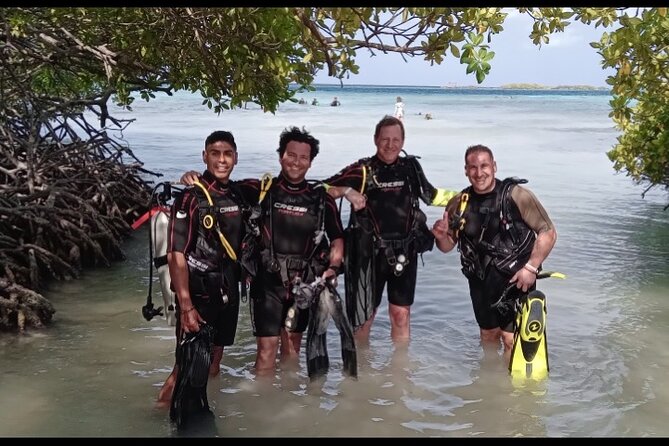
The price includes the scuba equipment needed for the activity. That saves you the trouble of renting or locating separate gear, and it is particularly helpful if you are arriving from a hotel or cruise ship.
Water is provided, along with bananas or chocolate. These are simple additions, but they are welcome after instruction, gear setup, and time in the water. You should still arrive prepared for a physically active half-day and tell the staff promptly if you feel unwell.
The experience is described as small and intimate, with no more than four participants. That is a major advantage for beginners. The instructor can watch breathing, posture, mask fit, and comfort more closely than on a large boat excursion.
The tradeoff is that a small-group operation may have less flexibility when schedules change. Confirm your arrival time and keep communication clear. Do not assume that a late reply or an informal message about rescheduling will override the stated cancellation terms.
Who should book this Aruba program?
I would recommend it to an adult or teenager who is curious about scuba, wants direct coaching, and prefers a small group. It also suits someone who began a certification course in the past but never completed the open-water portion, provided the operator agrees that this program fits the person’s needs.
Families can make it work, including a group with a 16-year-old, but every participant needs to be comfortable following instructions and communicating underwater. The maximum of four is helpful when family members have different confidence levels.
This is less suitable if you want a fast excursion with little classroom time. You will watch a video, read a book, take a quiz, and practice skills before reaching the reef. It is also a poor match if you need a guaranteed private session, fixed transportation arrangements, or a guaranteed camera package.
If you have medical, fitness, or water-confidence concerns, contact Nautilus Dive Center Aruba before booking. The activity requires moderate physical fitness, and the supplied information does not spell out every health or swimming requirement.
Timing and cancellation details worth noting
The program takes about three hours, though the full process can run closer to three or four hours depending on preparation, equipment, and group pace. I would avoid scheduling another important activity immediately afterward.
You can cancel for a full refund up to 24 hours before the start time. Changes made within 24 hours are not accepted, and the amount paid is not refunded for a late cancellation. The cut-off uses Aruba local time.
That rule is especially important for cruise visitors and families dealing with illness. If someone in your party may not be able to attend, contact the operator before the 24-hour point and get any approved change clearly confirmed. Do not assume you can substitute another person or move to a later time on the day.
Should you book it?
Book this program if you want a careful, supervised first look at scuba in Aruba, especially if personal instruction matters more to you than a packed itinerary. The small group, full equipment, patient teaching, and Mangel Halto Reef setting give the $99 price real value.
I would be cautious if your schedule is tight, you need fully guaranteed transport details, or you are uncomfortable with a formal lesson before the water. Confirm pickup, drop-off, swimming and fitness concerns, camera arrangements, and the exact start time before committing.
For a curious beginner who wants to test the waters without taking a full certification course, this is a sensible choice. Just treat it as an introduction, not a license, and give the instructors enough time to make the experience safe and enjoyable.
FAQ
Is this a scuba certification course?
No. It is the PADI Discover Scuba Diving program, designed as an introduction for people without certification. You receive a Certificate of Completion, but not an open-water scuba certification.
How long does the activity take?
The program lasts about three hours, with the full process sometimes taking three to four hours. Preparation, equipment setup, instruction, and shallow-water practice are included in that time.
Where does the activity begin and end?
The meeting point is Ir. Luymesstraat 3 in Savaneta, Aruba. The activity ends back at the meeting point.
Is pickup available?
Yes. Pickup is offered, including arrangements from the cruise-port area. Confirm the exact meeting place and drop-off plan before the activity.
How many people are in each group?
The maximum group size is four participants.
Is scuba equipment included?
Yes. The necessary scuba gear is provided. Water, bananas, or chocolate are also included.
What happens before entering the reef?
You watch about 20 minutes of video, read the PADI program book, take a quiz, and practice scuba skills in shallow water before the open-water portion.
What might I see underwater?
The Mangel Halto Reef area includes coral and fish. Some outings also visit a shipwreck site. A specific route or sighting is not guaranteed.
Can I cancel for a refund?
You can receive a full refund if you cancel at least 24 hours before the experience start time. Cancellations or changes made within 24 hours are not accepted and are not refunded.
More Dive Courses in Aruba
- Open Water Course – Become certified diver in 3 days
★ 5.0 · 1,137 reviews - Barcelona: PADI Discover Scuba Diving
★ 4.7 · 1,016 reviews - PADI Open Water Diver Course
★ 5.0 · 626 reviews - Tossa de Mar: PADI Discovery Scuba Diving in Costa Brava
★ 4.7 · 392 reviews
Just added around Aruba
- Private Dive at Shipwreck + Beautiful Reef Spot(Certified divers)★ 3.0 · 2 reviews
- Private Dive + videographer/Photographer (Certified divers only)★ 5.0 · 11 reviews
- Night Shore Diving Mangel Halto Aruba for Certified Divers★ 5.0 · 6 reviews
- Guided Padi Discover Scuba Diving for Non-Certified Divers★ 5.0 · 33 reviews
- Shore Dive Aruba for Certified Divers★ 4.5 · 33 reviews
- Boat Dive Shipwreck/ Airplanes/ Reef /2 tanks★ 4.0 · 13 reviews
- Half-Day Aruba Intro Diving Course for Beginners★ 4.5 · 97 reviews
- Aruba Flyboarding & Jetovator Experience: Fly Like a Bird & Dive Like a Dolphin★ 4.5 · 64 reviews
Scuba Diving Courses, compared.
Open Water Course – Become certified diver in 3 days
Read our review →
Heraklion: Beginner Scuba Diving Lesson with PADI Instructor
Read our review →
Discover Scuba Diving with No Certification in St Thomas
Read our review →
Try Dive – PADI Discover Scuba Diving in Tenerife
Read our review →
Lists this dive appears in