
REVIEW · THE PHILIPPINES
Bohol: Discover Scuba Diving – No Experience Needed
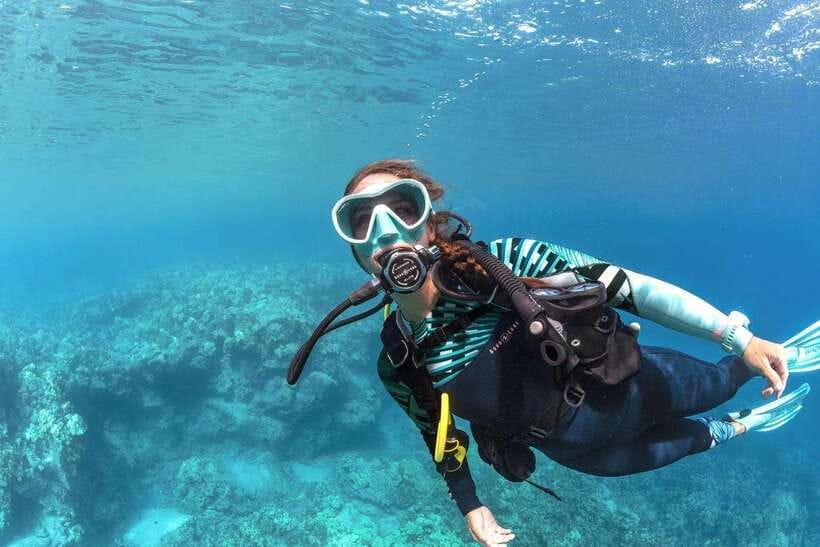
Bohol makes a fine place to try scuba for the first time, and this half-day session keeps the process simple: learn the basics, practice in shallow water, then head out by boat for about 30 minutes in the sea. You do not need a license or past experience, though basic swimming skills are recommended.
I like the patient, step-by-step format, especially for anyone who feels uneasy about breathing through a regulator. I also like that underwater photos and videos are included, so you can concentrate on getting comfortable instead of worrying about buying a camera package.
The main consideration is time. The open-water portion lasts about 30 minutes, so this is a first taste of scuba, not a full certification course or a long reef day. At $104, the price makes the most sense if you value the instruction, equipment, boat ride, marine fees, and photos bundled together.
Key Points
- No license needed: You learn the basic skills before entering the open sea.
- Two hours of preparation: A theory session and shallow-water practice help you get used to the equipment.
- About 30 minutes at sea: A professional instructor stays close and keeps the session within beginner-safe depths.
- Small group format: The group is limited to 10 people, allowing for more direct help than a large boat outing.
- Photos and videos included: You receive underwater memories without needing to bring a GoPro.
- Three languages available: Instruction is offered in English, Korean, and Tagalog.
Why Panglao Works for a First Scuba Session
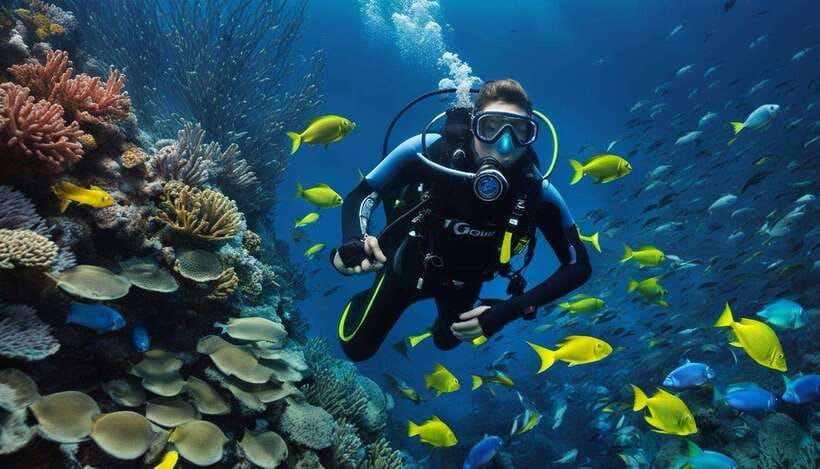
Panglao, on Bohol, is known for warm, clear tropical water and easy access to the sea. Those conditions matter when you are learning. You want to spend your attention on breathing, hand signals, and staying calm, not on cold water or poor visibility.
This session is built around confidence rather than speed. You first learn what the equipment does and how to communicate underwater. Then you practice in shallow water before setting off for the ocean.
That order is important. A first attempt can feel strange even when the instructions are simple. The mask, regulator, wetsuit, and other equipment create a new physical routine. Practicing near shore gives you time to adjust before the bottom drops away.
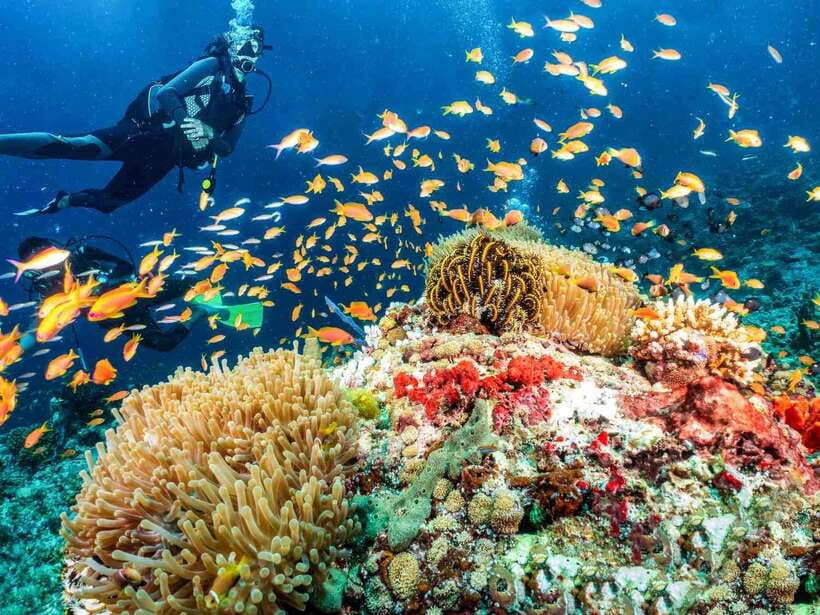
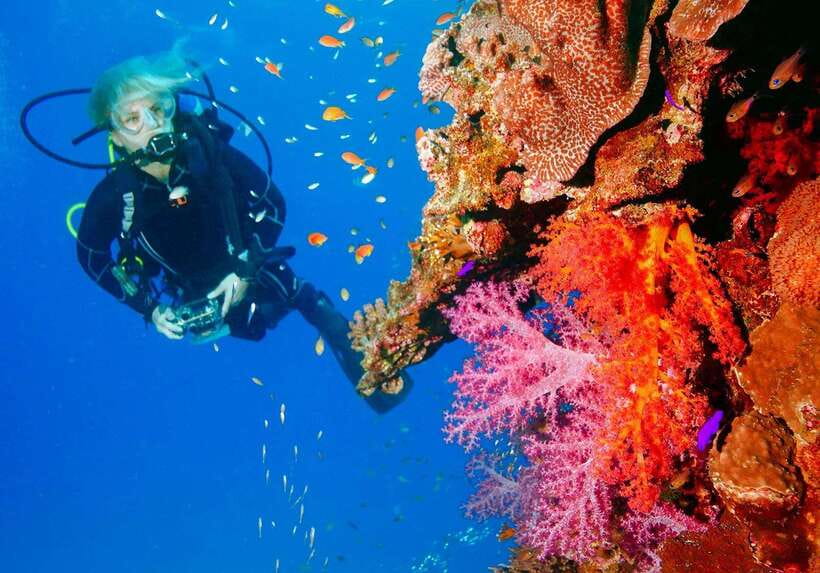
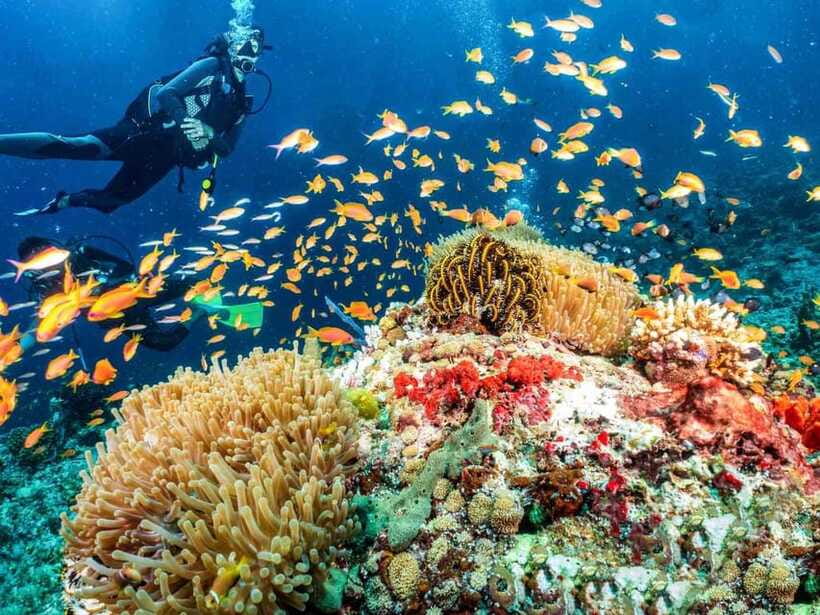
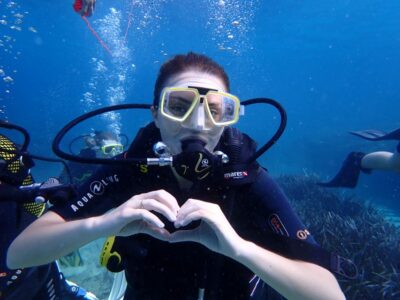
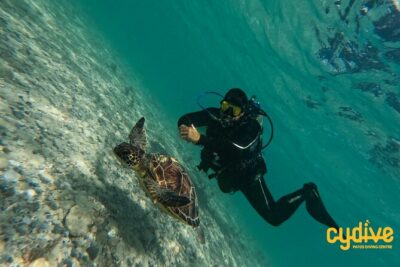
You may see coral reefs and tropical fish during the sea session. Sea turtles are possible on some outings, but they are not guaranteed, so I would book this for the chance to see marine life rather than for one particular animal.
More first-time dives in the Philippines:
- WaterColors – Discover Scuba Diving in Boracay
★ 5.0 · 127 reviews - Boracay: Introduction to Scuba Diving Experience
★ 4.8 · 104 reviews - El Nido: Discover Scuba Diving with Manta Rays in Sibaltan
★ 4.7 · 24 reviews
The First Hour: Learning Without Pressure
The session begins with about an hour of theory supported by video. You learn basic safety rules, breathing techniques, and underwater hand signals before handling the open-water portion.
This may sound like classroom time, but it is one of the most useful parts for a beginner. Scuba relies on a few habits that must become automatic. You need to know how to signal if you are uncomfortable, how to equalize pressure as you descend, and how to breathe through the regulator in a calm, steady way.
One useful tip is to equalize your nose often as you go down. Do not wait until you feel strong pressure. If you have trouble, tell the instructor right away and let the descent slow down or stop.
The instruction is available in English, Korean, and Tagalog. That gives you a better chance of understanding the safety material in a language that feels comfortable, though the booking details do not identify individual instructors by name.
The video portion also helps put the equipment and procedures in context. You are not expected to figure everything out by watching someone else once. The plan gives you time to hear the rules, see the basic actions, and then try them under supervision.
Shallow-Water Practice Before the Boat Ride
After the theory session, you spend about an hour practicing key skills in shallow water with a professional instructor. This is where the abstract instructions become physical.
You get used to wearing the mask and regulator, controlling your breathing, and responding to hand signals. You also have a chance to find out how the equipment feels before heading farther from shore.
For many first-timers, this is the make-or-break section. If the regulator feels unfamiliar or the mask needs adjustment, you can address the problem here. If you need the instructions repeated, this is the right time to ask.
The staff’s calm approach is especially useful for nervous beginners. One particularly practical point from the feedback on this activity is that the guides repeatedly reminded participants to equalize their noses while going down. That small reminder can prevent discomfort and helps you descend at a sensible pace.
Basic swimming ability is recommended. You do not need a certification, but you should be comfortable enough in the water to follow instructions and manage yourself during the session. The activity is not presented as a substitute for a swimming lesson.
Once you are ready, the instructor decides when to move on. You should not feel pressured to rush into the sea simply because the schedule has reached the next stage. The whole point of the shallow-water practice is to build enough comfort for the final portion.
About 30 Minutes in the Open Sea
The ocean portion lasts around 30 minutes and stays within beginner-safe depths. Your instructor remains close throughout the session and adjusts the pace to your comfort level.
That close guidance is the strongest reason to choose this format instead of trying to arrange equipment and instruction separately. You are not left to manage navigation, depth, or the route on your own. The instructor handles the safety side while you focus on breathing and looking around.
The water around Panglao offers the setting you want for a first attempt: coral, tropical fish, and the possibility of sea turtles. Conditions and sightings can change, so I would keep your expectations realistic. The best part may simply be the sensation of moving quietly underwater for the first time.
You will use the hand signals introduced earlier to communicate. If you feel nervous, need to stop, or want help with the equipment, tell the instructor rather than trying to solve the problem alone.
The 30-minute length is sensible for a first session. It gives you enough time to settle into the equipment and observe the underwater setting without turning the day into an exhausting technical exercise. It also means experienced scuba participants may find the activity too brief.
More beginner dives in the Philippines:
- First-Time Scuba Diving in Honolulu + Free Videos
★ 5.0 · 3,123 reviews - Beginner Scuba Diving with Turtles and Videos, San Juan
★ 5.0 · 1,743 reviews - Intro Diving 2 Stops For Beginners with Pick-up and Lunch – Hurghada
★ 5.0 · 1,146 reviews - Intro Diving Beginner and Discover Red Sea Underwater
★ 4.9 · 1,092 reviews
What the Equipment and Included Costs Mean
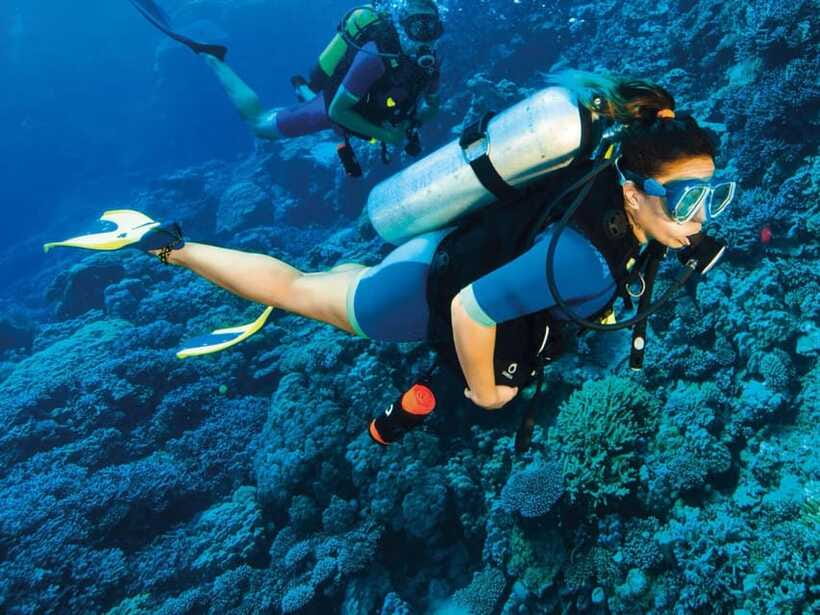
The $104 price includes the full equipment setup, including a wetsuit, mask, regulator, and related gear. Boat transportation and marine fees are also included.
That bundle matters in Bohol because separate charges can make a seemingly low starting price less useful. Here, you do not need to arrange a boat or pay marine access fees on top of the advertised amount.
Instruction is included for the theory lesson, shallow-water practice, and open-water session. You are paying for supervision as much as for the equipment. For a first attempt, that is the part I would value most.
Underwater photos and videos are included as well. You do not need to bring a GoPro, and the separate GoPro cost is not included. The included images give you a record of the occasion without adding another device to manage while you are learning.
The price does not include transportation to and from the dive center. Pickup can be arranged if requested, but you should confirm that arrangement before booking rather than assume it is part of the $104 rate.
A Small Group With Room for Questions
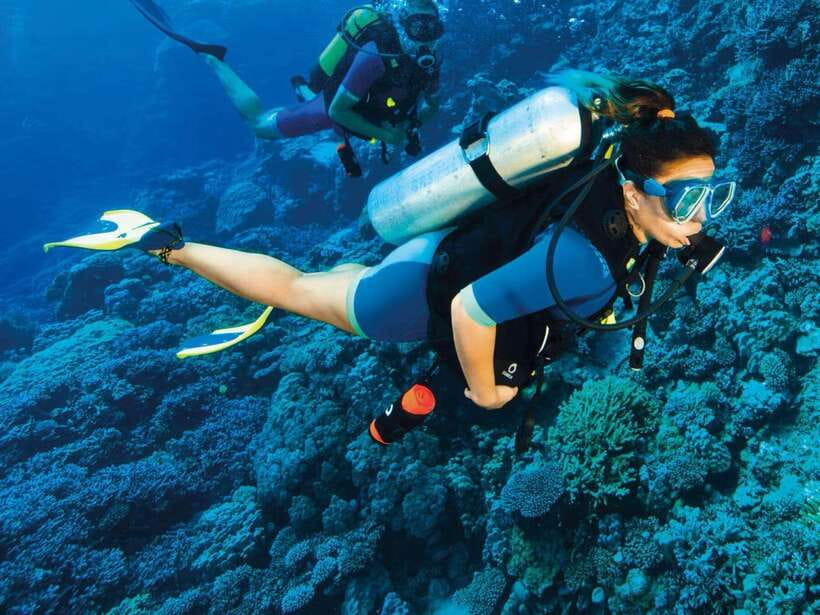
The group is limited to 10 participants. That is not a private lesson, but it is small enough to make direct help more realistic than in a crowded boat group.
Group size matters most during the theory and shallow-water stages. If several people are nervous or need equipment adjusted, the instructor has to divide attention. A limit of 10 keeps the session manageable, though the exact amount of individual time can depend on the group.
The professional instructor stays close during the sea portion. That is reassuring if this is your first time using scuba equipment, especially when you are still learning how to control your breathing and position.
The activity has earned a five out of five rating from four published bookings, with especially strong praise for the staff’s patience, clear explanations, and close support. One first-timer described feeling intimidated at the start, then much more confident because the staff stayed beside them and made the process easier.
I would treat that as a useful sign about the teaching style, not a promise that every person will feel instantly relaxed. Water comfort varies, and your reaction to the regulator or mask may be different from someone else’s. Still, the structure gives you several chances to ask questions and adjust.
Photos Without Managing a Camera
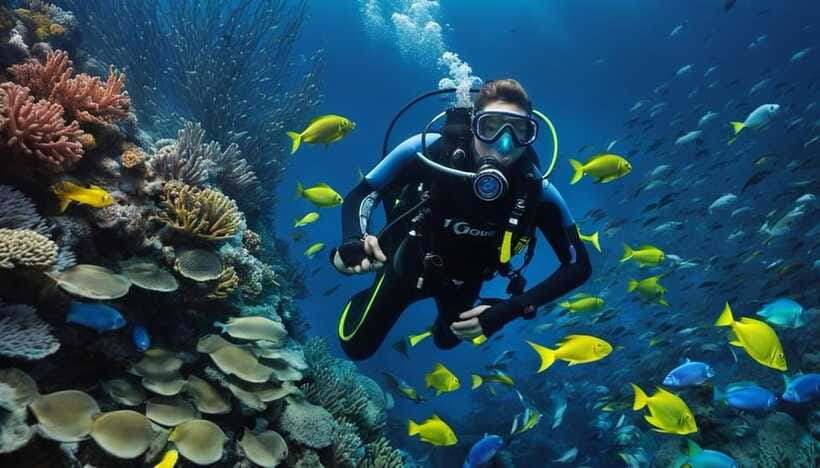
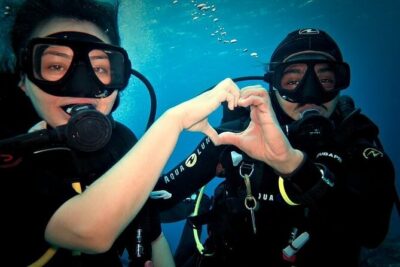
The included underwater photos and videos are a welcome touch. When you are learning scuba, holding a camera can distract you from breathing, listening, and staying with the group.
The staff take the images for you during the sea session. That leaves you free to watch the reef and fish rather than fuss with a waterproof case or borrowed camera.
You should not confuse this with a dedicated photography trip. The main purpose is instruction and a first underwater outing. The photos are a bonus record of the session, and the activity does not include a GoPro for you to use.
For many people, those images will be part of the value. A first scuba attempt is a memorable travel moment, and having photos makes it easier to share with friends or remember the setting later.
Who Will Get the Most From This Session?
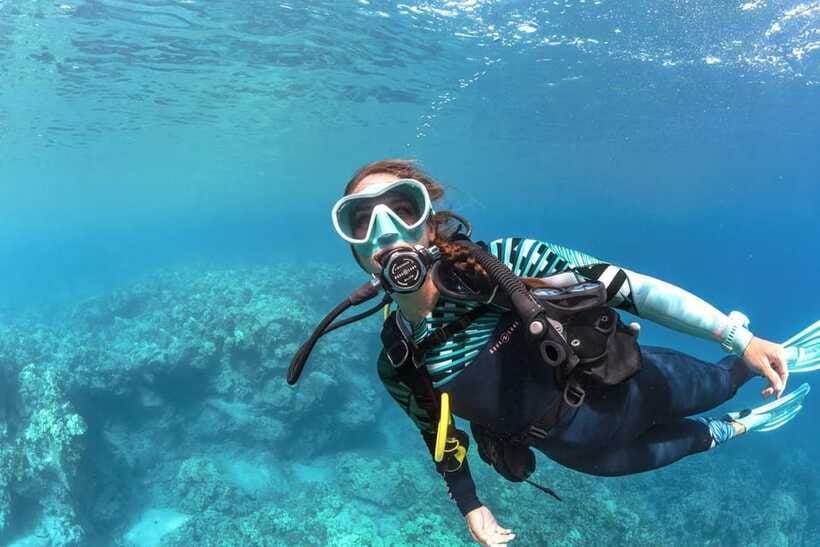
This is best for you if you are curious about scuba but do not want to commit to a certification course. It also fits a Bohol itinerary that has only a half-day available for a new activity.
You should have basic swimming skills and a willingness to follow instructions. You do not need a scuba license or prior experience.
I would recommend it for:
- First-time scuba participants who want close supervision
- Nervous beginners who prefer a slow introduction
- Couples or small groups who want a shared activity
- Visitors who want reef scenery without taking a full certification course
- Anyone who values photos, equipment, boat transport, and marine fees in one price
I would be more cautious if you already have scuba experience. A 30-minute open-water session may feel short, and the theory and shallow-water practice will repeat material you probably know.
It may also be a poor fit if you are looking for a full-day boat trip, several underwater sessions, or advanced instruction. This is an introduction, not a qualification.
Timing, Cancellation, and Practical Planning
The total duration is about three hours. The listed parts add up to roughly two and a half hours, leaving room for transitions, equipment setup, and the boat journey.
Starting times vary, so check availability for the day you want. Since transportation to and from the dive center is not included, allow extra time to reach the meeting point unless you arrange a pickup.
You can cancel up to 24 hours in advance for a full refund. The reserve-now, pay-later option also helps if your Bohol schedule is still changing.
The provider, Panglao Island Tour, offers instruction in English, Korean, and Tagalog. If language is important for safety instructions, choose the option that lets you understand the procedures most clearly.
Is This Bohol Scuba Session Worth $104?
I think the value is solid for a first-timer, provided you want an organized introduction rather than a long underwater day.
You receive about an hour of theory, an hour of supervised shallow-water practice, a 30-minute sea session, equipment, boat transport, marine fees, instruction, and underwater photos and videos. Buying each part separately could be less convenient, even if another operator advertises a lower starting price.
The strongest value comes from the close supervision. You are paying for someone to guide you through the unfamiliar parts, remind you to equalize, stay nearby underwater, and help you build confidence.
The weaker point is the short sea time. If your main goal is extended time on a reef, $104 may feel high for 30 minutes in open water. If your goal is to find out whether scuba suits you, the structure is much more appealing.
Should You Book It?
Book this activity if you want a careful first introduction to scuba in Bohol, especially if you feel nervous about the equipment or the open sea. The theory lesson, shallow-water practice, small group limit, close instructor support, and included underwater photos all work in your favor.
Before paying, confirm your transportation to the dive center and make sure you are comfortable with the basic swimming recommendation. Also remember that sea turtles are possible but not promised, and the ocean session lasts about 30 minutes.
I would choose this for a curious beginner with half a day to spare. I would skip it only if you already know scuba well or want a full-day reef program with much longer time underwater.
FAQ
Do I need a scuba license or previous experience?
No. This activity is designed for first-timers, and no license or prior scuba experience is required.
How long is the open-water session?
The guided ocean session lasts around 30 minutes and stays within beginner-safe depths.
What does the three-hour activity include?
It includes about one hour of theory with video, one hour of shallow-water skills practice, and a 30-minute open-water session, along with transitions and setup.
Is equipment included?
Yes. The price includes full scuba equipment such as a wetsuit, mask, regulator, and related gear.
Are photos and videos included?
Yes. Complimentary underwater photos and videos are included. A GoPro is not included.
Is transportation to the dive center included?
No. Transportation to and from the dive center is not included, but it can be organized if requested. Boat transportation during the activity and marine fees are included.
Just added around the Philippines
- Panglao Bohol: Try Scuba Diving at Napaling and Sardines★ 5.0 · 4 reviews
- Cebu: Oslob Whaleshark Scuba Diving & Sumilon Sanctuary★ 4.5 · 8 reviews
- Moalboal: Scuba Diving and Pescador Island Hopping★ 3.8 · 3 reviews
- Cebu: Moalboal Scuba Diving, Sardines Run & Pescador Snorkel★ 3.5 · 8 reviews
- Malapascua: Advance Divers Shark Dive & Optional Transfer★ 4.3 · 6 reviews
- From Cebu City: Scuba Diving with Whale Sharks Trip in Oslob★ 4.2 · 14 reviews
- Fisheye Divers: Discover Scuba Diving★ 5.0 · 4 reviews
- El Nido: Manta Ray Diving Experience in Sibaltan★ 4.4 · 13 reviews
Discover Scuba Diving, compared.
Half-Day Scuba Diving Tour – Discover Scuba Diving!
Read our review →
2 Days Discover Scuba Diving in Nusa Lembongan – Scuba Initiation
Read our review →Lists this dive appears in