REVIEW · SCUBA DIVING
Half-Day Diving in Sal
Sal’s best scenery may be below the waterline. This four-hour scuba outing takes you to volcanic walls, caves, coral, shoals of fish, and possible wreck sites, with the first session reaching as deep as 35 meters and the second staying shallower. Small groups and close guide support are the main draw.
I like the practical two-tank format, which gives you two different sites in one morning, and I like that tanks, weights, and a belt are included. The staff also put real attention on safety and pre-session briefings. The catch is the sea: rough conditions can cause serious motion sickness, and rental equipment costs an extra €20.
Key points to know before booking
- Two different underwater sites: The first session may reach 18 to 35 meters, while the second is shallower, with a maximum depth of 18 meters.
- Small groups matter: Up to seven divers may share one guide, with extra guide support based on experience levels.
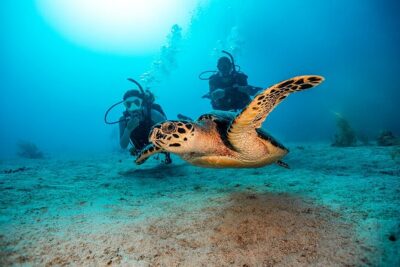
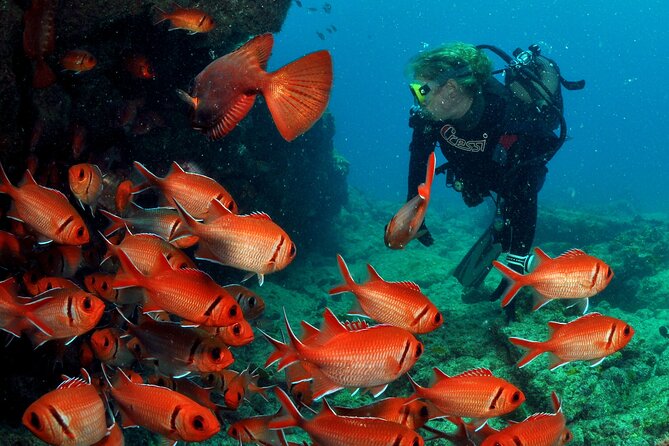
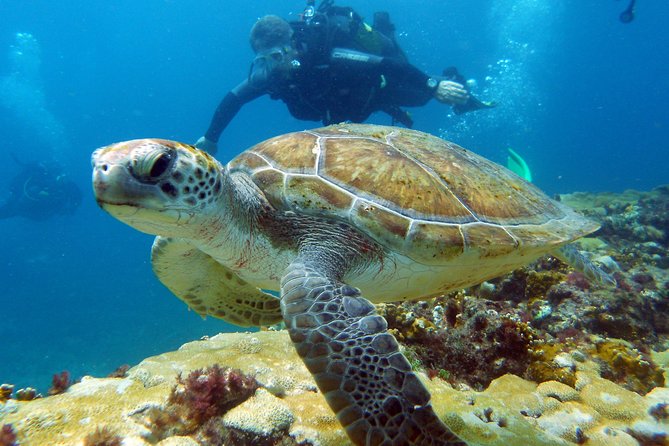
- Marine life is varied: You might see turtles, nurse sharks, stingrays, pufferfish, shoals of fish, coral, volcanic walls, caves, and wrecks.
- A morning schedule: Pickup and the 8:30 am start get you back around 1 pm, leaving the rest of your day free.
- Bring money for gear: Tanks, weights, and a belt are included, but full equipment rental costs an additional €20 at the center.
- Plan around flights: You should not scuba within 48 hours of flying, and a health questionnaire is required before entering the water.
What your morning in Santa Maria looks like
The day begins at Cabo Verde Diving Aquarium in Santa Maria at about 8:30 am. If you are staying more than a ten-minute walk away, hotel pickup and return transport are provided at no extra charge. That small detail is useful in Sal, where a morning transfer saves you from arranging a taxi before breakfast.
At the center, you meet the instructor, complete the health questionnaire, and prepare your equipment. Certification evidence is required for anyone taking part in a certified session. If you are new to scuba, ask about your qualification status before booking so there are no surprises at the start of the morning.
The mood is described as family-like, with staff treating the group as friends rather than moving people through a large commercial operation. That tone can make a difference when you are handling unfamiliar equipment or returning to scuba after a long break. One instructor named Stephanie is praised for balancing humor with a serious approach to safety.
The briefing is an important part of the schedule. You should expect guidance on the plan, equipment, underwater signals, and safety procedures before setting out. One favorable account specifically highlights a clear briefing and attentive support from the boat team. For a first underwater outing, that preparation may be more valuable than a few extra minutes in the water.
A few more dives around the world worth comparing
- Half-Day Scuba Diving Tour – Discover Scuba Diving!
★ 5.0 · 669 reviews - Half-Day White Shark Cage Diving from Gansbaai
★ 4.5 · 310 reviews - From Dubai: Fujairah Half-Day Scuba Dive and Snorkeling
★ 4.7 · 186 reviews
The first session, from 18 to 35 meters
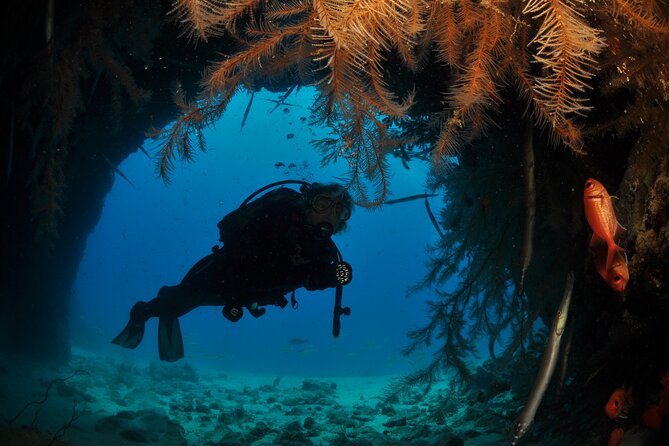
The first underwater session is the more ambitious of the two. Its depth can range from 18 to 35 meters, depending on the site and your qualifications and experience. At these depths, you may encounter volcanic walls covered with coral, caves, larger formations, and wrecks.
Sal’s underwater setting brings together tropical and Mediterranean marine life. That mix helps explain the range of sightings available around the island. You might find shoals of fish moving across the rocks, stingrays resting near the bottom, pufferfish tucked into shelter, or turtles and nurse sharks passing through the area.
The word might matters here. Wildlife is never guaranteed, and the exact site depends on conditions and the group’s abilities. Still, the setting offers more than a simple reef swim. Volcanic rock, caves, coral growth, and wreck structures give you different things to look at during a single session.
Each underwater visit usually lasts 40 to 60 minutes. Your air supply, depth, conditions, and comfort level all affect the actual duration. The operator uses either a 12-liter or 15-liter tank, with two separate tanks supplied for the two sessions.
The deeper first session is best for certified scuba users who are comfortable with depth and changing conditions. A guide remains with the group, and support is adjusted to experience level. If you have limited experience, tell the staff clearly. The maximum depth and site choice should match your qualification and confidence, not simply the most demanding option available.
The second session stays shallower
After the first session, you switch to the second tank and visit another site. The maximum depth is 18 meters, making this the gentler part of the morning. It is also a useful counterpoint to the deeper first visit, since shallower water can offer good light over coral, volcanic rock, and fish.
I like this structure because it gives you variety without turning the morning into an all-day commitment. The second session may also suit anyone who feels the first outing was physically demanding. You still get a full underwater visit, but the shallower limit provides a more relaxed setting.
Conditions can change the feel of this part of the trip. One negative account describes very rough sea conditions and severe sickness. That complaint should not be ignored. Boat motion, wind, and surface conditions can affect your comfort before and after the underwater portion, even when the water below is calm.
If you are prone to motion sickness, ask the staff about the sea forecast and the planned sites before departure. The trip requires good weather, and poor conditions can lead to a new date or a full refund. That policy offers some protection, but it cannot remove the basic fact that ocean conditions may be uncomfortable.
Marine life, wrecks, and volcanic rock
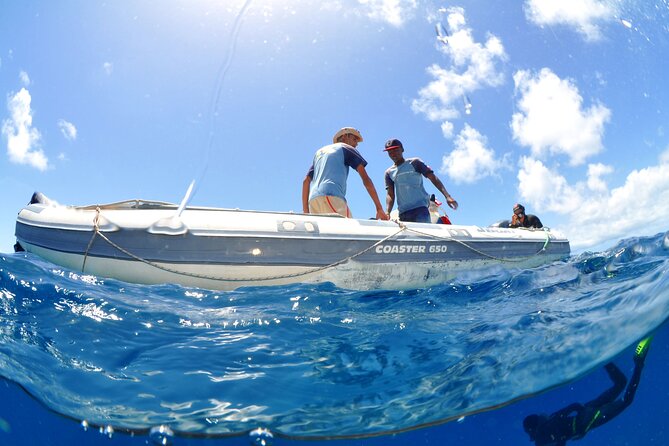
Sal offers a different underwater scene from a tropical coral destination. The volcanic foundations give the seabed shape, with walls, openings, caves, and wrecks adding structure. Coral grows over parts of the rock, while fish use the cracks and sheltered spaces.
The possible animal sightings are one of the strongest reasons to choose this trip. You could see turtles, nurse sharks, stingrays, pufferfish, and smaller schooling fish. A nurse shark encounter may sound dramatic, but the supplied details do not promise one on every outing. Treat the wildlife as a bonus rather than a guarantee.
Wrecks add another layer of interest. They give you a clear point of focus and can attract marine life, but the depth and visibility will determine how much of the structure you can see. The deeper first session is the more likely place for sites that require greater experience.
The operator also emphasizes respect for the marine environment and local communities. That is worth noting because good scuba practice is not only about staying safe. Avoiding contact with coral, leaving objects in place, and following the guide’s instructions help protect the sites that make the trip worthwhile.
Same water, a completely different day underwater:
- Great Barrier Reef Snorkeling and Diving Cruise from Cairns
★ 4.5 · 3,714 reviews - First-Time Scuba Diving in Honolulu + Free Videos
★ 5.0 · 3,123 reviews - Oahu Shark Dive
★ 5.0 · 2,903 reviews - Silfra: Diving Between Tectonic Plates – Meet on Location
★ 5.0 · 2,139 reviews
Small groups and guide support
The advertised group limit is seven or fewer divers, although the general activity information allows a maximum of ten participants overall. The practical point is that you should not expect a large crowd packed around one guide underwater. Groups may include five or six other divers, with guide numbers adjusted to the experience levels present.
A smaller group gives the instructor more time to notice problems, answer questions, and keep the pace manageable. It also reduces the chance of spending the whole session trying to stay close to a distant guide. That is especially useful for a first scuba outing, when you are still thinking about breathing, buoyancy, and hand signals.
The guide’s role does not end at the water’s edge. You receive instruction before the session, support on the boat, and supervision underwater. One account describes the instructor staying close and checking that everything was fine. That kind of attention is exactly what you want when conditions become less comfortable.
Still, small group does not mean private guide service. You will share attention with other people, and the pace may reflect the least experienced member of the group. If you are an advanced certified diver seeking a highly independent schedule, this may feel structured rather than flexible.
Equipment, extra costs, and value
The price is $109.34 per person. That includes a professional guide, hotel pickup and drop-off when applicable, two tanks, weights, and a belt. For a four-hour morning with two underwater sessions, the cost is reasonable if you already have your own mask, wetsuit, fins, and other required gear.
Full equipment rental is not included. You pay an additional €20 at the center. This is the most important price detail to check before booking, since the final cost depends on what you bring and what you need to rent.
Food and drinks are also excluded. The trip runs from roughly 8:30 am until 1 pm, so you may want breakfast before pickup and a snack or meal ready for afterward. Nothing in the supplied information indicates that refreshments are provided.
The value improves if you want a compact morning rather than a full-day boat program. You receive two tanks, two sites, guide support, and transport, then return with most of the afternoon free. The value is less clear if you need a full kit rental, are mainly interested in a short introductory session, or want a private instructor.
The booking pattern also suggests planning ahead. It is booked an average of 25 days before the date. That does not mean you must reserve exactly that early, but it is sensible to book before your preferred morning fills, especially if you need hotel pickup or have limited time on Sal.
Who should book this Sal scuba trip?
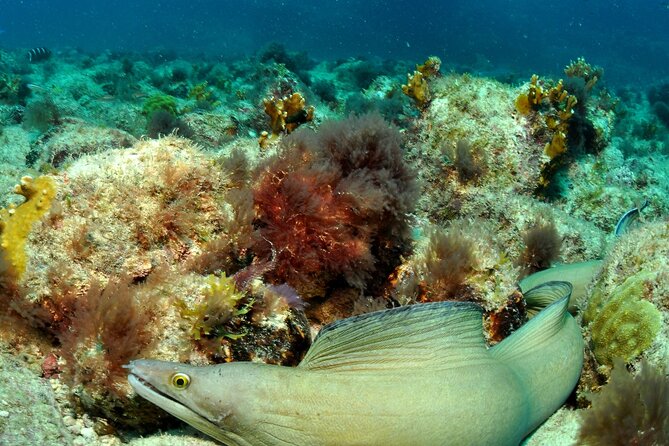
This outing suits certified divers who want to see several types of underwater scenery in one morning. The combination of volcanic walls, caves, coral, possible wrecks, and varied marine life gives you a broad sample of Sal’s underwater character.
It can also suit first-time participants, provided the operator confirms that your level is appropriate. One first-time participant described the preparation as thorough and the instructor as attentive and safe. That is encouraging, but you should still answer the medical questionnaire honestly and explain any concerns before entering the water.
Families may appreciate the friendly setting, but age alone does not determine suitability. The information specifically includes a 13-year-old participant in one account, yet the sea was rough and the outing became distressing for that family. If you are booking for a child, ask the center about age, certification, sea conditions, and supervision before paying.
This is less suitable for anyone with certain medical conditions, including asthma or heart problems, unless a doctor confirms that scuba is safe. Diving within 48 hours of flying is not recommended, so leave enough space between this activity and your departure from Sal.
Practical details that can make the morning better
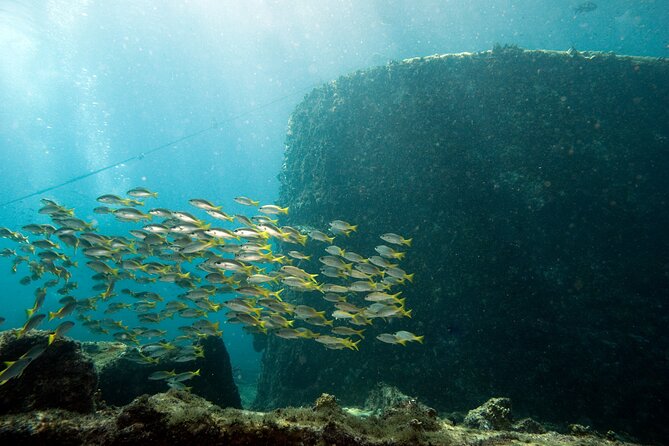
Wear or bring the swimwear and personal items you normally need for a boat-based water activity, but do not assume meals or drinks are included. The supplied information confirms tanks, weights, and a belt, while the remaining equipment must be rented or supplied by you.
Allow the whole morning for the activity. The underwater sessions may each last 40 to 60 minutes, but briefings, preparation, travel, equipment changes, and surface intervals all take time. The expected return is around 1 pm.
If you are sensitive to motion, ask about the sea before setting out. The operator requires good weather and will offer another date or a full refund if poor conditions force cancellation. You can also cancel for a full refund if you do so at least 24 hours before the start time. Changes or cancellations inside that period are not refunded.
Bring proof of certification if you are taking part in a certified session. The center requires evidence from all certified divers, and the team may adjust the site or depth to match your experience.
Should you book it?
I would book this trip if you want two guided underwater sessions, a small group, and a useful look at Sal’s volcanic seabed without giving up the whole day. The price is fair once you understand the extra €20 equipment charge, and the included tanks, weights, belt, guide, and transfers cover the main practical needs.
I would pause if you are flying within 48 hours, have a medical condition that may affect scuba, or know that rough seas make you very ill. For everyone else, this is a well-priced morning with a good mix of wildlife and underwater scenery. Ask about conditions and equipment before you go, then let the guide set a safe pace.
FAQ
Where does the activity start?
It starts at Cabo Verde Diving Aquarium in Santa Maria, Sal, Cabo Verde.
What time should I arrive?
The stated start time is 8:30 am. Hotel pickup may be available before that, depending on your accommodation.
How long does the activity last?
The full outing lasts about four hours and usually returns to the base around 1 pm.
How many underwater sessions are included?
You receive two sessions using two separate tanks.
How deep is the first session?
The first session ranges from 18 to 35 meters, depending on the selected site and the diver’s experience and qualification.
How deep is the second session?
The second session is shallower, with a maximum depth of 18 meters.
How long does each session last?
Each underwater session usually lasts about 40 to 60 minutes.
Is equipment included?
Tanks, weights, and a belt are included. Other equipment is not included and costs an additional €20 to rent at the center.
Do I need proof of certification?
Yes. Evidence of certification is required from anyone taking part in a certified scuba session.
Can I cancel for a refund?
You can cancel at least 24 hours before the start time for a full refund. If poor weather causes the operator to cancel, you will be offered another date or a full refund.
Just added around the world
- Punta Cana: Scubadoo Ocean Exploration Diving Adventure★ 4.1 · 70 reviews
- Punta Cana: Reef Diving Adventure Explore Underwater Wonders★ 5.0 · 5 reviews
- Phuket: Try SCUBA DIVING Full Day Experience 2 Dives★ 5.0 · 9 reviews
- Punta Cana: Guided Power Dive Adventure★ 4.8 · 3 reviews
- Punta Cana: Scuba Doo Underwater Scooter Adventure★ 5.0 · 2 reviews
- Punta Cana: Discover Scuba Diving Experience for Beginners★ 4.4 · 2 reviews
- Puerto Morelos: Scuba Diving for Beginners – 2 Dives★ 5.0 · 5 reviews
- Punta Cana: Dive the Coral Paradise of Catalina Island★ 4.2 · 5 reviews
Half-Day, compared.
Half-Day Scuba Diving Tour – Discover Scuba Diving!
Read our review →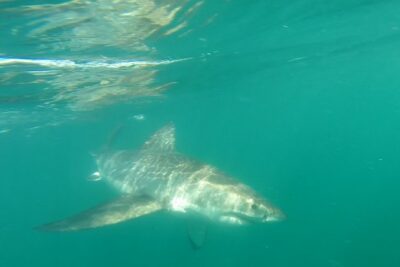
Half-Day White Shark Cage Diving from Gansbaai
Read our review →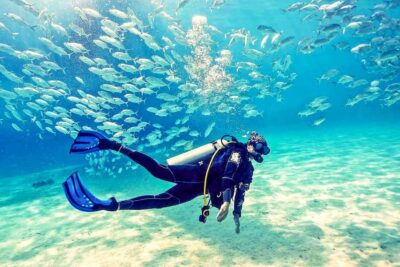
From Dubai: Fujairah Half-Day Scuba Dive and Snorkeling
Read our review →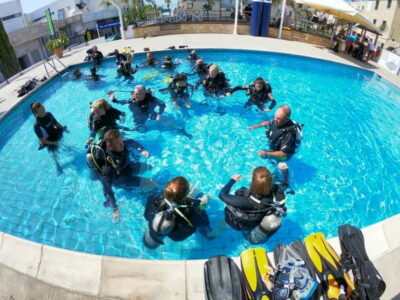
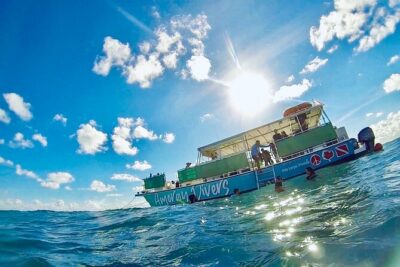
Half-Day Small-Group 2-Tank Scuba Dive in Key Largo (CERTIFIED DIVERS ONLY)
Read our review →
Take advantage of a half-day boat dive experience in Red sea of Aqaba.
Read our review →