
REVIEW · JAPAN
Interacting with real ama divers in a traditional ama hut (AMA hut HACHIMAN)
Ama Hut Hachiman gives you a close look at Japan’s ama tradition, where women have gathered seafood from the sea for generations. At this small facility in Osatsu, you meet working or retired ama divers, share a meal, hear about their hard lives, and join a local dance.
I especially like the charcoal-cooked seafood meal and the chance to spend time with real ama women rather than only viewing costumes or museum displays. The local Osatsu Dance adds a cheerful, hands-on touch. The main consideration is timing: 50 minutes is short, and the experience may feel rushed if you want a long conversation.
Key points
- Meet ama women in Osatsu: This Toba town has the largest number of ama divers in Japan.
- Eat local seafood: Lunch includes dishes such as Ise lobster soup, rice, miso, and an original tea.
- Join the Osatsu Dance: You are invited to dance with the ama divers.
- Hear personal stories: The conversation covers the demanding work and changing future of the ama way of life.
- Try the traditional clothing: Ama costume rental costs an extra 300 yen.
- Simple station access: Pickup is offered from Kintetsu Railway Toba Station, with the activity ending there.
Meeting the ama in Osatsu
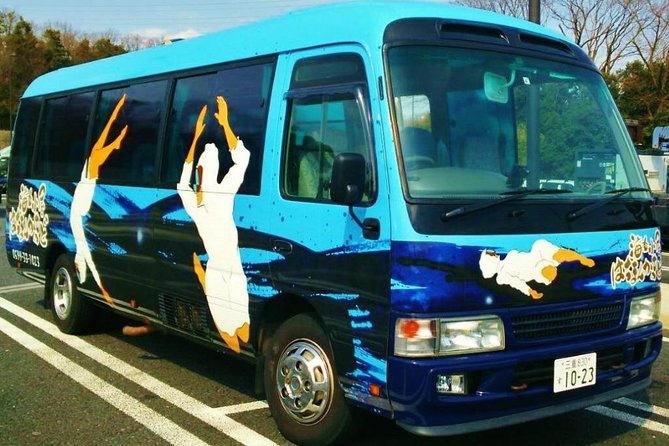
The appeal here is direct human contact. You are not simply looking at a display about Japan’s sea traditions. You sit with ama women in a traditional hut-style setting and listen to their memories, customs, and daily realities.
Ama means women of the sea. For centuries, these women have worked in coastal waters, collecting abalone and other seafood. They are also linked with pearl culture in the Ise-Shima area, though this visit focuses more on the people and their way of life than on a technical lesson about pearls.
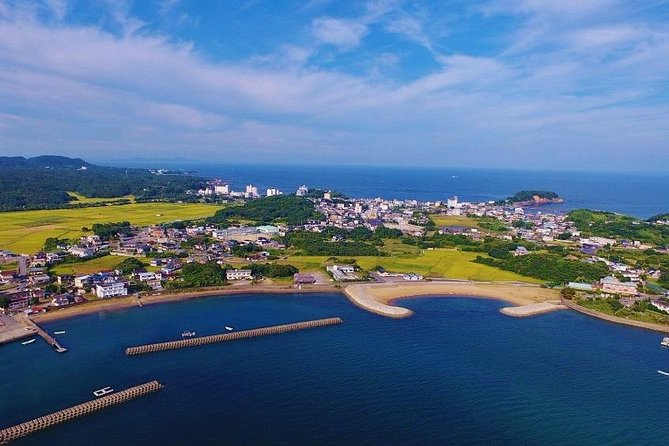
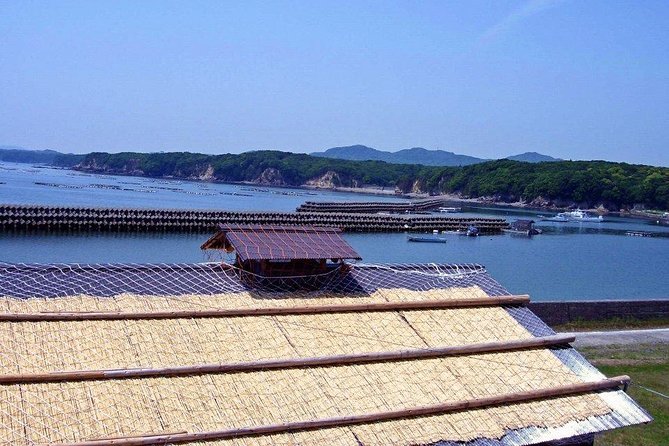
Osatsu, part of Toba City, is an important place for this tradition. It has the largest number of ama divers in Japan. That detail matters because the experience takes place in a community where the custom still has a living connection, not just a historical one.
You will meet the ama at Ama Hut Hachiman. The setting is modest and social. It is designed for conversation, food, and cultural exchange rather than a long sightseeing route. That makes it a useful choice if you want a human story during a short stay in the Ise-Shima area.
A few more dives around Japan worth comparing
A seafood lunch with local meaning
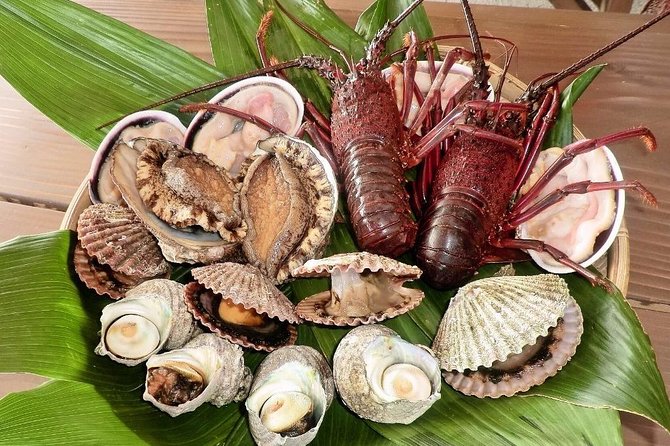
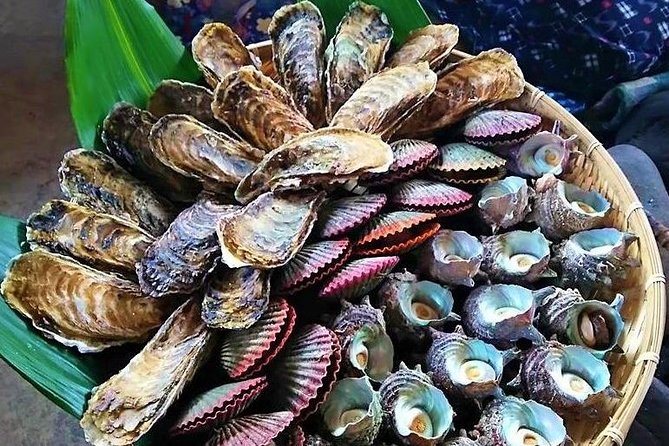
Lunch is part of the price, and food is one of the strongest reasons to book. You can expect seafood from Ise-Shima, including Ise lobster soup, along with rice and miso made or grown by ama divers.
A charcoal-baked seafood meal is also part of the welcome. The cooking style suits the setting. It keeps the meal tied to the sea and to the practical work of the women you are meeting. This is not a formal restaurant meal with a large menu. It is a shared meal connected to the ama hut itself.
The food also gives the visit a natural rhythm. You eat while listening to stories and explanations, rather than sitting through a long lecture. If you like learning through local dishes, you will find this more memorable than a standard sightseeing stop.
Vegetarians can be accommodated, which is helpful, but you should make your dietary needs clear when booking. The supplied information confirms vegetarian catering, though it does not provide a full sample vegetarian menu.
An original tea is included. It is a small detail, but it helps make the meal feel like part of the host’s welcome instead of an add-on purchased separately.
Stories from a difficult working life
The most moving part of the visit may be the explanation of how demanding ama work has been. The tradition is often presented as picturesque, with distinctive clothing and a strong connection to the sea. The reality is tougher.
Ama women have had to manage physical work in the water alongside family duties and other jobs. That balance is especially important to understand. This is not only a story about an old custom. It is also about women’s labor, household responsibility, and the pressure placed on a small community tradition.
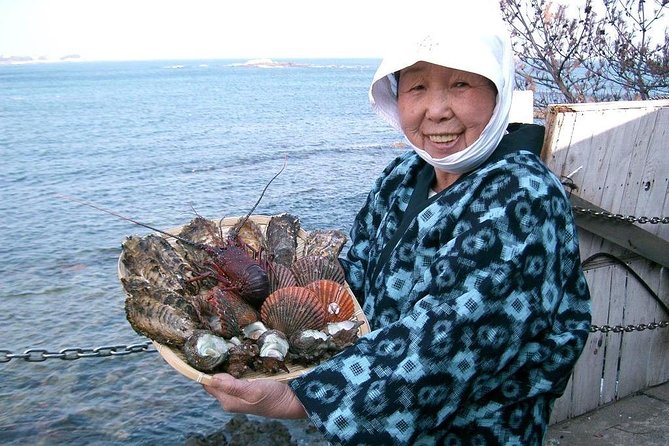
Reiko San is one memorable host. She is in her 90s and is described as spritely, welcoming visitors with a seafood meal and stories about the past. Meeting someone of her age can put the tradition into a human time frame. You are not just hearing that ama work existed long ago. You are hearing from someone who has lived through its changes.
The future is uncertain. Many younger women must raise children and hold other jobs, making it harder to continue the ama life. Some older divers have retired, and there may not be enough women to replace them. This gives the visit a sense of importance, but the tone is not simply gloomy. Sharing food, dancing, and stories is one way the community keeps the tradition visible.
Learning the Osatsu Dance
The Osatsu Dance adds movement to the visit. You can dance with the ama divers and take part in a local custom rather than remaining seated for the entire session.
Do not expect a long performance or a polished stage show. The value is in joining the activity. You may not know the steps at first, but a simple local dance is often easier to enjoy when you treat it as a shared moment rather than a test of coordination.
This part should suit couples and friends particularly well. It gives you something to do together and breaks up the meal and conversation. It also helps show that local culture is not only made up of old tools, clothing, and stories. It can include music, gestures, and social habits that people still practice together.
If you prefer quiet cultural visits, the dance may feel less appealing than the conversation. Still, it is brief enough to fit the short format, and participation is a central part of the experience.
Same water, a completely different day underwater:
- Okinawa:Naha:Kerama Island Experience 1Dive and Snorkeling
★ 4.4 · 99 reviews - EDOCCO Tea House–A Quick Dive into Japanese Traditional Culture
★ 5.0 · 34 reviews - Blue Cave Introductory Dive–Private Guide, Boat Tour&Free Photos
★ 5.0 · 34 reviews - Okinawa: Scuba Diving Tour with Wagyu Lunch and English guide
★ 5.0 · 32 reviews
Trying the ama costume
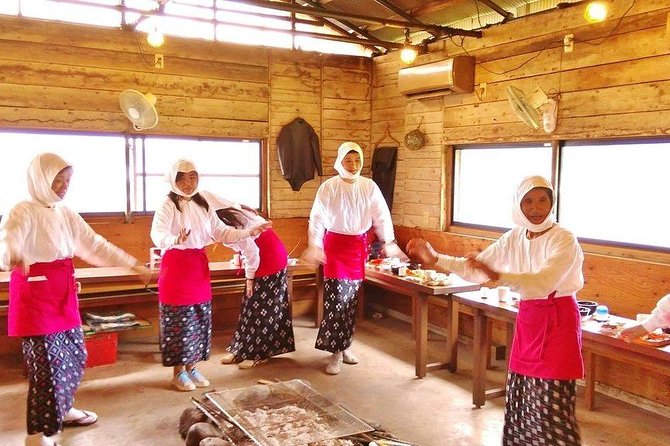
You can try on traditional ama diving clothing for an additional 300 yen. The costume gives you a visual link to the women’s work and can make photographs more distinctive than ordinary sightseeing snapshots.
The costume is not included in the $24.23 base price, so decide in advance if you want it. The small extra fee is easy to understand, but it is worth knowing before you arrive. The information provided does not specify how long you wear it or whether every size is available, so treat it as an optional add-on rather than a guaranteed full costume session for every participant.
For many people, the clothing will be a fun part of the visit. For others, the meal and personal stories will matter more. I would choose the costume if you enjoy hands-on cultural activities, especially if you are traveling with friends or family.
What the $24.23 price includes
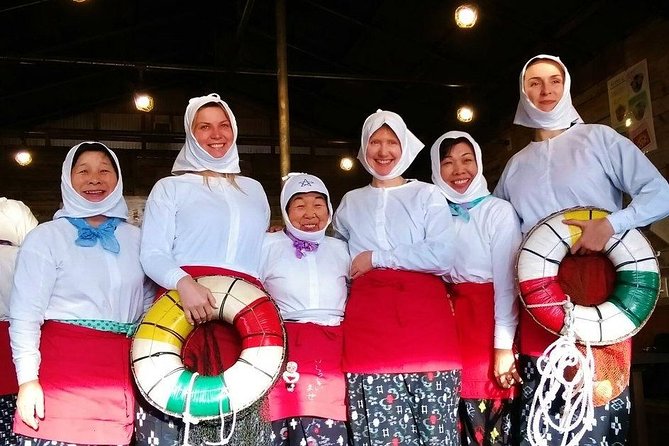
At $24.23 per person, this is a reasonably priced cultural stop. You receive lunch, original tea, the ama-hosted program, and the opportunity to join the dance. You also get access to a setting where the focus is on personal contact, not just admission to a building.
The value depends on what you want from the visit. If you are looking for a full-day excursion, this is not it. The activity lasts about 50 minutes, so you should judge the cost as a short meal and cultural meeting rather than a major tour.
I think the price works best for someone already visiting Toba or Ise-Shima. You can add it to a wider day without giving up many hours. The meal alone helps make the fee practical, while the conversation and dance provide the cultural reason to go.
The extra 300 yen for the ama costume is modest. Lunch and tea are included, but transportation details beyond the offered pickup are not specified in the supplied information. The stated meeting point is Kintetsu Railway Toba Station, so check the pickup instructions carefully when you reserve.
Getting there from Toba Station
The meeting point is Kintetsu Railway Toba Station at 1-chōme-8-13 Toba, Mie 517-0011. Pickup is offered, and the activity ends back at the meeting point.
This return arrangement is useful if you are using the railway and building a day around Toba. You do not need to arrange a separate return point after the meal. Since the visit is in Osatsu, confirm the pickup procedure and departure time before setting your plans for the rest of the day.
Ise-Shima is positioned between Tokyo and Osaka, and the area is less than two hours from Chubu Centrair International Airport Nagoya. That makes the wider region practical for a coastal stop during a Mie itinerary, though the experience itself is not a trip from Tokyo or Osaka. You still need to reach Toba Station and follow the pickup arrangements.
The maximum group size is 20 people. That is large enough for a social gathering but small enough to keep the setting more personal than a major bus excursion. The information also notes that the vehicle can carry two wheelchairs. Service animals are allowed, and the activity is near public transportation.
Is 50 minutes enough?
Fifty minutes gives you a compact introduction. You can eat, hear about ama life, take part in the dance, and perhaps try the clothing. It is a good length if your schedule is tight or if you want one focused cultural stop rather than a whole afternoon program.
The tradeoff is depth. You will not have unlimited time for questions, a long walk around Osatsu, or an extended look at every part of the tradition. If you are especially interested in the history of ama work, pearl culture, or the details of seafood harvesting, you may wish the visit lasted longer.
I would arrive ready to take part. Have your questions in mind, listen closely during the meal, and use the social moments well. The atmosphere is likely to be more rewarding if you treat the 50 minutes as a personal meeting, not a checklist of sights.
Who will enjoy Ama Hut Hachiman?
This experience is a good match for you if you value local food and personal stories. It suits couples, friends, and anyone who prefers meeting community members to visiting a formal attraction.
It also works well for first-time visitors to Ise-Shima who want context for the coast. The meal makes the activity easy to fit into a sightseeing day, while the ama stories give you a stronger sense of the area’s identity.
Families may enjoy the dance and costume, though the supplied information does not specify a minimum age. Most people can participate, and service animals are allowed. The wheelchair note is useful, with a vehicle able to carry two wheelchairs, but you should confirm your exact mobility needs before booking.
You may want to skip it if you need a long, highly structured tour or if you do not eat seafood and do not want a vegetarian meal arrangement. Vegetarians can be catered for, but the food remains central to the experience.
Practical booking details
Confirmation is provided at booking. The activity requires good weather, so poor conditions can lead to a different date or a full refund.
You can cancel for a full refund up to 24 hours before the start time. Cancellations or changes made less than 24 hours in advance are not accepted for a refund. The cut-off follows local time, so keep that in mind if you are booking from another country.
The experience is often booked about 29 days ahead. That is a useful sign to reserve early if your Ise-Shima schedule is fixed, especially since the group limit is 20 people. A small number of published ratings should not be treated as a guarantee of your exact visit, but the available feedback gives strong praise to the food, dance, explanations, and warm welcome.
Should you book this ama experience?
Book Ama Hut Hachiman if you want a short, personal meeting with Japan’s ama tradition. The seafood lunch, Osatsu Dance, optional clothing, and stories from women such as Reiko San give the visit more substance than a quick photo stop.
I would especially choose it for a Toba itinerary that already includes railway travel and needs a compact cultural activity. The $24.23 cost is fair for lunch and a hosted experience, though the 50-minute schedule limits how far the discussion can go.
The best reason to go is the chance to support and hear from a tradition facing an uncertain future. If you want a polished attraction with a long program, choose something else. If you want food, conversation, and a direct look at the people behind one of Japan’s oldest coastal customs, this is a worthwhile addition.
FAQ
Where does the ama experience take place?
It takes place at Ama Hut Hachiman in Osatsu, Toba City, Japan. Osatsu is known as the town with the most ama divers in Japan.
Where is the meeting point?
The meeting point is Kintetsu Railway Toba Station at 1-chōme-8-13 Toba, Mie 517-0011, Japan.
Does the activity offer pickup?
Yes. Pickup is offered, and the experience ends back at the meeting point.
How long does the experience last?
The activity lasts approximately 50 minutes.
What food is included?
Lunch and original tea are included. The meal can include Ise lobster soup, seafood from Ise-Shima, rice, and miso made or grown by ama divers.
Can vegetarians join?
Yes. Vegetarian meals can be arranged.
Is the ama costume included?
No. The ama costume is optional and costs an additional 300 yen.
What is the maximum group size?
The activity accepts a maximum of 20 people.
What happens if bad weather cancels the activity?
If poor weather causes a cancellation, you will be offered a different date or a full refund.
Just added around Japan
- Dive into Tsukiji Fish Market Walking Friendly Food Tour★ 5.0 · 3 reviews
- Shared Scuba Diving Trip in Kushimoto★ 5.0 · 2 reviews
- Tokyo Ikebukuro Morning Tour Dive into Japanese Culture★ 5.0 · 5 reviews
- EDOCCO Tea House–A Quick Dive into Japanese Traditional Culture★ 5.0 · 34 reviews
- Tokyo Ikebukuro Evening Tour Dive into Japanese culture★ 5.0 · 15 reviews
- Boat entry diving at the Blue Cave in Onna Village, Okinawa!★ 5.0 · 4 reviews
- Blue Cave Introductory Dive–Private Guide, Boat Tour&Free Photos★ 5.0 · 34 reviews
- Naha: Full-Day Introductory diving & Snorkeling in the Kerama Islands, Okinawa★ 4.5 · 28 reviews
Scuba Diving in Japan, compared.
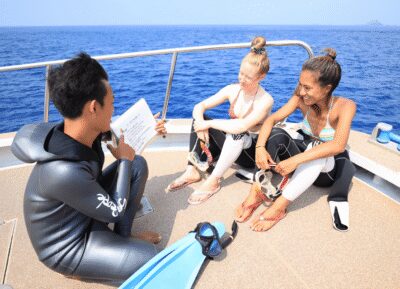
Naha, Okinawa: Kerama Islands Full-Day Intro-Diving Trip
Read our review →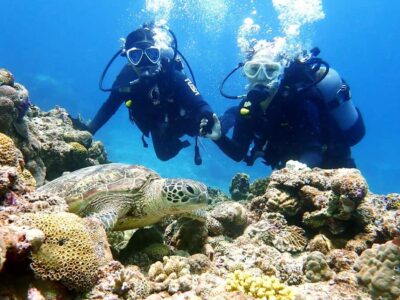
Okinawa:Naha:Kerama Island Experience 1Dive and Snorkeling
Read our review →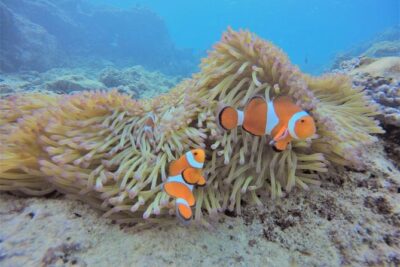
Blue Cave Area Experience Diving!Free feeding & photo images Chinese guide available!1 group with a dedicated instructor
Read our review →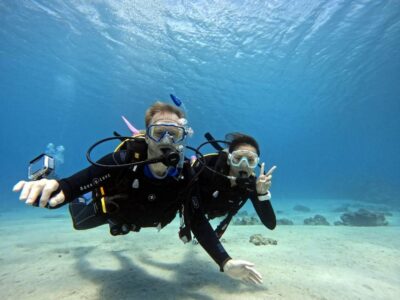
From Naha Scuba Diving Trip in Kerama(for certified divers)
Read our review →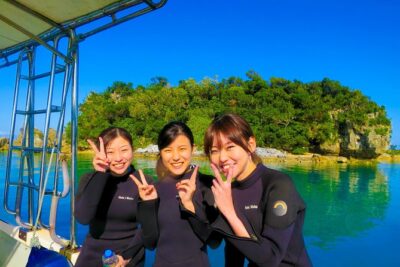
Blue Cave Introductory Dive–Private Guide, Boat Tour&Free Photos
Read our review →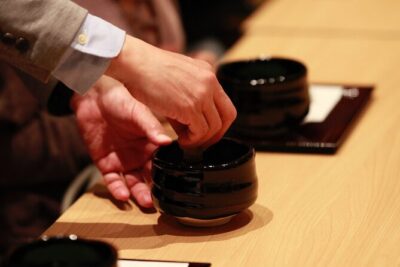
EDOCCO Tea House–A Quick Dive into Japanese Traditional Culture
Read our review →
Okinawa: Scuba Diving Tour with Wagyu Lunch and English guide
Read our review →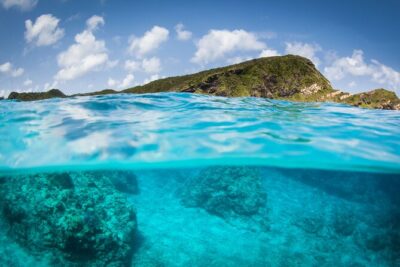
Naha: Full-Day Introductory diving & Snorkeling in the Kerama Islands, Okinawa
Read our review →Lists this dive appears in