
REVIEW · JAPAN
Dive into Tsukiji Fish Market Walking Friendly Food Tour
Tsukiji is best understood with your appetite switched on. This four-hour walk pairs the outer market’s seafood stalls and kitchen shops with major sights such as Tsukiji Hongwanji Temple, Kachidoki Bridge, and Namiyoke Inari Jinja. You are not simply looking at fish counters. You are tasting your way through one of Tokyo’s key food districts.
I like the small maximum of 10 people, which gives the guide room to answer questions and adjust the pace. I also like the full spread of food: sushi, fresh sashimi, grilled tuna and salmon, grilled oysters, tamagoyaki, snacks, and dessert. The main consideration is the $173 price, which is a serious spend for four hours, especially since alcoholic drinks cost extra.
Key points at a glance
- A meal-sized tasting route: Expect sushi, sashimi, grilled seafood, tamagoyaki, snacks, desserts, two soft drinks, and water.
- A small group of no more than 10: You get a better chance to hear the guide and ask about unfamiliar foods.
- A useful mix of food and sights: The route includes Tsukiji Hongwanji Temple, Kachidoki Bridge, and Namiyoke Inari Jinja.
- A direct station meeting point: Tsukiji Station’s Hibiya Line Exit A1 is about 50 meters from the temple entrance.
- English and Japanese guiding: The tour is offered with a live guide in either language.
- A premium price: At $173 per person, the value depends on how much you want guided tasting and cultural context.
Why Tsukiji works so well for a food tour
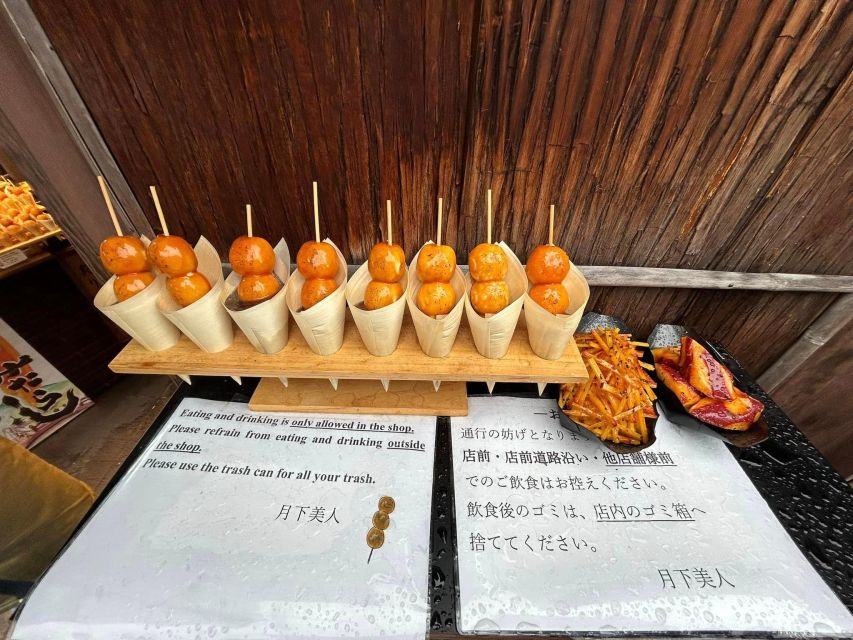
Tsukiji is in central Tokyo, where roughly 400 shops line the streets with fresh food and kitchen equipment. That mix matters. You are not confined to one restaurant or a staged tasting room. You move through a working market area where seafood, cooking tools, snacks, and Japanese food traditions meet.
The market is also useful for first-time visitors because Japanese food culture can be hard to read from a menu alone. A guide can explain what you are seeing, point out ingredients, and connect the food to the wider story of Tokyo. The route also includes places beyond the stalls, so the morning or afternoon has some visual variety.
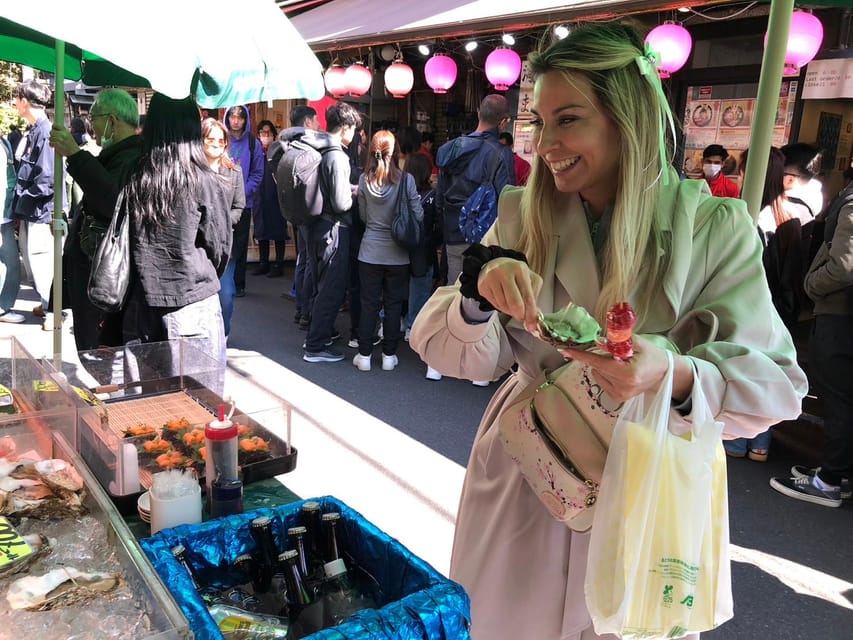
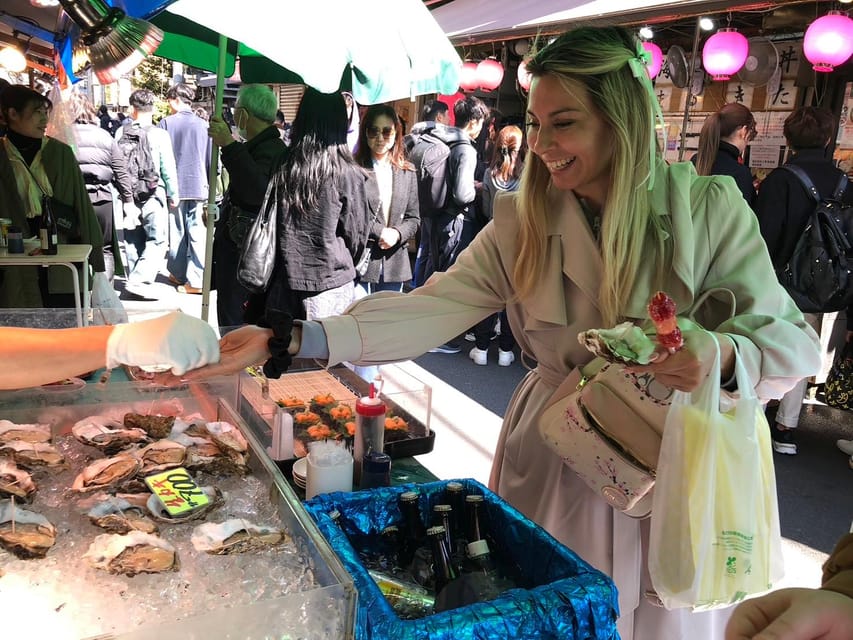
The food focus is firmly seafood-based. You can expect sushi and fresh sashimi, along with grilled tuna, salmon, and oysters. Tamagoyaki, the softly sweet Japanese rolled omelet, adds a welcome change of texture. Snacks and desserts round out the walk, and two soft drinks plus water are included.
This is not the right choice if you want a quiet sit-down meal with a long break between courses. It is a walking tour in a market district, with food stops folded into the route. You should be ready to walk, look closely, and eat several small portions rather than settle in at one table.
A few more dives around Japan worth comparing
- PRIVATE Istanbul Food Tour – 10 Tastings including Raki & Padi
★ 5.0 · 75 reviews - Exciting Hanoi Street Food tour | Deep-dive in Hanoi Culture and Cuisine
★ 5.0 · 2 reviews
Meeting at Tsukiji Hongwanji Temple
The tour begins in front of Tsukiji Hongwanji Temple. From Tsukiji Station on the Hibiya Line, take Exit A1, turn left, and look for the temple entrance about 50 meters away. This is a simple meeting point, but give yourself enough time to find the right side of the temple grounds.
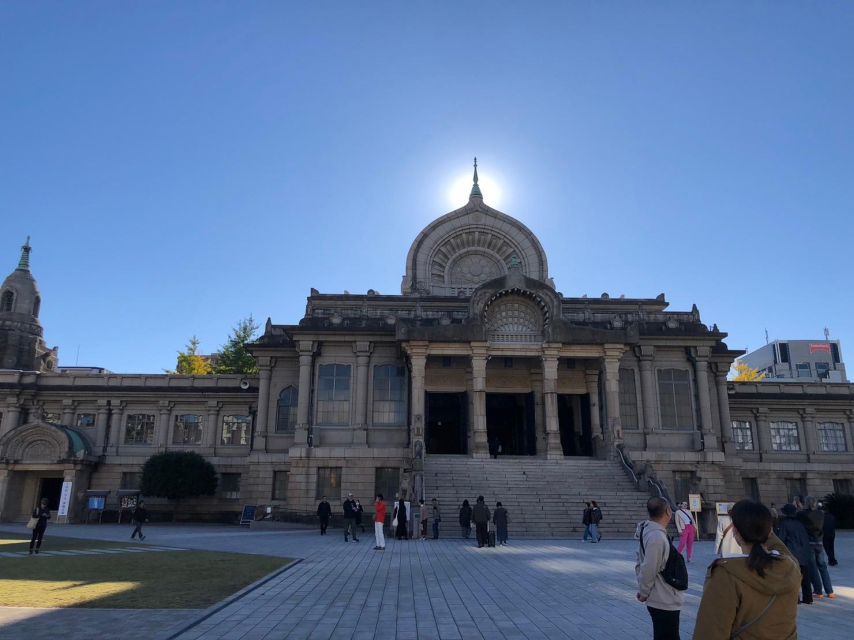
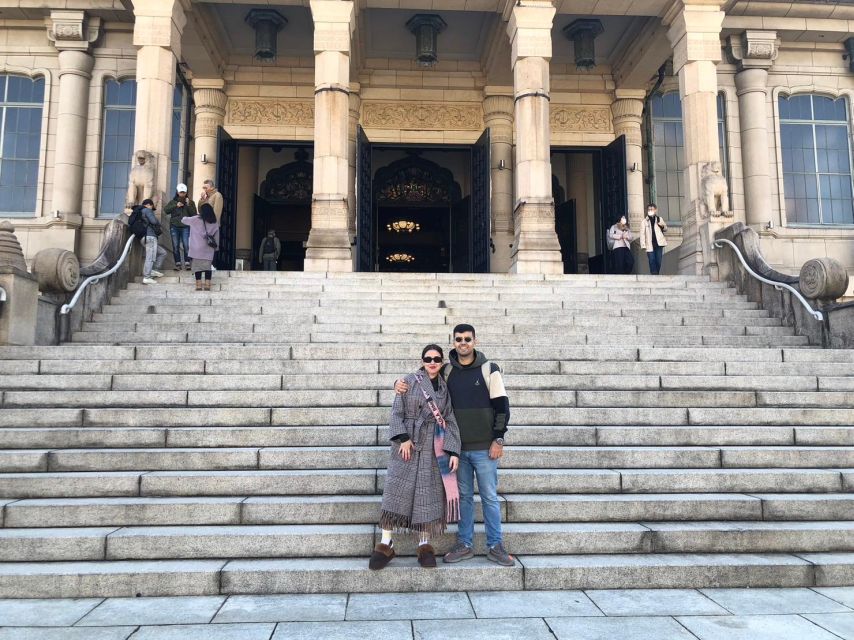
Starting here gives the tour a useful cultural opening. Tsukiji Hongwanji is not just a landmark used to find the guide. You receive a guided visit of about 30 minutes before heading into the market, which helps frame the neighborhood before the food begins.
I like this order. It keeps the tour from becoming a string of tastings with no setting. You begin with a major local sight, then connect what you learn there to the market streets nearby. If you arrive hungry, the first half hour may require a little patience, but that wait is part of the route rather than wasted time.
The exact starting time varies, so check availability when booking. The tour returns to the same temple at the end, which makes the meeting point easy to use as a base for the rest of your Tokyo plans.
A guided look at Tsukiji Hongwanji
The temple portion lasts about 30 minutes. You can expect your guide to explain what you are seeing rather than simply point out the entrance and move on. The tour information puts particular weight on learning the history of Tokyo and Japanese culinary culture, and this stop gives that lesson a calm beginning.
A temple visit also balances the sensory rush of the market. You have time to look, listen, and ask questions before the route turns toward food and shopping. For visitors who want more than a checklist of dishes, this is an important part of the experience.
The temple is one of the tour’s sightseeing stops, not the main food event. If your main goal is to spend every minute sampling seafood, the half hour here may feel like a detour. If you like understanding the setting before you eat, it adds useful depth.
Entering the 400 shops of Tsukiji Outer Market
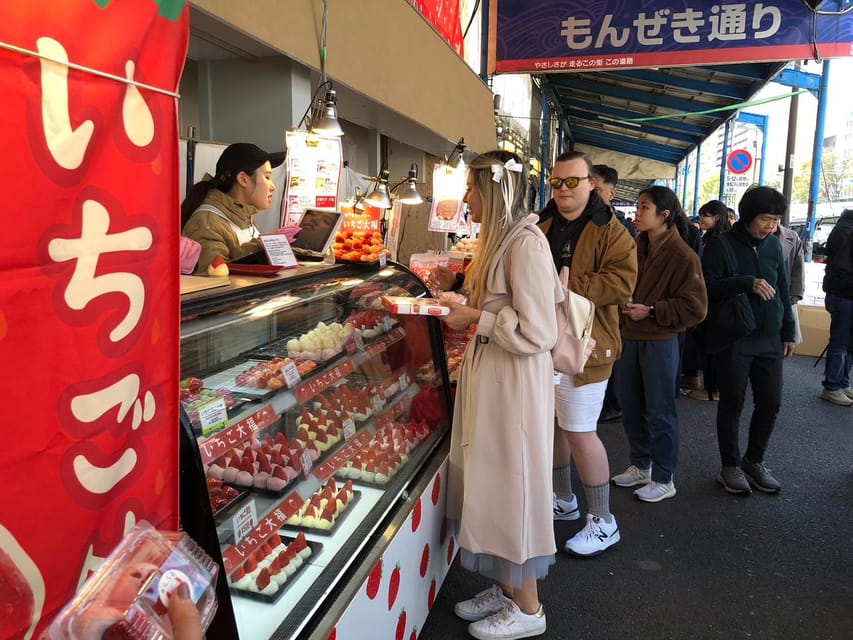
The first market section combines a guided tour with shopping and lasts about 30 minutes. Tsukiji’s outer market is known for its dense collection of food sellers and kitchen shops, with about 400 businesses lining the streets. The sheer range is what makes a guide helpful.
You might see fresh foods beside knives, cookware, and other tools used in Japanese kitchens. The tour is designed to show how the market supports both home cooks and professional chefs. Tsukiji is also a place where Michelin-starred chefs shop for ingredients, so the market has a serious food reputation beyond its appeal to sightseers.
The guide can help you understand what deserves your attention and what may be better left for later. That matters in a market full of signs, unfamiliar products, and tempting purchases. The shopping time is not just a chance to buy something. It is a chance to connect ingredients and tools with the food you are tasting.
Keep in mind that the tour does not say that purchases are included. Your tastings are part of the price, while personal shopping is separate. You may want to hold off on buying anything large until you know how much walking remains.
Same water, a completely different day underwater:
- Naha, Okinawa: Kerama Islands Full-Day Intro-Diving Trip
★ 4.6 · 203 reviews - Okinawa:Naha:Kerama Island Experience 1Dive and Snorkeling
★ 4.4 · 99 reviews - Blue Cave Area Experience Diving!Free feeding & photo images Chinese guide available!1 group with a dedicated instructor
★ 4.5 · 89 reviews - From Naha Scuba Diving Trip in Kerama(for certified divers)
★ 5.0 · 46 reviews
Seafood tastings that make up the main meal
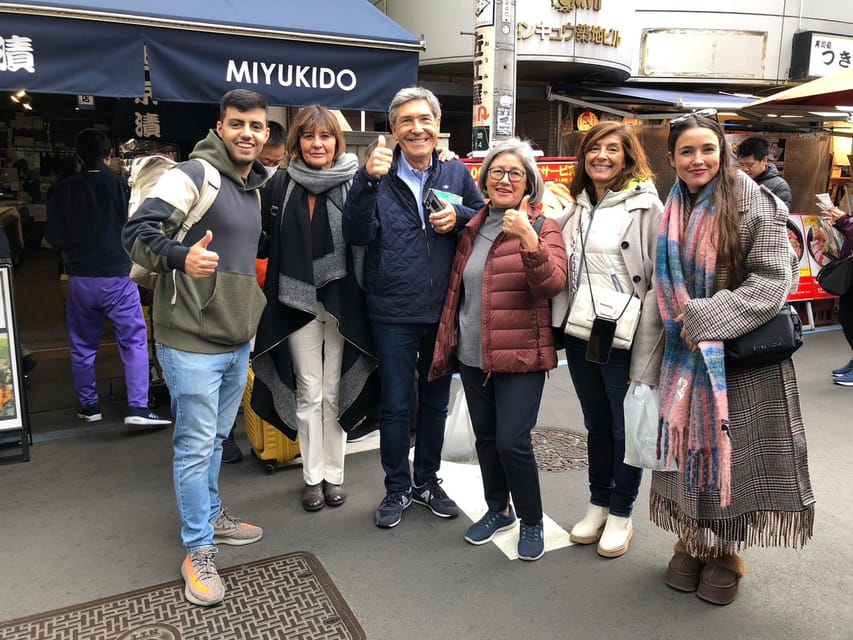
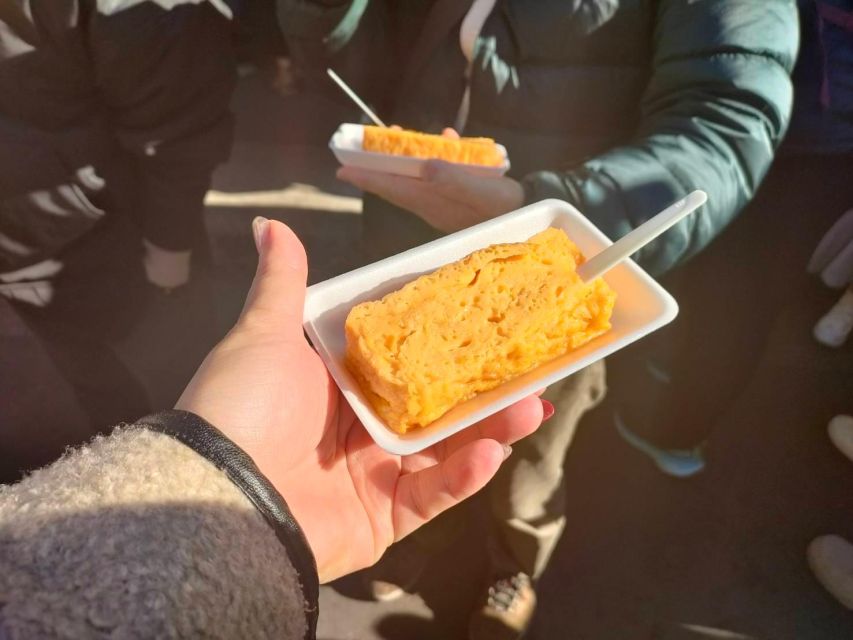
The food is the heart of the experience. The included selection covers sushi, fresh sashimi, grilled tuna and salmon, grilled oysters, and tamagoyaki. You also receive desserts and snacks, plus two soft drinks and water.
This is a good lineup because it shows several ways Japanese cooks handle seafood. Sushi and sashimi let you taste the fish with little interference. Grilling adds smoke and heat, while tamagoyaki gives you a sweet, egg-based counterpoint. Oysters bring another texture and a different taste from the tuna and salmon.
I would think of the food as a series of tastings rather than a formal multi-course restaurant meal. The tour lasts four hours, and food is mixed with walking, sightseeing, and market stops. That format is useful if you want to sample several specialties without planning each stop yourself.
The supplied information does not specify portion sizes, exact vendors, or substitutions. If you need a particular dietary arrangement, ask before booking rather than assuming the guide can change the menu. Alcohol is not included, although it is available to purchase.
Shopping time and the rhythm of the route
After the first guided market visit, you have another 30 minutes for shopping in Tsukiji Outer Market. This creates a practical break in the route. You can look more carefully at products after getting an introduction from the guide, and you can decide if you want to buy food or kitchen items.
The second market segment may appeal most to cooks and food lovers. A kitchen utensil can be a more useful souvenir than another decorative item, and the market’s food focus makes it easy to find something tied to Japanese cooking. Still, the tour does not promise specific products or shops, so treat the time as an opportunity rather than a guaranteed shopping list.
The walking format also means you should avoid building a tight schedule immediately afterward. You may finish near the same temple where you began, but the tour takes four hours and includes several stops. I would keep the rest of the day flexible, especially if you want to continue exploring the market area on your own.
Kachidoki Bridge adds a change of scene
The route continues to Kachidoki Bridge for about 30 minutes of guided sightseeing. This stop shifts the focus from food stalls to Tokyo’s urban setting and waterways. It gives you a chance to see how the market district fits into the wider city.
A bridge stop may sound less exciting than fresh sashimi, but it helps prevent the tour from feeling repetitive. Four hours of market stalls can blur together. A different view, plus an explanation from the guide, gives your feet and palate a change of pace.
The supplied details do not promise a special crossing, a boat ride, or a particular view, so do not book this expecting a separate attraction with admission included. It is a guided sightseeing stop within the walking route. Its value is in the context and contrast it adds.
Namiyoke Inari Jinja and the return to the temple
Namiyoke Inari Jinja is the final named sightseeing stop, with about 30 minutes of guided time. Like the temple visit, this stop gives the food district a cultural frame. The tour is not only about buying and eating. It also shows religious and civic landmarks tied to the area.
After Namiyoke Inari Jinja, the route returns to Tsukiji Hongwanji Temple. Ending where you began is practical. You do not need to work out where the guide will leave you, and the familiar station area is close by for your next journey.
The route includes six listed stages, but the time is not all spent at major sights. The temple, market, shopping, bridge, and shrine each receive roughly 30 minutes, while the full four hours allow for movement and food service between them. Expect a steady outing rather than a fast march.
What the small group changes
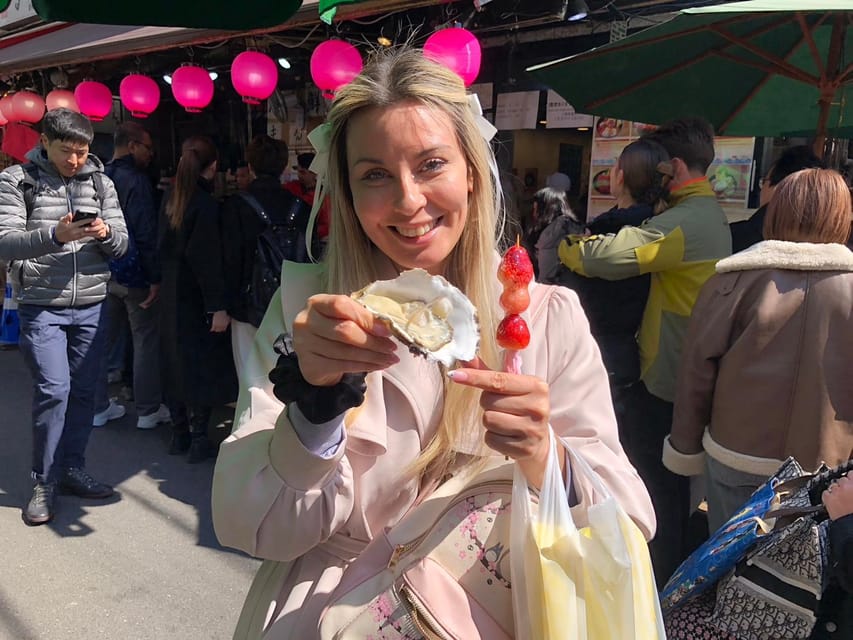
The group limit is 10 participants. That is small enough for a more personal experience without making the tour private. In a food market, this matters because you may need to hear explanations over street noise, stay with the group, and ask about foods you do not recognize.
The guide can also respond to the group more easily than on a large coach tour. One verified booking praised Amber for being thoughtful and flexible with a teenage son. That detail is useful if you are visiting with an older child or young teenager and want a guide who can adjust the experience when needed.
Another verified booking praised Akira for explaining the things along the route, not just serving food. That is exactly the strength to look for here. The best use of the four hours is not merely eating several seafood samples. It is understanding what you are eating and why the market matters.
The guides work in English and Japanese. Specific guide assignments can vary, so Amber and Akira are examples of guides associated with the experience, not a guarantee of who will lead your departure.
Is $173 a fair price?
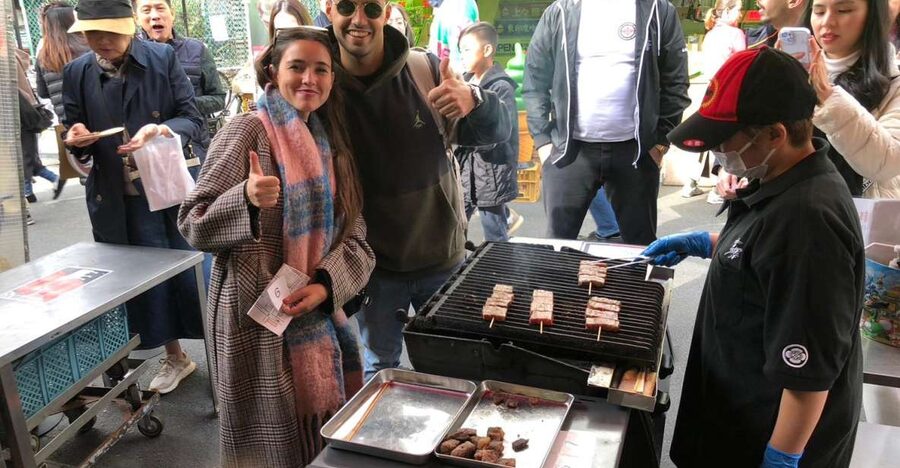
At $173 per person, this is a premium walking tour. You are paying for four hours with a professional guide, a small group, several substantial food tastings, drinks, desserts, and sightseeing at three notable locations.
The value is strongest if you want one organized experience that combines food and context. Buying every listed tasting separately, arranging your own guide, and fitting in the temple, bridge, and shrine would take planning. The small group also adds value if you prefer questions and conversation over a large crowd.
The price is harder to justify if you mainly want inexpensive market snacks. Tsukiji can be explored without a four-hour paid tour, and personal shopping and alcohol are extra. You should also consider how much you value guidance in a market where some products and customs may not be obvious.
For food-focused visitors, the range is appealing. Sushi, sashimi, grilled fish, oysters, tamagoyaki, snacks, and dessert give you a broad sample. For visitors who already know Tsukiji well, the guided sightseeing portion may feel less essential.
Practical details before you book
Plan on four hours of walking with regular food and sightseeing stops. Wear comfortable shoes and bring enough room in your schedule to move at the group’s pace.
The meeting point is easy to reach from Tsukiji Station on the Hibiya Line. Use Exit A1, turn left, and walk about 50 meters to the temple entrance. The tour ends back at Tsukiji Hongwanji Temple.
Two soft drinks and water are included. Alcoholic drinks are not included, though you can buy them. The tour is offered in English or Japanese with a live guide, and availability depends on the starting time you select.
You can cancel up to 24 hours ahead for a full refund. A reserve-now, pay-later option is also available, which helps if your Tokyo schedule is still changing.
Should you book the Tsukiji food tour?
Book it if you want a guided introduction to Tsukiji, not just a quick snack stop. The combination of seafood, market shopping, temple and shrine visits, Kachidoki Bridge, and a small group gives you a fuller picture of the district.
I would especially recommend it to first-time Tokyo visitors, food lovers, and families who want help making sense of unfamiliar dishes. Amber’s flexibility with a teenage participant and Akira’s ability to add context show the kind of guide service that can make the route work for different ages.
Think twice if $173 feels too high for a walking meal, or if you prefer to choose every dish and shop yourself. The tour is most worthwhile when you value explanation, variety, and a planned route as much as the food itself.
FAQ
How long does the Tsukiji food tour last?
The tour lasts four hours, including food tastings, guided sightseeing, shopping, and walking between stops.
Where does the tour meet?
Meet in front of Tsukiji Hongwanji Temple. From Tsukiji Station on the Hibiya Line, take Exit A1, turn left, and walk about 50 meters to the temple entrance.
What food is included?
The tour includes sushi, fresh sashimi, grilled tuna and salmon, grilled oysters, tamagoyaki, desserts, and snacks. Two soft drinks and water are also included.
Are alcoholic drinks included?
No. Alcoholic drinks are not included, but they are available to purchase.
What languages are available?
The tour has a live guide in English or Japanese.
How large is the tour group?
The tour is limited to a maximum of 10 participants.
More Walking Tours in Japan
- Private Walking Tour of Delft: Dive into the Dutch Golden Age
★ 5.0 · 33 reviews - Delft: Dive into the Golden Age on a Private Walking Tour
★ 4.6 · 16 reviews
More Shopping Tours in Japan
- Scuba Diving and shopping on the Hipstrip.
★ 5.0 · 3 reviews
Just added around Japan
- Shared Scuba Diving Trip in Kushimoto★ 5.0 · 2 reviews
- Tokyo Ikebukuro Morning Tour Dive into Japanese Culture★ 5.0 · 5 reviews
- Interacting with real ama divers in a traditional ama hut (AMA hut HACHIMAN)★ 5.0 · 2 reviews
- EDOCCO Tea House–A Quick Dive into Japanese Traditional Culture★ 5.0 · 34 reviews
- Tokyo Ikebukuro Evening Tour Dive into Japanese culture★ 5.0 · 15 reviews
- Blue Cave Introductory Dive–Private Guide, Boat Tour&Free Photos★ 5.0 · 34 reviews
- Boat entry diving at the Blue Cave in Onna Village, Okinawa!★ 5.0 · 4 reviews
- Naha: Full-Day Introductory diving & Snorkeling in the Kerama Islands, Okinawa★ 4.5 · 28 reviews
Scuba Diving in Japan, compared.
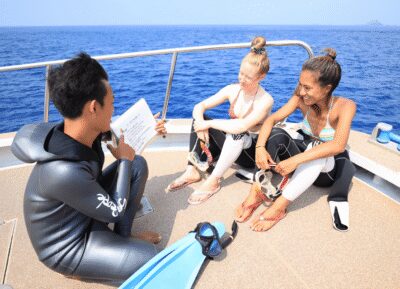
Naha, Okinawa: Kerama Islands Full-Day Intro-Diving Trip
Read our review →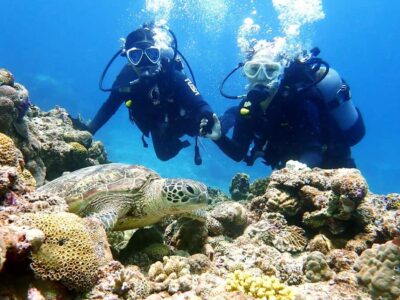
Okinawa:Naha:Kerama Island Experience 1Dive and Snorkeling
Read our review →
Blue Cave Area Experience Diving!Free feeding & photo images Chinese guide available!1 group with a dedicated instructor
Read our review →
From Naha Scuba Diving Trip in Kerama(for certified divers)
Read our review →
Blue Cave Introductory Dive–Private Guide, Boat Tour&Free Photos
Read our review →
EDOCCO Tea House–A Quick Dive into Japanese Traditional Culture
Read our review →
Okinawa: Scuba Diving Tour with Wagyu Lunch and English guide
Read our review →
Naha: Full-Day Introductory diving & Snorkeling in the Kerama Islands, Okinawa
Read our review →Lists this dive appears in