
REVIEW · JAPAN
Tokyo Ikebukuro Morning Tour Dive into Japanese Culture
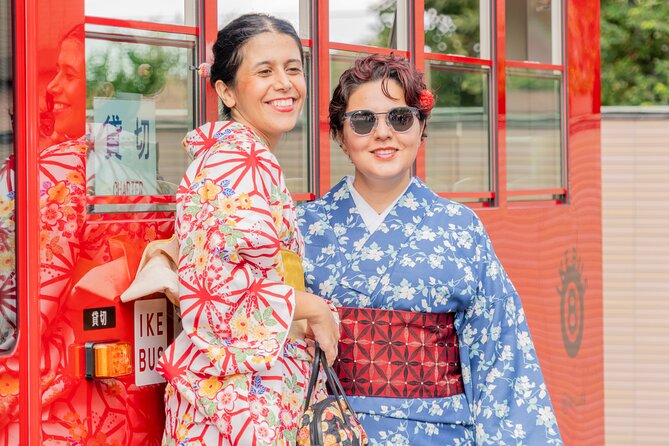
The most memorable part of this morning is the mix of kimono dressing and tea ceremony with an ordinary Tokyo neighborhood. You are not simply looking at old buildings. You are preparing for the day in traditional clothing, then riding the cute Ikebus and tasting small local foods along Sugamo Jizo-dori.
I like the way this tour links Ikebukuro and Sugamo, two districts with very different moods. I also like the useful extras: a 1,000-yen food certificate and a goshuincho stamp book. The main drawback is the price, $128.77 per person, which is a serious outlay for four hours and may feel high if you mainly want a shopping-street walk.
Key points
- Kimono and matcha ceremony: You get more than a costume photo, with dressing, hair accessories, and a traditional tea experience included.
- Sugamo Jizo-dori: Taste local specialties while walking through a shopping street popular for everyday neighborhood life.
- Ikebus connection: The private bus ride adds a playful way to connect Ikebukuro with Sugamo.
- Temple stamp book: Your included goshuincho gives the temple visit a practical souvenir angle.
- Private format: Only your own group participates, making it easier to ask questions and set the pace.
- Morning timing: The 9:00 am start leaves the rest of your day open for Tokyo sightseeing.
Why this four-hour morning feels different
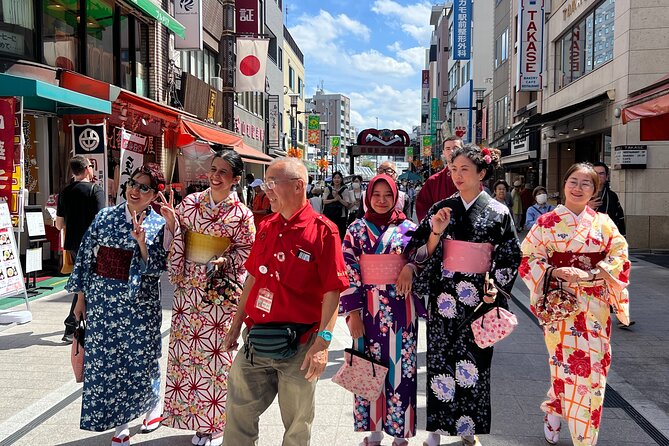
Tokyo offers plenty of grand sights, but this tour focuses on small rituals and local streets. You begin at the Ikebukuro East Tourist Information Center, then prepare for the morning in a kimono before heading toward Sugamo.
That order matters. The kimono is not treated as a quick add-on at the end. It shapes the whole outing. You walk, visit a temple, and take part in a tea ceremony while dressed in clothing that makes familiar activities feel new.
The dressing process can take some patience. One participant described being surprised by how many layers a kimono requires. That is useful to know before booking. This is not a fast jacket-and-go arrangement. You should allow time to be dressed properly and expect the clothing to feel more structured than ordinary sightseeing clothes.
Hair styling can also be part of the preparation. Short hair may be arranged with hair accessories, so you do not need long hair to enjoy that part of the experience. Still, a kimono can restrict your stride and make stairs or fast walking less comfortable. Wear suitable underlayers and shoes for a morning that includes both transport and walking.
The tea ceremony gives the outing a quiet center. You prepare and taste matcha, learning through participation rather than simply viewing an exhibit. If you have never worn a kimono or attended a tea ceremony, this is the strongest reason to consider the tour.
A few more dives around Japan worth comparing
- Two-Tank Morning Dive Trip for Certified Divers
★ 5.0 · 602 reviews - 2 Dives in the morning for certified divers in Bora Bora
★ 5.0 · 263 reviews - Two fun dives morning trip (Certified Divers only)
★ 5.0 · 170 reviews
Meeting at Ikebukuro at 9:00 am
The tour starts at 池袋東口観光案内所, or Ikebukuro East Tourist Information Center, at 1-chōme-20-10 Higashiikebukuro, Toshima City. You should plan to arrive early enough to find the meeting point without rushing, especially if Ikebukuro is unfamiliar to you.
Ikebukuro is a useful base for this outing because the tour begins and ends in the same place. You do not need to arrange a separate return from Sugamo. That makes the morning easier to fit into a larger Tokyo plan.
The 9:00 am start is another practical advantage. You finish after roughly four hours and can spend the afternoon in Ikebukuro, visit another part of Tokyo, or return to your hotel. The early start may feel demanding after a long flight, but it suits visitors who prefer to use their sightseeing time carefully.
This is a private activity, so only your group takes part. That should make questions easier and may help the kimono preparation feel less rushed than it would in a large group. The exact pace can still depend on the group and the dressing process, so I would not schedule a tight lunch reservation immediately after the stated end time.
Kimono preparation and a real tea ceremony
The kimono portion is the heart of the experience. You receive help getting dressed, including the many layers that make the clothing look and feel distinctly different from everyday wear. The preparation itself becomes part of the cultural lesson.
You may also have your hair finished with accessories. This is a thoughtful touch because it makes the complete outfit feel intentional rather than borrowed for a few minutes. It also means the activity is about presentation and custom, not only putting on colorful clothing.
The matcha ceremony follows the preparation. You get a chance to take part in the process and taste the tea. The available details do not promise a long formal lesson, so you should think of this as a concise introduction rather than a specialist workshop.
I like that balance. A first tea ceremony can be difficult to understand if you only watch from the side. Here, you have a direct connection between the clothing, the setting, and the manners of the ceremony. You also get an experience that photographs cannot fully capture.
There is a small practical tradeoff. Kimono is beautiful but not built for speed. If you prefer free-ranging exploration, casual clothing, and many stops, this tour may feel more structured than your usual Tokyo morning. If you enjoy trying something unfamiliar and letting the activity set the pace, the clothing adds real value.
Riding the Ikebus toward Sugamo
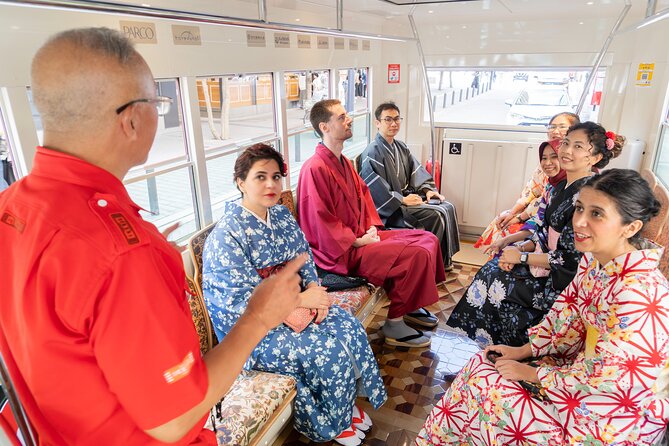
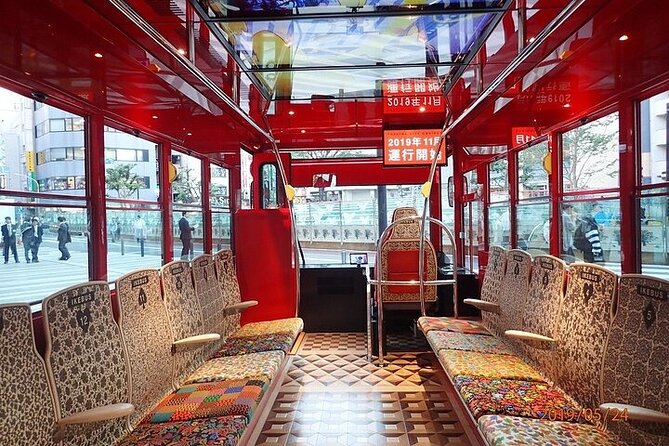
The tour uses a private Ikebus connection from Ikebukuro. The bus has been described as cute, and that detail matters because the ride is part of the character of the morning rather than a plain transfer between two points.
Ikebukuro and Sugamo offer different kinds of city life. Ikebukuro is known as one of Tokyo’s major neighborhoods, with large commercial areas and busy transport links. Sugamo Jizo-dori gives you a slower shopping-street setting, where the pleasure comes from browsing, tasting, and noticing ordinary local activity.
The bus also helps the tour feel connected. You begin with traditional preparation, travel through Tokyo by a distinctive local vehicle, then continue on foot through Sugamo. The changes in pace give the morning a clear shape.
The tour does not promise extensive sightseeing across all of Ikebukuro. If you want department stores, observation decks, or a broad city orientation, you will need to arrange those separately. This outing uses Ikebukuro mainly as the starting point for the kimono, tea, and Sugamo program.
Same water, a completely different day underwater:
- Naha, Okinawa: Kerama Islands Full-Day Intro-Diving Trip
★ 4.6 · 203 reviews - Okinawa:Naha:Kerama Island Experience 1Dive and Snorkeling
★ 4.4 · 99 reviews - Blue Cave Area Experience Diving!Free feeding & photo images Chinese guide available!1 group with a dedicated instructor
★ 4.5 · 89 reviews - From Naha Scuba Diving Trip in Kerama(for certified divers)
★ 5.0 · 46 reviews
Sugamo Jizo-dori and the 1,000-yen food certificate
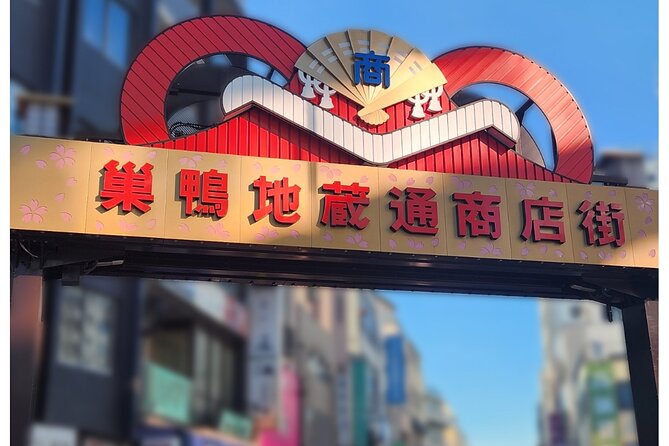
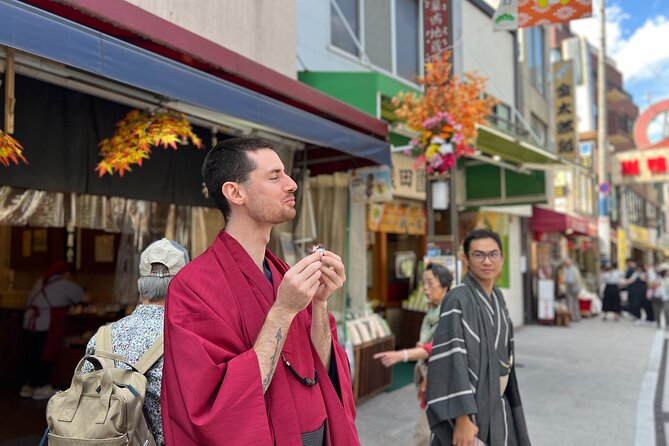
At Sugamo Jizo-dori Shopping Street, you get about 30 minutes to taste local specialties and walk through the shopping district. That is not enough time for a long, unhurried shopping expedition, but it is enough to sample a few small items and get a feel for the street.
The included 1,000-yen certificate is useful here. It turns the food stop into an active part of the tour instead of leaving you to decide whether to spend more money on snacks. You can use it for eating while walking, which suits the short visit.
I would treat the certificate as a tasting allowance, not a full meal budget. The information provided does not specify the exact shops or dishes, so you should expect the available choices to depend on the participating businesses and the day. The value is in trying local bites with some spending already covered.
Sugamo is a good choice for visitors who have already seen famous Tokyo districts such as Asakusa or Odaiba and want a different setting. It is also useful for a first visit if you want to see a neighborhood outside the standard landmark circuit.
The 30-minute limit is the main restriction. You will not have time to study every storefront, shop at length, and eat a full meal. Keep your expectations focused: this is a guided introduction and food tasting, not a half-day shopping trip.
Togenukijizo Kogan Temple and your goshuincho
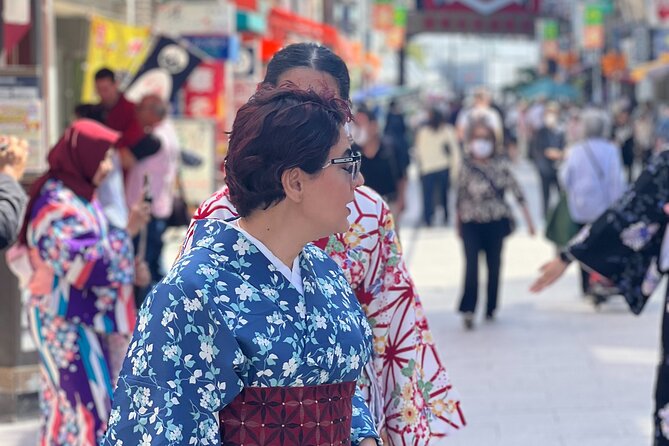
The second listed stop is Togenukijizo Kogan Temple, with about 30 minutes there. The temple gives the morning a spiritual and historical focus after the more social food stop.
You receive an original goshuincho stamp book as part of the activity. You can use it to collect temple stamps during the visit, giving you a souvenir tied to the place rather than a generic item from a shop. If you already collect goshuin, this may be especially appealing. If you are new to the custom, the book gives you a simple starting point.
The temple stop is not presented as an extended religious study. You should expect time to visit, receive the stamp, and take in the setting rather than a long lecture. The private format helps here because you can ask questions as they come up.
The book also adds value beyond the four-hour schedule. A food certificate is quickly used, but a goshuincho can accompany you to other temples during your Japan trip. You should follow local temple etiquette and treat the stamping process as a religious custom, not merely a souvenir transaction.
What the $128.77 price really covers
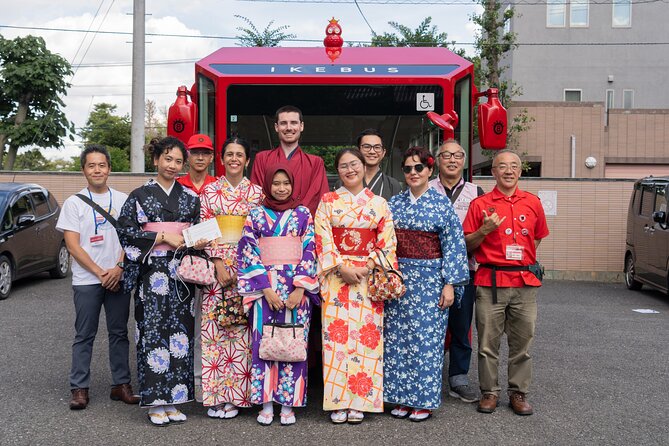
At $128.77 per person, this is not a budget walking tour. The fair comparison is not simply four hours of sightseeing. The price includes kimono preparation, hair accessories as needed, a tea ceremony, private Ikebus transport, guided time in Sugamo, a 1,000-yen food certificate, and a goshuincho stamp book.
The private format matters. You are not paying for a large coach group with a fixed script. Only your group participates, which can make the cultural parts more personal and reduce the awkwardness of asking basic questions.
Still, value depends on your priorities. If the kimono and tea ceremony are the main reason you are interested, the package brings several related activities together in one morning. If you mainly want to eat on Sugamo Jizo-dori, you could spend less by visiting the shopping street independently.
The price is easier to justify for a first-time visitor who wants a planned introduction to Japanese customs. It is harder to justify for someone who already owns a kimono, has attended a tea ceremony, or prefers independent neighborhood wandering.
I would also remember that the 1,000-yen certificate does not offset the full cost. It is a welcome inclusion, but the real value lies in the organized cultural program and the private transport.
Who will enjoy this morning most
I would recommend this tour to you if you want a gentle introduction to traditional Japanese culture without committing to a full-day program. Four hours is long enough to create a real memory but short enough to leave room for other Tokyo plans.
It suits couples, families, and small private groups who want to share the kimono and tea experience. The private setup also helps if your group has many questions or wants a quieter outing.
It is a strong match for repeat visitors. If you have already visited Tokyo’s best-known sightseeing areas, Sugamo offers a change of scene, and the connection with Ikebukuro gives you a useful look at two different districts.
The tour may not suit you if you dislike formal clothing, have difficulty with layers, or want to cover many sights quickly. The kimono preparation and tea ceremony are central, not optional decorations. You should also avoid booking it if your morning schedule allows no flexibility after the 9:00 am start.
Most people can participate, and service animals are allowed. The activity is near public transportation, though the supplied details do not specify the full route or the best access arrangements for every mobility need. If you have a particular accessibility concern, confirm it before booking.
Useful planning details before you reserve
You receive confirmation when you book, and a mobile ticket is available. The tour starts and ends at the same Ikebukuro meeting point, which simplifies your plans for the rest of the day.
The stated duration is approximately four hours. Since the schedule includes preparation, a tea ceremony, transport, food tasting, and two stops, you should expect a planned morning rather than open-ended free time.
Free cancellation is available if you cancel at least 24 hours before the local start time. Cancellations or changes made less than 24 hours before the experience begin are not accepted for a refund, so check your Tokyo schedule before committing.
The published rating is 5 from five ratings, but the small number means you should judge the tour by its design rather than treat that score as a guarantee. The repeated strengths are clear: the kimono preparation, tea ceremony, friendly assistance, Ikebus ride, and chance to see Sugamo without relying only on Tokyo’s famous districts.
Should you book the kimono and Sugamo morning?
Book it if you want a compact, private cultural program with a clear beginning and end. The best reasons are the complete sequence: kimono dressing, hair accessories, matcha preparation and tasting, a distinctive bus ride, local food, a temple visit, and a goshuincho to keep.
Think twice if $128.77 feels high for a four-hour outing or if you would rather spend the morning wandering independently. The food certificate is useful, but it is not the main value. You are paying for guided structure, traditional clothing, and access to several experiences that can be awkward to arrange alone.
For a first cultural introduction, I think the package makes sense, especially if you have already seen the major Tokyo sights. For a repeat visitor seeking a quieter neighborhood and a personal morning, it offers a good change of pace. Just arrive ready for layers, a measured walking pace, and a schedule built around participation rather than rushing from landmark to landmark.
FAQ
How much does the Tokyo Ikebukuro Morning Tour cost?
The tour costs $128.77 per person.
How long does the activity last?
The activity lasts approximately four hours.
What time does the tour begin?
It begins at 9:00 am.
Where does the tour meet?
You meet at Ikebukuro East Tourist Information Center, 1-chōme-20-10 Higashiikebukuro, Toshima City, Tokyo 170-0013, Japan.
Where does the tour end?
The activity ends back at the meeting point in Ikebukuro.
What is included at Sugamo Jizo-dori Shopping Street?
You have time to taste local specialties, and a 1,000-yen gift certificate for eating while walking is included.
Do I receive anything to use at the temple?
Yes. You receive an original goshuincho stamp book that can be used for temple stamps at Togenukijizo Kogan Temple.
Is this a private activity?
Yes. Only your group participates in the activity.
Can I cancel for a full refund?
Yes, if you cancel at least 24 hours before the experience start time. Cancellations or changes made less than 24 hours before the start are not accepted for a refund.
Just added around Japan
- Dive into Tsukiji Fish Market Walking Friendly Food Tour★ 5.0 · 3 reviews
- Shared Scuba Diving Trip in Kushimoto★ 5.0 · 2 reviews
- Interacting with real ama divers in a traditional ama hut (AMA hut HACHIMAN)★ 5.0 · 2 reviews
- EDOCCO Tea House–A Quick Dive into Japanese Traditional Culture★ 5.0 · 34 reviews
- Tokyo Ikebukuro Evening Tour Dive into Japanese culture★ 5.0 · 15 reviews
- Blue Cave Introductory Dive–Private Guide, Boat Tour&Free Photos★ 5.0 · 34 reviews
- Boat entry diving at the Blue Cave in Onna Village, Okinawa!★ 5.0 · 4 reviews
- Naha: Full-Day Introductory diving & Snorkeling in the Kerama Islands, Okinawa★ 4.5 · 28 reviews
Morning, compared.

Two-Tank Morning Dive Trip for Certified Divers
Read our review →
2 Dives in the morning for certified divers in Bora Bora
Read our review →
Two fun dives morning trip (Certified Divers only)
Read our review →



Kauai’s Exclusive Morning Scuba Charter for Experienced Divers
Read our review →
2-Tank Morning or Afternoon Dives in Playa del Carmen certified Divers Only
Read our review →Lists this dive appears in