
REVIEW · JAPAN
Tokyo: Japanese Experiece Dinner with Diving Ama Performance
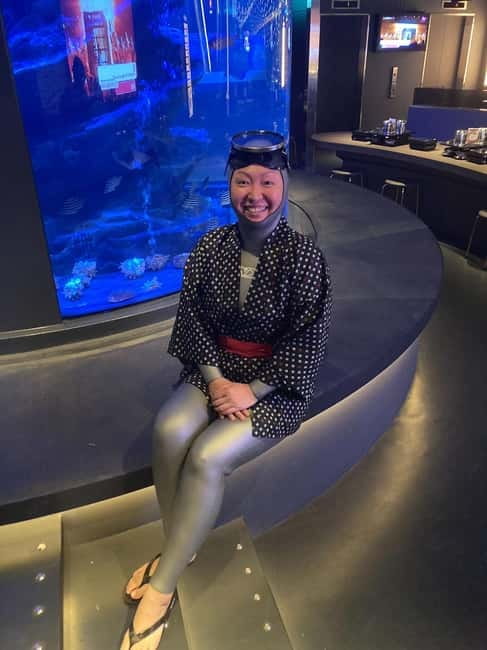
The main event here is an Ama fishing performance staged beside a 20-ton aquarium. These women fishers represent a Japanese coastal tradition said to be more than 2,000 years old, and the setting gives you a close view without leaving central Tokyo. I like the unusual mix of cultural presentation and dinner, and I like that you can shape the meal around seafood, wagyu, or both.
The location is convenient, just one minute from Shimbashi Station, but finding the basement can be harder than expected. Give yourself extra time, especially with children or in bad weather. The 5:00 p.m. start may also feel early, and some of the presentation may be difficult if you do not speak Japanese.
Key points to know before booking
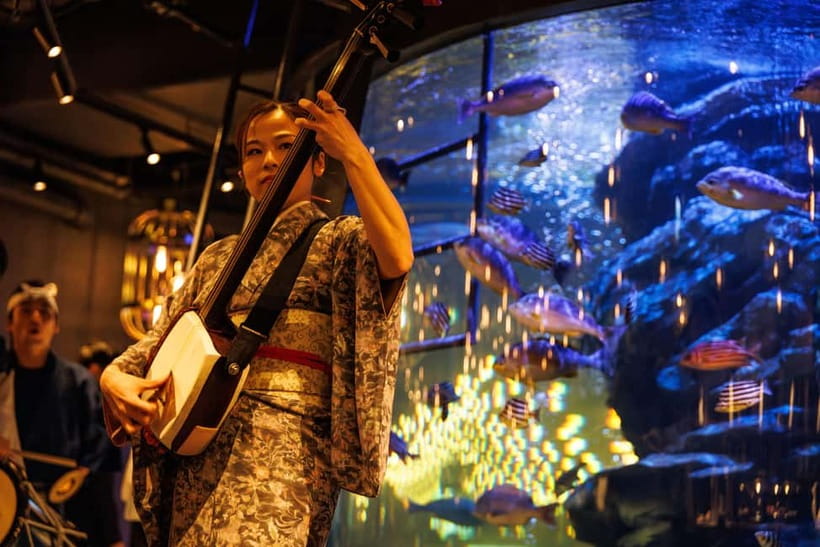
- A 20-ton aquarium forms the restaurant’s centerpiece, with seating arranged around it for a clear view of the performance.
- The Ama tradition is more than 2,000 years old, giving the show cultural weight beyond a standard dinner presentation.
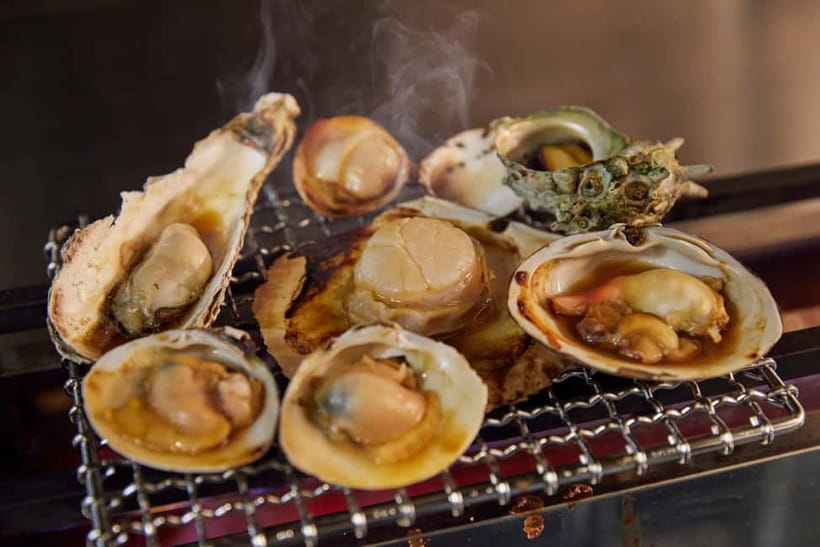
- Your meal is customizable, with choices including seafood hotpot, shabu-shabu, sukiyaki, wagyu yakiniku, and grilled seafood.
- Premium black wagyu shares the menu with fresh seafood, making this more substantial than a simple cultural show.
- The venue is one minute from Shimbashi Station, but it is in Grandhammer B1F and can be difficult to spot.
- The $88 price includes food, the show, tax, and service, but drinks require a separate cash payment.
What happens beside the giant aquarium
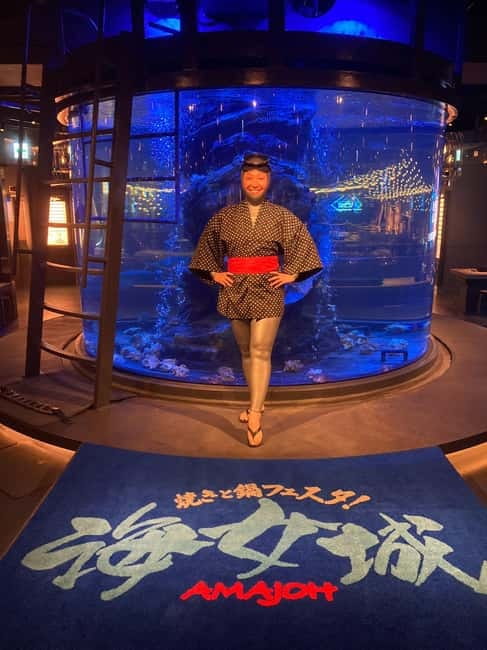
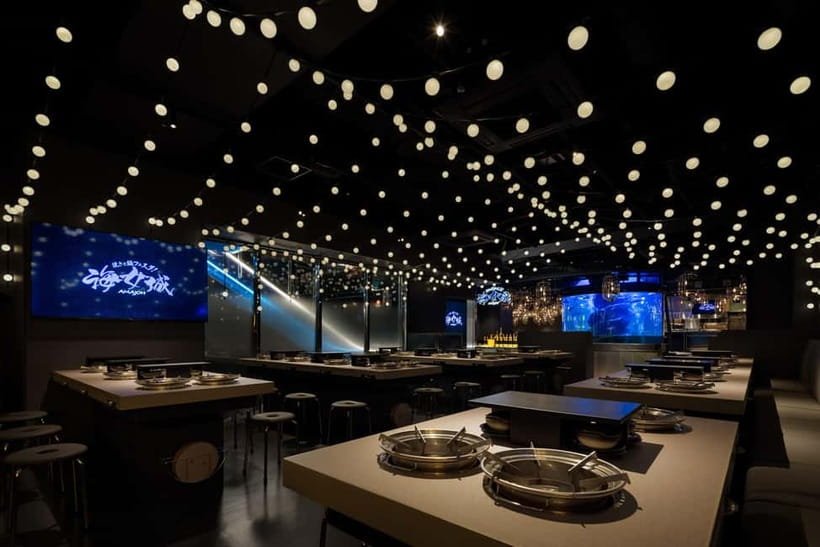
AMAJOH is built around a large aquarium weighing 20 tons. Seating faces this tank, so the room itself sets the mood before the performance begins. Blue light from the water mixes with warmer lamps, creating a dark, theatrical dining room rather than a bright, ordinary restaurant.
The Ama performance is the reason to choose this meal over a regular hotpot dinner. Ama are Japanese women who traditionally gather seafood from the sea without the equipment associated with modern commercial fishing. Here, that coastal practice is presented in an urban restaurant, giving you a quick introduction to a way of life that many Tokyo diners would not otherwise encounter.
You should think of the show as a cultural demonstration during dinner, not as a long museum-style lesson. The supplied information does not give the performer’s name, the length of each performance, or the language used. If you need detailed explanation in English, check before booking rather than assuming the presentation will be translated.
The cultural setting is especially useful if you are spending most of your Japan trip in cities. Tokyo can make the country feel intensely modern, with trains, towers, shopping streets, and digital signs everywhere. This meal offers a link to coastal communities and fishing customs without requiring a separate trip to a rural shoreline.
A few more dives around Japan worth comparing
- *Sunset High Diver Show 3Course Dinner 2 Drinks Diff Options
★ 4.7 · 21 reviews
Choosing your hotpot at the table
The meal is served as a one-person hotpot experience, which gives you more control than a shared pot. You can choose ingredients and broth according to the options available at the restaurant. The listed styles include seafood hotpot, shabu-shabu, sukiyaki, wagyu yakiniku, and grilled seafood.
That range matters. If you want a classic Japanese comfort meal, shabu-shabu or sukiyaki may suit you. If you prefer seafood, select the seafood hotpot or grilled seafood option. Wagyu yakiniku adds a more luxurious meat course, while the premium black wagyu gives the $88 price some practical justification.
Fresh seafood and wagyu in the same meal make this a good choice for a mixed group. One person can focus on fish and shellfish while another chooses beef. The one-person setup also avoids the small negotiation that often comes with a shared hotpot, where everyone has to agree on the broth and cooking pace.
The available information does not list exact seafood items, portion sizes, or the precise broth choices. I would not book this expecting a specific shellfish or cut of beef unless the restaurant confirms it first. The strength is choice within the meal format, not a fixed tasting menu with every detail announced in advance.
Why the Ama story adds value
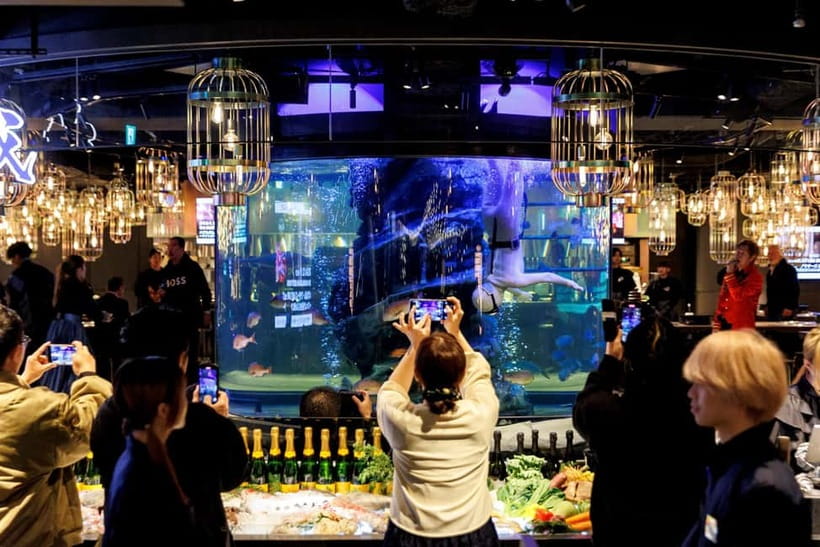
A dinner show can easily feel like a decorative extra. The Ama tradition gives this one a stronger purpose. The restaurant is designed to connect coastal production areas with urban Tokyo, so the meal is meant to do more than entertain you while food cooks.
The tradition has continued for more than 2,000 years, according to the supplied description. That long time span does not mean the restaurant recreates an ancient meal. Instead, it presents a living fishing culture in a modern dining room, with the aquarium providing the visual focus.
I like that the setting makes the subject easy to understand. You are not only reading a paragraph about Ama fishers. You are watching a performance in a room built around water, then eating seafood and beef at your own table. The connection is simple, and that is part of its appeal.
Still, keep your expectations measured. The experience is not described as a full historical lecture, a trip to an Ama village, or a chance to speak with a fisher in a coastal community. If you want a detailed academic account or a field visit, this dinner will feel too brief. If you want an accessible introduction during an evening in Tokyo, it makes more sense.
Finding AMAJOH near Shimbashi Station
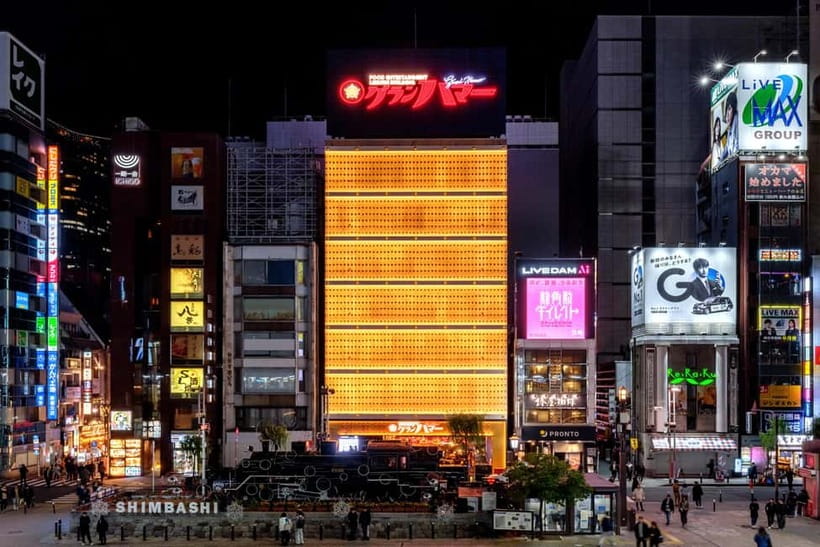
The meeting point is one minute from Shimbashi Station, at West Exit 7, directly in front of Shimbashi SL Square. The restaurant is in Grandhammer B1F, or basement level one, under a shared co-op restaurant space.
That last detail is important. The address sounds easy, but the entrance may not be obvious from the street. A verified booking account described difficulty locating the site, including a long search around the same block in the rain with children. Local people nearby were not familiar with the venue.
My practical advice is simple: arrive early, use West Exit 7, and look specifically for the Grandhammer basement entrance rather than asking only for AMAJOH. Save the meeting details on your phone before leaving your hotel. If you are carrying luggage, traveling with children, or arriving during rain, the extra time will make the start far less stressful.
The location is otherwise a good fit for a Tokyo evening. Shimbashi has strong rail access, and the short walk from the station means you do not need a taxi simply to reach dinner. The difficulty is visibility, not distance.
Same water, a completely different day underwater:
- Naha, Okinawa: Kerama Islands Full-Day Intro-Diving Trip
★ 4.6 · 203 reviews - Okinawa:Naha:Kerama Island Experience 1Dive and Snorkeling
★ 4.4 · 99 reviews - Blue Cave Area Experience Diving!Free feeding & photo images Chinese guide available!1 group with a dedicated instructor
★ 4.5 · 89 reviews - From Naha Scuba Diving Trip in Kerama(for certified divers)
★ 5.0 · 46 reviews
Timing, atmosphere, and comfort
The activity lasts two hours, with starting times shown according to availability. One reported booking used a 5:00 p.m. start, which some people may find inconvenient. An early evening schedule can work well for families or for fitting in another activity afterward, but it may not feel like a typical late Japanese dinner.
The interior uses aquarium-blue light and warm-colored lamps. This creates a moody room that suits the performance, though one booking account found the atmosphere uncomfortable and stuffy. That is worth considering if you dislike enclosed basement spaces or prefer an airy restaurant.
Comfortable clothing is the only item specifically recommended. There is no stated dress code. Wheelchair access is available, which is useful, although the listing does not explain the exact route from street level to the basement or the arrangement of the dining area. If you need detailed access information, contact the provider before booking.
The performance, service, and food received the strongest praise in the available feedback. That is the core of the decision. The show appears to be the reliable reason to come, while navigation, language, start time, and room comfort are the areas that may affect your satisfaction.
Is $88 a fair price?
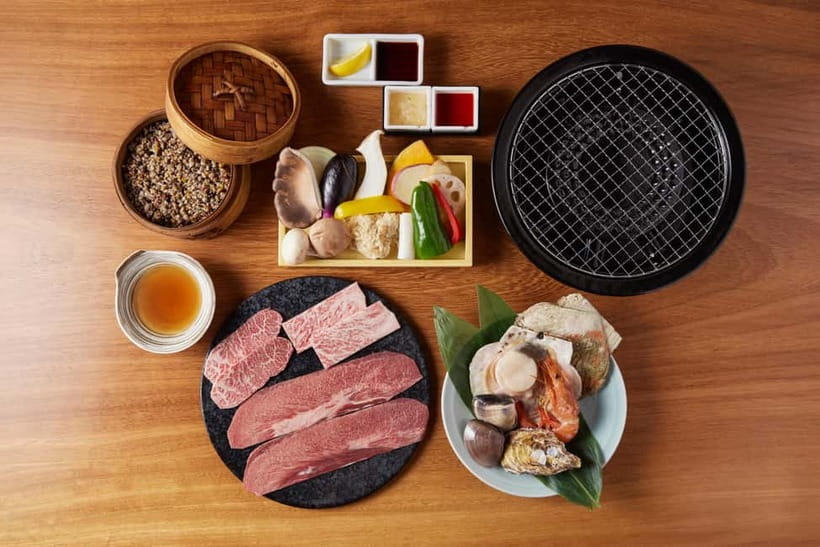
At $88 per person, this is not a budget dinner. You are paying for more than the ingredients: the Ama presentation, the aquarium setting, service, tax, and a two-hour reservation in central Tokyo are all included.
The value improves if you would otherwise pay separately for a seafood meal and a cultural activity. The premium black wagyu also helps, especially if you choose a beef-focused option. The one-person hotpot format gives you a customized meal rather than a single fixed plate.
The price is harder to justify if you mainly want an inexpensive Japanese dinner. Tokyo has many cheaper hotpot and seafood choices, and drinks are not included. You must pay for beverages separately in cash, so carry enough yen and remember that the final bill will be higher than the advertised amount if you order drinks.
I would call the price reasonable for a special evening, not a bargain. It suits a celebration, a first-night introduction to Japanese food culture, or a visitor who values a memorable setting. It is less suitable for a food-focused budget itinerary where portion size and ingredient detail matter more than the performance.
Who will enjoy this dinner most?
I would recommend it to you if you want several things in one compact booking: a cultural presentation, a distinctive restaurant interior, and a substantial Japanese meal. It also works well for families because each person can have an individual hotpot, though the early start and basement setting may not suit every child.
It is a good match for first-time visitors who want something different from sushi, ramen, or izakaya food. The Ama tradition gives you a story to carry into the rest of your trip, especially if your itinerary stays within Tokyo.
Couples may appreciate the low-lit aquarium setting, while food lovers can choose between seafood and black wagyu. People with mobility needs can consider it because the activity is listed as wheelchair accessible, but should confirm the exact entrance arrangement in advance.
I would be cautious if you need English-language instruction, a late dinner, a bright and open dining room, or a very detailed account of Ama culture. The information does not confirm multilingual staff or translation, and one booking account specifically found the experience unsuitable for people who do not speak Japanese.
Booking advice and cancellation flexibility
The booking includes free cancellation up to 24 hours before the scheduled start for a full refund. You can also reserve now and pay later, which helps if your Tokyo plans are still shifting.
The activity includes food, the Ama performance, consumption tax, and service. Drinks are excluded and require a separate cash payment. Keep those terms in mind when comparing the total cost with an ordinary restaurant reservation.
The overall rating is 4.2 from five recorded ratings. That is a positive but small sample, so I would use it as a guide rather than a guarantee. The clearest pattern is that the food, service, and performer are strong, while the practical details of finding the room and feeling comfortable in the space deserve attention.
Should you book the AMAJOH experience?
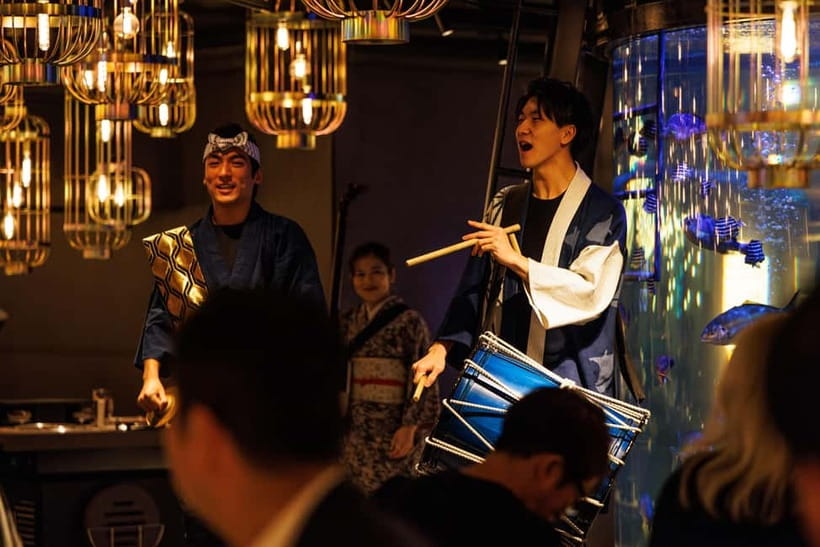
Book it if you want an unusual Tokyo dinner with a clear cultural theme, especially if seafood and black wagyu appeal to you. The aquarium, personal hotpot, and Ama performance create a meal you are unlikely to duplicate at a standard restaurant.
Skip it if you want a relaxed late-night meal, guaranteed English explanation, or a simple street-level venue that is easy to find. For the best chance of enjoying it, arrive early at Shimbashi West Exit 7, search for Grandhammer B1F, carry cash for drinks, and treat the show as a short introduction to Ama culture rather than a full coastal field experience.
FAQ
Where is the Ama dinner located?
The restaurant is at Grandhammer B1F, one minute from Shimbashi Station, near West Exit 7 and directly in front of Shimbashi SL Square.
How long does the activity last?
The experience lasts two hours.
What is included in the price?
Food, the Ama performance, consumption tax, and the service fee are included.
Are drinks included?
No. Drinks are separate and must be paid for in cash.
What food choices are available?
Choices include fresh seafood, premium black wagyu, wagyu yakiniku, grilled seafood, shabu-shabu, sukiyaki, and seafood hotpot.
Can I choose my hotpot ingredients and broth?
Yes. The experience allows you to customize your hotpot with your preferred ingredients and broth.
Is the experience wheelchair accessible?
Yes, the activity is listed as wheelchair accessible.
What should I wear?
Comfortable clothes are recommended.
Can I cancel for a refund?
Yes. You can cancel up to 24 hours in advance for a full refund.
Just added around Japan
- Dive into Tsukiji Fish Market Walking Friendly Food Tour★ 5.0 · 3 reviews
- Shared Scuba Diving Trip in Kushimoto★ 5.0 · 2 reviews
- Tokyo Ikebukuro Morning Tour Dive into Japanese Culture★ 5.0 · 5 reviews
- Interacting with real ama divers in a traditional ama hut (AMA hut HACHIMAN)★ 5.0 · 2 reviews
- EDOCCO Tea House–A Quick Dive into Japanese Traditional Culture★ 5.0 · 34 reviews
- Tokyo Ikebukuro Evening Tour Dive into Japanese culture★ 5.0 · 15 reviews
- Blue Cave Introductory Dive–Private Guide, Boat Tour&Free Photos★ 5.0 · 34 reviews
- Boat entry diving at the Blue Cave in Onna Village, Okinawa!★ 5.0 · 4 reviews
Scuba Diving in Japan, compared.
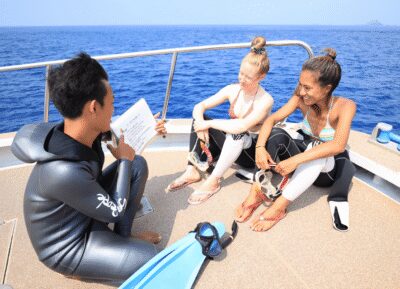
Naha, Okinawa: Kerama Islands Full-Day Intro-Diving Trip
Read our review →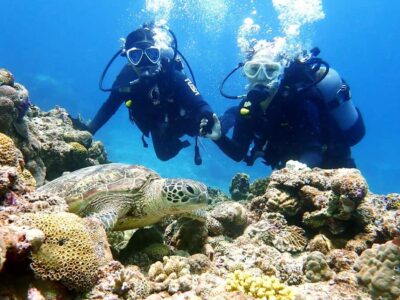
Okinawa:Naha:Kerama Island Experience 1Dive and Snorkeling
Read our review →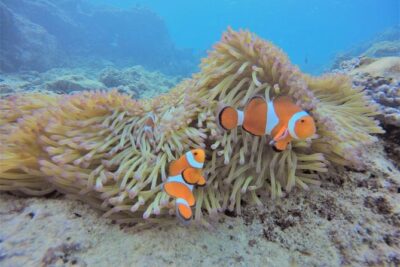
Blue Cave Area Experience Diving!Free feeding & photo images Chinese guide available!1 group with a dedicated instructor
Read our review →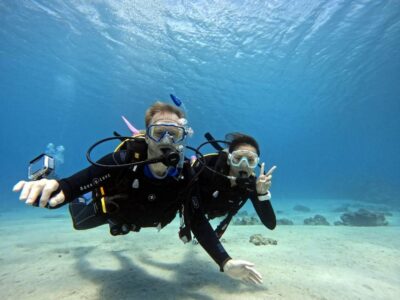
From Naha Scuba Diving Trip in Kerama(for certified divers)
Read our review →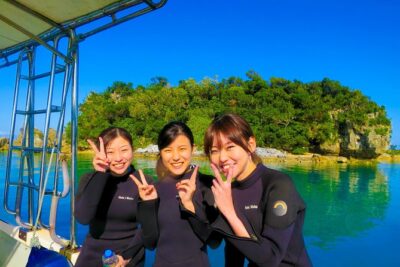
Blue Cave Introductory Dive–Private Guide, Boat Tour&Free Photos
Read our review →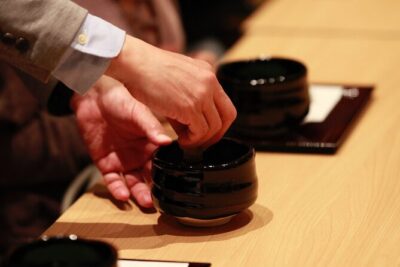
EDOCCO Tea House–A Quick Dive into Japanese Traditional Culture
Read our review →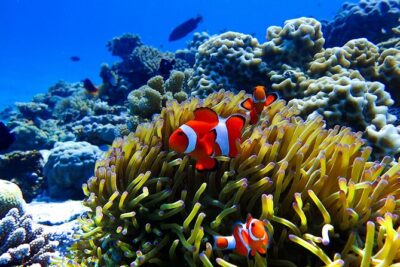
Okinawa: Scuba Diving Tour with Wagyu Lunch and English guide
Read our review →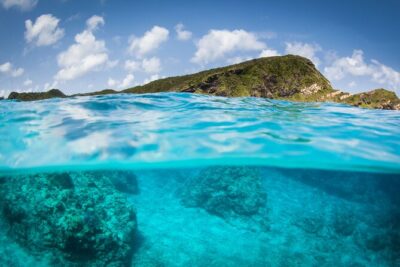
Naha: Full-Day Introductory diving & Snorkeling in the Kerama Islands, Okinawa
Read our review →Lists this dive appears in