
REVIEW · JAPAN
Let’s enjoy Scuba diving in Izu Peninsula for certificate Diver
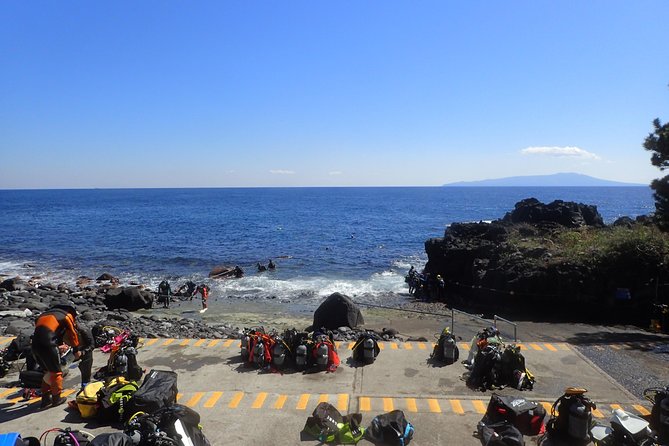
Izu Oceanic Park gives certified scuba participants a close look at one of Japan’s best-known underwater sites. The setting near Ito is famous for marine life, and your guide, Morita of Dive Dream, can adjust the session to your experience level. Two tanks, weights, a belt, lunch, and a private guide are included.
I like the small private format, especially if you have not been underwater for a while and want calm, clear guidance. I also like the chance to spot creatures such as dragon moray eels, pufferfish, sardines, and shrimp hiding in rock crevices. The main catch is that scuba equipment costs extra, and the exact site can change with sea conditions.
Key points to know before booking
- Two tanks are included: The package covers a guide, two tanks, weights, and a weight belt.
- Morita leads the experience: He can guide in English or Japanese and is known for patient, careful instruction.
- Izu Oceanic Park is the main site: It is one of the best-known and longest-established scuba areas in Japan.
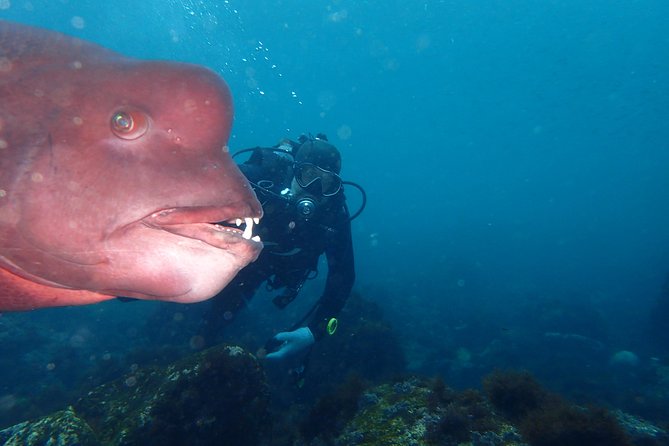
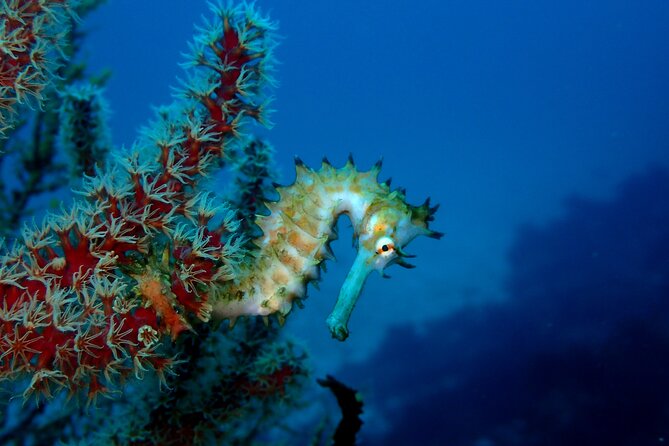
- Marine life is the star: Look for moray eels, pufferfish, sardines, shrimp, and many small fish.
- Lunch is provided: A packed lunch makes the six-hour schedule easier to manage.
- Bring your certification card and log book: You need previous scuba experience, a swimsuit, towel, and sandals.
Why Izu is a strong choice for certified scuba participants
Izu Peninsula has long been one of Japan’s most popular places for sea-based scuba outings. The waters around Ito offer varied marine life, and Izu Oceanic Park, usually shortened to IOP, is the main focus of this experience.
You are not signing up for a first-time lesson. This activity is for certified participants with past experience, and the session is adjusted to your ability. That makes a real difference. Someone returning after several years away may need a slower start and more reminders, while a confident participant may want to spend more time searching rock walls and crevices for small animals.
I like that the guide’s role is not limited to leading you underwater. Morita has been praised for explaining things carefully, keeping nervous participants comfortable, and pointing out creatures that are easy to miss. One participant who had not been underwater for several years felt safe from the beginning, while a family with two teenagers appreciated his calm, clear approach.
The outing is private, so only your own group participates. That is useful for families, couples, or friends with similar experience. It also means you do not have to match the pace of a large group. The tradeoff is price. At $457, this is not a budget activity, but the cost includes a private guide, two tanks, weights, a belt, and lunch. Equipment rental is separate, so you need to add that cost if you are not bringing your own kit.
A few more dives around Japan worth comparing
A 9 a.m. start and a six-hour schedule
The day begins at 9 a.m. at 1082-5 Yawatano, Ito, Shizuoka 413-0232. The meeting point is near public transportation, which helps if you are reaching the area without a car.
The full experience lasts about six hours. That allows time for preparation, two underwater sessions, breaks, lunch, and the return to the same meeting point. The supplied details do not provide an exact minute-by-minute schedule, so you should plan to keep the morning and early afternoon free rather than arranging a tight connection afterward.
A past participant was picked up from a train station, but you should confirm this with Dive Dream before booking transport around it. The official meeting point remains the Izu Oceanic Park Diving Center.
You will need to arrive with your diving card and log book. Those documents help the guide confirm your certification and past experience. Pack a swimsuit, towel, sandals, and any personal items you need after getting out of the water.
At Izu Oceanic Park, the conditions guide the plan
IOP is the central stop on this outing. Its importance comes from both its reputation among Japanese scuba sites and the range of sea life found around the area.
The exact underwater points are not fixed. Sea conditions on the day can affect where you go, so the guide may change the location for safety and better visibility. This is worth accepting from the start. You are paying for a well-managed sea outing, not a guarantee of one exact rock, animal, or route.
That flexibility can work in your favor. A different point may offer better conditions or more interesting wildlife on the day. It can also mean that a particular creature you hoped to see does not appear. Marine life is never a fixed display, and the description makes no promise of specific sightings.
The underwater setting is known for a broad mix of fish and smaller creatures. You might encounter moray eels, pufferfish, sardines, shrimp, and juvenile fish. Morita has also pointed out animals tucked into crevices, including two dragon moray eels during one outing. That kind of spotting is one of the strongest reasons to go with a guide who knows where to look.
What two tanks mean for your day
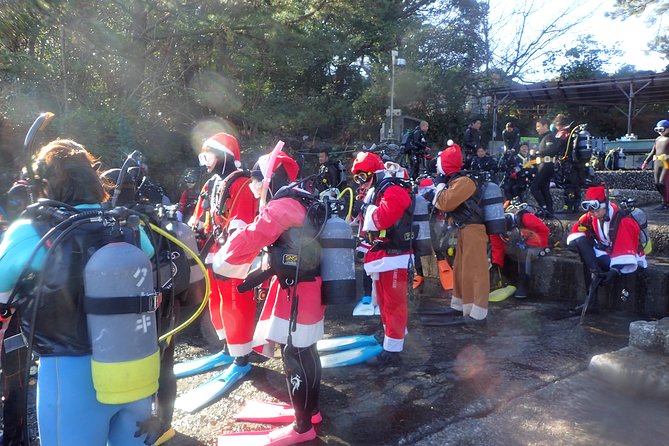
The package includes two tanks, a guide, weights, and a belt. This gives you more than a very short introduction and allows the day to be arranged around two separate underwater sessions.
Two tanks are particularly useful if you want time to see both larger groups of fish and smaller animals hiding in cracks. The guide can help you slow down and look closely instead of rushing from one feature to the next.
You still need to bring your own scuba equipment or arrange rental in advance. The package does not include the use of scuba equipment. That distinction matters when comparing the $457 price with other outings. If you own a full setup, the included tanks and weights make the package simpler. If you are flying into Japan or traveling light, ask Dive Dream exactly what can be rented and what the additional charge will be before confirming.
The description says you can rent full equipment at an extra cost, but it does not give the rental price. Advance notice is required. Do not assume you can arrive and hire a complete set on the spot.
Same water, a completely different day underwater:
- Okinawa:Naha:Kerama Island Experience 1Dive and Snorkeling
★ 4.4 · 99 reviews - EDOCCO Tea House–A Quick Dive into Japanese Traditional Culture
★ 5.0 · 34 reviews - Blue Cave Introductory Dive–Private Guide, Boat Tour&Free Photos
★ 5.0 · 34 reviews - Okinawa: Scuba Diving Tour with Wagyu Lunch and English guide
★ 5.0 · 32 reviews
Morita’s calm style is a major advantage
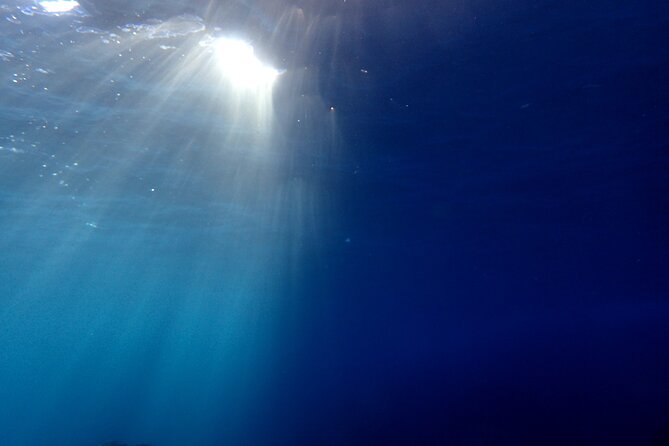
The strongest feature of this outing is the guide relationship. Morita is the named guide from Dive Dream, and the experience can be offered in English or Japanese.
That language choice is important for safety instructions, hand signals, equipment checks, and decisions about conditions. English support also makes the outing easier for international visitors who do not speak Japanese.
His style appears especially well suited to people who are certified but not highly active. A participant returning after several years described feeling safe from the start because Morita explained things carefully and remained patient. A family with limited experience also received calm instruction and help finding marine life.
You should still be honest about your current ability. This is not a substitute for certification or recent practice. The activity requires previous scuba experience and a moderate level of physical fitness. If you have been out of the water for a long time, tell the guide when booking so the pace and expectations can be set properly.
The marine life you may see
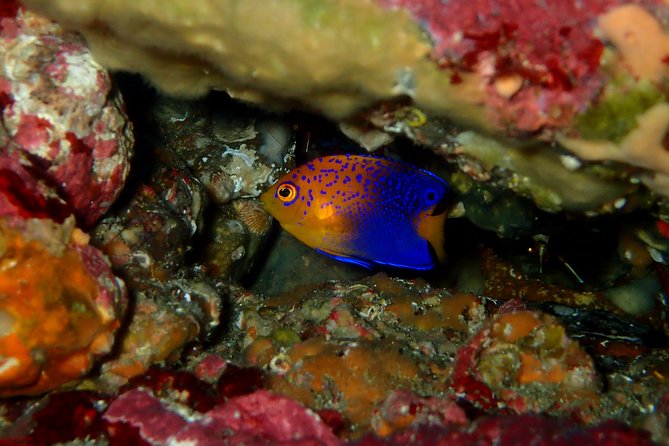
Izu’s appeal is the chance to watch ordinary sea life behaving in its own habitat. That may sound simple, but it is what gives the outing its character.
Moray eels are among the more memorable possibilities. They often remain partly hidden, so a guide’s sharp eye helps. Two dragon moray eels were a highlight for one participant, along with juvenile fish of several kinds.
Pufferfish and sardines offer a different kind of sight. Pufferfish can be easy to miss when tucked near the bottom, while a school of sardines gives the water a sense of movement. Shrimp in crevices and small juvenile fish reward patience more than speed.
There is no promise of a certain animal. That is the honest way to approach any sea outing. You may see a surprising range of creatures, or conditions may limit visibility and sightings. The benefit here is having Morita point out what is actually present instead of trying to search alone.
Some participants also had photographs taken while underwater. The supplied details do not promise an included photo service, so treat this as something that may happen rather than a guaranteed feature.
Lunch, facilities, and the practical comfort level
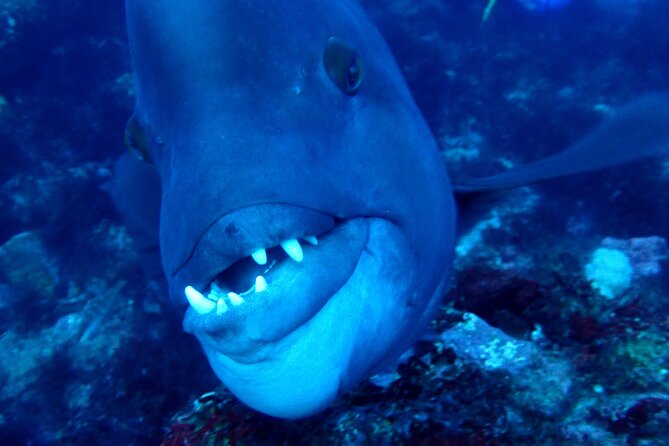
A packed lunch is included. That is a small but useful benefit during a six-hour outing, since you do not need to search for food between sessions or carry a separate lunch plan.
The lunch is described as a box lunch, not a restaurant meal. Keep your expectations practical. It is fuel for the day, not a special culinary stop.
The site has good facilities according to one participant, which matters after spending time in the water. Still, the provided information does not list showers, changing rooms, lockers, or rental details one by one. If any of those are essential to you, confirm them directly with Dive Dream.
Bring your swimsuit, towel, and sandals. Sandals are useful around a wet facility area, while the towel is an obvious necessity after getting out of the water. You should also bring your certification card and log book, both specifically requested for the activity.
Is $457 good value?
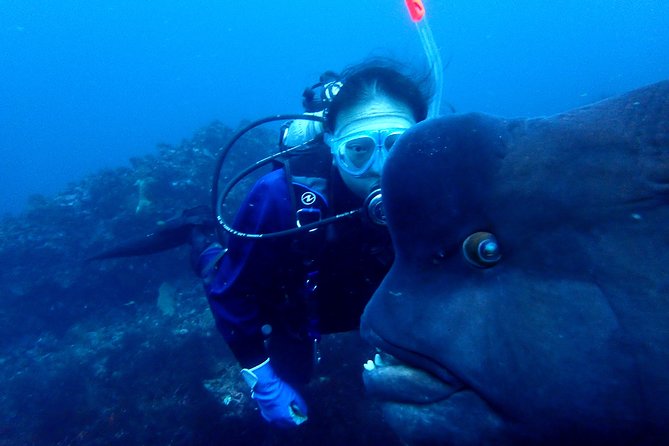
The $457 price makes sense mainly for people who value private attention and already have much of their own equipment. You receive a guide for your group, two tanks, weights, a belt, and lunch. English or Japanese support is also available.
For a solo participant, the total may feel high. For a small group splitting the cost of a private guide, the value improves. A family or group of friends can also benefit from the flexible pace and the chance to stay together.
The extra equipment charge is the main budget warning. Add it before comparing this outing with packages that advertise a lower starting price but include a full set of gear. You should also consider the cost of reaching Ito and the time needed for the six-hour schedule.
I would see this as a specialist experience rather than a general sightseeing activity. If you are certified, want two tanks in Izu, and prefer a private guide, the price can be reasonable. If you are looking for a cheap introduction to scuba or a quick activity between other stops, it is not the right fit.
Who should book this experience?
I would recommend it most strongly to:
- Certified scuba participants who want to explore Izu with a private guide
- People returning to the water who want patient explanations
- Families with teenagers who already have some scuba experience
- English-speaking visitors who want language support
- Small groups that can share the cost of a private session
- Participants interested in smaller sea creatures, not just large schools of fish
I would be more cautious if you have never used scuba equipment, have no certification, or have not been active enough for a moderate physical outing. The activity is not designed as a first lesson.
You should also think about your tolerance for changing plans. Sea conditions may alter the underwater point, and the experience requires good weather. That flexibility is normal for sea-based activities, but it may frustrate anyone determined to visit one exact site.
Booking, cancellation, and weather details
You receive confirmation when booking, and the activity returns to the original meeting point. It is a private activity, so only your group takes part.
You can cancel for a full refund up to 24 hours before the 9 a.m. start time. Changes or cancellations made less than 24 hours before the activity are not refunded or accepted. The cut-off follows local time in Japan.
Weather matters. If poor conditions force cancellation, Dive Dream offers another date or a full refund. This is a useful safeguard, since the exact point may already change with sea conditions even when the day goes ahead.
Should you book the Izu Oceanic Park outing?
Book it if you are certified, want a private two-tank session, and care more about careful guiding and marine life than about keeping costs low. Morita’s calm instruction is particularly useful if your last scuba outing was some time ago, and the chance to find dragon moray eels, shrimp, pufferfish, and juvenile fish gives the day real character.
Before paying, confirm equipment rental costs and ask about any train station pickup. Bring your certification card, log book, swimsuit, towel, and sandals. If you accept that the site may change with the sea, this is a well-focused way to spend six hours around Ito.
FAQ
Is this experience suitable for beginners?
No. Previous scuba experience is required, and the activity is intended for certified participants.
What time does the activity begin?
The course begins at 9 a.m.
Where is the meeting point?
Meet at 1082-5 Yawatano, Ito, Shizuoka 413-0232, Japan, at the Izu Oceanic Park Diving Center.
What is included in the price?
The price includes a packed lunch, a dive guide, two tanks, weights, and a weight belt.
Is scuba equipment included?
No. Full scuba equipment can be rented for an additional cost with advance notice, or you may bring your own equipment.
Can the guide speak English?
Yes. The guide can offer the experience in English or Japanese.
What happens if bad weather cancels the activity?
You will be offered a different date or a full refund if poor weather causes cancellation.
Just added around Japan
- Dive into Tsukiji Fish Market Walking Friendly Food Tour★ 5.0 · 3 reviews
- Shared Scuba Diving Trip in Kushimoto★ 5.0 · 2 reviews
- Tokyo Ikebukuro Morning Tour Dive into Japanese Culture★ 5.0 · 5 reviews
- Interacting with real ama divers in a traditional ama hut (AMA hut HACHIMAN)★ 5.0 · 2 reviews
- EDOCCO Tea House–A Quick Dive into Japanese Traditional Culture★ 5.0 · 34 reviews
- Tokyo Ikebukuro Evening Tour Dive into Japanese culture★ 5.0 · 15 reviews
- Blue Cave Introductory Dive–Private Guide, Boat Tour&Free Photos★ 5.0 · 34 reviews
- Boat entry diving at the Blue Cave in Onna Village, Okinawa!★ 5.0 · 4 reviews
Scuba Diving in Japan, compared.
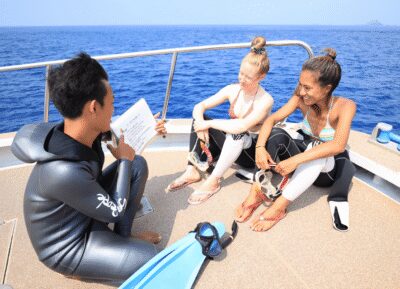
Naha, Okinawa: Kerama Islands Full-Day Intro-Diving Trip
Read our review →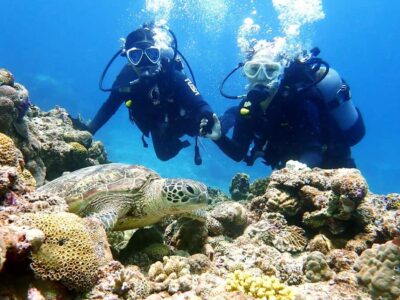
Okinawa:Naha:Kerama Island Experience 1Dive and Snorkeling
Read our review →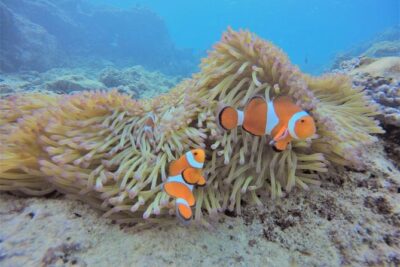
Blue Cave Area Experience Diving!Free feeding & photo images Chinese guide available!1 group with a dedicated instructor
Read our review →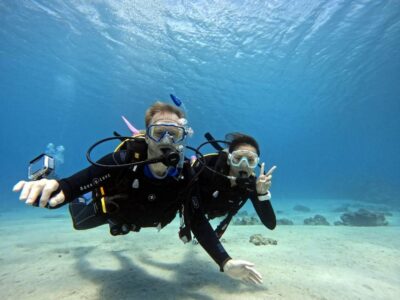
From Naha Scuba Diving Trip in Kerama(for certified divers)
Read our review →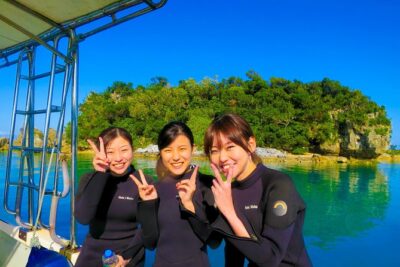
Blue Cave Introductory Dive–Private Guide, Boat Tour&Free Photos
Read our review →
EDOCCO Tea House–A Quick Dive into Japanese Traditional Culture
Read our review →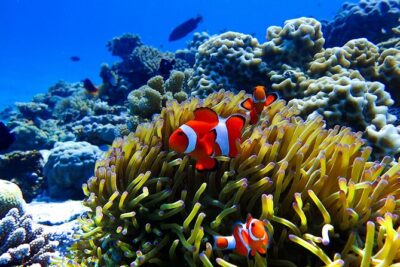
Okinawa: Scuba Diving Tour with Wagyu Lunch and English guide
Read our review →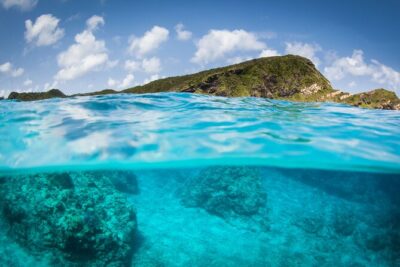
Naha: Full-Day Introductory diving & Snorkeling in the Kerama Islands, Okinawa
Read our review →Lists this dive appears in